Few home decisions feel as high-stakes as the one you face after a storm rolls through Houston or a brutal Texas summer leaves your shingles curling: do you repair the roof or replace it entirely? Spend too little and a patched leak comes back; spend too much and you replace a roof that had years of life left. This guide gives Greater Houston and Austin homeowners a clear, climate-specific framework so you can make the call with confidence rather than guesswork.
Why the Repair-vs-Replace Question Is Harder in Texas
Roofs in Central and Southeast Texas age differently than roofs almost anywhere else. Relentless UV and triple-digit heat bake the asphalt out of shingles, hail from spring supercell storms bruises and fractures them, Gulf Coast tropical systems drive wind-blown rain under the surface, and the occasional hard freeze stresses materials that expanded all summer. A roof that would last 25 years in a mild climate often shows wear here much sooner. That means the answer to "repair or replace?" depends heavily on what your roof has actually endured, not just the calendar.
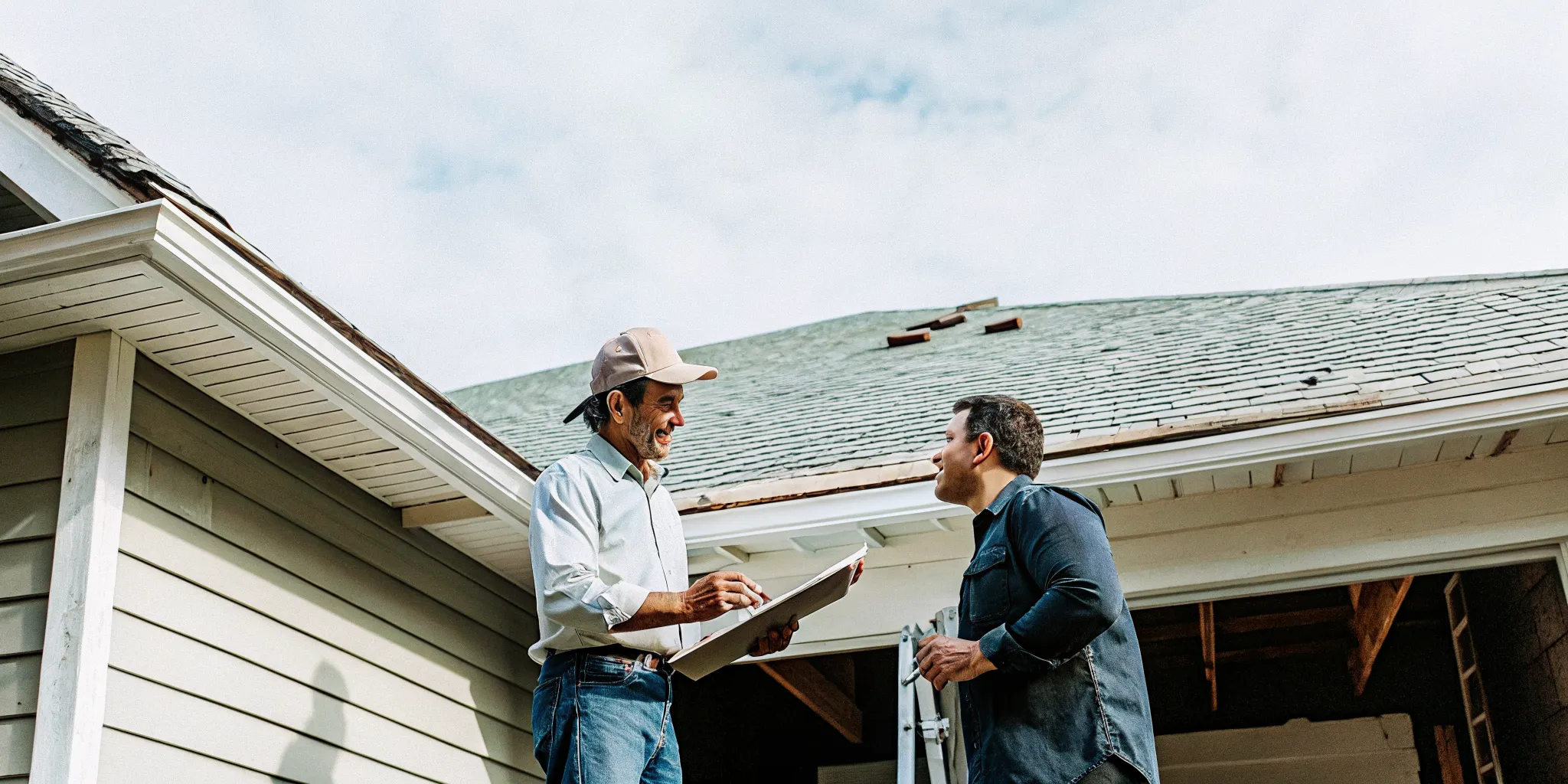
Because the damage is often hidden beneath the surface granules or up in the flashing details, a ground-level look rarely tells the full story. A professional roof inspection is the foundation of any sound decision, and it should come before you commit a single dollar to either path.
When a Repair Is the Right Call
Repair is usually the smarter, more economical choice when the problem is contained and the roof still has plenty of service life. Lean toward a targeted roof repair if most of the following are true:
- The damage is localized. A handful of missing, cracked, or lifted shingles in one area, often on the windward slope after a storm, is a classic repair scenario.
- The roof is relatively young. If your asphalt shingle roof is under 10 to 12 years old and the rest of the field looks healthy, replacing it would mean discarding years of value.
- The leak traces to flashing or a penetration. Many Texas leaks start at chimneys, vents, valleys, or skylights rather than the shingles themselves. Re-sealing or replacing flashing is a focused fix.
- There is no decking or structural damage. If the plywood deck underneath is dry and solid, you are dealing with a surface problem, not a system failure.
The key is acting early. A small leak that goes unaddressed through a Houston rainy season can rot decking, ruin insulation, and invite mold, quietly turning a few-hundred-dollar repair into a far larger project. Pairing prompt repairs with seasonal roof maintenance is the most cost-effective way to stretch the life of a roof that is fundamentally sound.
When Replacement Is the Better Investment
Sometimes patching is throwing good money after bad. A full roof replacement usually makes more sense when:
- The roof is near or past its expected lifespan. In Texas heat, many asphalt roofs reach the end of their useful life around 15 to 20 years, sooner than the manufacturer's ideal rating.
- Damage is widespread. Bald spots where granules have washed away, broadly curling or cupping shingles, or hail bruising across multiple slopes signal whole-roof aging rather than an isolated flaw.
- You have multiple leaks or recurring repairs. When you are calling for the same problem season after season, you are renting time on a failing roof, not solving anything.
- Storm or hail damage is significant. Major hail or hurricane-force wind events can compromise enough of the roof that replacement is both safer and, frequently, covered by insurance.
- There is structural or decking damage. Sagging lines, soft spots underfoot, or daylight visible in the attic point to issues a surface repair cannot reach.
Replacement also opens the door to upgrading the entire system, not just the shingles, with modern underlayment, ice-and-water barrier in vulnerable areas, and improved ventilation that helps your attic shed Texas heat. As a GAF Preferred Contractor offering GAF lifetime systems and RhinoRoof underlayment, we can install a roof engineered specifically for our climate during a new roof installation.
The Math: How to Compare Cost and Value
A useful rule of thumb is the 50 percent guideline: if a repair would cost roughly half or more of a full replacement, or if your roof has already passed half its expected lifespan, replacement is often the better long-term value. Walk through these questions:
- What share of the roof is affected? Damage under about 30 percent typically favors repair; beyond that, replacement economics shift.
- How many more years do you need from this roof? Planning to sell soon changes the calculus versus staying for a decade.
- Is insurance in play? Storm and hail damage may be covered, dramatically changing your out-of-pocket cost.
You can ballpark the scope of a new roof with our roofing calculator, and if a replacement is the right move, flexible financing options can keep it within reach.
Don't Forget the Insurance Angle
If wind or hail caused the damage, your decision may not be entirely yours to fund. We work directly with homeowners' insurance companies on storm claims, documenting damage during the inspection and advocating for a fair outcome. Our storm repair team understands what Texas adjusters look for, which often makes the difference between a denied claim and an approved replacement. If your home has weathered a recent event in the Houston or Austin area, start with a claim-ready inspection before assuming anything about cost.
Make the Decision With Confidence
The honest answer to "repair or replace?" is that it depends on your roof's age, the extent and type of damage, how long you plan to stay, and whether insurance applies. No reputable contractor can tell you over the phone. What we can do is climb up, document exactly what is happening across every slope, and lay out your real options with no pressure, backed by our 100% satisfaction guarantee and 9-plus years serving Texas homeowners.
Ready to know for certain what your roof needs? Schedule a free roof inspection, a $399 value, and let our team give you a straight answer you can plan around. You can also contact us to talk through your specific situation.