Roof Repair Houston: Shingle Lifespan in Extreme Heat
Your asphalt roof faces a daily battle against the brutal Texas heat and thick humidity. The intense sun bakes your home from the outside in while the air stays heavy with moisture. This constant stress wears down even the strongest shingles over time.
Schedule a free roof inspection today to assess your shingle health before the next Texas heat wave causes costly damage.
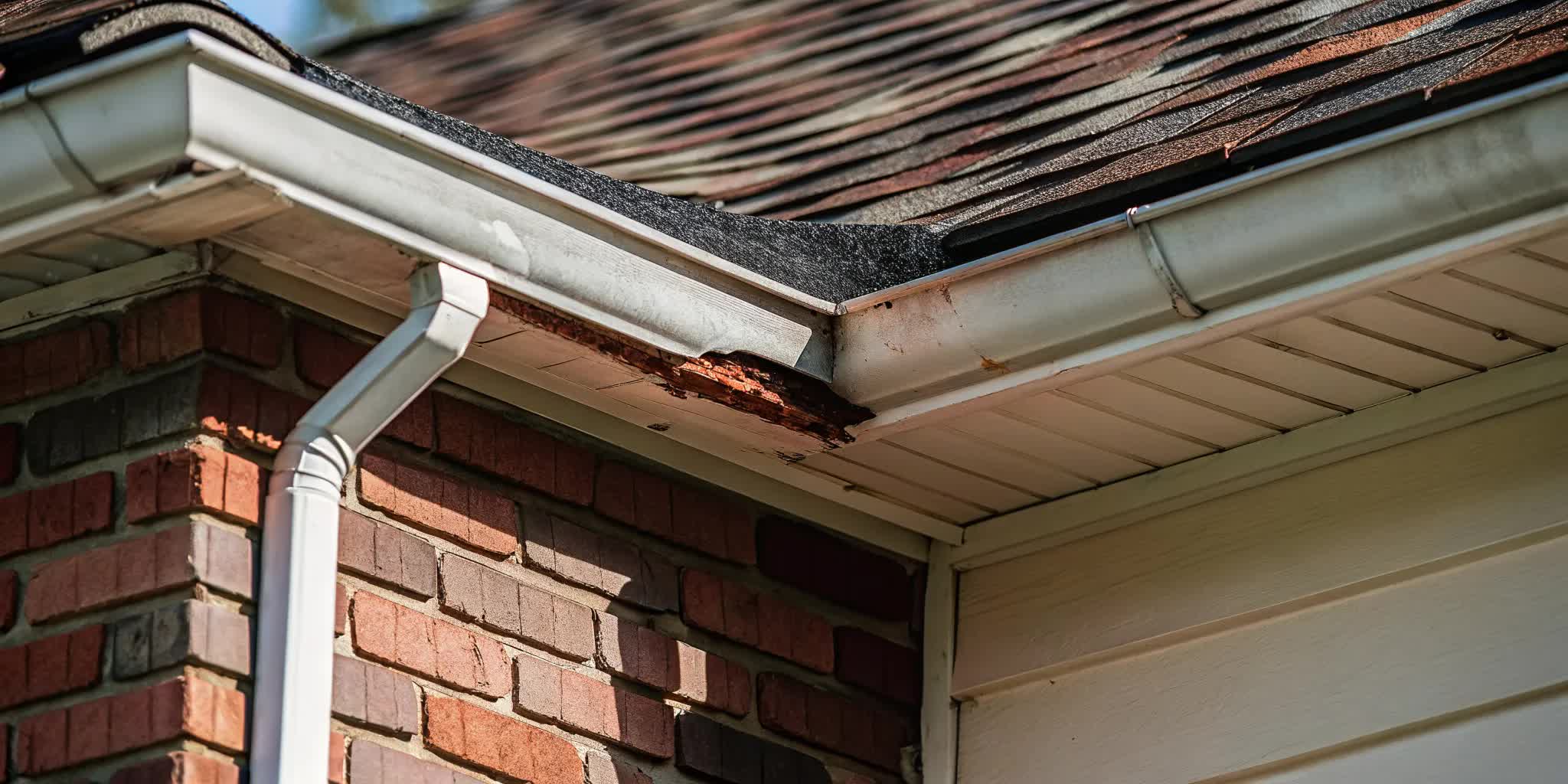
Roof repair houston is a common need for homeowners because local heat and humidity damage asphalt shingles faster than in most climates. While many roofs are rated for 30 years or more, the reality in Texas is much different. Extreme heat causes the vital oils in the asphalt to dry up and evaporate over time. This leads to hardening of the shingle and a large loss of the granules that guard the surface. According to recent research, the mix of high heat and moisture creates conditions that break down asphalt very fast. Because of these local conditions, most asphalt roofs in the Houston area last only 15 to 20 years. Regular care and quick fixes are the only way to get the most value from your roof.
Houston homeowners need to understand how unique weather patterns impact their homes. This guide explains how heat and humidity accelerate shingle aging so you can plan for the future.
Roof Repair Houston: How Does Houston's Heat and Humidity Accelerate Shingle Aging?
Houston is known for its intense summer sun and heavy air. Most asphalt shingles come with a 25- or 30-year rating from the manufacturer. But in the local Texas heat, those numbers rarely hold up in the real world. Extreme heat and high moisture work together to break down roof materials much faster than in cooler states.
The impact of high heat and UV rays
The Texas sun gives off strong UV energy that hits your roof all day long. This energy breaks the inner bonds that keep your shingles flexible. Over time, the oil-based components of the asphalt dry out. This process is called hygrothermal aging, where heat and moisture pull the life out of the shingle binder.
As these oils deplete, the shingles become stiff and brittle. They also lose their protective granules, which are the first line of defense against the sun. Without them, the bare asphalt beneath is exposed to more damage, leading to hardening and cracking. Once shingles become too stiff, they cannot expand and contract as temperatures change. This causes fatigue cracking that may require professional roof repair in Houston to fix.
How humidity and moisture weaken shingles
Houston is one of the most humid cities in the country. This thick air does more than make you sweat. It allows moisture to penetrate the small pores of the asphalt. When water stays inside the shingle during a hot day, it accelerates the breakdown of the material. Academic studies show that heat and moisture together cause asphalt binder to lose strength much faster than heat alone.
High humidity can also lead to moss or algae growth, which holds more water against the shingles. This constant dampness can rot the wood deck beneath or cause the shingle edges to curl. In the Houston market, this type of wear is common, which is why local homeowners must inspect their roofs after peak summer.
True roof lifespan in Houston
Because of these local factors, the real lifespan of a roof here is shorter than many people expect. While a package of shingles might claim 30 years, that rating applies to a moderate climate. In the humid Gulf Coast region, the typical lifespan is 15 to 20 years. The constant cycle of 100-degree days and high humidity simply wears the system down faster. If you see granules in your gutters or cracks in your shingles, it is time to take action. Small fixes now prevent a full roof failure later.
What Are the Warning Signs of Heat Damage on Your Shingles?
Houston's intense summer sun works against your roof every day. High heat and humidity lead to clear signs that your shingles are starting to fail. Spotting these issues early can save you money. Professional roof repair in Houston stops a small leak from turning into a flood in your attic.
Curling and cupping shingle edges
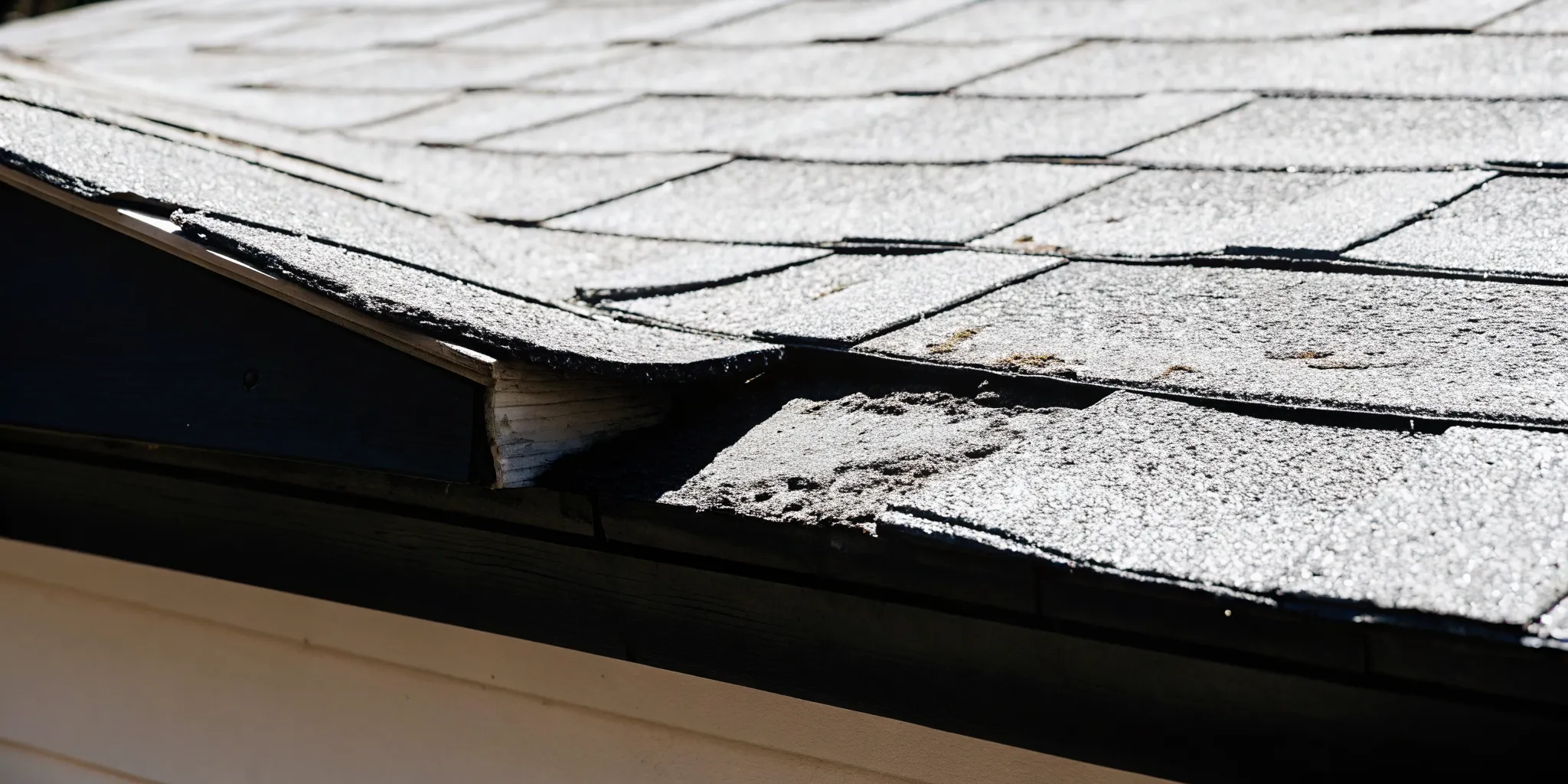
When shingles face years of Texas sun, they lose their natural oils and become brittle. This drying process often causes the edges to turn up or down, known as curling or cupping. These bent edges create gaps that allow wind and rain to get under the roof surface. Once moisture gets behind the shingle, it can quickly rot the wood deck below. Checking for these warped shapes is a key step in knowing when to repair your roof to prevent deep rot.
Blistering and cracking surfaces
Heat can cause small bubbles to form on the face of your shingles. This blistering happens when moisture or gases get trapped inside the shingle layers and expand in the hot sun. These bubbles eventually pop and leave behind small pits that weaken the roof. You might also see long cracks across the shingle face from the shingles expanding and contracting as temperatures change. This thermal movement stresses the roof parts, and over time, fatigue cracking breaks the asphalt binder apart, allowing water to seep through.
Granule loss and algae growth
Asphalt shingles have a layer of small stones called granules that protect the asphalt from the sun's UV rays. Heat causes the asphalt to harden, which makes it lose its grip on these stones. If you see sand-like debris in your gutters, your roof is losing its main shield. Key signs to watch for:
- Gutter debris: Large amounts of sand-like granules in your downspouts after rain
- Bald spots: Exposed asphalt patches on shingles where granules have washed away
- Dark streaks: Algae or moss growth that holds moisture against the shingle surface
- Soft or spongy areas: Sections of the roof deck that feel soft when walked on
Thick humid air allows moisture to soak into the asphalt and its mineral components. This wet environment helps algae and moss grow. These plants hold water against the roof and keep the shingles wet for extended periods, speeding up material failure and leading to leaks along your roofline.
Why Is Attic Ventilation Critical in the Texas Heat?
The Houston sun is strong. On a hot day, it can turn your attic into a bake oven. If the air in your attic cannot move, the heat stays trapped and can reach over 150 degrees. This trapped heat cooks your roof from the bottom up, which is a common reason people need professional roof repair in Houston.
The bake oven effect on shingles
Asphalt shingles protect your home from the sun, but they are not designed to be baked from both sides. When the attic is too hot, heat moves through the roof deck and bakes the asphalt in your shingles from below. This dries out the oils, making the shingles brittle, curled, or granule-depleted.
Proper attic airflow is essential in hot climates like Texas. Most common roof types like asphalt shingles absorb a lot of solar energy, making the roof surface much hotter than the surrounding air. By letting cool air in and hot air out, you can keep the roof deck from overheating and extend your shingle life.
Types of roof vents for airflow
There are several ways to improve attic airflow:
- Ridge vents: Installed at the peak of your roof, they allow hot air to rise and escape naturally
- Soffit vents: Placed under the eaves, they let cool air enter the attic from below
- Gable vents: Mounted on the flat sides of the attic for cross-ventilation
- Powered fans: Electric or solar fans that actively pull hot air out of the attic on peak days
Together, ridge and soffit vents create a natural convection path for continuous airflow. A professional roofer can help you determine the best vent combination for your specific home.
How good airflow saves money
Keeping your attic cool does more than protect your shingles. It can also lower your power bills. When your attic is cool, your air conditioner does not have to work as hard, saving you money each month. Most importantly, it adds years to the life of your roof. A roof with good airflow may last much longer than one without it. Check your Houston area locations for local attic inspection services.
Asphalt or Metal: Which Roofing Material Is Best for Houston?
Choosing between asphalt shingles and metal roofing is a big decision for Houston homeowners. While asphalt is the most common choice, metal offers unique advantages for our hot and humid city. Both materials have trade-offs that affect comfort and long-term costs.
| Feature | Asphalt Shingles | Metal Roofing |
|---|---|---|
| Average Lifespan | 15 to 20 years | 40 to 70 years |
| Upfront Cost | Lower | Higher |
| Heat Reflection | Low (absorbs heat) | High (reflects heat) |
| Storm Resistance | Moderate | High |
| Maintenance Needs | Regular checkups | Very low |
| Noise Level | Quiet | Low to moderate |
One major factor in Houston is the urban heat island effect. Common roofing materials like asphalt shingles absorb a large portion of solar energy, making your roof surface much hotter. Metal roofs reflect more of this heat, helping keep your home cooler and lowering monthly power bills during peak summer.
While asphalt shingles are quieter during heavy rain and have a classic look that fits most neighborhoods, metal roofs last significantly longer and require far less maintenance. At Elevation Roofing, we are Owens Corning and GAF Certified. We have deep experience with both types of roofs and can help you evaluate your budget and needs. Learn more about our roofing services to determine which option fits your home.
Essential Maintenance to Maximize Your Roof's Lifespan
A roof in Houston faces many threats, from high heat to heavy storms. To keep your shingles in top shape, follow a clear maintenance plan. Small steps taken now can save you from a major expense later.
Steps for Better Roof Care
- Schedule regular roof inspections. Have a professional inspect your roof twice a year, ideally in spring and fall. Regular roof inspections are vital after major Texas storms.
- Clean your gutters often. Leaves and debris can clog your gutters and cause water to back up, rotting the wood near your roofline. Keep them clear so water flows away from your home.
- Trim tree branches back. Large limbs hanging over your house drop debris that traps moisture and leads to moss growth. Trim them to keep your shingles dry.
- Fix minor issues fast. If you see a missing shingle or a small crack, address it immediately. Small gaps let water in and small fixes prevent larger problems that need roof repair in Houston later.
- Check your attic airflow. Good ventilation prevents heat buildup that can bake your shingles from below and cut roof life in half.
- Document storm damage. After a major storm, take photos of any damage. These records help with insurance claims and make the process much faster.
The Value of Local Care
Houston roofs need specific care due to the local climate. High humidity promotes algae or moss growth on shingles, which holds moisture and accelerates decay. Humidity speeds up the weathering process by allowing water into the asphalt layers. Keeping your roof clean and dry is one of the best ways to extend its service life. For gutter maintenance and related services, check our other services page.
When Should You Call a Professional for Roof Repair in Houston?
Houston's intense heat and high humidity can turn a small leak into a major problem in just a few days. Property owners often wait for a visible drip before seeking help, but structural damage often starts well before water reaches the floor. Knowing the early warning signs can save you from an expensive full replacement. We recommend expert roof repair as soon as you notice any change in your shingle shape or texture.
Visible shingle damage and aging
If you see shingle edges curling or surface cracks from the ground, the asphalt binder is likely failing. Texas UV rays and heat cause the volatile chemicals in shingles to evaporate, leading to hardening and granule loss. Check your gutters for sand-like debris, as granule accumulation is a clear sign your shingles can no longer protect your home from the sun.
Interior leaks and structural shifts
Water stains on your ceiling or walls are urgent signs that you need roof repair in Houston immediately. Moisture can travel through the binder and aggregate layers, causing hidden rot in your wood framing. If you see daylight through the roof boards in your attic or notice sagging, the structure is at risk. High humidity in Texas promotes moisture damage in asphalt, weakening materials over time.
Post-storm checks and recurring issues
Severe storms in Texas often cause hidden damage that only a professional can detect with a full inspection. Wind can lift shingles without tearing them, breaking the seal and allowing rain to blow underneath. Professionals use specialized tools to find these gaps before mold develops. If your roof has persistent leaks despite past DIY fixes, it is time for a permanent solution from a certified team. See what our customers say on our reviews page.
Frequently Asked Questions
What is the average cost of roof repair in Houston?
Basic roof repairs in the Houston area often start at about $250 for simple work like replacing missing shingles. More complex jobs such as replacing damaged roof decking can cost around $440. These rates vary based on the repair size and the materials your roof requires.
How often should I have my roof inspected in Houston?
You should schedule a professional roof inspection at least twice a year in the Texas heat. The best times are spring and fall to prepare for the hot summer and storm seasons. It is also wise to check your roof after any major weather event like a hurricane or hailstorm. Regular inspections help you catch small issues before they become large leaks.
Is roof repair necessary after a major Houston storm?
Yes, always check for damage after a big storm in Houston. High winds and heavy rain can loosen shingles or cause leaks you may not see from the ground. Catching these problems early prevents water from rotting your attic or walls. Prompt roof repair in Houston helps protect your home from long-term moisture damage and costly structural repairs.
How do I find a reliable roof repair contractor in Houston?
Look for local companies with top industry credentials. A trusted team should be Owens Corning and GAF Certified to demonstrate high standards. Check for a physical local office and read recent customer reviews to verify work quality. A good roofer will offer a free inspection and clear pricing for any needed repairs. Choosing a certified team ensures expert service and a solid guarantee on every job.
Ready to schedule a free roof inspection?
Ignoring the small signs of heat damage on your roof can lead to expensive structural repairs. Shingles in the Texas climate wear faster than most homeowners realize. A timely roof inspection catches problems early and extends your roof's service life.
Call us today at (832) 271-1726 to schedule your free roof inspection and protect your Houston home.
