Every June, Texas homeowners run the same quiet experiment: who can keep the upstairs comfortable without watching their power bill double. If your second floor feels like an attic by mid-afternoon, or your air conditioner never quite catches up between Houston's humidity and the Austin metro's dry, relentless sun, the problem is rarely just your AC unit. It usually starts at the roof. Beating the Texas heat means treating your roof and attic as a single heat-management system, not just a layer of shingles, and getting ahead of the damage before another summer compounds it.
This is not another "pick a lighter shingle" article. It is a practical, season-by-season plan for what to check, what to fix first, and when to call in help, so your home stays livable from the first triple-digit week in June through the last hot stretch of September.
What a Texas Summer Actually Does to Your Roof
Roofing materials are rated for a temperature range, and a Texas July blows past it daily. A dark asphalt surface in Houston or Round Rock can climb to 150 to 170 degrees in full sun, then cool sharply when an evening storm or a dry-line breeze moves through. Repeat that swing thousands of times a year and the roof fatigues, the same way a wire snaps after enough bending.
Three things happen at once during a Texas summer:
- UV breaks down the shingle. Ultraviolet light dries out the asphalt binders and protective oils, leaving shingles brittle, chalky, and prone to cracking.
- Heat loosens the seals. Daily expansion and nightly contraction work against the adhesive strips between shingle courses and the sealant around vents, pipe boots, and flashing.
- Attic heat backs up. Without enough airflow, your attic turns into a 130-plus degree oven that radiates straight down into your bedrooms and onto your ductwork.
That last point is the one most homeowners overlook. The roof surface gets the attention, but the attic is where the heat actually wins or loses against your comfort and your energy bill.
The Attic Is Your Front Line
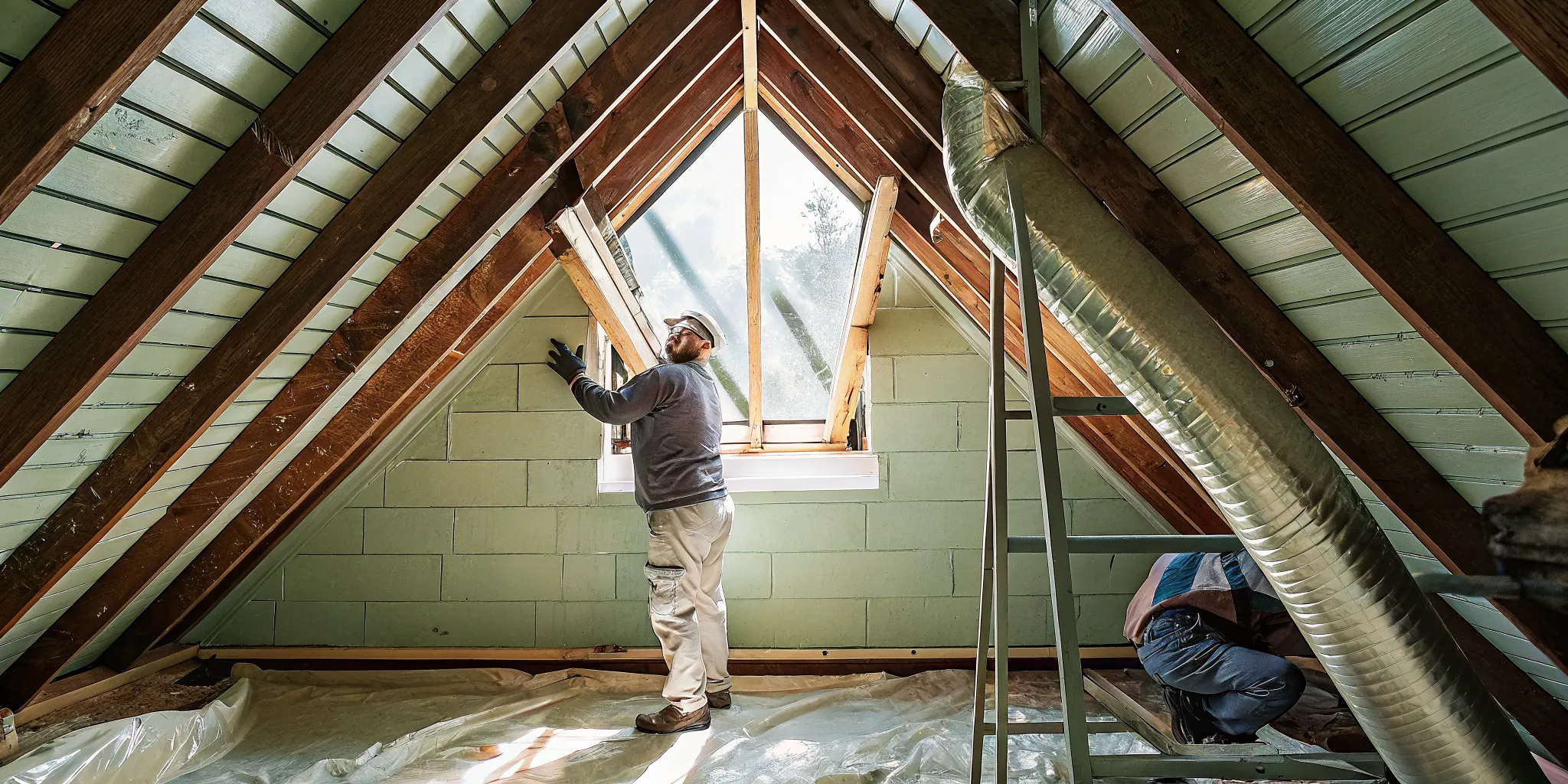
Before you think about new materials or coatings, look at the space directly under your roof. A balanced attic, with intake vents low at the soffits and exhaust high at the ridge, lets superheated air escape instead of pooling against your decking and insulation. When that airflow is missing or unbalanced, three things follow: hot upstairs rooms, an AC that runs nonstop, and a roof deck that bakes from below and ages early.
Signs your attic is losing the heat battle:
- Upstairs rooms that stay 5 to 10 degrees warmer than the rest of the house
- An attic that feels suffocating well into the evening, long after sunset
- Cooling bills that spike sharply from June through September
- Visible heat damage on the underside of the decking or rusted nail tips
Improving ventilation and topping up attic insulation is often the cheapest, highest-return move a Texas homeowner can make, and it protects the roof and your wallet at the same time. Catching ventilation problems is a core part of any honest roof inspection, because airflow issues hide where you cannot easily see them.
Your Summer Heat-Defense Plan, Step by Step
You do not need to do everything at once. Work through these in order of cost and payoff.
Step 1: Read the warning signs from the ground
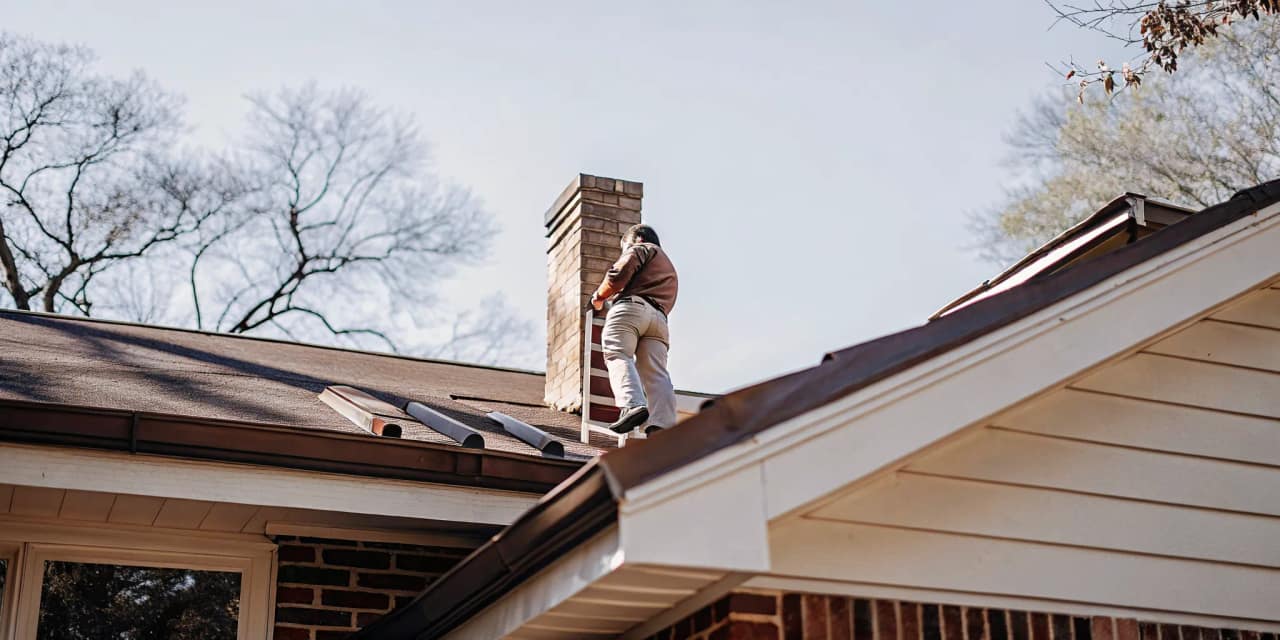
Early in the summer, walk your property and look up. Check the gutters for granules that look like coarse black sand, scan for curling or cupping shingle edges on the south- and west-facing slopes, and note any faded, chalky patches. These are the roof telling you the sun is winning. If you spot them, it is time for a professional look rather than a wait-and-see.
Step 2: Fix the small stuff before it leaks
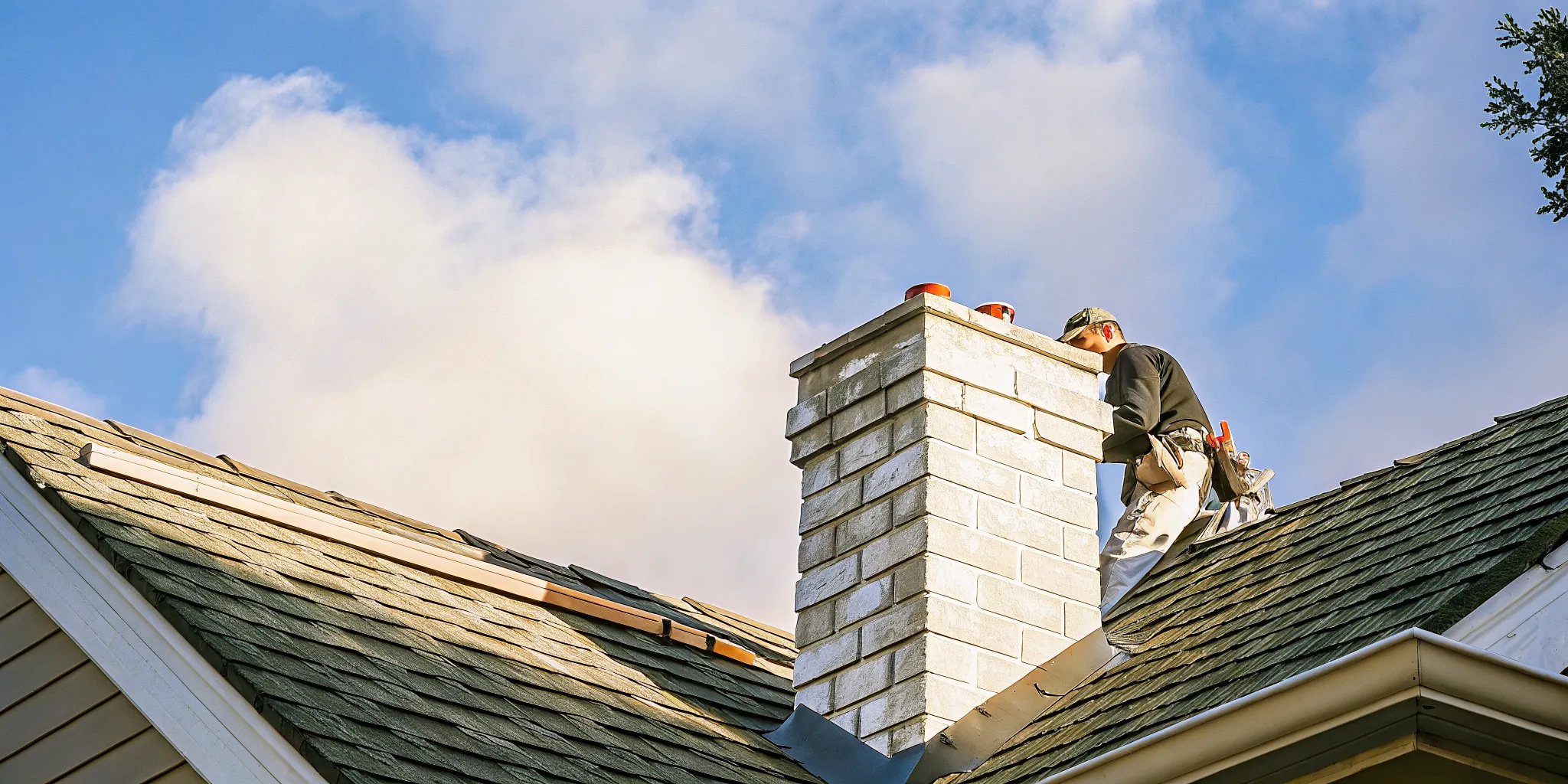
Cracked sealant around a vent, a lifted shingle, or a worn pipe boot is cheap to address now and expensive to ignore once a pop-up storm drives rain into the gap. A targeted roof repair in early summer keeps small, heat-driven weaknesses from becoming a ceiling stain in August.
Step 3: Keep water moving
Texas summers swing from bone-dry to violent downpour in an afternoon. Clogged gutters back that water up under a roof edge already stressed by heat, so clearing them and confirming downspouts drain away from the house is part of summer prep, not just a fall chore. Sound gutters are genuinely part of a healthy roof system.
Step 4: Choose the right upgrade for your roof's condition
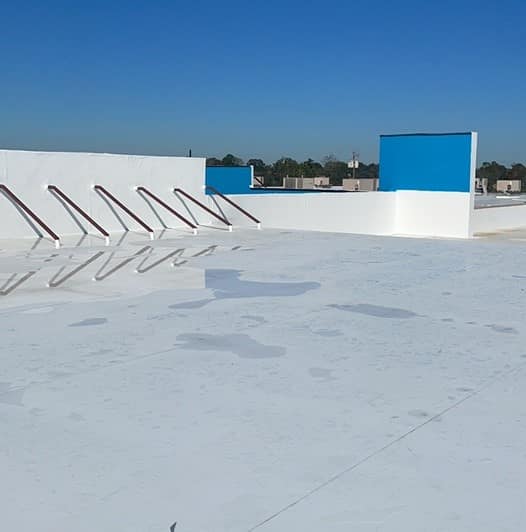
If your roof is sound but flat, low-slope, or metal, a reflective coating can knock down surface temperatures and add waterproofing without a tear-off. If your roof is near the end of its life, the smarter play is to plan a heat-ready roof replacement built for the climate. Either way, the goal is to turn the roof from a heat magnet into a heat shield.
Materials That Earn Their Keep in the Texas Sun
When replacement time comes, the material you choose decides how hard the next decade of summers hits your home:
- Reflective and lighter asphalt shingles use engineered granules to meet cool-roof standards while still looking traditional, a strong default for most Houston and Austin homes.
- Metal roofing naturally reflects radiant heat and, with a reflective finish, runs remarkably cool, making it one of the best heat performers we install.
- Tile and slate use thermal mass and built-in air gaps to insulate against heat, which is exactly why they have survived in hot climates for centuries.
None of these matter much, though, without the ventilation and underlayment behind them. We install GAF lifetime roofing systems and are RhinoRoof certified for premium synthetic underlayment that holds up to Texas extremes, so the system works together against the heat rather than relying on the surface alone.
Houston and Austin Feel the Heat Differently
The same summer punishes the two metros in distinct ways. Along the Gulf Coast, Houston's heat comes wrapped in humidity, so trapped attic moisture and slow-drying decking are constant concerns, and the heat softens shingle seals right before hurricane season tests them with wind. Inland, the Austin metro and the I-35 corridor see drier, more intense direct UV and a brutal hail season layered on top. A plan that works in one city should be tuned for the other, which is why a local roof maintenance visit beats generic advice. We serve more than 100 Texas communities across both metros, and you can confirm your area on our service locations page.
Don't Wait for the Heat to Win
Beating the Texas heat is about more than dodging leaks. It is about keeping your family comfortable, holding your summer energy bills down, and adding years to a roof that the sun is actively trying to shorten. The homeowners who come out ahead are the ones who treat early summer as inspection season instead of waiting for the upstairs to become unbearable.
If your second floor runs hot, your power bills have climbed, or you simply want to know how your roof is handling this summer, let us take a look. Elevation Roofing & Restoration offers a free roof inspection (a $399 value) across the Houston and Austin metros. As a GAF Preferred Contractor with a 5-star Google rating, 9-plus years in business, and a 100% satisfaction guarantee, we will tell you honestly where the heat is costing you and the most affordable way to fix it. Call (832) 271-1726 to schedule yours.