For homes along the Texas Gulf Coast, hurricane season is not a single deadline. It is a six-month window that runs from June 1 through November 30, with the most dangerous stretch landing in August and September. The mistake most Houston and coastal homeowners make is treating roof prep as a one-time scramble when a named storm enters the Gulf. By then, every reputable contractor is booked, plywood is sold out, and there is no time to fix the small problems that turn into catastrophic ones.
A better approach is to spread the work across a timeline. Below is a month-by-month plan for getting your roof ready, holding it ready, and documenting its condition so that if a storm does hit, your insurance claim is built on a foundation of proof rather than guesswork.
Why a Timeline Beats a Last-Minute Scramble
A roof fails in a hurricane at its weakest point. High winds find a single lifted shingle, a loose flashing edge, or a popped fastener and peel from there. Wind-driven rain then exploits any gap the wind opens. The work that prevents this kind of failure, such as re-securing flashing, replacing brittle shingles, and clearing drainage, takes time and dry weather to do well. None of that is available in the 72 hours before landfall.
Spreading prep across the spring and early summer also means you are never competing with thousands of other homeowners for the same crew. A professional roof inspection booked in April carries no urgency premium. The same inspection requested with a cone of uncertainty pointed at the upper Texas coast is a very different conversation.
April and May: Build the Baseline
The weeks before the season opens are when the real work happens. Your goal here is to enter June 1 with a roof you trust and a paper trail that proves its condition.
Get a Pre-Season Professional Inspection
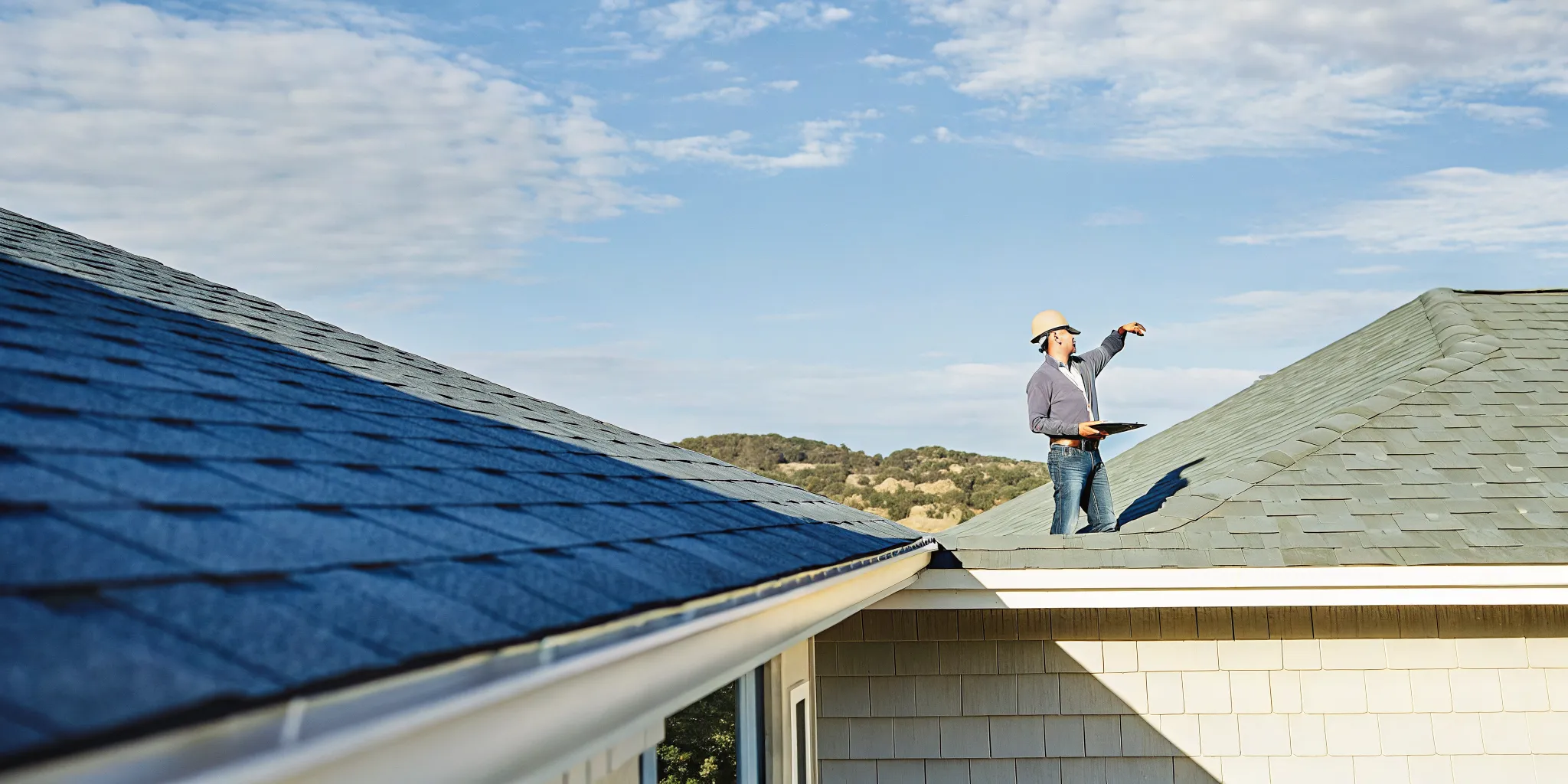
Schedule a thorough inspection that covers the roof field, ridges, valleys, penetrations, and flashing. A trained eye catches problems that are invisible from the ground, such as nail pops, granule loss on aging asphalt shingles, lifted edges, and deteriorated sealant around vents and chimneys. Elevation offers a free roof inspection, a $399 value, and provides a written report you can keep on file. That report becomes the documented "before" picture that supports any storm claim later.
Repair the Small Stuff Now
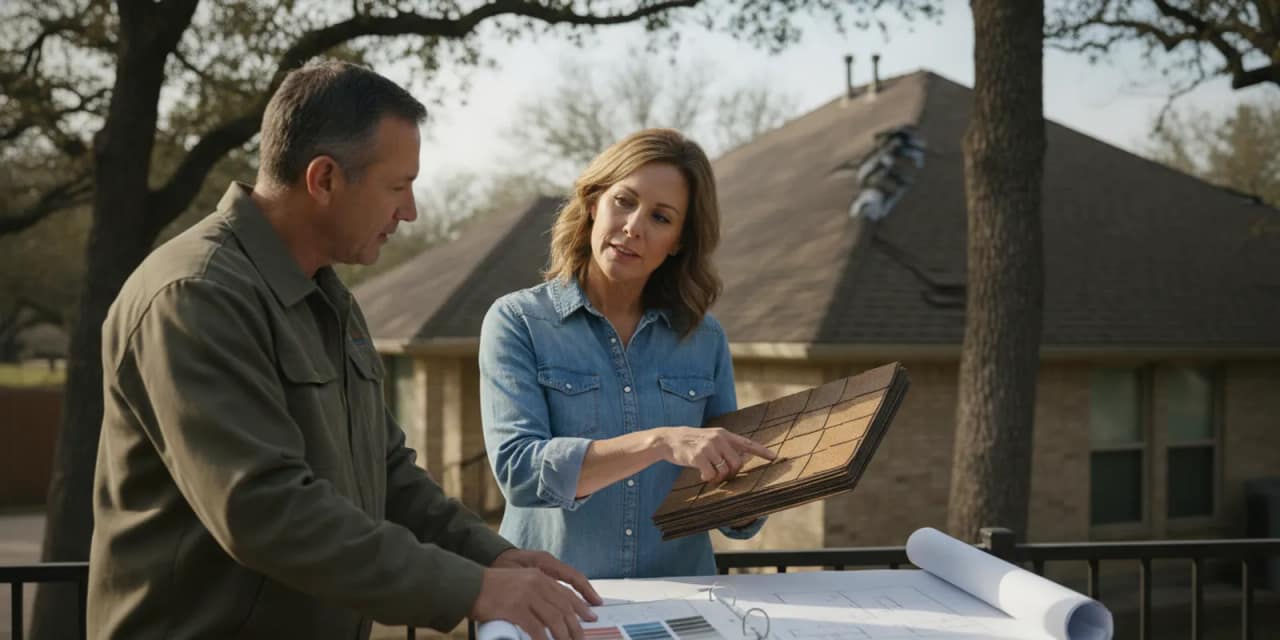
Address every issue the inspection turns up while the weather is calm. Common pre-season fixes include resealing flashing, replacing cracked or missing shingles, and re-nailing loose decking. If your roof is near the end of its service life, this is the moment to weigh a full roof replacement against another season of patches. A new GAF lifetime system installed before June is far cheaper and less stressful than an emergency tarp in September.
Document Everything
- Keep the dated inspection report from your contractor.
- Take your own wide and close-up photos of the roof, gutters, and any recent repairs.
- Save receipts and warranty paperwork in a place you can reach even if the power is out.
This documentation is your strongest ally when working with an insurer. We work directly with homeowners' insurance on storm and hail claims, and adjusters respond far better to a roof with a verified pre-storm baseline than to one with no history at all.
June and July: Hold the Line
Early season storms can still form, but these months are mainly about maintenance and readiness. Texas heat and intense UV are quietly aging your shingles all summer, so this is when small lapses compound.
- Clear your gutters and drainage. A roof can only shed a hurricane's rainfall if water has somewhere to go. Clogged gutters back water up under shingles and into fascia. Clean them before the season's first heavy rain.
- Trim overhanging limbs. Branches that scrape the roof in a normal thunderstorm become battering rams in 90-mph gusts. Cut them back to a safe distance from the roofline.
- Secure loose exterior items. Satellite dishes, solar mounts, and rooftop equipment should be checked for tight anchoring so they do not tear free and damage the surface.
If you skipped a spring inspection, do not skip it now. Ongoing roof maintenance through the summer keeps minor wear from becoming a failure point at the worst possible moment.
August and September: Peak Season Readiness
This is the heart of hurricane season for the Gulf Coast. Your roof work should be finished by now, so the focus shifts to monitoring and a fast-response plan.
Track Storms Early
When the National Hurricane Center flags a system that could affect the upper Texas coast, you typically have several days of warning. Use that lead time to do a final walkaround, photograph the current condition again, and confirm your documents are accessible.
Have a Pre-Landfall Checklist Ready
- Move vehicles and patio furniture away from the structure.
- Take fresh, dated exterior photos so any new damage is provably storm-related.
- Know who you will call afterward. Save the number for emergency roof help: (832) 271-1726.
Do not attempt rooftop repairs or tarping with a storm bearing down. Wind and wet surfaces make that dangerous, and a professional crew can secure the roof safely once conditions clear.
October and November: Don't Drop Your Guard
Late-season systems are easy to dismiss, but the Gulf stays warm well into the fall and can still fuel a powerful storm. Keep your gutters clear, keep your photos current, and only stand down from readiness once the season officially closes on November 30. That is also a smart time to book a post-season inspection to catch any cumulative wear from months of UV, wind, and rain.
If a Storm Does Hit
Once it is safe, get a professional assessment quickly. Wind and hail damage is often subtle from the ground, and undetected breaches let water work into the decking and attic for weeks. Our team handles storm damage repairs across Greater Houston and the Austin metro, and we help you navigate the insurance process from the first photo to the final shingle.
Build Your Baseline Before the Next Storm
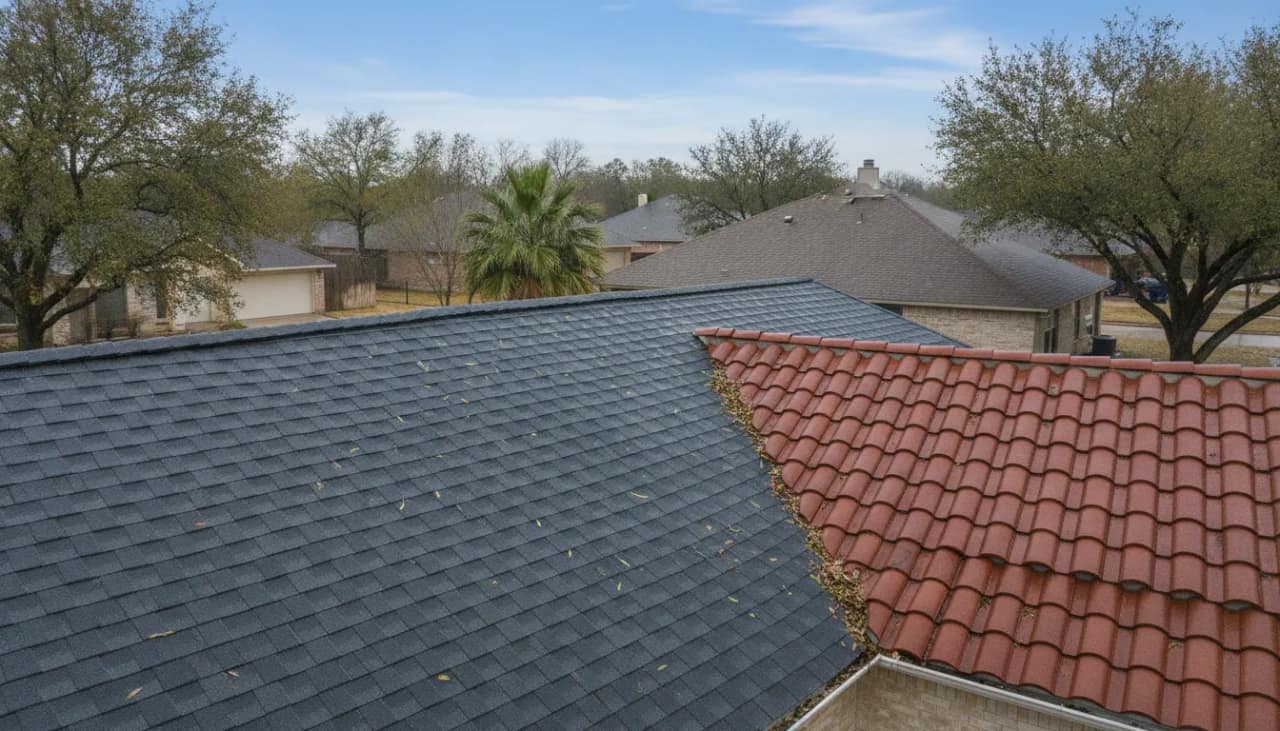
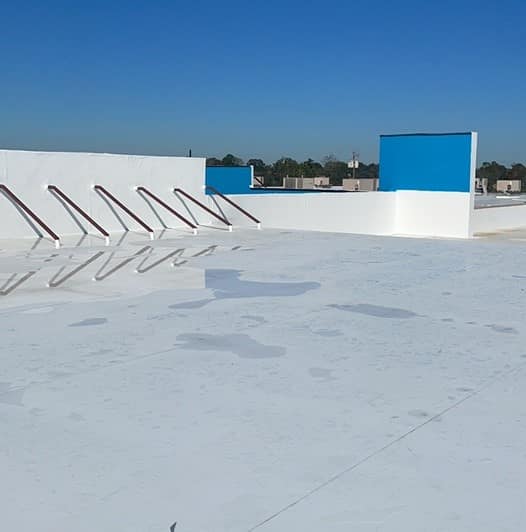
The best hurricane prep is the work you do when skies are clear. Whether your home wears asphalt shingle, metal, tile, or a flat low-slope system, a documented, well-maintained roof is the difference between a manageable claim and a costly disaster. Elevation Roofing & Restoration has spent 9-plus years protecting Texas homes from exactly these threats. Lock in your peace of mind by booking a free roof inspection today, and head into the season with a roof you can trust.