When you commit to replacing your roof, the next question is almost always about time: how long will my house be a construction site, and how many days do I need to plan around? For most Texas homeowners the honest answer is shorter than they fear. A standard asphalt shingle roof on a typical Houston or Austin home is usually torn off and re-roofed in one to three days. But that headline number hides a lot of variation, because the material on your roof, the size and pitch of your home, and the Texas weather all push the timeline in different directions.
This guide breaks down a real roof replacement day by day, gives you material-by-material ranges, and explains exactly what speeds a project up or stretches it out, so you can plan with confidence instead of guesswork.
The Short Answer: Replacement Time by Material
The single biggest factor in how long your project takes is what you're putting back on the roof. Heavier, more labor-intensive materials require slower, more precise installation. Here are realistic working ranges for an average-size home:
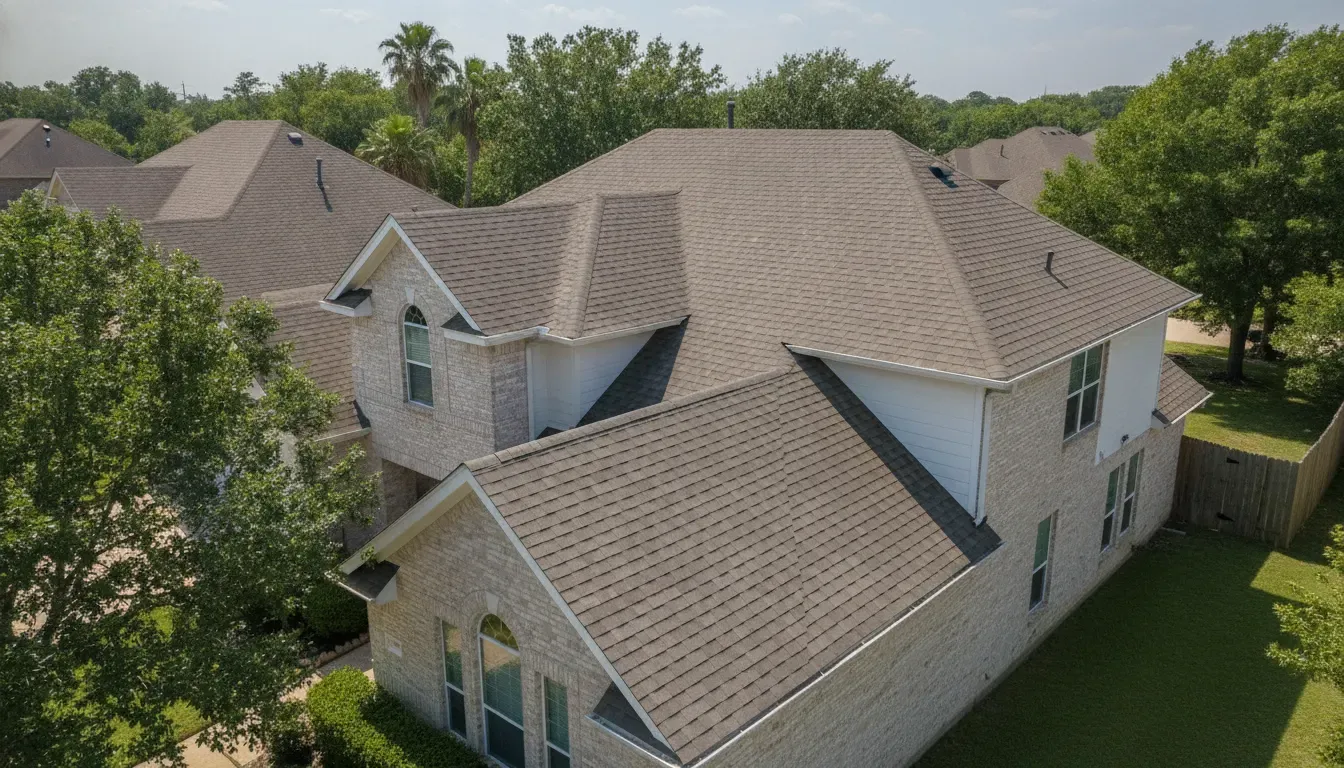
- Asphalt shingle: 1 to 3 days. By far the fastest and most common system in Texas. Explore shingle roofs.
- Metal: 1 to 2 weeks. Standing-seam and metal panel systems demand careful measuring, cutting, and fastening. See metal roofs.
- Concrete or clay tile: roughly 8 days to 2 weeks. Heavy and laid piece by piece, often with structural prep first. Learn about tile roofing.
- Slate: 6 to 8 days or more. A premium, skilled hand-laid install. See slate roofing.
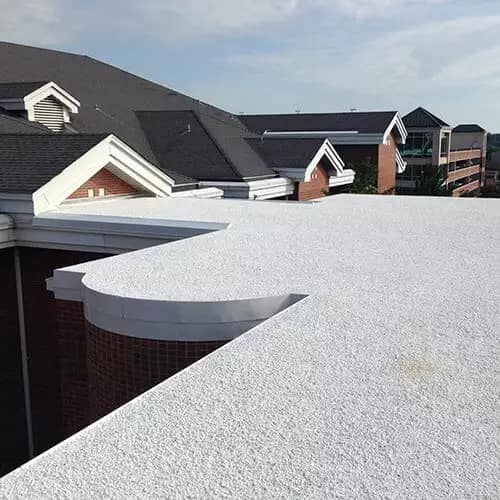
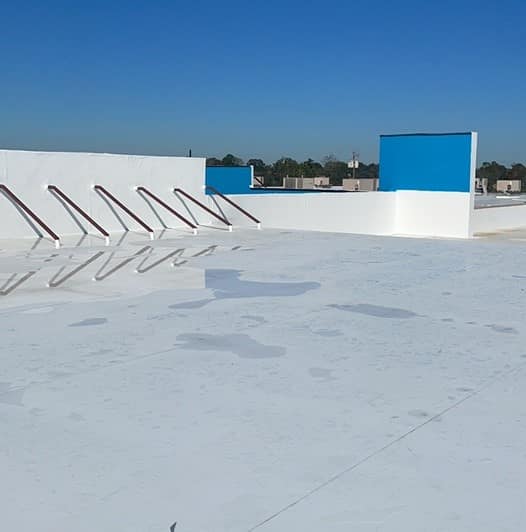
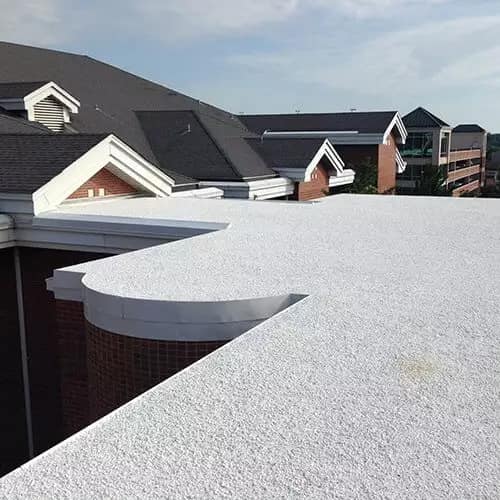
- Flat and low-slope membranes: a few days to a week, depending on system and access. Common on modern flat roofs.
If you only remember one thing: a 3,000-square-foot-or-smaller home getting standard architectural shingles is typically a one-to-three-day job, while specialty materials are measured in weeks, not days.
A Day-by-Day Look at an Asphalt Shingle Replacement
Because asphalt shingles cover the vast majority of Texas homes, here's how a typical re-roof actually unfolds on the ground.
Before day one: prep and delivery
Ahead of the crew arriving, materials are delivered, dumpsters or debris trailers are positioned, and the work area is staged. We'll also have walked the roof during your inspection so there are no surprises once the old shingles come off.
Day one: tear-off and dry-in
The crew strips the existing shingles down to the decking, then inspects the exposed wood. This is the moment hidden problems surface, like rotted decking from an old leak or sun-baked underlayment. Damaged sections are replaced, and the roof is "dried in" with new underlayment and an ice-and-water barrier at vulnerable areas so it's protected overnight.
Day two: installation
New flashing, drip edge, starter strip, and field shingles go on, working from the eaves up. On a straightforward roof, a full installation can begin and finish here. More complex roofs carry into a third day.
Final day: ridge, cleanup, and inspection
Ridge caps and ventilation components are installed, the property is cleaned, and a magnetic sweep collects stray nails from the lawn and driveway. A final walk-through confirms the system is complete and watertight before we call it done.
What Makes a Roof Replacement Faster or Slower
Two identical-looking houses can have very different timelines. These are the variables that move the needle.
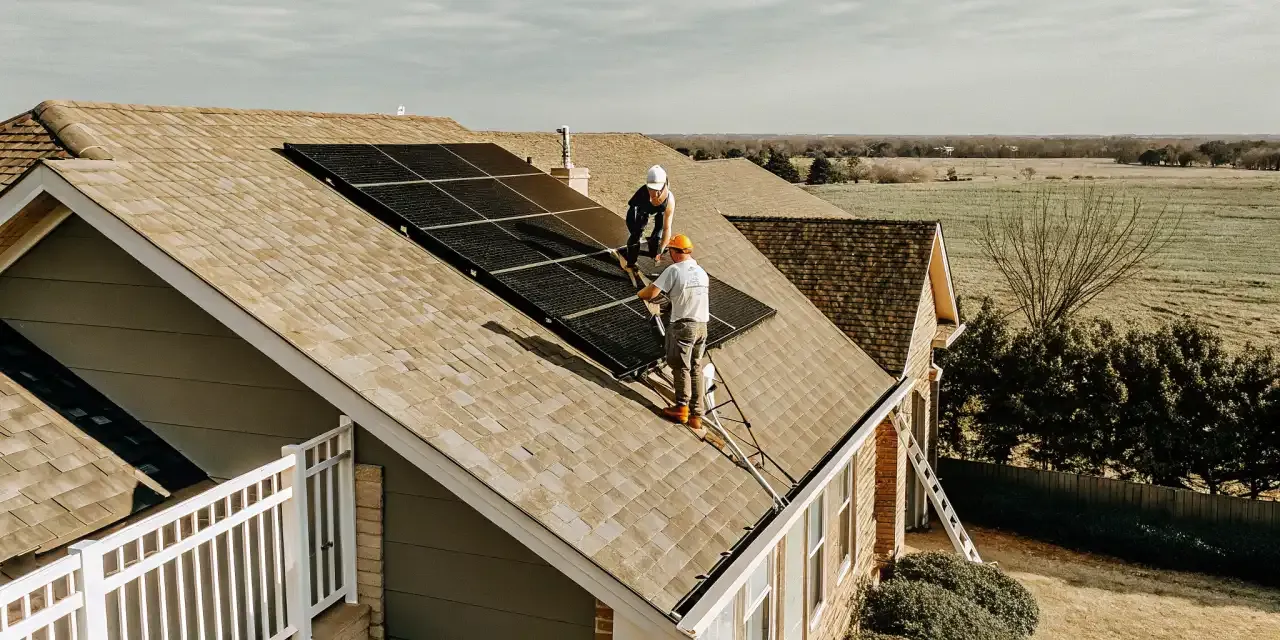
- Roof size and complexity. Square footage matters, but so does shape. Lots of valleys, dormers, skylights, chimneys, and steep pitches all slow the pace because each detail needs careful flashing and hand-cutting.
- Hidden decking damage. If tear-off reveals rotted or soft decking, replacing it adds time, but it's non-negotiable; you can't install a quality roof over a compromised deck. Read more in the anatomy of a roofing system.
- Texas weather. This is the wild card. Crews don't tear off a roof with storms in the forecast, and Gulf Coast summer rain, lightning, and extreme heat can pause work for safety. A surprise pop-up shower can push a one-day job into a two-day job.
- Access and layout. A multi-story home, tight lot lines, landscaping to protect, or limited driveway space for the dumpster all add handling time.
- Material and permits. Specialty materials take longer to install, and some municipalities require permits and inspections that affect the start date more than the work itself.
Planning Around the Project: What to Expect at Home
A roof replacement is loud and active, but it rarely requires you to leave. A few practical notes for the days your crew is on site:
- Expect significant noise and vibration; it's a good idea to plan around naps, remote-work calls, and pets that startle easily.
- Move vehicles out of the driveway so the team has staging space and your cars stay clear of falling debris.
- Take fragile items off walls in the upper floor, since hammering can rattle frames loose.
- Keep kids and pets away from the perimeter where materials and debris are handled.
For homes hit by a recent hail or wind event, the replacement itself is just one piece. Documentation and insurance coordination happen in parallel, and we work directly with your homeowners' insurance carrier on covered storm-damage claims, so the paperwork timeline doesn't slow down the roof timeline.
Why the Right Crew Shortens the Timeline
An experienced, properly staffed crew is the difference between a clean one-to-three-day asphalt job and a project that drags on. As a GAF Preferred Contractor with 9-plus years serving Greater Houston and the Austin metro, Elevation Roofing & Restoration sizes the crew to the roof, schedules around Texas weather windows, and installs GAF lifetime systems the right way the first time. Faster doesn't mean rushed; it means organized. If you'd like a firm timeline and price for your specific home, explore our full roofing services or get a number to plan around with our roofing calculator.
Every roof is a little different, and the only way to give you an exact timeline is to look at yours. Book your free roof inspection (a $399 value) and we'll walk your roof, explain the scope, and tell you honestly how many days your replacement will take, before the next Texas storm season arrives.