If you own a home or commercial building anywhere along the Texas Gulf Coast, wind is not a hypothetical threat. Greater Houston sits in a hurricane corridor, and even the Austin metro regularly absorbs straight-line winds and severe thunderstorm gusts that peel back poorly anchored roofs. Choosing wind-resistant roofing materials is one of the few decisions that genuinely changes whether your roof survives the next named storm or ends up as an insurance claim. This guide breaks down how the major roofing materials actually perform against wind, what their MPH ratings mean, and which choices make the most sense for Texas weather.
Why Wind Ratings Matter More in Texas
Wind does not lift a roof off in one clean sheet. It works at the edges and corners, finds a lifted shingle or a loose fastener, and uses pressure differences to pry the system apart piece by piece. Once the first row of shingles or the first panel goes, wind gets underneath and the failure accelerates. That is why a material's wind rating, along with how it is installed, is the single most important factor in storm survival.
Most quality roofing materials carry a manufacturer wind rating expressed in miles per hour. But that number assumes a proper installation: correct nailing patterns, sealed edges, and the right underlayment. A 130-mph shingle nailed wrong performs like a 70-mph shingle. This is why we always pair material selection with a professional roof installation that follows manufacturer specs to the letter.
Asphalt Shingles: The Practical Workhorse
Architectural asphalt shingles are the most common roof in Texas for good reason. Standard three-tab shingles top out around 60 to 70 mph, but modern architectural and impact-rated shingles are rated up to 110 to 130 mph when installed with the correct six-nail pattern and starter strips along eaves and rakes.
- Wind rating: Up to 110 to 130 mph (high-wind installation required)
- Best for: Most residential homes that want strong protection at a sensible price
- Trade-off: Needs the right nailing and sealing to hit its rated number
As a GAF Preferred Contractor, we install GAF lifetime shingle systems with sealed starter courses and ridge caps, the details that actually keep wind out. For Houston-area homes, this combination of price and performance is hard to beat.
Metal Roofing: The High-Wind Champion
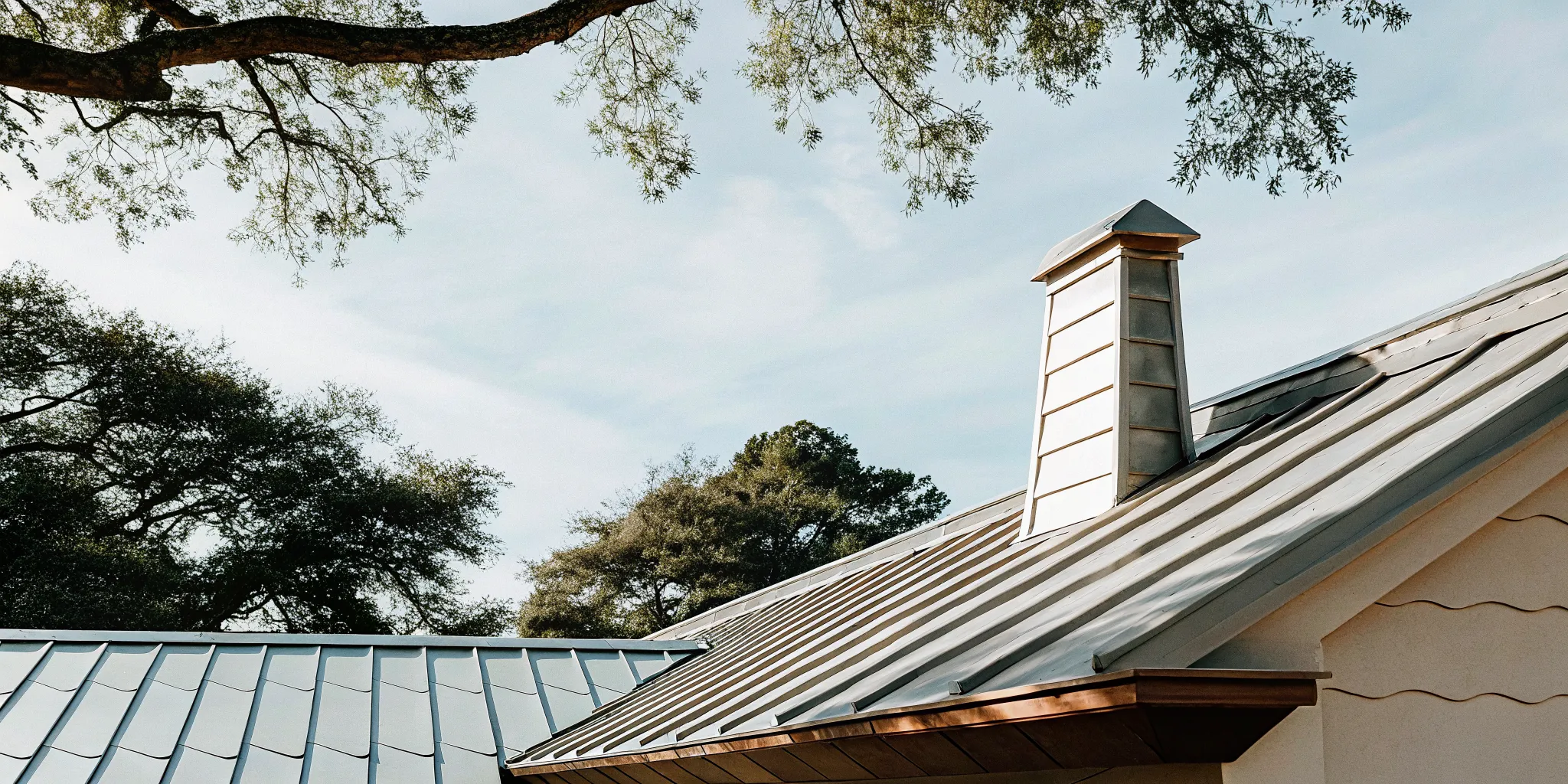
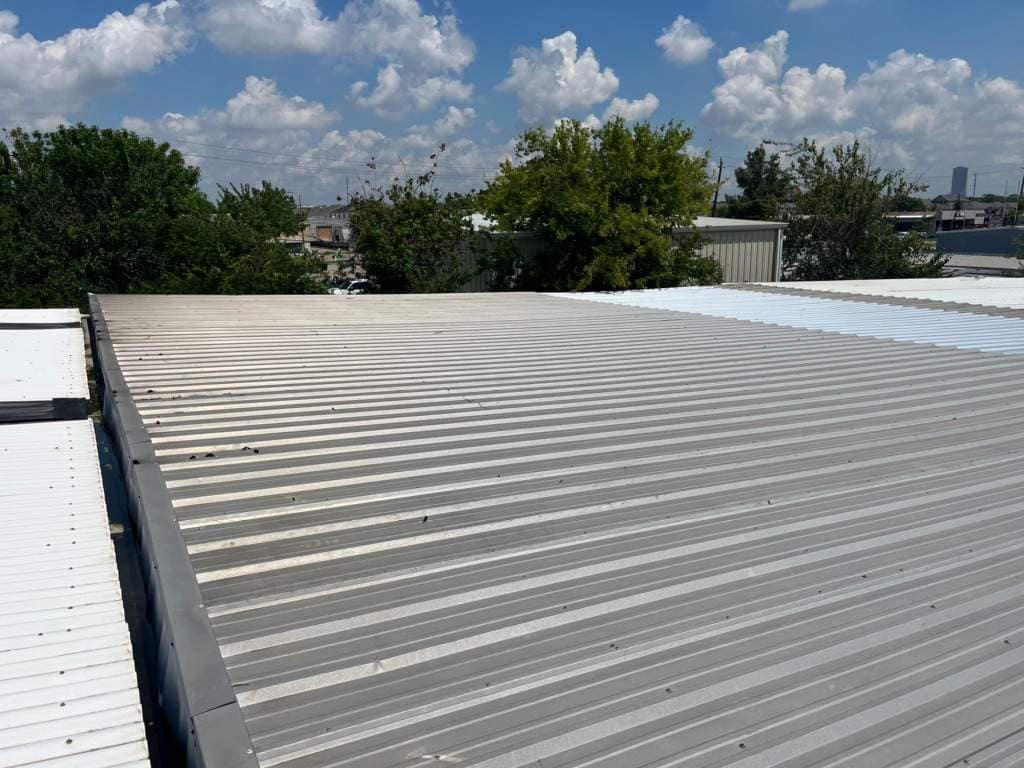
When wind resistance is the top priority, standing seam metal roofing is hard to beat. Concealed-fastener metal systems are commonly rated up to 140 to 160 mph because the panels lock together and the fasteners are hidden from the wind entirely. There are no individual tabs for wind to catch.
- Wind rating: Up to 140 to 160 mph for standing seam systems
- Best for: Coastal Houston properties, commercial buildings, and homeowners planning to stay long term
- Trade-off: Higher upfront cost, offset by a 40 to 70 year lifespan and lower maintenance
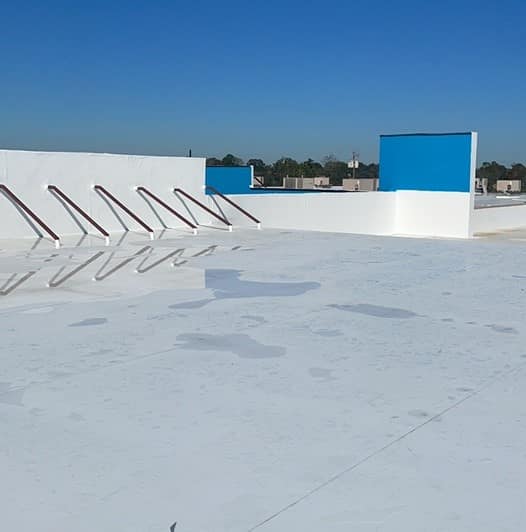
Metal also sheds rain fast and resists the UV punishment that bakes Texas roofs all summer. For commercial and low-slope buildings, we also install TPO, modified bitumen, and built-up systems engineered for wind uplift resistance.
Tile and Slate: Heavyweight Durability
Clay and concrete tile roofing is rated up to roughly 120 to 150 mph when each tile is mechanically fastened rather than just mortared in place. Tile's weight works in its favor against wind, and it shrugs off UV and heat. Natural slate is similarly storm-tough, rated up to 150 mph, with a lifespan measured in generations.
- Tile wind rating: Up to 120 to 150 mph (fastened, not just mortar-set)
- Slate wind rating: Up to 150 mph
- Trade-off: Both are heavy and may require structural verification before installation
Because tile and slate are heavy, the roof structure has to be confirmed before installation. A professional roof inspection tells us whether your decking and framing can carry the load.
Beyond the Material: Installation Wins the Fight
The strongest material fails if the details are wrong. What actually keeps a roof on in a Texas windstorm:
- Sealed edges and corners where uplift pressure is highest
- Correct fastener count and placement per the manufacturer's high-wind spec
- Quality underlayment as a secondary water barrier if shingles do lift
- Properly secured flashing around penetrations and valleys
We are RhinoRoof certified and back our work with a 100% satisfaction guarantee. If a storm has already hit, our storm damage repair team works directly with your homeowner's insurance to handle wind and hail claims, so you are not fighting the carrier alone.
Choosing the Right Roof for Your Texas Home
There is no single best material, only the best fit for your budget, building, and risk. Coastal Houston homes lean toward metal or fastened tile. Inland Austin-area homes often do well with impact-rated architectural shingles. Commercial buildings need engineered low-slope systems rated for uplift. The right call depends on your specific roof, which is exactly what an on-site assessment reveals.
Not sure which material fits your home and your wind exposure? Schedule a free roof inspection (a $399 value) with Elevation Roofing & Restoration. We will evaluate your current roof, your structure, and your storm risk, then recommend a wind-resistant system that protects your property for decades to come.