Spring is the quiet handoff in the Texas roofing calendar. Winter's damp, freeze-prone weeks are behind you, and the brutal one-two punch of summer, relentless UV and hail-bearing storms, is just ahead. The few mild weeks in between are the best window all year to look closely at your roof, fix what winter loosened, and seal up the small openings that turn into leaks once the heat and rain arrive. These spring roofing tips are built specifically for Greater Houston and the Austin metro, where the threats are less about snow load and more about moisture, movement, and what comes next.
The mistake most homeowners make is treating spring as a season to relax about the roof. In Texas it is the opposite. The work you do now, in March and early April, is what keeps your ceilings dry through July. Here is how to read your roof this spring and what to prioritize.
What Texas Winter Quietly Does to Your Roof
Our winters rarely look hard on a roof. There is no heavy snow, no weeks of ice. But the damage is real, and it is sneaky, because it builds in places you cannot see from the driveway. Three forces are at work.
- Thermal movement. Texas swings from a 30-degree freeze overnight to a 70-degree afternoon within hours. Shingles, flashing, and sealant expand and contract with every swing, and that constant flexing splits old caulk and backs out fasteners.
- Trapped moisture. Cool, gray, damp stretches let water sit on north-facing slopes and in shaded valleys long enough to feed algae and lift granules.
- The occasional hard freeze. When water gets into a hairline crack and then freezes, it widens the crack. One freeze does little. A winter of them turns a tiny flaw into an open seam.
By March, the result is a roof that looks fine but has small, scattered weak points, exactly the spots that fail when the first 60-mph spring gust or the first 100-degree week tests them.
Five Spring Roofing Moves That Actually Matter
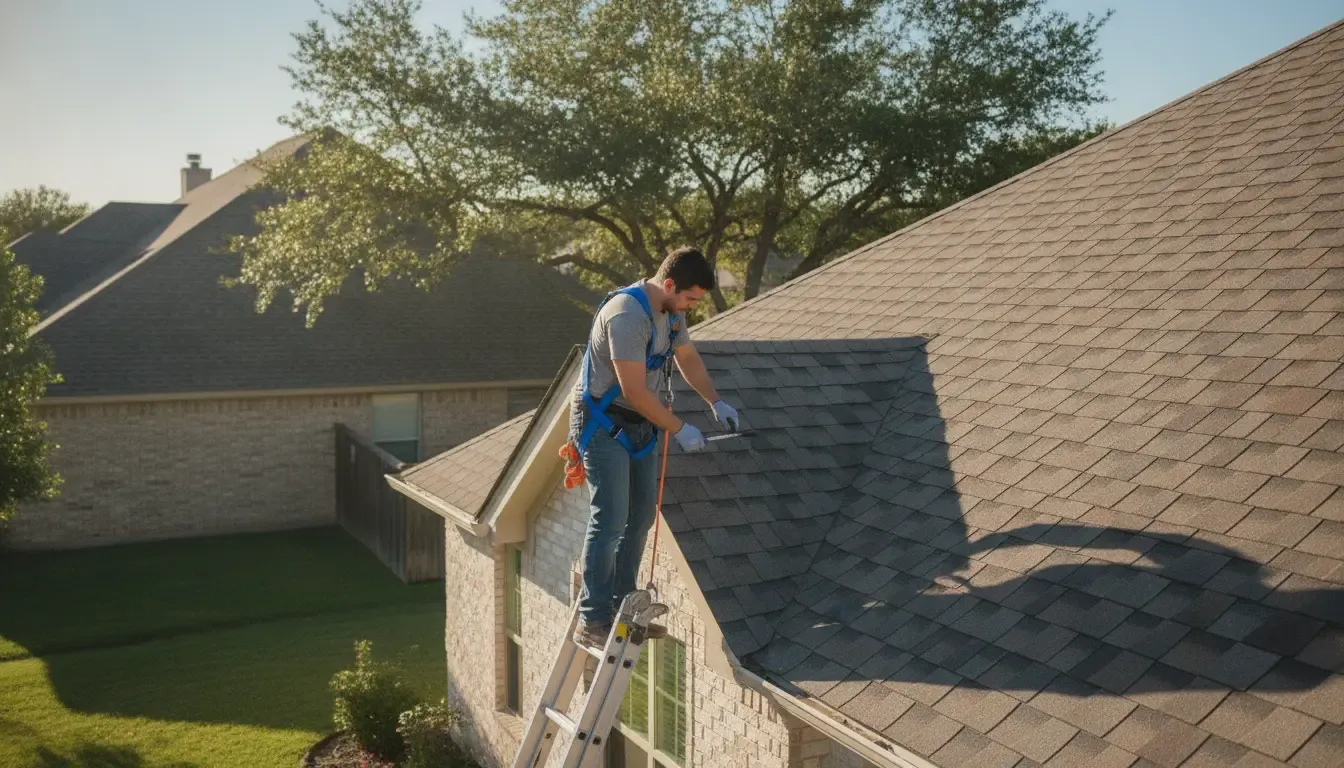
You can do the early steps safely from the ground or an upstairs window. Skip the urge to climb up, especially on a steep or two-story roof. Focus your energy on these five.
1. Inspect the Flashing First, Not the Shingles
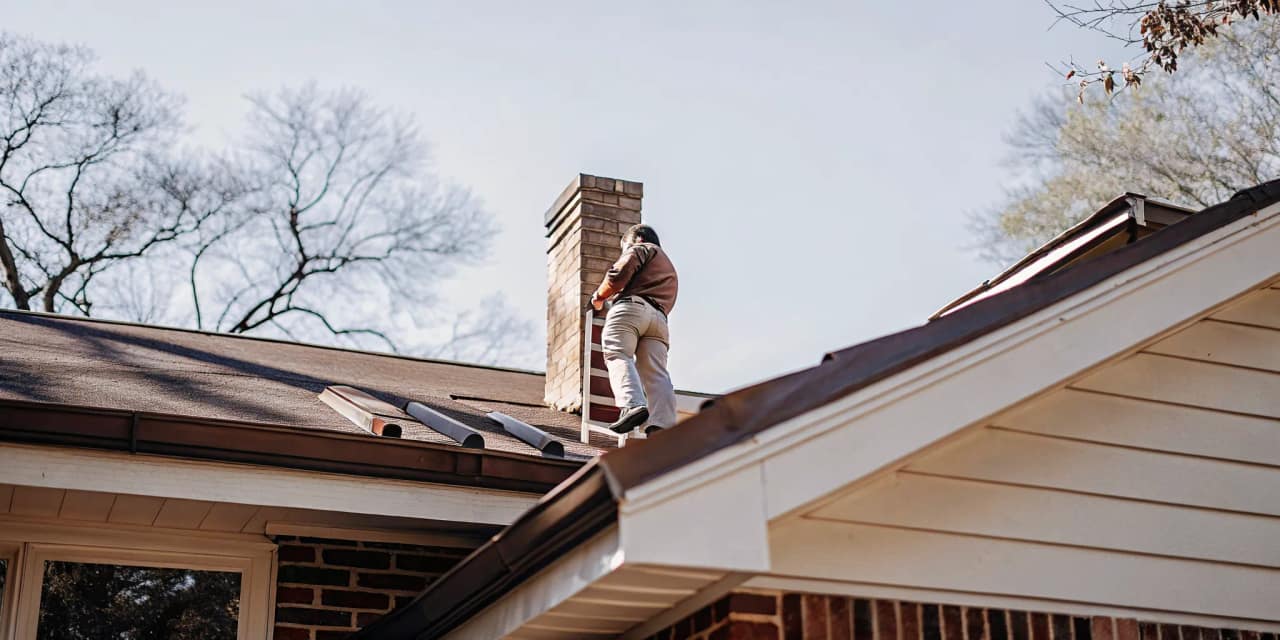
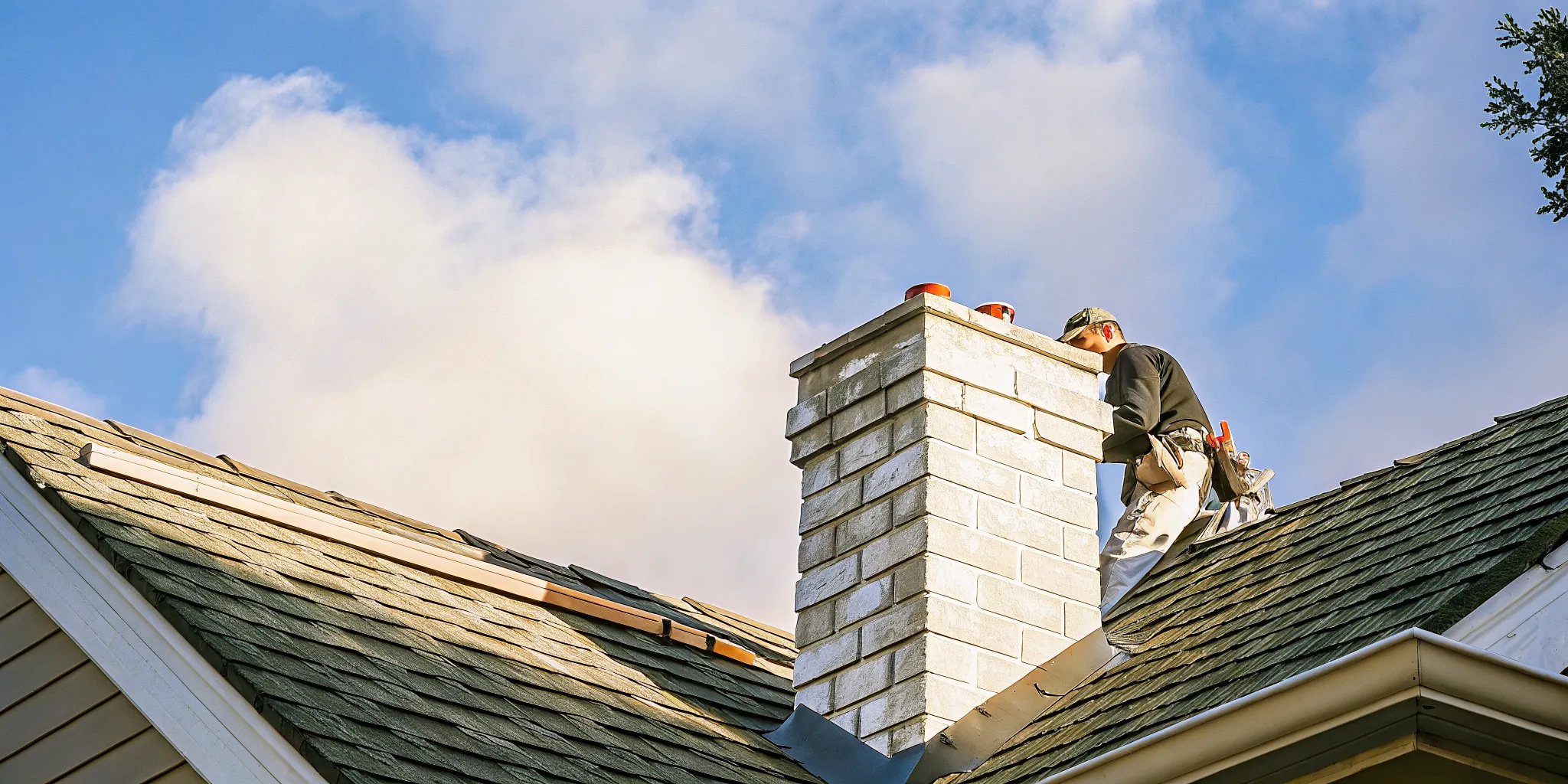
Most homeowners scan for missing shingles. Most leaks, though, start at the flashing, the metal that seals the joints around chimneys, skylights, vent pipes, and wall transitions. Winter's thermal movement is hardest on these spots. Look for lifted edges, gaps, rust, or sealant that has dried and cracked. If you see daylight or a shadow line where metal meets shingle, that is a leak waiting for the next storm. Flashing repair is precise work, so this is the one item worth handing to a pro early.
2. Clear Gutters and Confirm They Drain
Gutters packed with winter debris cannot carry spring rain, so water backs up under the shingle edge and into your fascia and decking. Flush them out and check that downspouts push water well away from the foundation. If your gutters sag, overflow, or were never sized for Texas downpours, spring is the time to consider new gutters before storm season loads them up.
3. Hunt for Moisture Stains, Inside and Out
Winter moisture leaves fingerprints. Outside, watch for dark algae streaks and green moss on shaded slopes. Inside, go into the attic on a bright day and look for water stains on the rafters, damp insulation, a musty smell, or daylight through the decking. Then check ceilings and the tops of interior walls for faint brown rings or bubbling paint. Catching these now, while they are stains and not active drips, is the entire point of spring maintenance.
4. Trim Back Branches Before the Wind Picks Up
Spring storms turn overhanging limbs into battering rams and falling debris. Branches that scrape shingles in the wind strip granules and can puncture the surface. Cut anything reaching over the roofline back to a safe distance now, while it is a calm afternoon job and not a storm-day emergency.
5. Check Your Ventilation Before the Heat Arrives
This one gets ignored and shouldn't. A roof that cannot breathe traps heat and moisture in the attic, which cooks your shingles from below all summer and quietly raises your energy bills. Make sure soffit and ridge vents are clear of debris and insulation. Good ventilation is one of the cheapest ways to extend roof life in the Texas heat.
Why a Professional Spring Inspection Pays Off
A ground-level scan catches the obvious problems. It misses the subtle ones, and in Texas the subtle ones are the costly ones, hail bruising from last year, hairline flashing cracks, loosened nails, and granule loss that only a trained eye spots up close. A professional roof inspection in spring does two jobs at once: it finds those small issues while they are still cheap repairs instead of summer emergencies, and it creates a dated record of your roof's condition before storm season. That baseline is genuinely valuable if hail or wind later forces an insurance claim, because it documents what was sound beforehand.
Spring is also when routine roof maintenance delivers the most return. In a single visit a roofer can reseal penetrations, re-secure loose flashing, swap a few worn shingles, and clear the vents, the kind of small work that quietly adds years of life and keeps your roof watertight through the worst of summer. If you want the full pre-summer rundown, our guide on getting your roof ready for spring walks through the reset step by step.
When Spring Reveals a Bigger Decision
Sometimes the spring look-over turns up more than a touch-up can fix, widespread granule loss, several soft or sagging spots, daylight through the decking, or a roof simply near the end of its rated life. If that is your situation, spring is the ideal time to act rather than wait. Mild temperatures make for clean, efficient installs, and replacing now beats scrambling after a July storm. A professional roof replacement with GAF lifetime systems sets you up for many storm seasons to come, and our financing options make the timing easier to manage.
Head Into Summer With a Roof You Trust
You do not need to be a roofer to get ahead of the season. Check the flashing, clear the gutters, hunt for moisture stains, trim the branches, and clear the vents, and you have covered the spring basics. From there, one professional inspection closes the gap on everything you cannot see from the ground, right before the UV and storms that matter most.
If no one has looked closely at your roof since last storm season, let us. Elevation Roofing & Restoration offers a free roof inspection (a $399 value) across Greater Houston and the Austin metro. As a GAF Preferred Contractor with a 5-star Google rating and a 100% satisfaction guarantee, we will tell you honestly what we find and what, if anything, needs attention, so you walk into summer with a roof that is ready for it.