Texas asks more of a roof than almost any other place in the country. In a single year your shingles endure triple-digit heat, brutal UV, sudden hail, hurricane-force wind off the Gulf, drenching downpours, and the occasional hard freeze. That combination produces a very specific set of failures, and most of them start small enough that a homeowner can catch them, if they know what to look for.
This is a practical, problem-by-problem field guide to the most common roofing problems in Texas, written for homeowners across Greater Houston, the Austin metro, and the 100-plus communities we serve. For each issue you will learn what causes it, the early warning signs you can spot from the ground or your gutters, and how serious it really is. Catching any one of these early is the difference between a quick roof repair and a full replacement forced by a surprise leak.
1. Hail bruising and granule loss
Central Texas and the I-35 corridor through Austin sit in one of the most active hail zones in North America, and Houston gets its share too. The dangerous part of hail is that it rarely looks dramatic. A storm can leave your roof looking untouched from the street while every impact has fractured the shingle mat underneath.
What to watch for:
- Dark, round bruises or soft spots when you press a shingle (a pro's job, not a ladder errand)
- Dents in metal vents, gutters, and flashing, which are easy to see from the ground
- A sudden burst of granules in your gutters and downspout splash zones after a storm
Hail bruises often do not leak for months or even years, by which point many insurance claim windows have closed. If hail has passed over your neighborhood, a prompt storm damage assessment is the smartest move you can make.
2. UV and heat degradation
A dark shingle on a Houston rooftop can hit 150 to 170 degrees on a July afternoon. Relentless UV breaks down the asphalt binders inside the shingle, while daily expansion and nightly contraction loosen the adhesive that holds each course down.
Early signs include faded, chalky color, curling or cupping at shingle edges (worst on south- and west-facing slopes), and granules collecting in gutters like coarse black sand. Granules are the shingle's sunscreen; once they wash away, the asphalt bakes and cracks far faster. A roof that loses its granules early can shed five to ten years of expected life.
3. Blistering
Blisters are raised bubbles on the shingle surface caused by trapped moisture or gases escaping under intense heat, often made worse by poor attic ventilation. When a blister pops, it leaves a bare spot where granules are gone and the asphalt is exposed, accelerating UV damage. Proper ventilation and a quality install prevent most blistering, which is one reason we install GAF lifetime roofing systems engineered for hot climates.
4. Wind lift and missing shingles
Even a routine Texas thunderstorm can lift a shingle edge just enough to break its adhesive seal, then lay it back down so everything looks normal. That unsealed shingle is now a doorway for wind-driven rain. Tropical storms and hurricanes finish the job, peeling lifted shingles off entirely.
Look for shingles that appear slightly out of line, debris from broken shingles in the yard after a storm, or bare patches visible from the ground. Impact-resistant, properly fastened systems hold up far better against Gulf Coast wind.
5. Clogged gutters and edge rot
Gutters are part of your roof system, not a separate accessory. When they clog with granule sediment, leaves, and debris, water backs up under the roof edge and against the fascia, rotting wood and feeding mold in our humid air. Overflowing gutters during a downpour and sagging gutter sections are the tell. Keeping gutters clear and properly pitched is one of the cheapest ways to extend a Texas roof's life.
6. Flashing and pipe boot failures
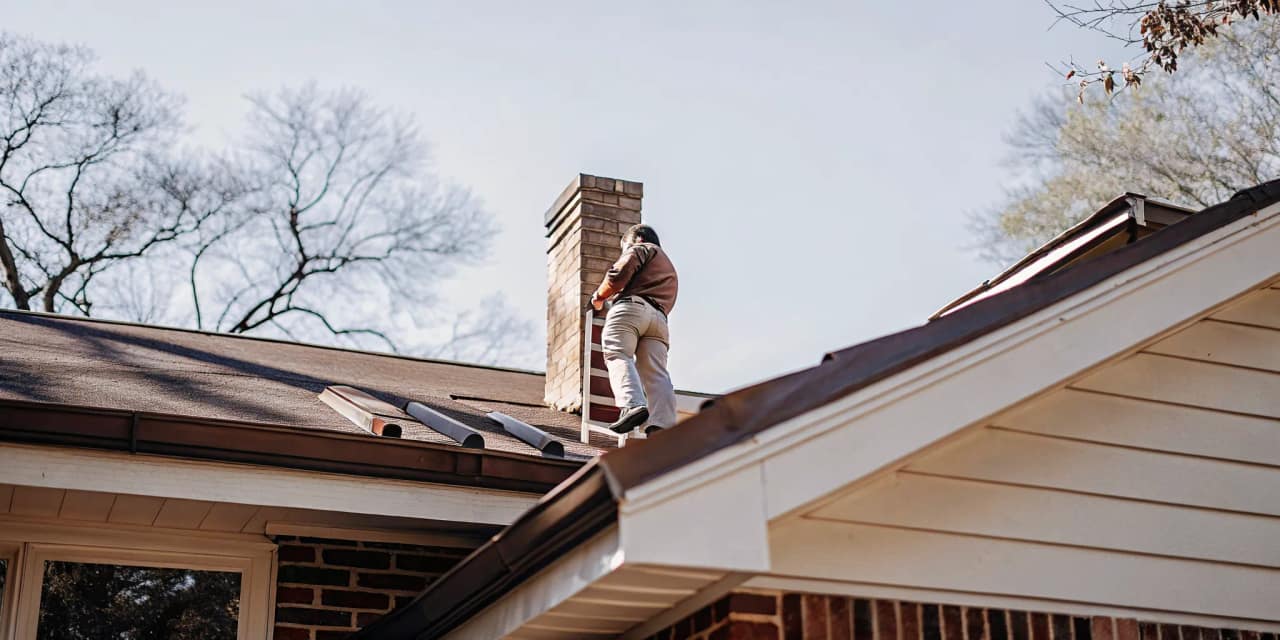
Most leaks do not start in the middle of a shingle field. They start at the transitions, where the roof meets a chimney, vent, skylight, or plumbing stack. Flashing is the metal that seals those joints, and the rubber pipe boots around vents crack and dry out under years of Texas sun.
From the ground you may see cracked, rusted, or lifted flashing and split rubber collars around pipes. These are small, inexpensive fixes when caught early, and a frequent cause of mystery leaks when ignored. Routine roof maintenance keeps these sealed before the rain finds them.
7. Ponding water on flat and low-slope roofs
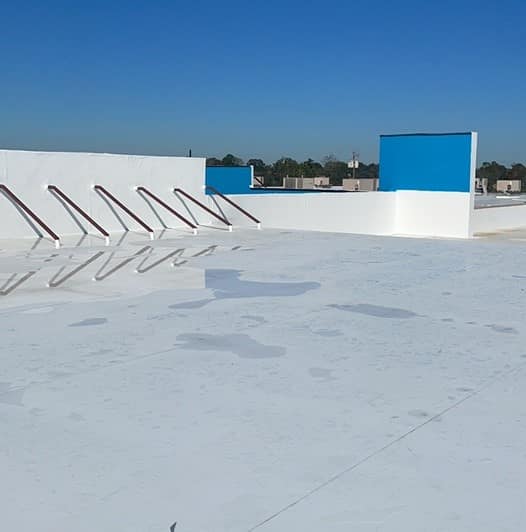
Many Texas homes and nearly all commercial buildings have flat or low-slope sections. After our heavy downpours, water that does not drain within 48 hours, called ponding, breaks down the membrane and adds enormous weight. Look for standing water, dark stains, and bubbles or seams lifting on the membrane. Flat roofs need a different inspection approach than pitched ones; our flat roof specialists check drains, seams, and slope.
8. Attic moisture, rot, and mold
Houston's humidity means a small roof leak rarely stays small. Water sneaks under lifted shingles or through cracked flashing, then sits against the wood decking and insulation. Because the entry point is often nowhere near the eventual ceiling stain, homeowners are routinely shocked at how widespread the damage is once a roofer opens it up. Warning signs inside: musty attic smell, dark streaks on rafters, damp insulation, and a spongy feel underfoot on the decking.
9. Freeze-thaw cracking
Texas winters are mild until a sudden hard freeze hits. Trapped moisture in already-cracked shingles or flashing expands as it freezes, widening every small fissure. The freeze-thaw cycle is brief here, but it is brutal on a roof already softened by a summer of UV. Clogged gutters make it worse by holding water where it can freeze against the roof edge.
Minor problem or serious one? How to tell
Not every issue means a new roof. As a rough guide:
- Usually a quick repair: a few lifted or missing shingles, one cracked pipe boot, an isolated flashing gap, clogged gutters.
- Worth a close professional look: widespread granule loss, hail bruising, multiple wind-damaged areas, recurring leaks, or ponding water.
- Often points to replacement: sagging rooflines, daylight through the decking, rot across multiple sections, or a roof near the end of its rated life.
If you are not sure where your roof falls, that is exactly what an inspection is for. You can also explore your options with our roof replacement team if the damage runs deep.
The Texas homeowner's prevention checklist
- Schedule a professional inspection twice a year, plus after any hailstorm or named tropical system.
- Keep gutters clear so water cannot back up under the roof edge.
- Fix small problems immediately; a single cracked boot is cheap now and expensive later.
- Document storms with photos and dates in case you need an insurance claim.
For more than 9 years, Elevation Roofing & Restoration has helped homeowners across the Houston and Austin metros stay ahead of every problem on this list. As a GAF Preferred Contractor with a 5-star Google rating and a 100% satisfaction guarantee, we work directly with your insurance on storm and hail claims so you are not navigating it alone. If it has been more than a year since a professional looked at your roof, or a storm just rolled through, book a free roof inspection, a $399 value, and find out exactly which of these problems may already be at work. Call (832) 271-1726 to get started.