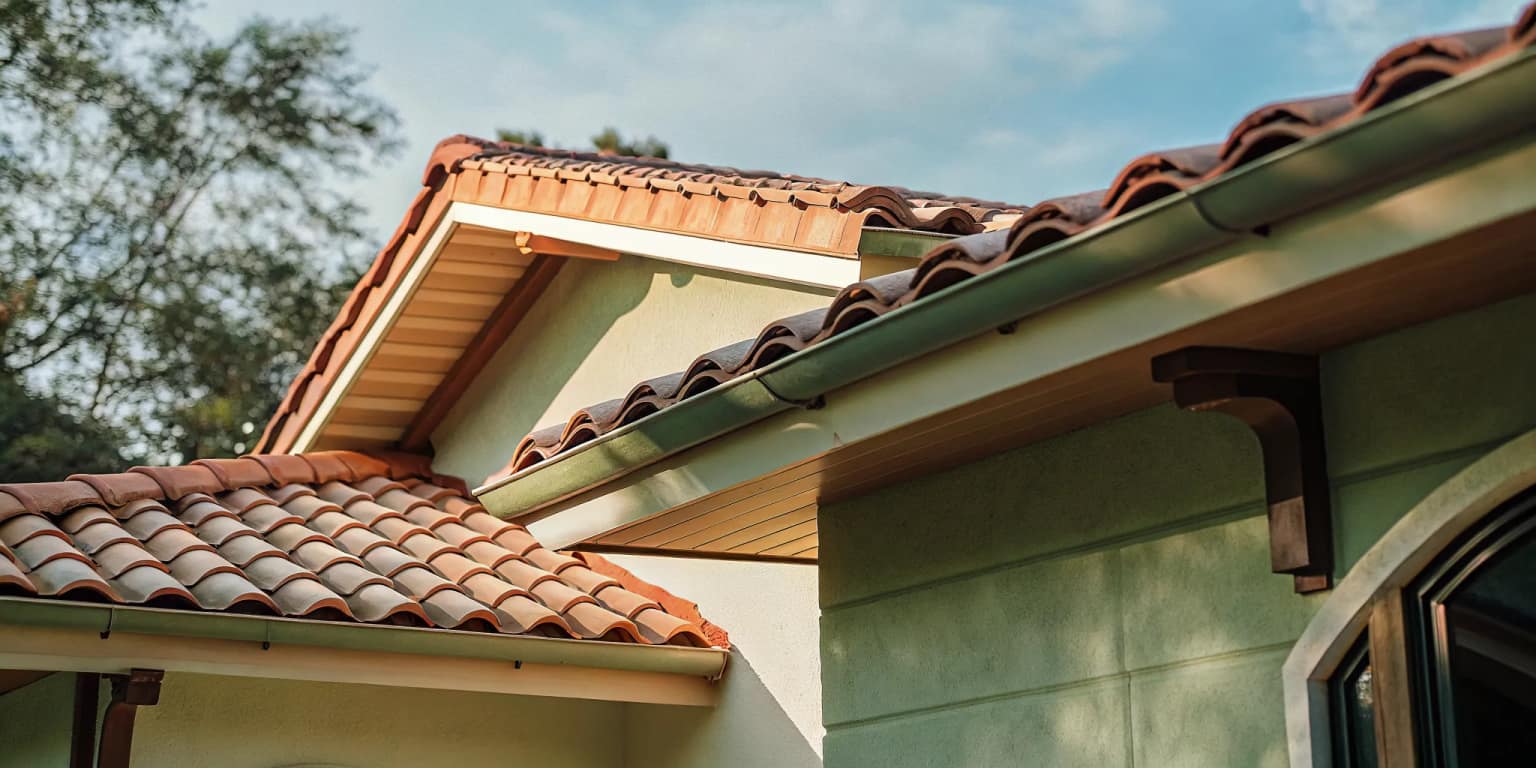
A cracked roof tile can turn a small storm into a major water disaster for your Texas home. While clay and concrete tile roofs look great, they still need routine care to survive intense local weather. Staying on top of inspections prevents leaks and keeps your premium roofing system in peak condition.
Call Elevation Roofing & Restoration at (832) 753-5775 for a free roof inspection and estimate.
Routine tile roof maintenance Austin homeowners schedule prevents leaks and protects the structural integrity of their homes over time. Clay and concrete tile roofs possess exceptional durability, with clay tiles lasting 100 years or more when cared for properly. According to historical preservation guidelines, a regularly scheduled maintenance program is necessary to prolong the life of any premium roofing system. These services include annual professional inspections, removing heavy debris from valleys, and replacing cracked or slipped tiles. Taking care of these small issues early prevents costly underlayment damage and helps your roof withstand severe Texas storms.
Tile Roof Maintenance Austin: Why Tile Roof Maintenance Matters in Austin's Climate
Clay tile roofs are built to last. In fact, a clay tile roof can last 100 years or more if you care for it well, according to research published by the National Park Service. But you still need a regular care plan. Routine tile roof maintenance in Austin is the best way to protect your home from sudden leaks and avoid costly repair bills. Without proper care, even the strongest roof will wear down over time under the tough Texas sky.
How Austin's Weather Stresses Roofing Tiles
Austin weather is famous for its extreme shifts. In the summer, your roof can sit under baking heat with temperatures well over 100 degrees. In the winter, those same tiles face freezing night air. This fast shift from hot to cold causes thermal expansion and contraction. The constant movement puts heavy stress on your tiles. Over time, this stress leads to cracks. Even worse, it degrades the underlayment below the tiles, which can let rain seep into your home.
The Financial Value of Preventative Care
Some people skip roof care because they want to save money. But waiting until a leak happens is a very costly mistake. A simple yearly check and cleaning from a professional team usually costs between $200 and $400. In contrast, letting your roof fail can lead to a full replacement. A complete tile roof replacement in Texas often costs between $15,000 and $30,000. Investing a small amount in professional tile roof maintenance today keeps your hard-earned money in your bank account.
Protecting Your Home from Texas Storms
Texas storms bring heavy rain, strong winds, and large hail. Broken or slipped tiles leave your roof weak when these storms hit. According to Elevation Roofing & Restoration, proper care helps your roof withstand severe weather. Clean, unbroken tiles keep water moving off your roof and into your gutters. This keeps the wood beneath the tiles dry and strong, which prevents rot. Keeping up with maintenance ensures your home stays safe during the worst weather of the year.
Helping with Insurance Claims After Storms
If a severe storm damages your roof, you will likely file an insurance claim. Insurance companies often look for reasons to deny claims or pay less. They may argue that your roof had pre-existing damage because you did not care for it. Regular maintenance creates a clear paper trail. Having a professional inspect your roof each year proves that your roof was in great shape before the storm. This solid proof makes the claim process much easier and helps you get the money you need to fix storm damage.
Boosting Curb Appeal and Home Value
A tile roof is a premium feature that makes a home stand out. But a dirty roof with cracked or missing tiles looks bad and lowers your home value. In Austin's competitive real estate market, buyers look at the roof first. A clean, well-kept tile roof boosts curb appeal and reassures potential buyers. It shows them that you took great care of the entire home. Keeping your tiles clean and secure is one of the easiest ways to protect your home equity and maximize resale value.
How Often Should You Inspect Your Tile Roof in Austin?
A strong tile roof can protect your home for decades, but only if you care for it well. In Central Texas, extreme heat and sudden storms can cause quiet damage to your roofing. To catch small issues before they grow into costly leaks, you must have a clear plan for your roof care. Local experts agree that a mix of regular professional visits and fast checks after major storms is the best way to shield your asset.
The Value of Annual Inspections
You should get professional routine tile roof maintenance in Austin at least once every year. Hot summer months and winter freezes can make tiles expand and contract, which may lead to fine cracks. According to the Texas Department of Insurance guidelines for storm safety, regular checks help find structural shifts early. Spring is the ideal season for this work. Getting an inspection in the spring ensures your roof is ready to face the heavy spring rains and high winds that often hit the region.
When to Check After Major Storms
While yearly checks form the base of your care, severe weather calls for quick action. You should schedule an inspection after any storm event with winds over 50 miles per hour or hail larger than one inch. Austin storms can lift tiles or throw heavy tree limbs onto your roof. These impacts can crack clay or concrete without leaving a trace from the ground. Catching this storm damage right away prevents water from rotting the wood under your tiles.
Creating a Roofing Calendar
A simple schedule keeps your roof in top shape. Mark two key times on your home calendar: late spring for your annual expert check and late fall to clear out debris. Keeping valleys and gutters clean is vital for tile health. According to home care guides from North Carolina State University Extension, regular debris removal prevents water from backing up under your roofing materials. This simple chore keeps water moving off your roof and stops leaks from starting.
What Professionals Check on Your Roof
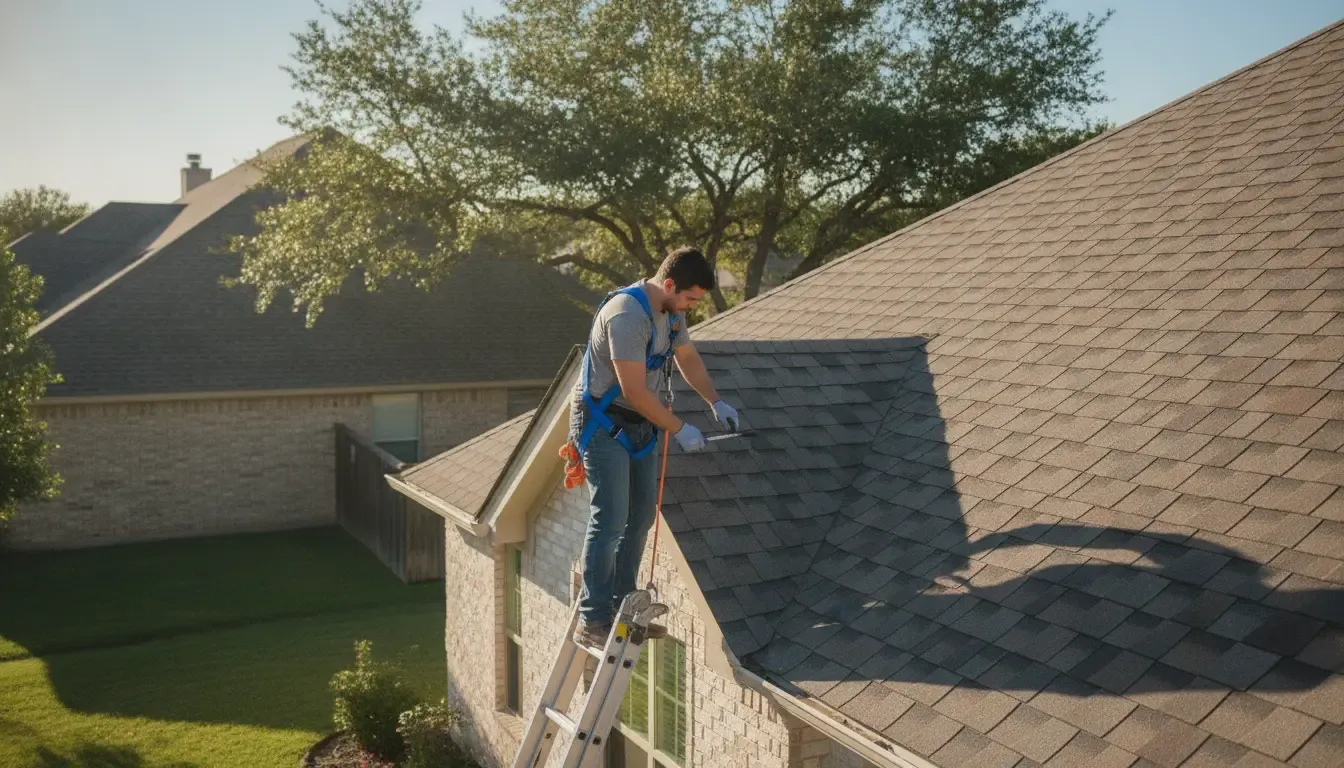
A professional tile roof inspection is a detailed process. It is not just a quick look from a ladder. Experts follow a strict checklist to review the health of your system. They will inspect the valleys where water flows, check the metal flashings around pipes, and look closely at the tile condition. Most importantly, they check the underlayment. The underlayment is the true water barrier under your tiles, and it can wear out even if the tiles look fine from a distance.
What to Expect During a Professional Visit
When an expert visits your home, they will inspect the roof with care to avoid breaking the tiles. A typical inspection for a standard single-family home takes about 30 to 45 minutes. The team will take clear photos of any cracked, slipped, or missing tiles. They will also write a full report on the state of your underlayment and flashings. This visit gives you a clear path forward and keeps your premium roof strong for years to come. Investing in regular care is the best way to handle tile roof maintenance Austin homeowners can rely on.
What Are the Most Common Problems with Tile Roofs?
While clay and concrete tiles are highly durable, they are not immune to wear and tear. Over time, environmental exposure and physical stress can cause specific issues that require attention. Homeowners must understand these issues to prevent minor damage from turning into costly structural repairs.
Broken, Cracked, or Missing Tiles
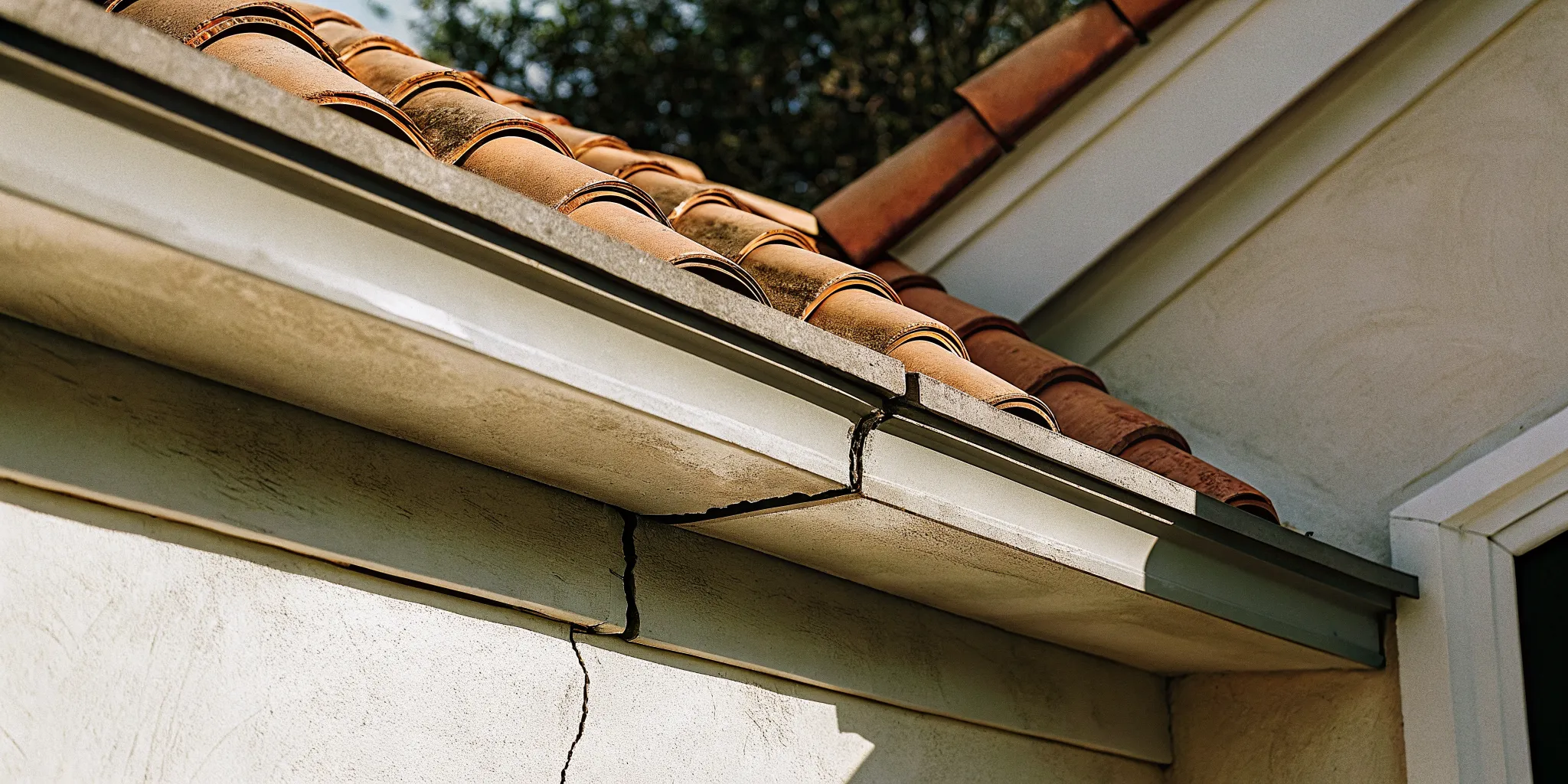
Individual tiles can crack or break due to several factors, including severe hail, falling tree branches, thermal expansion, or improper foot traffic. When a tile is damaged or goes missing, it exposes the underlying roof structure to Austin's intense sun and heavy rain. According to the National Park Service preservation guidelines, clay tiles are fragile and require careful handling, but a properly maintained tile system can protect a home for over a century. Catching broken tiles early prevents water from reaching the vulnerable underlayment below.
Slipped Tiles and Alignment Issues
Tiles can shift out of their original positions over time, leaving gaps in the roof's protective layer. Slipped tiles are typically caused by corroded nail clips, aging wire ties, or poor initial installation. When tiles slide out of place, they not only ruin the clean look of your roof but also create a direct path for water to seep underneath. Addressing these slipped tiles promptly through professional tile roof restoration services is essential to keep the roof system watertight and secure.
Debris Buildup in Roof Valleys
Roof valleys are designed to channel rainwater safely off your roof and into your gutters. However, leaves, twigs, and pine needles often gather in these channels, especially on homes surrounded by mature trees. This debris blocks the natural flow of water, causing it to pool and back up under the tiles. Standing water in the valleys can rot the structural decking underneath and cause severe leaks inside the home.
Underlayment Degradation
A common misconception is that a tile roof lasts forever without any interior wear. While the clay or concrete tiles themselves can easily last 50 to 100 years, the asphalt-saturated underlayment beneath them has a much shorter lifespan of about 20 to 30 years. As this felt layer ages, it dries out, cracks, and loses its water-resistant qualities. When this happens, even a perfectly intact tile outer layer cannot prevent leaks during a heavy Texas storm.
Algae and Moss Growth
Austin's high humidity, combined with shade from overhanging trees, can lead to algae and moss growth on concrete tiles. Concrete tiles are more porous than clay, which allows organic matter to take root in the surface. This growth holds moisture against the tile, which can weaken the material over time. Regular cleaning is needed to remove these organisms and prevent surface damage.
Flashing Deterioration
Metal flashing is installed around roof penetrations, such as chimneys, skylights, and vents, to redirect water away from joints. Over years of exposure to Austin's intense summer heat, this flashing can warp, rust, or separate from the roof structure. Once the seal fails, water can easily bypass the tiles and run directly into your attic.
Can You Walk on a Tile Roof for a DIY Inspection?
Checking the condition of your clay or concrete roof is a smart home care step, but you should never step onto the tiles yourself. Clay and concrete roofing materials are built to withstand heavy wind and rain, but they are not made to support direct foot traffic. Homeowners who try to walk across their roofs often end up causing major damage or hurting themselves.
The Dangers of Rooftop Foot Traffic
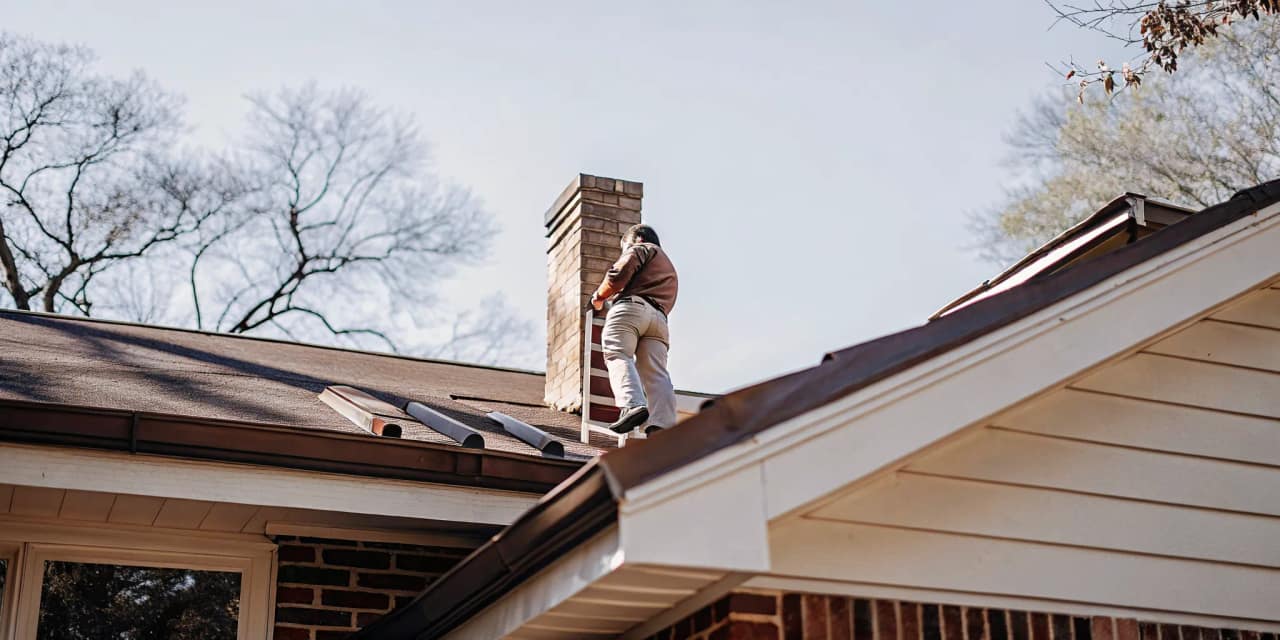
Walking on clay or concrete tiles is highly discouraged because these materials are brittle and can easily crack under pressure. Your body weight can crush the tiles, which creates immediate leak paths and ruins your home defense. Beyond the cost of broken tiles, walking on a sloped, dusty roof is a severe personal safety risk.
According to the Centers for Disease Control and Prevention (CDC), falls are the leading cause of death for construction workers on the job. If highly trained roofing workers face these severe risks, untrained homeowners should not take the chance. A single slip on a steep tile roof can lead to major injuries or worse.
Safe Steps for Your Home Tile Roof Check
You can still keep up with your tile roof maintenance Austin schedule without ever leaving the ground. Use these five simple steps to check your roof safely and know when to call a professional team.
- Use binoculars from the ground: Walk around the perimeter of your home with a pair of binoculars. Look closely at the roof valleys, hips, and ridges to spot any visible issues from a safe distance.
- Look for cracked or missing pieces: Check for shifted tiles, large cracks, or empty gaps where a tile has slipped away. Missing or damaged pieces leave the underlayment open to sun and water damage.
- Check the gutters and valleys: Look for piles of leaves, branches, or dirt in the roof channels. Debris can block the flow of water, which forces rain under the tiles and causes leaks.
- Inspect your ceilings inside: Walk through your top-floor rooms and attic with a flashlight. Look for water stains, damp spots, or peeling paint that show water has made its way past the roof barrier.
- Call a professional for close care: If you spot any damage, hire an expert team to handle the repairs. Professional roofers have the training and specialized gear to walk on fragile surfaces without breaking the tiles.
How Professionals Access Your Roof Safely
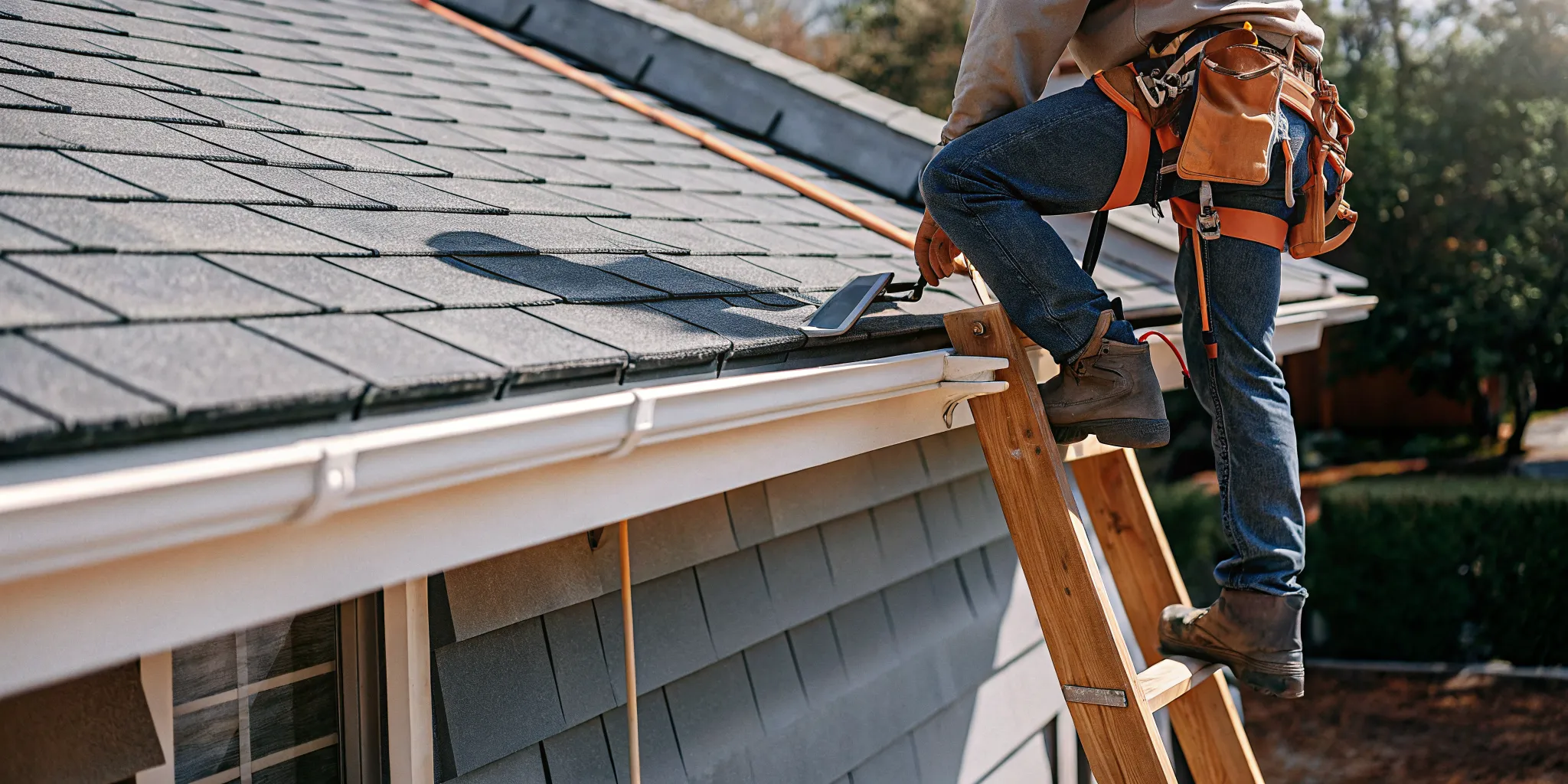
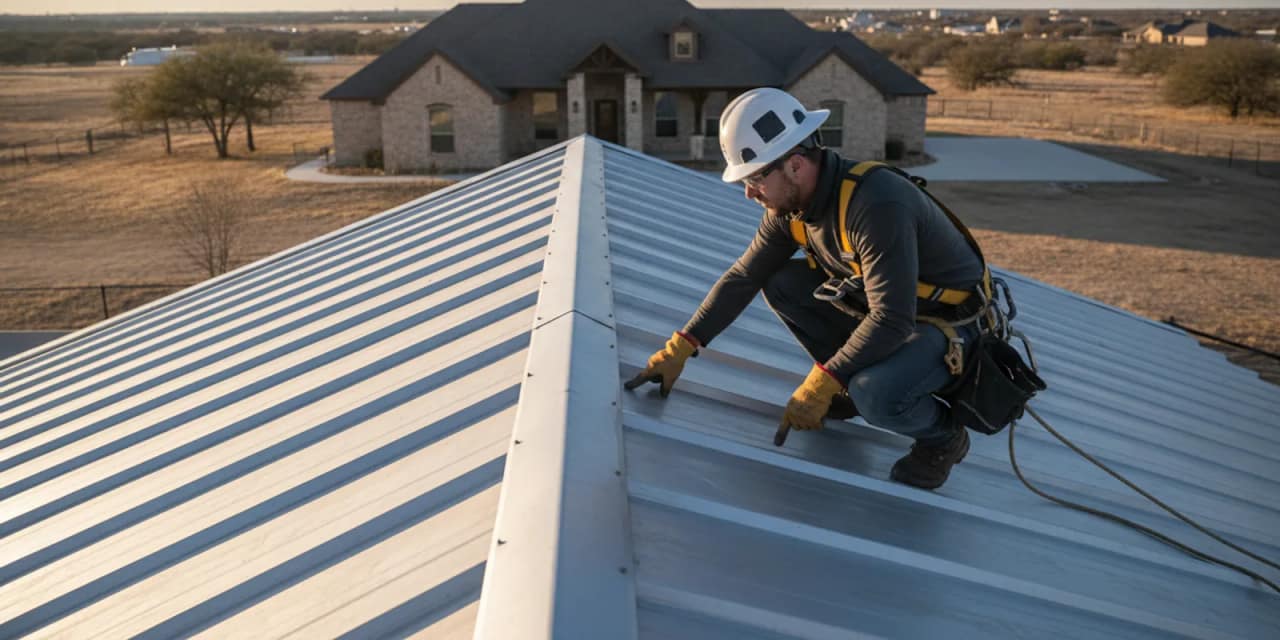
When you hire a team for routine tile roof maintenance, they do not just walk across your tiles blindly. They use specialized walk boards, soft-soled shoes, and proper safety harnesses to distribute their weight evenly across the surface. This care ensures your premium roof gets a deep check without any added damage.
How to Care for Clay Tiles vs. Concrete Tiles
Clay and concrete tiles are both great choices for roofing in Texas. They offer high durability and look beautiful on Austin homes. But each material has its own needs when it comes to tile roof maintenance Austin homeowners must manage. Knowing the differences in how to care for them can keep your roof in top shape for years.
General Tile Maintenance Needs
Both tile types share some basic needs. Homeowners must remove leaves and dirt from the roof valleys on a regular basis. Blocked valleys hold water and can cause fast leaks. Regular home maintenance, including roof and gutter cleaning, is a best practice for protecting home durability, according to the North Carolina Cooperative Extension. You must also have your roof checked after heavy Texas storms to find cracked or slipped tiles.
Caring for Clay Tiles
Clay tiles are made from natural baked clay. They keep their color for their entire lifespan and do not fade under the hot Austin sun. They also resist water absorption, which means moss and mold do not grow on them very easily. But clay is fragile and can crack if walked on or struck by heavy hail. With proper care, a clay tile roof can last 100 years or more, as noted by the National Park Service. Homeowners should focus on gentle washings and fast tile roof restoration when cracks occur.
Caring for Concrete Tiles
Concrete tiles are made of cement, sand, and water. They are heavier than clay but cost less to buy. Unlike clay, concrete absorbs more water, which makes it easier for mold or moss to grow on the surface. Because of this, concrete tiles may need periodic sealing to keep out water and prevent damage. This is a key difference when caring for clay and concrete tiles on your home. Concrete also fades slowly over time as sun and rain wear away the top color coat.
Clay vs. Concrete Comparison
Understanding these two materials helps you plan your long-term roof care. This table compares how they perform and what they need over time:
| Feature | Clay Tiles | Concrete Tiles |
|---|---|---|
| Material Weight | Lighter (8 to 10 lbs per sq ft) | Heavier (9 to 12 lbs per sq ft) |
| Lifespan | 100+ years | 50+ years |
| Maintenance Needs | Low; debris clearing | Moderate; debris clearing and washing |
| Sealing Requirements | None | Periodic sealing needed |
| Color Retention | Excellent (natural color) | Fades slowly over time |
| Typical Repair Frequency | Low (fragile but durable) | Low to moderate |
Both styles need skilled care to avoid cracked tiles. Working with a professional team ensures your roof gets the exact care it needs based on its material. Local teams can spot tiny cracks before they lead to big leaks in your home.
What Is the 25% Rule for Tile Roof Repairs?
When you deal with tile roof damage in Texas, you must understand local building codes. Austin follows strict rules about how much of a roof you can repair before you must replace the whole system. This guideline is known as the 25% rule, and it plays a huge role in how homeowners manage storm damage and plan their roofing budgets.
Understanding the 25% Rule
The 25% rule is a standard building code requirement. It states that if more than 25% of a roof section is damaged or needs repair within a 12-month period. You must bring the entire section up to current building code standards. In many cases, this means a full roof replacement is required by law. If you want to review the general rules on home upkeep and preventative care, you can read the North Carolina State Extension guide for tips on preventing costly structural issues. For tile roofs, this rule is very important because damage often spreads beneath the tiles where you cannot see it.
How the Rule Affects Tile Roofs
Tile roofs are built to last, but they have unique features that make repairs complex. Unlike shingles, clay and concrete tiles rely on a thick underlayment beneath them to keep water out. If your underlayment is worn out or damaged across a large area, replacing just a few tiles will not fix the leak. If you need to restore your roof system, a professional tile roof restoration can help you decide whether your roof needs partial repair or complete replacement under local codes. Here are the key factors that determine if your roof needs a repair or a full replacement:
- The total percentage of broken, cracked, or missing tiles.
- The age and condition of the water barrier under the tiles.
- Whether replacement tiles match the color and shape of your old tiles.
- The overall structural integrity of the roof decking.
Insurance Claims and Inspections
The 25% rule has a major impact on insurance claims after Austin storms. If a storm damages more than a quarter of your tile roof, your insurance company may have to pay for a full replacement instead of a small repair. This is because local building departments will not issue a permit for a partial repair that violates the 25% rule. Homeowners should get a detailed roof inspection to measure the exact damage before they talk to their insurance adjuster. A professional inspection gives you the clear facts you need to prove the scope of the damage and secure the right coverage.
Frequently Asked Questions
How often should I have my tile roof inspected in Austin?
You should schedule professional tile roof inspections at least once a year. The extreme heat and severe storms in Texas can damage tiles over time. Regular checks help find small issues like hairline cracks before they lead to serious water damage. According to Elevation Roofing, routine checks are key to long term tile roof performance in Austin.
Why is tile roof maintenance important for Austin homeowners?
Routine care protects the structure of your home from leaks. It also extends the lifespan of your roof. While clay tiles are strong, they need care to survive intense local storms. A regular maintenance program prevents debris buildup. This simple step can save you money on big repairs, as noted by the North Carolina Cooperative Extension.
What are the common signs of damage on a tile roof?
Look for cracked, slipped, or missing tiles on your roof. You should also check for piles of leaves and twigs in your roof valleys. These blockages trap water and can cause leaks. Damaged underlayment or water stains on your ceiling are other clear signs that your tile system needs immediate repair or professional service.
Can I walk on my tile roof to inspect it myself?
No, you should not walk on your tile roof. Clay and concrete tiles are fragile and break easily under human weight. Walking on them can cause more damage. It is also highly dangerous. The Centers for Disease Control and Prevention warns that falls are a leading cause of severe injury and death on construction sites.
Does Austin climate impact tile roof longevity?
Yes, the climate in Austin has a big impact on your roof. Intense summer sun, thermal expansion, and sudden hailstorms can weaken roofing materials over time. Constant temperature swings can crack clay or concrete tiles. Proactive maintenance is vital to keep your roof strong and protect your home through every season.
How do I maintain clay tiles versus concrete tiles in Austin?
Both tile types require regular cleaning and professional inspections. However, concrete tiles are more porous than clay tiles. This means concrete tiles can absorb more water and may need periodic sealing to prevent mold growth. Clay tiles do not need sealing but are more fragile and can last over 100 years, as documented by heritage preservation experts.
Ready to Schedule Your Austin Tile Roof Inspection?
Ignoring minor tile roof issues now can lead to costly water damage and expensive repairs down the road. Protecting your premium clay or concrete tile investment in the Austin climate requires prompt, professional care. By acting today, you can find small cracks or leaks before they spread and keep your roof strong for years to come.
Call Elevation Roofing & Restoration at (832) 753-5775 for a free roof inspection and estimate.
Ready to protect your home? Call Elevation Roofing & Restoration at (832) 753-5775 to schedule your free tile roof inspection and estimate today.