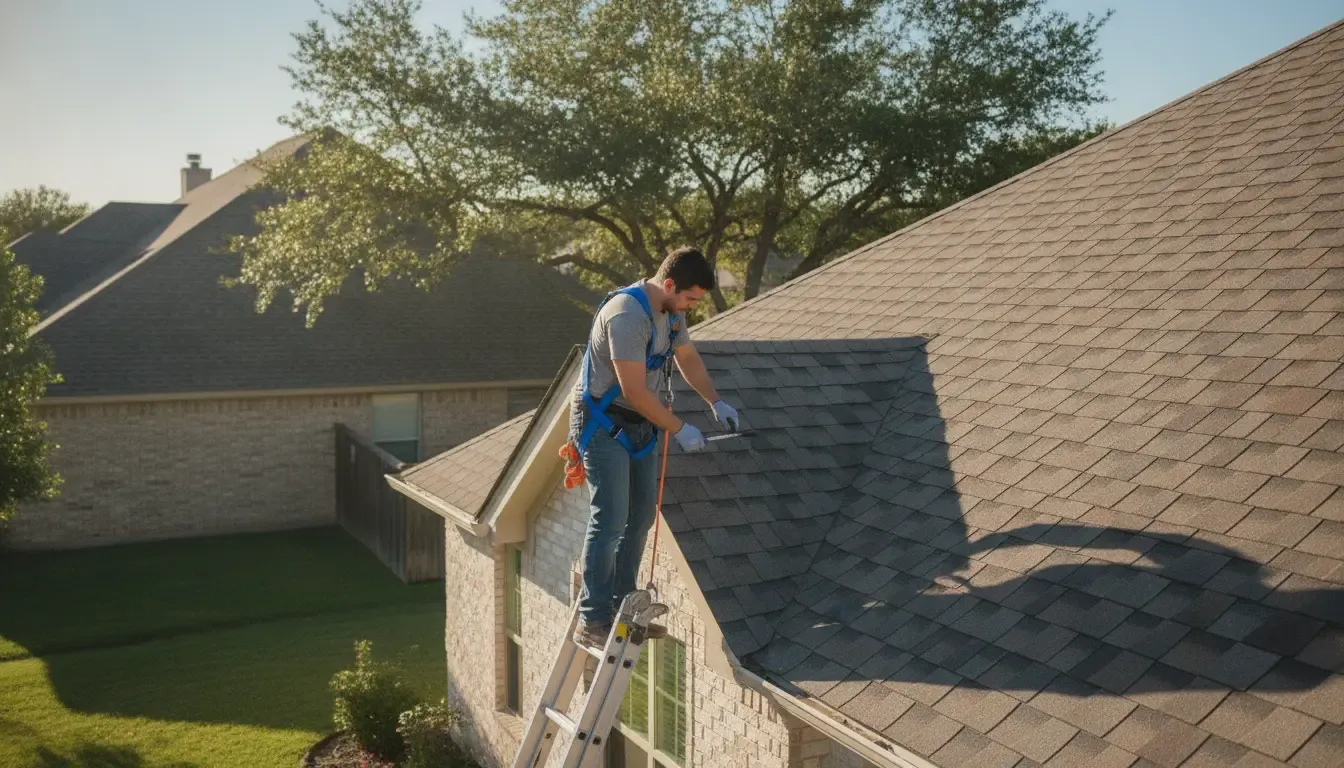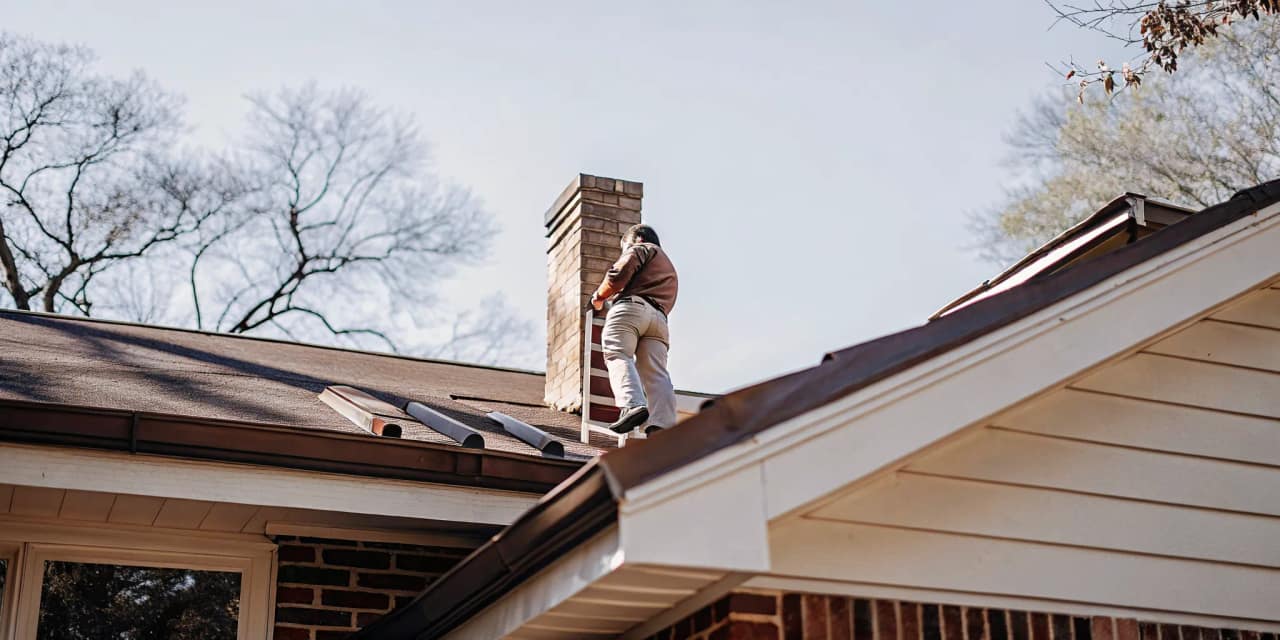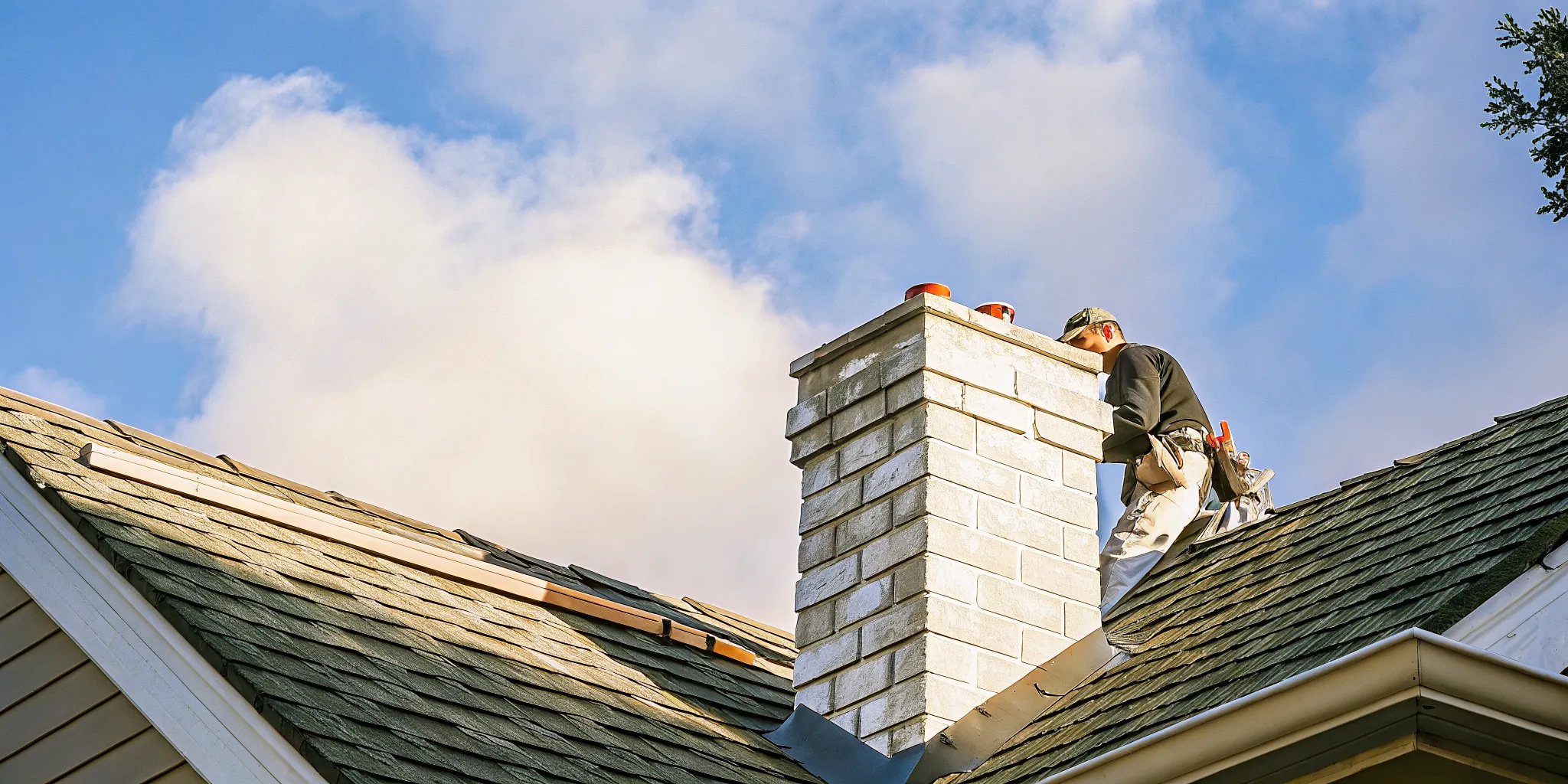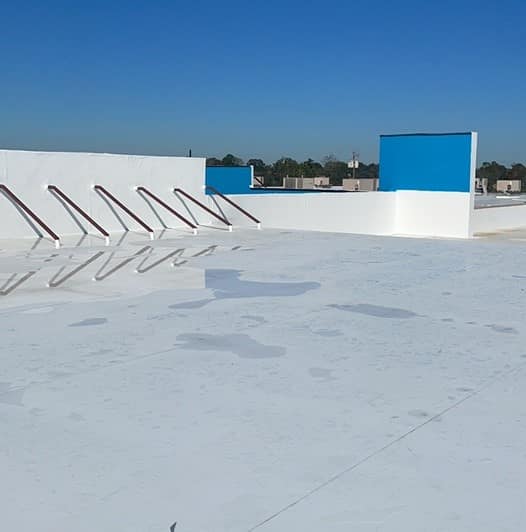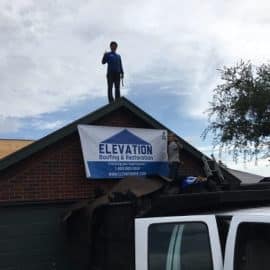
Most Texas homeowners think about their roof exactly twice: when a storm rolls through and when the ceiling starts dripping. Both are the worst possible moments to discover a problem. The best moment is right now, in the long, dry stretch of a Houston or Austin summer — a season that quietly hands you nearly every advantage a thorough roof check needs. A summer roof inspection isn't just convenient; the weather, the calendar, and the condition of your roof all line up in a way they simply don't the rest of the year.
This article explains why timing is the underrated half of roof maintenance, what summer specifically lets an inspector see and do, and how scheduling now protects you from the storm season that follows. The angle is simple: it isn't only that you inspect your roof — it's when.
Summer Gives Inspectors a Stable Window
Roof inspections depend on conditions most homeowners never think about. A wet, windy, or icy roof is dangerous to walk and hides the very clues an inspector is hunting for. Summer removes those obstacles.
- Dry, walkable surfaces. Damp shingles are slick and unsafe, and moisture can mask cracks, gaps, and granule loss. A dry summer roof lets a crew move safely and read the surface accurately.
- Long daylight hours. With the sun up past 8 p.m., inspectors have time to examine the full system — field shingles, flashing, valleys, vents, and the attic — without racing the light. Issues are easier to catch and document in good visibility.
- Predictable scheduling. Outside of the occasional afternoon pop-up storm, summer days are reliable. That means fewer cancellations and repairs that can often be completed in a single visit rather than dragged out across rained-out reschedules.
None of this is true in the same way during a wet spring or a freezing January. Summer is, plainly, the season your roof is easiest to read — and a clear read is the whole point of an inspection.
You're Inspecting Right After Spring's Damage
Texas springs are violent. From March through May, the Houston and Austin metros absorb hail, straight-line winds, and the heaviest rains of the year. A summer inspection catches your roof right after that beating — which is exactly when hidden damage is freshest and most findable.
Hail is the sneakiest culprit. A hailstone doesn't always punch a hole; more often it bruises the shingle, fracturing the granules and weakening the asphalt mat underneath. That bruise looks like almost nothing from the driveway, but it becomes a soft spot that fails months later, often during the next storm. Wind does its damage quietly too, lifting shingle edges and prying at the metal flashing around chimneys and vents — the most common entry points for a leak.
Inspecting in summer means you find spring's fingerprints before they turn into autumn's leaks. And if a crew does find storm or hail damage, you're acting inside the window when an insurance claim is still timely. Elevation works directly with homeowners' insurance on qualifying storm and hail claims, and a documented summer inspection is exactly the kind of record that helps a claim hold up.
It Buys You a Head Start on Hurricane Season
Here's the calendar reality every Gulf Coast homeowner should internalize: Atlantic hurricane season runs June through November, and it peaks in late summer. Inspecting early in summer means you find and fix weak points before the tropics get busy — not during the scramble when a system is already spinning toward the coast.
The difference is enormous. A small fix made calmly in June — resealed flashing, a few replaced shingles, a cleared gutter line — is a routine appointment. The same issue discovered when a tropical storm watch is posted means competing for an emergency crew alongside half your neighborhood, often at the worst possible time. Proactive beats reactive every time, and summer is when proactive is still an option.
That head start matters more in some communities than others. Coastal and near-coastal areas around Houston face direct tropical exposure, while the Austin metro contends with the wind and flash-flooding edges of the same systems. Either way, the move is the same: get ahead of the season while the weather is calm.
What a Thorough Summer Inspection Actually Covers
A real inspection is a system-wide assessment, not a glance from the lawn. When our crews perform a professional roof inspection, they evaluate every layer that keeps water out:
- Surface materials: cracked, curling, lifted, or bruised shingles and granule loss — or the condition of metal panels, tile, or flat and low-slope membranes.
- Flashing and penetrations: the metal seals around chimneys, skylights, vents, and valleys, where the majority of leaks begin.
- Drainage: gutters and downspouts that need to be clear before summer's downpours and the storm season ahead. Failing gutters are often a cue to consider gutter replacement.
- Attic and ventilation: moisture stains, daylight through the decking, and the airflow that lets brutal attic heat escape instead of cooking your shingles from below.
- Structure: sagging planes and soft decking that hint at deeper, water-driven trouble.
You walk away knowing exactly where your roof stands — whether that's a minor repair, an ongoing maintenance plan, or honest confirmation that you have years of service left and need nothing at all.
The Bonus: Heat Tells You Things Other Seasons Hide
Summer offers one diagnostic edge no other season can: heat. A Texas attic in July can climb past 130 degrees, and that punishing thermal load reveals weaknesses that stay quiet in cooler months. Inadequate ventilation shows up as stifling, stagnant attic air. Sun-baked sealant cracks and shrinks. Shingles already stressed by UV start shedding granules into the gutters. An inspector working in summer heat is seeing your roof under the exact conditions that age it fastest — which makes the assessment more honest about how your roof will hold up through the rest of the year.
Book Now, While the Skies Are Clear
The smartest roofing decisions are made in calm weather, not in a crisis. A summer inspection gives an inspector dry, well-lit conditions to work in, catches the damage spring left behind, and puts you ahead of hurricane season instead of behind it. That combination simply doesn't exist in any other season.
Elevation Roofing & Restoration is a GAF Preferred Contractor serving Greater Houston, the Austin metro, and more than 100 Texas communities, and we offer a FREE roof inspection — a $399 value — with no obligation. If we find storm or hail damage, we work directly with your insurance company on the claim. If your roof is sound, we'll tell you that too.
Don't wait for a tropical forecast to make the decision for you. Schedule your free summer roof inspection today, see why Texas homeowners give us a 5-star rating on our reviews page, or reach out to our team with any questions — the calm of summer is the best time to know your roof is ready for whatever comes next.