Texans don't think about winter roof damage the way Midwesterners do, and that's exactly why our roofs get caught off guard. We go months without a freeze, then a Gulf cold front collides with moisture and drops temperatures into the teens for 48 hours straight. Winter Storm Uri proved what a single hard freeze can do to homes that were never built or maintained for it. Getting your roof ready for winter in Houston or Austin isn't about shoveling snow, it's about defending against ice dams, freeze-thaw cracking, and water that finds every weak seam the moment temperatures drop.
Why Texas Roofs Are Uniquely Vulnerable in Winter
A roof in Minnesota gets cold and stays cold. A roof in Texas swings 40 degrees in a single day, repeatedly, all winter long. That cycle is the real enemy. Every time water seeps into a hairline crack, freezes overnight, and thaws by noon, it expands and pries the gap wider. Over one bad week, a minor flaw becomes an active leak.
Add to that the fact that most Texas homes have thin attic insulation, under-ventilated attics, and shingle systems baked brittle by a long summer of UV exposure and heat. When the freeze arrives, those already-stressed components are the first to fail. If you've never had a professional roof inspection after a hot Texas summer, your roof is entering winter weaker than you think.
Ice Dams: The Threat Most Texans Don't See Coming
An ice dam forms when heat escaping from your attic melts snow or sleet on the upper roof, the meltwater runs down to the colder eaves, and refreezes there. The growing ridge of ice traps water behind it, and that pooled water backs up under your shingles and into the home. You don't need a Buffalo-sized snowstorm for this. A few inches of sleet over a poorly insulated attic during a multi-day freeze is enough.
How to reduce ice dam risk before winter
- Seal attic air leaks. Gaps around recessed lights, attic hatches, and plumbing stacks let warm air reach the roof deck and start the melt cycle.
- Add insulation. Many Houston and Austin attics fall well below the recommended R-38 to R-49. A cold, uniform roof deck doesn't melt snow unevenly.
- Verify ventilation. Balanced soffit-to-ridge airflow keeps the deck temperature even. Blocked soffit vents are one of the most common problems we find on inspections.
- Clear the gutters. Debris-packed gutters give meltwater nowhere to go, accelerating the dam. Our gutter service handles cleaning and replacement before the season turns.
The Pre-Winter Roof Inspection Checklist
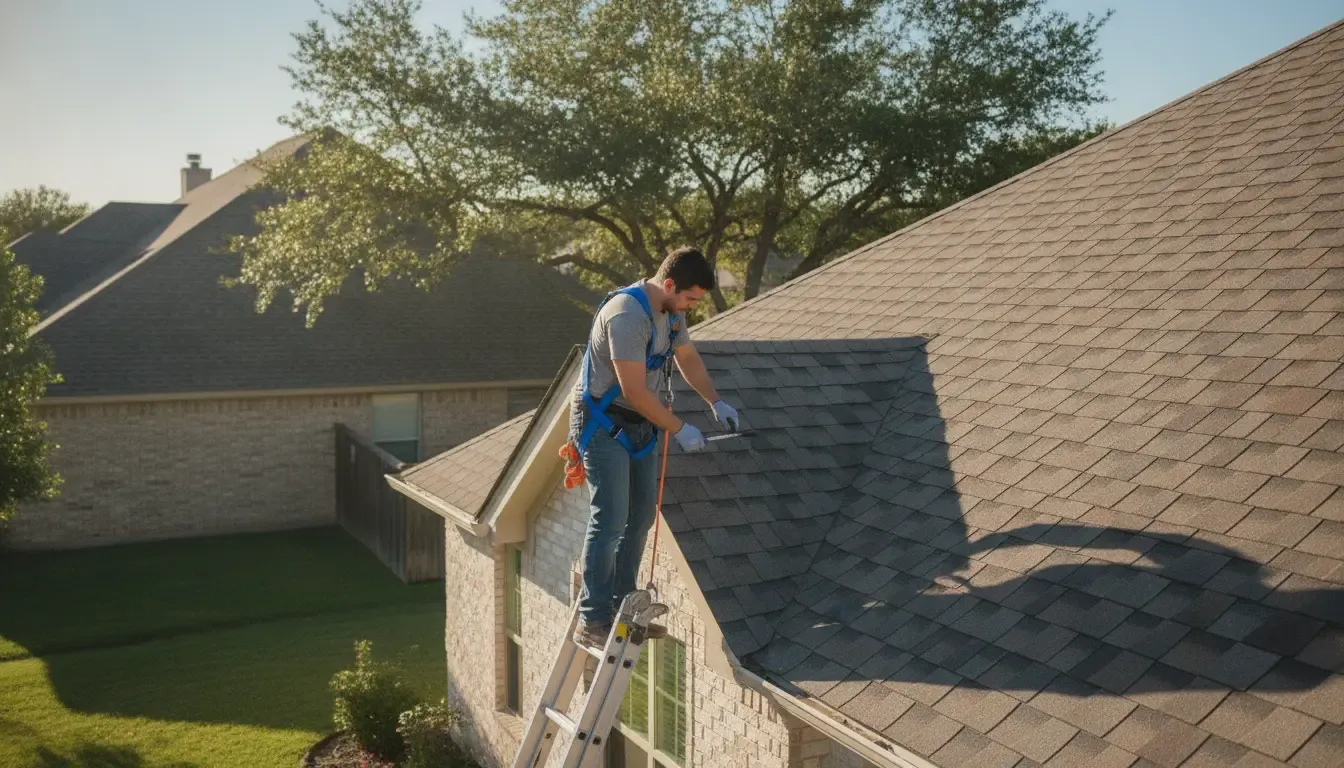
Walk your property on a clear day in late fall and look for the warning signs that become emergencies once it freezes. From the ground with binoculars, and from inside the attic with a flashlight, check for:
- Cracked, curled, or missing shingles that expose the underlayment to wind-driven freezing rain.
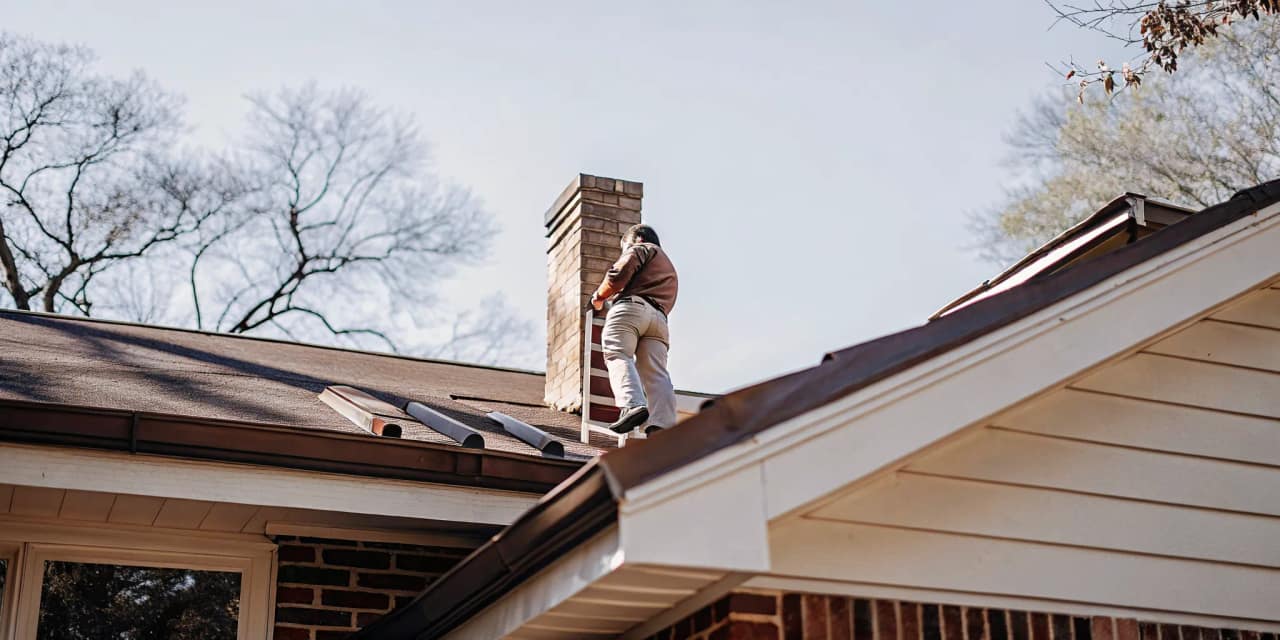
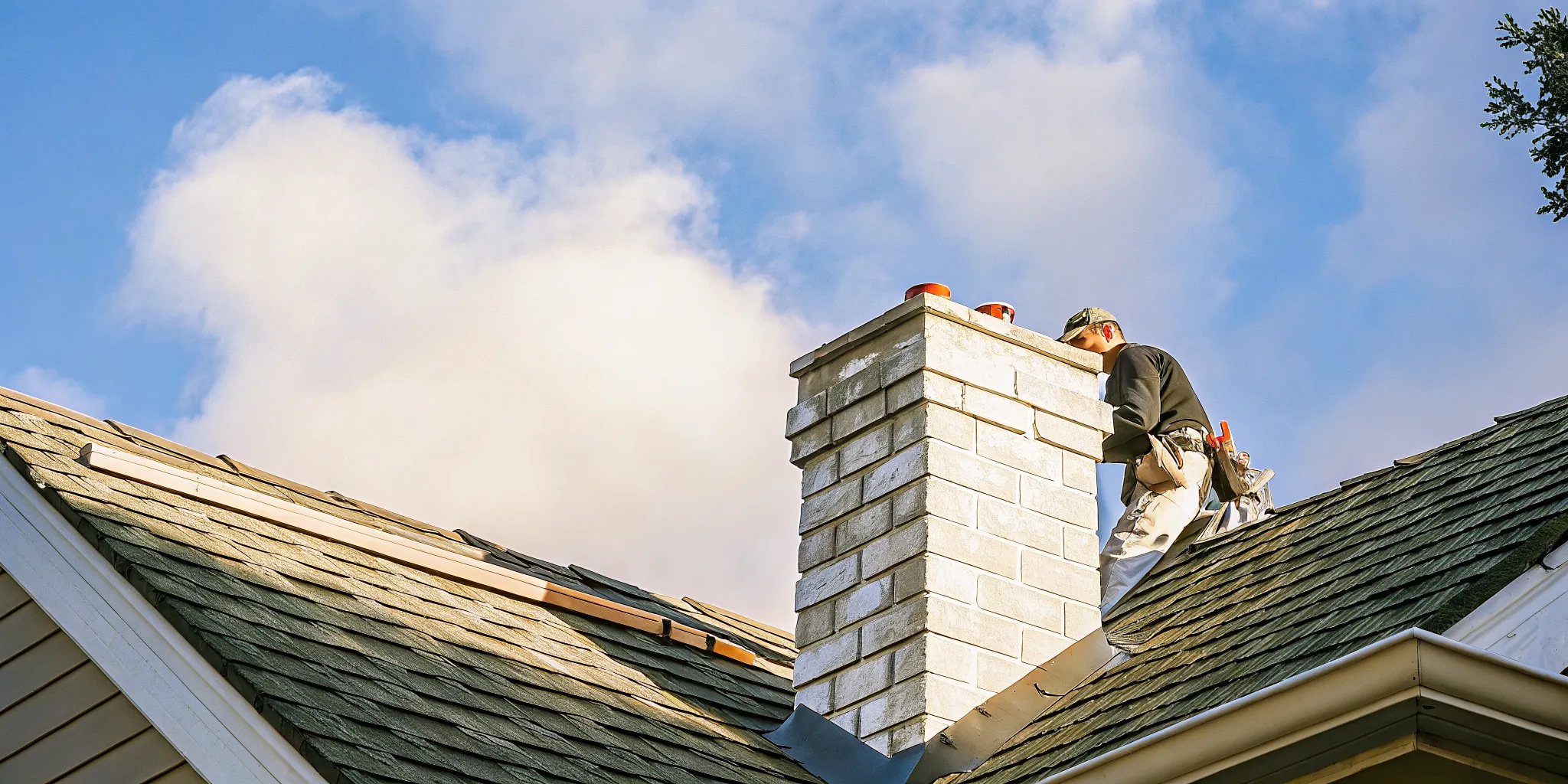
- Failing flashing around chimneys, vents, and skylights. Dried, lifted, or rusted flashing is the number-one entry point for winter leaks.
- Water stains in the attic, which signal a leak that's small now but will worsen the instant ice traps water against the deck.
- Damaged or loose pipe boots, the rubber collars around plumbing vents that crack and shrink in the cold.
- Soft or sagging decking, a sign of long-term moisture that a freeze can rupture.
If you find any of these, address them now, not in January. A small roof repair in November is a fraction of the cost of emergency restoration after a freeze pushes water into your ceilings, walls, and insulation. Damaged areas only get worse as ice and trapped water accumulate.
Don't Forget Flat and Low-Slope Roofs
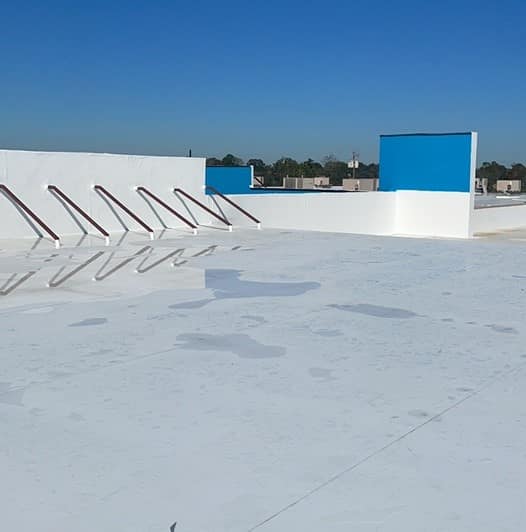
Commercial buildings and modern homes with flat or low-slope roofs face their own winter risk: ponding. When sleet melts and refreezes on a flat membrane, the standing water freezes in place, expands, and stresses seams and flashing. If your modified bitumen or TPO system already has soft spots or open seams, winter is when they leak. Clear all drains and scuppers before the first cold front so meltwater can actually leave the roof.
Protect the Roof System, Not Just the Shingles
A winter-ready roof is a complete system. The shingles or membrane are the visible layer, but the underlayment, flashing, ventilation, insulation, and drainage all have to work together. Skipping one weakens the whole. That's why we install GAF lifetime systems rather than patchwork, and why a quick DIY look-over is no substitute for a trained eye. If your roof is more than a decade old or has weathered multiple Texas storms, this may be the winter to consider a full replacement before a freeze forces the decision for you.
Book Before the First Cold Front
The worst time to find out your roof isn't ready is when water is dripping through your living room ceiling at 2 a.m. during a hard freeze. Elevation Roofing & Restoration offers a free roof inspection (a $399 value) across Greater Houston and the Austin metro, so you can head into winter knowing exactly where you stand. We'll check your shingles, flashing, ventilation, and attic, then give you a straight answer on what, if anything, needs attention. Schedule your free pre-winter inspection today, and let's make sure your home is ready before the cold arrives.