It's the question we get more than almost any other when a homeowner is facing a new roof: metal or asphalt shingle? In Texas, this isn't a small decision. The roof over your home in Houston or Austin has to survive relentless summer UV, sudden hailstorms, Gulf Coast hurricane winds, heavy rain, and the occasional hard freeze — sometimes all in the same year. The material you choose determines not just how your home looks, but how much you'll spend over the next two to five decades and how well your house holds up when the next storm rolls in.
At Elevation Roofing & Restoration, we install and repair both systems across more than 100 Texas communities, so this is a real-world comparison — not a brochure. Here's an honest, head-to-head look at metal versus asphalt for a Texas home, including the costs and trade-offs most contractors gloss over.
The Short Answer
For most Texas homeowners, asphalt shingle is the right call on value, flexibility, and ease of repair. Metal wins when you plan to stay in the home long-term, want the lowest lifetime cost, or live somewhere that gets hammered by heat and wind. Neither is universally "better" — the right choice depends on your budget, how long you'll stay, and your home's exposure. The rest of this guide explains why.
Lifespan: How Long Each Roof Actually Lasts
This is where metal pulls clearly ahead. A quality metal roof — standing-seam or screw-down panel in steel or aluminum — commonly lasts 40 to 70 years in Texas. For many homeowners, it's genuinely the last roof they'll ever buy.
A well-installed architectural asphalt shingle roof, by contrast, typically lasts 25 to 40 years here. Our climate is hard on shingles: intense UV bakes the asphalt and accelerates granule loss, and humidity invites algae streaking. The number you actually get depends heavily on the shingle grade and the installer — a heavy GAF laminate installed as a full lifetime system behaves nothing like a bargain three-tab nailed on by a low-bid crew.
Upfront Cost vs. Lifetime Cost
Asphalt wins the sticker price decisively. Metal typically costs two to three times more upfront than a comparable shingle roof. That gap is why asphalt covers the large majority of Texas homes.
But the smarter comparison is cost over time. If a shingle roof lasts ~30 years and a metal roof lasts ~60, you may replace asphalt twice in the lifespan of a single metal roof. Factor in lower cooling bills and minimal maintenance, and metal's lifetime cost often comes out close to — or below — asphalt for a homeowner who stays put. The math flips the other way if you plan to sell within 5 to 10 years, where asphalt's lower entry cost usually makes more sense. Run your own numbers with our roofing calculator, and remember that financing can make either option manageable month to month.
Heat and Energy Performance
Texas summers make energy efficiency a real line item, not a luxury. Here's how the two compare:
- Metal reflects solar radiation rather than absorbing it. With a reflective finish, a metal roof can noticeably lower attic temperatures and cooling load through a Houston August.
- Asphalt absorbs more heat by nature, but modern cool-roof shingles with reflective granules close much of that gap. Lighter colors help significantly.
Metal has the edge on raw reflectivity, but a cool-roof-rated shingle in a light color is far more efficient than the dark, builder-grade asphalt many older homes still wear.
Hail and Storm Resistance
This matters more in Texas than almost anywhere. Both materials can perform well — with caveats:
- Hail: Large hail can dent softer metals and finishes. This is usually cosmetic, not a leak, but it's worth knowing if you're in a hail corridor. Class 4 impact-resistant asphalt shingles are tested to resist hail and often earn an insurance discount with Texas carriers — a strong argument for upgraded shingles in places like the Hill Country.
- Wind: Metal has a clear advantage. Many standing-seam systems are rated for hurricane-zone wind speeds when installed to spec, which is a meaningful benefit for coastal-leaning homes near Houston.
After any major storm, the most important step isn't picking a material — it's getting the roof you already have inspected. Our storm repair team works directly with homeowners' insurance on hail and wind claims.
Looks, Noise, and the Practical Stuff
Both materials offer strong curb appeal today. Metal comes in standing-seam, panel, and even metal-shingle profiles that suit modern Austin builds and farmhouse designs. Asphalt comes in dozens of colors and designer profiles that can mimic wood shake or slate at a fraction of the cost.
A few practical notes homeowners ask about:
- Noise: A properly installed metal roof over solid decking and underlayment is not noticeably louder in rain than shingles — the "tin roof" stereotype comes from old barns with no insulation.
- Repairs: Asphalt is easier and cheaper to spot-repair. A few damaged shingles are a quick fix; a damaged metal panel can be more involved.
- Installation: Metal is far less forgiving of installer error. Fastener placement, panel expansion gaps, and underlayment all determine whether it lasts 50 years or leaks at the seams.
So, Which Should You Choose?
Here's the framing we give Texas homeowners:
- Choose asphalt if you want the lowest upfront cost, plan to move within a decade, or value easy, affordable repairs. Upgrade to Class 4 cool-roof shingles for the best Texas performance.
- Choose metal if you're staying long-term, want the lowest lifetime cost, prioritize energy savings, or face high winds near the coast.
Whatever you pick, the outcome depends more on installation quality and the full system beneath the surface — underlayment, ventilation, flashing, fasteners — than on the material name on the invoice. A premium material installed poorly will lose to a mid-tier material installed right, every time. That's why we install complete roofing systems and stand behind them with a 100% satisfaction guarantee.
Get an Honest Recommendation for Your Home
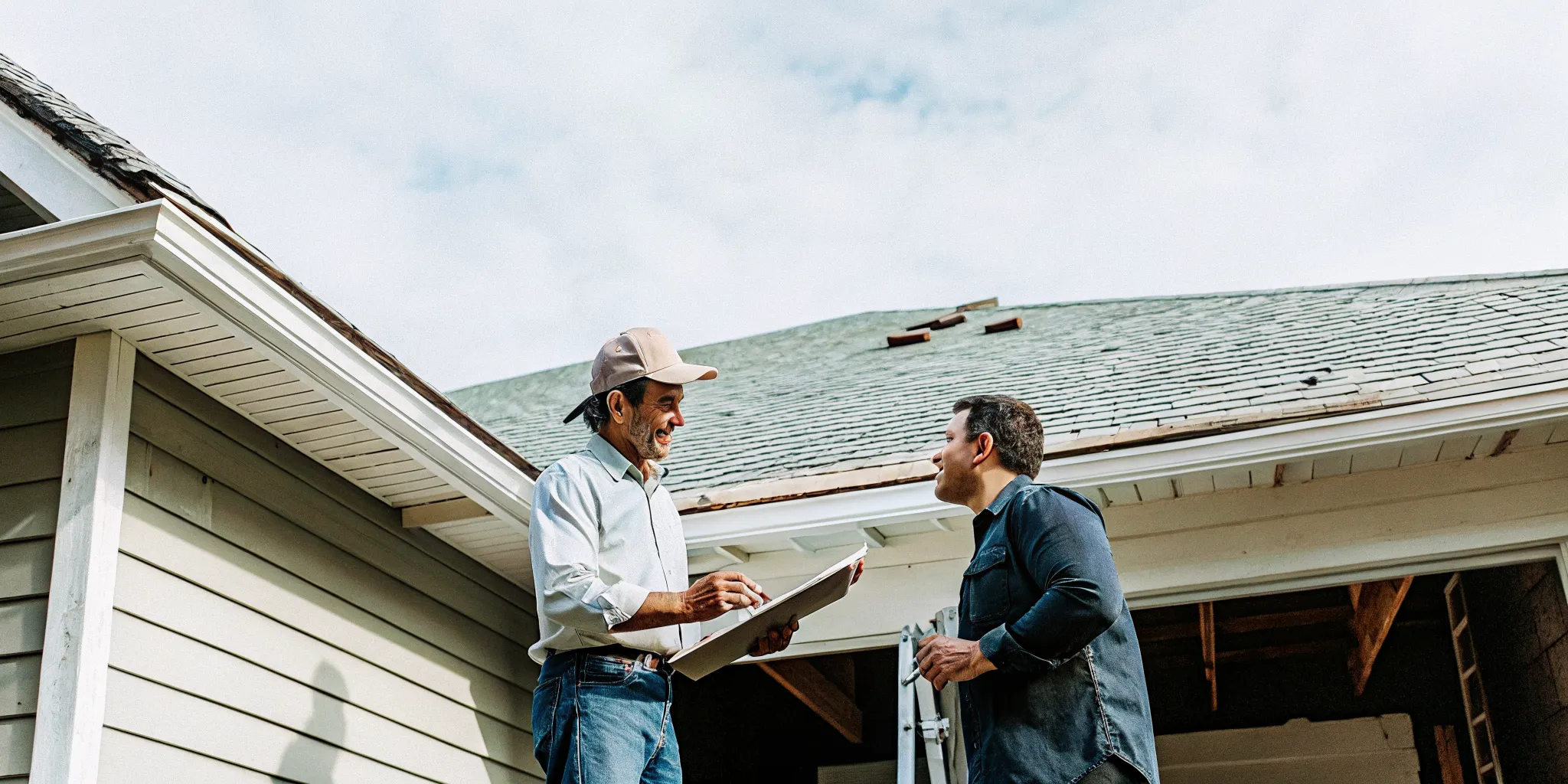
The best way to decide between metal and asphalt is to have someone walk your actual roof and talk through your budget, your neighborhood, and how long you plan to stay. As a GAF Preferred Contractor with 9+ years serving Greater Houston and the Austin metro, we'll give you real pricing on both options — no pressure, no upsell. Schedule a free roof inspection (a $399 value) and we'll help you choose the roof that actually makes sense for your home and your Texas weather.