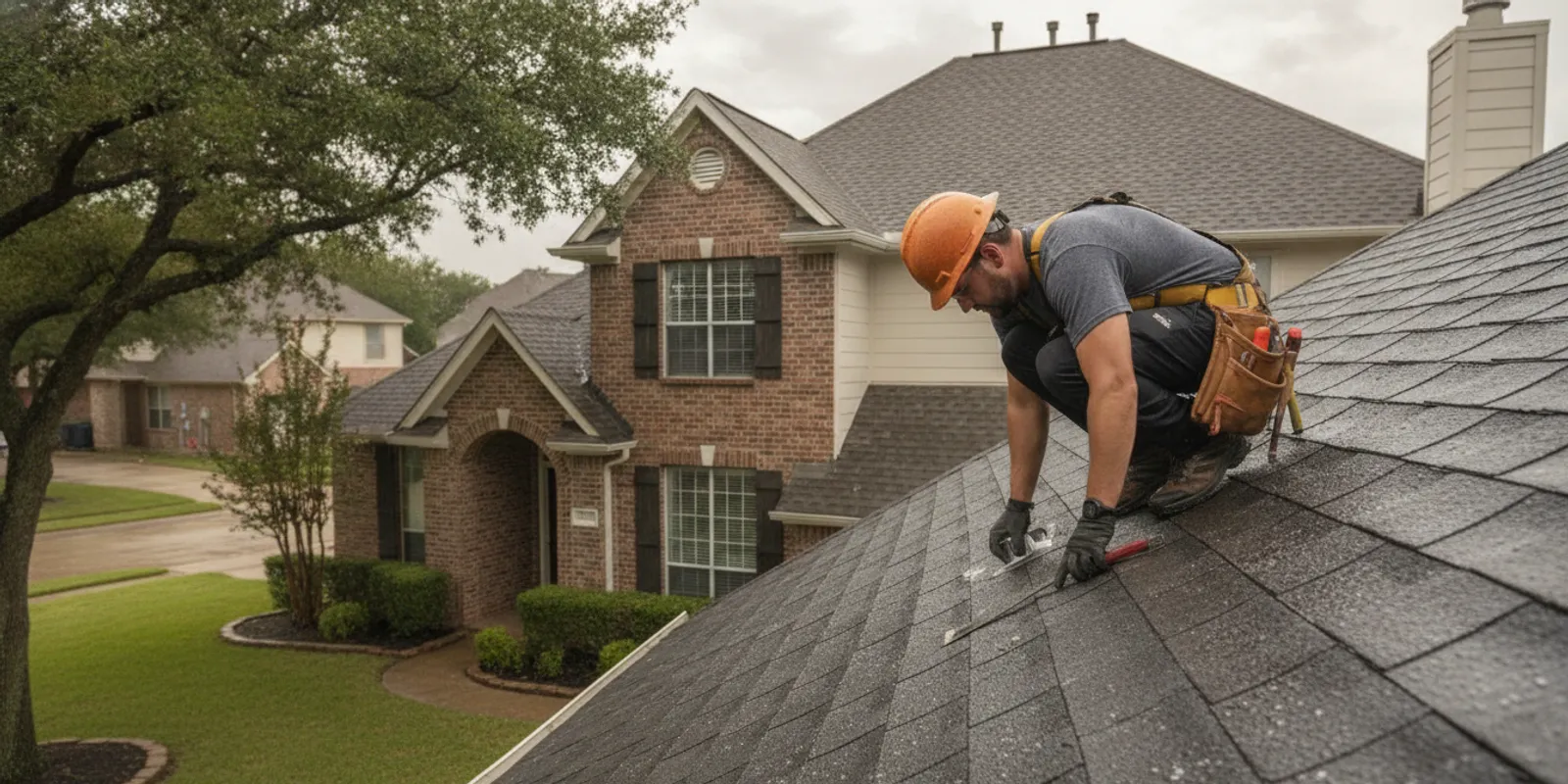
When a roof starts leaking or shingles appear damaged, it can be hard to tell whether the problem calls for a focused repair or a broader evaluation. This guide to roof repair sugar land tx property owners can use explains safe first steps, what to document, and how to prepare for a professional visit.
What Roof Conditions Should You Look For After Texas Weather?
Wind, hail, heavy rain, heat, and ordinary aging can affect different roof components. A ceiling mark may be related to an opening around flashing, a damaged shingle, or water traveling along a roof deck before it becomes visible indoors. The source is not always directly above a stain, so an interior symptom should be treated as a clue rather than a diagnosis.
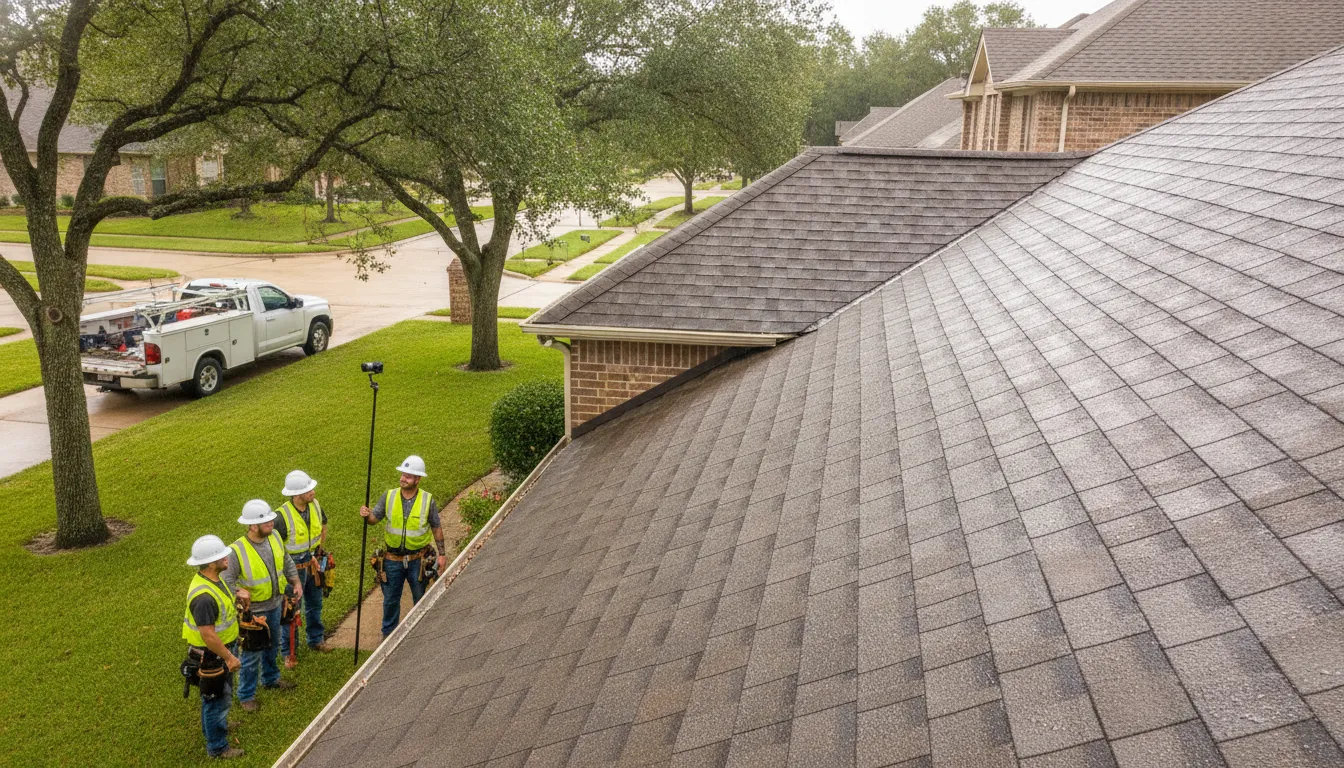
Start with observations from the ground and from inside the property. Look for missing or lifted shingles, displaced roof edges, debris, dented gutters, or newly visible moisture. Avoid walking on the roof or moving loose materials. A wet surface can be slippery, and damage may affect how much weight the roof can safely support.
- Write down when you first noticed the concern and whether it followed a storm.
- Take photos from a safe location, without climbing a ladder or touching damaged areas.
- Inside, photograph stains or drips and note whether they grow after rainfall.
- Move belongings away from active drips and use a container to catch water only if safe.
- Keep people away from sagging ceilings, fallen materials, or areas near exposed wiring.
If water is near a light fixture, outlet, or electrical panel, do not touch wet surfaces or equipment. Keep clear and contact a qualified professional. If a ceiling is bulging or visibly sagging, do not stand beneath it. The priority is to protect people and property, not to get a closer look.
How Can You Document a Possible Roof Problem Safely?
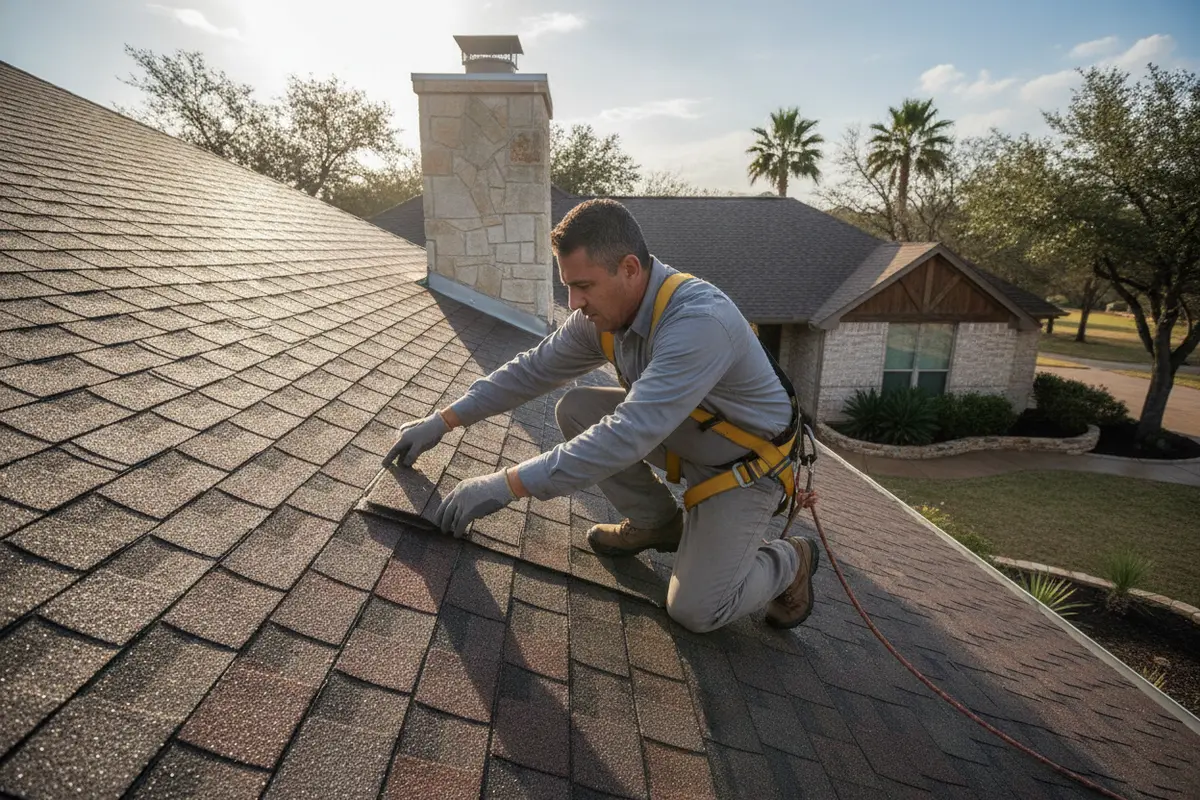
Useful documentation is clear, dated, and focused on what you can actually observe. Photograph the same area from more than one angle, and include a wider view that shows which side of the house or which room is involved. A close-up without context can be difficult to connect to a specific location later.
Keep a short timeline. Record the date of a storm if known, when you first saw a stain or missing material, and whether the condition changed after later rain. Note any temporary steps you took indoors, such as moving furniture or placing a container under a drip. Save original photos when possible, rather than relying only on cropped or edited copies.
Do not make temporary changes that create a fall risk or disturb damaged materials before they can be assessed. An owner may need to take reasonable steps to protect the property, but the safest approach depends on the situation. For storm-related concerns, follow your policy and communicate directly with your insurer about reporting requirements and deadlines. An inspection can describe visible roof conditions; it cannot determine insurance coverage or promise a claim outcome.
For general weather information and alerts relevant to planning after storms, consult the National Weather Service. Weather information can help establish context for your notes, but it does not prove what caused a particular roof condition or establish the extent of damage.
Elevation Roofing & Restoration offers roof inspections and repair services in its Texas service areas. Property owners can review the company's roof inspection information and storm repair services to understand the available service categories.
What Should You Prepare Before a Roof Repair Visit?
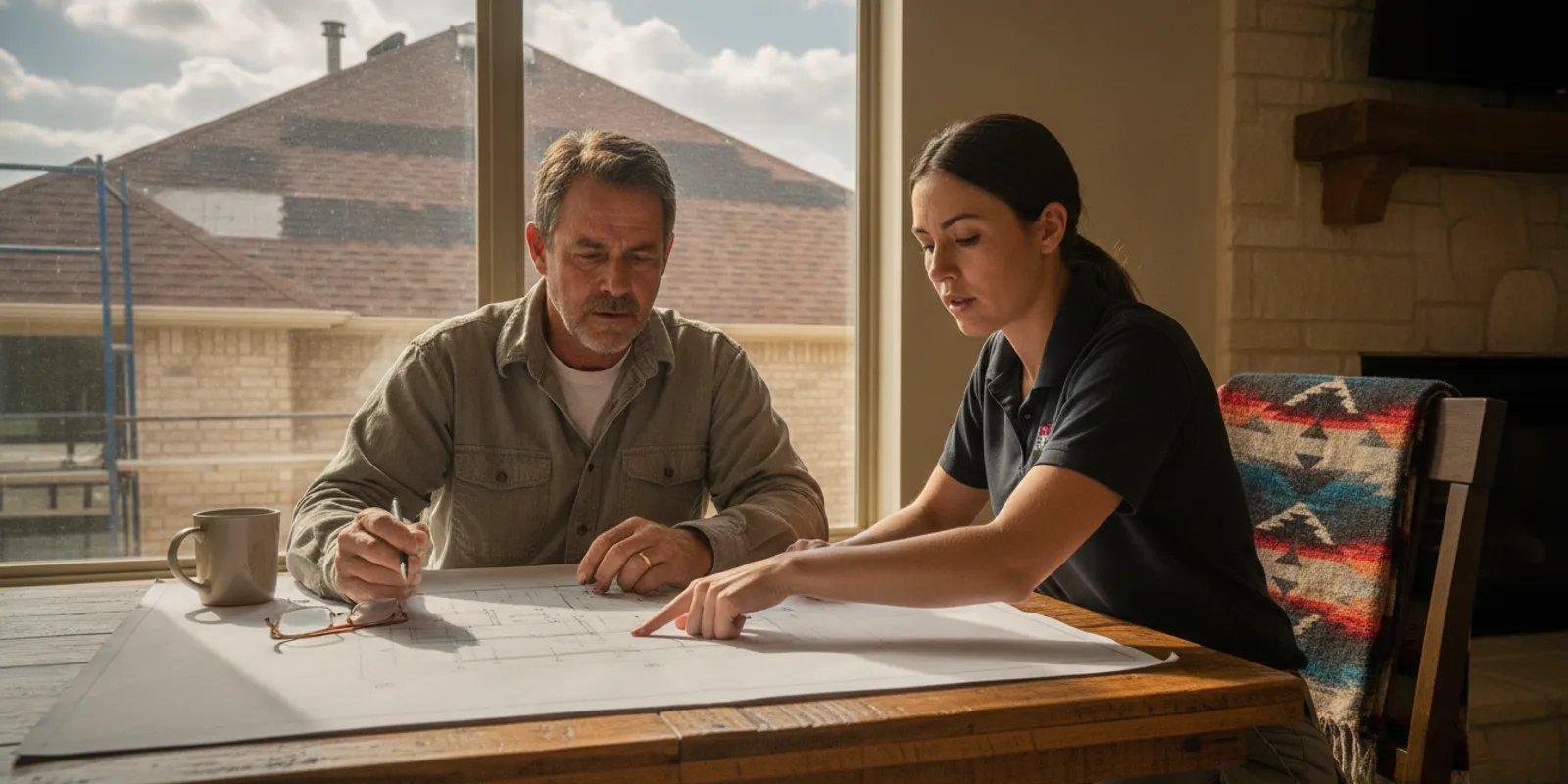
A little preparation makes it easier to describe the concern and understand an assessment. Gather your photos and timeline, identify the rooms or roof areas involved, and share any known repair history. If you have installation records, prior estimates, or notes from earlier leaks, keep them together. You do not need to know the technical name for a roof component to explain what you observed.
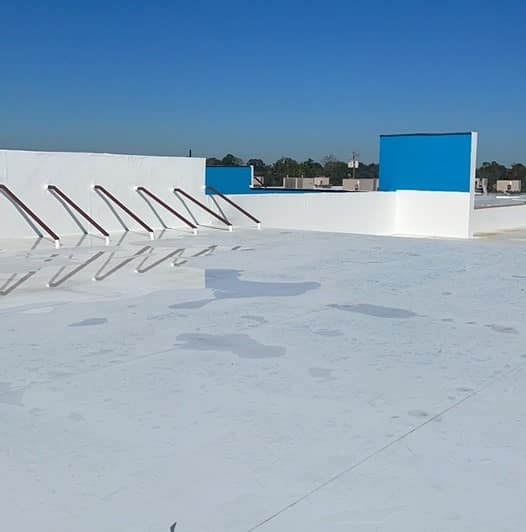
When practical, clear access to the attic hatch or affected rooms. Move fragile items away from the work area and keep pets away from any inspection or repair activity. If there are access restrictions, security procedures, or business hours that matter, mention them before the visit. For a commercial property, it can help to identify who can authorize access and who should receive updates.
| Information to prepare | Why it helps | What to note |
|---|---|---|
| Photos and dates | Shows how the concern changed over time | First sign, storm timing, later changes |
| Interior symptoms | Connects observations to rooms or surfaces | Stain, drip, odor, damp material, or ceiling change |
| Roof history | Provides useful context for the assessment | Known repairs, installation records, previous leaks |
| Access and priorities | Helps plan a practical visit | Attic access, work hours, affected rooms, urgency |
| Questions | Keeps the conversation focused | Scope, evidence, options, documentation, next steps |
Ask the contractor to explain what was inspected, what evidence supports the recommendation, and whether other options are appropriate. Request a written scope that identifies the affected area, materials, work steps, and exclusions. If the concern followed a storm and you plan to contact your insurer, ask for clear documentation that you can use in your own discussions. A contractor's findings do not guarantee coverage or payment.
For a local point of reference, see Sugar Land roofing help. The company's service locations page can also help readers explore its broader Texas footprint.
Schedule a free roof inspection
When Is Roof Repair a Better Fit Than Replacement?
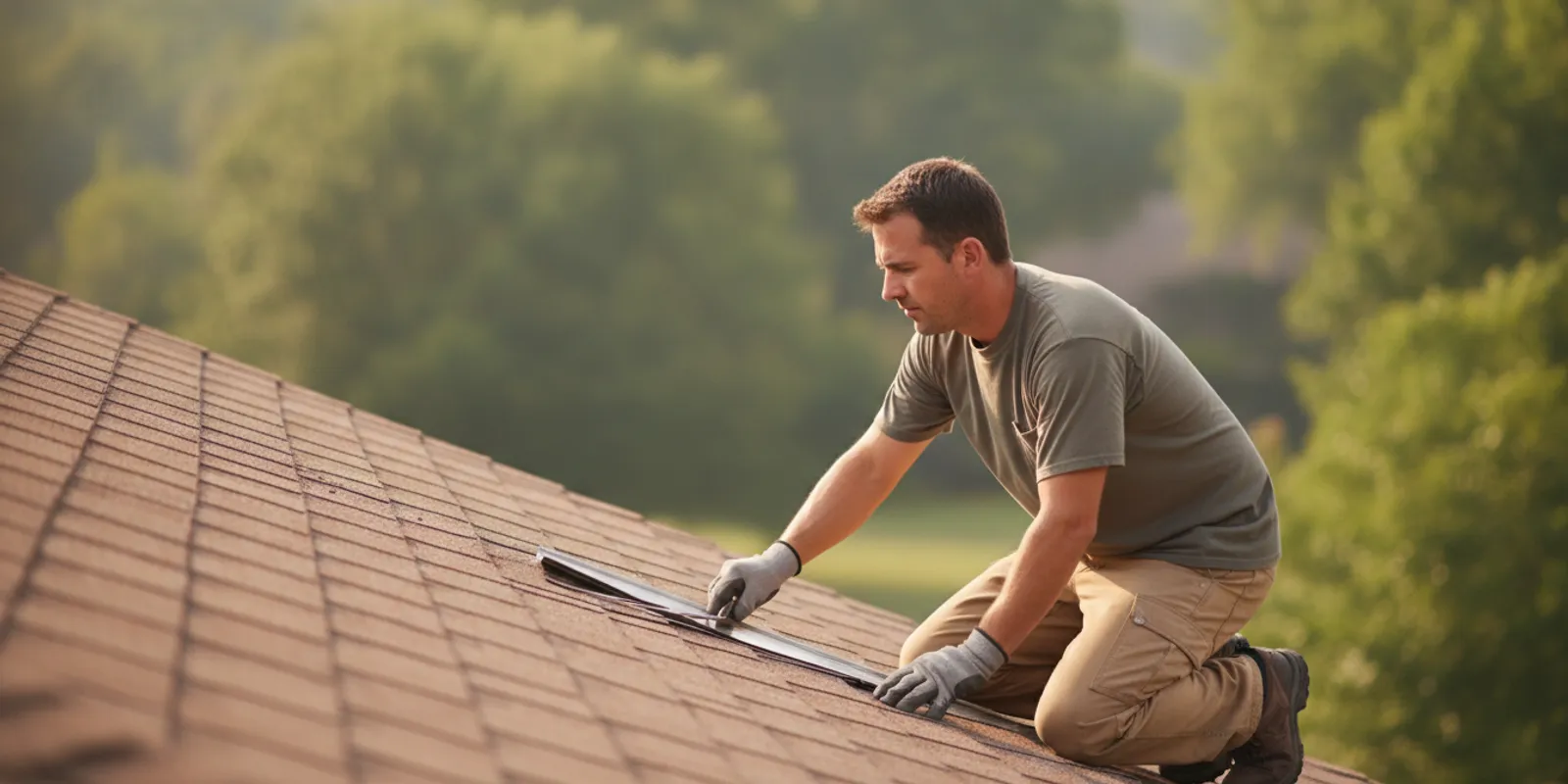
A repair may be appropriate when an inspection identifies a limited, addressable condition, such as damage to a specific section or a roof detail that needs attention. Replacement is a larger decision that may depend on the condition of multiple areas, age and repair history, roofing material, and the extent of damage. A single ceiling stain or missing shingle alone does not establish which option is right.
Ask the professional to explain how the recommended work addresses the likely source of the problem, not only the visible symptom. If replacement is proposed, ask what findings make a repair inadequate and whether any localized work is a reasonable alternative. You can learn about roof repair services and roof replacement options before discussing the specific condition at your property.
For example, imagine a homeowner sees a small stain after one storm but no other symptoms. A useful evaluation would look for a plausible route for water entry and check related roof details rather than assuming the whole roof needs replacement. If several areas show deterioration or repeated repairs have not resolved recurring leaks, the owner can ask what broader work is supported by the findings. These are questions to discuss, not conclusions that can be made from a stain alone.

How Do You Compare Roof Repair Proposals?
Proposals are easier to compare when each contractor is responding to the same described concern and provides a similar level of detail. Do not compare only the total price if the scopes cover different areas or materials. Review what work is included, what is excluded, and how an unexpected condition would be handled.
- Confirm the property and affected roof area are described correctly.
- Ask which materials and work steps are included, and whether the proposal addresses related flashing or roof details.
- Clarify whether interior repairs, disposal, and cleanup are included or excluded.
- Ask how a change to the scope will be explained, approved, and recorded.
- Keep copies of inspection notes, proposals, photos, and relevant communications.
Ask for plain-language explanations of unfamiliar terms. If the document mentions a repair limit or an area that could not be evaluated, ask what that means for the recommended work. A written scope should make it easier to understand what you are authorizing, without implying that hidden conditions can always be known in advance.
For background, review the company's roofing services, its Sugar Land service page, and answers to common roofing questions. You may also read customer reviews and view the project gallery for additional context. Those pages offer background, while the written assessment and scope should address your property specifically.
What Should You Ask Before Work Starts?
Before approving work, make sure you understand what the crew will do, what area will be affected, and how questions will be handled. A short conversation before work begins can uncover different assumptions about access, scope, or cleanup.
- What specific roof condition is the work intended to address?
- Which materials and roof areas are included in the written scope?
- How will the property and nearby belongings be protected?
- What cleanup is included, and how will you be told if additional work is proposed?
- Who should I contact with a question about the estimate or schedule?
For needs beyond roofing, review the company's remodeling and gutter services. The contact page is available for questions about arranging a discussion. Service availability and the appropriate scope depend on the property and inspection findings.
For storm-related work, keep the insurer's instructions and policy documents available, and direct coverage questions to the insurer. A contractor can provide observations and work documentation, but the insurer determines coverage under the policy. Keep your own copies of communications and submitted documents so you can refer to the same records throughout the process.
How Should You Think Through a Roof Repair Decision?
Use a simple sequence to keep the decision grounded in observations rather than assumptions. First, describe the symptom precisely: where it appears, when it happens, and whether it is changing. Second, share any relevant history, such as earlier repairs or repeated water entry in the same area. Third, ask what the inspection actually found and which parts of the roof could or could not be evaluated. Finally, compare the proposed scope with the condition being addressed. This sequence can keep a conversation focused even if you are unfamiliar with roofing terms.
Consider a second example: a property owner sees granules in a gutter after a storm. That observation alone does not identify the roof's condition or establish that a repair is needed. The owner can photograph the gutter contents, note the date, look from the ground for other visible changes, and ask the inspector whether the roof shows a related condition. Another owner may notice a recurring drip at a roof-wall transition. Sharing the location and rainfall timing can help direct attention to that detail, while avoiding a claim that the cause is already known.
For a commercial property, add operational details to the same process. Note which tenants, rooms, or equipment areas could be affected, identify a safe access route, and decide who can approve work. If the condition is near a business entrance or customer area, explain the access concern during scheduling. These practical details do not replace the roof assessment, but they make it easier to plan a visit and discuss how proposed work might fit the property's use.
Keep one folder, digital or paper, with dated photos, notes, inspection findings, proposals, and messages. Label each file by date and location so you can find it later. If a new symptom appears, add it to the timeline instead of relying on memory. A concise record helps you ask focused follow-up questions and compare any revised scope against the original concern.
Frequently Asked Questions
Can I inspect the roof myself?
Use ground-level views and interior observations rather than climbing onto the roof. Roof surfaces can be steep, slippery, or weakened, so leave close inspection to a qualified professional. If you cannot see a condition clearly from a safe place, note what you can observe and explain it during the visit.
Should I repair a leak before an inspection?
Protect belongings and contain water only when it is safe. Avoid risky roof access or repairs, and document the condition before changes where practical. If there is an urgent hazard, keep people clear and seek qualified help rather than attempting a roof repair yourself.
Does storm damage mean insurance will pay for repairs?
Not necessarily. Coverage depends on the policy, the facts of the loss, and the insurer's review. Keep records, report concerns according to your policy, and ask your insurer about coverage and claim steps. An inspection or contractor estimate is not a promise of claim approval.
What should a roof repair estimate include?
It should identify the area and condition, proposed work, materials, scope limits, and how additional work will be discussed. Ask for clarification in writing before approving the project, especially if a proposal leaves out a condition you expected it to address.
What if a leak appears only during heavy rain?
Record when it occurs, where water appears indoors, and whether the location changes with rainfall. A symptom that comes and goes is still useful information. Avoid assuming that the visible interior location identifies the roof entry point; share the timeline and photos with the inspector.
Plan a Clear Next Step
For roof repair sugar land tx property owners should begin with safe observations, dated documentation, and a clear discussion of inspection findings and proposed work. If you are ready to discuss your roof, contact the local team through the inspection link and keep your questions and photos close at hand.