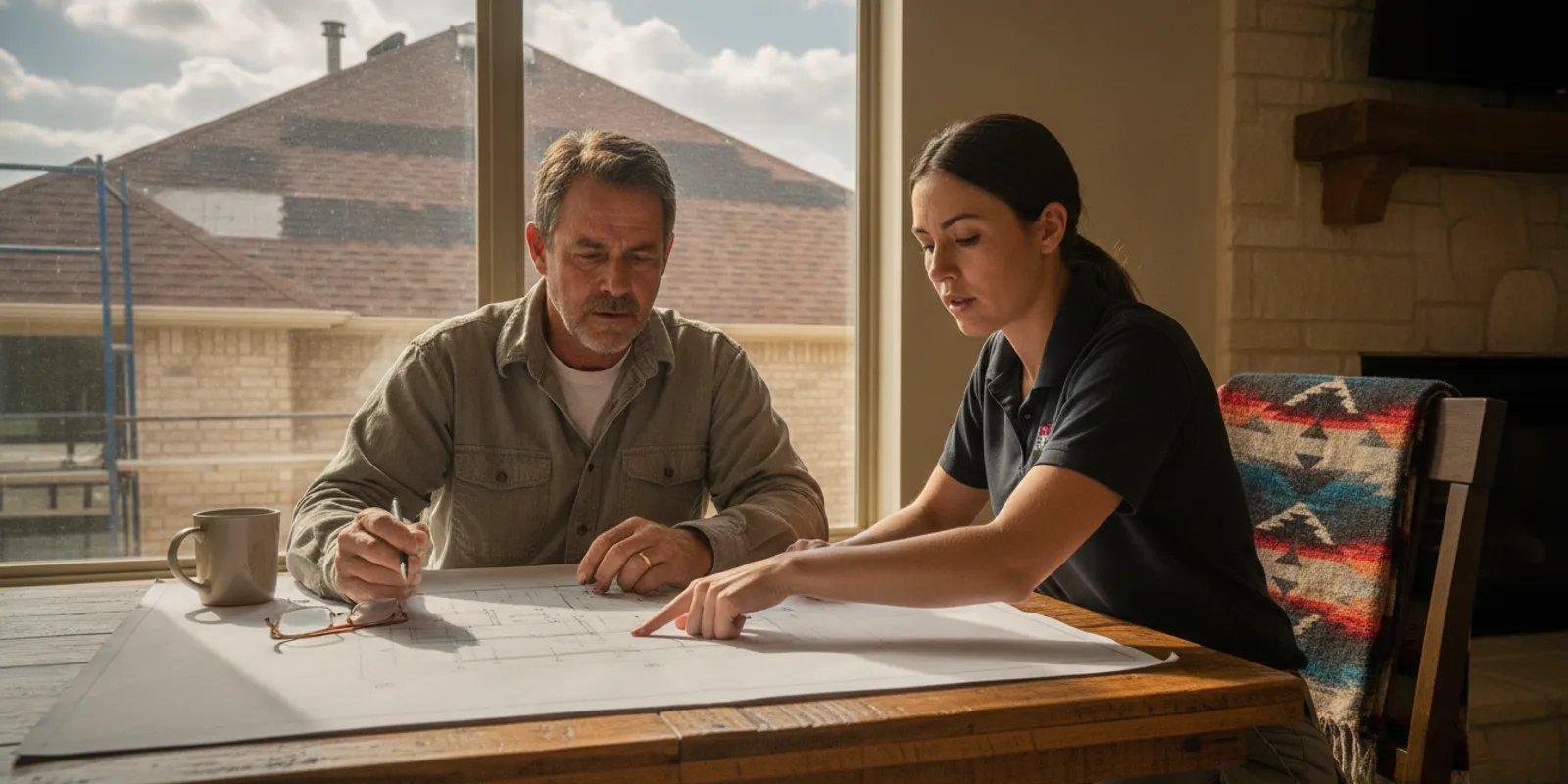
A free roof repair estimate can help you understand what a contractor sees, what work may be needed, and which questions to resolve before approving repairs. In Texas, wind, hail, heavy rain, heat, and ordinary aging can affect a roof, but a recommendation should be based on the specific property and documented conditions. Here is how to assess an estimate and compare repair plans.
Schedule a free roof inspection and estimate
What should a free roof repair estimate assess?
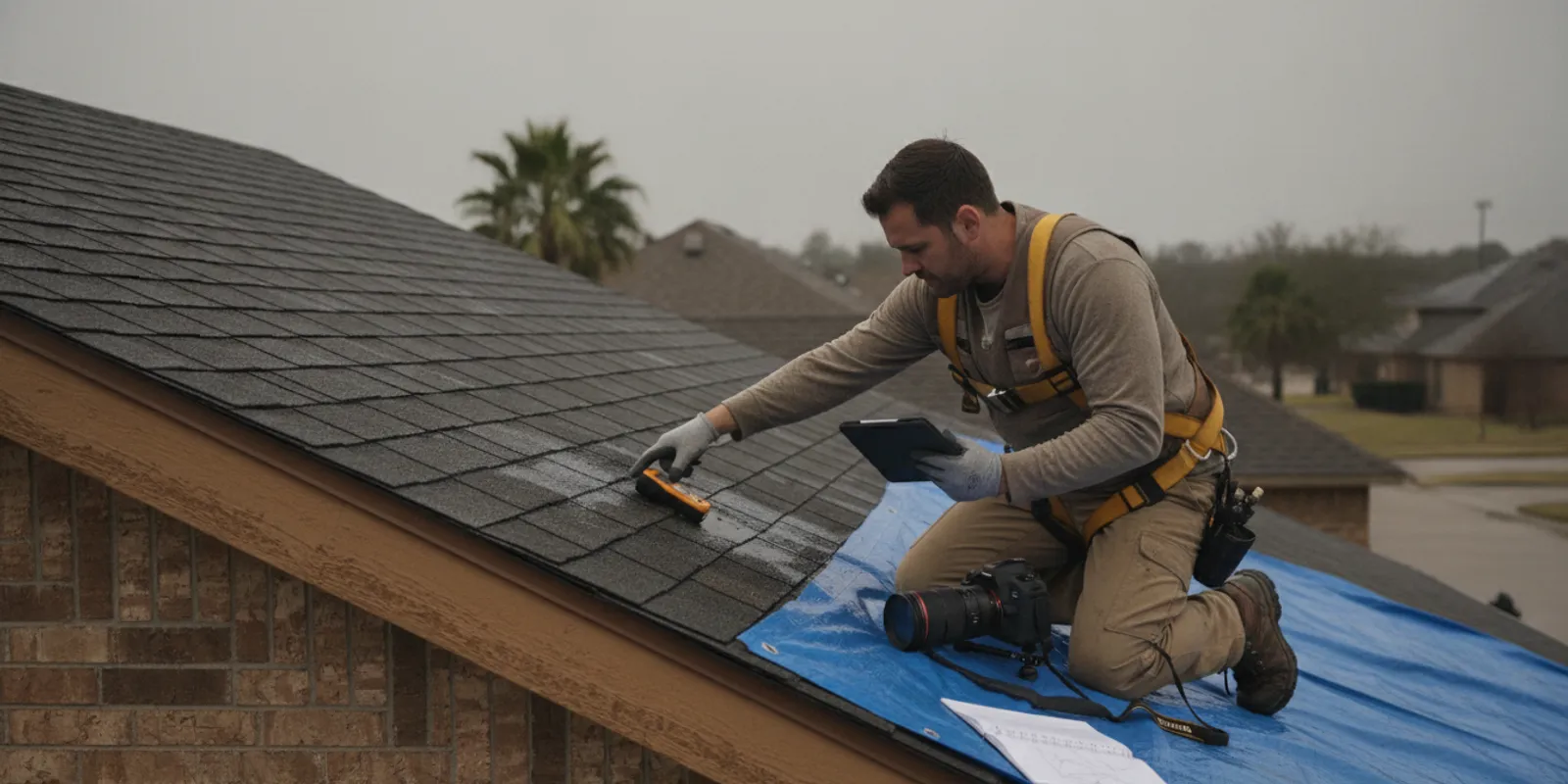
An estimate usually starts with an inspection of accessible roof areas and related components. Ask the contractor to explain what was checked and distinguish observed damage from areas that could not be safely or practically accessed. An inspection cannot promise that every concealed condition will be visible.
Depending on the roof system and reported concern, the review may include shingles or another roof covering, flashing at transitions, vents and other penetrations, valleys, edges, drainage paths, and signs of water entry. If you have a leak, interior evidence such as staining in an accessible attic or ceiling may help connect symptoms to a possible entry point. Water can travel before appearing indoors, so a ceiling mark alone may not pinpoint the opening.
- Ask which roof areas and components were inspected.
- Ask what damage or wear was directly observed, and where.
- Ask whether photos or notes are available to support the findings.
- Ask whether any area was not inspected and why.
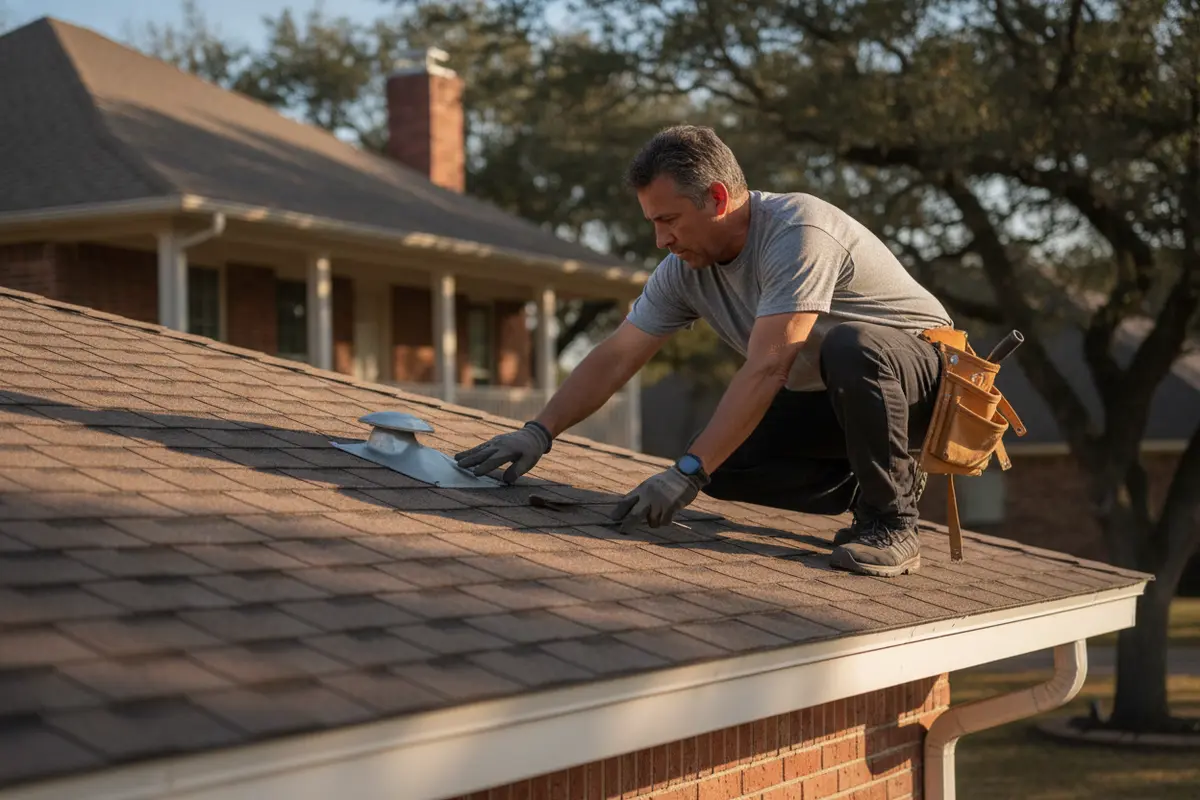
Elevation Roofing offers roof inspections and serves property owners in Houston, Austin, and surrounding Texas communities. An inspection is a useful starting point, but the written scope and your questions matter just as much.
What should the written repair recommendation explain?
A useful estimate connects each recommended task to a specific observed condition. It should identify what the contractor proposes to repair, which materials or components are involved, and what is excluded. If the document says only “roof repair” without naming the location or work, ask for more detail before deciding.
| Estimate detail | What to look for | Question to ask |
|---|---|---|
| Observed condition | Location and description of the concern | Where was this seen, and can I review a photo? |
| Repair scope | Specific tasks and components included | What exactly will the crew repair or replace? |
| Materials | Type or relevant characteristics | How does the proposed material fit this roof system? |
| Exclusions | Work not included or conditions that could change scope | What would require a revised estimate? |
| Schedule and closeout | Expected sequence, cleanup, and completion records | What documentation will I receive? |
Do not assume every estimate uses the same scope, even when contractors use similar labels. Clarify whether the work addresses the suspected source of a leak or only a visible symptom. For example, a proposal to replace a few shingles may be reasonable for isolated damage, but it does not automatically address a flashing problem nearby. Ask how the observation supports the task.
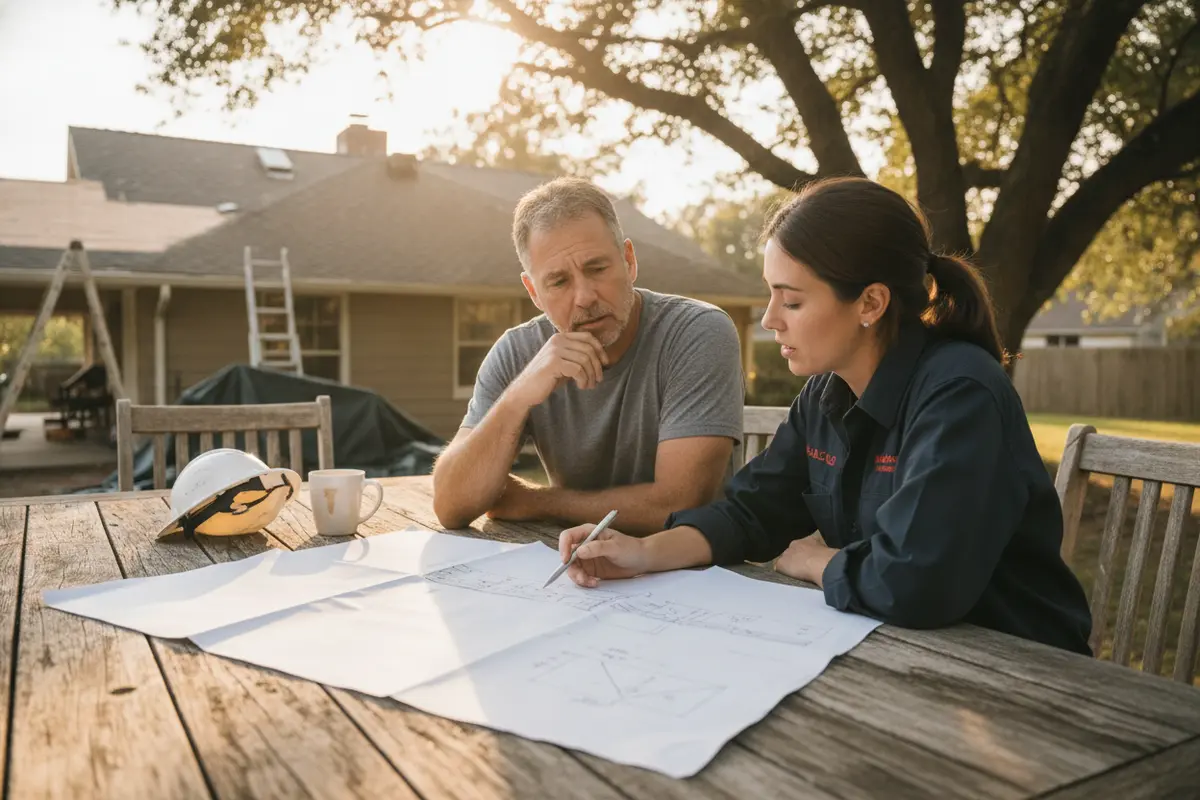
How can you compare a free roof repair estimate?
Compare written estimates line by line rather than choosing by total alone. A lower figure may reflect a smaller scope, different materials, or exclusions. A higher figure is not automatically more complete. When possible, ask each contractor to address the same concern and roof area so the comparison is useful.
- Match each contractor’s findings to the same roof area and reported problem.
- Compare labor, materials, removal or disposal, and cleanup where applicable.
- Check whether related flashing, penetrations, or drainage details are included.
- Identify allowances, exclusions, and conditions that could change scope.
- Ask how newly discovered damage will be documented and approved before added work.
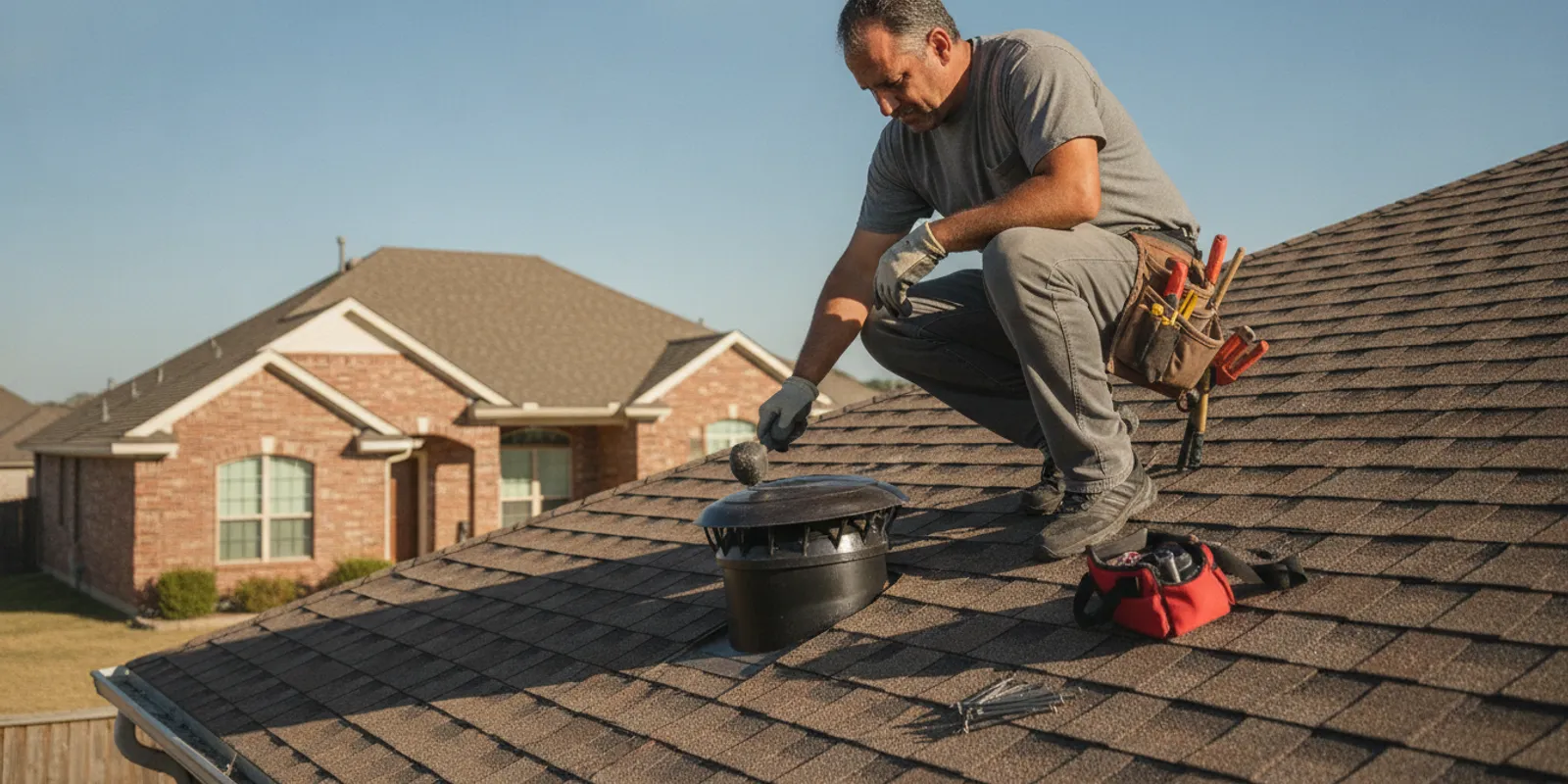
Consider a simple example: one proposal covers a leak near a roof vent, while another includes the vent flashing and nearby damaged covering. The totals may differ because the proposed work differs. Before comparing price, ask both contractors to state what they believe is allowing water entry, what evidence supports that view, and what each scope will leave untouched.
For a broader view of available work, review Elevation Roofing’s roofing services. You can also read customer reviews, learn about the company, and check service locations. These pages are background, not substitutes for a project-specific scope.
A cost calculator can provide a broad planning reference, but it cannot inspect your roof or establish the work it needs. The roofing cost calculators describe tools for estimating repair and replacement costs; use any general estimate as a starting point, not a contractor’s written proposal.
Get a free roof inspection and discuss repair options
Which questions should Texas property owners ask?
Ask questions that turn the estimate into a clear plan. A contractor should be able to explain the recommendation in plain language and identify what is known, what remains uncertain, and what should happen next.
- What did you observe, and what evidence supports the recommendation?
- Is this a targeted repair, or is there a reason to consider a broader project?
- Which roof areas will the work affect, and what is outside the scope?
- Could weather or concealed conditions affect the schedule or final scope?
- How will the crew protect the property and handle debris?
- What records, photos, or completion notes will I receive?
Ask how the contractor will handle a change in scope. A clear process is to pause, document the newly found condition, explain why it changes the work, and present the revised price and plan for your review before proceeding. Do not rely on a verbal description alone when the change affects cost or the repair outcome.
For a storm-related concern, document what you can safely observe and keep relevant inspection records. Do not climb onto a roof or disturb damaged materials. Coverage and claim decisions depend on the policy and circumstances, so direct coverage questions to your insurer. Elevation Roofing can help with insurance claims for storm damage, but an estimate is not a guarantee of coverage or payment.
How should you prepare for an inspection?
A little preparation can make the appointment more productive without requiring you to inspect the roof yourself. Write down when you first noticed the problem, what weather or activity preceded it, and whether the symptom has changed. Note the room or building area where water appears and whether the mark grows after rain.
- Gather prior repair records, warranties, or inspection notes that relate to the roof.
- Take photos from the ground or indoors if they can be made safely.
- Clear access to the attic hatch or relevant interior area if the contractor may need to view it.
- List questions about the scope, materials, schedule, and what is excluded.
- Ask how and when you will receive the written estimate and supporting photos.
For homes and commercial properties, explain any access limits before the appointment, such as locked gates, tenant areas, or operating hours. A commercial roof may use a different system and have access or business-continuity considerations. Elevation Roofing handles several roof types, including commercial systems; its flat roof information and other property services can help you identify relevant questions before discussing a specific project.
Keep the estimate, photos, and any follow-up notes together. If you are comparing alternatives, record which version of the scope each price refers to. That prevents confusion if a revised proposal arrives after a closer inspection or a discussion about materials.
When is a repair recommendation worth a second look?
Pause and ask for clarification when the written description is vague, the proposed work does not connect to the observed condition, or the document leaves important exclusions unclear. A recommendation for a much broader project should explain why a localized repair is not suitable, if that is the contractor’s conclusion. Likewise, a small patch should specify its limits so you know what it is intended to address.
It is reasonable to ask for photographs, a plain-language explanation, and a written revision. You can also ask a second contractor to assess the same area. Comparing independent findings can help clarify the issue, but make sure each person is evaluating the same symptoms and accessible sections. If findings differ, ask each contractor to explain the evidence behind the proposed approach rather than treating the lowest price as proof that one answer is correct.
As a practical worked comparison, imagine two proposals after water appears near a ceiling fixture. Proposal A lists a small patch near the visible stain but does not identify a roof location or explain how water reaches the room. Proposal B identifies a roof transition, includes nearby flashing work, and notes that the interior stain is only a symptom. The second document may be more informative even if its scope is broader, but the owner should still ask for photos and a reasoned connection between observation and task. This is not a conclusion about which proposal is right; it shows why a defined location and explanation help you judge what you are buying.
When a scope includes a repair and a possible follow-up inspection, ask what completion means. For example, does the crew plan to remove damaged material, replace it, seal or secure the relevant transition, and clean the work area? Are there limits on matching existing materials? Will any interior finish work be excluded? Clear boundaries help avoid assuming that a roofing estimate also includes unrelated ceiling or paint repairs.
Do not treat urgency language as a substitute for evidence. If a proposal says work must begin immediately, ask what condition makes it time-sensitive, what temporary measures are appropriate, and what could happen if you take time to review the scope. A contractor should explain the practical risk without pressuring you to approve work you do not understand.
What details matter for commercial roof estimates?
Commercial property owners may need to consider more than the repair location. A repair plan can affect tenant access, deliveries, parking, rooftop equipment, and business hours. Ask the estimator to identify any access needs or operational interruptions expected from the proposed work, and coordinate with the property manager or facilities contact before setting a date.
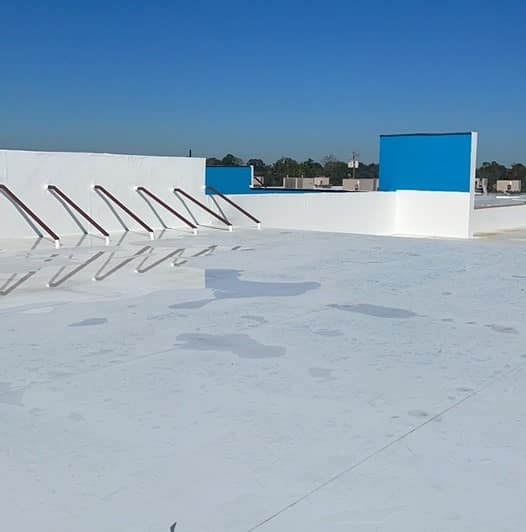
Roof systems vary. A membrane roof, built-up surface, or metal system may need a different repair approach from an asphalt-shingle roof. Ask the contractor to name the system being assessed and explain whether the recommended materials are compatible with it. If there are multiple roof sections, request that the estimate identify each section separately so you can distinguish a localized concern from observations elsewhere.
- Confirm which building section or roof area the price covers.
- Ask how rooftop units, drains, and access routes affect the work plan.
- Clarify whether the proposal includes temporary protection or only permanent repair.
- Agree on site access, work hours, and communication with occupants.
- Request closeout notes and photos for the property file.
For a property manager overseeing several sites, keep a simple comparison sheet for each address. Record the inspection date, reported symptom, roof system if known, areas reviewed, recommended tasks, exclusions, and questions still open. This prevents one building’s estimate from being confused with another and makes it easier to prioritize follow-up based on documented conditions rather than an undifferentiated total.
Elevation Roofing serves residential and commercial property owners around Houston and Austin. You can check Texas service locations and review roof repair information when deciding which questions apply to your property. Availability and the right repair plan depend on the specific building and assessment.
Frequently Asked Questions
Does a free estimate mean the repair will be free?
No. “Free” refers to the estimate or inspection offer, not the repair work. Review the written proposal, costs, and scope before authorizing work.
Can an inspection identify every leak?
Not always. Water can travel through roof components before becoming visible inside, and some areas may be concealed or inaccessible. Ask what was inspected and what additional evaluation may be needed.
Should I get more than one estimate?
Comparing estimates can help you understand differences in findings and scope. Make sure each contractor is addressing the same concern, and compare details rather than totals alone.
What if a contractor finds additional damage during repair?
Ask the contractor to document the newly discovered condition, explain why it changes the scope, and provide the revised cost and proposed work for your review before proceeding.
Make the estimate a clear next step
A free roof repair estimate is most useful when it explains the observed condition, the proposed work, and the limits of the inspection. Take time to ask questions, compare written scopes, and keep the records that help you understand the decision before approving repairs.