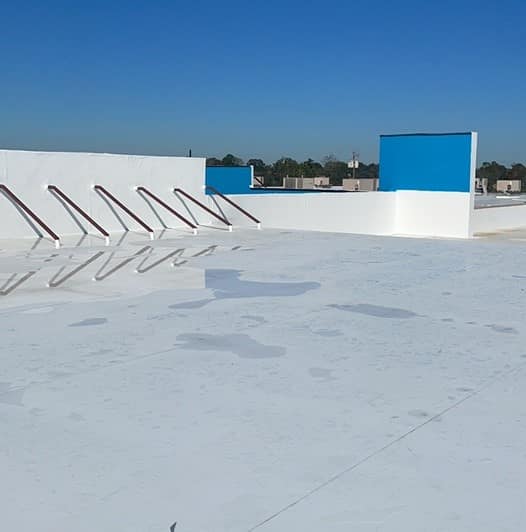
PVC has become one of the most dependable choices for flat and low-slope roofs across Texas, and for good reason. A polyvinyl chloride membrane reflects sunlight, shrugs off chemicals and grease, and resists the ponding water that plagues flat roofs. On a hot Houston warehouse or an Austin office building, those qualities translate into lower cooling bills and a membrane that can last decades. But "long-lasting" is not the same as "maintenance-free." The Texas climate, with its punishing UV, sudden hail, and tropical storms off the Gulf, puts steady stress on every seam and flashing detail. A little routine care is what separates a PVC roof that reaches its full lifespan from one that fails years early.
This guide walks property owners and facility managers across Greater Houston and the Austin metro through the maintenance that actually keeps a PVC roof watertight, plus the warning signs that mean it is time to bring in a professional.
Why PVC Roofs Need a Maintenance Plan in Texas
A PVC membrane is welded into a single, continuous surface, which is exactly what makes it so reliable. There are no overlapping shingles for wind to lift and no asphalt to dry out and crack. Most leaks on a flat or low-slope roof do not begin in the open field of the membrane at all. They start at the details: the heat-welded seams, the flashing around drains and curbs, the boots around vent penetrations, and the edge metal.
In Texas, those details face a brutal cycle. Daytime rooftop temperatures soar, the membrane expands, and at night it contracts. Repeated thousands of times, that movement works on seams and sealant. Add hail, debris from high winds, and the standing water left behind by heavy rain, and you have a roof that rewards attention and punishes neglect. The point of maintenance is simple: catch the small problem at the seam before it becomes water in the building.
Core PVC Roof Maintenance Tasks
You do not need to be on the roof every week. A consistent, twice-a-year rhythm, plus a check after every major storm, covers the vast majority of what a PVC roof needs.
1. Inspect Seams, Flashing, and Penetrations
This is the single most important habit. Walk the roof and look closely at every welded seam, every flashing detail where the membrane turns up a wall or curb, and every penetration boot around vents, pipes, and HVAC units. You are looking for lifting, gaps, separating welds, or cracked sealant. These transition points are where nearly all PVC leaks begin, so giving them careful attention pays off more than anything else.
2. Clear Debris the Safe Way
Leaves, branches, and windblown trash trap moisture and can clog drains. Remove debris using a soft-bristled broom or a leaf blower, and never use a metal shovel, a pressure washer at close range, or any sharp tool that could puncture or scuff the membrane. On a single-ply roof, a single careless gouge can create a leak path that did not exist before.
3. Keep Drains and Scuppers Flowing
Flat roofs are designed to drain, not to hold water. Standing or ponding water that lingers for days adds weight, accelerates membrane aging, and finds any weak seam. Keep internal drains, scuppers, and downspouts clear so water leaves the roof quickly. Pairing this with healthy gutters and drainage protects both the membrane and the building below.
4. Wash the Membrane Periodically
PVC's reflective surface is part of why it saves energy, but Texas dust, pollen, and pollution build up a grimy film that dulls that reflectivity and can hide small problems. A gentle wash with mild soap and water, using a soft brush, restores the surface and gives you a clean view of the membrane for inspection. Avoid harsh solvents that can degrade the material.
5. Manage Surrounding Trees and Vegetation
Overhanging limbs drop debris, scrape the membrane in high winds, and become projectiles in a Texas storm. Trim back branches that hang over the roof, and remove any moss, algae, or plant growth that takes hold in shaded, damp areas where water collects.
6. Address Small Repairs Immediately
A minor seam separation, a small puncture from hail, or a lifted edge is a quick, inexpensive fix today. Left alone through one Gulf Coast rainstorm, that same spot can soak the insulation and decking beneath the membrane, turning a patch into a tear-off. When you spot damage, treat prompt repair as the cheapest option, not the optional one.
How the Texas Climate Tests a PVC Roof
Knowing what your roof is up against makes inspection more effective. Watch for these climate-driven issues:
- UV and heat aging. Intense, year-round sun slowly works on the membrane and especially on exposed sealant at flashing details. Reflective PVC handles this better than most materials, but the seams still deserve a close look every summer.
- Hail impact. Texas hail can bruise or puncture a membrane and crack older, more brittle areas. After any hail event, inspect for impact marks, especially near edges and penetrations.
- High winds and tropical storms. Gulf Coast storms drive debris across the roof and can lift edge metal or loose flashing. A pre-season check and a post-storm walk are both worth the effort. Our hurricane prep guide covers the rest of the building.
- Ponding water. Heavy rain plus a clogged drain equals standing water, the slow enemy of any flat roof. Drainage is the first thing to check after a downpour.
When to Call a Professional
Plenty of upkeep, like keeping drains clear and watching for obvious debris, is straightforward. But a PVC roof is a welded system, and the repairs that actually keep water out require the right tools, materials, and technique. Bring in a professional when you need to:
- Re-weld or repair seams and flashing, which must be done with proper hot-air welding to bond correctly rather than just covered with sealant.
- Assess storm or hail damage, which a trained eye catches before it becomes a leak. We handle this through storm damage repairs and work directly with your insurance on the claim.
- Get a documented condition report through a professional roof inspection, which is invaluable for budgeting, warranty records, and insurance claims.
- Plan for the long term, whether that means scheduled roof maintenance visits, a restoration coating to extend service life, or eventual replacement.
A documented maintenance habit also protects your warranty. Many single-ply systems require evidence of regular upkeep, so those inspection reports are worth keeping on file.
Make Maintenance the Cheapest Line Item on Your Roof
A well-maintained PVC roof is one of the best values in commercial and low-slope roofing, but only if the seams stay welded, the drains stay clear, and small problems get fixed while they are still small. A twice-yearly inspection, a quick check after every major storm, and a habit of clearing debris safely will carry your membrane through Texas heat, hail, and hurricanes for years.
If it has been a while since anyone looked closely at your flat roof, or a recent storm has you wondering about hidden damage, let us take a look. Elevation Roofing & Restoration offers a free roof inspection (a $399 value) across Greater Houston and the Austin metro. As a GAF Preferred Contractor with a 100% satisfaction guarantee, we will tell you honestly what your PVC roof needs, before a small seam issue turns into a costly leak.