Drive through almost any neighborhood in Greater Houston or the Austin metro and you will see them everywhere: roofs that rise to a peak and slope down toward the eaves. That sloped silhouette is a pitched roof, and it is the most common roof design on Texas homes for good reason. But "pitched roof" is more than a shape. The angle of that slope, the pitch, affects how well your roof sheds water, stands up to hail and wind, ventilates the attic, and even how long it lasts in our punishing climate. If you are building, re-roofing, or just trying to understand the structure over your head, here is a clear, practical guide to what a pitched roof really is and how to choose the right one.
Pitched Roof, Defined
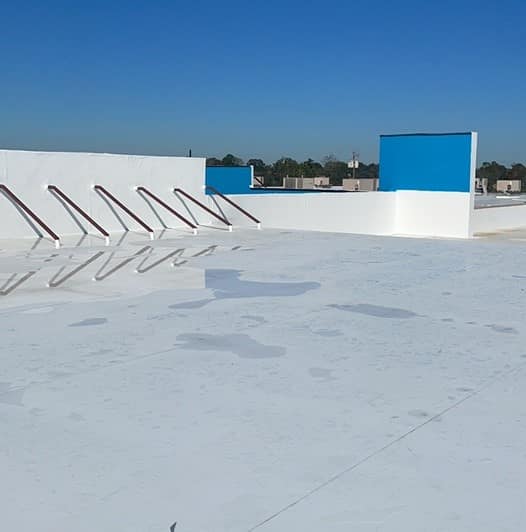
A pitched roof is any roof built with a noticeable downward slope, typically an angle greater than about 10 degrees, that channels water and debris off the surface by gravity. The opposite is a flat or low-slope roof, which sits nearly level and relies on membranes and internal drainage instead of steep runoff. Most houses use a pitched design; many warehouses, retail buildings, and modern commercial structures use flat or low-slope systems instead.
The word "pitch" describes the steepness of that slope. The steeper the pitch, the faster water and debris slide off, and the more dramatic the roofline looks from the curb. A gentle pitch keeps a profile low and lets you walk on the surface more easily. Neither is automatically better; the right pitch depends on your home's design, your local building code, your budget, and, critically in Texas, your weather.
How Roof Pitch Is Actually Measured
Roofers do not usually talk about pitch in degrees. Instead, pitch is expressed as a ratio of rise over run, measured as the number of vertical inches the roof climbs for every 12 horizontal inches it travels. You will hear it spoken as "a six-twelve" and written as 6:12 or 6/12.
- Low-slope (2:12 to 4:12). The roof rises 2 to 4 inches per foot. It looks nearly flat from the ground and needs special underlayment and sealing to stay watertight.
- Conventional slope (4:12 to 9:12). The everyday range for most Texas houses. It drains well, accepts almost any material, and is safe to walk for inspection and repair.
- Steep slope (above 9:12). A dramatic, fast-shedding roof common on traditional and high-end architecture. It sheds water and debris quickly but costs more to install and service.
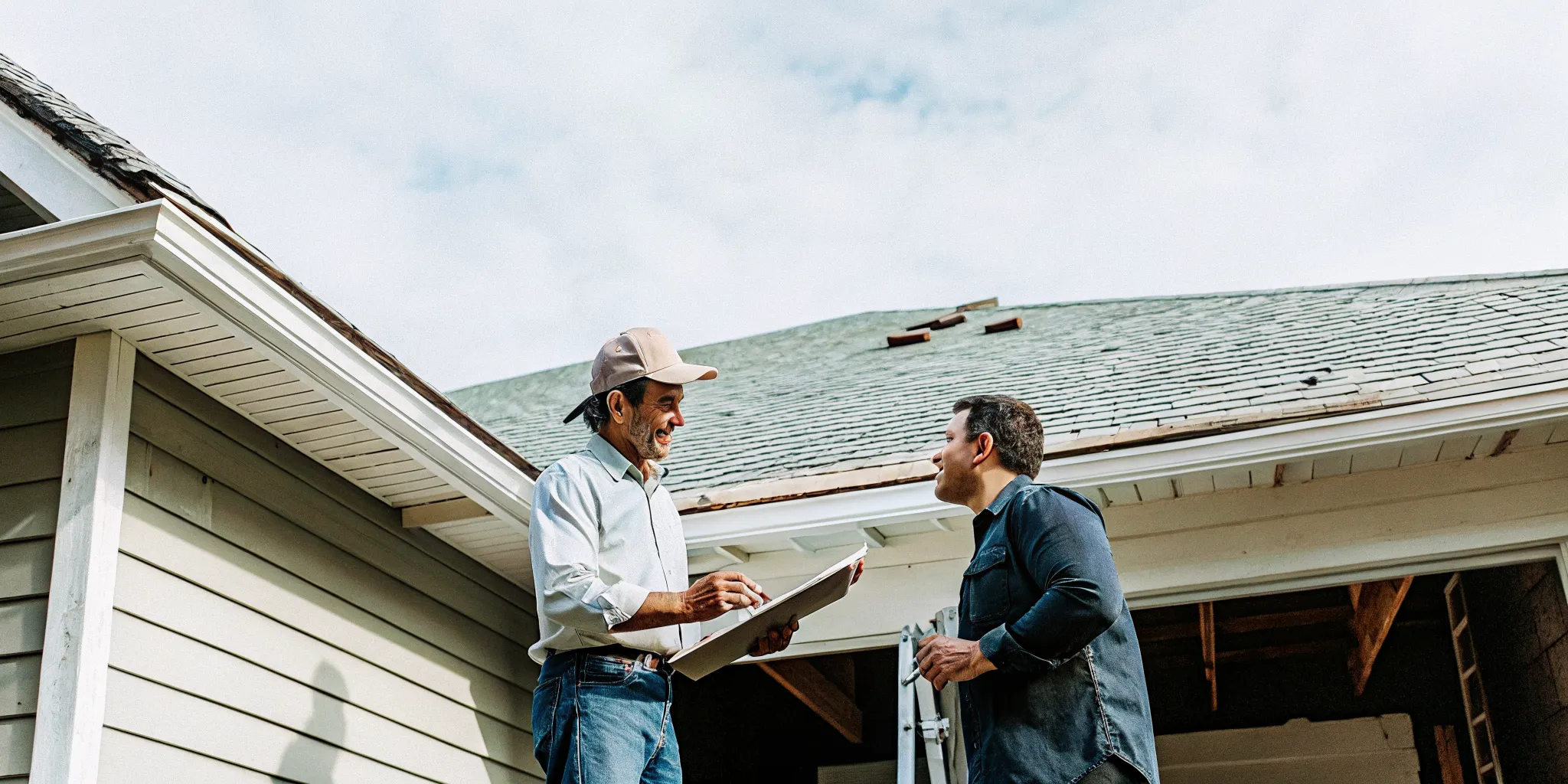
Pitch is not just a number on a spec sheet. It dictates which materials your roof can use, how your gutters should be sized, and how susceptible the surface is to ponding water and wind uplift. If you ever want your roof's exact pitch measured, that is one of the things our team documents during a roof inspection.
The Main Types of Pitched Roofs
"Pitched" describes the slope; the overall form is the style. These are the shapes you will see most across Texas, and you can explore them further on our types of roofs guide.
Gable Roof
The classic triangle. Two slopes meet at a central ridge, forming a gable (the flat triangular wall) at each end. Gables are affordable, simple to build, drain beautifully, and leave generous attic space. Their weak point is wind: the large gable-end walls can catch Gulf Coast gusts, so proper bracing and fastening matter on the Texas coast.
Hip Roof
All four sides slope downward to the walls, with no flat vertical gable ends. That geometry makes hip roofs noticeably more stable in high winds and hurricanes, a real advantage near the coast, though they cost more and offer slightly less attic room than a gable.
Gambrel Roof
The two-slope-per-side "barn" roof. A shallow upper slope meets a steep lower slope, maximizing headroom in the space below, ideal for finished attics and storage. The steep lower section needs solid flashing and drainage to handle heavy rain.
Mansard Roof
A four-sided design with a double slope on every side, creating an almost-vertical lower section. Elegant and space-rich, but the near-flat top requires careful waterproofing, often closer to a low-slope strategy than a steep one.
Why Pitched Roofs Dominate in Texas
Texas weather is hard on roofs, intense UV and triple-digit heat, spring and fall hailstorms, high winds, Gulf Coast tropical systems, torrential rain, and the occasional hard freeze. A well-built pitched roof answers most of those threats directly:
- Fast water drainage. When a Houston downpour dumps inches of rain in an hour, slope is your friend. Water and hail slush slide off instead of pooling, which protects the decking and dramatically lowers leak risk.
- Better attic ventilation and heat control. The volume under a pitched roof lets hot air rise and escape through ridge and soffit vents, easing the load on your AC during brutal summers and reducing moisture buildup.
- Longer service life. Because water and debris clear quickly, pitched roofs tend to wear more slowly than flat ones, especially when paired with quality materials and underlayment rated for our climate.
- Timeless curb appeal. From Houston suburbs to Hill Country homes outside Austin, the pitched silhouette reads as classic and well-kept, which supports resale value.
Which Materials Work on a Pitched Roof?
One of the biggest advantages of a pitched roof is material flexibility. The slope determines what fits. Conventional and steep pitches open the door to nearly every residential option we install:
- Asphalt shingles, the most popular, budget-friendly, and versatile choice for Texas homes.
- Standing-seam and metal roofing, prized for heat reflection, wind resistance, and longevity.
- Clay and concrete tile and natural slate, premium materials that pair beautifully with steeper pitches and last for decades.
Very low pitches change the math. Below roughly 2:12 to 3:12, most shingles cannot reliably keep water out, and you move into low-slope membrane territory like modified bitumen or TPO. Matching material to pitch is exactly the kind of detail a professional installer gets right, and getting it wrong is a leading cause of premature leaks.
Choosing the Right Pitch for Your Home
If you are building new or planning a full roof replacement, the right pitch balances four things: the architectural style you want, your local building code, your budget, and the Texas climate. A steeper pitch sheds water and hail faster and looks striking, but uses more material and labor. A lower pitch costs less and is easier to maintain, but demands meticulous waterproofing. There is rarely a single "correct" answer, only the right fit for your structure and goals, which is why an expert assessment beats guesswork. As a GAF Preferred Contractor installing GAF lifetime systems and RhinoRoof underlayment, we help homeowners across 100-plus Texas communities pair the right slope, style, and material into a roof built for our weather.
Get Your Roof's Pitch and Condition Checked Free
Whether you are curious about your current roof, weighing a new style, or recovering from a storm, the smartest first step is knowing exactly what you have. With 9-plus years serving Greater Houston and the Austin metro, a 5-star Google rating, and a 100% satisfaction guarantee, our team will measure your pitch, evaluate your slope and materials, and walk you through your options with zero pressure. Schedule your free roof inspection, a $399 value, or contact us to talk through the best pitched roof for your home.