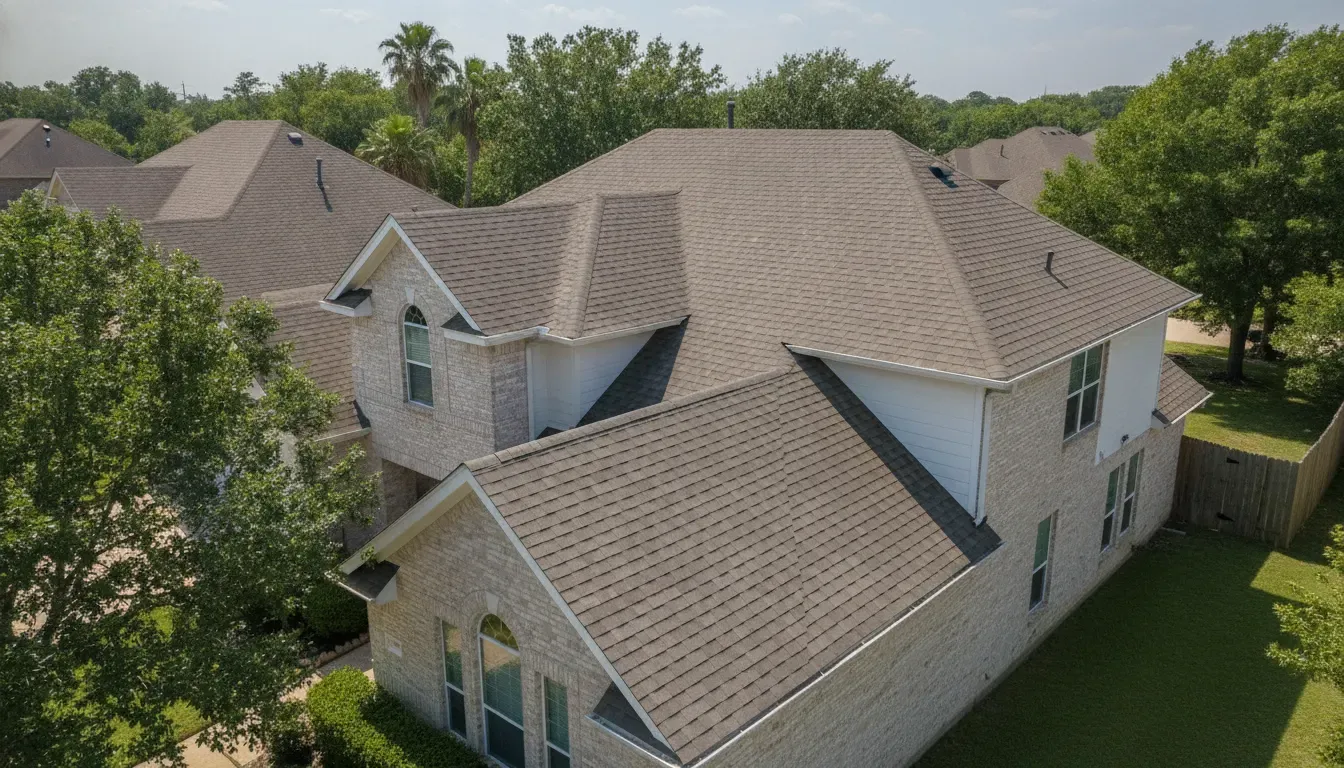
Asphalt shingle roof replacement is a major home project, but the process should not feel mysterious. In Texas, homeowners often need to plan around intense sun, heavy rain, hail, wind, and the practical details of protecting the home while the old roof comes off. A clear sequence helps you understand what your contractor is doing, what decisions you need to make, and which details deserve attention before the crew leaves.
Call Elevation Roofing & Restoration at (832) 271-1726 for a free roof inspection and estimate.
When Is an Asphalt Shingle Roof Ready for Replacement?
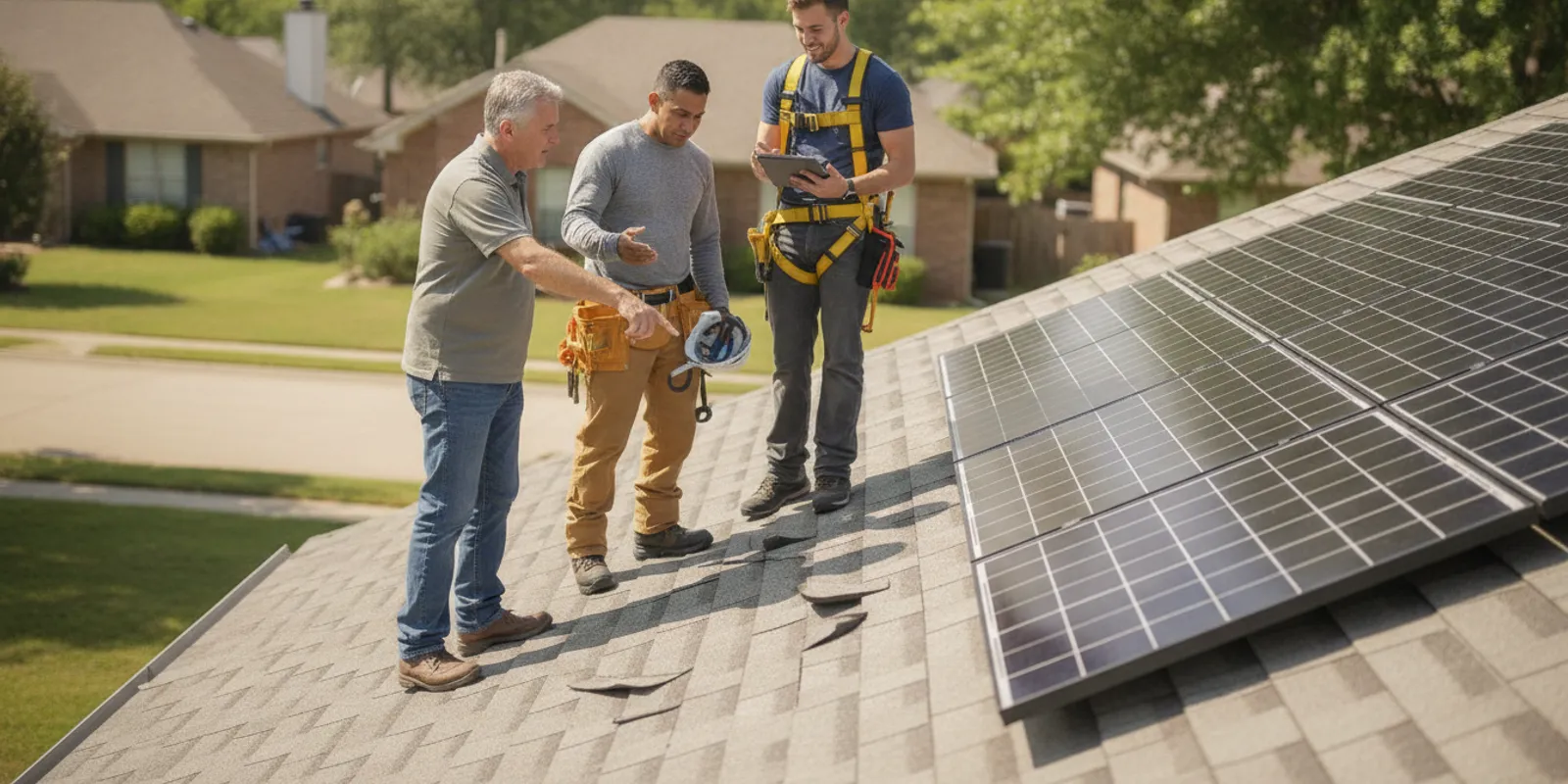
A replacement decision should start with a professional inspection, not a guess based on the roof's age alone. Shingles may deteriorate at different rates depending on ventilation, installation quality, storm exposure, roof slope, maintenance, and the amount of direct Texas sun. A roof can also look acceptable from the ground while flashing, valleys, penetrations, or the roof deck need attention.
During an inspection, the contractor should document visible wear and look for conditions such as recurring leaks, widespread granule loss, exposed matting, curling or missing shingles, damaged flashing, soft decking, and signs of wind or hail impact. If the damage is limited, a repair or maintenance plan may be appropriate. If the roof system has widespread failure or repeated problems, replacement may provide a more reliable long-term solution.
Elevation Roofing & Restoration can help property owners evaluate roofing needs in Houston, Austin, and surrounding Texas communities. Its roof inspection service is a useful first step when you need an evidence-based scope before discussing replacement.
- Ask for photos or clear documentation of the conditions found.
- Confirm whether the inspection covers flashing, vents, valleys, gutters, and visible roof-deck concerns.
- Separate urgent water-intrusion protection from the permanent replacement plan.
- Review the inspection findings before choosing a shingle color or installation date.
What Happens During Asphalt Shingle Roof Replacement?
A well-organized replacement follows a sequence that protects the property and gives the installer a chance to correct hidden problems instead of covering them. The exact work plan depends on the home, but most projects include the following stages.
1. Scope confirmation and project planning
Before work begins, confirm the roof areas included, selected shingle system, flashing and ventilation work, handling of gutters or exterior features, cleanup expectations, and the process for approving concealed damage. If a storm or hail event is involved, keep inspection photos and insurance documents together. A contractor who assists with insurance claims can help you understand what is documented, but your policy and carrier determine coverage.
2. Property protection and material staging
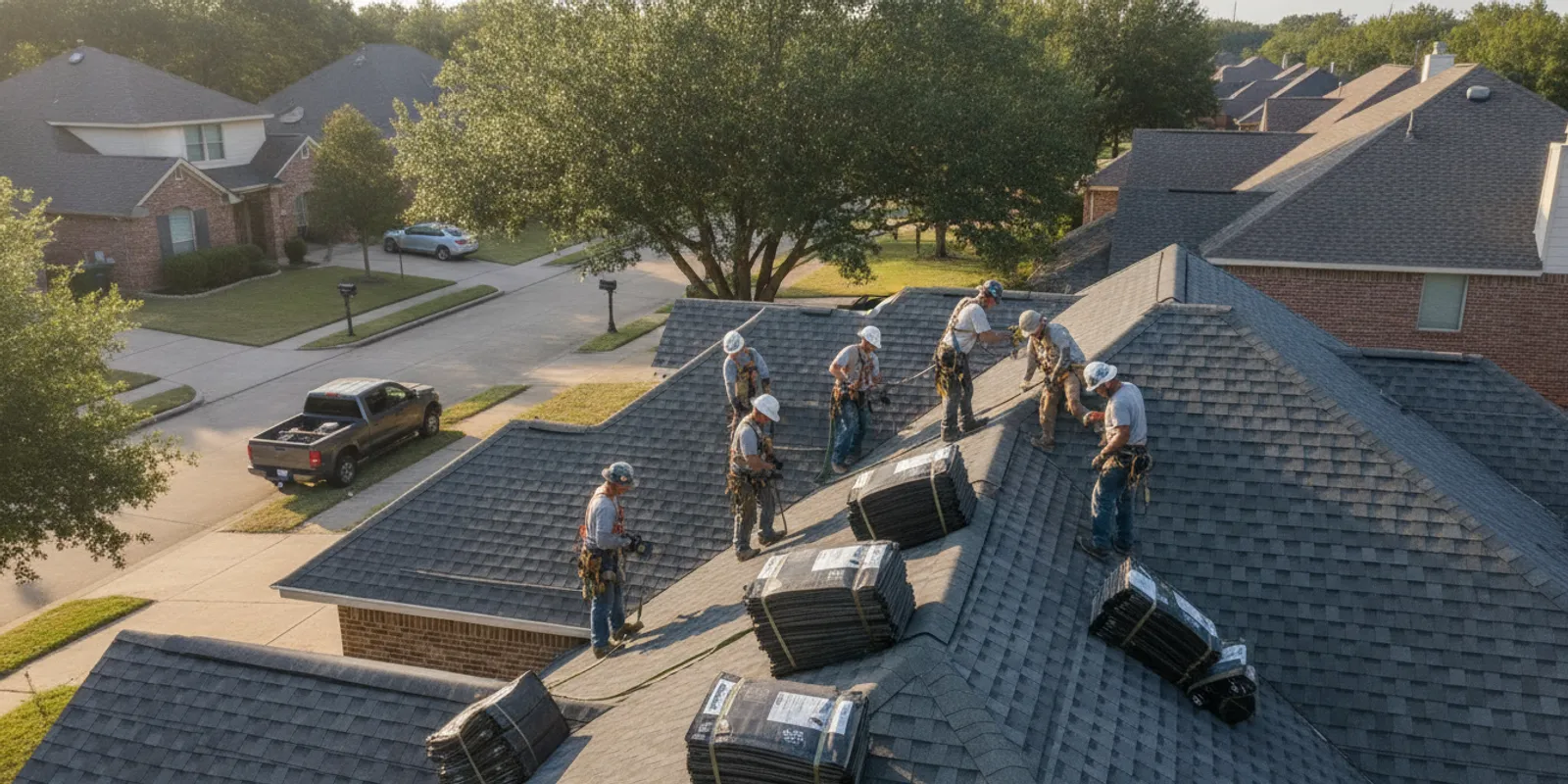
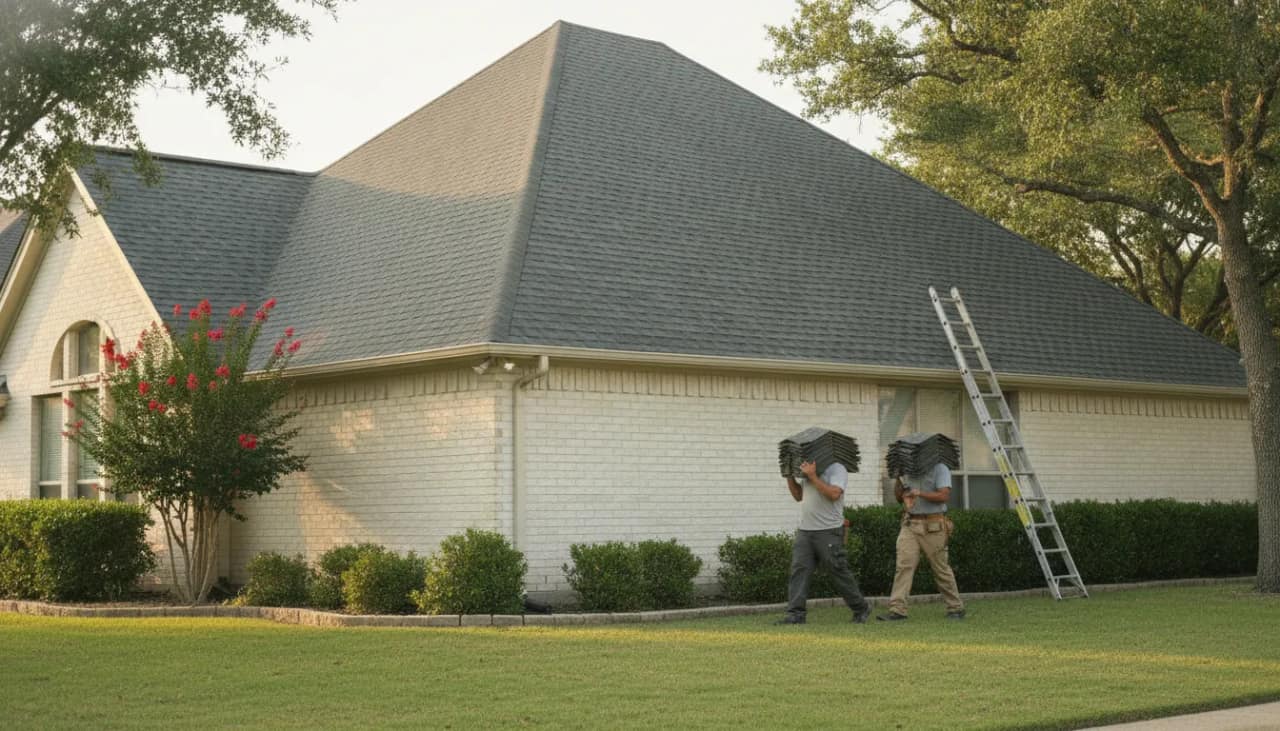
The crew should plan where materials, ladders, vehicles, and debris containers will go. Protecting landscaping, siding, windows, doors, driveway surfaces, outdoor equipment, and other vulnerable areas reduces avoidable damage during tear-off. Shingles and accessories should be staged so the crew can work efficiently without blocking access or creating unnecessary hazards.
3. Tear-off and initial inspection
In a full replacement, the old shingles and worn roofing accessories are removed so the installer can inspect the surface below. Depending on the agreed scope, this may include old underlayment, damaged flashing, and other components that cannot be reused. The exposed roof deck is checked for rot, moisture damage, movement, or other conditions that could affect the new roof.
Do not be surprised if the final scope changes after tear-off reveals concealed damage. The important point is that the contractor explains what was found, shows the affected area when possible, and receives approval for any additional work before proceeding.
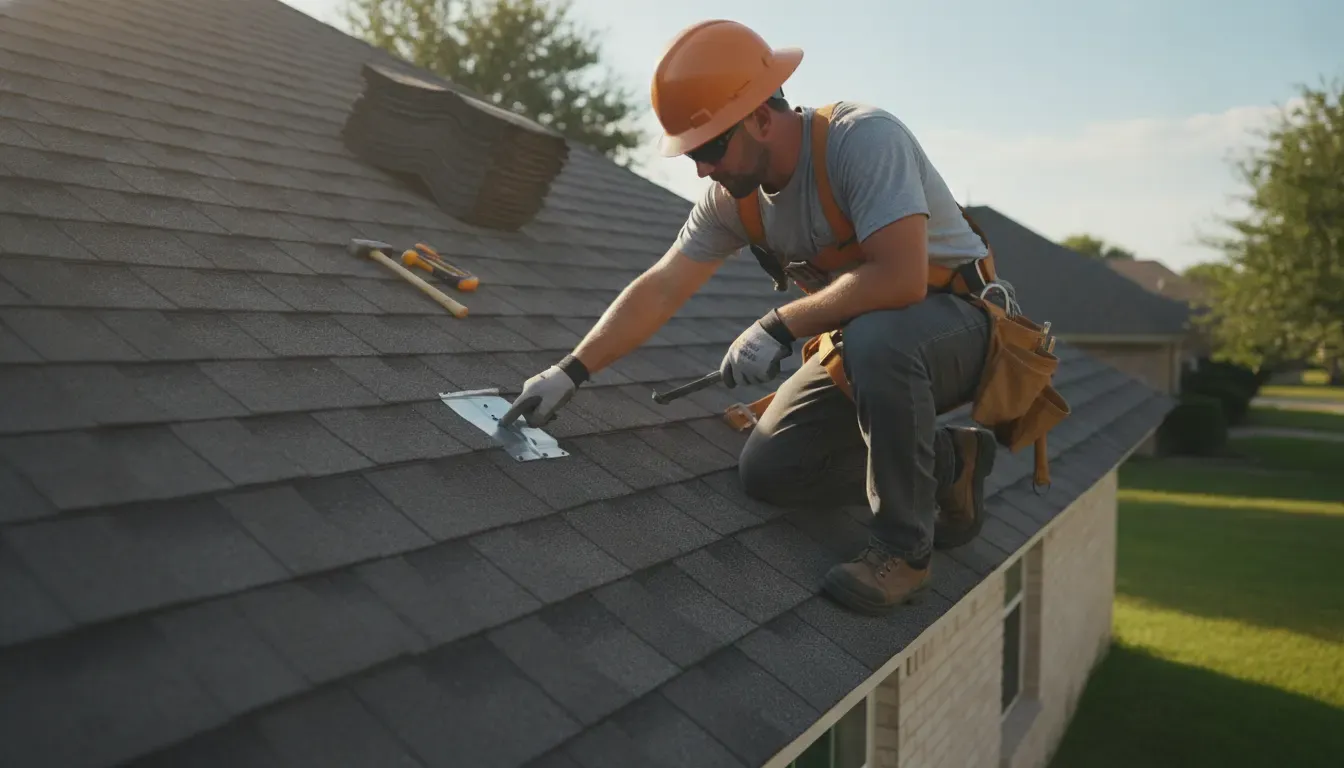
4. Roof-deck, flashing, and ventilation preparation
A new shingle surface depends on the layers underneath it. The installer should replace or repair compromised decking as authorized, then address flashing around roof-to-wall transitions, chimneys, skylights, vents, and other penetrations. Valleys and exposed edges also deserve careful attention because they move water off the roof and receive concentrated weather exposure.
Ventilation should be evaluated as part of the system, not treated as an afterthought. The goal is a balanced setup that works with the roof design and home, while preventing the new shingles from being installed over a known moisture or airflow problem. Your contractor should explain any recommended changes before they are made.
How Should You Choose Asphalt Shingles for a Texas Home?
Material selection is more than picking a color from a sample. The right asphalt shingle system should fit the roof design, local weather exposure, appearance goals, installation requirements, and project scope. Ask the contractor to explain the actual product options available for your roof rather than assuming that every shingle performs the same way.
Useful questions include:
- Is the shingle designed for the roof slope and installation method?
- What wind, impact, fire, and algae-resistance features apply to the product?
- Which underlayment, starter strips, ridge components, and ventilation details are part of the system?
- Are there neighborhood, HOA, insurance, or local requirements to confirm before ordering?
- Which colors and profiles will complement the home's exterior and remain practical in strong sunlight?
Ask for the product name and installation instructions in your project documents. If a contractor discusses manufacturer programs, request the exact program name and terms. Elevation Roofing & Restoration uses the verified public-facing positioning "Owens Corning and GAF Certified" when certifications are discussed, and homeowners should still review the specific materials and coverage described for their project.
How Does Texas Weather Affect Replacement Timing?
Weather planning is a practical part of asphalt shingle roof replacement in Texas. A crew needs a safe, reasonably dry work window for tear-off, deck preparation, underlayment, and shingle installation. Rain can expose the structure and delay work, while unsafe wind can affect material handling and worker safety. Extreme heat also makes roof work more demanding, so an experienced crew plans breaks, access, staging, and protection accordingly.
Texas weather can change quickly, especially during storm season. Ask how the contractor will protect the exposed roof if conditions change between tear-off and completion. The answer should cover temporary protection, rescheduling communication, material storage, and the inspection process after the weather passes. Do not accept a promise that ignores the actual forecast or roof conditions.
Weather also matters after installation. Asphalt shingles need to be installed according to the product requirements so sealing and fastening can perform as intended. Your contractor can explain any limitations related to temperature, moisture, wind, or the need for a later follow-up inspection.
- Confirm the planned start window and who will communicate schedule changes.
- Ask how the home will be protected if rain arrives during the project.
- Keep driveways and access areas clear for crew and delivery vehicles.
- Plan for noise, debris, and temporary access changes around the property.
What Are the Main Installation Stages?
After the deck and preparation work are approved, the visible roof system is installed in layers. The installer should follow the selected product's instructions and local requirements, while adapting the sequence to the roof's shape and details.
Underlayment and edge details
Underlayment provides an additional water-shedding layer beneath the shingles. Edge components, drip edge, starter material, and valley details help direct water away from vulnerable areas. These details may be easy to miss from the ground, but they are important to the performance of the finished system.
Field shingles, penetrations, and transitions
Shingles are installed in courses so their exposures, alignment, and fastening follow the product requirements. The crew must work carefully around vents, walls, valleys, and roof intersections. Poorly handled transitions can create weak points even when most of the roof looks uniform.
Ridge components and finishing details
Ridge shingles or other ridge components finish the upper edges and work with the ventilation plan. The crew should check exposed fasteners, flashing lines, vents, pipe boots, and other accessories before moving to cleanup. A finished roof is a complete system, not only a field of new shingles.
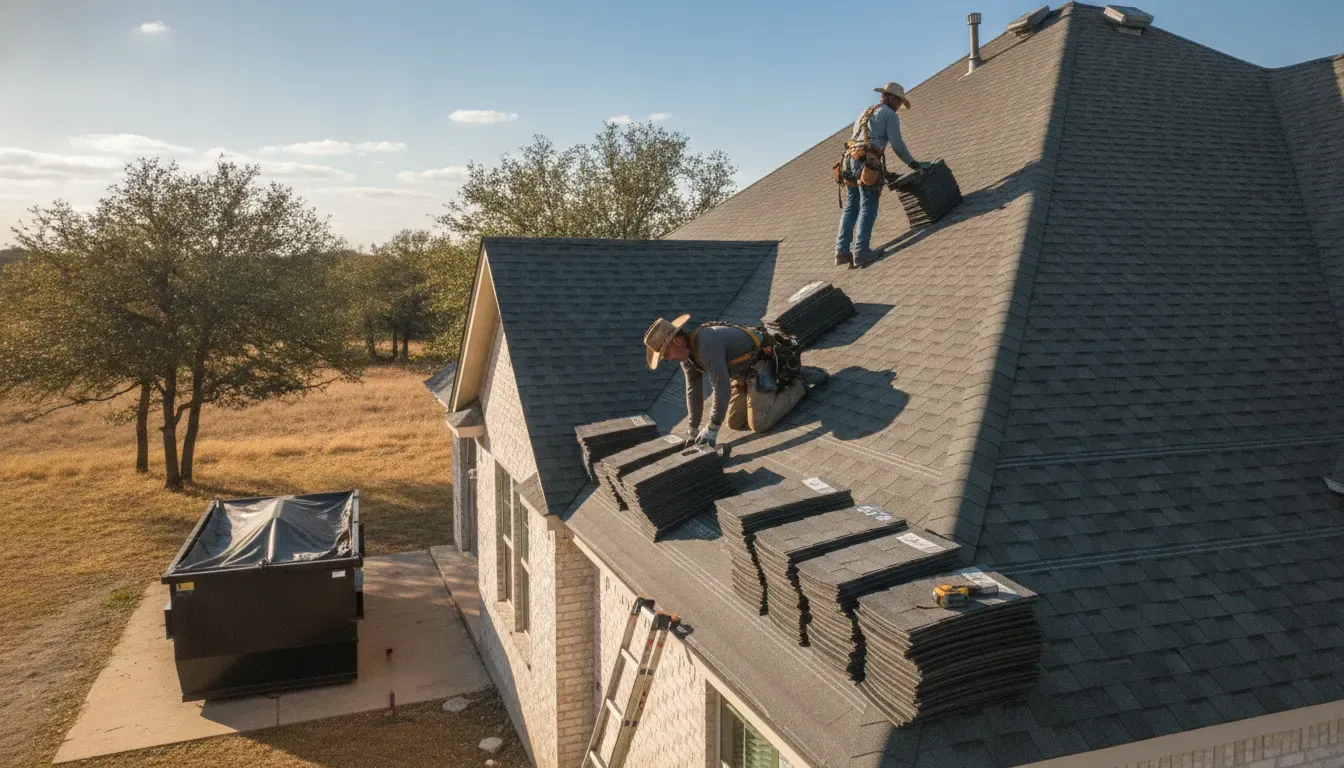
What Should Happen During Cleanup and the Final Roof Check?
Cleanup is part of the project, not a favor after the work is complete. The crew should remove tear-off debris, collect loose fasteners, clear affected walkways, and inspect the property for damage or missed materials. A magnetic sweep and a ground-level review are useful steps, although no cleanup method replaces a careful visual inspection of the home and site.
The final check should compare the finished work with the agreed scope. Ask the contractor to review:
- Shingle alignment, exposed edges, ridge components, and visible fastening concerns.
- Flashing, valleys, vents, pipe boots, and roof-to-wall transitions.
- Approved deck repairs and any areas that received replacement materials.
- Gutters, downspouts, siding, landscaping, windows, and driveway conditions.
- Care instructions, product documents, project photos, and the process for reporting concerns.
Stay on the ground unless a qualified professional says a safe inspection is appropriate. Walking on a new roof can damage shingles and creates an unnecessary fall risk. If you see a concern after the crew leaves, document it from a safe location and contact the contractor promptly.
For ongoing protection, consider a maintenance plan that catches small issues before they become larger problems. Elevation Roofing & Restoration provides roof maintenance services and can help property owners understand next steps after a replacement. The company also serves residential and commercial properties across Houston, Austin, and surrounding Texas communities.
Frequently Asked Questions About Asphalt Shingle Roof Replacement
What happens during asphalt shingle roof replacement? The process usually includes an inspection, scope confirmation, material selection, site preparation, tear-off, roof-deck and flashing checks, underlayment and shingle installation, cleanup, and a final quality review. The exact sequence can vary with roof design, weather, and discovered damage.
How long does asphalt shingle roof replacement take in Texas? Timing depends on roof size, design complexity, deck repairs, material availability, crew planning, and weather. A roofing contractor should provide a project schedule and explain what could change it rather than promise the same timeline for every home.
What should I check after a new shingle roof is installed? Confirm that the contractor reviews flashing, valleys, vents, ridge components, exposed edges, site cleanup, and any agreed deck repairs. Ask for care instructions and project documentation, and do not climb onto the roof yourself.