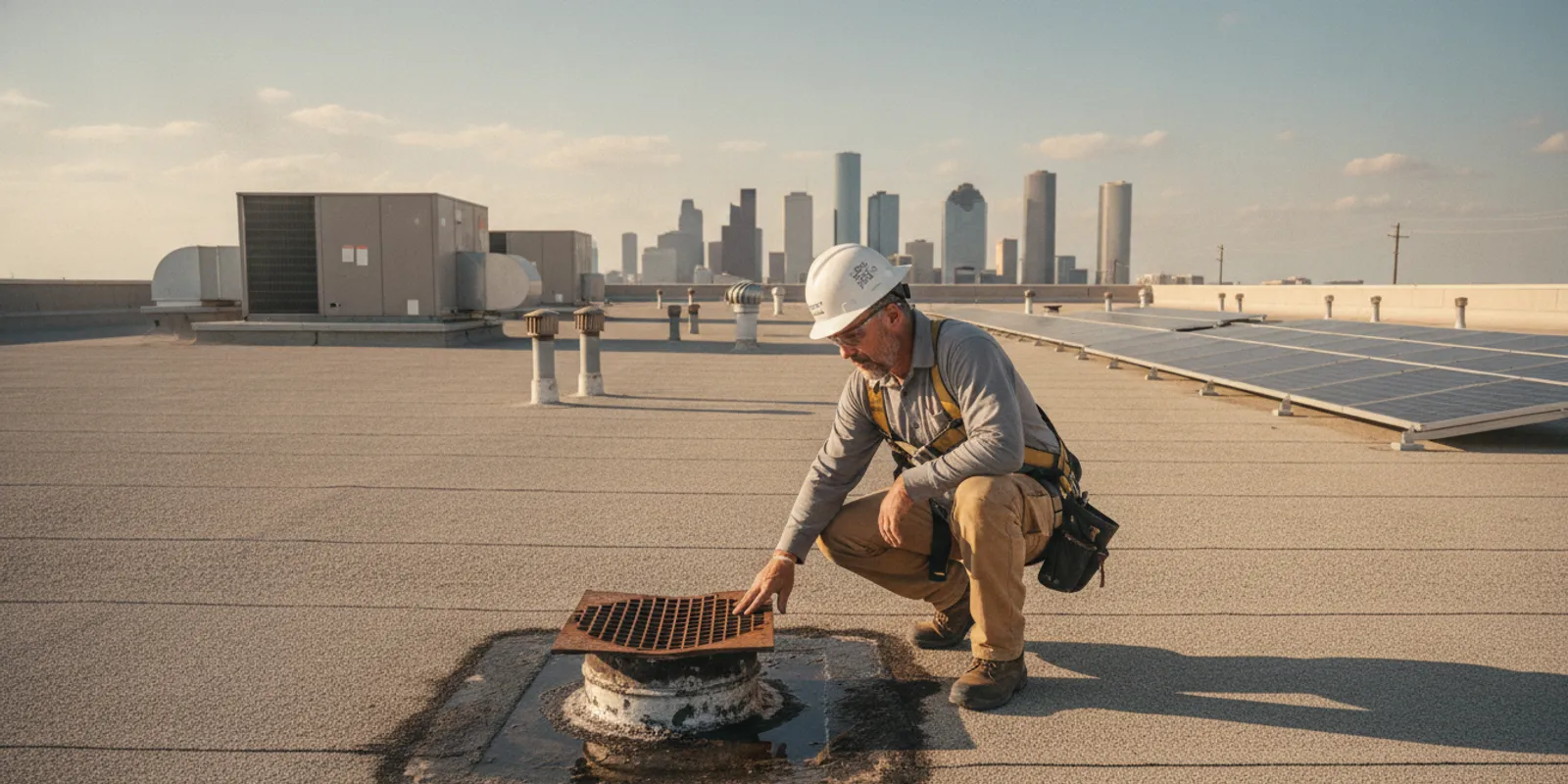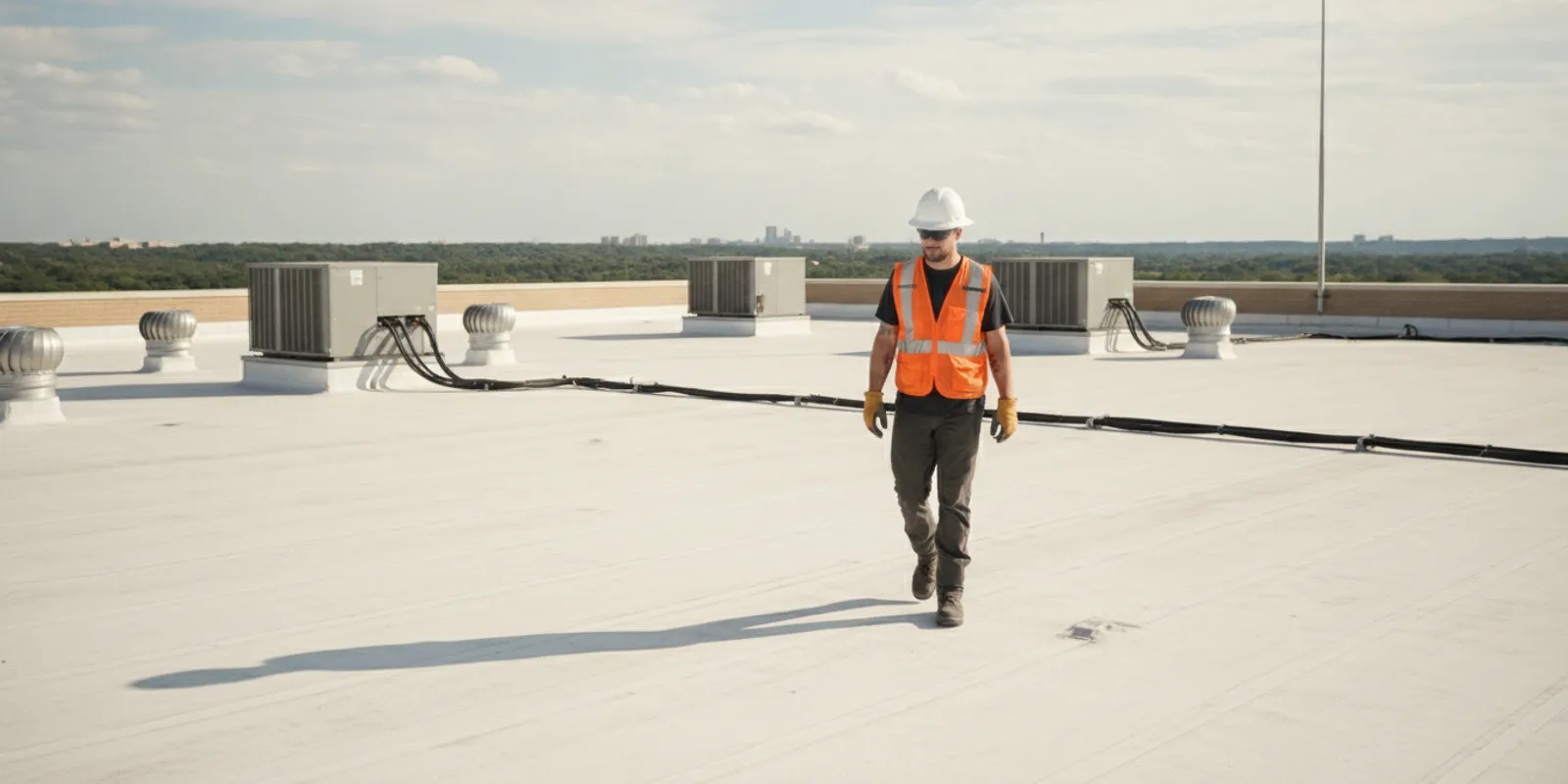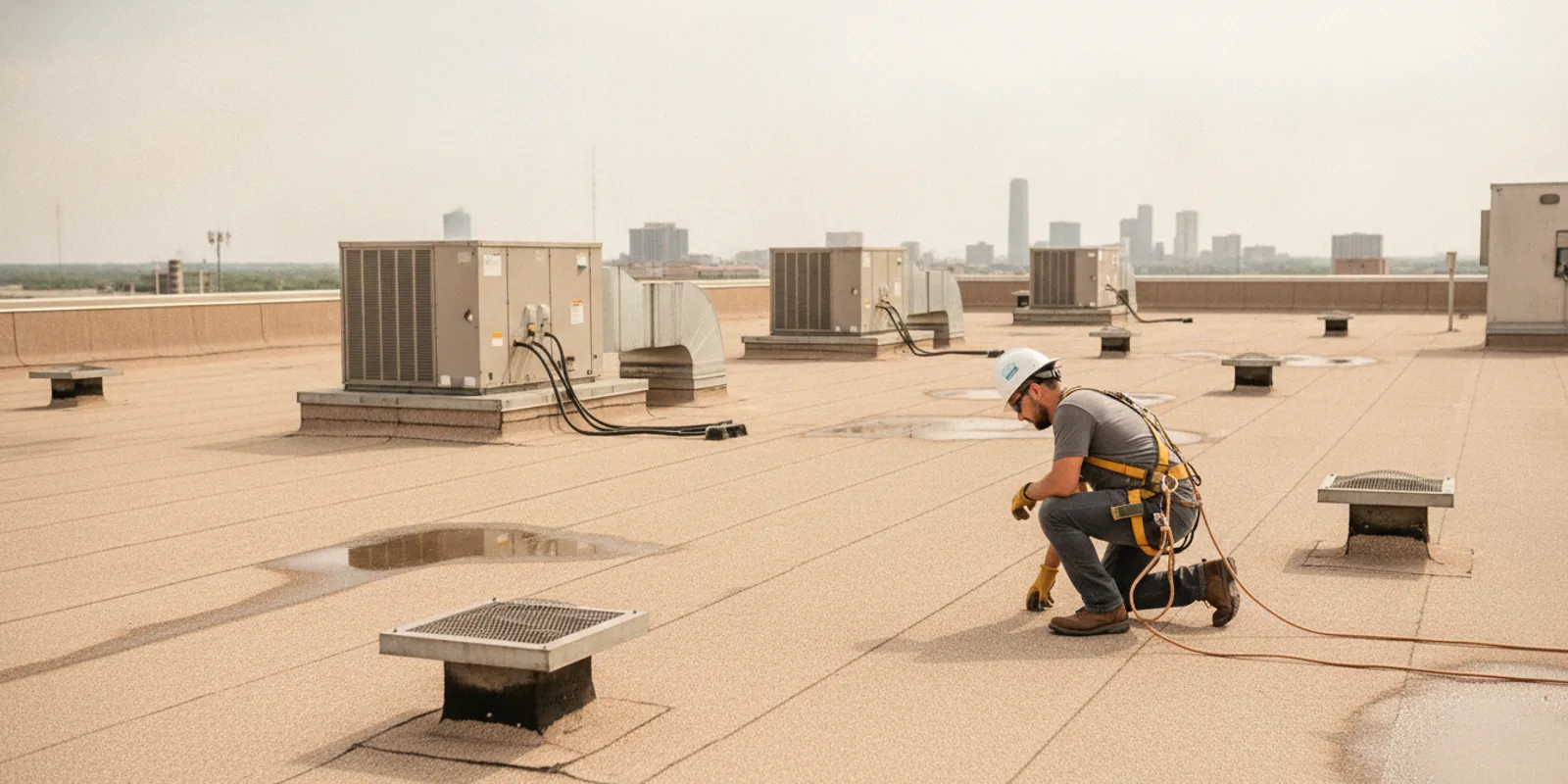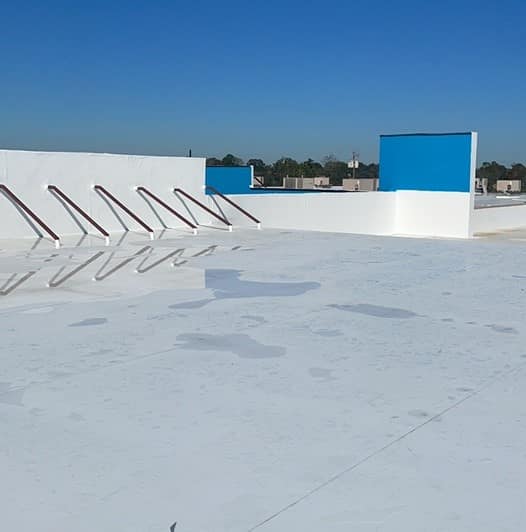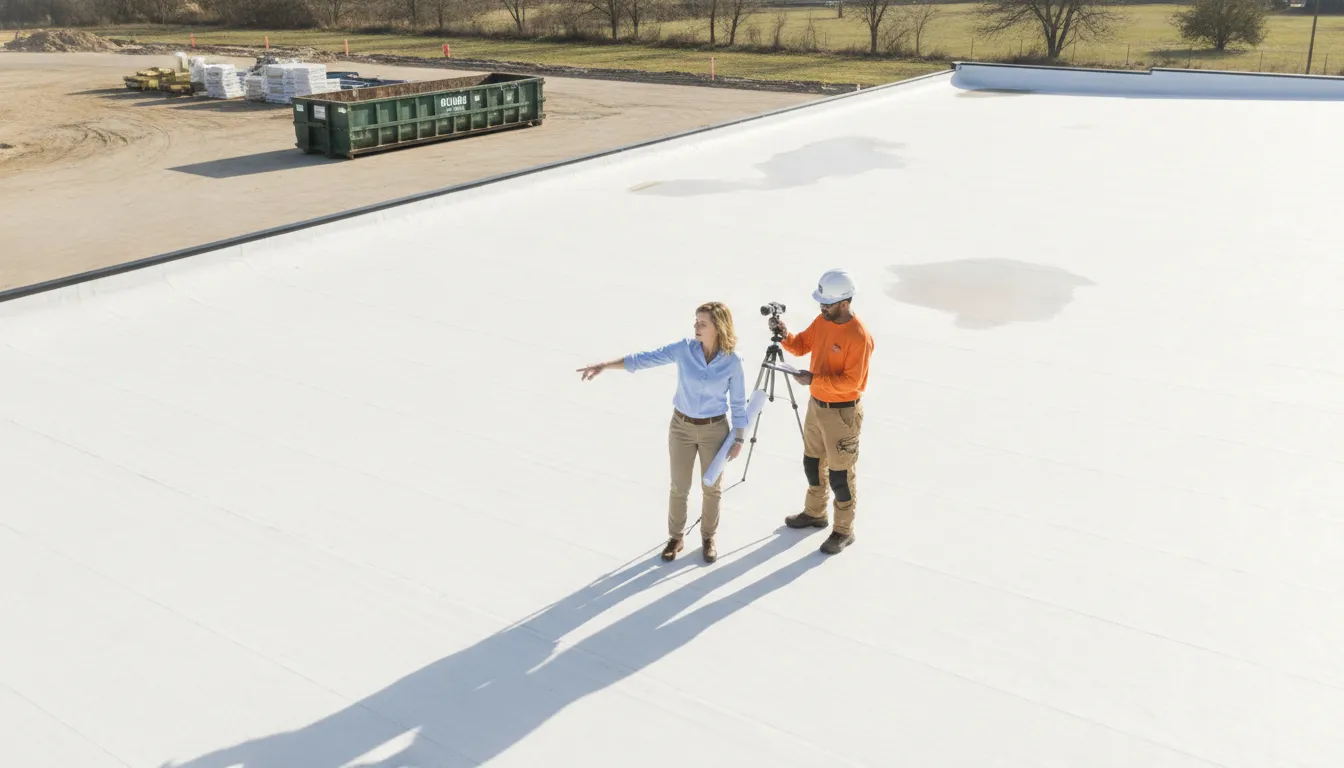
A ceiling stain is a warning, not a diagnosis. In a Texas commercial building, water may travel along roof layers or building components before it appears indoors, so the visible drip may not mark the entry point. Heavy rain, wind, hail, heat, and UV exposure can also affect different parts of a roofing system over time.
Effective commercial roof leak repair starts with protecting occupants, equipment, inventory, and work areas, then documenting the conditions and arranging a professional interior and exterior assessment. Avoid climbing onto the roof, approaching electrical hazards, or applying permanent sealant to an unconfirmed spot. A trained inspection can help distinguish a roof failure from another building-system issue and determine an appropriate next step.
This guide explains what property managers can do safely during an active leak. How water intrusion can disrupt operations, and why the likely source depends on the roof system and its components. Start by understanding the common failure points that may be involved.
What Commonly Causes a Commercial Roof Leak?
A commercial roof leak does not always appear directly below the failed component. Water can travel along insulation, decking, or framing before it becomes visible inside, which is why finding the actual source can be difficult. A proper assessment should consider the entire roof assembly and nearby building systems rather than assuming the first ceiling stain identifies the entry point.
Seams, flashing, and penetrations
Seams are common areas of concern on membrane roofs. A seam may separate, lose adhesion, or develop a defect that allows water beneath the surface. Flashing, the material that seals transitions around walls, edges, curbs, and other changes in the roof plane, can also loosen or deteriorate. Penetrations for HVAC equipment, vents, pipes, and other rooftop fixtures create additional details that must remain watertight. A targeted repair is intended to address a specific failure point, such as failed flashing or a membrane puncture, rather than applying material broadly without confirming the cause. Leak-source assessment guidance likewise emphasizes that the visible symptom may not reveal the true entry point.
Membrane, drainage, and weather-related damage
Commercial buildings may use TPO, modified bitumen, or built-up roofing, and each system has different materials, seams, surfacing, and repair considerations. TPO is a thermoplastic membrane, modified bitumen is an asphalt-based sheet system, and built-up roofing uses layered bitumen and reinforcing materials. These descriptions do not identify the cause of a particular leak. A qualified roofer needs to evaluate the system, its age and condition, the suspected failure area, and the materials already installed before recommending a repair method. For Texas building owners weighing TPO roof repair or replacement, the decision should follow that inspection rather than a remote assumption.
Drainage problems can allow water to remain on the roof longer than intended. Blocked or damaged drains, gutters, scuppers, and downspouts may contribute to ponding or overflow near vulnerable details. Skylights and their surrounding seals can also become possible leak sources, especially when aging, damaged, or improperly integrated with the roof assembly. Heavy rain, hail, high winds, heat, and UV exposure may damage membranes, flashing, gutters, or rooftop components, but storm timing alone does not prove the source.
Because several components can produce similar interior symptoms, commercial roof leak repair should begin with a documented inspection. The goal is to isolate the likely failure, protect the building, and select a repair method that fits the existing roof system. Until a professional assessment is complete, treat each listed cause as a possibility, not a diagnosis.
What Should Property Managers Do First During a Leak?
When water is entering an occupied commercial building, the first priority is to protect people and limit damage. Do not assume the visible drip marks identify the roof failure. Water can travel through roofing assemblies before appearing indoors, so temporary containment should be followed by a documented professional assessment.
- Protect and contain the affected area. Keep occupants away from falling water, wet ceilings, slippery floors, and any area where materials may be deteriorating. Place appropriate catch containers under the leak and use plastic sheeting to protect nearby surfaces when it can be done safely from the ground or interior. Temporary measures can reduce immediate damage, but they are not a permanent repair. OSHA notes that roof inspection and repair involve elevated-surface hazards, so leave roof access and exterior mitigation to trained professionals.
- Move or cover contents. Relocate sensitive equipment, inventory, furniture, and other property away from the affected area when possible. If moving items could expose someone to water, unstable ceilings, or electrical hazards, keep people clear and use a safe protective covering instead. Protecting contents early also helps preserve a clear record of what was exposed.
- Isolate electrical risks. If water is near outlets, lighting, panels, machinery, data equipment, or other electrical components, isolate the area immediately and follow the facility's established safety protocol. Do not touch wet electrical equipment, stand in pooled water. Or attempt to shut off power unless that action is assigned to a qualified person under your site's procedures. Escalate an electrical emergency to the appropriate trained personnel.
- Document interior conditions. Take photographs or video from a safe location. Record the exact room or area, ceiling and wall staining, active dripping, wet flooring, affected contents, and any visible changes over time. Note when the leak was first observed and whether it followed heavy rain, wind, hail, or another event. Do not remove damaged materials before they are documented unless immediate safety or sanitation needs require it.
- Notify the right stakeholders. Contact the building owner, asset manager, occupants, maintenance team, and insurer or claims representative according to your communication plan. Share the documentation and identify any areas that have been closed or relocated. Clear records help a roofing professional compare interior conditions with exterior roof components during the assessment.
- Avoid untrained roof access and unconfirmed repairs. Do not climb onto a commercial roof to search for the entry point, especially during rain or after storm damage. Roof surfaces may be steep, slippery, or deteriorated, and utility lines or building systems can create additional hazards. Avoid applying sealant to a suspicious spot before the source is confirmed. The wrong repair can hide the actual entry point or trap water. Instead, arrange a professional roof inspection to determine whether the issue calls for targeted commercial roof leak repair, restoration, or replacement.
How Can a Commercial Roof Leak Disrupt Business Operations?
A leak in an occupied commercial building is more than a roofing issue. Water can affect people, work areas, equipment, inventory, and the decisions your team must make throughout the day. In Houston, Austin, and nearby Texas communities, heavy rain, hail, wind. And heat can expose weaknesses quickly, so a small interior drip deserves a documented response rather than guesswork.
Start by protecting occupants and limiting access to the affected area. Place safe catch containers where appropriate, mark slippery floors, and move people away from falling water. Damaged ceiling materials, or any area where water may be near electrical equipment. Follow your facility's electrical and emergency-safety procedures, and involve qualified personnel when electrical hazards are present. Do not send untrained employees onto the roof to investigate. Roofing surfaces can be steep, slippery, or deteriorated, and roof access may involve additional hazards. OSHA's roof-safety guidance explains why inspection and repair work should be handled with appropriate training and controls.
Protect equipment, inventory, and work areas
Water-sensitive items should be moved or covered when it is safe to do so. This may include computers, machinery, stored products, furniture, files, and materials near the leak. If a work area cannot be kept dry or safe, coordinate a temporary relocation or restricted access plan. Separating the affected area from normal operations can help prevent a roof problem from becoming an occupant-safety or contents-protection problem.
Document conditions and communicate clearly
Take photographs or video of the interior leak location, visible water, affected contents, ceiling damage, and any temporary containment. Record when the leak was noticed, what weather was occurring, which rooms or departments are affected, and what actions were taken. This information gives the roofing contractor a clearer starting point and creates a useful record for building owners, facility teams, and any insurance review. F015 and F016 support documenting the active leak and its interior location before conditions change.
Communicate a simple status to occupants and decision-makers: where access is restricted, whether operations have moved, what equipment was protected, and when the area will be reassessed. Temporary containment is not a permanent repair. A professional inspection can help distinguish a roof failure from another building-system source and determine the appropriate next step. For continuity planning, consider commercial roof maintenance plans that include recurring inspections, drainage attention, and minor repairs before an active leak interrupts the building again.
How Does Commercial Roof Leak Repair Differ by Roofing System?
Commercial roof leak repair cannot follow a one-size-fits-all method. The membrane, seams, surfacing, flashing, penetrations, insulation, and drainage details all affect how a roofing professional investigates a leak and selects a repair method. Elevation Roofing & Restoration supports TPO, modified bitumen, and built-up roofing systems. But the possible failure point must be confirmed through an inspection rather than assumed from the visible drip location.
| Roofing system | Possible failure points | Assessment focus |
|---|---|---|
| TPO | Seams, membrane punctures, flashing, penetrations, or details around drains and rooftop equipment may allow water intrusion. | Inspect membrane condition, seam integrity, flashing transitions, penetrations, drainage, and signs of moisture below the surface. The repair approach should match the existing membrane and approved installation methods. |
| Modified bitumen | Possible sources include damaged or open seams, flashing transitions, punctures, blisters, and areas affected by weather or roof traffic. | Evaluate the membrane layers, seams, flashing, surface condition, penetrations, and nearby drainage. The professional must determine whether the issue is isolated or connected to broader deterioration. |
| Built-up roofing | Leaks may relate to membrane or surfacing damage, flashing, penetrations, drainage details, or conditions within the roof assembly. | Trace water movement through the roof assembly, check the affected area and surrounding details, and assess whether insulation or other underlying components show moisture impact. |
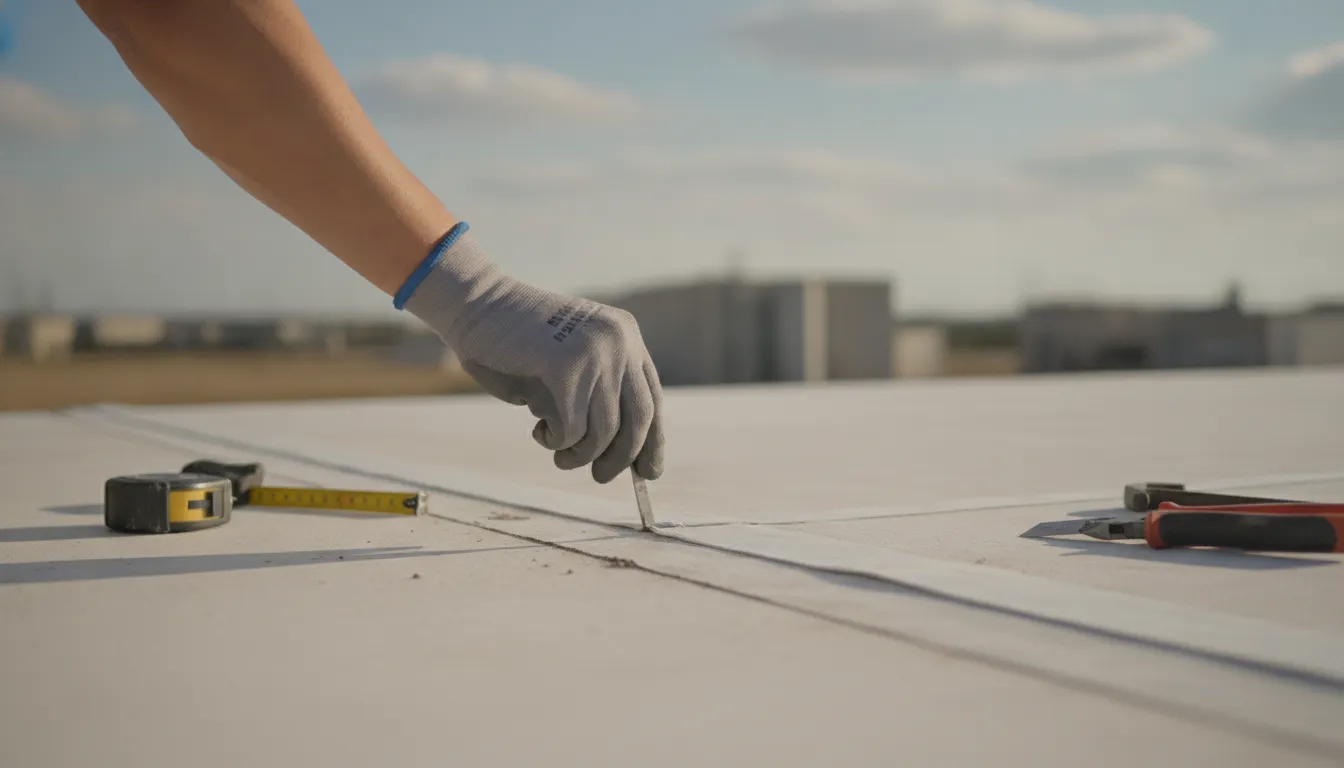
These are possible sources, not remote diagnoses. Water can travel through a commercial roof assembly before appearing inside, so the ceiling stain or active drip may not line up with the actual entry point. A professional assessment generally considers the roof surface, seams, flashing, penetrations, drains, gutters, rooftop equipment, and interior conditions together. This system-specific process helps distinguish a targeted failure from a wider problem.
For a TPO roof, a repair may require compatible membrane materials and a method that restores the affected detail without creating a new weak point. Modified bitumen and built-up roofs likewise require materials and techniques suited to their assemblies. Repairs should account for the roofing system and use appropriate, manufacturer-approved materials and methods when applicable. The objective is to address the confirmed failure point, not simply cover the place where water was noticed.
Accessibility also matters. A crowded rooftop, difficult drainage area, or concealed roof assembly can change how the leak is traced and documented. If you manage a flat commercial roof, review our flat roof leak assessment resource for additional context. A written scope with photographs can clarify the observed condition, recommended repair, and whether further restoration or replacement evaluation is warranted.
When the source is uncertain, avoid applying sealant to a suspicious spot or authorizing a permanent repair based only on an interior stain. An incorrect patch can make the true entry point harder to locate or trap water where it should not be. The safest path is to protect the affected area, document conditions, and arrange a system-appropriate evaluation.
What Happens During a Professional Repair Assessment?
A commercial roof leak repair assessment is designed to answer two practical questions: where is water entering. And what work is appropriate for the roofing system and the extent of damage? Because water can travel before it appears inside, the visible stain or drip is not always directly below the roof failure. A careful assessment therefore looks at the building interior and the roof exterior before a repair scope is finalized.
Interior inspection and leak tracing
The process commonly begins inside the affected area. The roofing professional reviews ceiling stains, wet insulation, damaged finishes, and the location of active dripping. They may also look above the visible damage, around mechanical equipment, and near penetrations or other building components. This helps establish a starting point for tracing the water path rather than assuming the first visible symptom is the source.
An interior and exterior inspection is also important because water may come from another building system, such as plumbing or HVAC, instead of the roof. The assessment should distinguish those possibilities before the property owner authorizes roof work. You can learn more about this diagnostic approach through a professional roof inspection.
Exterior roof inspection and system evaluation
Next, the professional examines the roof surface and its components, using appropriate access and safety procedures. The review may include seams, flashing, membrane surfaces, penetrations, drains, gutters, skylights, and areas affected by wind, hail, or heavy rain. On a commercial building, the assessment should account for the installed system, such as TPO, modified bitumen, or built-up roofing, because materials and repair methods differ.
Leak detection may involve following moisture patterns from the interior location toward possible entry points on the roof. A suspected failure could be a localized membrane puncture, failed flashing detail, open seam, damaged drainage component, or another condition. These are possibilities to investigate, not conclusions that can be made from a photograph or a description alone.
Photo documentation, scope, and recommendation
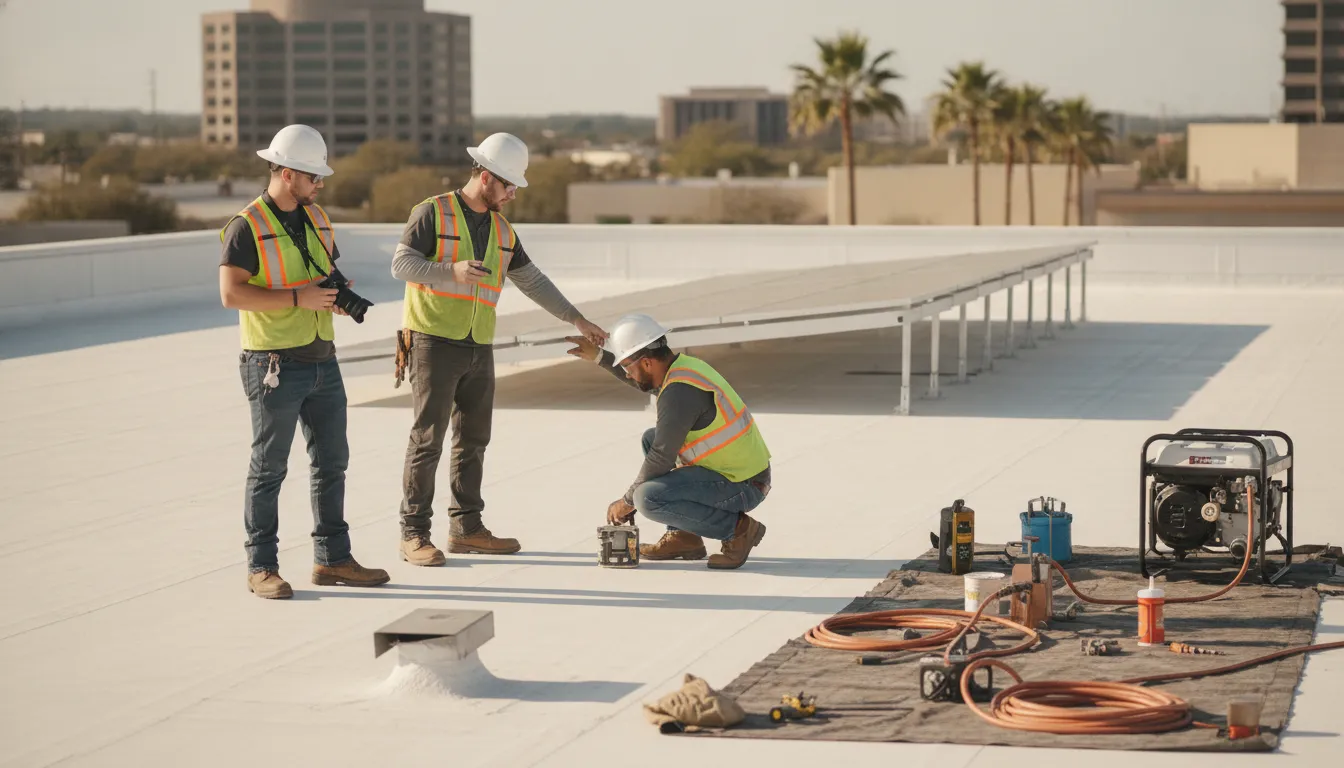
Once the inspection is complete, the property manager should receive a clear written scope or estimate that explains the observed condition, the proposed work, and relevant photographs. Documentation gives building stakeholders a common record for approval, maintenance planning, and, when appropriate, insurance discussions. It also helps separate immediate mitigation from permanent work. OSHA notes that damaged roofs should be inspected and then repaired or replaced to help prevent additional structural damage. Review OSHA roof-inspection safety guidance for context.
If the damage is isolated, the membrane and underlying materials may support a targeted repair. If deterioration is widespread, insulation is saturated, or the system has reached a condition where a short-term fix is not the best long-term option. The recommendation may instead involve restoration or replacement. The inspection findings should explain why, without promising that any roof can be repaired without further investigation.
After approval, the contractor completes the defined work, documents the result, and follows up on the repaired area. For the next step, review Elevation Roofing's commercial roof repair services and request an assessment suited to the building's system and current leak conditions.
When Is Repair Enough, and When Is Replacement Considered?
A targeted repair may be appropriate when an inspection identifies one defined failure point and the surrounding roof remains serviceable. That could mean repairing a localized membrane puncture, failed flashing detail, or another isolated source of water entry. For a commercial low-slope roof, repair is more plausible when the damage is limited, the membrane is structurally sound, and insulation below it has not been saturated. These conditions cannot be confirmed from the ceiling stain or from a photograph alone.
The decision should begin with a professional inspection, not an assumption that every leak requires a new roof. The inspection may include the affected interior area, the roof surface, seams, penetrations, drainage components, and concealed moisture. It also helps distinguish a roof leak from water entering through another building system. OSHA advises that a damaged roof be inspected and then repaired or replaced to help prevent additional structural damage. Read OSHA's roof inspection safety guidance for context.
What factors influence the recommendation?
A qualified roofer should evaluate the complete system before recommending commercial roof leak repair, restoration, or replacement. Important considerations include the roofing system, the extent and distribution of damage, accessibility, insulation moisture, system condition, age and repair history, and the property's budget and long-term plans. Repair costs vary with the roofing system, damage extent, and accessibility. So a responsible recommendation should be based on documented conditions rather than a generic price or remote diagnosis.
- Repair: Often considered for isolated damage when the surrounding membrane and underlying materials remain sound.
- Restoration: May be considered when the existing system has enough remaining integrity for a broader corrective approach.
- Replacement: May be considered when damage is widespread, moisture has affected insulation or the deck, or continued patching no longer addresses the system's condition.
OSHA describes recovery work as ranging from replacing individual components to recovering an entire roof or rebuilding the roof deck. The right scope depends on inspection findings and the building's needs. If replacement is being considered, review Elevation Roofing's commercial roof replacement services alongside a written assessment. A professional should explain the evidence behind the recommendation, the proposed scope, and any restoration or repair alternative before work begins.
Frequently Asked Questions
How do you find a leak on a commercial roof?
Start by documenting where water appears inside, then compare that location with roof penetrations, seams, flashing, drains, and other possible entry points. Water can travel before it becomes visible, so the ceiling stain is not always the source. A qualified professional should inspect both the interior and exterior before recommending commercial roof leak repair. An interior and exterior inspection can help distinguish a roof leak from another building system, such as plumbing or HVAC. Learn more about professional leak assessment.
Does commercial insurance cover roof leaks?
Coverage depends on the policy, the cause of the damage, exclusions, maintenance history, and the documentation available. A roof inspection cannot guarantee an insurance outcome, and a contractor should not promise approval. Photograph the affected areas, protect contents without creating additional hazards, and notify your insurance representative according to your policy. An inspection report and repair scope may help provide facts for the claim review.
How do I stop my roof from leaking in heavy rain?
Keep people away from wet or unsafe areas, place containers where appropriate. Move or cover vulnerable equipment and inventory, and isolate the area if water is near electrical equipment. Do not climb onto a commercial roof during heavy rain or attempt a permanent repair. Temporary plastic sheeting may be used when permanent work cannot happen immediately, but it is not a substitute for professional assessment and repair. OSHA notes that roof surfaces may be steep, slippery, or deteriorating.
How much does it typically cost to repair a roof leak?
There is no reliable cost without examining the roofing system, the extent of damage, and access conditions. A localized membrane or flashing failure may require a different scope than widespread saturation, storm damage, or a problem involving the roof deck. A professional inspection should identify the likely source and produce a written scope before work begins. Commercial leak-repair costs vary by system, damage extent, and accessibility.
Ready to Schedule a Commercial Roof Leak Assessment?
A professional inspection can help identify the likely leak source, document visible conditions, and clarify whether targeted repair or a broader solution should be considered. Property managers can schedule a free roof inspection by calling (832) 271-1726. Elevation Roofing & Restoration can assess the roof system and provide an estimate based on the building's conditions, access, and damage observed.