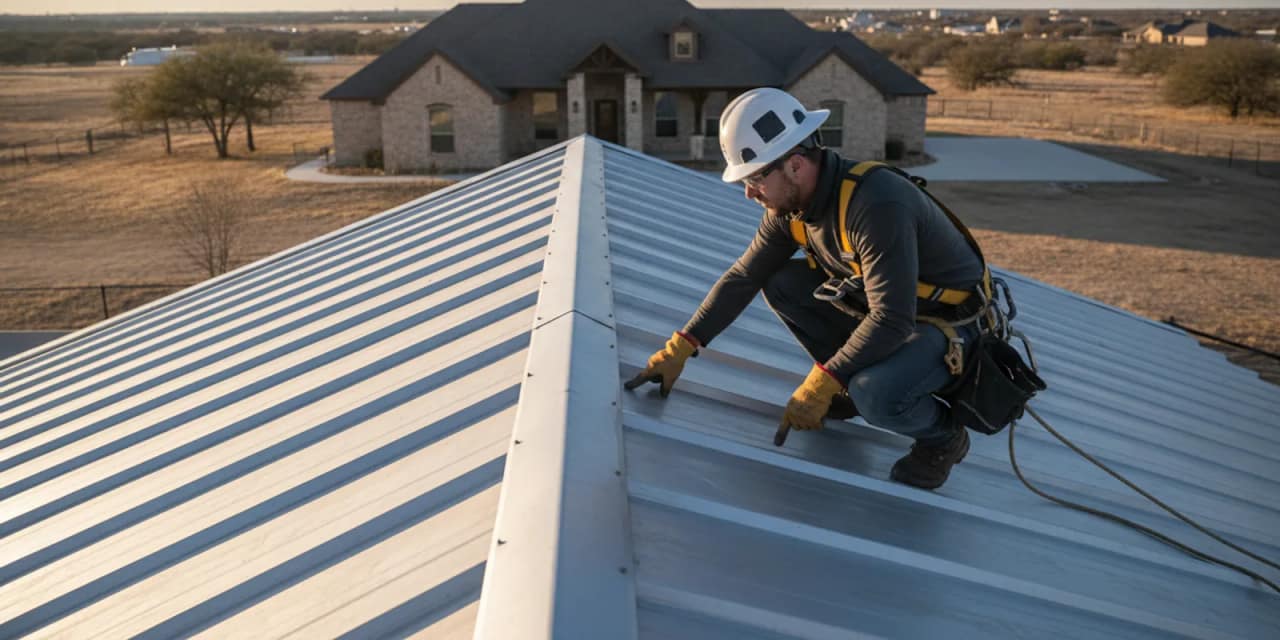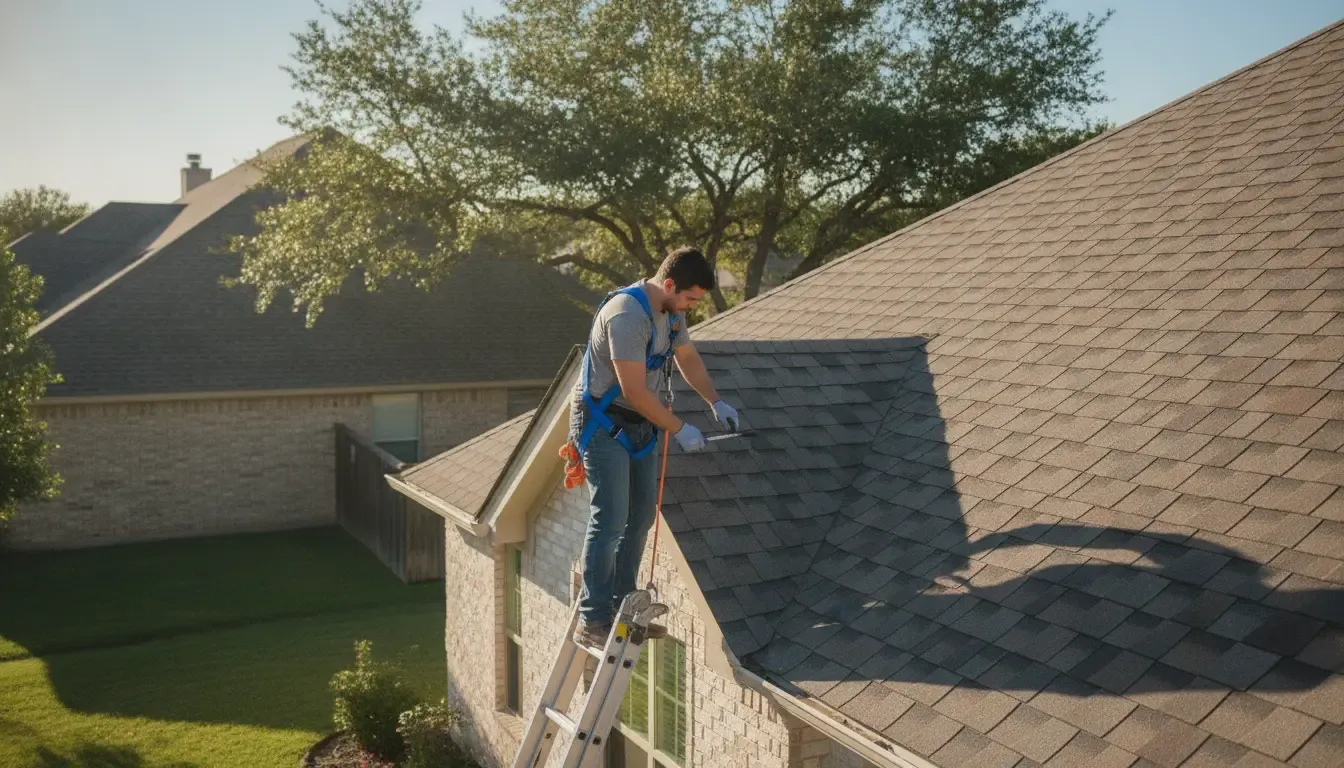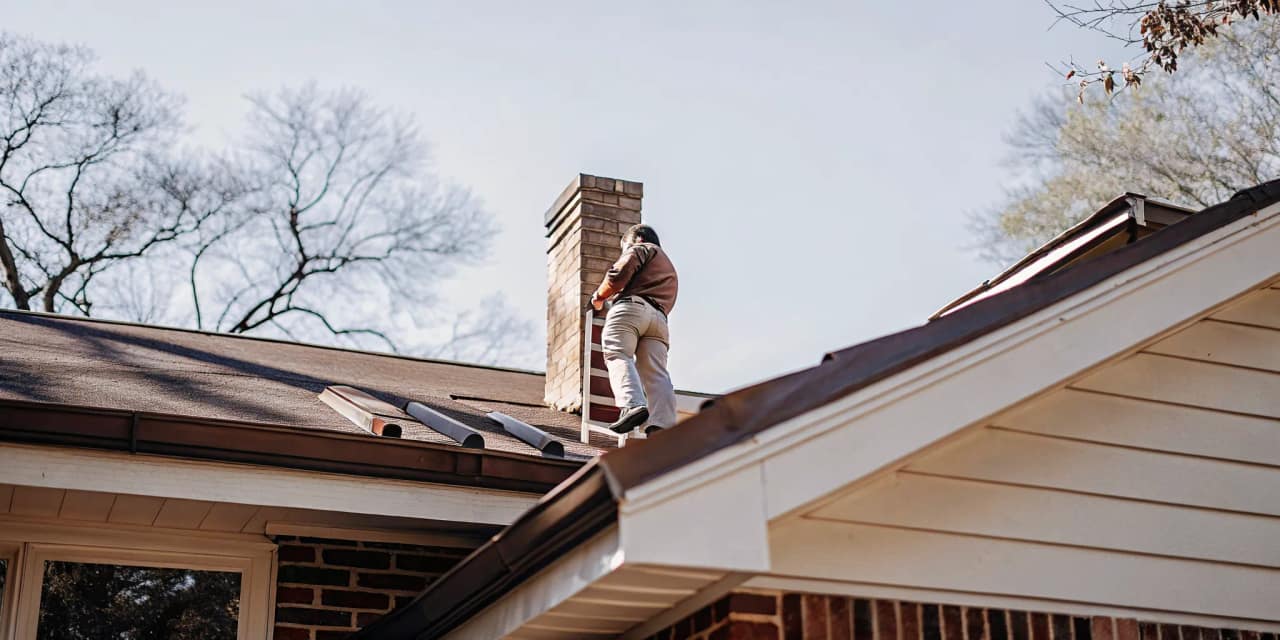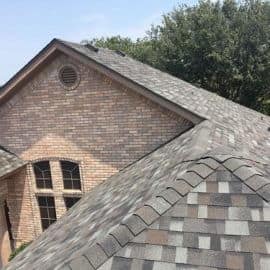
Stand across the street from your house and glance up at the roofline. It should run straight and crisp from one end of the ridge to the other. If you notice a dip, a gentle curve, or a section that looks like it is slumping toward the gutters, your roof is sagging, and that is one of the few roof problems you should never wait on. Unlike a missing shingle or a faded patch of color, a sagging roof is a structural warning sign. For homeowners across Greater Houston and the Austin metro, where decades of UV, hail, and tropical moisture quietly wear roofs down, understanding why a roof sags, and how quickly it can escalate, can be the difference between a focused repair and a major rebuild.
What a Sagging Roof Actually Means
A healthy roof is a system of triangles. Rafters or engineered trusses carry the load down to the walls, the decking (the plywood or OSB sheathing) ties everything together, and the shingles shed water off the whole assembly. Sagging happens when one or more of those load-bearing parts loses strength or takes on weight it was never designed to hold. The roof literally begins to deform under gravity.
That is why sagging is different from ordinary aging. Worn shingles are a surface issue. A dipping roofline means the bones of the structure are being compromised, and because the load only increases over time, the problem feeds on itself. The sag will not flatten back out on its own, and every rainstorm, every freeze, and every gust adds stress. The good news: caught early, most causes are very repairable.
The Most Common Causes of a Sagging Roof in Texas
1. Trapped Moisture and Water Damage
Moisture is the number one enemy of roof structure along the Gulf Coast. A slow leak from failed flashing, a clogged valley, or worn underlayment lets water soak into the decking and rafters. Wet wood swells, rots, and loses its rigidity, and a rotted rafter cannot hold the load it once did. Houston's humidity and heavy seasonal rain accelerate this dramatically. A leak you have been ignoring as "just a small drip" is often the hidden engine behind a sagging section.
2. Too Much Weight on the Roof
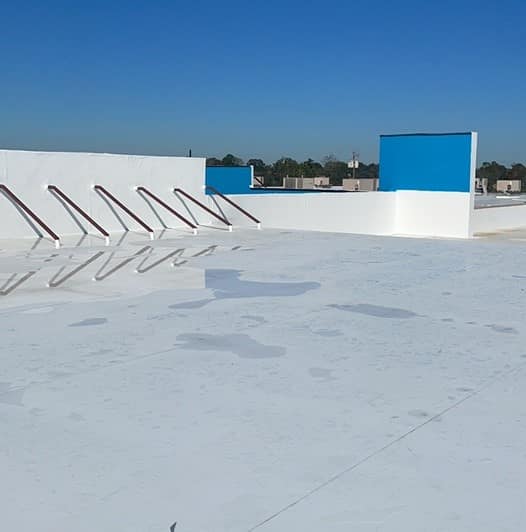
Roofs are engineered for a specific dead load. Pile on more than they were built for and they bow. Common culprits in Texas include too many layers of old shingles installed over each other, accumulated debris and standing water on a flat or low-slope roof, and the sheer weight of waterlogged decking. After a major storm, even short-term ponding water can add hundreds of pounds to a weak spot.
3. Age and Material Fatigue
Texas is brutal on building materials. Relentless summer UV and triple-digit heat dry out and weaken wood and fasteners, while the occasional hard freeze causes expansion and contraction that loosens connections over years. An older roof on an older home may simply be reaching the end of its structural service life, especially if it has never been re-roofed correctly.
4. Storm, Wind, and Hail Stress
Gulf Coast tropical systems and Central Texas hailstorms do more than dent shingles. High winds can lift and rack a roof structure, and large hail can fracture decking. Repeated storm seasons compound the damage. If your sag appeared or worsened after a named storm, it may be tied to storm damage that your insurance could help cover.
5. Original Construction or Design Flaws
Occasionally the problem dates back to the day the home was built: undersized rafters, improperly spaced trusses, a previous re-roof that skipped replacing rotted decking, or a span that was never adequately supported. These homes can look fine for years and then begin to sag as materials fatigue.
Warning Signs You Should Never Ignore
You do not need to climb a ladder to catch most sagging early. Watch for these red flags:
- A visible dip or curve in the ridge line when viewed from the street. A straight roof should not droop in the middle.
- Low or sunken areas along the eaves, valleys, or between rafters.
- Sagging or bowed ceilings and cracks at the top of interior walls, which can signal load problems above.
- Doors or windows on the top floor that suddenly stick as the structure shifts.
- Granules in the gutters, active leaks, or water stains in the attic, often the moisture source behind the sag.
- Daylight, soft spots, or a spongy feel in the decking when inspected from inside the attic.
If you spot any of these, treat it as urgent. A sag that is barely noticeable today can progress to a partial collapse, and the cost climbs steeply the longer it waits.
How a Sagging Roof Gets Diagnosed and Fixed
Because sagging is a structural symptom with several possible causes, guessing is dangerous. The first step is always a thorough professional roof inspection. Our team examines the roofline, gets into the attic to check rafters, trusses, and decking for rot and fractures, traces any moisture intrusion to its source, and determines exactly which components are compromised and why.
From there, the fix depends on the findings:
- Targeted repair. When the problem is localized, sistering a weakened rafter, replacing a few rotted decking panels, and stopping the leak at its source can restore the structure. This is where a focused roof repair shines.
- Decking and underlayment renewal. If water has spread, the affected sheathing is replaced and modern, Texas-rated underlayment such as RhinoRoof is installed to keep moisture out for good.
- Full replacement. When sagging is widespread, the roof is near the end of its life, or layered weight is the culprit, a complete roof replacement on a sound, properly ventilated structure is the safer long-term investment. As a GAF Preferred Contractor installing GAF lifetime systems, we can rebuild it to handle our climate.
One thing we never recommend is a DIY fix. Sagging involves live structural loads, and bracing or re-decking a roof without knowing the cause can hide the real problem, or make it worse.
How to Prevent Sagging Before It Starts
Most sagging traces back to slow, preventable moisture and neglected wear. You can dramatically lower your risk by keeping water moving and catching small issues early:
- Address leaks the moment you notice a stain, never "next season."
- Keep gutters clean so water drains away from the structure instead of pooling at the eaves.
- Avoid stacking new shingles over old layers during a re-roof.
- Schedule routine roof maintenance so a professional spots fatigue, ponding, and early rot before they reach the rafters.
- After every major Houston or Austin storm season, get a quick check, especially if you saw hail or high winds.
See a Dip? Get a Straight Answer.
A sagging roof is your home telling you something is wrong beneath the surface, and it rarely fixes itself. The smartest, lowest-cost move is to find out exactly what is happening before it escalates. With 9-plus years serving more than 100 Texas communities, a 5-star Google rating, and a 100% satisfaction guarantee, our team will pinpoint the cause and lay out your real options with zero pressure. Schedule your free roof inspection, a $399 value, today, or contact us to talk through what you are seeing on your roofline.