Gutters are easy to ignore right up until the moment they fail. In Texas, that moment usually arrives during a sudden Gulf downpour or a spring thunderstorm, when water that should be sliding off your roof and away from your home instead spills over the edge, soaks the fascia, and pools against the foundation. For homeowners across Greater Houston and the Austin metro, keeping gutters clean is one of the cheapest, highest-return things you can do to protect a roof that costs thousands to replace.
This guide goes beyond "gutters are important." It explains exactly how clogged gutters damage a roof system, how often to clean them in our specific climate, the warning signs that mean trouble, and when a job is better left to a professional.
How Clogged Gutters Actually Damage Your Roof
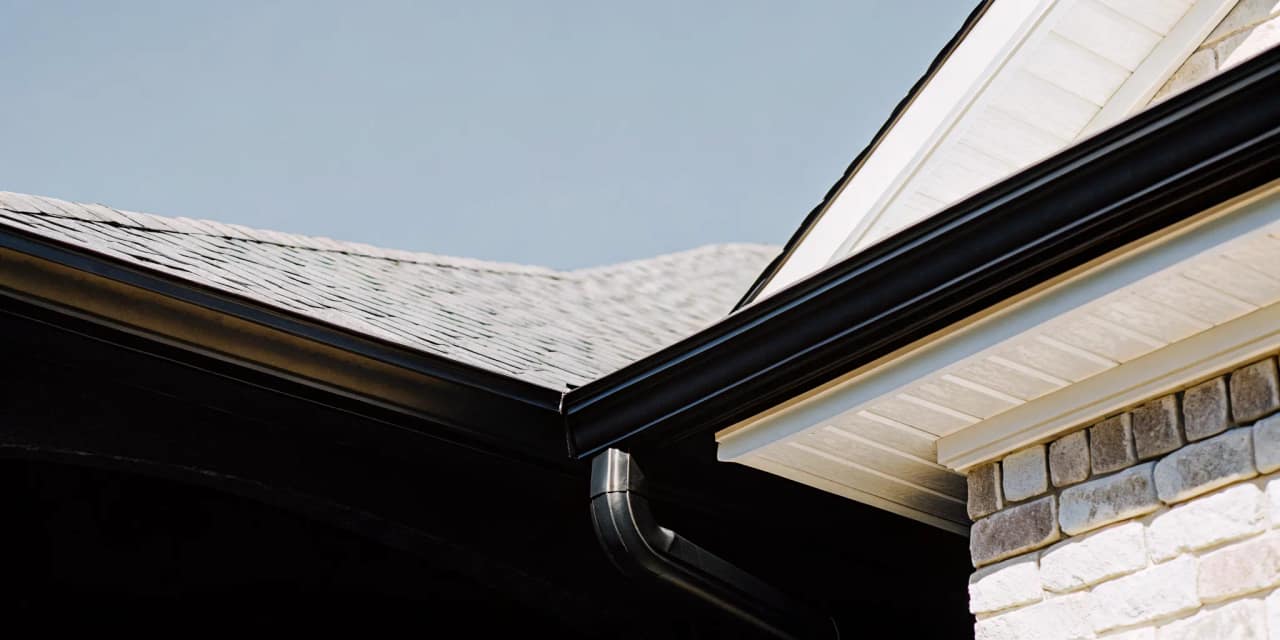
A gutter is a simple channel, but it sits at the most vulnerable seam of your entire roof: the edge where shingles, drip edge, fascia, and soffit all meet. When that channel backs up, the damage rarely stays in the gutter.
- Rotted fascia and soffit. Standing water in a clogged gutter wicks into the wood fascia board behind it. Over a few wet Texas seasons, that board softens, paint peels, and the gutter itself begins to pull away from the house.
- Water under the shingles. When water overflows backward instead of draining forward, it can creep beneath the bottom course of shingles and past the drip edge, reaching the decking and underlayment.
- Foundation and basement issues. Overflow dumps concentrated water at the base of the home. In Houston's clay-heavy soils, repeated soaking and drying around the foundation contributes to shifting and cracking.
- Pests and mosquitoes. A gutter full of wet leaves and standing water is an ideal nest for insects, rodents, and mosquitoes, which thrive in our humid Gulf Coast summers.
None of this happens overnight. That is exactly why gutters get neglected, and why a small maintenance habit prevents an expensive roof repair later.
How Often Should Texas Homeowners Clean Gutters?
The standard "twice a year" advice does not quite fit our climate. Texas weather is its own thing, and your cleaning schedule should reflect what is actually landing in your gutters.
The baseline schedule
- Late spring (April-May): Clear out oak catkins, seed pods, and pollen buildup before peak storm season. This is the single most important cleaning of the year on the Gulf Coast.
- Late fall (November-December): Texas trees drop leaves later than northern states. Clean after the bulk of the leaf drop to head off winter rains and any hard freeze.
When to clean more often
- If your home sits under or near large oak, pecan, or cedar trees, plan on quarterly cleaning.
- After any major storm that brings high winds or hail, check your gutters for debris, dents, and detached sections.
- If you live in a heavily wooded part of the Austin Hill Country, expect more frequent buildup from cedar and live oak.
A quick rule of thumb: if you cannot remember the last time you looked inside your gutters, it is time.
Warning Signs Your Gutters Are Failing
You do not always need a ladder to spot trouble. Watch for these from the ground, ideally during or just after rain:
- Water sheeting over the gutter edge instead of flowing to the downspout.
- Staining or streaks on the fascia or siding directly below the gutter line.
- Sagging or pulling away from the roofline, often a sign of trapped debris weight or rotted fascia anchors.
- Plants or grass sprouting from inside the gutter, which means there is enough soil and standing water to grow them.
- Pooling water against the foundation after a storm.
Any of these signs are worth acting on. Several of them together usually mean the gutter system, and possibly the edge of the roof, needs a professional look.
Cleaning Your Gutters Safely
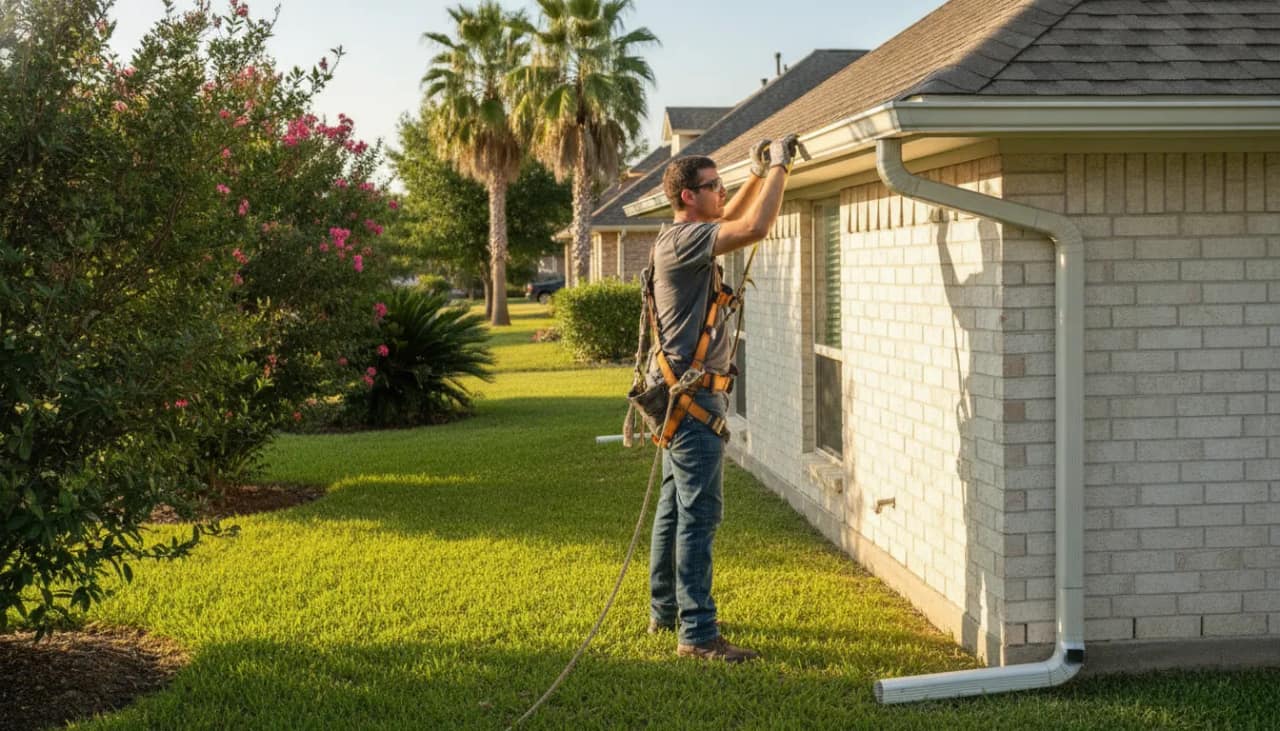
If you have a single-story home, a stable ladder, and you are comfortable working at height, basic gutter cleaning is a doable weekend task. Here is the sensible approach:
- Use a stable, level ladder on firm ground, and never lean it against the gutter itself.
- Scoop debris by hand (wear gloves) into a bucket rather than dropping it onto the roof or yard.
- Flush the gutters and downspouts with a hose to confirm water flows freely and to find any hidden clogs.
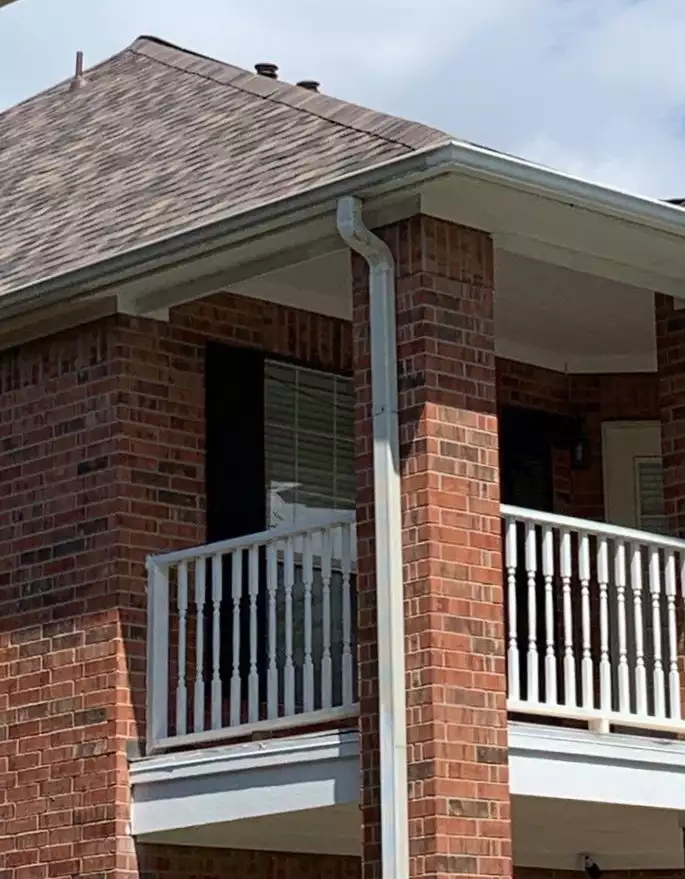
- Check the downspout drainage at ground level to make sure water is carried well away from the foundation.
- Inspect as you go for loose fasteners, separated seams, and any rust or rot on the fascia.
Be honest about the risk. Two-story homes, steep pitches, and wet or brittle roofing are not worth a fall. If the job feels unsafe, or if you spot damage you are not equipped to assess, that is the right moment to bring in a pro.
When to Call a Professional
Gutter care often overlaps with roof health, which is why it makes sense to have the two looked at together. At Elevation Roofing & Restoration, our free roof inspection (a $399 value) includes a look at your gutters, drip edge, and fascia, so you find out whether a clog is just a clog or a sign of something deeper at the roof edge.
Consider professional help when:
- Your gutters are pulling away, sagging, or leaking at the seams and need repair or replacement.
- You notice rotted fascia or water stains that suggest the problem has reached the roof structure.
- A storm has left debris, dents, or detached sections, which may also point to roof damage worth a storm repair assessment.
- You simply want the job done safely without climbing a two-story ladder.
As a GAF Preferred Contractor serving over 100 Texas communities, we handle gutter installation and repair alongside full roofing service, so the whole roof edge gets addressed at once instead of in pieces.
Protect the Whole System, Not Just the Channel
Clean gutters are a foundational part of routine roof maintenance, but they work best as one piece of a healthy roof system. Drip edge, flashing, underlayment, and shingles all rely on water leaving the roof in a controlled path. Keep that path clear, and you protect everything beneath it, from the decking to the foundation.
If you have not had your gutters or roof edge looked at recently, or a recent Texas storm has you wondering what is happening up there, schedule your free, no-obligation inspection with Elevation Roofing & Restoration. We will tell you honestly what we see and what, if anything, needs attention, before a small clog turns into a costly repair.