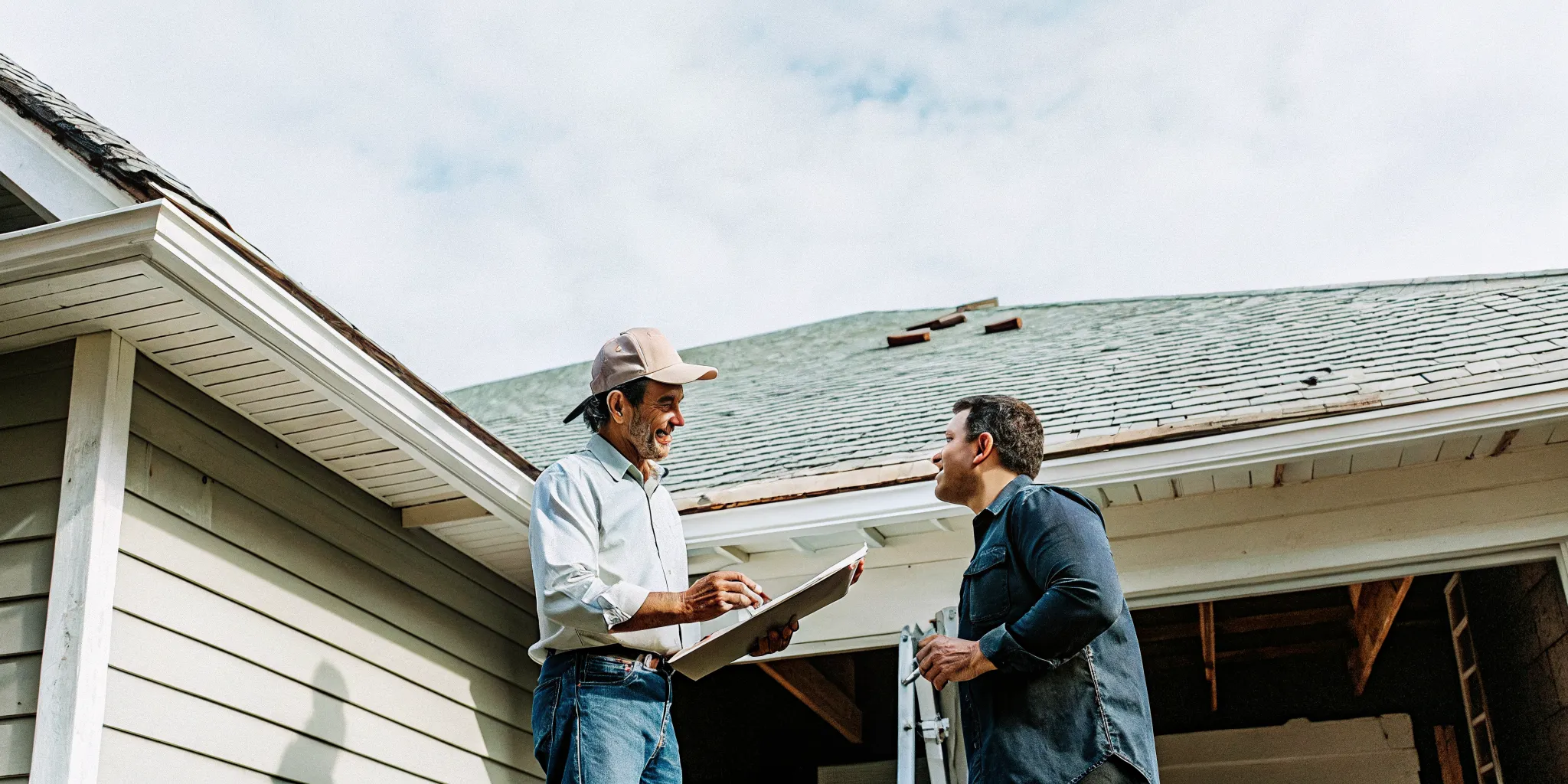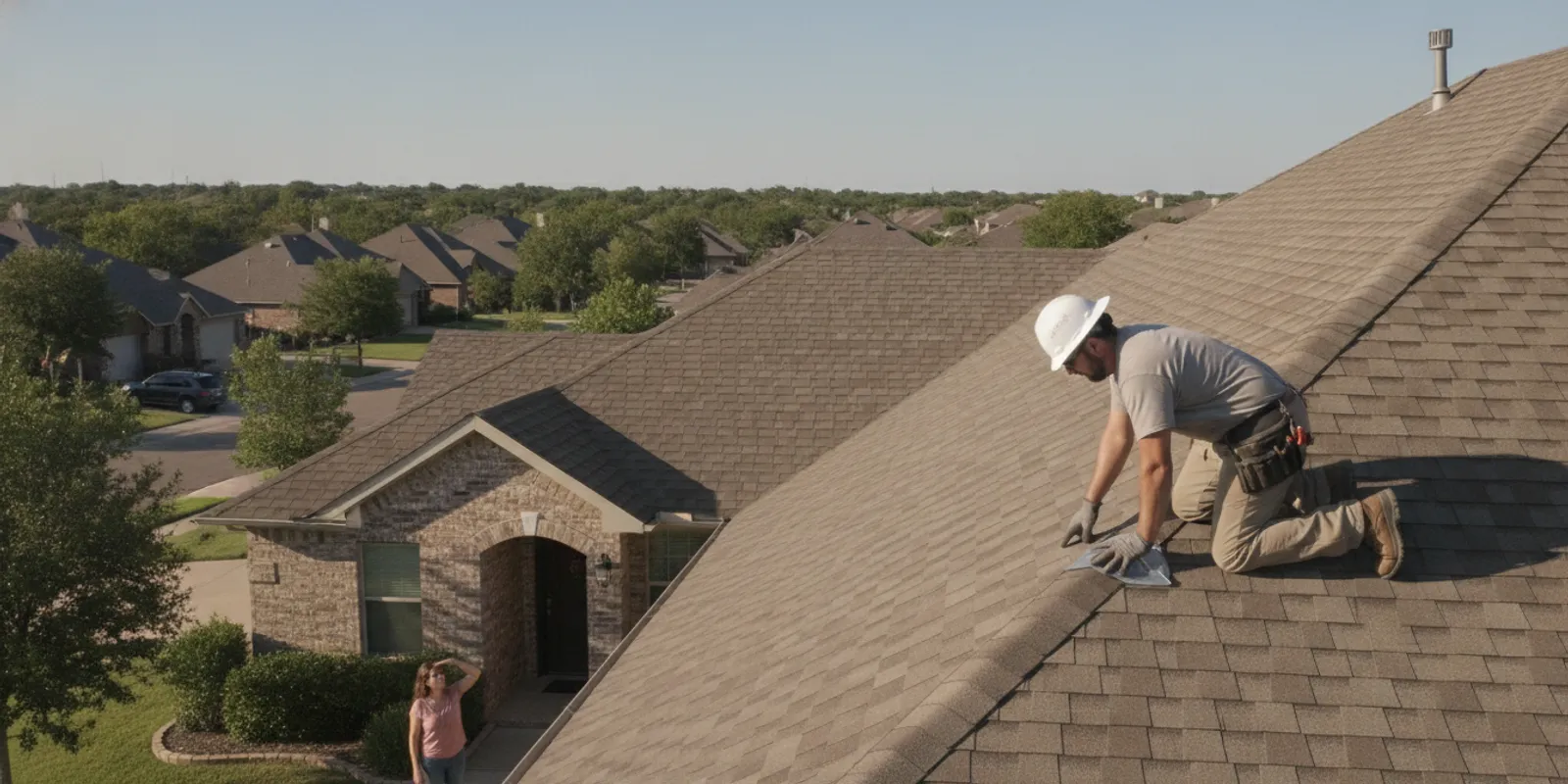
Choosing the best residential roofing company takes more than comparing the totals at the bottom of two estimates. For homeowners in Houston, Austin, and nearby Texas communities, the right fit should be able to explain what is happening on the roof, show how the proposed work addresses it, and communicate clearly from the first inspection through closeout.
Contact Elevation to discuss your roof and next steps
What Does the Best Residential Roofing Company Mean for Your Home?
The best residential roofing company is not necessarily the one with the lowest bid, the most polished sales presentation, or the broadest list of services. It is a company whose experience and proposed work fit your roof, whose answers make sense, and whose written terms let you understand what you are agreeing to.
Begin with the reason you are calling. A small area of missing shingles, a leak that returns after rain, visible storm damage, and an aging roof that may need replacement are different situations. A responsible recommendation should connect the inspection findings to a specific next step. It should distinguish what the roofer observed from what still needs investigation, rather than jumping straight to a standard solution.
Before scheduling conversations, jot down a brief description of the issue: when you noticed it, whether it has happened more than once, and which room or roof area seems affected. If it followed a storm, note the date as best you can. This simple record helps each company understand the same starting point.
- Ask what an inspection includes and whether you will receive photos, notes, or both.
- Confirm that the company handles your roof material and the kind of work being discussed.
- Ask who will answer questions before and during the project.
- Request a written scope before comparing prices or making a decision.
For a concern after high winds or hail, take photographs from the ground if it is safe to do so. Do not climb onto a roof to investigate. The California Contractors State License Board's roofing contractor guide offers consumer tips such as asking for referrals. Its licensing and payment guidance applies to California, so Texas homeowners should check the requirements that apply in their own city and for their project.
How Can You Check Whether a Roofer Has Relevant Experience?
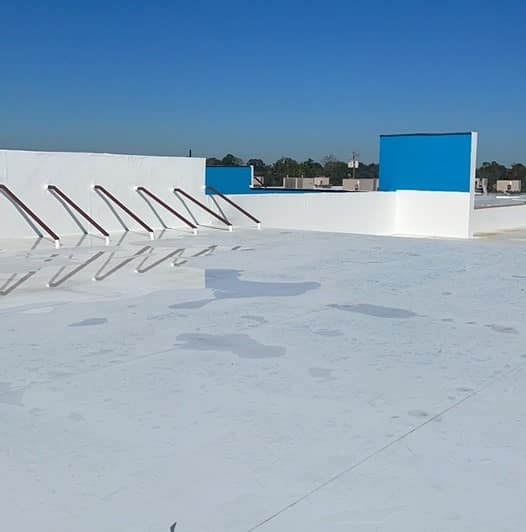
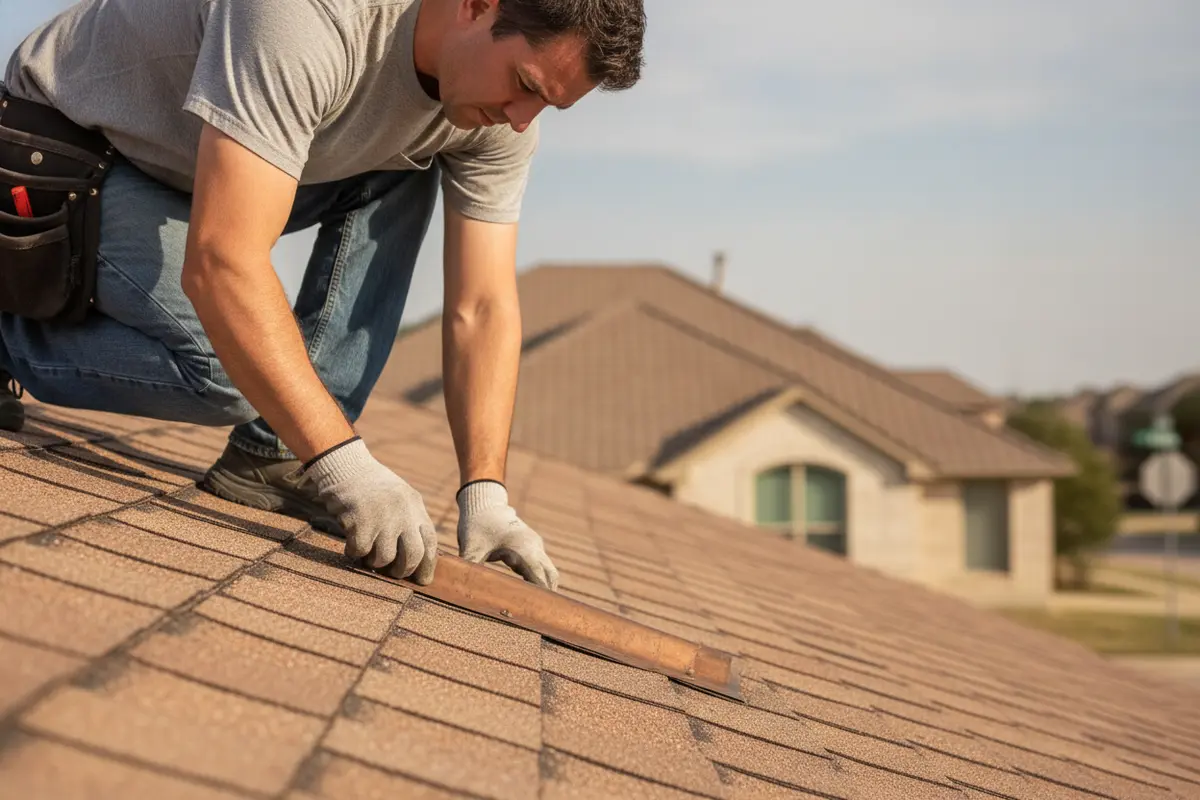
Experience is most useful when it relates to the roof system and work at your home. Shingle, tile, and metal roofs have different materials and details. A low-slope roof has different drainage and system considerations from a pitched roof. Ask the representative to explain what the proposed approach means for your specific roof, not just to list familiar material names.
You can make the answer concrete with a few follow-up questions:
- Have you worked on this roof material and a similar roof design?
- What areas will you inspect to understand the source of the problem?
- What would lead you to recommend a repair rather than replacement, or the other way around?
- Can you show me how the written scope relates to the conditions you observed?
Listen for a clear explanation, not a guaranteed conclusion before the roof has been assessed. In a leak investigation, for example, the visible water stain indoors may not sit directly below the roof opening. Ask what roof transitions, penetrations, flashing, or nearby details the inspection considered. If the cause is uncertain, the contractor should tell you what is known and what additional review may be needed.
Elevation Roofing & Restoration describes its roofing services as including inspection, repair, replacement, installation, maintenance, and restoration. The company serves communities across Texas, including the Houston and Austin areas. You can check the service information against your own project needs, then ask the company to explain which option fits the roof condition it finds.
Which Details Should You Compare in a Roofing Proposal?
Price is meaningful only when you know what work it covers. Read the complete proposal and compare similar work areas, materials, and project details. A short estimate can omit important assumptions; a longer one can still leave questions unanswered. Ask for unclear language to be explained in writing before you approve anything.
| Comparison point | Questions to ask | What to look for in the answer |
|---|---|---|
| Work area | Which roof sections or components are included? | Property and work areas are identified, with limits stated clearly. |
| Materials | What material or roofing system is proposed? | The proposal describes the specified system and how substitutions are handled. |
| Preparation and closeout | What preparation, debris handling, and cleanup are included? | The proposal explains the expected work sequence and site closeout. |
| Unknown conditions | What happens if hidden damage is found? | You know how the contractor will explain added work and obtain approval. |
| Schedule and access | What is the expected start window and what access is needed? | Assumptions are explained, with a contact for updates or changes. |
| Records | What documents will I receive? | You know what proposal, revision, and applicable product information to retain. |
For a replacement, ask whether removal of existing materials, underlayment, flashing details, ventilation-related work, and disposal are included where relevant to the proposed system. For a repair, ask what area will be addressed and whether the price assumes any work beyond the visible trouble spot. These questions are not a request for every roof to receive the same treatment. They help you understand the boundaries of each contractor's plan.
Compare line by line where possible. If one bid is lower, find out whether it describes a smaller work area, different material, or an item excluded by another proposal. If a contractor identifies a possible extra, ask whether it is included, optional, or dependent on what is uncovered. Keep any approved change with the original agreement so the project record stays understandable.
Elevation offers information about roof inspections, roof repair, and roof replacement. Reading the relevant service information can help you prepare questions, but the proposal for your home should still spell out the actual work being offered.

How Should You Evaluate Communication Before Work Starts?
Communication is easier to evaluate during the first conversations than after a project is underway. Notice whether the representative listens to your concern, answers the question you asked, and separates observed facts from possibilities. You should be able to describe the plan back in your own words. If the explanation keeps changing or relies on pressure instead of detail, slow down and ask for clarification.
Before signing, find out who your point of contact will be and how updates will be shared. Ask what you should do if you notice a new issue, if weather changes the schedule, or if the crew finds a condition outside the written scope. The exact steps depend on the job, but an agreed communication route makes it easier to address changes without confusion.
For practical planning, ask about the expected work window, access to the property, protection of nearby areas, debris handling, and what the site should look like at the end of a workday. If you have pets, a home office, or a driveway that must remain accessible, mention those needs before the start. Do not assume a general schedule statement answers every access or cleanup question.
Homeowners can review customer reviews as one perspective on communication and service, and browse the company's project gallery for examples of roofing work. Treat these as context, not a substitute for a written scope tailored to your own property. You can also use the company's roofing questions and answers to prepare for a conversation.
Get in touch with Elevation to review your roofing questions
What Warning Signs Call for a Pause?
A roofing decision deserves enough time to understand the work and terms. Pause and ask for more information if someone presses you to sign immediately, will not provide a written proposal, or asks you to approve a blank or incomplete agreement. Be wary if an answer about the scope changes whenever you ask for specifics, or if a payment request is not explained in the written terms.
The North Carolina Department of Justice's consumer page on roofers and door-to-door solicitations describes potential concerns with uninvited roofing offers. Its legal guidance is specific to North Carolina. For a Texas homeowner, the practical step is to verify the business and the proposal independently, take time to read the terms, and check applicable local rules rather than relying on a sales pitch or another state's law.
- Do not rely on a promise that a contractor can control an insurer's decision or payment.
- Ask for written details before agreeing to added work or a changed scope.
- Take time to compare the same roof areas and work categories across proposals.
- Keep copies of the signed agreement, approved changes, and project communications.
If storm damage may be involved, a roofing contractor can describe observed roof conditions and explain a repair scope. Coverage questions and claim decisions belong with your insurer under the policy. Keep the inspection notes, photos taken safely from the ground, and any insurer communications together. Texas property owners should also confirm permit or contractor requirements with the relevant local authorities, since requirements can depend on location and work type.
What Should You Prepare Before Comparing Roofing Companies?
A little preparation helps you get more useful answers from each appointment. You do not need to diagnose the roof yourself. Gather observations that can help a professional understand what you have seen, then let the inspection determine what needs closer review.
- Record the concern. Note where you first noticed a leak or visible change, when it appeared, and whether it has returned after later rain.
- Gather safe photos. Photograph interior stains or visible exterior concerns from a safe position on the ground. Do not step onto a roof or ladder to get a closer view.
- List your questions. Write down whether you want a repair assessment, a replacement discussion, or an inspection after a storm. This keeps the conversation focused on your goal.
- Make the property accessible. Ask what areas the representative needs to see and mention access restrictions, pets, or other practical concerns ahead of time.
- Keep records together. If you have a prior proposal or relevant maintenance notes, have them available so you can describe what has already been considered.
During the inspection, take notes in the same categories for each company: observed condition, recommended work, alternatives discussed, and questions that remain. For instance, if one representative recommends repair and another recommends replacement, do not compare only the totals. Ask each to explain the observations and reasoning behind the recommendation, and ask what a repair would and would not address. Their explanations can show whether they have considered the same issue.
If you are arranging several consultations, give each company the same basic description and ask for a written proposal using the same project boundaries. This is especially useful when one company is looking at a leak or a single roof section while another assumes a broader project. Clarifying the requested scope at the start reduces the chance of treating unlike plans as equivalent bids.
Homeowners in different communities can also confirm that the service area information fits their address. Elevation lists Katy, Sugar Land, and Round Rock among its location pages. Check the company's service details directly when confirming coverage for your home.
How Can You Choose the Best Residential Roofing Company for Your Project?
Use a short scorecard after you have written proposals. Give each company a simple rating for relevant experience, clarity of scope, communication, documentation, and fit for the job. A score is not a substitute for judgment. Its purpose is to reveal where one proposal is stronger, where another is unclear, and which questions still need answers.
- Match the job. Confirm that each company considered the same concern, roof sections, and requested outcome.
- Resolve gaps. Ask each contractor about missing items, exclusions, assumptions, and how changes would be approved.
- Compare like with like. Put similar materials and work categories beside one another before weighing the total price.
- Check the working relationship. Identify who will communicate with you and how you will receive updates.
- Retain the record. Keep the final proposal and any approved revisions where you can refer to them.
For example, imagine two proposals for a recurring leak. One describes a specific roof area and the work planned there but says further conditions would be discussed if uncovered. The other gives a lower total but does not identify the area or explain what is included. The useful next step is not automatically to reject either one. Ask both companies to clarify their scope in writing, then compare the answers. That gives you a better basis for assessing both the plan and the price.
For homeowners in Houston, Austin, Cedar Park, Georgetown, and nearby areas, the residential roofing team is one place to begin learning about Elevation and its services. You can check the company's Austin-area information, review the Houston service page, and read about other home services if your project includes related exterior work. The company's about page and financing information can also be reviewed when relevant to your questions.
Keep the final choice tied to the actual roof and terms, not to a slogan. A clear inspection explanation, specific written scope, thoughtful answers, and a workable communication plan give you a sound foundation for deciding whether to proceed.
Contact Elevation to discuss your residential roofing project
Frequently Asked Questions
Should I choose the lowest roofing estimate?
Not before confirming that it covers the same areas, materials, and work as the other estimates. Ask about exclusions, assumptions, and any major difference in scope, then compare the clarified proposals.
What should I ask during a roof inspection?
Ask which areas were inspected, what conditions were observed, whether photos or notes are available, and what options the findings support. It is also useful to ask which concerns need prompt attention and which can be monitored.
Can a roofer guarantee my insurance claim will be approved?
A roofing contractor should not promise an insurer's decision or a specific payment. A contractor can explain observed roof conditions and the proposed work, while your insurer makes coverage decisions under the policy.
How many proposals should I compare?
There is no single number that fits every project. More than one written proposal may help you understand differences, provided each contractor is considering the same roof areas and requested work.
What should I do if the contractor finds additional damage?
Ask the contractor to explain and document the new condition, describe the proposed added work, and provide the cost or other terms before you approve a change. Keep the approved revision with the original agreement.
Choose a roofer whose explanation, scope, and communication plan make sense for your home, and keep the project documents together. When you are ready to discuss your roof, contact Elevation Roofing & Restoration.