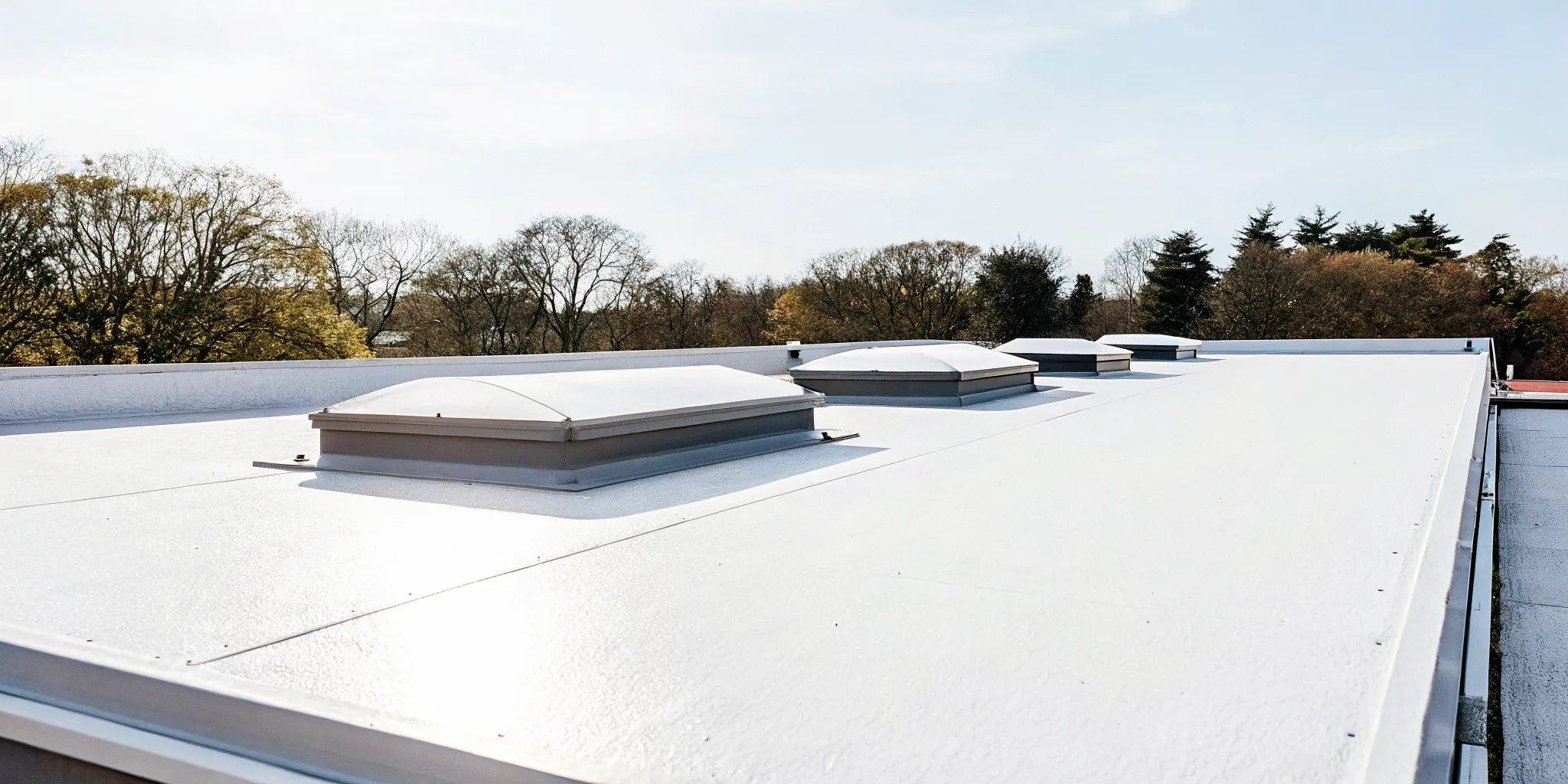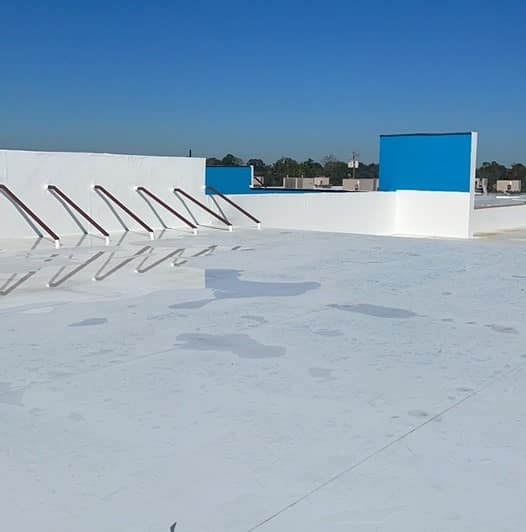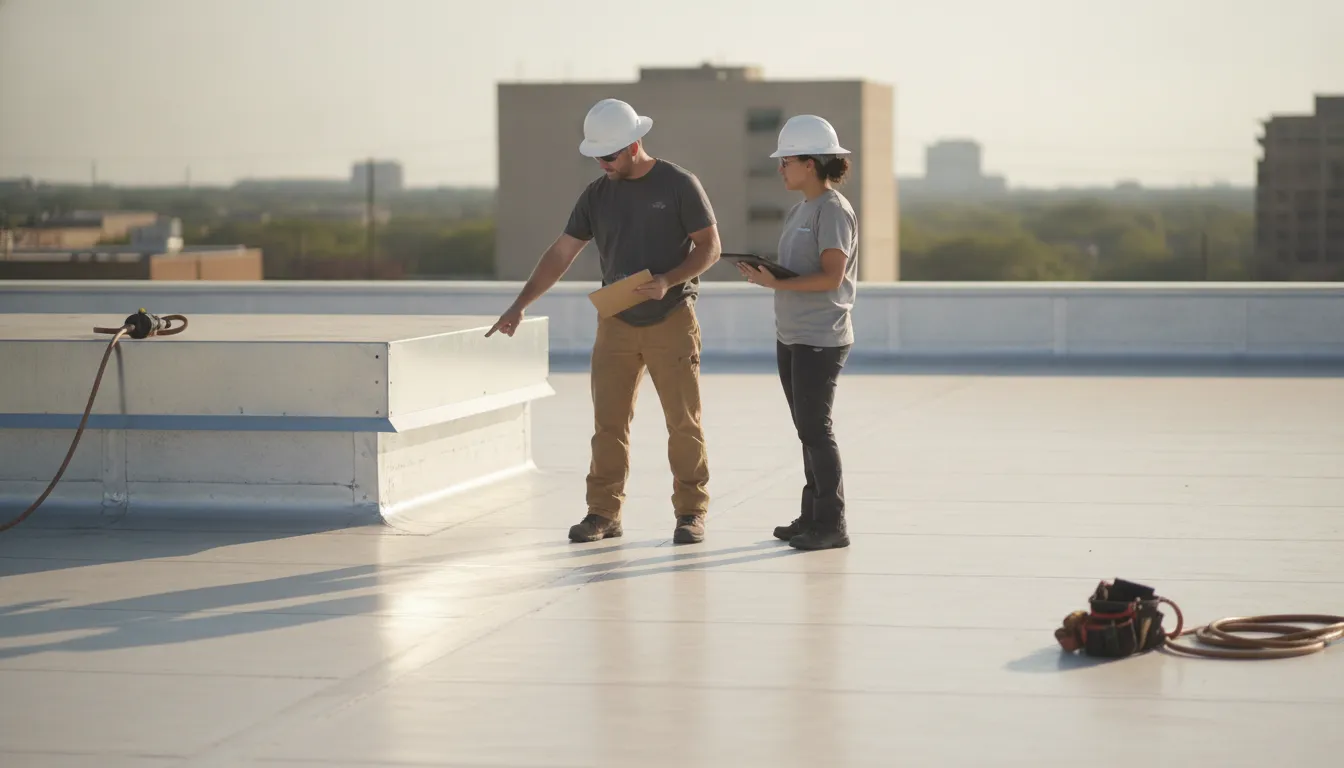
Commercial roof repair planning is the work you do before anyone opens a seam or patches a drain. A Houston or Austin owner comparing Houston commercial roofing needs a written file that names the roof system, the defect, who can approve the scope, and how the crew will reach the roof without shutting the building down. That plan is not the repair itself. It is the packet that lets you compare one clear scope with another and keep tenants, inventory, and staff in service while the work happens.
Schedule a free roof inspection with Elevation Roofing & Restoration at (832) 271-1726.
This guide covers the decision file, the records to gather, the access and occupancy questions, and the handoff to a written scope. It does not walk through weld, patch, or fastener steps. Those belong in the commercial roof repair guide. If water is already inside, start with the commercial roof leak repair guide and come back here once the interior is protected.
What Is Commercial Roof Repair Planning?
Commercial roof repair planning is the owner-side process of turning a roof problem into an approved, scheduled repair. It starts when someone reports a stain, a soft spot, or storm damage, and it ends when a decision-maker signs a scope that names what is included and what is not.
That is a different job from three nearby ones:
- Leak response finds the water path and protects the interior first.
- A commercial roof maintenance plan is scheduled care before a defect opens.
- Replacement removes a roof that no longer has useful life left. The commercial roof replacement guide covers that larger project.
Elevation Roofing & Restoration works commercial systems common in Houston, Sugar Land, League City, and Austin, including TPO, modified bitumen, PVC, and metal. Crews are in house, not subcontracted. A plan should say which of those systems is on the building, because a scope written for the wrong membrane wastes the visit.
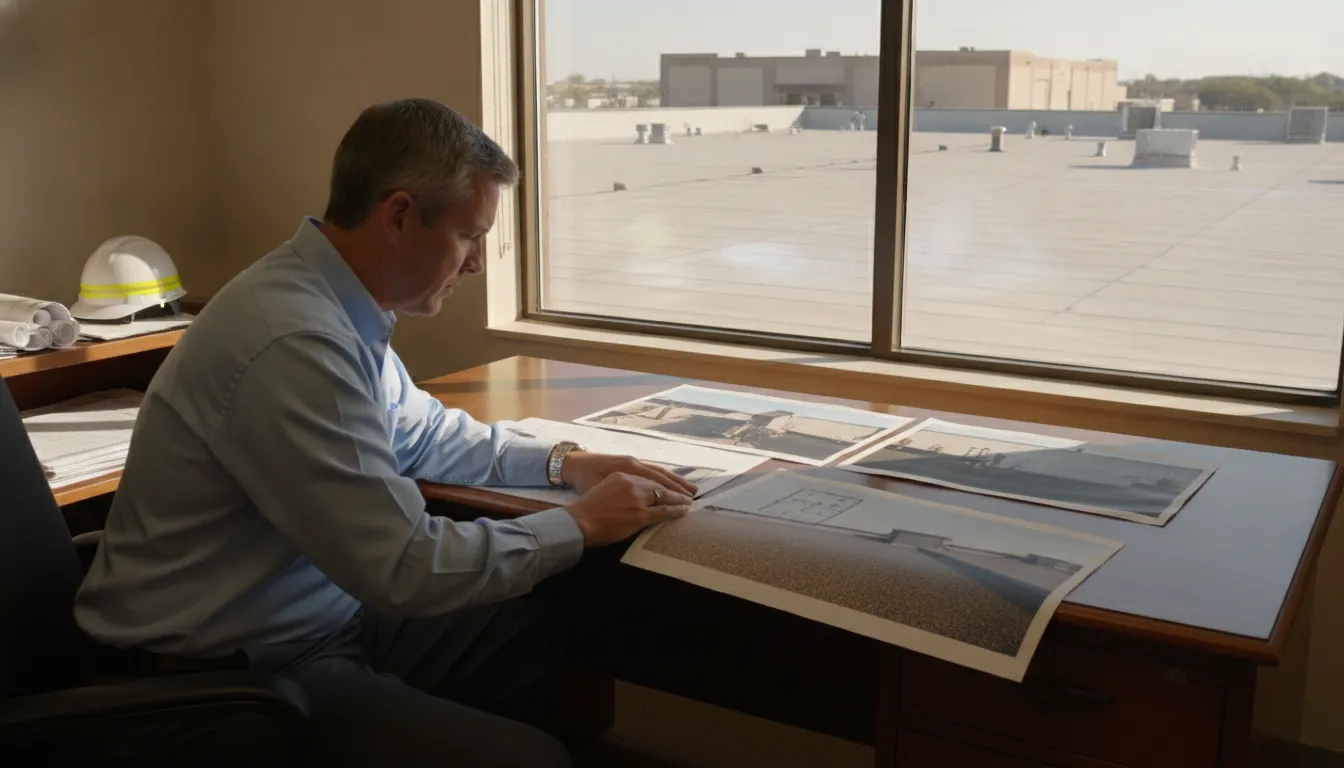
Why Does Commercial Roof Repair Planning Matter Before You Call?
A repair that starts without a file usually stalls in the same three places. Nobody can find last year's inspection. The person on the phone cannot approve a change if wet insulation shows up. And the crew arrives while the loading dock is already booked.
Gulf Coast weather makes the timing real. The National Weather Service says the best time to prepare for a hurricane is before the season begins on June 1, and that owners should understand a building's exposure to storm surge, flooding, and wind. A roof file you can open in one sitting is part of that preparation. It is also what an adjuster or a property manager asks for after hail or wind-driven rain.
National Weather Service, "What to Do Before the Tropical Storm or Hurricane": weather.gov/safety/hurricane-plan.
Planning does not mean guessing a price from the parking lot. It means you can answer five questions before you book the inspection:
- What system is on the roof, and about how old is it?
- Where is the defect, and is water already inside?
- Who can approve the scope the same day if the walk-through finds more?
- When can a crew be on the roof without blocking customers or deliveries?
- Is this still a local repair, or should you be reading the replacement guide instead?
What Should a Commercial Roof Repair Plan Include?
Build one folder, paper or digital, and keep every repair in it. A useful file is short. It should let a second person pick up the project if the first person is out.
| Plan item | What to record | Why it changes the visit |
|---|---|---|
| Roof identity. | Name the system, such as TPO, modified bitumen, PVC, built-up, or metal. Add the age and any prior coating. | The repair has to match the membrane already on the building. |
| Defect map. | Add a photo, a date, and a location a stranger could find, such as a curb, drain, edge, or bay. | This stops a walk-through that only looks at the easy side of the roof. |
| Interior notes. | Note where water showed up and when. Say whether it happened during rain or after the rain stopped. | This separates an active leak from a stain that may already be dry. |
| Decision owner. | Name the person who can approve the written scope. Add a phone number. | This avoids a second trip because the on-site contact cannot say yes. |
| Access window. | Note the hatch or ladder, the parking, the hours, and anything that must stay running. | This keeps the crew off the customer entrance and off live equipment. |
| Out of scope. | Add a line that says a local repair is not a new roof. | This keeps a patch from being treated as a full replacement. |
Photos should show the condition before work starts. Take them from far enough back to see the landmark, then closer so the defect is obvious. Date them. If you already have an inspection checklist from a prior visit, attach it. The commercial roof inspection checklist is the right place for what a walk-through looks for. This plan only needs the findings that change the repair.
Leave prices out of the planning file until a contractor has seen the roof. A number copied from another building is not a budget. Ask for a written scope that names the system, each defect, whether wet insulation will be cut out, and what is excluded. That is the document you approve.
How Do You Document Damage Without Doing the Repair?
You can document a commercial roof from the interior and from safe ground. You should not climb through an unfamiliar roof hatch, walk a wet membrane, or lean over an open edge to get a better photo. Fall protection is the crew's job, and it belongs in the scope they describe before anyone steps out.
From inside, note the ceiling grid, the room, and whether the stain grew after the last rain. From outside, use a parking-lot view or a window that already overlooks the roof. Mark drains, HVAC curbs, and ponding if you can see them. If standing water is the pattern, the flat roof drainage guide explains why that matters. Do not treat ponding as something a single patch will erase.
If the damage followed hail or a named storm, write the date and keep the photos with your policy. Elevation works with insurance companies in Texas on storm-damage claims. The planning file is what that conversation uses. It is not a promise that a carrier will pay, and it is not a substitute for reading your own policy. The National Weather Service lists a policy review as one of the steps to take before hurricane season, not after the roof is already open.
Call Elevation Roofing & Restoration at (832) 271-1726 when the file is ready and you want a written repair scope.
How Should Houston Owners Coordinate Access and Downtime?
Houston commercial roofs sit over retail, clinics, warehouses, and offices that cannot close for a small repair. Houston commercial roofing visits go better when the building, not just the roof, is in the plan.
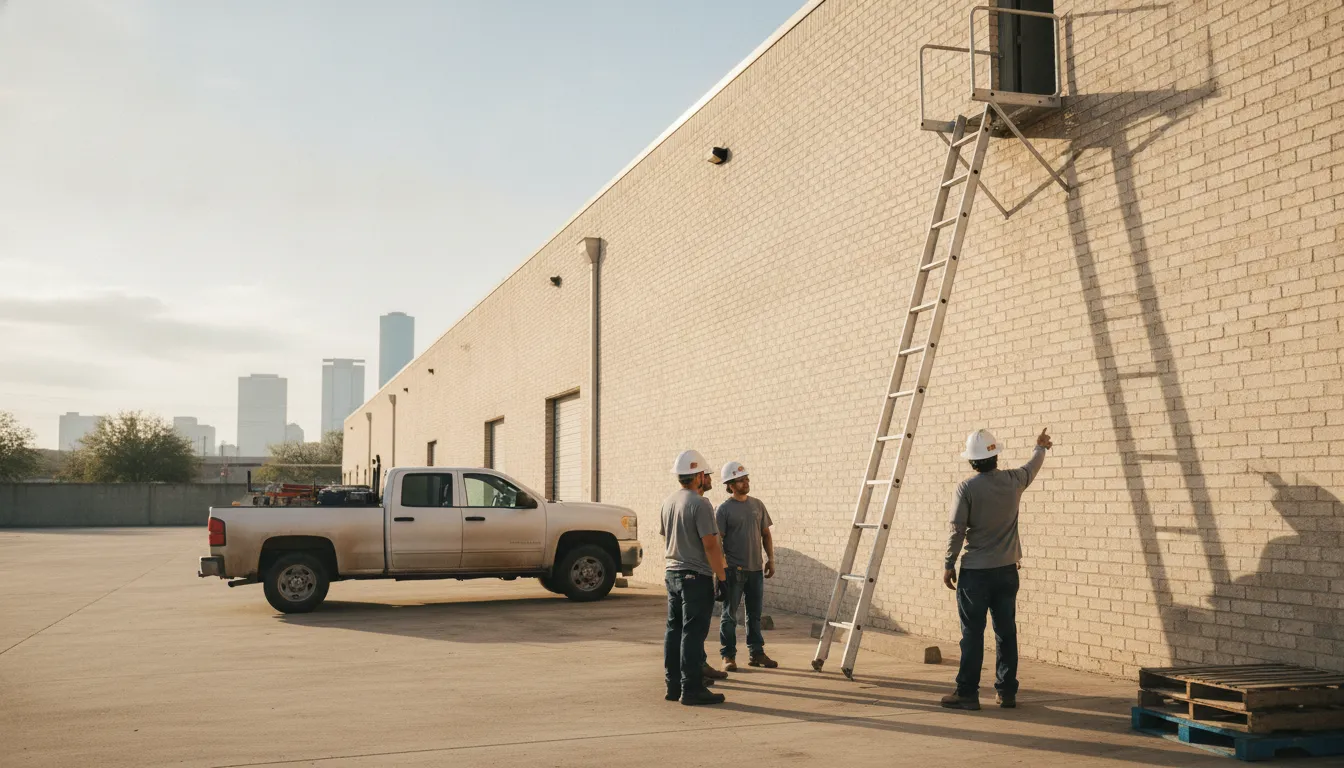
Walk the access once with the person who runs the building that day. Cover these points before you set a date:
- Where the crew parks so customers and deliveries still move.
- Which hatch, ladder, or stair is approved, and who unlocks it.
- Which rooftop units must stay on, and who at the tenant can shut one down if the scope requires it.
- Hours when noise or odors are a problem, including clinics and restaurants.
- A contact who will be on site, with authority to answer a scope question.
City of Houston Building Code Enforcement administers the city's code for private building construction, including plan review and inspections. A local repair often does not look like a new building permit, but a larger scope can. Ask the contractor, before you approve, whether the work they are proposing needs a city review. Do not assume a patch and a partial replacement follow the same path. Houston Permitting Center, Building Code Enforcement: houstonpermittingcenter.org/building-code-enforcement.
Put the same questions in writing for Sugar Land, League City, or Austin buildings. The city desk changes. The need for a named access window does not.
Who Should Approve the Repair Scope?
One person should be able to say yes. On a small retail building that may be the owner. On a multi-tenant property it is often a facility manager who still needs the owner's limit in writing. Name that person in the plan, and name the dollar or scope limit they can approve without another meeting.
Read the scope for five lines before you sign:
- The roof system on the building.
- Each defect, with a photo and a location.
- Whether any wet insulation will be removed.
- How the crew will reach the roof and what must stay running.
- What is excluded, so a local repair is not mistaken for a new roof.
If the walk-through shows wet insulation in many areas, or a deck that is soft, stop treating it as a repair plan. That is the moment to use the replacement guide and, if you want a second set of eyes first, a free commercial roof inspection. Elevation's inspection is a no-pressure look by a certified specialist, and each project is managed by a service consultant so the scope stays with one person.
Ask how the crew will tie off before anyone steps onto an open edge. A contractor who cannot describe that protection is not ready to be on the roof, no matter how tidy the proposal looks. Elevation's work is backed by a 100% satisfaction guarantee, and public-facing certifications are stated as Owens Corning and GAF Certified. Use those as questions to confirm on your building, not as a reason to skip the written scope.
What Should You Ask Before You Approve the Repair?
A clear plan still needs a clear proposal. Read the quote against the file you already built. If a line in the quote does not match a photo or a location in the file, ask about it before you sign.
These questions keep the repair limited to the defect you actually have:
- Which roof system did you find, and does it match what we have on file?
- Which defects are in this visit, and which ones are only noted for later?
- Will any wet insulation be cut out, or is the scope a surface repair only?
- What has to stay running, and who shuts a unit down if the scope needs it?
- What is excluded, in one sentence a tenant could understand?
- Who is the service consultant if the scope changes after the crew is on the roof?
Elevation assigns a service consultant to each project so those answers stay with one person. In-house crews do the work, which matters when a repair has to match TPO, modified bitumen, PVC, or metal. If the answers point to a failing field of membrane rather than one defect, pause. A coating-versus-replacement choice belongs in the commercial roof coating guide, not in a one-day patch approval.
Keep the signed scope, the before photos, and the access notes in the same folder. The next inspection, the next storm, and any insurance conversation will start there. Customers who want a second look at how Elevation handles a building can read recent notes on the reviews page before they book.
Request a commercial roof consultation and bring the repair file with you.
Frequently Asked Questions
What is commercial roof repair planning?
It is the owner-side work of documenting the roof, the defect, the decision-maker, and the access window before a repair is approved. It is not the patch itself and it is not a maintenance calendar.
What should I gather before a commercial roof repair visit?
Gather the roof system and age, plus dated photos with a location. Add notes on any interior leak. Name the person who can approve the scope. Add the hours when a crew can be on site without blocking the business.
Does a planned repair mean the insurance company will pay?
No. A planning file helps the conversation after storm damage, and Elevation works with insurance companies in Texas on those claims. Payment still depends on the policy and the carrier's decision.
When should I stop planning a repair and look at replacement?
Stop when moisture is widespread, the deck is soft, or the same areas keep failing. A local, dry defect can stay on the repair path. A roof at the end of its life belongs in a replacement plan.
How do Houston owners keep the business open during a repair?
Set parking, the approved roof access, the hours that protect customers, and one on-site contact before the crew is scheduled. Confirm whether the proposed scope needs a City of Houston review instead of assuming every repair is permit-free.