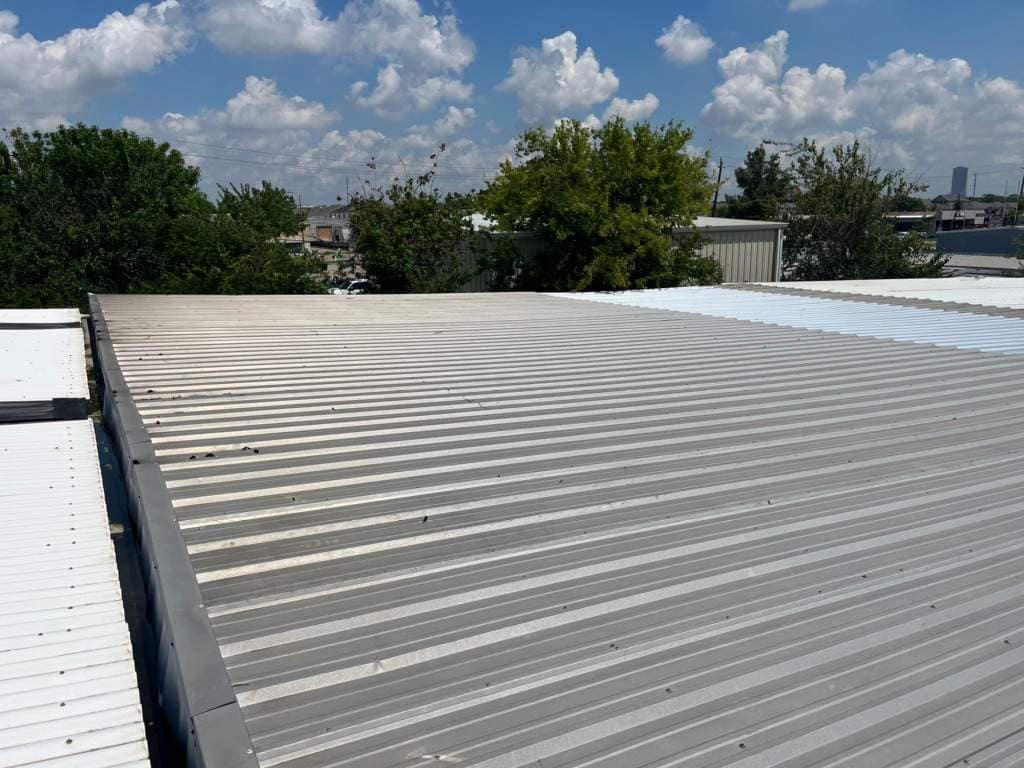
Most Texas roofs do not fail in a single dramatic moment. They fail in slow motion. Long before a brown stain spreads across your ceiling, the roof above your head in Houston, Austin, Katy, or any of the 100-plus communities we serve has already been quietly losing ground to the most punishing climate any residential roofing system faces in the country. Relentless UV, triple-digit heat, sudden hail, hurricane-driven wind, and the freeze-thaw whiplash of a Texas winter all chip away at your shingles, sealants, and flashing in ways you cannot see from the driveway.
Understanding how Texas weather silently destroys your roof is the difference between a $300 repair caught early and a $15,000 replacement forced by a surprise leak. Here is exactly what is happening up there, and how to stay ahead of it.
The Texas climate is a roof's worst enemy
Roofing materials are engineered to a temperature and exposure range, and Texas regularly pushes past every limit at once. A dark asphalt shingle on a Houston rooftop can reach 150 to 170 degrees on a July afternoon, then drop 40 to 60 degrees after an evening thunderstorm rolls off the Gulf. Multiply that thermal swing across thousands of cycles a year and you get fatigue, just like a paperclip that snaps after enough bending.
The five forces below do the real damage, and four of the five leave almost no visible evidence from the ground.
1. UV radiation and heat: the invisible slow burn
Texas gets some of the highest annual UV exposure in the United States. Ultraviolet light breaks down the asphalt binders and protective oils inside shingles, making them brittle and dry. At the same time, daily heat expansion and nightly contraction loosen the adhesive strips that hold each shingle course down.
The warning signs are subtle and easy to dismiss:
- Granule loss that fills your gutters with what looks like coarse black sand
- Curling or cupping at shingle edges, especially on south- and west-facing slopes
- Faded, chalky color where the protective surface has worn thin
- Cracked or dried-out sealant around vents, pipes, and chimneys
Granules are not cosmetic. They are the shingle's sunscreen. Once they wash away, the asphalt underneath bakes and cracks far faster. A roof that loses its granules early can shave five to ten years off its expected lifespan. This is precisely why proper attic ventilation and UV-rated materials matter so much in Texas, and why a thorough roof inspection looks closely at granule coverage.
2. Hail: damage you literally cannot see from the ground
Central Texas and the I-35 corridor through the Austin metro sit squarely in one of the most active hail zones in North America. The cruel part is that a roof can look perfectly fine from the street while every impact point has fractured the shingle mat beneath the surface.
Here is what a single hailstorm actually does:
- Bruises the shingle, creating soft spots where the mat is split but not yet open
- Knocks granules loose in concentrated spots, exposing the asphalt to UV
- Dents and dings metal flashing, vents, and gutters
- Cracks the seal between shingle layers, inviting wind uplift later
Those bruises often do not leak for months or even years. By then the storm is long forgotten and many insurance claim windows have already closed. If a hailstorm has passed over your home, a professional storm damage assessment within the claim period is the smartest move you can make. As a GAF Preferred Contractor, we work directly with your insurance company on hail and storm claims so you are not fighting that battle alone.
3. Wind, hurricanes, and tropical storms
If you live anywhere in Greater Houston or along the Gulf Coast, wind is a constant threat. Tropical storms and hurricanes drive sustained winds and gusts that find any shingle whose adhesive seal has already been weakened by heat. Once a single shingle lifts, it acts like a sail and peels its neighbors along with it.
Even on a normal stormy Texas afternoon, wind can lift shingle edges just enough to break the seal, then lay them back down so everything looks normal again. That unsealed shingle is now a doorway for wind-driven rain. Properly fastened, impact-resistant systems hold up far better, which is one reason we install GAF lifetime roofing systems and are RhinoRoof certified for premium synthetic underlayment that resists wind-driven moisture.
4. Heavy rain and humidity
Houston's humidity and intense downpours turn small weaknesses into big problems quickly. Rain does not damage a healthy roof. It exploits the damage the heat and hail already caused, sneaking under lifted shingles, through cracked flashing, and around worn pipe boots, then sitting against the wood decking and in the attic.
The result is a slow, hidden chain reaction: damp decking, rotting wood, ruined insulation, and mold that thrives in our warm, humid air. Because the entry point is often nowhere near where the ceiling stain finally appears, homeowners are frequently shocked at how widespread the damage is once a roofer opens it up. Routine roof maintenance keeps flashing, sealant, and pipe boots tight before the rain finds them.
5. The occasional hard freeze
Texas winters are mild until they are not. A sudden hard freeze causes any trapped moisture in cracked shingles or flashing to expand as it freezes, widening every small fissure. The freeze-thaw cycle is short here, but it is brutal on a roof already softened by a summer of UV. Gutters clogged with granule sediment make it worse by holding water where it can freeze against the roof edge, which is one more reason functioning gutters are part of a healthy roof system.
Why the damage stays hidden for so long
Modern roofing systems are layered and redundant by design. The downside is that those layers mask deterioration. Underlayment can hold back water even after shingles fail, and the attic absorbs the first signs of moisture out of sight. By the time damage is visible inside your home, it has usually been developing for one to three years.
That hidden lag is exactly why you cannot rely on "I'll deal with it when I see a leak." In Texas, by the time you see the leak, the weather has already won several rounds.
How to stay ahead of Texas weather
The good news: silent damage is also preventable damage, if you catch it early. Here is what we recommend for every Texas homeowner:
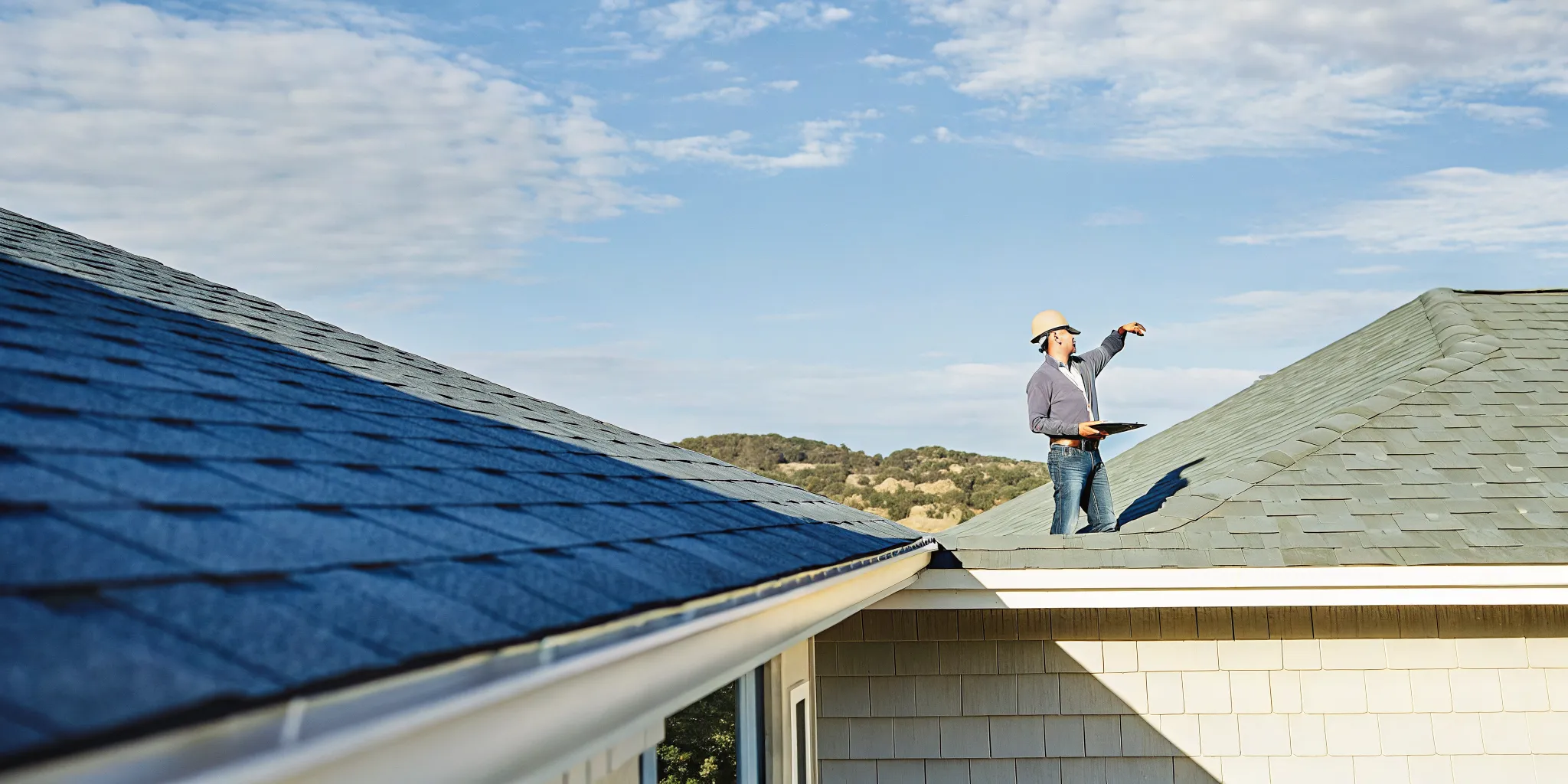
- Inspect twice a year and after every major storm. Spring and fall are ideal, plus any time hail or a named storm rolls through. We offer a free roof inspection, a $399 value, with no obligation.
- Keep gutters clear. Clogged gutters back water up under the roof edge and accelerate rot.
- Address small repairs immediately. A single cracked pipe boot or lifted shingle is cheap to fix now and expensive to ignore. Our roof repair team handles these fast.
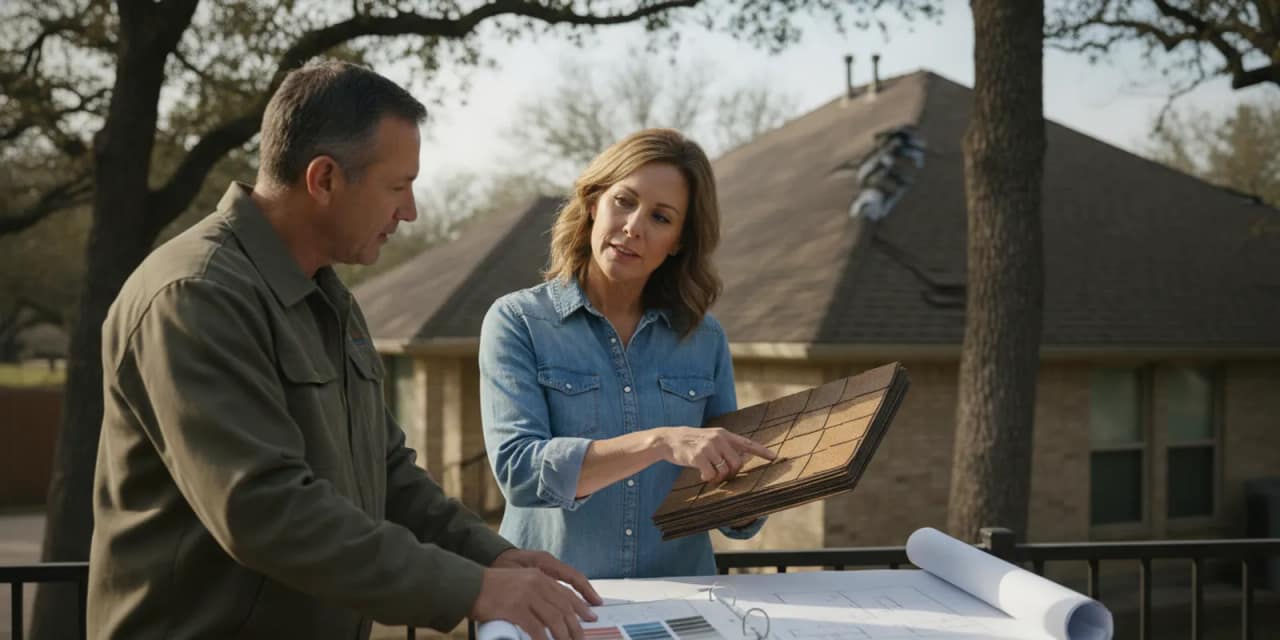
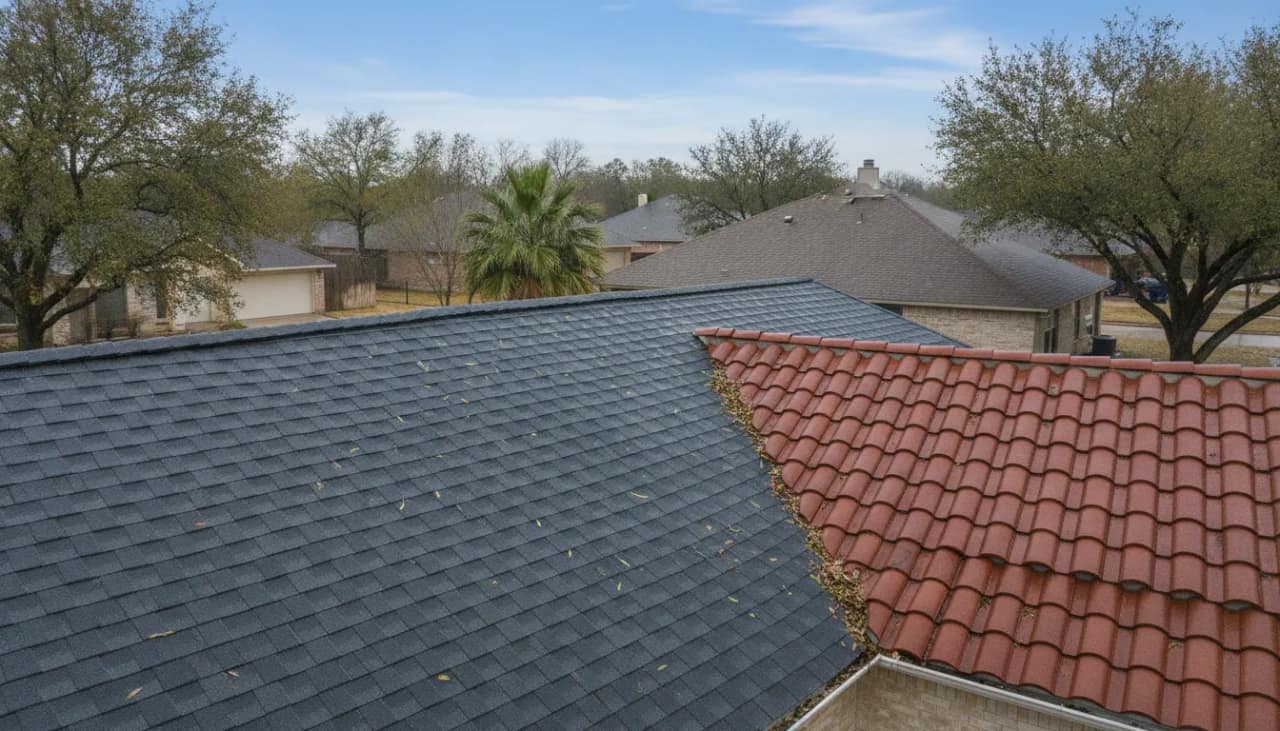
- Upgrade strategically. When it is time to re-roof, impact-resistant shingles, quality ventilation, and a lifetime-rated system pay for themselves in Texas, whether you choose asphalt shingle, metal, tile, or slate.
Built for Texas weather, backed by experience
For more than 9 years, Elevation Roofing & Restoration has helped homeowners across the Houston and Austin metros defend their roofs against everything the Texas sky can throw at them. We hold a 5-star Google rating and back every residential and commercial project with a 100% satisfaction guarantee.
If it has been more than a year since a professional looked at your roof, or if a storm has passed over your neighborhood recently, do not wait for the ceiling stain. Schedule your free, no-pressure inspection today and find out exactly what Texas weather has been doing up there while you weren't looking. Call (832) 271-1726 to get started.