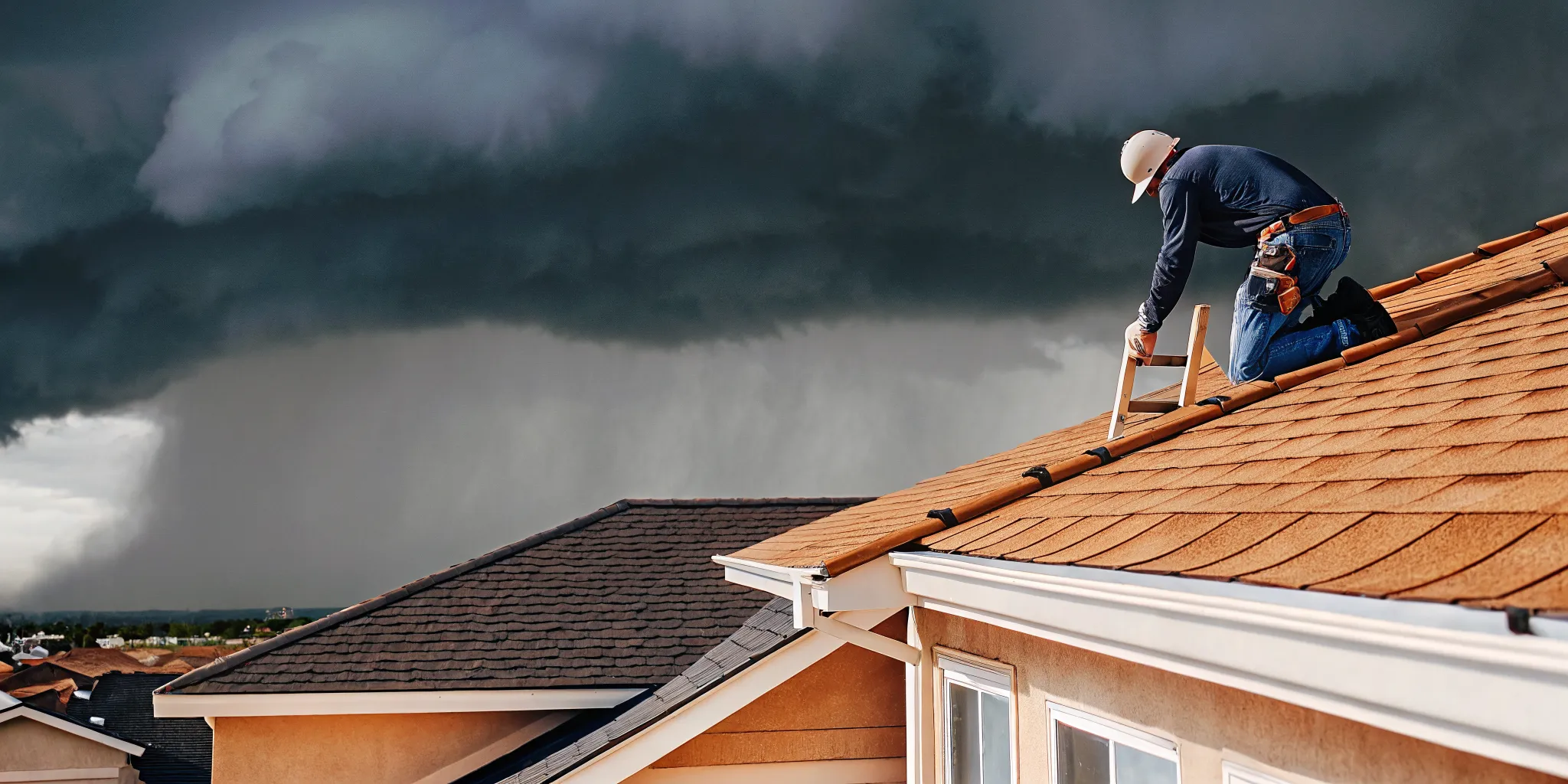
A small crack in your roof flashing can turn into a major flood during a hurricane. Homeowners often miss the simple steps that keep their house safe during storm season. Taking action now ensures your family stays dry when the next big storm hits the coast.
Call Elevation Roofing at (832) 271-1726 for a free roof inspection.
A hurricane roof preparation checklist should focus on making your home stronger before the storm season begins on June 1. As shown by the Centers for Disease Control and Prevention, the Atlantic storm season runs through November 30. Your checklist must include a professional inspection to find loose shingles, bad flashing, and weak seals that high winds can break. Homeowners should also clear all gutters to prevent water from backing up under the roof and trim any tree branches hanging over the house. Taking photos of the current state of your roof is another vital step that helps with insurance claims if storm damage occurs. Completing these tasks early ensures your roof can handle heavy rain and strong winds during a severe Texas storm.
Houston hurricane roof preparation checklist
The Atlantic hurricane season starts on June 1 and lasts until November 30. During this time, Houston homes face strong winds and heavy rain. A solid hurricane roof preparation checklist helps you find weak spots before a storm hits. Taking small steps now can save you from big repairs later. Your roof is the first line of defense for your house.
Expert roof checkup
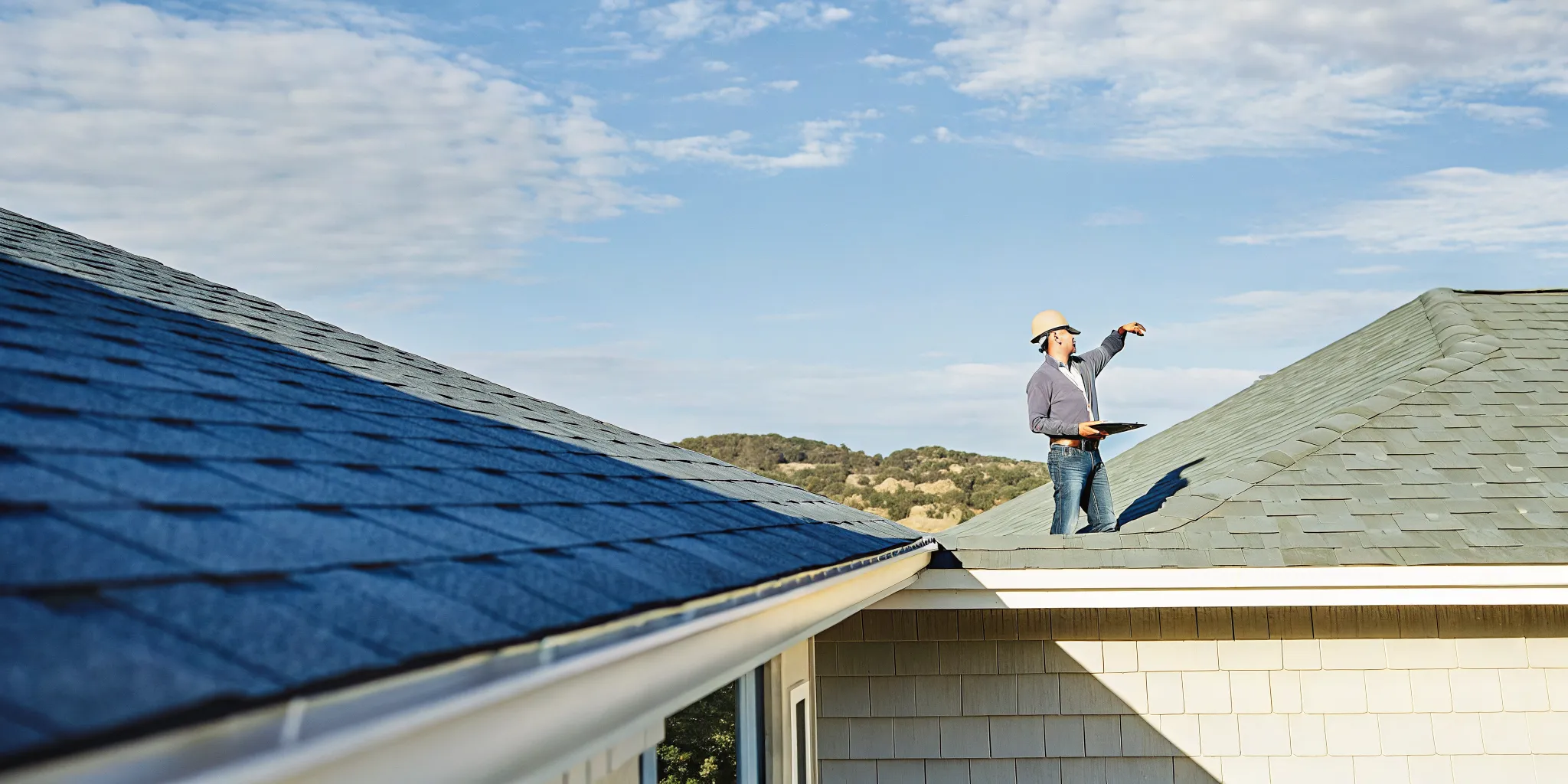
You can look at your roof from the ground to see clear problems. But an expert should do a full check to find hidden issues. A pro roofer will look for loose shingles and exposed nail heads. They also check the flashing and the ridge caps. These parts often fail first when high winds hit your home.
Experts say it is best to get a checkup every year. You should do this well before the season starts. This gives you time to fix any leaks or holes. A safe roof keeps your family dry and helps your home stay strong. You can read more about storm-season roof readiness guide steps on our blog.
Key checklist steps
Follow these steps to get your house ready for a storm. Each point helps lower the risk of water damage and wind lift. Being ready is the best way to protect your home.
- Inspect all shingles and flashing. Check for any bits that are loose, curling, or missing. Flashing around chimneys and vents is a common spot for leaks.
- Clear your gutters and downspouts. Heavy rain must flow away from your house. Debris can cause water to back up under your shingles.
- Trim tree limbs near your roof. High winds can snap branches. Falling wood can puncture your roof deck or smash your shingles.
- Secure the ridge caps and screws. These pieces help hold your roof together. If they are weak, the wind can lift them off easily.
- Record the state of your roof. Take photos of your roof from many angles. This proof is needed for insurance if you have a claim later.
- Review your insurance plan. Make sure you have the right coverage for wind and rain. Know what your plan pays for before the storm hits.
Water and wind damage
Heavy rains during a storm can lead to major leaks. You can use special tape to cover seams in the roof deck. This is a low-cost way to keep water out if shingles blow off. The CDC warns that preparation is key to staying safe during hurricane season. Proper care keeps your home dry and safe for your family.
Storms can move fast, so do not wait until a watch is called. A hurricane watch means a storm is possible within 48 hours. By then, it may be too late to get on a ladder or call a pro. Start your list today to stay ahead of the weather. Call Elevation Roofing at (832) 271-1726 if you need help getting ready.
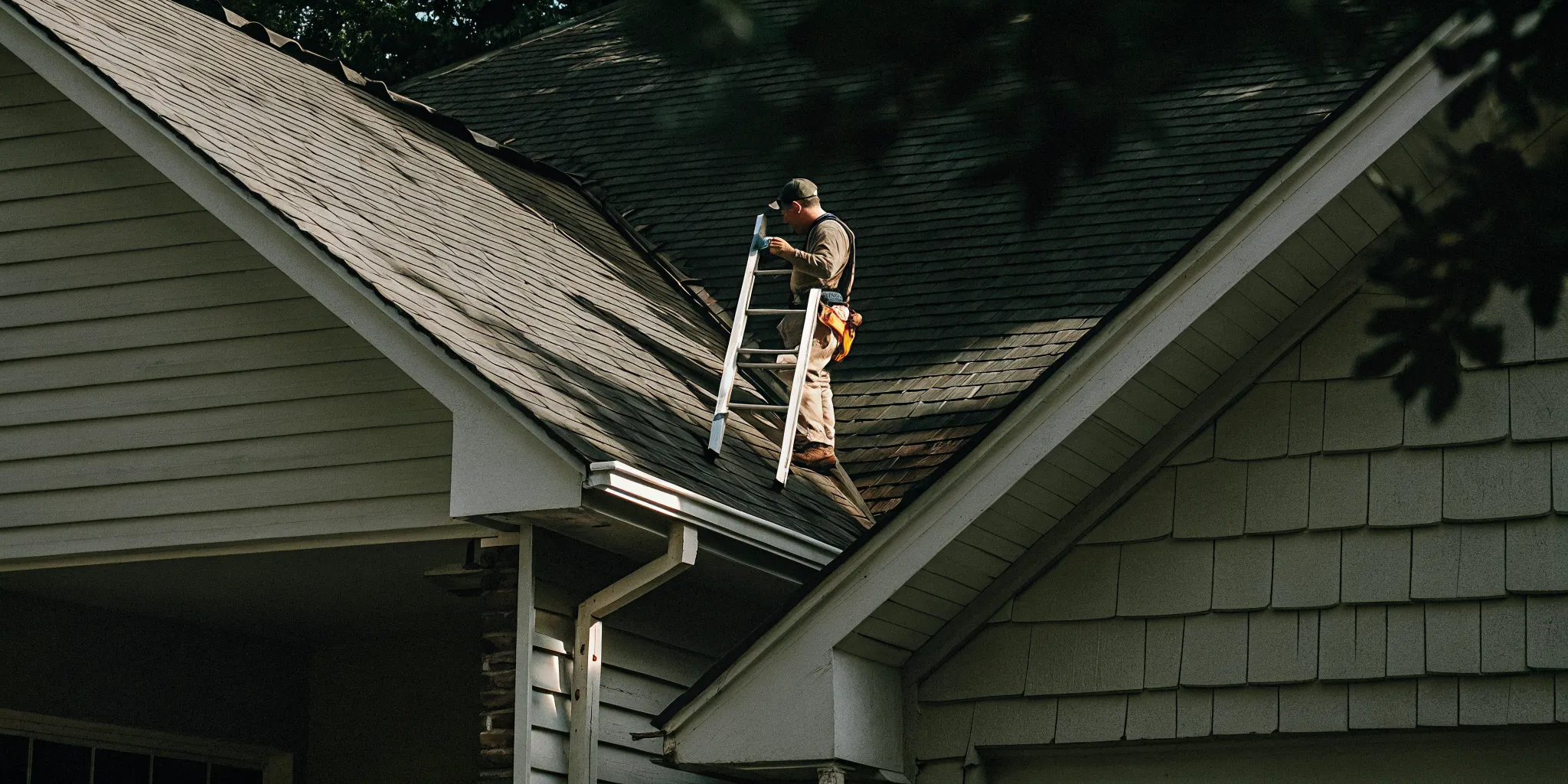
Clear drainage and reduce windborne hazards
Storm prep covers more than just checking your shingles. High winds and heavy rain can turn small issues into big problems for your home. You should start your work well before hurricane season begins on June 1. Simple steps now can keep water out of your house and stop damage from flying objects.
Gutter and downspout care
Rain water needs a clear path away from your roof during a storm. If your gutters are full of leaves or dirt, the water will pool and spill. This extra water can back up under your shingles and rot the wood deck. It can also pour over the sides and harm your home's base.
You should clear all trash from your gutters and pipes at least twice a year. Check that the pipes send water far away from your house. You can follow these storm-ready roofing tips. They will help keep your drainage system in top shape before the rain starts.
Tree branch trimming
Trees give shade, but they can also be a risk during high winds. Heavy limbs that hang over your roof can break off and crash through your shingles. This may break the roof deck and allow rain to flood your attic. Even small twigs can scrape your roof and strip away the granules.
Over time, this wear makes your roof much weaker. Look for dead or weak limbs that might fall. It is best to trim these back so they are at least six feet away from your house. Big jobs are best for pros, but you can spot many risks with a simple ground look.
Catching these issues early is a key part of any practical hurricane preparation tips. Regular care stops a falling limb from becoming a major home repair. High winds can pick up loose items from your yard and hurl them at your home. Lawn chairs, toys, and trash cans can become unsafe tools that smash glass or dent your roof.
Loose item safety
You should move these items into a shed or garage when a storm watch is out. Small, heavy items that you cannot move should be tied down tight. This stops them from acting like missiles in a gale. Walk around your yard and look for anything that is not bolted down.
Check your fence for loose boards that might blow away. Look at your home for loose trim or siding that needs a quick fix. Taking the time to tidy your yard can save you from big repairs after the wind dies down. A clear yard protects your roof and your neighbors too.
How can you tell whether your roof is hurricane-ready?
Finding out if your home can stand up to a big storm is a top task for Texas owners. You do not need to be a pro to find some red flags. By using a simple hurricane roof preparation checklist, you can spot risks before the wind picks up. It is best to look at your roof well before June 1. This date is the start of the yearly storm season for our area.
Signs you can see from the ground
You can do a quick check from your yard without a ladder. Use tools like binoculars to look for shingles that are loose, lifted, or curling at the edges. These are often the first parts to fail when high winds hit. Look close at the edges of the roof and the peaks, known as ridge caps. If these areas look uneven, they may not stay down in a gale.
Also, check the metal strips around your chimney and vents. These strips are called flashing. In a storm, flashing is often the most common failure point on a roof. If it looks bent or has gaps, water will find its way inside. Look for any debris or moss on the roof too. These can hold moisture and rot the wood below.
Hidden clues in your attic
The attic is a great place to find problems that you cannot see from the yard. Take a flashlight up there during a rainy day. Look for dark spots on the wood or wet areas. Even a small leak now can lead to a big hole during a hurricane. Check for any mold or musty smells as well.
Look for areas where light peeps through the roof deck. If light can get in, so can rain and wind. Check the seams of the roof deck as well. One way to help your home stay dry is to tape the seams of the roof deck to keep water out if shingles blow off. Good care of your roof helps it act as your first line of defense.
The safety first rule
It may be tempting to climb up and fix a loose shingle yourself. But you should stay on the ground for your own safety. Roofs can be slick, and a fall is a major risk. A pro check is the only way to find deep issues. Expert roofers have the right tools to stay safe while they work.
Experts can check for weak clips and ridge cap seals that you might miss. They also help you get the right storm-ready roofing tips for your specific home. If you need a pro to check your roof, call Elevation Roofing at (832) 271-1726. We can help you get ready for the next storm.
What should you do before and after a hurricane?
The Atlantic hurricane season runs from June 1 to November 30 every year. Getting your home ready early is the best way to prevent big losses during a storm. A strong roof is your first line of defense against high winds and heavy rain. You should start your hurricane roof preparation checklist well before the first storm clouds form.
Prepare your home weeks before a storm
Get a pro roof check every year before June 1. Experts look for loose shingles, weak nails, and damaged flashing that you might miss from the ground. These small issues can lead to big leaks when tropical rains hit. You can learn more about hurricane safety from the CDC to keep your family safe.
Clear your gutters and downspouts of all leaves and dirt. This lets water flow away from your house instead of backing up under your shingles. Also, trim any tree limbs that hang over your roof. Falling branches can puncture your roof deck or smash your shingles during high winds. These simple steps help your roof stay strong and dry.
Check the edges of your roof for any signs of wear. Flashing and ridge caps are common failure points when winds pick up. If these parts are loose, they can peel back and let rain pour into your home. A quick fix now can save you from a full roof replacement later. Proper proactive roof protection makes a huge difference.
Act when a watch or warning is issued
A hurricane watch means storm weather is possible within 48 hours. When this alert happens, take photos of your roof and home from all sides. This proof of your roof's condition is vital for insurance claims if damage occurs later. Secure any loose items in your yard that could fly into your roof or windows.
A hurricane warning is more urgent and is issued 36 hours before winds are expected. At this stage, focus on your final safety tasks and follow local orders to leave. Do not try to get on your roof to make last-minute repairs during high winds. Stay inside and away from windows until the storm fully passes.
Steps to take after the storm
Once it is safe to go outside, do a visual check of your roof from the ground. Look for missing shingles, torn flashing, or large piles of debris. Check your ceilings and attic for new water stains or damp spots. If you see signs of damage, call a local pro to give you a full check right away.
Keep a record of any damage you find after the storm. Note the date and time you saw the issues and take new photos to match your first set. This clear paper trail helps your insurance company process your claim faster. Do not try to fix major leaks yourself, as the roof may be weak after the wind and rain.
| Timeline. | Key Action. | Primary Goal. |
|---|---|---|
| Weeks Before. | Get a pro check. | Fix weak spots early. |
| 48 Hours Before. | Take photos of roof. | Proof for insurance. |
| 36 Hours Before. | Clear yard debris. | Stop flying objects. |
| After Storm. | Ground visual check. | Find new storm damage. |
Document your roof and prepare for a possible claim
Good records help you get the most from your insurance firm. Before a storm hits, take clear photos of your roof from the ground. Be sure to show every side of the house. This shows how your roof looked when it was in top shape. If a major storm hits, you can prove which marks are new. This step is a key part of your hurricane roof preparation checklist.
- Take photos of every roof slope and edge.
- Show close-up views of the gutters and vents.
- Save images of the flashing around your chimney.
- Keep a digital copy of your most recent roof report.
The hurricane season for the Atlantic begins on June 1 and runs through November. You should have all your photos and videos saved well before this date. Keep these digital copies in a safe place like a cloud drive. This way, you can see them even if your phone or computer breaks. Clear images of your shingles, vents, and flashing will make any claim move much faster.
Insurance policy and cost review
You must check your policy before the clouds roll in and winds rise. Many owners do not know the size of their deductible until they suffer a loss. Look for a specific wind or hail cost in your paperwork. These costs are often much higher than a standard home claim. Knowing these numbers now will prevent a big surprise later.
Ask your agent what your plan covers for a new roof. Some policies only pay for the value of the items based on their age. Other plans pay the full cost to install a brand-new roof today. Knowing this fact helps you plan your budget for repairs. If you have questions, an expert look from a roofer can find damage that an agent might miss.
Expert contact details
Save the phone number of a trusted local roofer in your cell phone today. You should not have to hunt for a pro while rain drips through your ceiling. Elevation Roofing helps Texas homeowners handle storm damage insurance claims once the weather clears. Our staff knows how to spot small cracks and leaks that are easy to miss.
Call our team at (832) 271-1726 to book a pre-storm roof check. Having a pro look at your home before a hurricane provides a solid record of its health. This report is a powerful tool if you must file a claim with your firm. We strive to make the repair process easy so you can get back to normal life.
Do not wait until after a storm to find help. Most top roofers get busy fast after a big storm hits an area. By forming a link with a pro now, you get faster help when you need it most. Our team treats your home like our own. We work to make sure your roof stays strong against the next big Texas storm.
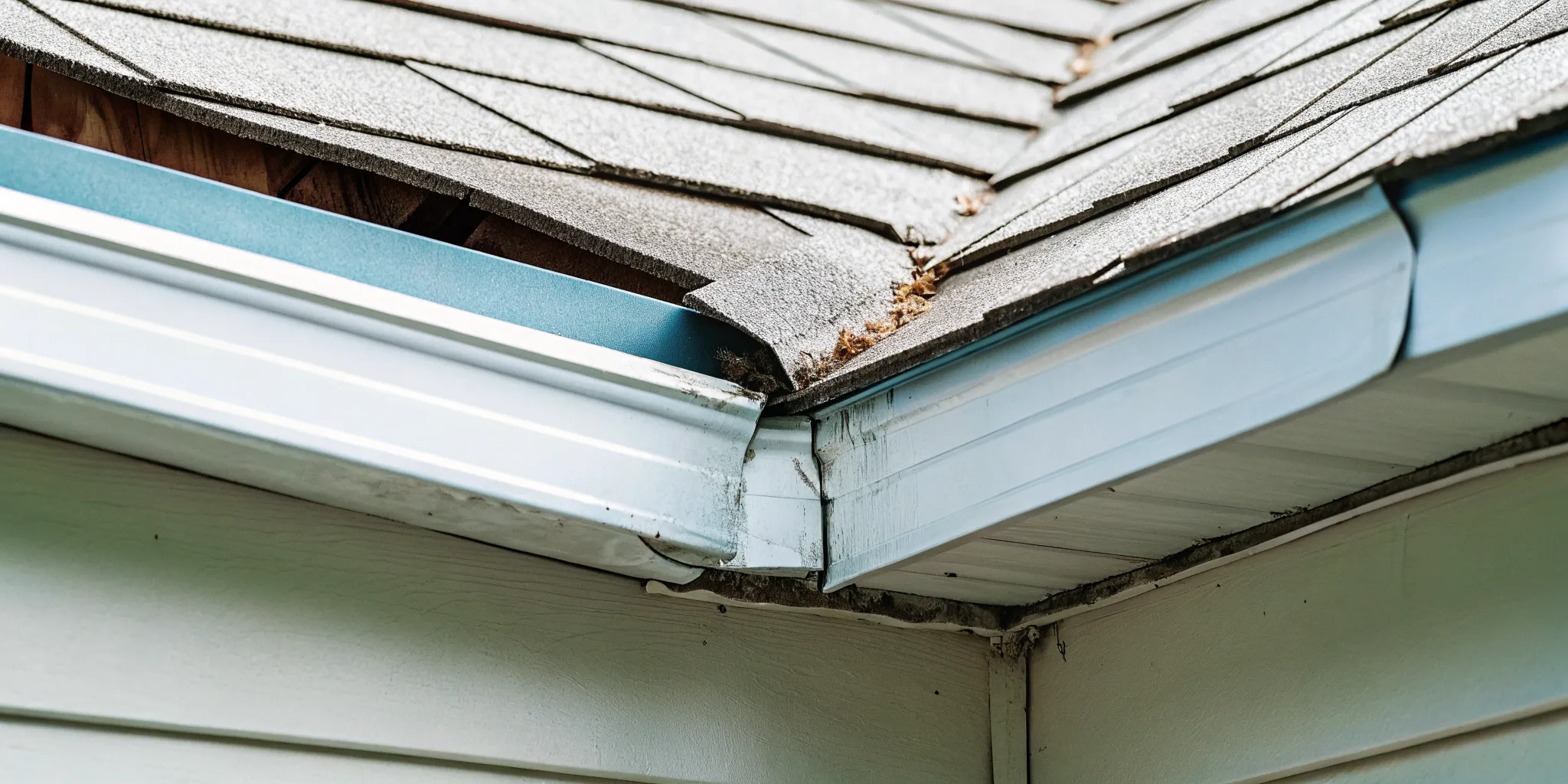
Schedule a professional roof inspection before the next Gulf storm.
When should you call a roofing professional?
The best time to check your roof is well before a storm hits. In the Atlantic and Caribbean, hurricane season starts on June 1 and lasts through November 30. During this time, Houston homes face heavy rain and high winds.
A small issue like a loose shingle can lead to big problems when the weather turns bad. You should get a pro to look at your home at least once a year. This helps you find weak spots that could fail during a tropical storm.
Check for hidden damage and leaks
A roof that looks fine from the ground may still have deep issues. If your roof is more than 15 years old, it needs a full check. You should also call a pro if you saw any leaks during past rain.
Water can hide in your attic or walls for a long time before you notice it. Professionals use special tools to find wet spots that the human eye cannot see. Finding these leaks early can save you a lot of money on repairs later.
Find common failure points
Certain parts of your roof are more likely to break in a storm. Experts often find that metal flashing is the first part to fail during high winds. Other common issues include weak fasteners and ridge caps that are not tight.
If you see curling shingles or exposed nail heads, your roof is not ready for a storm. Our team can check these risks when you book our roofing services. We make sure every part of your home is secure and ready for the wind.
A pro check is much more full than a quick look from the yard. Experts will climb onto the roof to test the strength of the underlayment. They also check for moss and debris that can trap moisture.
This level of care is key for homeowners in coastal areas like Texas. You want to know for sure that your home can handle 74 mph winds or higher. The CDC warns that these winds can happen once a hurricane watch starts.
Avoid the risks of DIY repairs
It is tempting to try and fix a roof on your own to save cash. But most DIY fixes are just short-term and can fail when a storm hits. Using the wrong glue or nails can actually cause more damage to your shingles.
High winds can rip off patches that are not set right. This can leave your home open to water damage in the middle of a hurricane. It is much safer to trust a pro who has the right training and tools.
A pro will follow a full hurricane roof preparation checklist to get you ready. They know how to seal seams and trim tree limbs that could fall on your house. These steps are hard for most people to do on their own.
By calling a pro, you make sure your work meets local codes and stays strong. You can rest easy knowing that your roof is the best defense for your family during a storm.
Frequently Asked Questions
When is the best time to schedule a hurricane roof inspection?
You should book a pro roof check every year well before June 1. Per the CDC, hurricane season in the Atlantic starts on this date and ends on November 30. Setting up your check early gives you time to fix any issues before the first storm hits. This helps ensure your home stays safe during the high winds and heavy rain that Texas often sees.
What is included in a hurricane-ready roof inspection?
A pro will look for loose shingles and exposed nail heads. They also check the flashing and the ridge cap seals. The expert will look at the state of the underlayment as well. Finding these small problems now can stop major leaks when a storm arrives. This thorough check ensures your roof acts as a solid shield for your home. You can call Elevation Roofing at (832) 271-1726 to set up this vital service.
Should I trim trees near my roof before a hurricane?
Yes, you should trim any tree limbs that hang over your house. High winds can snap these branches and cause them to crash into your roof. This can lead to holes or deep damage during a storm. Clearing these limbs is a key step to protect your home from debris. It is best to do this work well before a hurricane watch is issued for your area.
Can I perform a hurricane roof inspection myself?
You can do a simple check from the ground. Look for signs of damage like curled shingles or missing parts. But you should hire a licensed roofer for a full check. A pro can find deep issues that you might miss. They have the right tools and training to work safely on a high roof. For a safe and expert review, call us at (832) 271-1726 today.
Is your Texas roof ready for the high winds of hurricane season?
If you do not act today, a small leak can turn into a huge hole that costs you a lot of money to fix later. You may face very high repair costs and long wait times for help if you wait for a big storm to strike. Acting now will help you get ahead of the heavy rains and find issues before other home owners rush to book a crew. Our expert team will find every weak spot so your house stays dry and your family stays safe during the worst weather.
Ready to schedule a free roof inspection? Call (832) 271-1726 to request a quote and protect your home.