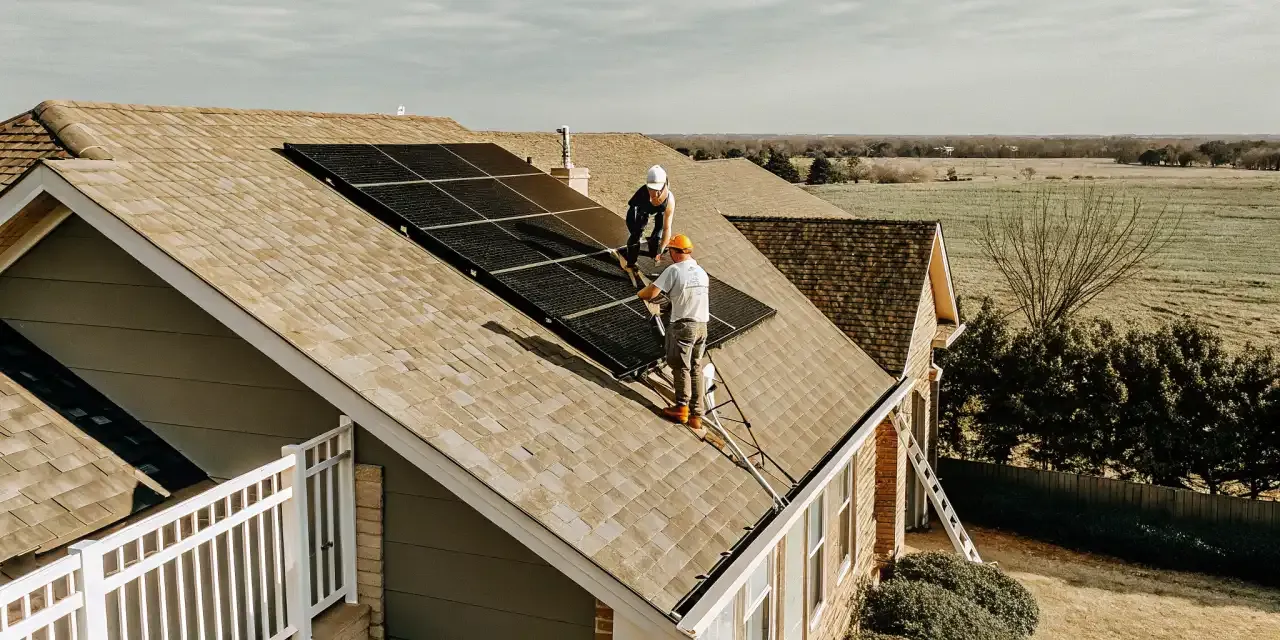
To replace roof with solar panels, you must hire a solar tech to remove the gear before the new shingles go on your Texas home. While this adds a step to your project, it is the only way to check the wood underneath and make sure the seal stays tight. Many owners find that replacing a roof and adding solar at the same time saves about $4,000 on average by cutting costs. Your team must work with solar pros to keep the parts safe and make sure the final job keeps your power high and your warranty good. This careful work makes sure that your home stays dry while you get the most out of your green energy system for many years.
Schedule a free roof inspection before coordinating your roof and solar project.
Texas homeowners often worry that solar panels will make a needed roof repair harder or more costly. Working with both teams is the best way to protect your home while keeping it dry.
Replace Roof With Solar Panels: Can you replace a roof with solar panels installed?
Yes, you can replace a roof even if you already have solar panels. But the panels cannot stay in place during the work. Your team must remove the panels so they can reach the roof surface. To replace roof with solar panels the right way, you must follow a clear plan. This means taking the panels down, fixing the roof, and then putting the panels back up. It is a common task, but it needs the right pros for each step.
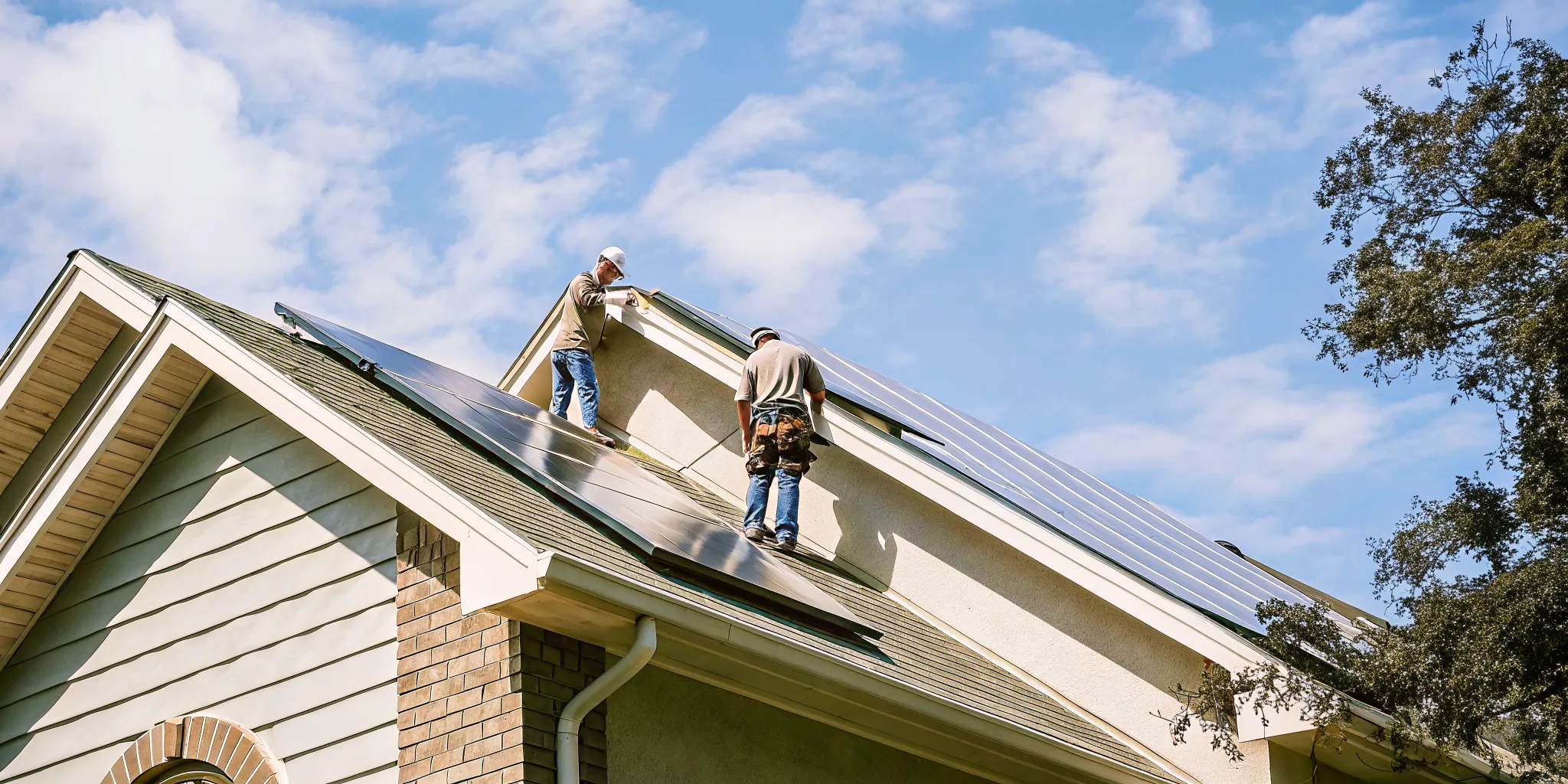
The detach and reset process
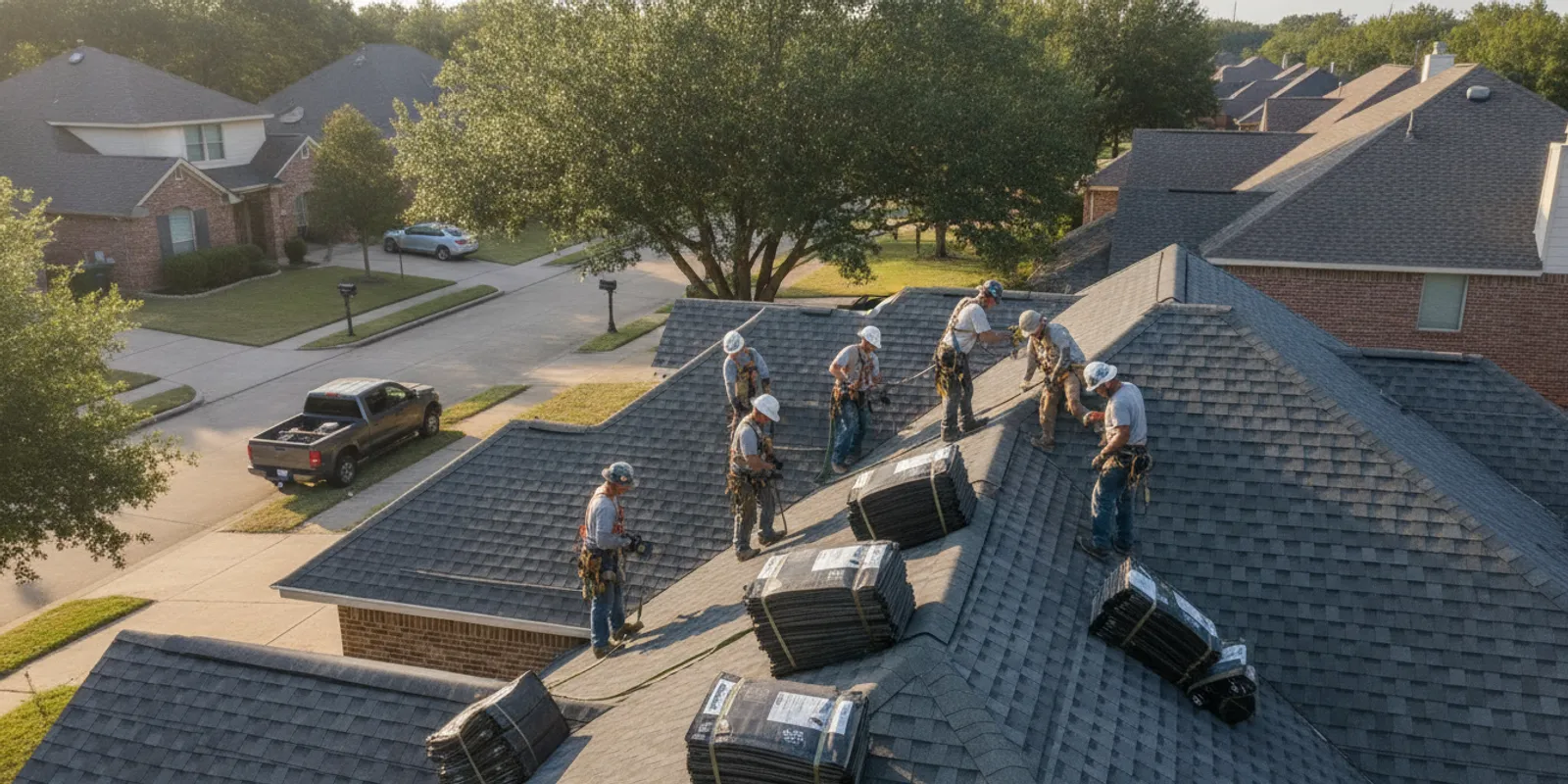
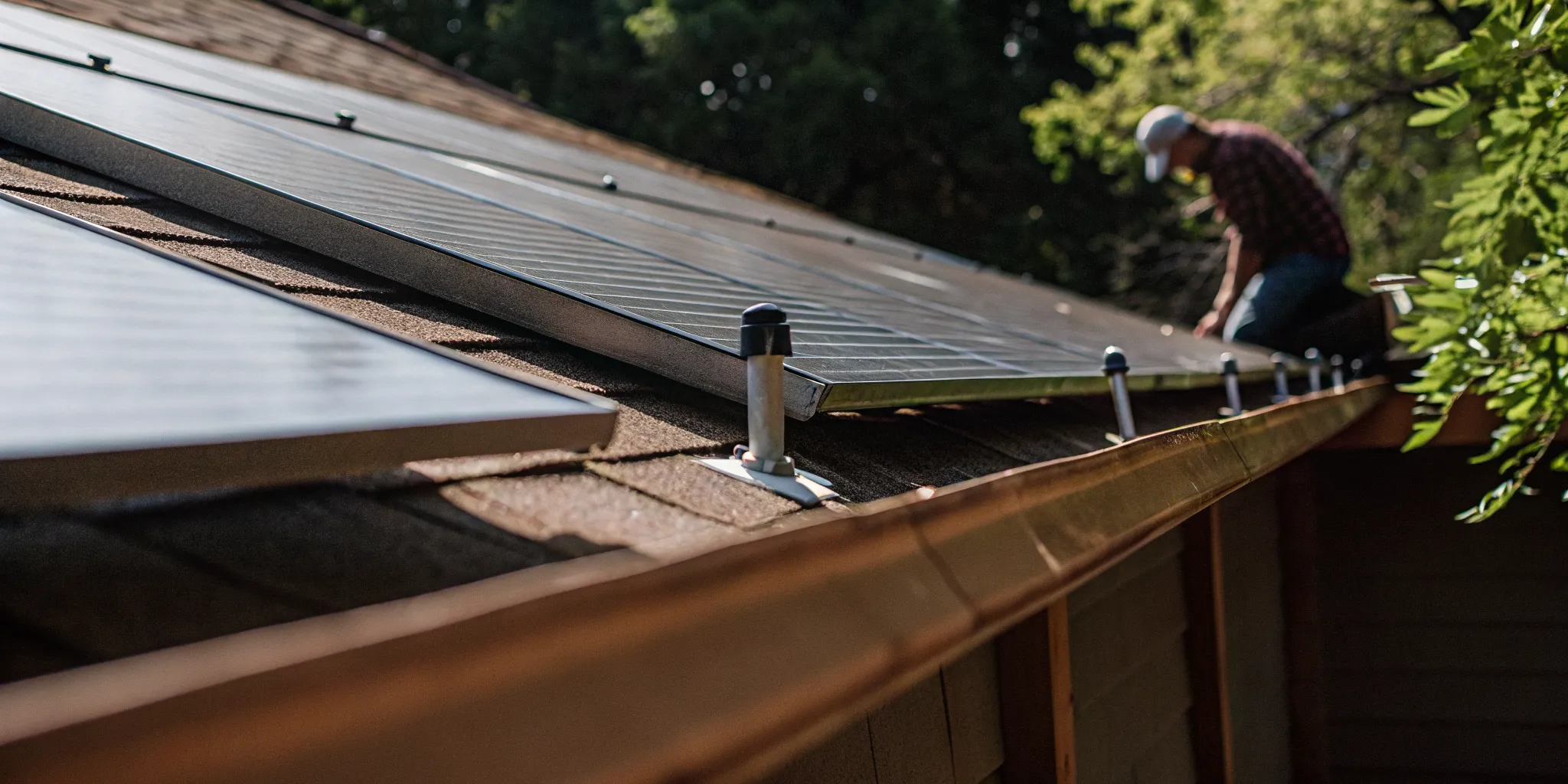
When you have a roof job, the first step is called a detach. A solar team will visit your home to take the panels off. They also remove the racks and the wires that hold the panels to the roof. This lets the roofing crew reach the whole area. If the panels stay on, the roofers cannot find leaks or fix rot in the wood under the shingles. They need a clear space to work so your new roof lasts a long time. Once the panels are off, the solar team stores them in a safe spot. This keeps them away from dust and dirt while the roofers work.
After the new roof is on, the solar team comes back to reset the panels. They put the racks back in place and attach the panels. They also hook up the wires and test the system. This makes sure your home can start making green power again right away. The Department of Energy says that doing these jobs well helps you avoid extra costs later. It is often a good idea to think about installing a new energy-efficient roof first. You should do this before you put panels on for the first time.
Why expert help is needed
You should never try to move solar panels yourself. The work is hard and can be unsafe. Solar gear is heavy and the wires carry a lot of power. Also, working on a roof can be risky due to steep slopes and slippery spots. A pro team knows how to stay safe while they move the heavy panels. They use special tools to keep your roof and your solar gear from getting hurt. If you try to do it alone, you could break a panel or even fall.
Using a pro also helps keep your solar warranty safe. Most solar brands have rules about who can touch the system. If a roofer who does not know solar moves the panels, the warranty might end. It is best to use a team that has worked with solar before. Elevation Roofing can help you find the right people for this task. They make sure the replace your existing roof process goes as planned. This gives you peace of mind that both your roof and your solar system are in good hands.
Costs and time factors
Adding solar work to a roof project will change the cost and the time. It usually takes a few extra days to finish everything. The solar team needs one day to take things down and one day to put them back. The roofing work happens in between. You should plan for this extra time so you are not surprised. Having your solar power off for a few days is normal during this work.
The cost of taking panels off and putting them back can vary. It often depends on how many panels you have and how high your roof is. While it adds to the bill now, it can save you money over time. A solid roof under your panels means you will not have to take them off again for a very long time. It also keeps your home value high. If you have storm damage, a team like Elevation Roofing can help with the forms for your claim. They know how to handle the details so the work is as easy as it can be for you.
How the roof replacement process works with solar panels
The project follows four coordinated stages: inspect the roof, have a qualified solar team detach and store the panels. Replace and flash the roof, then reset and test the solar system.
Planning to plan a roof replacement with solar panels requires a clear set of steps. This path keeps your home safe and ensures your power system works well. A smooth project depends on the right timing and expert care from a local team. Most people find that doing both jobs at once is the best way to avoid extra costs later.
Initial checks and planning
The first step is a full check of your current roof. A pro must see if your home can support the weight of the panels. This is also the best time to look at your power goals. You can save money when you replace your roof and add solar at once. Doing both can save you about $4,000 on average compared to doing them months apart. This planning phase ensures that your new shingles and your solar system will last for many years without any trouble.
During the check, your team will look at the age and health of your roof deck. If the wood is weak, it must be fixed before any solar gear is added. This step is vital because solar panels last about 25 to 30 years. You want a roof that can last just as long so you do not have to move the panels again soon. Choosing strong parts like metal or high-grade shingles is a smart move for long-term power savings.
The step-by-step setup sequence
Changing your roof while fixing solar panels is a skilled job. Experts must handle the wiring and the roof parts with care. This work usually follows a set path to keep your home dry and powered up. Each step is done in order to make sure the roof stays sealed and the power stays on.
- The crew shuts down your solar system and removes the panels. This step protects your solar gear and lets roofers reach the old shingles.
- Next, workers tear off the old roof parts. They check the wood deck under it to find any rot or weak spots.
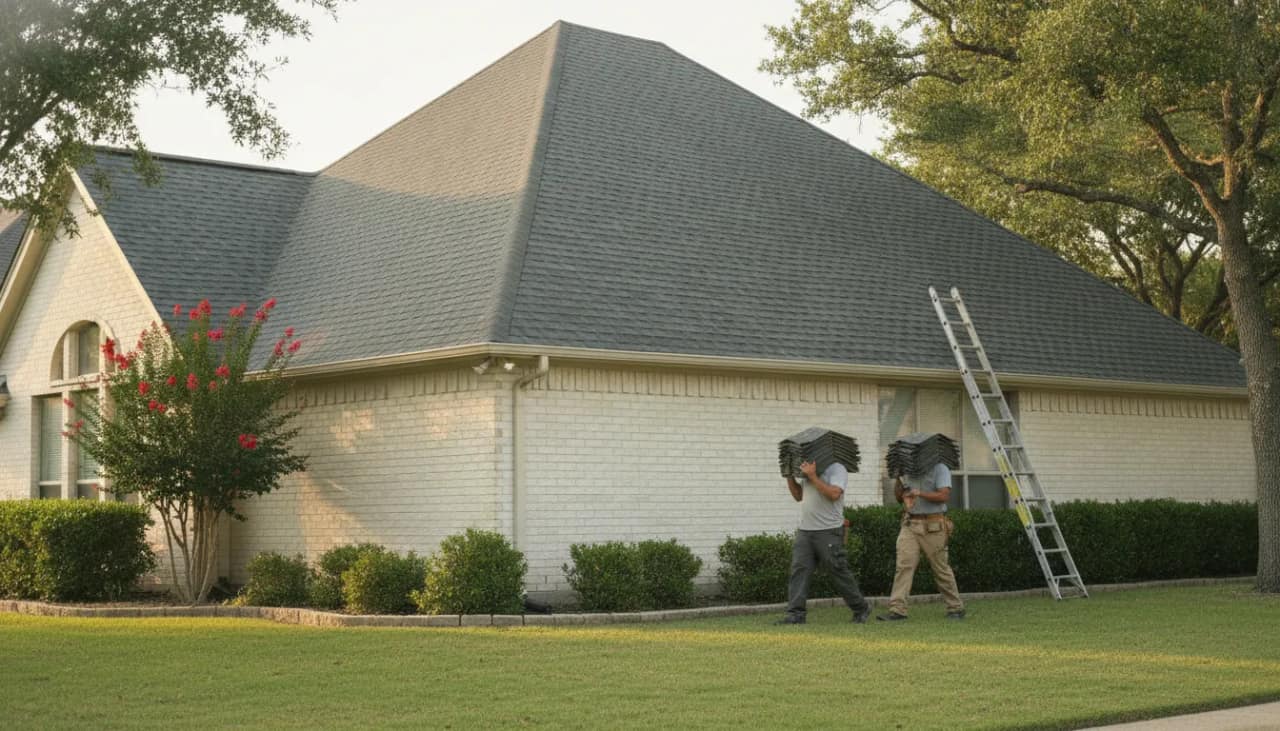
- New shingles or tiles go on the roof. Using strong parts helps your new roof last for up to 50 years.
- Special flashing is put in place for the solar mounts. These seals stop leaks where the panels attach to the roof.
- The solar panels are set back onto their mounts and wired. The team makes sure each panel is secure and clean.
- Final checks confirm the roof is sound and the panels make power. A city official may also visit to sign off on the work.
| Project stage | Lead professional | Key result |
|---|---|---|
| Roof inspection | Roofing contractor | Confirms deck condition and replacement scope |
| Panel detach and storage | Qualified solar technician | Protects panels, wiring, and warranties |
| Roof replacement and flashing | Roofing contractor | Creates a weather-tight roof surface |
| Panel reset and testing | Qualified solar technician | Restores safe solar production |
Ensuring safety and top results
Safety is a major part of this work. Roofs can be steep and slick, which creates unique hazards for crews during the project. Pros use gear like ropes and harnesses to stay safe while they work. This care ensures the job gets done right without any harm to your home. Workers also check the weather to make sure no rain hits your open roof during the switch.
Once the work is done, you should see a jump in your home value. Studies show that adding solar can add about $15,000 to the price of a house. A new roof also makes your home look great and protects your asset from storms. Keeping a record of the work and the checks will help you if you ever decide to sell your home in the future.
What affects the cost and timeline?
Panel count, roof height and complexity, damaged decking, mounting hardware, electrical work, weather, and crew scheduling have the greatest effect on cost and timing.
Planning to replace roof with solar panels involves more than just buying new shingles. Many things change how much you will pay and how long the job takes. The size of your home and the shape of your roof are the biggest parts of the price. A simple flat roof is much easier to work on than one with many peaks and folds. Pros look at roof access before they give a quote.
Factors that change the price
The number of panels on your roof changes the work load. More panels mean more time to remove, store, and put them back. If your roof is steep or tall, workers need extra safety gear. This can add to the bill. Roofers call this "access" and it matters a lot for your budget. A home with two or three floors needs more setup time than a house with one floor.
Roof shape also plays a large role in the total cost. A roof with many gables or dormers takes more time to cover. It is also harder to fit solar panels around these spots. Workers must act with care to avoid shade from tall peaks. If the layout is complex, the labor costs will go up. The team must spend more time on safety checks.
Hardware and repair costs
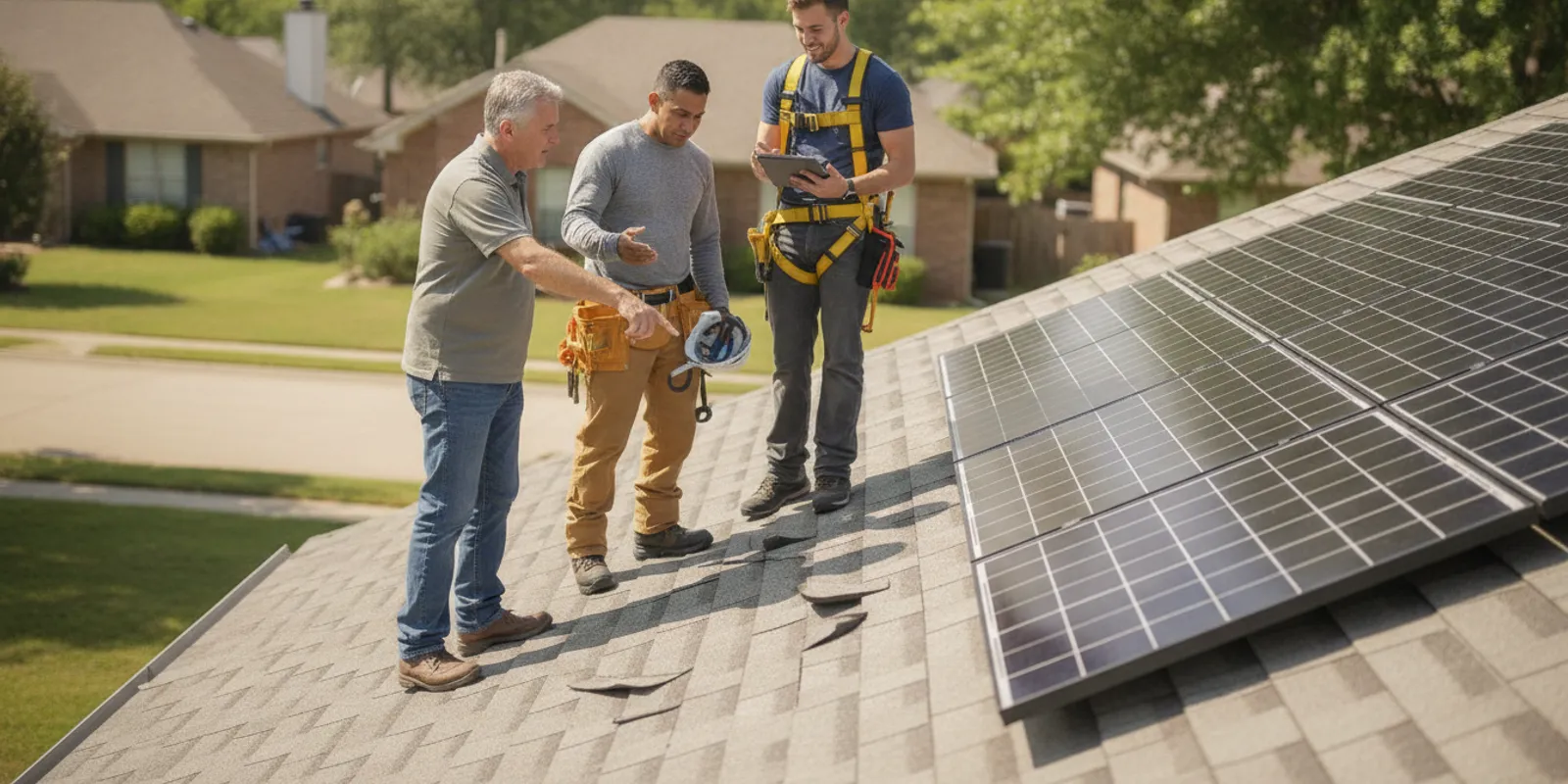
You also need to think about mounting parts and electrical work. These parts must be in good shape to keep your system safe and strong. Old, rusted racks should be replaced. New wires may also be needed to meet local codes. Your local roofer will check for wood rot or leaks before they start. If they find damage, you must fix it first. This ensures you inspect the roof before replacement with a solid base.
Fixing the roof deck is a common cost that people often miss. Adding heavy solar panels to a weak roof is a bad idea. Experts at the Department of Energy say a new roof can last 20 to 50 years. This long life makes it the best time to add solar. Doing both jobs at once can save you about $4,000 on average. It keeps your installing a new energy-efficient roof project on track.
Project timeline expectations
A standard roof job might take just two or three days. But adding solar work adds more steps to the plan. First, a crew must take down the panels and store them in a safe place. Then the roofing team puts in the new deck and shingles. Next, the solar team returns to put the panels back up and test the power flow. You should expect the whole process to take about one week from start to finish.
Weather and parts can also slow things down. Rain or high winds make it unsafe for crews to work on high roofs. If you need new mounting parts or special wires, you might have to wait for them to ship. It is best to talk to your roofer about the best time of year to start. In Texas, heat and storms are things to watch. Planning ahead helps you avoid delays and keeps your home dry during the work.
| Factor | Basic Roof Work | Solar & Roof Project |
|---|---|---|
| Work Time | 2 to 3 days | 5 to 7 days |
| Crew Size | One roofing team | Roofing and solar teams |
| Main Cost | Parts and labor | Removal, storage, and reset |
| Permits | Local building permit | Building and electrical permits |
| Risk Level | Standard fall risk | Fall and electrical hazards |
Request a roof replacement assessment before setting your solar crew's schedule.
What Texas property owners should plan for
Texas property owners should plan around heat, wind, hail, rain, permitting, warranties, and the availability of both roofing and solar crews.
People who own homes in Houston and Austin face some hurdles when they replace roof with solar panels. Texas weather can be hard on a house. You must plan for high heat, strong winds, and heavy rain. A solid roof is the base for any energy project. If your roof is old or weak, it might not hold the weight of new panels. Planning ahead helps you avoid extra costs and keeps your home safe during storm season.
Managing local weather impacts
Texas heat is a big deal for your roof and solar setup. Direct sun can wear down shingles over time. In cities like Houston, damp air and salt can also hurt roof parts. Before you add solar, you should check for any soft spots or leaks. A roof that is already 15 to 25 years old may need to replace your existing roof to handle the new load. Strong winds and hail from Gulf storms are also risks. You want a roof that meets local wind codes to protect your solar gear.
Heat can also make solar panels work less well. Good airflow between the panels and the roof deck is key. This helps keep both the panels and your attic cooler. When you plan your work, ask your roofer about cool roofing materials. These can help lower your power bills and work well with solar cells.
- Check shingles for sun damage
- Review wind speed ratings
- Look for moisture or mold in the attic
Syncing roof and solar schedules
Timing is key when you want to replace roof with solar panels. If you install solar on an old roof, you may have to pay to move the panels in just a few years. This extra step can cost between $2,800 and $4,800. Doing both jobs at once is much smarter. In fact, you can save an average of $4,000 by doing the roof and solar together. This choice makes sure the life of your roof matches the 25-year life of the panels.
Working with a local team also speeds up the work. A roofer who knows Texas codes can help you with permits and checks. They can spot issues like weak wood that out-of-state crews might miss. Most solar projects take a few weeks to plan but only a few days to build. Setting a clear plan with your roofing team keeps the work moving without delays.
- Get a full roof check first
- Sync the permit dates
- Plan for clear weather days
Navigating insurance and warranties
Texas storms often lead to insurance claims. If a hail storm hits, you need a plan that covers both the roof and the solar gear. Many people do not know that their policy may change after adding solar. Talk to your agent to make sure your coverage is high enough. If you have storm damage, it is helpful to have one team handle the whole claim. This prevents gaps in talk between different repair crews.
Warranties are another big part of your plan. Most roofs come with a long-term warranty, but some solar work can void it. You should use a pro who knows how to seal roof mounts without breaking the warranty. Keeping your roof and solar papers in one place is also smart. This helps if you ever sell your home, as solar panels on your roof can increase a home's value by about $15,000.
- Review your insurance policy
- Ask about warranty overlaps
- Keep all work papers safe
How to coordinate your roofer and solar installer
Choose one project schedule, confirm each contractor's written scope, assign responsibility for storage and flashing, and require a final roof and system inspection.
When you want to replace roof with solar panels, you must manage two expert teams at once. This task needs a clear plan to make sure the work is safe and lasts a long time. You want your new roof to provide a strong base for your energy system. Plan with these pros early.
Syncing schedules and written scopes
Timing is the most vital part of the work. Your roofer must finish the new deck and shingles before the solar team starts their part. If the solar crew arrives too early, they might get in the way of the roofers. If they come too late, you might lose out on energy savings. Getting both teams to agree on a set timeline prevents many common headaches. Headaches are common when teams do not talk.
You should also ask for a written scope from each group. This paper should show just who is in charge of each part of the job. For example, if you replace your existing roof, the roofer handles the flashing. The solar team then installs the mounts. A clear plan makes sure no parts of the job are missed. This step can help you save about $4,000 by doing both jobs at once.
Protecting warranties and permits
Each team will have its own set of permits and warranties. You must make sure that the solar install does not void your roof warranty. Some roofers need their own crew to be there when the solar mounts are fixed to the roof. This makes sure the roof stays dry and tight. A leaky roof after a solar job can be a costly fix.
The safety of the crew is also a top concern. Solar work on roofs can be risky due to steep slopes and slick roofing materials. Both teams must follow strict safety rules to prevent falls. You should check that both firms carry the right coverage for the job. This protects you from risk if someone gets hurt at your home.
Key questions for your installers
Before you sign any papers, talk to both the roofer and the solar pro. Ask them how they plan to talk to each other. You should also check if they have worked together in the past. Using teams that know each other can make the whole process much smoother.
Here are a few questions to ask:
- Will the solar pro use mounts that the roofer likes?
- How will you handle damage to the new shingles during the solar work?
- Are both teams licensed to work in your local area?
- Who will get the needed permits for the electrical work?
By installing a new energy-efficient roof, you get a big win for your home. When you manage the teams well, you get a roof that keeps you dry and makes power for years to come.
Frequently Asked Questions
How much does it cost to remove and reinstall solar panels for roof replacement?
Removing and resetting solar panels adds extra cost to a roofing job. Based on data from Roof Maxx, this work often costs between $2,800 and $4,800. The total price depends on how many panels you have and how tall your roof is. While this adds to your budget now, it makes sure your new roof has a solid base. It also helps you avoid high repair costs under the panels in the years to come.
Will removing solar panels for a new roof void my warranty?
Taking down solar panels can void your warranty if you do not use the right team. Most solar brands have rules about who can handle their gear. To keep your protection safe, you should hire pros who know solar systems well. Some roofing teams, like Trinity Solar, even offer roof warranties that stay in place after a reset. Always check with your solar company before you start any work on your roof.
Do solar panels help protect the roof from damage?
Solar panels can act as a shield for your roof. They block the sun and rain from hitting the shingles. This can help the roof surface last longer in those spots. But the areas not covered by panels will still face the weather. You still need to check your whole roof for leaks or wear. If you find damage, Elevation Roofing suggests a full check to see if the roof deck is still strong enough for the panels.
Will my home still have power while solar panels are removed?
Your solar system will not make power while the panels are off the roof. Most homes stay tied to the local power grid, so you will still have lights and heat. Once the roof work is done and the panels are back in place, the team will test the system. This makes sure everything is safe and works well. You can then start using clean solar power again. This short break is a normal part of the roofing process.
Are you ready to schedule a free roof inspection or a quote?
Waiting to fix a weak roof before you add solar can lead to big costs if you have to pay a crew to move them. Checking your shingles now ensures your home stays dry while your system runs and saves you from fixing it again in the near future. Our team helps you look at your roof today so you can enjoy clean power for many years with a base that is ready now.
Ready to schedule a free roof inspection or request a quote for your home? Call (832) 271-1726 today to set up your free inspection with our Texas experts and ensure your home is safe for your panels.