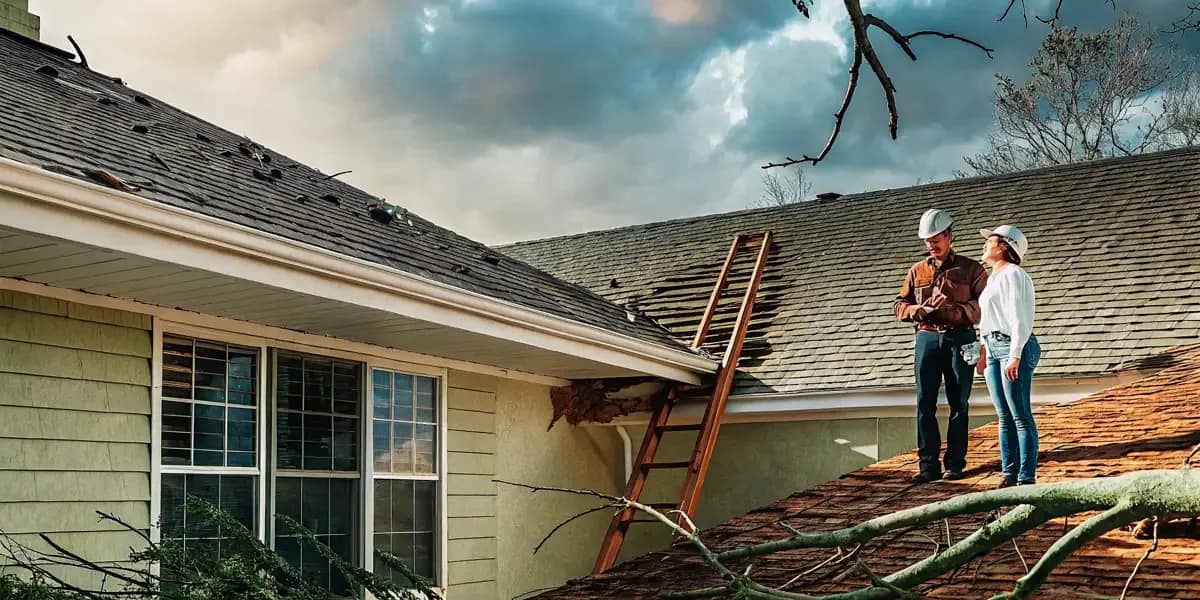
The roof deductible texas homeowners must pay is the fixed amount you owe before your insurance company covers a storm claim or major repairs. Most local policies use a percentage of your home value to set this cost, and a two percent share can cost you thousands of dollars. You must pay this full sum to your roofer for the work to be legal, as Texas law forbids roofing companies from waiving this cost. As noted by the Texas Department of Insurance, the deductible is the specific amount the insured must pay for a loss. These rules help you plan for the cost of repairs in Austin and Houston while keeping your claim within the limits of the state law.
Roof Deductible Texas: How a roof deductible in Texas works
A roof deductible is the money you pay for a claim before your firm pays the rest. In the state of Texas, this cost can change based on the type of storm damage your home has. Most plans have a set amount for wind and hail. It is vital to know your roof deductible texas rules so you do not have a big shock when you need a new roof.
Flat vs percent deductibles
Your plan will use either a flat dollar amount or a percent of your home's value. A flat deductible is simple. You might owe $1,000 or $2,500 no matter how much the roof costs to fix. But many Texas plans now use a percent-based system for wind and hail claims. This means your cost is tied to your home's total value, which is often called Coverage A.
You can find these details in your policy files. According to the Texas Department of Insurance, you must pay this fee for every claim you file. If you raise this cost, you might save money on your monthly bills. But you will need more cash on hand if a storm hits your house.
How to find your cost
To find your out-of-pocket cost, look at the total value of your home on your declarations page. If your home is insured for $300,000 and you have a 2% rate, you will owe $6,000. This math stays the same even if the repair is small. If the fix costs less than your deductible, the firm will not pay anything at all.
You can learn more about how repair costs impact your deductible to see if a claim is worth it. Many owners find this 2% rate to be common in standard Texas plans. It can feel like a lot of money, so you should plan for it before bad weather arrives. Knowing the truth about roofing deductibles can help you avoid common traps. For example, some people think the repair price sets the fee, but it is the home value that counts.
Reviewing your declarations page
The declarations page is the summary at the start of your policy files. It lists your coverage limits and your set costs. You should check this page once a year to stay up to date. Some plans may have other rules for basic leaks versus wind and hail events. Knowing these gaps helps you manage your budget better.
If you are not sure what your costs are, you can call your agent. They can explain the fine print of your plan. Being ready helps you act fast when you find damage. It also ensures you are set to start the claim process with a clear view of your costs. This simple step keeps you in control of your home repair budget.
Flat vs. percentage roof deductibles
Most Texas home insurance plans use one of two ways to set your out-of-pocket costs. These are flat dollar amounts or percentage rates. Knowing which one you have is key when you search for the truth about roofing deductibles before a storm hits. Each type changes how you plan for a new roof. This is a key part of your roof deductible texas plan.
Flat dollar deductibles
A flat deductible is a set dollar amount. You pay this fixed price for every claim. For example, if your plan has a $1,000 flat rate, you pay that much for any roof repair or replacement. The insurance company then pays the rest of the bill. These are easy to track because the cost stays the same no matter how much your home is worth.
Homeowners often like these plans because the math is simple. You know exactly what you will owe. But, plans with low flat rates may have higher monthly fees. As shown by the Texas Department of Insurance, raising your deductible can help you save on your monthly premium. This is a common trade for many owners in the Houston area. It lets you lower your bills now, as long as you can pay the flat rate later.
How percentage deductibles work
In Texas, many plans for wind and hail damage use a percentage rate. This rate is usually 1% or 2% of your home's total value. This value is known as Coverage A on your policy page. It is not based on the cost of the repair or the price you paid for the house. Instead, it uses the cost to rebuild the whole structure at today's prices.
If your home is worth $400,000, a 2% rate means you must pay $8,000 before your insurance starts to help. This amount stays the same even if the roof repair only costs $9,000. If the fix costs less than your rate, the insurance firm pays nothing toward the claim. This is why understanding your roof inspection and insurance is a smart move before bad weather arrives. You should know your exact dollar limit before the clouds roll in.
Cost comparison examples
It is key to see how these two types change based on the value of your house. A percentage rate can lead to a much larger bill than you might expect. For most people, a flat rate is much cheaper when a big storm hits. You must pay the full amount to your contractor for any work they do. Under Texas law, your roofer cannot waive or pay this fee for you. The table below shows how the math works for homes of different sizes in the local market.
| Deductible type. | How cost is set. | $300,000 home. | $500,000 home. |
|---|---|---|---|
| Flat dollar amount. | Set fixed price. | $1,000. | $1,000. |
| 1% percentage rate. | Home value percentage. | $3,000. | $5,000. |
| 2% percentage rate. | Home value percentage. | $6,000. | $10,000. |
Can a roofer waive your deductible in Texas?
The short answer is no. In the past, some roofers in Texas might have offered to cover the cost of your insurance deductible. They often called this "waiving" or "paying" the fee. While it sounded like a good deal, it was always a grey area. Today, the law is very clear. If a roofer offers to pay your deductible for you, they are breaking the law. You should stay away from any pro who makes this offer.
The law against waiving deductibles
In 2019, Texas passed a law called House Bill 2102. This law makes it a crime for a contractor to pay, waive, or rebate any part of a customer's insurance deductible. According to the Texas Department of Insurance, waiving a fee can be insurance fraud. This is a serious crime. It can lead to big fines or even jail time for both the roofer and the homeowner.
A home insurance deductible is the set amount you must pay out of pocket before your insurance covers a claim. When a roofer "waives" this fee, they often send a fake bill to the insurance firm. They might inflate the cost of parts or labor to hide the missing fee. This act of lying on a bill is what makes the practice a crime in the state of Texas.
Risks for Texas homeowners
When you work with a roofer who offers to cover your fee, you take on big risks. First, you could be part of a fraud case. This could lead to your policy being cut or your claim being denied. You may also face legal trouble if the state finds out about the deal. It is always better to follow the truth about roofing deductibles and pay the fee yourself.
There are also risks to the quality of your roof. Roofers who waive fees have to make up for that lost money. They often do this by using cheap parts or cutting corners on work. A "free" roof might end up leaking or failing much sooner than a roof done the right way. You may save money now, but you could end up paying more for fixes later. Using a local pro who follows the law ensures your roof stays strong for years.
Red flags to watch for
Knowing the signs of a bad roofer can save you from a lot of stress. Be wary of any pro who uses the word "free" when talking about your new roof. If they say you won't have to pay a cent, they are likely breaking Texas law. Working with a fair team keeps you safe and ensures your home gets the care it needs.
- The roofer offers to give you a "rebate" or a "sign credit" that matches your fee amount.
- The contractor asks you to sign a paper that does not show the full cost of the work.
- The roofer pushes you to lie to your insurance agent about the price of the job.
- The pro says you can get a "free" roof by using their special "deductible program."
If you see these signs, you should report it to the TDI right away. We pride ourselves on being fair with every client. We will never offer to waive your fee because we value your safety and your trust. Instead, we provide clear bids and help you know the claim process. This way, you get a good roof without any legal risks. Paying your fee is a small price for the peace of mind that comes with a job done well.
What to do after storm damage
Severe Texas storms often leave homeowners feeling stressed and unsure of their next move. Taking the right steps after a storm can help you protect your home and simplify the insurance process. It is important to act quickly while staying safe.
Protect your property and document damage
Your safety is the first priority. Only inspect your home when it is safe to go outside. Take clear photos and videos of any visible issues, such as missing shingles, fallen limbs, or dented gutters. This documentation is a vital part of weather-related damage and insurance claims.
If you find active leaks, you may need to make temporary repairs to prevent more loss. Use a tarp or plywood to cover open areas. Keep all receipts for these costs. Your insurance policy likely requires you to take these steps to limit further damage to the structure.
Review your policy and start a claim
Find your home insurance declarations page to understand your coverage. Many Texas policies use a percentage for wind and hail damage. This amount is based on your home's total insured value, not just the repair cost. A clear look at your policy helps you prepare for your out-of-pocket costs.
Contact your insurance agent as soon as you can to start the claim. They will send an adjuster to look at the damage. You should also reach out to a professional roofer for a detailed inspection. Expert understanding your roof inspection and insurance helps ensure nothing is missed during the assessment.
Follow these steps for a smooth claim
- Get a professional roof inspection. A local roofer can find hidden damage that an adjuster might overlook. They will give you a written report and a cost estimate for the work.
- Contact your insurance company. Notify your provider about the storm damage. They will assign a claim number and a field adjuster to visit your property.
- Meet with the adjuster. Have your roofing contractor present when the adjuster arrives. This ensures both parties agree on the scope of the damage and the needed repairs.
- Review the insurance estimate. Compare the adjuster's report with your contractor's estimate. Make sure all items, such as ridge caps and flashings, are included in the scope.
- Pay your roof deductible texas legally. Under Texas law, you must pay your own deductible. A homeowners insurance deductible is your legal share of the claim cost.
- Verify the repair work. Once the repairs are done, check the work against the agreed scope. Keep records of all payments and certificates of completion for your files.
Paying your deductible transparently
In Texas, paying your deductible is a legal requirement for every claim. A deductible is the amount you must pay before your insurance covers the rest. It is applied to each individual claim you file for storm damage.
Be wary of any contractor who offers to waive or "absorb" your deductible. This practice is illegal in Texas and is considered insurance fraud. Working with a fair and honest roofer ensures your home is restored correctly while following the law.
How to compare the insurance scope and roofing estimate
Comparing your roofing quote to your insurance scope can feel hard. The insurance scope lists what the adjuster found during their visit. You should look at both papers side by side. Your roofer's price should match the work the insurance firm plans to pay for. This helps you avoid high costs that you did not see coming. It also ensures that the house is safe after the work is done.
Reviewing the line items
A roofer's estimate should be clear and easy to read. It should list each part of the job, like shingles, vents, and flashing. You must check these items against the insurance scope from your firm. If the roofer finds more damage, they should tell you why. This is a big part of understanding your roof inspection and insurance needs. Make sure the counts for roofing squares and vents are the same on both sheets.
Your insurance firm may use a tool like Xactimate to set local prices. Most pro roofers in Texas use the same tool. This makes it easier to see why prices are not the same. If the costs do not line up, ask your roofer to tell you why there is a gap. They can often work with your adjuster to fix the math. You should also ask if the estimate includes the cost for permits and debris removal. These small costs can add up fast on a big project.
Handling supplements and change orders
Sometimes, a roofer finds new damage once they tear off the old shingles. This is when they use a supplement. A supplement is a request for more money from your insurance firm. It covers work that was not in the first scope. Your roofer will take photos of the wood or flashing and send them to the adjuster. This helps prove that the extra work is needed to fix the home right.
A change order is a bit different from a supplement. This happens if you choose to upgrade your shingles or add a new vent system. These costs are not part of your storm claim. You will have to pay for these changes with your own cash. Always get these costs in writing before the crew starts. This keeps the project on track and helps you manage your home repair budget. It also prevents any shock when you get the final bill.
Paying your deductible
Under Texas law, you must pay your own roof deductible texas. It is a crime for a roofer to waive or absorb this fee for you. This rule is part of Texas House Bill 2102. It helps keep the roofing industry honest and fair for everyone. If a roofer says they can pay it for you, it is a big red flag. You should stay away from firms that offer to cheat the system.
You should report it to the Texas Department of Insurance if a roofer makes this offer. Your insurance firm will likely ask for proof that you paid. They may want to see a copy of a check or a bank note. Failing to pay your deductible can cause major issues with your claim later. It is best to work with a team that follows the truth about roofing deductibles and state laws.
How to prepare before the next Texas storm
Planning for a storm can help you avoid stress and save money. You should check your home policy now to find your roof deductible texas amount. This is the sum you pay out of pocket before your insurance starts to cover the work. It is wise to have these funds ready in a savings account. Many people find it helpful to learn the truth about roofing deductibles before they need to file a claim.
Check your policy details
You need to know how much your policy covers for wind and hail damage. In Texas, these deductibles are often set as a percentage of your home's value. If your home is worth $300,000 and you have a 2% deductible, you will owe $6,000 for a new roof. Keep a copy of your policy pages in a safe place. You can also save a digital file on your phone for quick use after a storm.
Document your roof condition
Taking photos of your roof today gives you a clear baseline for later. These pictures show the state of your home before any new damage hits. You can use these shots to prove what was old and what is new to your insurance agent. It is also smart to keep a log of all repairs you have done in the past. This data can make weather-related damage and insurance claims much easier to handle.
Schedule a professional check
A pro can find small leaks or loose shingles that you might miss. Fixing these tiny issues now stops them from becoming big leaks during a heavy rain. Our team at Elevation Roofing offers detailed checks to keep your home safe. We can help with understanding your roof inspection and insurance needs. This step ensures your roof is ready for whatever the next season brings to Houston or Austin.
Frequently Asked Questions
What is a roof replacement deductible in Texas?
A roof replacement deductible is the money you must pay before your insurance company covers the rest of a claim. In Texas, these costs are often a set percentage of your home's total value instead of a flat dollar amount. According to the Texas Department of Insurance, this is your share of the loss. Most local policies use a 1% or 2% rate for wind and hail damage.
Is it illegal for a roofer to waive my deductible in Texas?
Yes, it is illegal for a roofing contractor to waive or absorb your insurance deductible in Texas. Under state law, this practice is considered insurance fraud. Contractors must include the full deductible amount in their billing to the insurance provider. As noted by the Texas Department of Insurance, waiving a deductible is a crime. Homeowners who participate in these schemes may also face legal trouble for their role in the fraud.
How is a wind and hail deductible calculated in Texas?
Most Texas insurance plans calculate wind and hail deductibles as a percentage of your home's total insured value. This is known as your Coverage A amount. For example, if your house is insured for $300,000 and you have a 2% deductible, you will owe $6,000 out of pocket. This total stays the same regardless of how much the actual roof repairs cost. It is important to check your policy papers to find your specific percentage.
What happens if roof repair costs are less than my deductible?
If the cost to fix your roof is lower than your deductible amount, the insurance company will not pay anything. You must pay the full cost of the repairs yourself. For example, if you have a $5,000 deductible and the repair bill is only $3,000, you must pay the contractor directly. The Texas Department of Insurance states that the company only covers losses that exceed your chosen deductible limit.
What should I do if a contractor offers to cover my deductible?
If a roofing contractor offers to pay or waive your deductible, you should decline the offer right away. This act is a major red flag for insurance fraud and is illegal in Texas. You should report any contractor who makes this offer to the Texas Department of Insurance. Working with an honest local expert like Elevation Roofing ensures your claim stays legal and your home remains protected under your insurance policy.
Ready to schedule a free roof inspection or request a quote?
Delaying repairs after a storm can lead to wood rot, mold, and much higher repair costs for your home. Taking action now helps you protect your property and ensures you meet the strict filing deadlines set by your insurance provider. Our local team in Houston and Austin is here to provide the honest guidance and quality craftsmanship you need to restore your roof the right way. We help you understand the legal requirements of your deductible so you can move forward with confidence and a secure roof over your head.
Ready to schedule a free roof inspection or request a quote? Call (832) 271-1726 to talk to a roofing expert today.