Finding out you need an emergency roof repair puts you in a vulnerable position. You need help fast, but the pressure to hire quickly can lead to costly mistakes and shoddy work. Choosing the right contractor is the most critical decision you'll make, and you shouldn't have to sacrifice quality for speed. This guide will show you how to find a trustworthy professional, even when you’re in a hurry. We’ll cover the non-negotiable credentials every roofer should have, the right questions to ask, and the red flags to watch out for. Your home is your biggest investment, and we want to help you protect it with a partner you can count on.
Key Takeaways
- Prioritize safety and damage control: In an emergency, your first steps are to get everyone to a safe place and then minimize interior water damage with buckets and tarps. Once the immediate crisis is managed, thoroughly document everything with photos for your insurance claim.
- Vet your roofer, even under pressure: Don't just hire the first company that answers. Take a moment to confirm they are licensed, insured, and offer 24/7 service. A reputable partner will also have positive local reviews and offer assistance with your insurance claim.
- Prevention is the best policy: You can avoid the stress of a future emergency with regular maintenance. Simple actions like scheduling annual inspections, cleaning your gutters, and trimming nearby trees will keep your roof in top condition and extend its life.
What Is a Roofing Emergency?
A roofing emergency is any situation where your roof is suddenly compromised, putting your home and family at immediate risk. This isn't about a single loose shingle you noticed last month; it's about sudden, significant damage that requires a fast response to prevent further harm. Think of it as your home's first line of defense being breached. When water is pouring into your living room or a large section of your roof is missing after a storm, you're facing an emergency.
The key is the urgency. A damaged roof can lead to serious water damage, mold growth, electrical hazards, and even structural failure if it's not addressed right away. While some emergencies are dramatic and impossible to ignore, like a tree crashing through your attic, others can start small and escalate quickly. Understanding what causes these situations and what to look for can help you act decisively when every minute counts. The goal is to secure your property and get professional roofing services on the way as soon as possible.
Common causes of sudden roof damage
Most roofing emergencies in Texas are a direct result of severe weather. Intense storms, hurricanes, and hail can wreak havoc on even the most durable roofs. Strong winds can rip shingles away, while large hailstones can create dents and cracks that leave your roof vulnerable. Lightning strikes can also cause direct damage or even start fires.
Beyond the weather, falling trees and large branches are another major culprit. A heavy limb crashing down can cause serious structural damage or puncture your roof, creating a gaping hole that exposes your home to the elements. While less frequent, internal house fires can also destroy your roof's structure from the inside out, creating an undeniable emergency.
Signs you need immediate roof repair
Recognizing the signs of a roofing emergency helps you act fast to protect your home. The most obvious red flag is a visible water leak inside your house. If you see dark stains spreading across your ceiling or water actively dripping, you need to call for help immediately. Another clear sign is significant physical damage you can see from the ground, like a large number of missing shingles or a hole from a fallen branch.
A sagging roof deck is a more subtle but extremely serious sign of structural failure that requires immediate evacuation and a professional assessment. If your roof is badly damaged, your safety is the top priority. You may need to leave your home until a professional can confirm it's safe. Finding a roofer with positive customer reviews can give you peace of mind during a stressful time.
Your 6-Step Action Plan for Roof Damage
When a storm hits or you suddenly spot a leak, it’s easy to feel overwhelmed. A damaged roof is a serious problem that needs immediate attention to protect your home and family. Knowing what to do in the first few hours can make a huge difference in preventing further damage and simplifying the repair process. Acting quickly and safely is key. This straightforward, six-step plan will walk you through the essential actions to take right after you discover roof damage, from ensuring your family’s safety to getting professional help on the way.
Step 1: Put safety first
Before you do anything else, prioritize the safety of everyone in your home. If you see significant structural damage, like a sagging ceiling or a large hole, it might be best to evacuate the house until a professional can assess the situation. Water and electricity are a dangerous combination, so be cautious of any leaks near electrical outlets or fixtures. Avoid the temptation to climb onto the roof yourself, especially during or after a storm. A wet, damaged roof is incredibly hazardous. Your primary goal is to keep everyone safe while you figure out the next steps.
Step 2: Protect your home's interior
Once you've confirmed everyone is safe, your next move is to minimize interior damage. Water can ruin ceilings, walls, flooring, and personal belongings in a short amount of time. If you have an active leak, place buckets or containers underneath to catch the water. If possible, move furniture, electronics, and other valuables out of the affected area or cover them with plastic tarps. Soaking up standing water with towels can also help prevent it from spreading further into your home. This quick action can save you from more extensive and costly repairs down the line.
Step 3: Assess the damage from the ground
You can gather a lot of useful information without ever setting foot on a ladder. Walk around the exterior of your property and inspect the roof from the ground. Look for obvious signs of trouble like missing, cracked, or bruised shingles. Check your yard and gutters for roofing debris. Inside your home, look for water stains on the ceiling, bubbling paint, or damp spots in your attic. Taking note of what you see will provide valuable details when you call a professional and will help you understand the scope of the problem you're facing.
Step 4: Apply temporary fixes if you can
If the damage is minor and you can safely do so, a temporary patch can prevent the situation from getting worse while you wait for a professional roofer. For small leaks, applying a roofing tarp over the damaged area is a common temporary solution. However, this should only be attempted if you can do it safely from a securely placed ladder without getting on the roof itself. Never attempt a temporary fix during a storm or in high winds. These measures are not a permanent solution, but they can be a crucial stopgap to protect your home from further water intrusion.
Step 5: Document everything for insurance
Thorough documentation is your best friend when it comes to filing an insurance claim. Before any repairs are made, use your phone to take plenty of photos and videos of the damage. Capture wide shots of the affected roof sections and close-ups of specific problems like missing shingles or hail dents. Document the interior damage as well, including water stains and damaged property. Write down the date and time you noticed the damage and any details about the weather event that caused it. This evidence will be essential for a smooth storm damage repair claim.
Step 6: Call a professional roofer
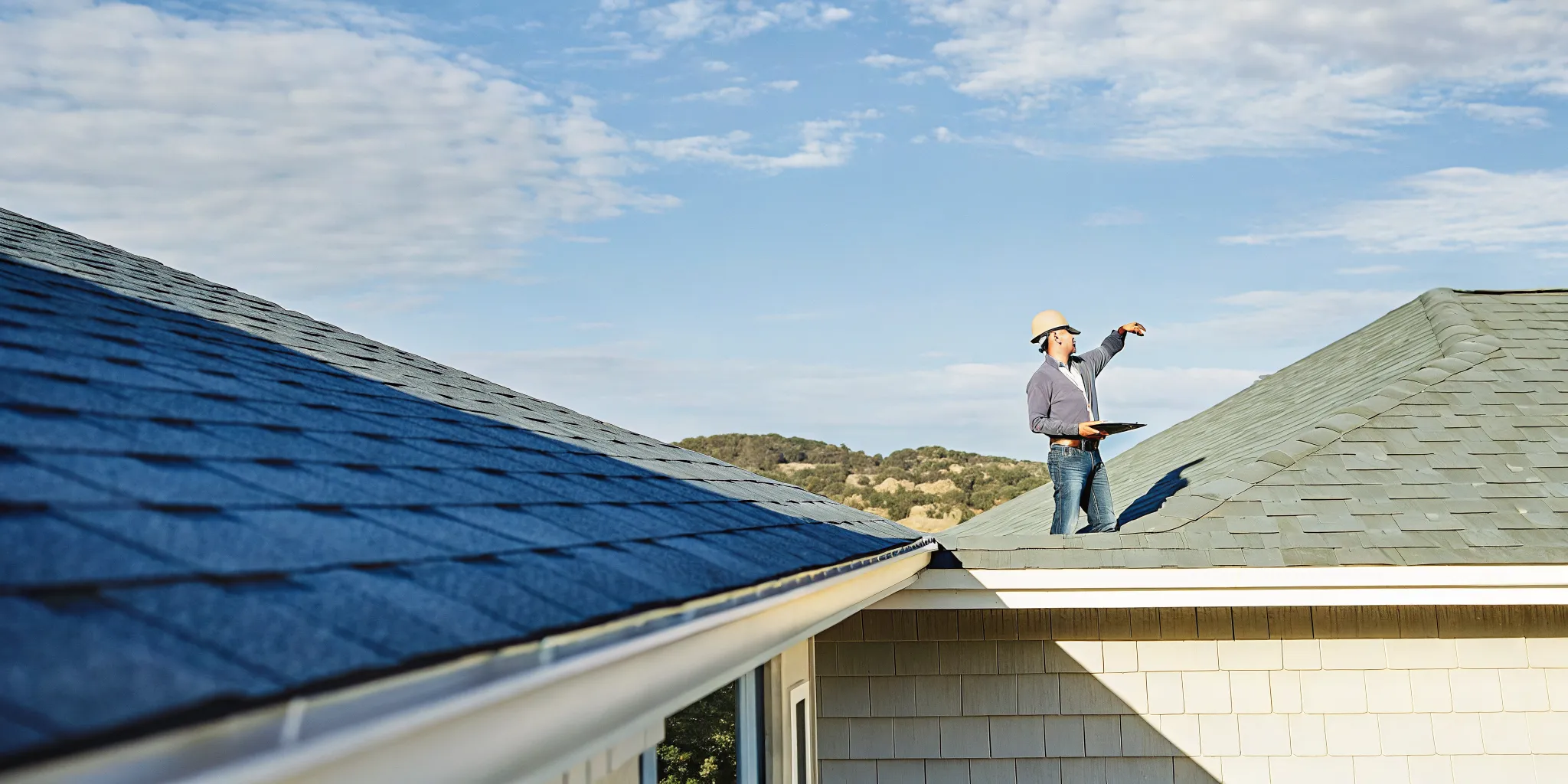
With temporary measures in place and the damage documented, it’s time to call in an expert. A professional roofing contractor can safely perform a thorough inspection to identify all points of failure, some of which may not be visible from the ground. They will provide a detailed assessment of the necessary roofing services and a clear cost estimate. An experienced team can handle everything from emergency tarping to permanent repairs and restoration, ensuring the job is done correctly. Getting a professional involved quickly is the best way to restore your roof’s integrity and protect your home.
How Much Does Emergency Roof Repair Cost?
When your roof is suddenly damaged, one of your first questions is likely, "How much will this cost?" It’s a tough question to answer without a professional inspection, as emergency roof repair costs can range from a few hundred to several thousand dollars. The final price depends on the severity of the damage, the materials needed, and the labor involved. Emergency services often come at a premium compared to scheduled repairs because they require an immediate response, sometimes outside of normal business hours. Understanding the variables can help you prepare for the conversation with your roofer and your insurance company.
Factors that influence the final price
The price tag for an emergency repair is shaped by several key factors. The most obvious is the extent of the damage. Replacing a few shingles is much less expensive than repairing a large hole caused by a fallen tree. The pitch and accessibility of your roof also play a role; a steep or hard-to-reach roof requires more time and safety equipment, which increases labor costs. Finally, the urgency itself can affect the price. After-hours or weekend call-outs often have higher rates. If water has already penetrated your home, the repair might also include addressing interior water damage, adding to the overall scope and cost.
How your roofing material affects cost
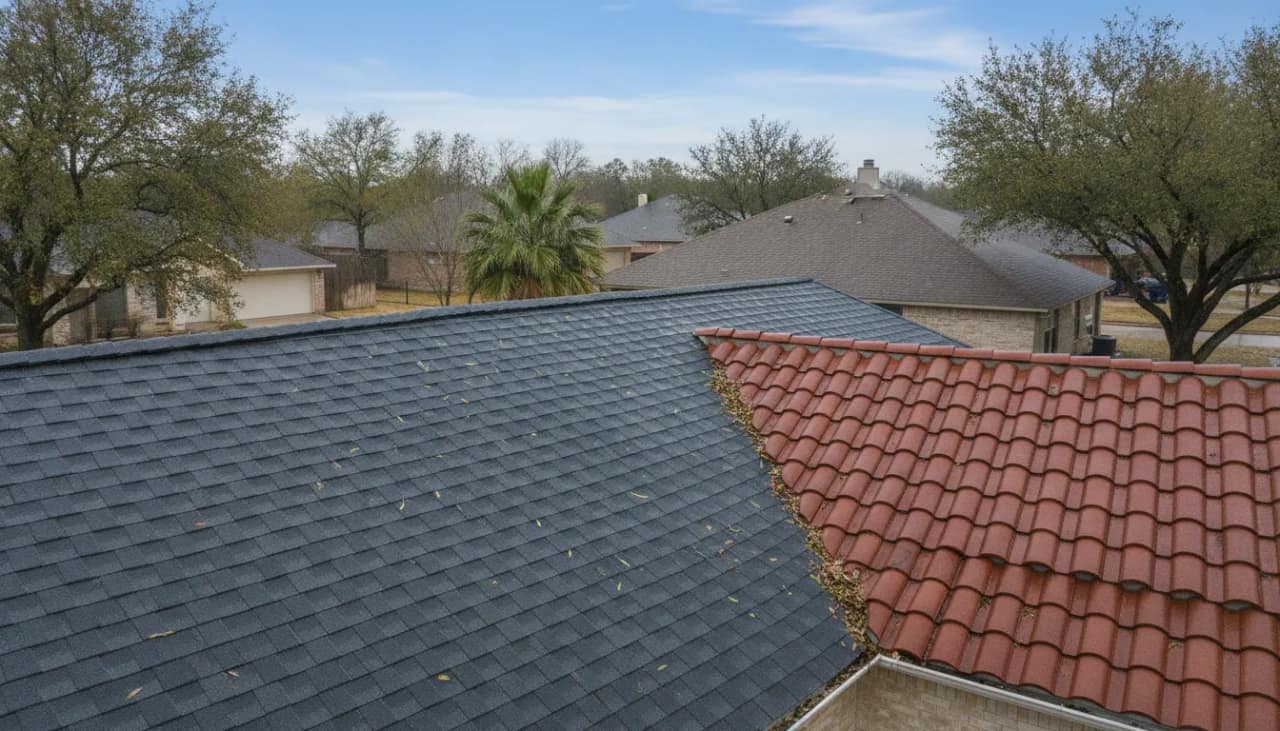
The type of material on your roof is another major factor in the repair bill. Asphalt shingles are the most common roofing material in Texas and are typically the most affordable to repair. On the other hand, materials like metal, tile, or slate require more specialized skills and are more expensive. For example, a metal roof repair might involve custom-cutting panels, while tile repairs require a delicate touch to avoid breaking surrounding tiles. At Elevation Roofing & Restoration, we have experience working with all the various roof types common in the Houston and Austin areas, so we can give you an accurate estimate based on your specific needs.
Will your homeowner's insurance cover the repair?
Many homeowners find that their insurance policy covers emergency repairs, especially when the damage is caused by a storm, hail, or a fallen tree. However, coverage depends entirely on your specific policy and the cause of the damage. Your first step should be to review your policy to understand your deductible and what’s covered. Most insurance providers will cover the cost of temporary solutions, like tarping, to prevent further damage to your home. This is why documenting everything with photos and videos is so important. A reputable roofer can also provide a detailed assessment and estimate to help you with the claims process.
How to Choose an Emergency Roofing Company
When you’re dealing with a sudden roof leak, your first instinct is to hire the first roofer who answers the phone. But making a rushed decision can lead to bigger problems, like shoddy work or insurance claim headaches. Taking a moment to vet your options ensures you partner with a reliable professional who can solve the problem correctly the first time. A great emergency roofer doesn't just patch the hole; they provide peace of mind. Here’s what to look for to make a confident choice, even when you’re under pressure.
Confirm they are licensed and insured
This is the most important step and it's non-negotiable. A licensed contractor has met state requirements, proving their knowledge and legitimacy. More importantly, proper insurance protects you. General liability insurance covers any damage the roofer might cause to your property, while workers' compensation covers their crew if someone gets injured on the job. Without it, you could be held financially responsible for accidents. Before you even discuss the repair, ask for proof of their license and insurance. Any professional company will have this information ready and will be happy to provide it for your peace of mind.
Look for 24/7 availability and a fast response
A roofing emergency rarely happens during convenient business hours. Water damage doesn't wait, so you need a company that won't either. Look for a roofer who offers 24/7 emergency services and has a reputation for a fast response time. When you call, do you get a person or an answering machine? A company that is prepared for emergencies will have a system in place to dispatch a team quickly to assess the situation and perform temporary repairs. This immediate action is crucial for preventing a small leak from turning into a catastrophic interior and structural problem.
Find a team with experience in your roof type
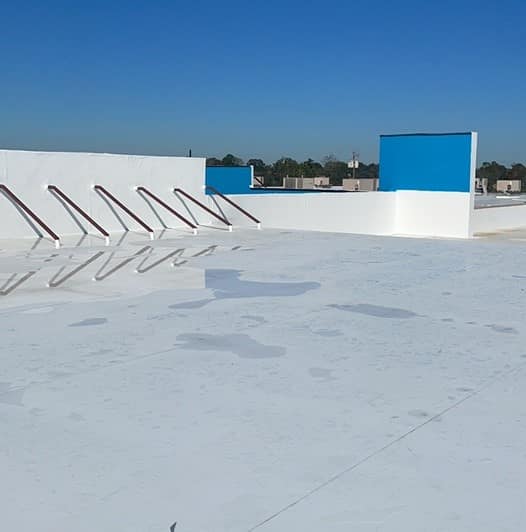
Not all roofs are created equal, and neither are all roofers. The techniques for repairing asphalt shingles are completely different from those for tile, metal, or a flat TPO roof on a commercial building. Hiring a team that has proven experience with your specific roof type is essential for a durable, high-quality repair. An inexperienced roofer could cause more damage or use the wrong materials, leading to future leaks and voiding your roof’s warranty. Ask the company about their experience with roofs like yours and if they have examples of similar jobs they’ve completed.
Ask about insurance claim assistance
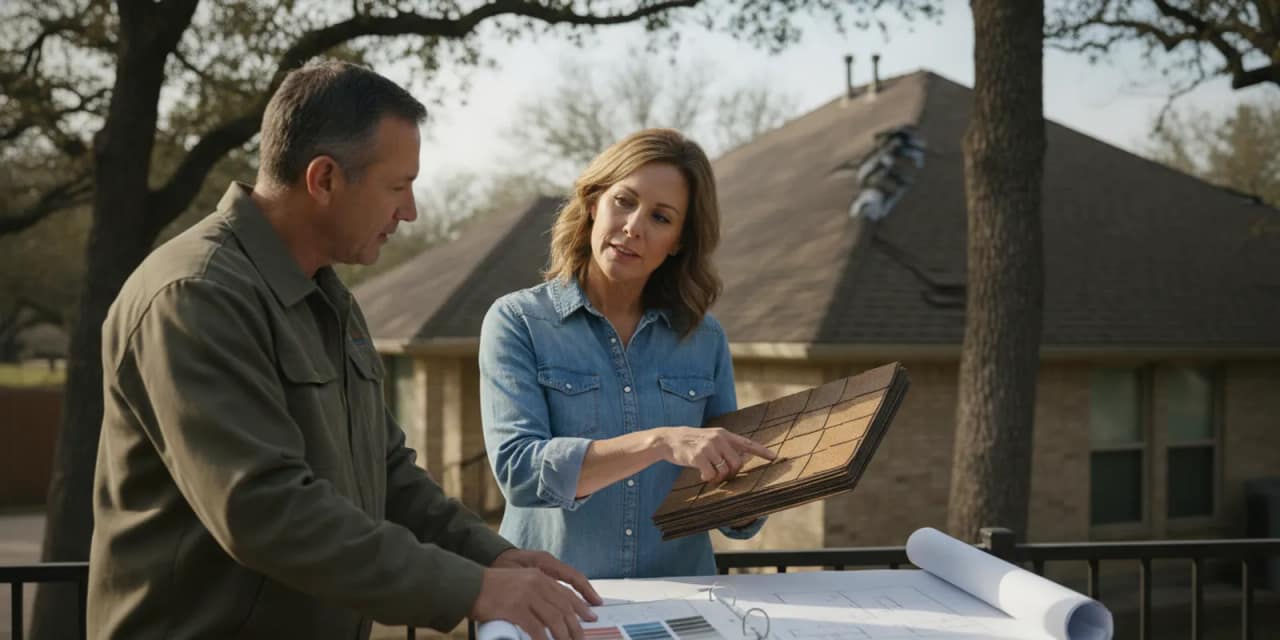
Figuring out your homeowner's insurance policy is the last thing you want to do during a crisis. A top-tier roofing contractor will do more than just fix the damage; they will help you with the insurance process. These professionals know what documentation insurance companies require, can meet with the adjuster on-site to point out all the damage, and can help ensure your claim is accurate and complete. This support can make a world of difference in getting your claim approved and reducing your out-of-pocket costs. Choosing a roofer who provides assistance with insurance claims can turn a stressful process into a manageable one.
Check customer reviews and local reputation
A company’s website will always show them in the best light. To get the real story, you need to see what past customers are saying. Spend a few minutes looking up the company on Google, Yelp, and the Better Business Bureau. Are the reviews recent and mostly positive? Look for comments that mention professionalism, communication, timeliness, and the quality of the repair work. A strong track record of positive customer reviews is one of the best indicators that you’re hiring a trustworthy and reliable team that stands by their work and takes care of their clients.
How to Prevent Future Roofing Emergencies
The best way to handle a roofing emergency is to prevent it from happening in the first place. While you can’t control the weather, you can take proactive steps to keep your roof in top condition. A little bit of maintenance goes a long way in avoiding the stress and unexpected cost of a major failure. By staying ahead of potential problems, you can protect your home and your peace of mind. Here are a few key strategies to make your roof as resilient as possible.
Schedule regular roof inspections
Think of a roof inspection like a routine check-up for your home’s most important shield. Having a professional look at your roof once or twice a year can catch subtle signs of wear and tear that are easy to miss from the ground. An expert can spot issues like cracked sealant, loose shingles, or hidden soft spots before they turn into major leaks. These regular roof inspections are one of the most effective ways to extend your roof's lifespan and prevent a small, fixable issue from becoming a full-blown emergency down the road.
Keep your gutters clean and clear
Your gutters have a critical job: to direct water away from your roof and foundation. When they get clogged with leaves, twigs, and other debris, that water has nowhere to go but back onto your roof and down your walls. This can lead to wood rot along the eaves, water damage in your attic, and even foundation problems. Cleaning your gutters at least twice a year, especially in the spring and fall, is a simple task that prevents water from pooling and causing serious damage. If you're not comfortable on a ladder, professional gutter maintenance is a worthwhile investment.
Trim overhanging tree branches
Trees are a beautiful addition to your property, but overhanging branches pose a direct threat to your roof. During a storm, heavy limbs can snap and fall, causing significant impact damage that requires immediate attention. Even on calm days, branches that scrape against your roof can wear away the protective granules on your shingles, leading to premature aging and weak spots. Regularly trimming back any branches that are touching or hanging directly over your roof is a simple landscaping task that can save you from a costly, sudden repair.
Address small repairs before they grow
It’s tempting to ignore a single missing shingle or a small water spot on the ceiling, but these are often early warnings of bigger trouble. A small breach in your roof is an open invitation for water to seep in, which can lead to rotted wood sheathing, damaged insulation, and mold growth inside your attic and walls. What starts as a minor fix can quickly spiral into a much larger and more expensive problem. When you see signs of damage, it's important to address the repair quickly to maintain your roof's integrity and prevent a future emergency.
Prepare your roof for severe Texas weather
Here in Texas, our roofs have to stand up to a lot, from intense sun and hail to hurricane-force winds. Preparing your roof for severe weather isn't a one-time task; it’s an ongoing process. Before storm season arrives, make sure your roof is in solid condition by scheduling an inspection and taking care of any necessary repairs. A roof with strong, intact shingles and secure flashing is far more likely to withstand high winds and heavy rain. Knowing your roof is ready gives you one less thing to worry about when a big storm is in the forecast.
Your Partner for Emergency Roof Repair in Houston & Austin
When a storm hits and your roof is suddenly compromised, the clock starts ticking. Finding a trustworthy roofer who can respond quickly is the most important step you can take to protect your home from further damage. You need a local team with a proven track record for quality work and excellent customer service. For homeowners and property managers across Texas, Elevation Roofing & Restoration is that partner, ready to help when you need it most. We combine a rapid response with the high-quality craftsmanship your property deserves, making a stressful situation much more manageable.
Why choose Elevation Roofing & Restoration
When your roof is damaged, the last thing you want is more stress. We get it. Our entire approach is built around providing peace of mind through reliable, high-quality roofing services. We’re not just here to patch a leak; we’re here to provide a complete solution, from emergency tarping and storm restoration to a full roof replacement if needed. Our team is committed to unparalleled craftsmanship and your total satisfaction. We treat your home like our own and work efficiently to secure it from the elements. Our long list of positive customer reviews from your neighbors in Texas speaks to our dedication and the quality you can expect from our team.
Our service areas across Houston and Austin
A fast response is critical in a roofing emergency, and our local teams are strategically positioned to help. Elevation Roofing & Restoration proudly serves a wide range of communities throughout the greater Houston and Austin metro areas. Whether you're dealing with storm damage in Cypress or a sudden leak in Cedar Park, our crews are just a call away. We have deep roots in these communities and understand the unique challenges Texas weather can throw at our homes. You can check our full list of service areas to see if your neighborhood is covered. We bring the same high standard of excellence and dependability to every job, ensuring you get expert help right where you live.
Frequently Asked Questions
How do I know if my roof damage is a true emergency or if it can wait? A true emergency involves an immediate threat to your home's interior and your family's safety. If you have water actively dripping or flowing into your house, see a large hole in your roof, or notice a sagging ceiling, you need to call for help right away. These situations can cause rapid and extensive damage. On the other hand, if you spot a few cracked or missing shingles from the ground on a clear day, it's a problem that needs attention, but you can likely schedule a standard inspection instead of calling for an emergency crew.
Is it okay to get on my roof to put on a tarp myself? Your safety is the top priority, and we strongly advise against getting on a damaged roof. A wet, unstable surface is incredibly dangerous, especially without professional safety equipment. Instead of climbing up there yourself, focus on what you can do safely from inside, like moving furniture and using buckets to catch water. A professional emergency roofer has the training and gear to secure a tarp to your roof quickly and safely, protecting your home without putting you at risk.
What if my roof is leaking now, but my insurance company wants me to get several quotes? This is a common and stressful situation, but there's a clear path forward. Your first priority is to stop the ongoing damage. You should call a reputable roofer to perform an emergency mitigation service, like installing a tarp. This initial step is almost always covered by insurance because it prevents more costly repairs later. Once the immediate leak is stopped, you can then take the time to gather the detailed quotes your insurance provider requires for the permanent repair work.
Will a small leak really cause that much damage if I ignore it for a little while? It's easy to underestimate a small leak, but it can cause significant hidden problems. Water is sneaky; a tiny drip can travel along beams and through insulation, leading to wood rot, saturated drywall, and mold growth inside your walls and attic long before you see a large stain. What starts as a simple shingle repair can turn into a major restoration project involving mold remediation and structural fixes. Addressing any leak promptly is the best way to prevent a small issue from becoming a huge, expensive headache.
After a big storm, how can I avoid being taken advantage of by a dishonest roofer? It's smart to be cautious, especially when contractors flock to an area after a storm. A trustworthy company will have a permanent local office, not just a temporary setup. Always ask for proof of their general liability insurance and Texas license. Be wary of anyone who uses high-pressure sales tactics, asks for a large cash payment upfront, or is unwilling to provide a detailed, written estimate. A professional team will be patient, answer your questions, and even help you navigate the insurance claims process.