Most Texas roofs are replaced on the worst possible day — right after a leak appears, in the middle of storm season, when contractors are booked solid and rush pricing is the only pricing left. It does not have to work that way. A multi-year roofing plan turns your roof from an unpredictable emergency into a managed, scheduled, and budgeted asset. Whether you own a single home in Katy or a portfolio of properties across the Greater Houston and Austin metros, the principle is the same: decide what your roof will need over the next three to five years before the weather decides for you.
This guide walks through how to build that plan step by step — assessing where your roof stands today, mapping its remaining lifespan against the Texas climate, forecasting the real costs, and setting the triggers that tell you when to act. The payoff is fewer surprises, better pricing, and a roof that reaches the end of its true service life instead of failing years early.
Why a Multi-Year Plan Matters More in Texas
A roof in a mild climate can drift for years without a plan. A Texas roof cannot. Our roofs absorb some of the most punishing conditions in the country: relentless UV and heat that bake asphalt shingles past 150 degrees, spring hail, hurricane-driven wind off the Gulf, sudden downpours, and the occasional hard freeze. Every one of those forces shortens lifespan and raises the odds of an unplanned failure.
Reactive roofing is expensive in ways that never show up on the invoice headline. Emergency replacements carry rush fees, force you to accept whatever crew is available, interrupt your household or your tenants, and often get patched rather than properly solved because there is no time to do otherwise. A plan flips all of that. You schedule work in the calmer shoulder seasons, you compare contractors instead of grabbing the first one, and you spread cost across budget cycles instead of absorbing it in one painful hit. For owners of multiple buildings, a coordinated plan also gives you real negotiating leverage and cleaner documentation for lenders and insurers.
Step 1: Establish an Honest Baseline
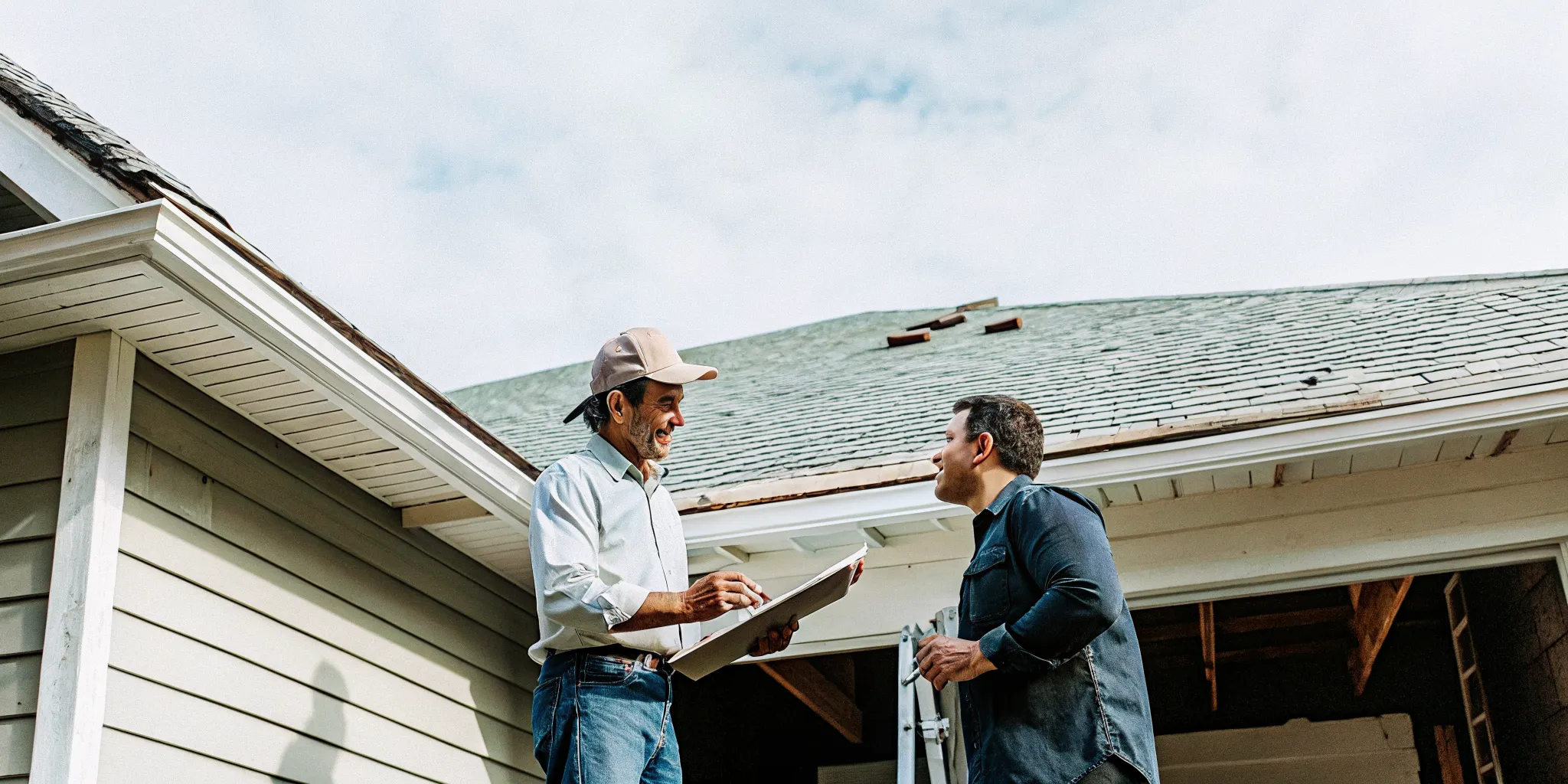
You cannot plan around a roof you have not measured. The foundation of every multi-year plan is a current, professional condition assessment — not a guess from the driveway. A thorough roof inspection documents the things that actually drive your timeline:
- Age and remaining service life. Know when the roof was installed and what system it is — a 3-tab asphalt roof and an architectural shingle roof age very differently, and metal, tile, and slate run on entirely different clocks.
- Current condition score. Granule loss, lifted or curling shingles, cracked pipe boots, failing sealant, and storm bruising each move your replacement date closer.
- Hidden vulnerabilities. Attic ventilation, decking moisture, and flashing detail are where small problems quietly become structural ones.
- Documentation. Warranty status, prior repairs, and any past storm claims all belong in one place.
Elevation offers this assessment as a free inspection, a $399 value, which makes it the cheapest and most important line item in your entire plan.
Step 2: Map the Lifespan Against the Texas Climate
Once you know your starting point, project forward. Manufacturer lifespan ratings assume average conditions — and Texas is not average. As a realistic planning range under our heat and storm load, expect roughly:
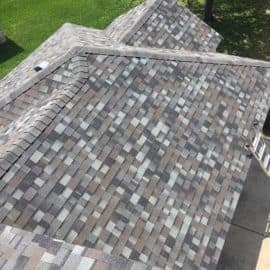
- Asphalt shingle: 15–25 years, with intense UV pushing many roofs toward the lower end.
- Metal: 40–70 years, highly resistant to heat and wind — see our metal roofing options.
- Tile and slate: 50+ years for the material itself, though underlayment and fasteners need attention sooner.
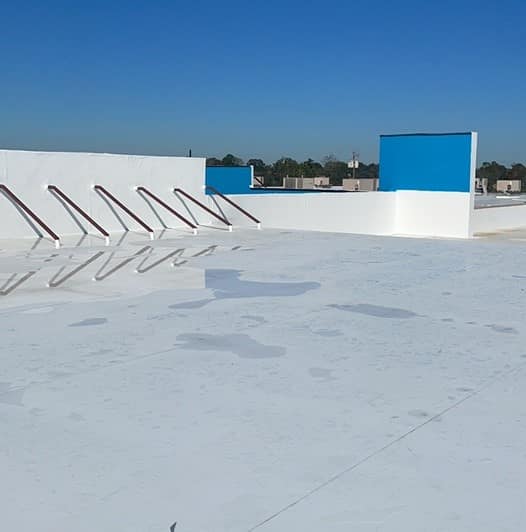
- Flat and low-slope membranes (TPO, modified bitumen, built-up): 15–30 years depending on system and maintenance — common on the commercial buildings we serve on flat roofs.
Subtract your roof's current age from its realistic Texas lifespan, factor in its condition score, and you have a target replacement window — for example, “years 3 to 4 from now.” That window is the spine of your plan. If you are weighing whether you will repair into that window or replace before it, our repair and replacement teams can help you model both paths honestly.
Step 3: Build a Preventive Maintenance Calendar
The single fastest way to blow up a multi-year plan is to skip maintenance and let the roof fail ahead of schedule. A light, recurring maintenance rhythm protects your timeline and your warranty:
- Twice-yearly professional inspections — spring before storm season, fall before winter.
- Gutter and drain clearing so water never backs up under the roof edge.
- Flashing and sealant checks at penetrations, the most common leak points.
- A storm trigger: after any hail or named tropical system, get a professional look within your claim window, because hail bruises often do not leak for months.
A structured roof maintenance program keeps the whole system healthy and frequently preserves manufacturer coverage — which directly protects the budget you are about to build.
Step 4: Forecast the Real Costs
Now attach dollars to the timeline. A good cost forecast separates three buckets: routine maintenance (small and recurring), interim repairs (occasional), and the major capital event of replacement when the roof reaches the end of its window. Our roofing calculator gives you a fast, realistic starting estimate so the replacement number is not a black box.
With the replacement figure and your target window in hand, you can spread the cost sensibly. Some owners set aside a yearly reserve; others plan to use flexible financing so a planned replacement never strains cash flow. Either way, knowing the number two or three years early is what removes the panic — and panic is what makes reactive roofing so expensive.
Step 5: Set Your Triggers and Decision Points
A plan needs clear “if this, then that” rules so you act on evidence rather than anxiety. Useful triggers include:
- Condition trigger: if an inspection drops your roof below a set condition score, move the replacement window forward.
- Storm trigger: any significant hail or wind event prompts an immediate assessment and, if warranted, an insurance claim.
- Repair-cost trigger: when annual repair spending climbs past a threshold, replacement becomes the smarter financial choice.
- Sale trigger: if you plan to sell, a documented roof plan and recent work protect resale value and smooth inspections.
Scaling the Plan: Homes vs. Property Portfolios
For a single home, the plan can live on one page: inspection dates, the replacement window, the reserve amount, and your triggers. For owners and managers of multiple buildings, it becomes a portfolio tool — condition scores across every property, a shared maintenance calendar, and a prioritized capital schedule that funds the most at-risk roofs first. We work across both residential and commercial systems throughout 100+ Texas communities, so a single partner can keep an entire portfolio on one coordinated plan.
Start Your Plan With a Free Inspection
Every multi-year roofing plan begins with one honest look at where you stand today — and that first step costs you nothing. Elevation Roofing & Restoration is a GAF Preferred Contractor with more than 9 years serving Greater Houston, the Austin metro, and over 100 Texas communities, residential and commercial alike, backed by a 5-star Google rating and a 100% satisfaction guarantee. We will assess your roof, map its realistic timeline, and help you put real numbers to the years ahead.
Make this the year your roof gets a plan instead of a prayer. Schedule your free roof inspection, see why your neighbors trust us on our reviews page, or contact our team to start building the multi-year plan that keeps the worst day off your calendar.