Choosing between a metal roof and an asphalt shingle roof is one of the biggest decisions a Texas homeowner makes, and the right answer depends heavily on where you live and what your roof has to survive. Between Houston's Gulf Coast humidity and hurricane threat, the Austin metro's relentless summer UV, and the hail and high winds that hammer communities across the state, the climate here is unforgiving. At Elevation Roofing & Restoration, we install and repair both systems across Greater Houston and the Austin metro, so this guide gives you an honest, side-by-side comparison rather than a sales pitch for one material.
Below we break down upfront cost, lifespan, heat and energy performance, wind and hail resistance, aesthetics, and resale value, all framed around the realities of a Texas roof. If you want to dig deeper into either option, see our dedicated pages on metal roofs and shingle roofs, or browse the full menu of roof types we work with.
Upfront Cost: Shingles Win on Day One
There is no getting around it: asphalt shingles cost significantly less to install than metal. A quality architectural shingle roof is the most budget-friendly path to a durable, attractive roof, which is why it remains the most common choice on Texas homes. Material is affordable, crews work quickly, and repairs are inexpensive when a section gets damaged.
Metal roofing carries a higher price tag, often two to three times the cost of shingles depending on the profile and metal you choose. Standing seam systems sit at the premium end, while exposed-fastener panels are more accessible. That upfront premium is the single biggest reason homeowners hesitate, but it only tells part of the story. When you spread the cost across the roof's lifespan, the math shifts. Run the numbers for your own home with our roofing calculator, and if budget is the sticking point, we offer flexible financing on both systems.
Lifespan: Metal Plays the Long Game
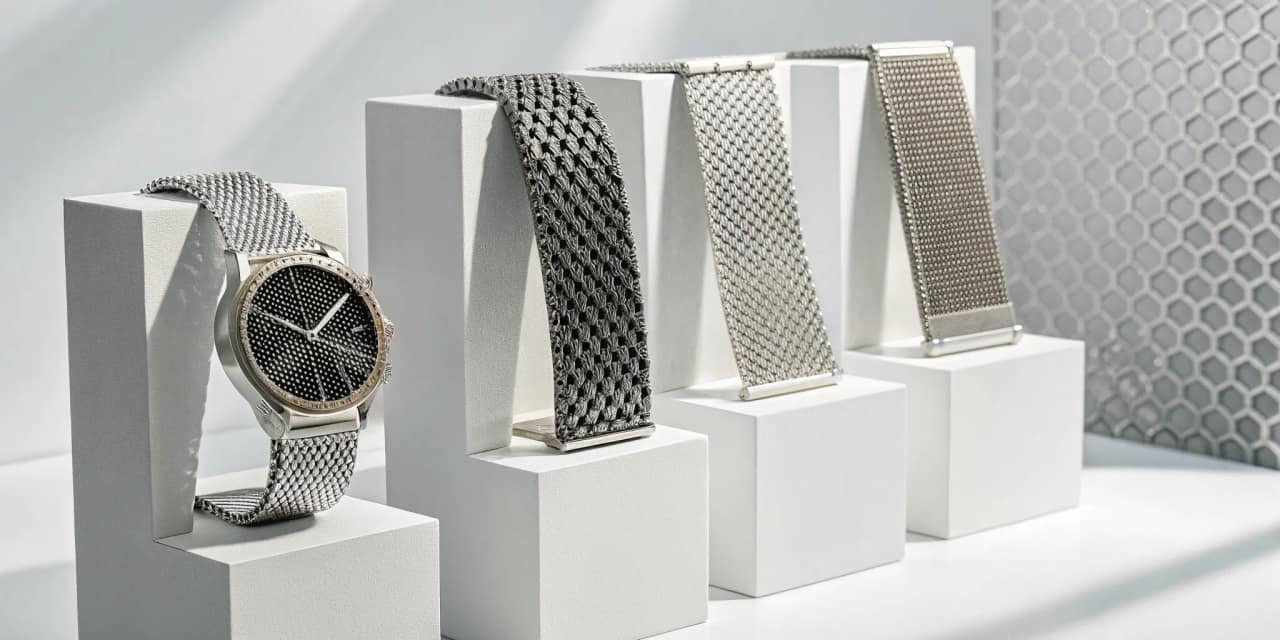
This is where metal earns its premium. A properly installed metal roof commonly lasts 40 to 70 years, often outliving the homeowner who installed it. The fasteners and sealants may need periodic attention, but the panels themselves shrug off decades of Texas sun.
Asphalt shingles typically last 20 to 30 years in our climate, and intense UV exposure tends to push them toward the shorter end of that range. The trade-off is straightforward:
- Shingles: Lower upfront cost, but you will likely replace the roof at least once more in the time a metal roof lasts.
- Metal: Higher upfront cost, but it may be the last roof you ever buy for that home.
Either way, lifespan depends on installation quality and upkeep. Routine roof maintenance and timely repairs protect your investment no matter which material is overhead.
Heat & Energy Performance: A Texas Priority
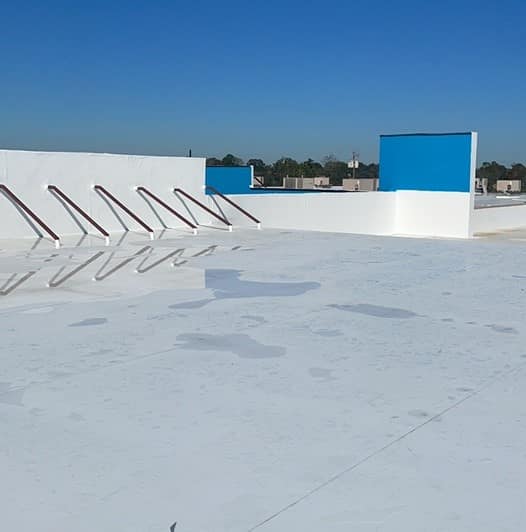
In a state where summer attic temperatures can soar, reflectivity matters for both comfort and electric bills. Metal roofing has a clear edge here. Metal reflects a large share of solar radiation rather than absorbing it, and reflective or cool-roof coatings push that performance even further. The result is a cooler attic and a lighter load on your air conditioner during those brutal July and August afternoons.
Shingles have closed the gap with modern cool-roof and reflective granule technology. Lighter-colored architectural shingles and ENERGY STAR rated options reflect noticeably more heat than the dark, basic shingles of decades past. They still tend to absorb more heat than a reflective metal panel, but for many homeowners the difference is modest once proper attic ventilation and insulation are in place. Whichever you choose, ventilation is the multiplier that makes any Texas roof perform better.
Wind & Hail Resistance: Storm Country Realities
Texas roofs face hail, straight-line winds, and Gulf Coast hurricanes, so impact and wind ratings deserve real weight in your decision.
Wind
Metal roofing, especially interlocking standing seam systems, performs exceptionally well in high wind and is a favorite in hurricane-prone coastal areas. Quality shingles also carry strong wind ratings when installed correctly with proper nailing and starter strips, but the seams and adhesion of a metal system give it an advantage in extreme gusts.
Hail
Hail is more nuanced. Impact-resistant Class 4 shingles are engineered specifically to absorb hail strikes and resist cracking, and they may even qualify you for an insurance discount. Metal stands up structurally to hail, but larger stones can leave cosmetic dents, particularly on softer metals and certain profiles. Neither material is truly hailproof in a severe Texas storm.
After any major storm, the smart move is a professional assessment. Our team provides fast storm damage repairs and works directly with your insurer on hail and wind claims, so you are not navigating the paperwork alone.
Aesthetics & Resale Value
Shingles offer a classic, familiar look in a wide range of colors and profiles that blend seamlessly into most Texas neighborhoods. Architectural shingles add dimension and curb appeal at a reasonable price, which is part of why they remain the default for resale-minded sellers.
Metal delivers a clean, modern, or rustic look depending on the profile, and its longevity is a genuine selling point. Buyers increasingly value a roof they will not have to replace, and the energy savings can be a marketing advantage. Both materials, installed well, protect and even boost resale value. The wrong choice is rarely the material itself; it is a poorly installed roof of either kind. That is why professional roof installation matters more than the brand on the box.
So Which Roof Is Right for Your Texas Home?
There is no universal winner. Choose shingles if you want the lowest upfront cost, fast installation, easy repairs, and a look that fits right in, especially with an impact-resistant Class 4 upgrade for hail country. Choose metal if you plan to stay put, want maximum lifespan and heat reflectivity, and value top-tier wind performance near the coast.
As a GAF Preferred Contractor with GAF lifetime systems and RhinoRoof certification, and with 9-plus years serving over 100 Texas communities, we install both at a high standard and back our work with a 100% satisfaction guarantee. The best next step is simple data about your specific roof.
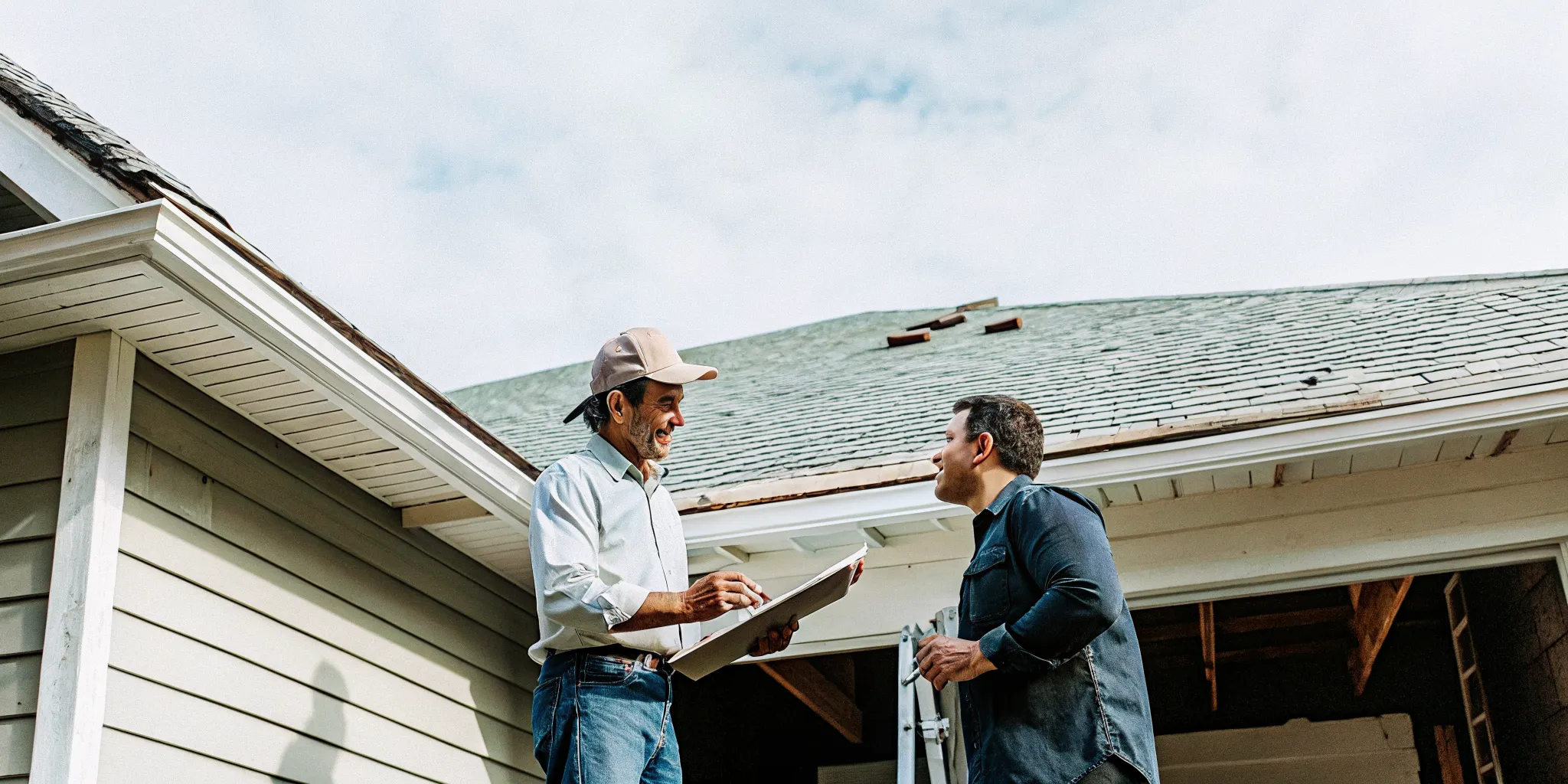
Book a free roof inspection, a $399 value, and we will assess your current roof, walk you through metal and shingle options side by side, and give you a clear, no-pressure recommendation for your home and budget. Contact our team today to get started.