Building a new roof is one of the most consequential decisions a Texas homeowner makes, and it's also one of the easiest to get wrong. The roof above your head has to survive triple-digit summer heat, sudden hailstorms, Gulf Coast hurricane winds, drenching spring rain, and the occasional hard freeze, sometimes all in the same year. Whether you're roofing a new build, replacing a system that has reached the end of its life, or upgrading after storm damage, the choices you make now decide how well your home is protected for the next two or three decades.
This guide is built for homeowners across Greater Houston and the Austin metro who are ready to move forward but want to make a smart, informed decision rather than a rushed one. We'll walk through how to choose the right material for the Texas climate, how to set a realistic budget, and how to vet the contractor who will actually do the work.
Start With the Texas Climate, Not the Catalog
Most homeowners begin by picking a look they like. That's the wrong starting point. In Texas, the smart sequence is to start with what your roof has to endure, then choose materials that answer those specific threats.
Across our service area, a residential roof faces a punishing combination of stressors:
- Relentless UV and heat that bakes shingles, dries out sealants, and drives up cooling bills
- Hail that bruises and cracks roofing, often invisibly, shortening a roof's life years before it should fail
- High winds and tropical systems along the Gulf Coast that lift improperly fastened shingles and tear off ridge caps
- Heavy, fast rainfall that exposes every weak seam, valley, and flashing detail
A roof that performs in a milder climate can fail quickly here. That's why material wind ratings, impact resistance, and reflectivity matter far more than catalog photos. If you want to understand how these forces wear a roof down over time, our breakdown of how Texas weather silently destroys your roof is worth a read before you commit to anything.
Choosing the Right Roofing Material
There is no single best roof, only the best roof for your home, your slope, your budget, and how long you plan to stay. Here's how the main options stack up for Texas homes.
Asphalt Shingles
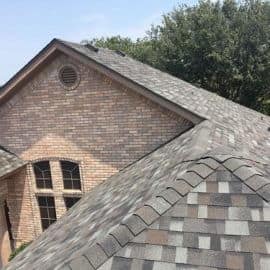
Asphalt shingles remain the most popular choice for good reason. Modern architectural shingles offer high wind ratings, impact-resistant grades that can lower your insurance, and UV-resistant granules, all at a price most homeowners can manage. As a GAF Preferred Contractor, we install GAF lifetime systems that pair the right shingle with proper underlayment and ventilation, which is what actually determines how long the roof lasts.
Metal Roofing
Metal roofs reflect solar heat instead of absorbing it, which can meaningfully cut summer cooling costs. They shrug off hail and high wind, resist fire, and routinely last 40 to 70 years. The upfront cost is higher than asphalt, but for homeowners planning to stay put, the lifespan and energy savings often justify it.
Tile and Slate
Tile and slate deliver exceptional longevity and a distinctive architectural look that suits many Texas homes. Both are heavier, so your structure needs to support the load, and both cost more to install. In return you get a roof that can outlast the rest of the house.
Flat and Low-Slope Systems
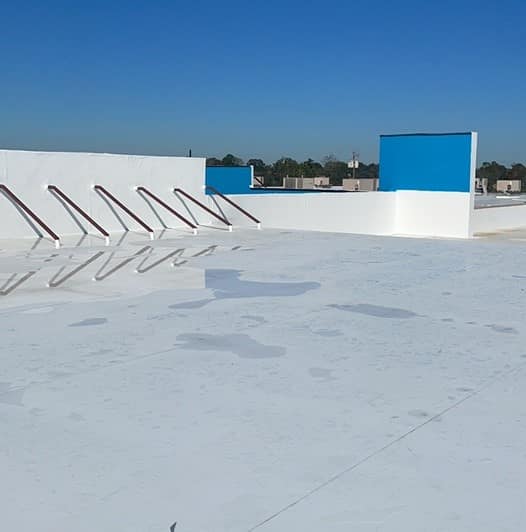
If your home has flat or low-slope sections, steep-slope shingles won't protect them. Those areas need dedicated flat-roof systems such as TPO, modified bitumen, or built-up membranes, installed by a crew that understands how water behaves on a near-level surface. Not sure what fits your roofline? Our overview of the different types of roofs lays out the trade-offs side by side.
Setting a Realistic Budget
The price of a new roof depends on far more than square footage. The material, the pitch, the number of valleys and penetrations, the condition of the decking underneath, and the complexity of the roofline all move the number. A steep, cut-up roof costs more to build than a simple gable, even at the same size.
A few principles keep your budget honest:
- Get the full scope in writing. A real estimate spells out materials, labor, tear-off, decking replacement, and cleanup, with nothing buried in fine print.
- Don't shop on price alone. The cheapest bid often skips synthetic underlayment, proper flashing, or deck repairs, and you pay for those shortcuts later in leaks.
- Plan for the deck. Until the old roof comes off, no one knows the condition of the wood beneath. A good contractor tells you how rotted decking is handled before work begins.
To ballpark your project before you talk to anyone, try our roofing calculator. And if the right roof stretches your budget, flexible financing can spread the investment over time so you don't have to compromise on quality to make it work.
How to Vet Your Roofing Contractor
The best material in the world will fail if it's installed poorly. The contractor you choose matters as much as the roof you choose, so vet them deliberately.
- Credentials and certifications. Look for manufacturer certifications like GAF Preferred Contractor and RhinoRoof certified status. These aren't just badges; they tie directly to the warranties that protect you.
- Local track record. A contractor with 9+ years working in Texas and a 5-star Google rating has installed roofs that have already survived real Houston and Austin storms. Read the reviews and see what neighbors say.
- A guarantee that means something. A 100% satisfaction guarantee signals a company that stands behind its work rather than disappearing after the final payment.
- Insurance experience. If your project involves hail or wind damage, choose a contractor who works directly with homeowners' insurance on storm damage claims, so you're not navigating the adjuster process alone.
You can learn more about our team and how we work on our about page.
The Path From Decision to Done
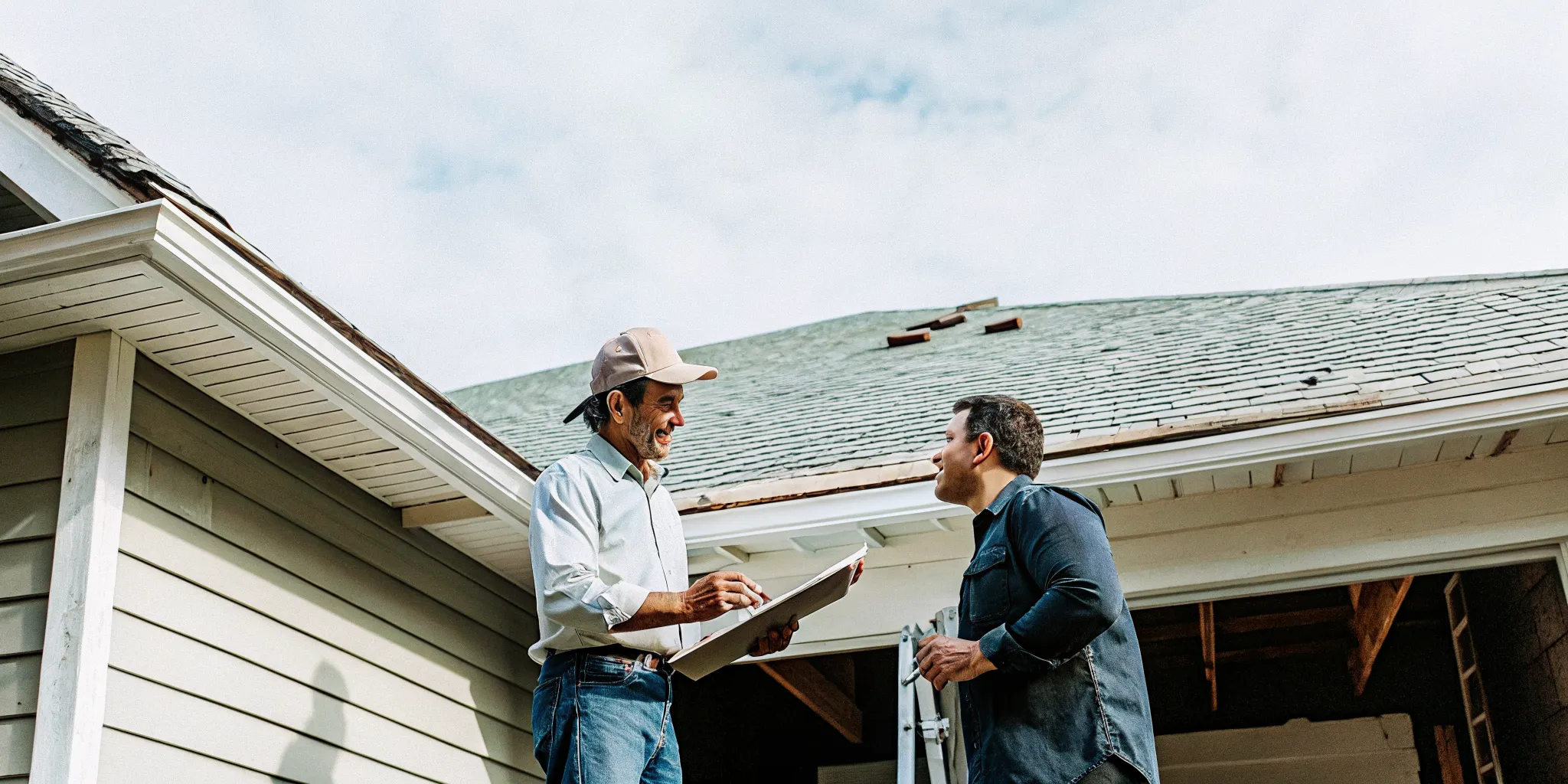
Once you've chosen a material, set a budget, and picked your contractor, the actual build follows a clear, predictable sequence: inspection, planning, property protection, tear-off, installation, and final cleanup. Knowing what your money buys at each stage keeps the project transparent. Every quality roof starts with a thorough roof inspection and ends with a finished system you can stop worrying about, whether that's a full roof installation or a complete roof replacement.
Ready to Build? Start With a Free Inspection
The smartest first move isn't choosing a shingle color, it's getting an honest assessment of your home. Elevation Roofing & Restoration offers a free, no-pressure roof inspection (a $399 value) anywhere across Greater Houston and the Austin metro. We'll evaluate your roof, document the condition with photos, and walk you through your options in plain language so you can build with confidence. Book your free inspection or reach out today to get started.