Think of choosing the right stainless steel like picking the right coat for the weather. For a cool autumn day, a light jacket works perfectly. But for a blizzard by the sea, you need something far more robust. This is the essence of the 304 vs 316 stainless steel decision. Grade 304 is your versatile, everyday jacket: reliable, effective, and perfect for most conditions. Grade 316 is your specialized, heavy-duty parka, designed to withstand the harshest elements like saltwater and corrosive chemicals. While they may look identical, their performance in challenging environments is worlds apart. Understanding your project's "weather" is the first step to making the right choice, and we’re here to be your guide.
Key Takeaways
- Molybdenum makes the difference: Grade 316 contains molybdenum, which provides powerful resistance to salt and chemicals, while the more common 304 grade does not.
- Match the steel to its surroundings: For most indoor or protected projects, 304 offers a great balance of performance and price, but for anything near the coast or exposed to harsh chemicals, 316 is the necessary upgrade.
- Think long-term about your budget: The higher upfront cost of 316 steel is a smart investment for harsh environments, saving you from expensive repairs or replacements later, while 304 is the more economical choice for less demanding situations.
What Makes Stainless Steel "Stainless"?
You might think the name "stainless steel" means it's completely stain-proof, but it's more accurate to think of it as "stain-less." Its incredible ability to resist rust and corrosion isn't magic; it's a clever bit of chemistry. The secret ingredient that makes it all possible is chromium. For a steel alloy to earn the stainless title, it must contain at least 10.5% chromium by weight. This element is the key to its longevity and clean appearance.
When chromium is exposed to oxygen, which is all around us in the air, it forms a very thin, invisible, and durable layer of chromium oxide on the steel's surface. Think of it as a transparent, passive shield that protects the iron in the steel from the elements that cause rust. What’s truly amazing is that this shield is self-repairing. If the surface gets scratched or damaged, the exposed chromium immediately reacts with oxygen to reform the protective layer, instantly healing the weak spot and preventing corrosion from taking hold.
While chromium is the star player, other elements are often added to the mix to enhance these properties even further. For instance, adding elements like nickel and molybdenum can make the steel tougher against specific types of corrosion, which is where the distinction between grades like 304 and 316 comes from. To give the steel the best possible start, manufacturers also use a passivation process. This is a treatment that removes any free iron from the surface and helps the chromium oxide layer form more quickly and robustly, essentially giving the steel its strongest possible defense right out of the gate.
304 vs. 316: What's the Difference in Composition?
At first glance, 304 and 316 stainless steel look identical. You can’t tell them apart just by looking. The real distinction lies in their chemical makeup, which you can’t see but which dramatically affects their performance. Think of it like two recipes for chocolate chip cookies: both start with flour, sugar, and butter, but one has a secret ingredient that makes it chewier and richer. For stainless steel, those secret ingredients are specific metals called alloys.
Both 304 and 316 are part of the same family of austenitic stainless steels, meaning their primary ingredients are iron, chromium, and nickel. This shared foundation gives them good strength and formability. However, the precise percentages of these alloys, and the addition of one key element in 316, create two very different materials. Understanding this difference in composition is the first step to choosing the right steel for your project, as it directly influences everything from corrosion resistance to cost. Let's break down exactly what’s inside each one.
What's in 304 Stainless Steel?
Type 304 is the most widely used stainless steel in the world, and for good reason. It’s a reliable, all-around performer. You might hear 304 stainless steel called "18/8" steel, which is a simple way to remember its main components: it contains about 18% chromium and 8% nickel. The chromium is the hero here, forming a thin, invisible layer on the surface that protects the steel from rust and corrosion in most everyday situations. The nickel adds to its durability and makes it easy to form and weld. This balanced composition makes 304 a cost-effective choice for everything from kitchen sinks and appliances to architectural paneling.
What's in 316 Stainless Steel?
Think of 316 stainless steel as 304’s tougher older sibling. Its chemical recipe is slightly different and includes a special addition that gives it an edge in harsh conditions. A typical manufacturing breakdown shows that 316 stainless steel has a bit less chromium (around 16-18%) but more nickel (10-14%). Most importantly, it contains 2-3% of an element called molybdenum. This might not sound like a big change, but adding molybdenum fundamentally alters the steel's properties, making it significantly more resilient. This enhanced formula prepares 316 to stand up to environments that would quickly degrade 304 steel.
Molybdenum: The Secret Ingredient in 316
So, what makes molybdenum so special? The biggest difference between the two grades is that 316 stainless steel has molybdenum in it, while 304 does not. This element is the key to 316's superior corrosion resistance. Specifically, molybdenum makes the steel much better at resisting rust and pitting caused by chlorides. Chlorides are found in salt water, de-icing salts, and many industrial chemicals. This makes 316 the go-to choice for marine hardware, chemical processing equipment, and any project exposed to salty air. It’s this single element that gives 316 its reputation for durability in tough spots.
Comparing Key Properties: Strength, Durability, and Corrosion Resistance
When you’re looking at 304 and 316 stainless steel, you’re comparing two incredibly capable materials. Both are strong, long-lasting, and have that classic, clean look we associate with stainless steel. But the real story is in the details. Their key differences come down to how they handle specific challenges, particularly corrosion. Think of it like choosing between a sturdy raincoat and a specialized wetsuit. Both keep you dry, but one is built for much more demanding conditions.
The secret ingredient that sets them apart is molybdenum, which is present in 316 but not 304. This single element dramatically changes how the steel behaves when exposed to salts, acids, and high temperatures. Beyond corrosion, there are also subtle differences in their strength, flexibility, and how easy they are to work with. Understanding these properties will help you decide which grade offers the right balance of performance and cost for your specific project. Let’s break down how they stack up against each other in the areas that matter most.
How 304 Resists Corrosion
304 stainless steel is the most widely used stainless steel for a reason. It offers excellent corrosion resistance in a wide variety of everyday environments. The chromium in its makeup forms a passive, protective layer that prevents rust and staining from things like food acids, sterilizing solutions, and most organic chemicals. This makes it a fantastic, cost-effective choice for kitchen equipment, architectural trim, and storage tanks. However, its weakness is chlorides. 304 is susceptible to corrosion from salt, whether from coastal air or de-icing salts. While it’s a reliable workhorse, it’s not meant for every environment and can show signs of rust in tougher conditions.
Why 316 Excels in Harsh Environments
This is where 316 stainless steel truly shines. Thanks to the addition of molybdenum, 316 has significantly better corrosion resistance, especially against chlorides and other harsh chemicals. This is why it’s often called “marine-grade” stainless steel. It’s the go-to material for boat fittings, coastal architecture, and any equipment exposed to saltwater. The molybdenum helps it fend off the corrosive effects of salt that would damage 304 over time. If your project is located near the ocean or will come into contact with aggressive industrial chemicals, choosing 316 provides an essential layer of long-term protection that justifies its higher cost.
Resisting Pitting and Crevice Corrosion
Beyond general rust, 316 offers superior protection against more insidious forms of decay known as pitting and crevice corrosion. These happen when the steel is exposed to chlorides, which can break down the protective layer in small, concentrated spots. This creates tiny holes (pitting) or attacks the metal in tight spaces like under screw heads (crevice corrosion). Molybdenum makes 316 much better at resisting these localized attacks. This is a critical advantage in environments where salt water or chemical solutions might sit on the surface, as it helps prevent small weak spots from turning into major failures.
Comparing Strength and Heat Tolerance
While corrosion resistance is the main event, there are also differences in mechanical properties. Generally, 316 stainless steel is slightly stronger and harder than 304. It also tends to perform better at elevated temperatures, retaining more of its strength when things heat up. On the flip side, 304 is a bit more ductile, meaning it’s more flexible and easier to form into complex shapes without cracking. For most applications, the strength difference is minor and won’t be the deciding factor. However, for high-stress or high-temperature applications, 316’s slight edge in strength and heat tolerance can be a valuable benefit.
Welding and Fabrication: What to Expect
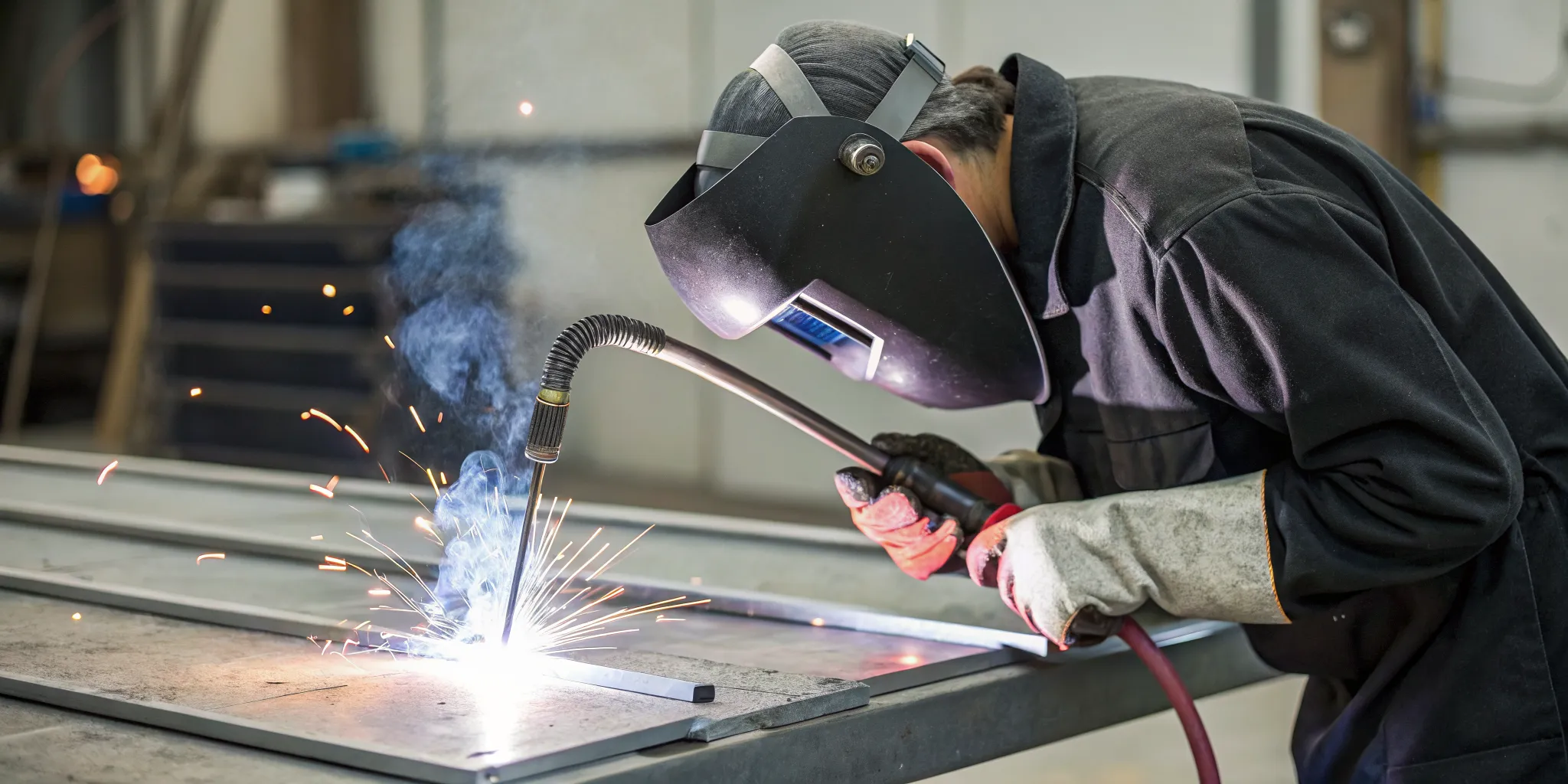
How easily a material can be cut, bent, and welded is a huge practical consideration. In this area, 304 has a clear advantage. It is known for being easy to shape and weld, which can help keep fabrication costs down. In contrast, 316 can be a bit more difficult to work with. Machinists sometimes find it "gummier" than 304, meaning it can wear out cutting tools faster and require slower machining speeds. While 316 is still readily weldable, the extra toughness that makes it so durable can translate to more time and effort during the fabrication process.
304 vs. 316: A Head-to-Head Comparison
When you put 304 and 316 side-by-side, the choice comes down to a few critical trade-offs. It’s a classic balance of performance versus price, and understanding where each one shines will help you pick the right material for your project without overspending. While they may look nearly identical, their performance differs significantly based on their chemical makeup, durability, cost, and how they behave during fabrication. Let’s break down the core differences.
Composition and Corrosion Resistance
The primary difference between 304 and 316 is a single ingredient: molybdenum. Grade 316 contains at least 2% molybdenum, while 304 has none. This addition dramatically improves 316’s ability to fight off corrosion, especially from chlorides found in saltwater and de-icing salts. This is why 316 is famously known as "marine-grade" steel. While 304 offers great corrosion resistance for most everyday situations, it simply can’t hold up as well as 316 when exposed to salty, wet, or chemical-heavy conditions.
Cost and Long-Term Value
Let's talk about the budget. You can generally expect 316 stainless steel to be about 20-30% more expensive than 304. This price difference is mainly due to the added molybdenum. For a project where corrosion isn't a major concern, 304 is often the more economical choice. However, if your application involves exposure to harsh elements, it’s wise to think about the long game. The higher initial cost of 316 can easily pay for itself over time, as its extra durability can save you from dealing with costly repairs or replacements in the future.
Machinability and Fabrication
How easy is the steel to work with? This is a practical question that directly impacts production time and expenses. In the workshop, 304 is known for being more forgiving and easier to handle. By contrast, 316 is often described as "gummier," which means it can be tougher on equipment and may wear out drill bits and cutting tools more quickly. If your project requires a lot of complex fabrication, the easier machinability of 304 could be a significant factor in keeping your manufacturing costs in check.
Where to Use 304 and 316 Stainless Steel
Choosing between 304 and 316 stainless steel comes down to understanding your project's environment. While 304 is a fantastic all-rounder, 316 offers specialized protection for more demanding situations. Think of it as picking the right tool for the job. You wouldn't use a hammer to turn a screw, and you shouldn't use 304 steel where 316 is needed. Let’s break down the typical applications for each so you can make a confident choice.
Common Uses for 304
Think of 304 stainless steel as the reliable workhorse you see everywhere. It’s often called “18/8” steel because it contains about 18% chromium and 8% nickel. This composition gives it solid corrosion resistance for most everyday scenarios. You’ll find it in your kitchen as sinks, pots, and pans. It’s also a top choice for general food processing equipment and architectural elements like railings and paneling that aren't exposed to extreme conditions. For the vast majority of indoor and mild outdoor applications, 304 provides the perfect balance of performance, appearance, and cost. It’s durable, easy to clean, and gets the job done without a fuss.
When to Choose 316
You should choose 316 stainless steel when your project needs an extra layer of defense. The secret to its superior protection is molybdenum, an element that isn't in 304 steel. This addition makes 316 significantly more resistant to corrosion from chlorides, like salt and certain industrial chemicals. If your project is located near the ocean, in a region with heavy road salt use, or involves exposure to harsh cleaning agents, 316 is the smarter investment. It’s designed to withstand harsher conditions that would cause 304 to pit or rust over time, ensuring your project lasts longer.
Which Industries Require 316?
Certain industries rely on 316 stainless steel because its high corrosion resistance is non-negotiable. The marine industry is a prime example, using it for boat fittings and hardware that are constantly exposed to saltwater. Chemical processing plants depend on 316 for tanks and piping that handle aggressive substances. You’ll also see it used for laboratory benches, outdoor architectural panels in coastal cities, and even medical implants, where resistance to bodily fluids and sterilization chemicals is critical. In these fields, the enhanced durability of 316 isn't a luxury; it's a requirement for safety and longevity.
When Environment Demands 316 Steel
While 304 stainless steel is a fantastic and versatile material, some environments are simply too aggressive for it. When your project faces extreme conditions like constant moisture, salt, or harsh chemicals, you need to bring in the heavy-hitter: 316 stainless steel. Think of it as an investment in longevity. Paying a bit more upfront for 316 can save you from the costly and time-consuming headache of dealing with corrosion and material failure down the road. Let's look at the specific situations where 316 is not just a good idea, but a necessity.
Surviving Saltwater and Marine Air
There's a reason 316 stainless steel is often called "marine grade." If your project is located near the coast or will be submerged in saltwater, 316 is the clear winner. The molybdenum in its composition gives it superior protection against the corrosive effects of salt. While 304 might hold up for a little while, it will eventually show signs of rust and pitting in a marine environment. For anything from boat fittings and railings to architectural elements on a beachfront property, choosing 316 ensures your work will stand up to the relentless combination of salty air and water. This enhanced ability to withstand corrosive elements is what makes it the go-to choice for coastal applications.
Handling Chemicals and Humidity
The protective power of 316 steel isn't limited to just saltwater. Its robust chemical makeup makes it ideal for environments with high humidity and exposure to various chemicals. Think of laboratories, pharmaceutical manufacturing, or food processing plants where strong cleaning agents and constant moisture are part of the daily routine. In these settings, 304 steel could quickly degrade. The molybdenum content in 316 provides that extra layer of defense against a wide range of acids and chlorides. This makes it a preferred choice for everything from medical tools to chemical storage tanks, ensuring both safety and durability where it matters most.
Withstanding Pollution and High Heat
Some projects have to endure a triple threat: moisture, corrosive substances, and high temperatures. This is where 316 stainless steel truly proves its worth. In urban or industrial areas, pollution can lead to acid rain, which is highly corrosive. When you combine that with the high heat from industrial processes or engine exhausts, you have a recipe for rapid metal decay. Thanks to its composition, 316 maintains its strength and corrosion resistance even when temperatures rise. This makes it a reliable option for industrial applications where exposure to harsh conditions is a daily concern, ensuring equipment remains safe and functional for the long haul.
How Do 304 and 316 Compare on Cost?
Cost is a key consideration in any project, and the choice between 304 and 316 stainless steel is no exception. On paper, 316 consistently comes with a higher price tag. This often leads to a simple question: is it worth the extra money? The answer depends entirely on your project's specific needs and the environment it will live in. While 304 is a fantastic, cost-effective choice for many applications, there are specific situations where opting for the more affordable option can lead to much bigger costs down the road. Understanding what creates the price gap and when to make that extra investment is crucial for ensuring the long-term success and durability of your work. Let's break down the cost factors and help you decide when paying more for 316 is the smarter financial move.
What Drives the Price Difference?
The main reason 316 stainless steel costs more is its chemical makeup. The key difference is the addition of molybdenum, a relatively expensive metal that enhances corrosion resistance. Adding it to the alloy naturally increases the final price. In addition to molybdenum, 316 also typically contains more nickel than 304, which further contributes to its higher cost. Because the prices of these metals fluctuate on the global market, the exact price difference can vary. However, you can generally expect 316 stainless steel to cost anywhere from 20% to 40% more than its 304 counterpart. This isn't a small jump, so it's important to know you're paying for a specific, valuable performance upgrade.
When Is the Higher Cost Worth It?
Think of the higher price of 316 as an insurance policy against corrosion. The extra cost is worth it when your project is exposed to conditions that would quickly degrade 304 steel. If your part will be used in a marine environment with saltwater spray, or if it will come into contact with aggressive chemicals like chlorides, 316 is the clear choice. While it costs more upfront, its superior durability in these harsh settings can save you a significant amount of money over time. Choosing 304 in these situations can lead to premature failure, requiring costly repairs or full replacements. A smart lifecycle cost analysis often shows that 316 is the more economical option for demanding applications.
Is 316 Always the Superior Choice?
So, is 316 stainless steel always the best pick? Not necessarily. While its reputation for toughness is well-earned, automatically choosing it can be an expensive mistake. The "best" material is the one that meets your project's specific needs without overspending. Think of it like buying a heavy-duty winter coat when you live in a mild climate; it’s great quality, but more than you need. For many indoor or mild outdoor applications, 304 stainless steel provides more than enough protection and durability at a lower cost.
The key is to match the steel's properties to the environment it will live in. While 316 offers superior corrosion resistance, that added protection isn't always required. Understanding when to save your budget and when to invest in 316’s durability is what separates a good project from a great one. Before you default to the more expensive option, it's worth taking a closer look at the real-world performance of 316 and debunking a few common myths.
Debunking Common 316 Myths
Because of its "marine-grade" status, a few myths have popped up around 316 steel. Let's clear the air on a couple of them. First, 316 is not invincible. While it’s excellent at resisting corrosion, it can still rust if exposed to harsh conditions without maintenance. For example, constant contact with salt deposits in a tropical marine environment can eventually cause corrosion.
Second, it's not the ultimate solution for every corrosive substance. While 316 handles many chemicals better than 304, some highly aggressive acids or chlorides can still damage it. In those extreme industrial cases, you might need to look at even more specialized alloys like Inconel or Hastelloy. The goal is to choose the right tool for the job, and sometimes 316 is simply not that tool.
Can 316 Stainless Steel Corrode?
Yes, it absolutely can, but it puts up a much better fight than 304. The molybdenum in 316 gives it a strong defense against chlorides, which is why it’s the go-to for saltwater and coastal applications. However, "resistant" doesn't mean "immune." Pitting or crevice corrosion can still occur over time, especially if the steel is starved of oxygen (like under a bolt or gasket) or if corrosive agents are left to sit on the surface.
The good news is that you can significantly extend its life with some simple care. Regular cleaning to remove salt spray, dirt, and other deposits is crucial for maintaining the steel's passive layer, which is its built-in protective shield. A little preventative maintenance goes a long way in ensuring your 316 components last for decades.
How to Verify Your Steel Grade
Making the right choice between 304 and 316 is only half the battle; you also need to be sure you’re getting what you paid for. Unfortunately, it's not unheard of for suppliers to cut corners and provide 304 steel when 316 was specified. Since they look identical, you can't tell the difference just by looking. This makes working with a reputable supplier incredibly important.
To protect your project, always ask for a Material Test Report (MTR) or a certificate of conformity from your supplier. This document details the exact chemical composition of the steel you're buying, confirming its grade. While you can use handheld X-ray fluorescence (XRF) analyzers for on-the-spot verification, demanding proper documentation is the most straightforward way to ensure quality and accountability.
Your Checklist for Choosing Between 304 and 316
Making the right choice between 304 and 316 stainless steel doesn't have to be complicated. It really comes down to asking the right questions about your project's specific needs. By walking through a few key factors, you can feel confident you’re picking the material that gives you the best performance and value for your situation. Think of this as your simple, go-to checklist for making a smart decision.
Assess Your Project's Environment
First, think about where your finished product will live. Will it be indoors, protected from the elements, or will it face harsh conditions outside? This is the single most important question to answer. For most indoor applications, like kitchen appliances or decorative trim, 304 stainless steel is more than capable. However, if your project will be exposed to saltwater, de-icing salts, or other corrosive chemicals, you’ll want to use 316. Its added molybdenum provides superior corrosion resistance, which is why it’s often called "marine-grade" steel.
Balance Your Budget with Long-Term Value
Let’s talk about cost. There’s no getting around the fact that 316 stainless steel is more expensive than 304, typically by about 20% to 40%. This price difference is due to the extra nickel and the addition of molybdenum. For a project on a tight budget where corrosion isn't a major threat, 304 is a fantastic, economical choice. But if the part is critical and will be in a corrosive environment, paying more for 316 upfront can save you a lot of money on repairs and replacements down the road. It’s a classic case of weighing initial cost against long-term value.
Define Your Durability and Aesthetic Needs
How your project looks matters just as much as how it performs. Both 304 and 316 have that clean, modern look stainless steel is known for, but only one will keep it that way in a tough environment. If your project is outdoors, especially near the coast or in a polluted urban area, 316 is much better at resisting rust and pitting. This means it will maintain its bright, polished finish for far longer. For things like outdoor railings, boat fittings, or architectural features, choosing 316 ensures your project stays looking great, not just structurally sound.
Consider Fabrication and Magnetic Properties
Finally, think about how the steel will be worked. If you’re cutting, drilling, or welding the material, you should know that 304 is generally easier to work with. It’s a bit softer and less abrasive on tooling. Grade 316 is known for being "gummier," which can cause more rapid wear on cutting tools and may require slower machining speeds. This can sometimes add to fabrication costs. It’s also helpful to know that both 304 and 316 are austenitic steels, meaning they are non-magnetic in their raw, annealed state, a property that is critical for certain scientific and electronic applications.
Make the Right Choice for Your Project
When you’re deciding between 304 and 316 stainless steel, the right choice really boils down to the specific environment your project will live in and what your budget looks like. The biggest distinction is that 316 stainless steel contains a metal called molybdenum, while 304 does not. This addition is what gives 316 a superior ability to resist rust and corrosion, especially in harsh settings like coastal areas exposed to salt. It’s why you’ll often hear 316 referred to as “marine-grade” steel. If your project will face saltwater, de-icing salts, or other aggressive chemicals, 316 is almost always the correct call.
Of course, that extra protection comes at a price. You can expect 316 stainless steel to cost about 40% more than 304, mainly because it has more nickel and the added molybdenum. This cost difference is a major reason why 304 remains so popular for a huge range of applications. For many projects, like kitchen appliances or indoor architectural details, the extreme corrosion resistance of 316 is simply overkill. These manufacturing insights show that 304 is perfectly suitable for everyday items where the environment is more controlled.
So, how do you make the final decision? A good rule of thumb is to use 304 for standard parts where there isn't a high risk of corrosion. You should only spend extra on marine grade if corrosion is a genuine and constant threat. Think about the long-term conditions. Will the steel be outdoors near the ocean? Will it be regularly exposed to harsh cleaning agents? If the answer is yes, investing in 316 from the start will save you from premature failure and costly replacements down the road. For most other situations, 304 offers a fantastic balance of performance and value.
Frequently Asked Questions
If 316 is better, why shouldn't I just use it for everything? The simple answer is cost. Grade 316 is significantly more expensive than 304 because of its added ingredients, mainly molybdenum. For many projects, especially those indoors or in mild environments, 304 provides more than enough corrosion resistance. Using 316 when it isn't necessary is like paying for a heavy-duty winter coat when you only need a light jacket; it's an extra expense for protection you won't use. The smartest approach is to match the steel to its environment to get the right performance without overspending.
Can I tell if a product is 304 or 316 just by looking at it? No, you can't. Visually, the two grades are identical, which is why it's so important to work with a supplier you trust. To be certain you're getting the grade you paid for, especially for a critical project, you should always request a Material Test Report (MTR). This document is the official certification that details the steel's exact chemical composition and confirms you received what was specified.
What's the one key difference I should remember between 304 and 316? If you only remember one thing, let it be this: molybdenum. Grade 316 steel contains molybdenum, and 304 does not. This single element is the secret ingredient that gives 316 its superior ability to fight off corrosion from salt and other harsh chemicals. Remembering that one word is the key to understanding the fundamental performance difference between the two.
Is 316 steel completely rust-proof, especially near the ocean? While 316 is incredibly resistant to rust, it's not completely immune to it. Think of it as "stain-less," not "stain-proof." In very aggressive marine environments, especially if salt deposits are left to sit on the surface for long periods, it can eventually show small spots of corrosion. The good news is that regular cleaning with fresh water to rinse away salt and grime helps the steel maintain its protective layer and look great for many years.
Besides saltwater, are there other common situations where 316 is a must-have? Absolutely. Any environment with high chloride exposure calls for 316. This includes regions where de-icing salts are heavily used on roads in the winter, as the salty spray can be very corrosive to vehicles and outdoor structures. It's also the standard for pharmaceutical and chemical processing plants, where equipment is constantly exposed to strong cleaning agents and other aggressive substances that would quickly damage 304 steel.