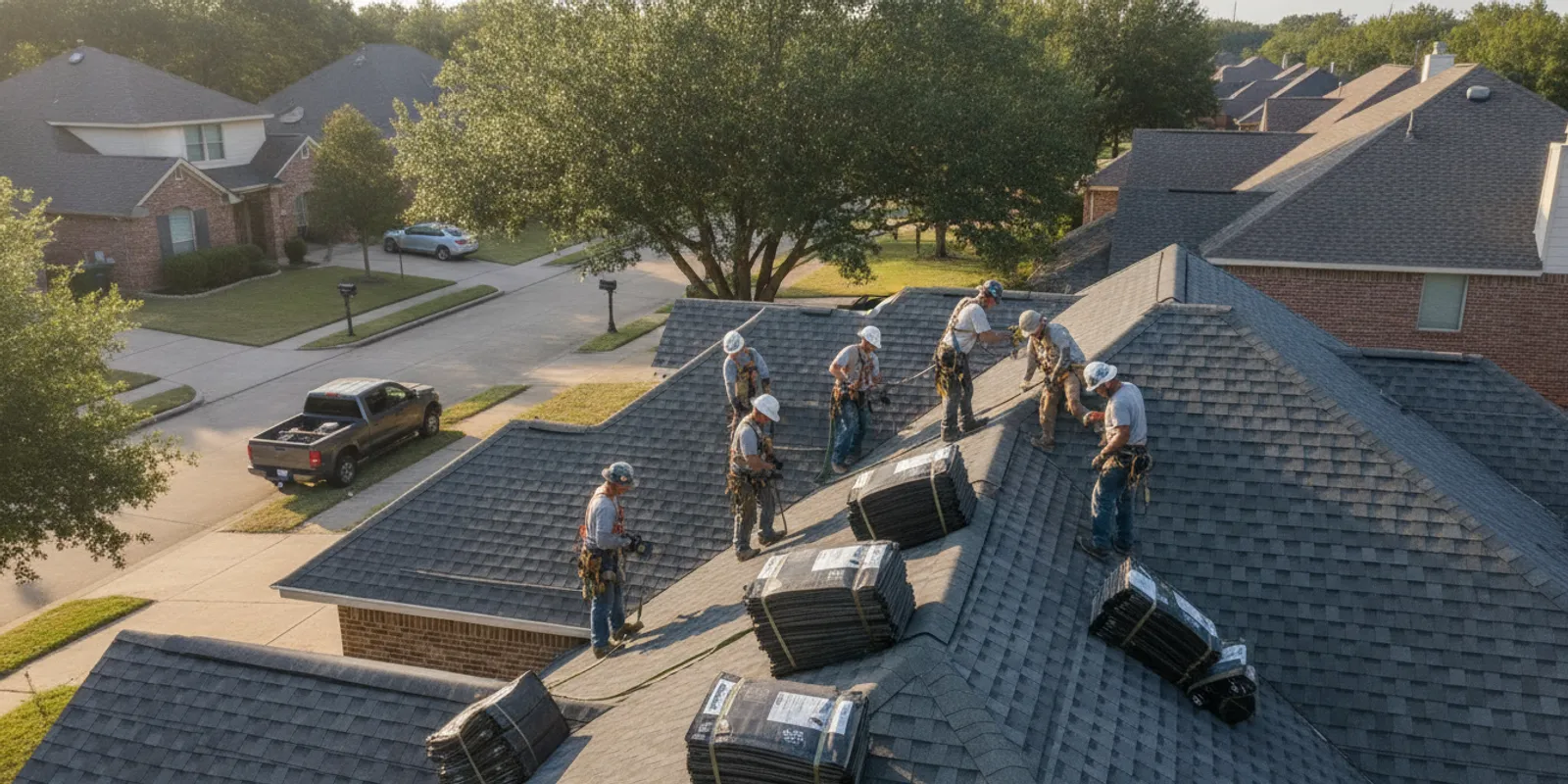
A roof replacement is easier to manage when you know what happens before, during, and after installation. The roof replacement process Texas homeowners and commercial property owners follow can vary by roof type, building condition, weather, and project scope, but the same basic checkpoints help you make informed decisions. Start by understanding the roof's condition, then compare written proposals and confirm the work plan before a crew arrives.
Contact Elevation Roofing to discuss your roof replacement
What Starts the Roof Replacement Process in Texas?
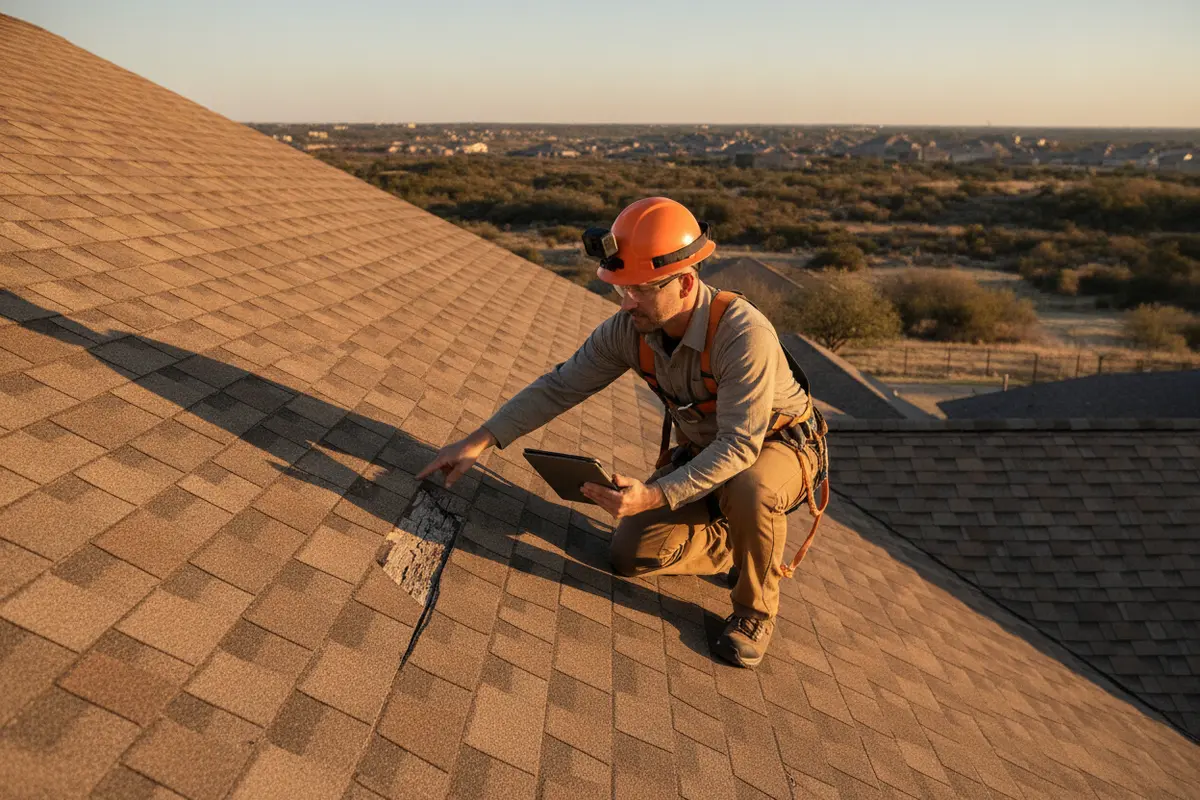
Most projects begin with a concern: a leak, storm damage, visible wear, or a roof that is nearing the end of its useful service. A concern is a reason to investigate, not proof that the entire roof must be replaced. A qualified inspection can help distinguish an isolated repair from broader damage or deterioration.
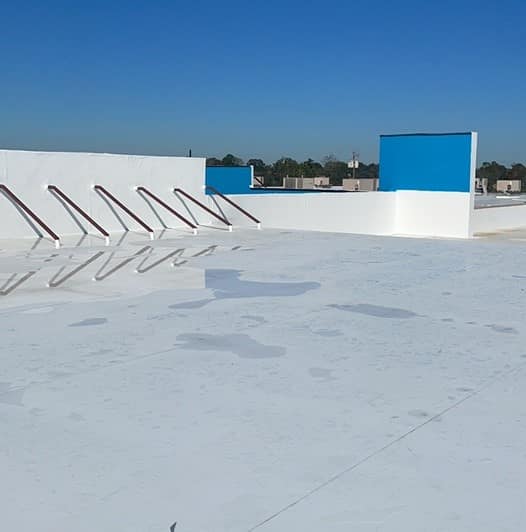
For a residential roof, an inspection should assess the covering and the visible details around penetrations, edges, valleys, flashing, and drainage. For a commercial building, the evaluation should also consider the roofing system and the way water moves across the roof. Flat and low-slope roofs may use systems such as TPO, modified bitumen, built-up roofing, EPDM, or PVC. The right replacement scope depends on the existing assembly and the building's needs.
Ask for an explanation of the observed conditions, not just a recommendation. Photos and clear notes can help you understand where the issue is and what work is proposed. Elevation provides roof inspection and evaluation services for property owners who need a closer look.
Roof Replacement Process Texas: Which Choices Shape the Project?
Once you have an assessment, the next stage is defining the work. A proposal should make it easier to compare scope, materials, and responsibilities. Do not compare only the bottom-line price. Two proposals may use different materials, include different preparation work, or address different parts of the roof.
| Project checkpoint | What to confirm | Why it matters |
|---|---|---|
| Inspection and scope | Roof areas assessed, observed issues, and whether repair or replacement is proposed | Helps you understand the reason for the recommended work |
| Written proposal | Roof system and materials, removal or overlay plan, flashing details, and cleanup | Makes the work easier to compare and discuss |
| Scheduling and preparation | Access, property protection, delivery plans, and how weather may affect timing | Sets practical expectations before installation |
| Installation and closeout | Work sequence, site cleanup, final review, and documentation | Clarifies how the project will be completed and checked |
Ask whether the proposal includes removal of existing roofing, disposal, underlayment or other specified components, flashing, ventilation details where relevant, and cleanup. If the contractor expects to assess concealed decking or other hidden conditions after tear-off, ask how those findings will be documented and how any added work will be approved. These details are especially important when comparing projects with different roof designs or system types.
For a residential project, review the selected covering and how the proposal addresses roof edges, valleys, penetrations, and transitions. Elevation installs and services several roof types, including shingle roofing, metal roofing, and tile roofing. Commercial property owners should make sure the proposed system fits the building and that the plan addresses drainage, rooftop equipment, and areas where different materials meet. See the company's flat roof services for information about commercial roof options.
- Ask what the proposal includes and what it excludes.
- Confirm the product or system being installed, rather than relying on a generic material label.
- Clarify how concealed damage or changed conditions will be reported and approved.
- Request a realistic schedule and ask how rain or other weather could change it.
How Should You Compare Replacement Proposals?
Read each proposal side by side and look for matching scope. If one includes more removal, flashing work, or preparation than another, the totals are not directly comparable. Ask the contractor to explain any difference in materials or method in plain language. A clear answer helps you understand what you are buying and whether the proposed work addresses the conditions found during inspection.
For a commercial roof, compare how each proposal handles rooftop units, drains, penetrations, and transitions between roof sections. Ask whether the project requires access to interior spaces or coordination with other trades. If your property has tenants or operating hours that cannot be interrupted, discuss the sequence and any temporary access changes before approving a schedule. Put the agreed expectations in writing so the building team knows whom to contact if the plan changes.
For a home, confirm what the crew needs near driveways, walkways, gates, and outdoor living areas. Ask whether any special precautions are appropriate for pets or for household members who will be home during the work. Make a note of existing exterior conditions you want the project lead to know about, such as a narrow access path or landscaping close to the house. These practical details will not change the roof system itself, but sharing them early can help the contractor plan the job and communicate expectations.
In either setting, agree on a point of contact and a method for receiving updates. Ask how to raise a question while work is underway and how a change to the scope will be explained. A documented communication plan helps prevent confusion if weather, delivery timing, or a concealed condition affects the sequence. It also gives property owners a clear way to confirm decisions instead of relying on assumptions or informal conversations.
Also confirm the practical details: who will coordinate the work, how the property will be protected, what access the crew needs, how debris will be handled, and what you should do if you notice a concern during the project. For a business, discuss how the work may affect employees, customers, deliveries, and access to rooftop equipment. The project plan should account for the property's use, not only the roofing materials.
Look for a written description of cleanup and closeout. Ask what documentation you will receive and how questions after installation should be handled. Elevation's roof replacement service page is a useful next stop for discussing a project scope, while the Texas service locations page can help you check the company's listed coverage.
What Should You Do Before the Roofing Crew Arrives?
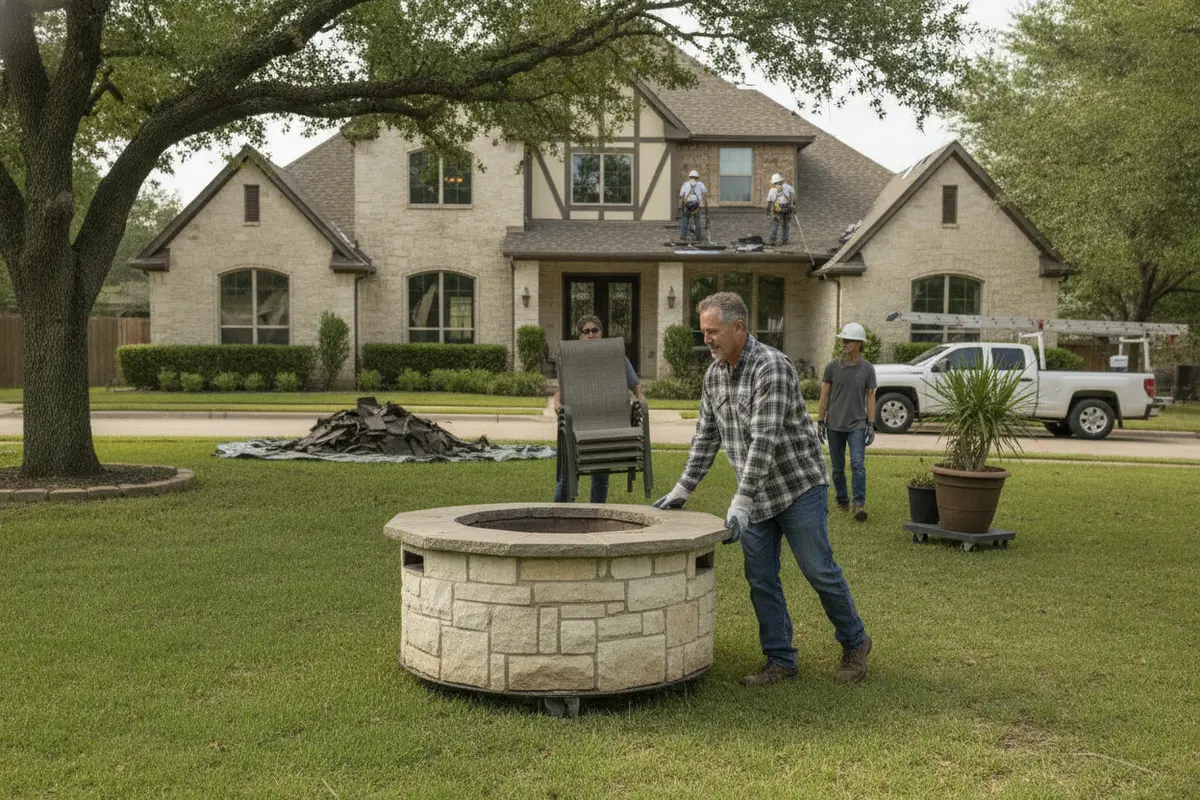
Preparation can reduce avoidable interruptions. Ask your contractor what the crew needs and follow the project-specific instructions. Common steps include moving vehicles away from work areas, securing fragile items near the work zone, and making sure gates or access points are available. If there are outdoor furniture, planters, or other belongings close to the house, ask whether they should be moved.
Inside the building, consider protecting items in rooms directly below the roof if vibration or work activity could disturb them. For commercial properties, inform occupants about the schedule, access limitations, and any areas that need to remain clear. Do not enter marked work zones or climb onto the roof to inspect progress. Contact the project lead if you have a safety concern or need an update.
Schedule a free roof inspection before planning replacement work
What Happens During Roof Removal and Installation?
When work begins, the crew follows the agreed scope and protects the property as outlined in the project plan. If the project includes tear-off, old roofing materials are removed in the designated work area. The exposed roof can reveal conditions that were not visible during the initial inspection. If that happens, ask for an explanation and documentation of the finding, along with any proposed change to the scope, before additional work proceeds.
Installation details depend on the building and roofing system. A sloped shingle roof and a low-slope commercial roof do not use the same materials or installation sequence. In either case, pay attention to whether the crew is following the written plan and whether the contractor communicates schedule changes. Weather can affect roof work, so ask how the team will protect exposed areas and adjust the plan when conditions change.
Do not treat a quick visual glance from the ground as a complete quality check. Instead, ask the contractor what steps are included in the final review and what photos or other project records will be provided. A professional roofing contractor can explain the completed work and answer questions about the areas addressed.
How Do You Handle Insurance Questions During a Texas Roof Replacement?
If storm damage may be involved, keep the repair or replacement decision separate from assumptions about insurance coverage. A contractor can assess roof conditions and explain proposed work, but your policy and insurer determine coverage. Review your policy, follow the insurer's claim instructions, and keep copies of inspection notes, photos, estimates, and communications. The Texas Department of Insurance offers guidance on insurance and your roof when buying a policy or filing a claim.
Before authorizing work related to a claim, ask how the contractor's proposal relates to the insurer's estimate and what to do if the documents differ. Avoid assuming a claim will pay for a full replacement or that a particular amount is guaranteed. Elevation assists property owners with storm-damage insurance claim processes, but coverage decisions remain with the insurer. You can also review the company's storm repair services if the immediate need is to address storm-related roof damage.
What Should the Final Roof Replacement Review Include?
At closeout, confirm that the completed work matches the agreed scope, the work area has been cleaned up, and your questions have been answered. Ask where to find the project documentation, including material information and any applicable product or workmanship documents. Keep these records with your property files. They may be useful for future maintenance, repairs, or insurance conversations.
After installation, keep an eye on the roof from safe vantage points and address concerns promptly. Do not walk on the roof unless a qualified professional has advised that it is safe and appropriate. Routine maintenance and timely repairs can help you spot issues early. Learn more about roof maintenance services and browse customer reviews as you evaluate a roofing contractor.
Request a free roof inspection to discuss your next step
Frequently Asked Questions
How long does a roof replacement take in Texas?
Timing depends on roof size, design, material, weather, and any conditions found during removal. Ask your contractor for a project-specific schedule and how rain or other delays will be communicated.
Do I need to replace the whole roof after a leak?
Not always. A leak can come from a localized issue, while widespread wear or damage may call for a larger scope. Have the roof inspected and ask the contractor to explain the evidence behind a repair or replacement recommendation.
Can a contractor promise that insurance will cover my replacement?
No contractor can determine your policy coverage or guarantee an insurer's decision. Review your policy and work directly with your insurer about claim requirements and coverage questions.
What should a roof replacement proposal include?
It should clearly describe the roof areas and work included, the proposed materials or system, removal and installation details, cleanup, scheduling assumptions, and how unexpected conditions will be communicated. Ask for clarification where scope or responsibilities are unclear.
Plan Your Roof Replacement With Clear Information
A well-managed replacement starts with a careful assessment and a proposal you can understand. Compare the full scope, prepare the property, keep insurance decisions with your insurer, and ask questions when conditions or plans change. If you are considering a project in Houston, Austin, or a nearby Texas community, Elevation Roofing & Restoration can help you discuss an inspection and the options for your property.