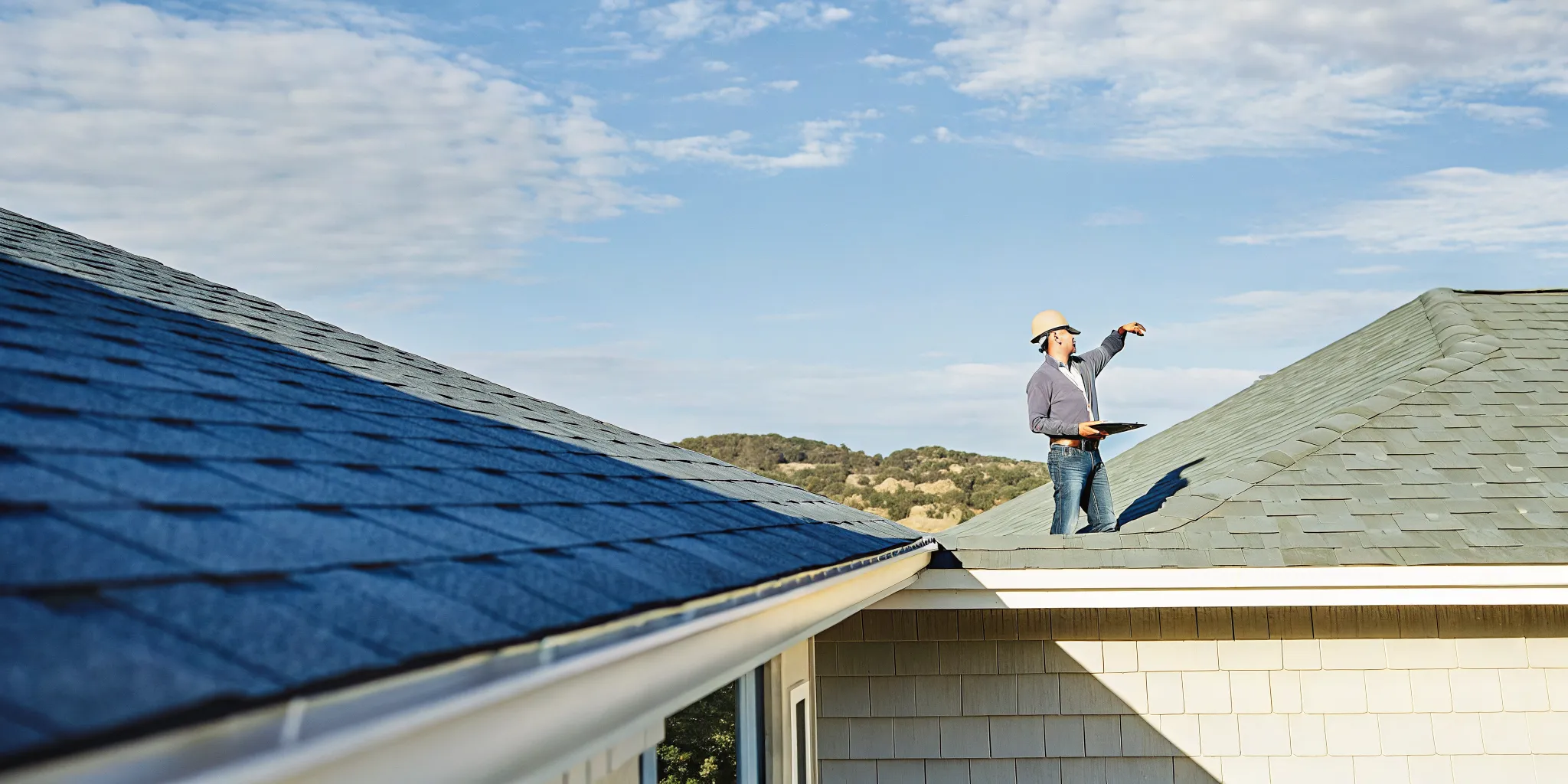
After an Austin wind, hail, or heavy-rain event, the most useful first step is not climbing onto the roof. It is protecting people, recording what you can safely see, and preserving a clear timeline before conditions change.
For storm damage roof repair Austin insurance claims, photograph visible damage, note when the storm occurred, save receipts for temporary protection, and contact your insurer about policy requirements. A professional inspection can document roof conditions, but your policy and carrier determine coverage and payment.
Keep damaged materials in place when it is safe, avoid permanent repairs until you have discussed them with the insurer, and separate observed facts from assumptions. The right process starts with three practical decisions: how to stay safe, what evidence to preserve, and how to coordinate inspection and repair planning.
Schedule a free professional roof inspection with Elevation Roofing & Restoration.
What Should You Know About Storm Damage Roof Repair Austin Insurance Claims?
After an Austin storm, focus on three decisions: keep people away from unsafe areas, preserve evidence of what changed, and confirm policy requirements before authorizing permanent work. A contractor can document roof conditions and explain repair options, but your insurer determines coverage and payment under your policy.
- Start with safety. Do not climb onto a roof after wind, hail, or heavy rain. Check the property from the ground and look inside for new stains, dripping, damp insulation, or other signs of water entry. If water is entering, move belongings away and use reasonable temporary protection when it is safe to do so.
- Preserve evidence. Photograph or record visible damage before cleanup or repairs. Capture each roof slope from the ground, along with affected gutters, vents, siding, windows, ceilings, and personal property. Make a list of damaged items, note the storm date or date range, and keep receipts for temporary protection. The Texas Department of Insurance recommends documenting damage and avoiding disposal of damaged items before an adjuster can inspect them, when practical: Texas claim documentation guidance.
- Separate policy decisions from contractor decisions. Contact your agent or insurance company promptly to ask how to report the loss, which deductible applies, what temporary work is permitted, and when an adjuster can inspect the property. Review the written policy instructions rather than relying on a neighbor's experience. Choose a contractor who can explain observed conditions and repair scope without promising claim approval, waiving a deductible, or negotiating a settlement on your behalf.
Austin weather can leave less obvious damage around flashing, roof penetrations, metal components, and shingle surfaces even when there is no immediate interior leak. A professional inspection can connect visible conditions to a repair plan while preserving the original evidence for the claim process. For more preparation detail, review Elevation Roofing's guide to professional roof inspection for claims.
Elevation Roofing & Restoration serves Austin-area property owners with roof inspection, repair, replacement, restoration, and documented insurance-claim support. The company's role is to explain the roof's condition and coordinate useful information, not to decide what the carrier owes.
How Can You Check for Storm Damage Before Calling Your Insurer?
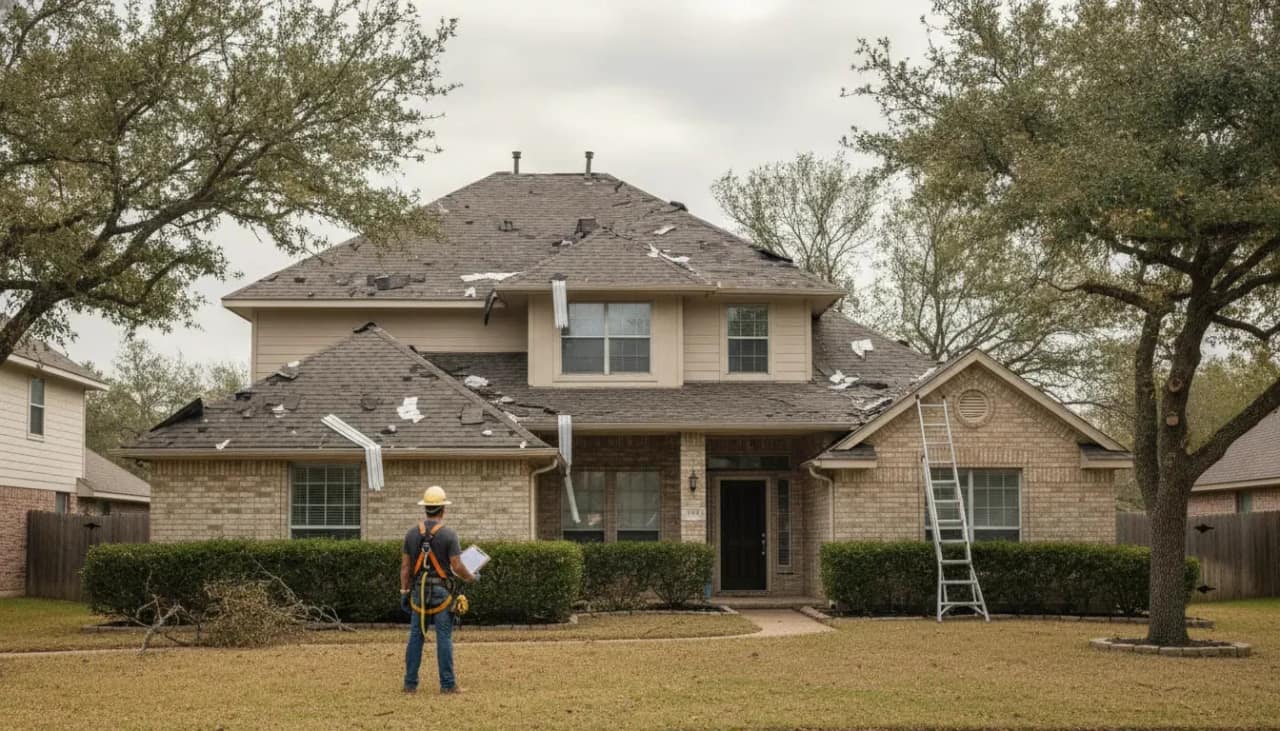
Before calling your insurer, look for storm clues from the ground and from safe interior areas, but do not climb onto the roof or diagnose the cause yourself. Note visible changes such as displaced shingles, dented metal, granules, stains, or damp insulation, then photograph what you can safely see. A professional inspection can identify less obvious damage without disturbing the condition you need documented.
Start with a ground-level check
Walk around the property and compare what you see with older photos if you have them. Use a zoom lens rather than a ladder. Wind and hail can affect more than shingles, so check roof edges, gutters, downspouts, vents, flashing, siding, screens, and other exposed surfaces.
- Missing or shifted shingles: Look for gaps, lifted edges, or material out of alignment, especially near ridges and roof edges.
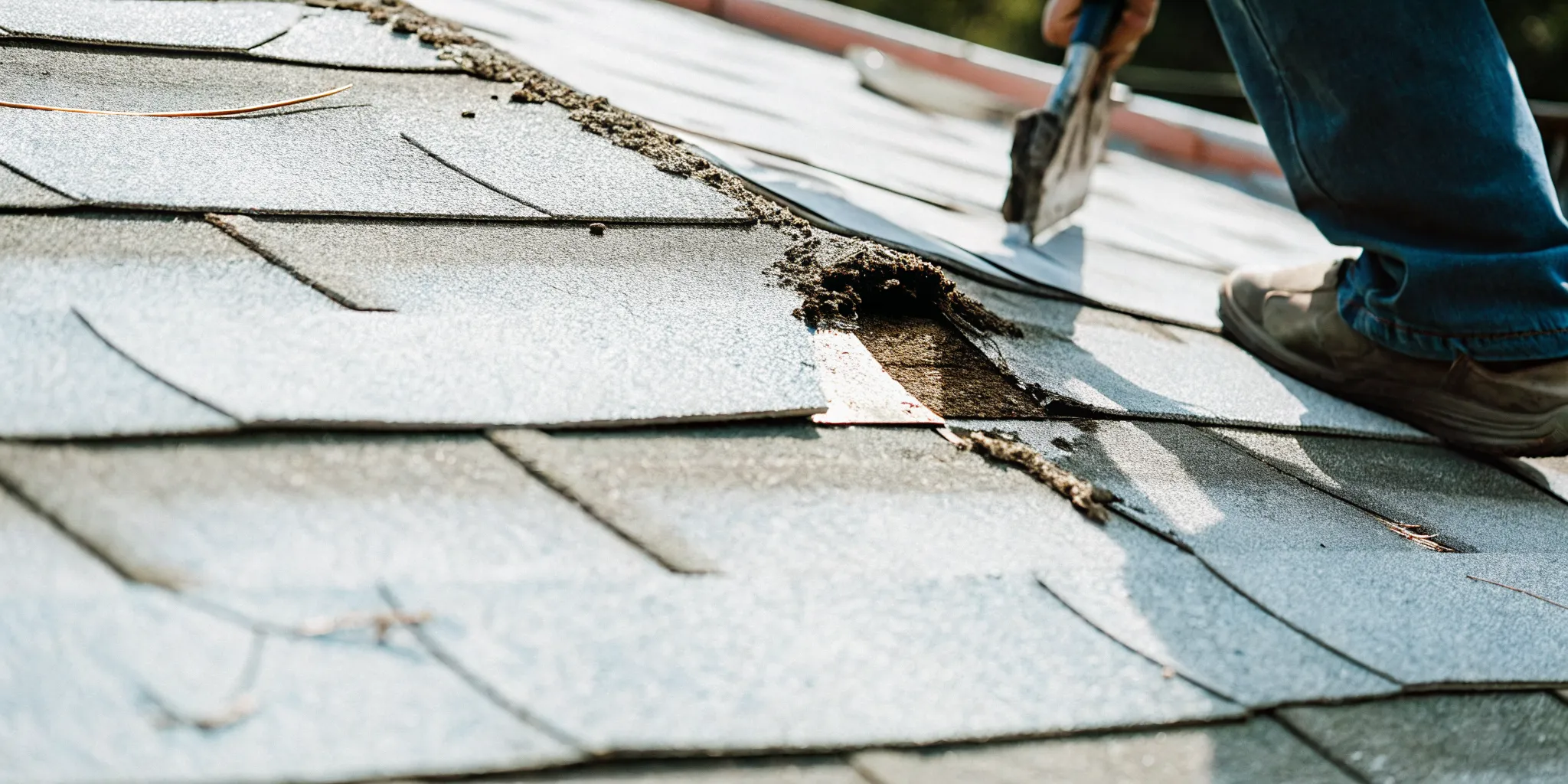
- Hail impact clues: Dark bruises, cracked surfaces, or areas with missing protective granules may warrant professional review.
- Dented metal: New marks on gutters, downspouts, vents, or flashing can show that the storm affected multiple roof components.
- Granules in gutters: An unusual buildup after the storm may indicate that shingle surfaces were struck or scraped.
- Related exterior damage: Damaged screens, siding, skylights, or fences can help establish the storm timeline, even though they do not prove roof coverage.
Check the attic and living spaces safely
From a stable, safe location, look for daylight through the roof deck, damp insulation, musty odors, new ceiling stains, or active dripping. A stain may appear away from the actual entry point because water can travel along framing. Do not cut into drywall, remove shingles, or move materials to investigate a suspected leak.
Record the storm date or date range, take wide and close photographs, and keep receipts for reasonable temporary protection. Avoid discarding damaged materials until your insurer or adjuster gives instructions. Your notes should describe what you observed, not claim a specific cause or coverage outcome.
For a documented evaluation, review this guide to professional roof inspection for claims. Elevation Roofing can assess visible and less obvious storm concerns while keeping the focus on safe documentation. An inspection supports the claims conversation, but your policy and insurer determine coverage.
When Should You Start Storm Damage Roof Repair Austin Insurance Claims?
Start by documenting visible damage and contacting your insurance agent or company promptly, while taking only safe temporary steps to limit additional loss. Your policy controls coverage, so let the insurer explain its process before permanent repairs begin. A professional inspection can help separate observed roof conditions from coverage decisions.
Texas Department of Insurance guidance recommends contacting the insurance company right away to start the claim process. You can review its home claim filing guidance and keep a record of the date, claim number, representative, and documents you provide. The insurer may request additional information while investigating the loss.
What should you ask your insurance company?
Ask which parts of the claim process apply to your policy and what information the adjuster needs. Useful questions include:
- What is the preferred way to report the storm damage?
- Which photographs, receipts, estimates, or other records should you submit?
- Should temporary protection be completed before the adjuster visits?
- What work should wait until the insurer gives further instructions?
Policies use different language, so do not assume that a storm-related roof problem will receive a particular coverage decision. The Texas Department of Insurance explains that homeowners should check their policy or contact their agent or company when they have coverage questions. Its storm damage FAQ is a useful reference, but it does not replace your policy or the insurer's claim instructions.
Before discarding damaged materials, preserve them when it is safe to do so, because an adjuster may need to inspect them. Make a list of damaged property, photograph or record video of the roof and related interior damage from safe locations, and save receipts for necessary repair expenses. Avoid climbing onto the roof after a storm. A qualified roofer can document conditions without asking you to take unnecessary risks.
If an opening allows rain to enter, focus on temporary protection that limits further damage, such as covering the opening when it can be done safely. Do not treat temporary protection as a permanent repair, and do not begin permanent work until your insurance company provides its instructions. Keep every receipt and photograph connected to the work.
Schedule a free professional roof inspection to document storm-related roof conditions safely.
Starting the claim conversation early does not require you to predict the outcome. It gives you a chance to understand the process, preserve evidence, and coordinate the next step with your insurer and roofing professional.
How Should You Prepare for the Insurance Adjuster Meeting?
Prepare a claim folder with your policy details, claim number, storm date, photos, videos, damage notes, repair receipts, and questions. Walk the property with the adjuster, describe what you observed without guessing about coverage, and keep copies of every document. Your insurer makes coverage and payment decisions.
A simple folder, whether printed or digital, can keep the meeting focused. Include:
- Your insurance company's contact information, claim number, policy documents, and the date you reported the loss.
- Photos or video of roof, attic, exterior, interior, gutter, window, and personal-property damage, ideally captured before temporary work began.
- A dated list of what you observed, including leaks, missing materials, fallen limbs, water stains, or rooms that became unsafe after the storm.
- Receipts for tarps, emergency labor, cleanup, or other reasonable protective work, plus copies of related messages and emails.
- Questions about the inspection process, required documents, the next decision point, and how the insurer wants permanent repairs handled.
Texas Department of Insurance guidance recommends photographing or recording damage, saving repair receipts, and avoiding permanent repairs until you have talked with the insurance company. It also advises homeowners not to discard damaged items before the adjuster has had an opportunity to inspect them. Review the state's home claim guidance for additional documentation steps.
During the inspection, describe facts you personally observed. You can say that water appeared on a ceiling after the storm. But avoid declaring that a specific component caused the leak unless a qualified inspection supports that conclusion. Do not guess when the roof was damaged, whether hidden damage exists, or what the policy must pay. Ask the adjuster to note areas that need further evaluation.
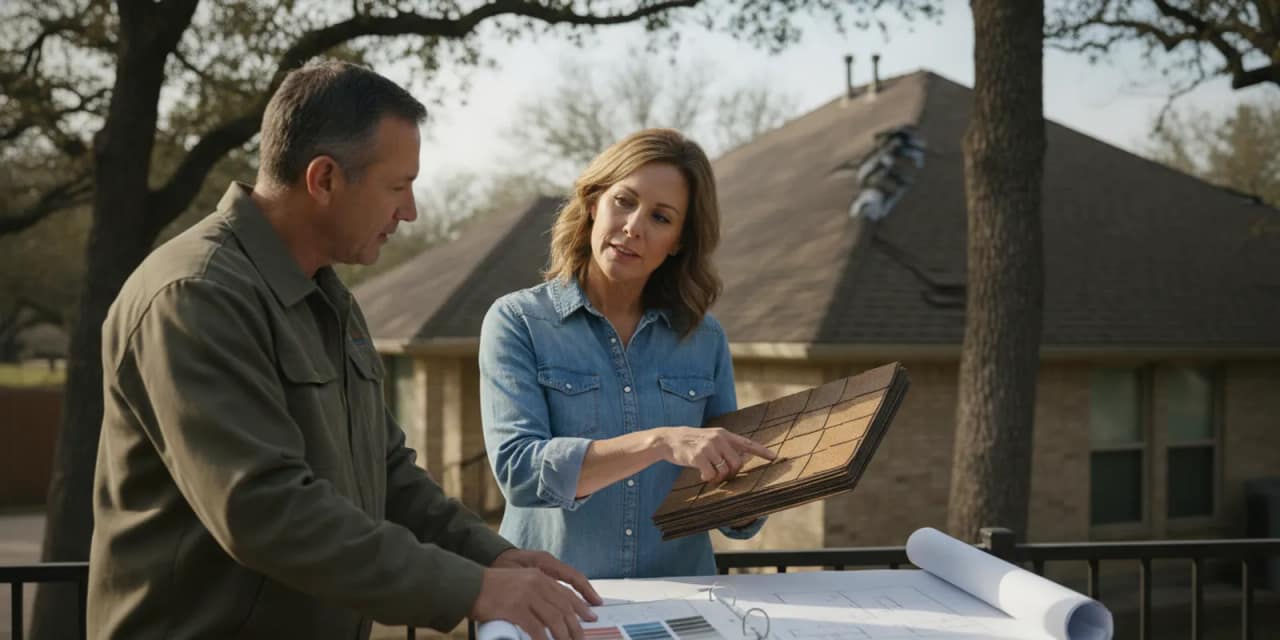
You may walk the property with the adjuster, and a contractor may attend to discuss technical observations or repair documentation. For a practical overview, read what to expect during adjuster inspection. If an opening needs temporary protection before the meeting, learn about urgent roof repairs after storm damage, then preserve photos and receipts. Elevation Roofing & Restoration can document roof conditions and coordinate information, but the insurer determines coverage under your policy.
How Can Elevation Roofing Help With Austin Storm Damage Repairs?
Elevation Roofing & Restoration helps Austin property owners understand storm-related roof conditions through a professional inspection, organized documentation, and practical repair planning. The team can explain what it observes and coordinate information for an insurance claim. The insurer, not the contractor, decides whether damage is covered and how the claim is paid.
Inspection and documentation
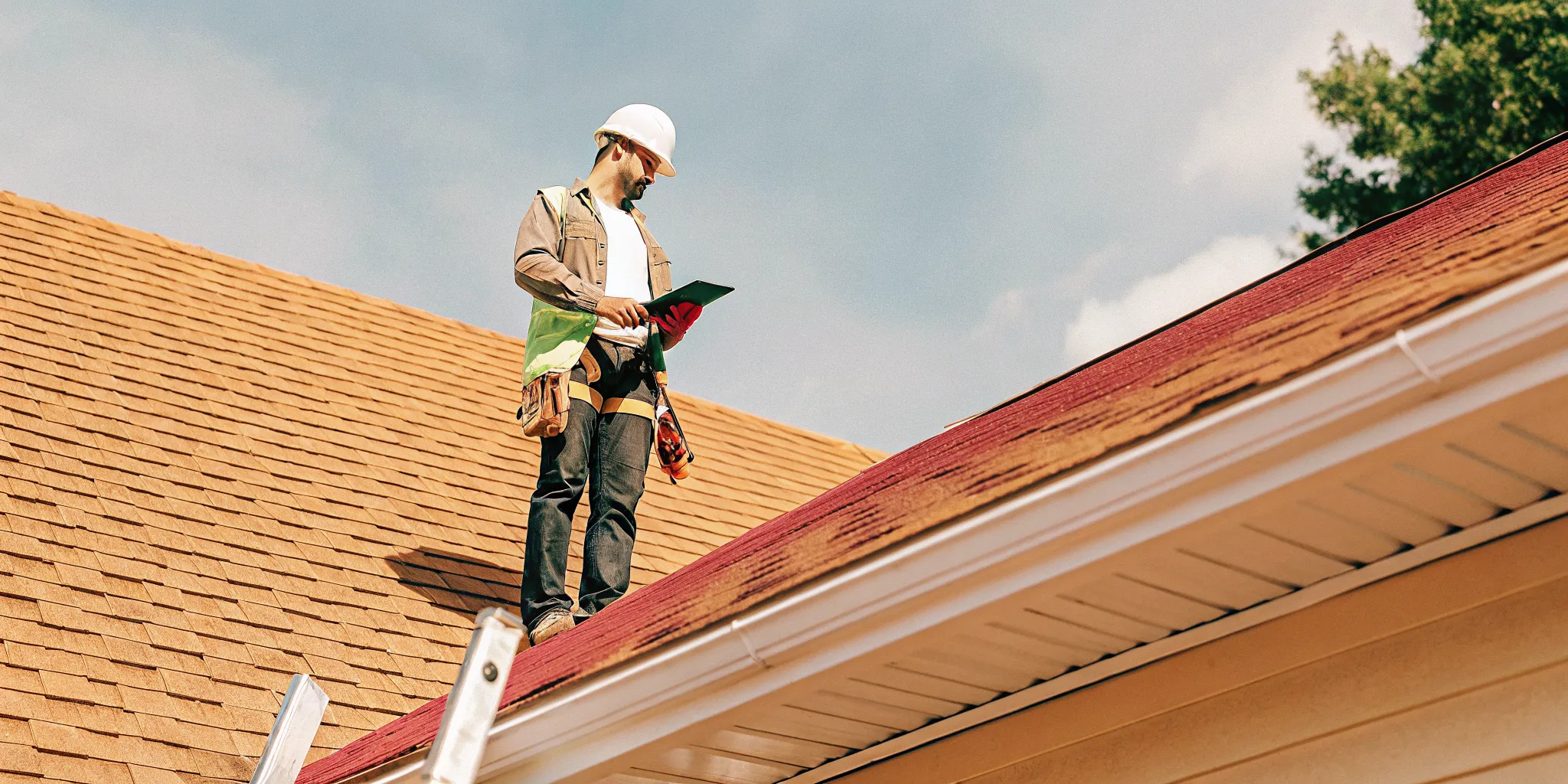
A careful inspection can review shingles or other roof coverings, flashing, penetrations, gutters, vents, fascia, and related exterior areas. It can also identify conditions that are difficult to see from the ground. Photos should show the affected area clearly and connect observed damage with the proposed scope of work. This gives the homeowner a clearer record to discuss with the insurance company and adjuster.
Homeowners should preserve photos, claim correspondence, and receipts for reasonable temporary protection. The Texas Department of Insurance advises documenting damage and keeping damaged items available for the adjuster's inspection when possible. Elevation Roofing can help organize roofing observations, but it cannot guarantee coverage, approval, or payment.
Repair or replacement planning
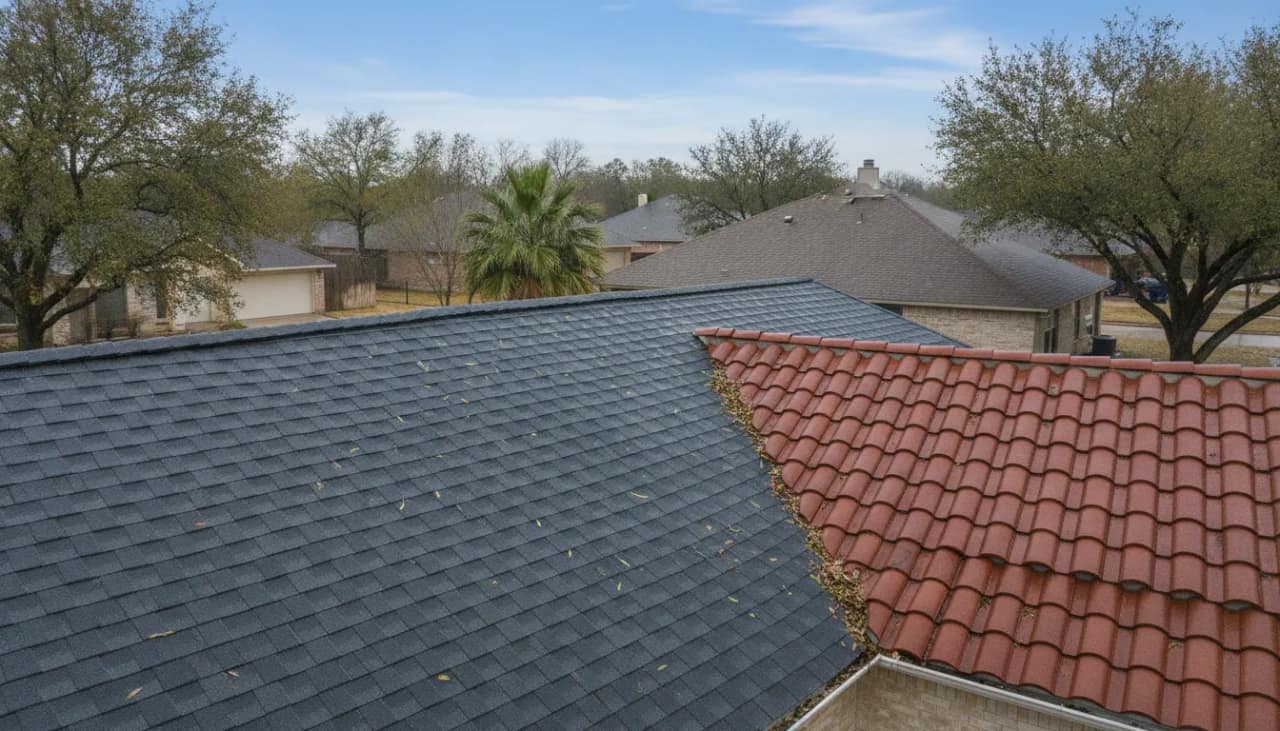
When a repair is appropriate, the scope should identify the affected area and the work needed to restore weather protection. If damage is widespread or the existing roofing system cannot be repaired reliably, the contractor can explain replacement considerations. Elevation Roofing's roof repair services and roof replacement services can be considered according to the property's condition and the homeowner's decisions.
The repair plan should remain separate from the coverage decision. A contractor may discuss technical conditions or proposed work with an adjuster, while the insurer applies the policy to determine coverage. Ask the insurance company about deductibles, documentation, and any required approval before authorizing permanent work.
Local service and communication
Responsive communication matters after an Austin storm. Elevation Roofing & Restoration serves Austin and surrounding Texas communities listed on its service locations page. Homeowners can also read the company's customer reviews when comparing local roofing providers. For the next step, homeowners may schedule a free professional roof inspection without assuming the insurer will approve a particular repair.
What Is the Difference Between ACV and RCV Roof Coverage?
Actual cash value, or ACV, may account for depreciation when a covered roof loss is calculated. Replacement cost value, or RCV, may address approved replacement costs under the policy's conditions. Your policy language and insurance carrier determine how coverage applies, so confirm the details before authorizing permanent work.
| Coverage term | General meaning | Question to ask |
|---|---|---|
| Actual cash value (ACV) | A covered payment may reflect depreciation based on the roof's age and condition. | How is depreciation calculated, and is any amount recoverable? |
| Replacement cost value (RCV) | Coverage may address the approved replacement cost in stages, subject to the policy. | What work or documentation is required before any remaining payment is issued? |
These terms do not establish a universal payment rule for every Austin storm claim. Deductibles, exclusions, roof condition, documentation, and the carrier's evaluation can affect the outcome. The Texas Department of Insurance claims guidance recommends reviewing your policy and discussing coverage questions with your agent or insurance company.
A contractor can document visible roof conditions and explain the repair scope, but it cannot approve coverage or decide how depreciation is handled. For practical planning before a claim conversation, review this guide to preparing your roof for storm season.
Frequently Asked Questions
Is roof damage from a storm covered by insurance?
Coverage depends on your policy, the type and cause of damage, the roof's age, and when the damage occurred. Wind or hail damage may be treated differently from normal wear, maintenance issues, or an older roof that needs replacement. Review your policy and ask your insurer about the specific loss before assuming a repair or replacement is covered. Texas Department of Insurance guidance notes that homeowners policies use different language.
How long do you have to claim roof damage from a storm?
Notify your insurance agent or company promptly, even if you are still documenting the damage. Your policy may set notice requirements, and waiting can make the condition harder to document. Check the full guidance and your policy.
Will my insurance premium go up if I file a roof claim?
There is no universal answer. Premiums and renewal decisions can depend on your insurer, policy, claim history, the type of loss, and broader underwriting factors. Ask your agent how a claim could affect your policy before making assumptions. But do not delay necessary notice or protective work solely because you are concerned about a possible premium change.
What should you say to an insurance adjuster about roof damage?
Describe what you observed, when the storm occurred, and what you did to prevent additional damage. Share dated photos, videos, receipts, and your damage inventory, and walk through the property with the adjuster so areas are not missed. A contractor may attend to discuss estimates or technical specifications, but the insurer decides coverage. Keep observations separate from guesses about the cause or payment.
Does the 25% rule apply to every roof insurance claim?
No. A 25% threshold is not a universal rule that automatically determines coverage, replacement, or payment for every Texas roof claim. Requirements can vary by policy, roof condition, damage type, and applicable rules. Ask your insurer to identify the exact policy language supporting its decision, and have a qualified roofing professional document the observed condition without promising a claim outcome.
Ready to Plan Your Austin Roof Repair?
A professional inspection can help you understand visible storm damage, organize documentation, and plan the next repair conversation with your insurer. Elevation Roofing & Restoration can assess the roof and explain practical next steps without making coverage decisions for your insurance company.
Schedule a free professional roof inspection by calling (832) 271-1726.