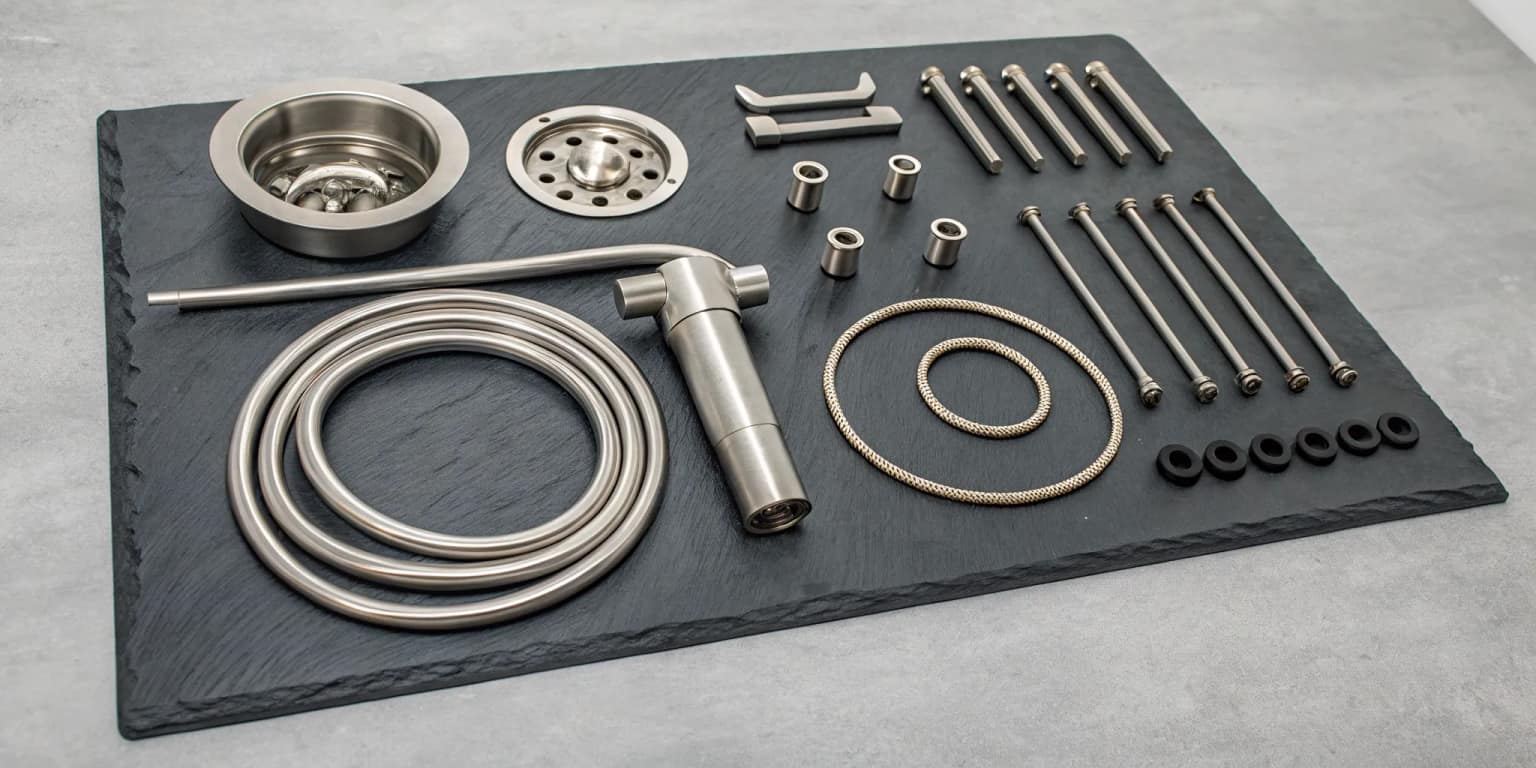
When you invest in a major home project like a new roof or exterior restoration, you’re focused on the big picture. But often, it’s the small, unseen details that determine how long that investment will last. I’m talking about the fasteners, flashing, and brackets that hold everything together. Using a lesser material for these critical components is like building a strong wall with weak mortar. That’s why we pay close attention to every single material, and for the toughest jobs, we rely on 316 stainless steel. Its exceptional strength and resistance to corrosion make it the perfect choice for ensuring every part of your project is built to last. Let's explore why this material is a hero in its own right.
Key Takeaways
- Superior Corrosion Resistance for Coastal Homes: The key ingredient in 316 steel is molybdenum, which provides exceptional protection against rust from the salt and humidity common in Houston and other coastal Texas areas.
- A Strategic Investment for Longevity: While 316 steel costs more upfront, it is a smart investment for critical outdoor components, preventing costly repairs and replacements for years to come.
- Durable and Versatile for Key Projects: This steel is not just rust-resistant; it is also incredibly strong, tolerates high heat, and is easily formed, making it ideal for creating long-lasting, custom-fit roofing components, flashing, and gutters.
What Is 316 Stainless Steel and Why Does It Matter for Your Property?
When you're choosing materials for your property, whether for roofing, gutters, or outdoor fixtures, you want something that will last. You've probably heard of stainless steel, but not all types are created equal. One of the top performers is 316 stainless steel, and understanding what makes it special can help you make a smart investment in your property's durability, especially with the Texas climate in mind. Let's look at what sets this powerful alloy apart from the rest.
Its Place in the Stainless Steel Family
Think of stainless steel as a large family with many members, each with unique strengths. In this family, 316 stainless steel is one of the stars. It belongs to a group called "austenitic" stainless steels, which is a technical way of saying it's incredibly tough and non-magnetic. This internal structure gives it excellent mechanical properties and makes it resilient against a wide range of temperatures. While its cousin, 304 stainless steel, is more common, 316 is the go-to choice when you need a higher level of defense against corrosion. It’s known for its strength and ability to stand up to harsh conditions without failing.
The Secret Ingredient: Molybdenum
So, what gives 316 steel its superior defensive power? The answer is a special ingredient called molybdenum. While most stainless steels contain chromium and nickel for basic rust resistance, the addition of about 2% to 3% molybdenum is what truly makes it different. This element is a game-changer, giving 316 steel the ability to fight off corrosion from chlorides, like salt spray in coastal areas near Houston, and other harsh chemicals. It’s particularly effective at preventing localized issues like tiny holes (pitting) and small cracks that can form in aggressive environments. This extra protection is why 316 steel is a fantastic choice for outdoor applications where longevity is key.
What’s Inside? The Chemical Makeup of 316 Steel
Think of stainless steel like a recipe. While all stainless steel starts with an iron alloy base, 316 steel has a few special ingredients that give it impressive strength and resilience. This specific blend of elements is what makes it a top choice for durable applications, especially in challenging environments like the Texas coast. Understanding this chemical makeup helps you see why it’s such a reliable material for your property.
The exact percentages of these elements work together in harmony. They create a metal that’s not just strong, but also highly resistant to the things that typically break down other materials. Let's look at the key players in the 316 steel recipe.
The Foundation: Chromium and Nickel
At the heart of 316 stainless steel are its two foundational elements besides iron: chromium and nickel. This material is a chromium-nickel-molybdenum alloy, with chromium making up about 16% to 18% and nickel comprising 10% to 12% of the mix. Chromium is the star player when it comes to creating that "stainless" quality. It forms a thin, invisible layer on the steel's surface that protects it from rust and corrosion. Nickel enhances this effect, adding toughness and making the steel easier to form and weld. Together, they create a stable and durable base that stands up to wear and tear.
The Power Player: Molybdenum
What truly sets 316 steel apart is the addition of molybdenum, which makes up about 2% to 3% of its composition. This element is the secret weapon that gives 316 its superior ability to resist corrosion, especially from chlorides. If your property is anywhere near the coast, from Galveston to Baytown, you know how destructive salty air can be. Molybdenum makes 316 steel much better at handling saltwater and other harsh chemicals, which is why it’s often called "marine-grade." This makes it an ideal choice for outdoor fixtures, roofing components, and structural supports in coastal areas.
The Supporting Cast: Other Key Elements
While chromium, nickel, and molybdenum do the heavy lifting, a few other elements play important supporting roles. You’ll also find small amounts of manganese (up to 2%) and silicon (less than 1%) in the mix. These elements contribute to the steel's overall strength, durability, and workability during the manufacturing process. Tiny traces of phosphorus and sulfur are also present, but their levels are kept extremely low because they can reduce the steel's corrosion resistance. This carefully balanced composition ensures every component works together to create a final product that is strong, reliable, and built to last.
What Makes 316 Steel Stand Out?
When you’re choosing materials for your property, especially for something as critical as your roof or structural elements, you want something that lasts. While there are many types of stainless steel, 316 grade has a reputation for being a true workhorse. It’s not just a slight upgrade from other common steels; its unique composition gives it a set of superpowers that make it the go-to choice for tough environments.
Think of it as the all-weather gear in the world of metals. Its ability to resist rust, handle extreme temperatures, and maintain its strength over decades makes it an incredibly reliable investment. For property owners in Texas, where we deal with everything from coastal humidity to intense summer heat, these qualities are not just nice to have, they’re essential. Let’s look at the specific characteristics that make 316 stainless steel a top-tier material for protecting and enhancing your home or business.
Built to Last: Superior Corrosion Resistance
The standout feature of 316 steel is its incredible resistance to corrosion. This is thanks to an element called molybdenum. While other stainless steels hold up well against general corrosion, the addition of molybdenum gives 316 an edge against more aggressive forms, like rust caused by salt and chlorides. This is a game-changer for properties near the Texas coast, where salty air can quickly degrade lesser metals. It means your metal roofing, flashing, and outdoor fixtures won't just survive; they'll maintain their integrity and appearance for years to come, preventing costly repairs and replacements.
Unmatched Strength and Durability
Beyond its resistance to rust, 316 stainless steel is exceptionally strong and durable. This metal is tough, capable of withstanding physical impacts and wear without losing its structural integrity. This inherent toughness is valuable for any exterior application, from metal roofing panels that need to endure hail storms to structural supports that must bear significant weight over time. Its strength isn't compromised by temperature changes either, performing reliably in both the freezing cold and intense heat. This durability ensures that components made from 316 steel provide long-term, dependable performance for your property.
Stands Up to the Texas Heat
We all know the Texas sun is no joke. The relentless heat and UV exposure can cause many building materials to warp, crack, or degrade over time. This is another area where 316 stainless steel shines. It has an excellent tolerance for high temperatures, capable of handling heat up to 870°C (or 1598°F) without breaking down. For your property, this means a metal roof or exterior cladding made from 316 steel won't buckle or weaken during our long, hot summers. This thermal stability ensures a longer lifespan and consistent performance, protecting your investment year after year.
Clean and Safe: Hygienic Properties
You might be surprised to learn that 316 steel is a material of choice for medical implants and food processing equipment. That’s because its surface is non-porous and incredibly easy to clean, which prevents bacteria from finding a place to grow. While you probably aren't performing surgery on your patio, this hygienic quality is a great benefit for your home. For outdoor kitchens, railings, or even certain types of siding, it means the surface is low-maintenance and stays cleaner. This biocompatible nature speaks to its purity and safety as a building material.
Easy to Work With: Formability and Weldability
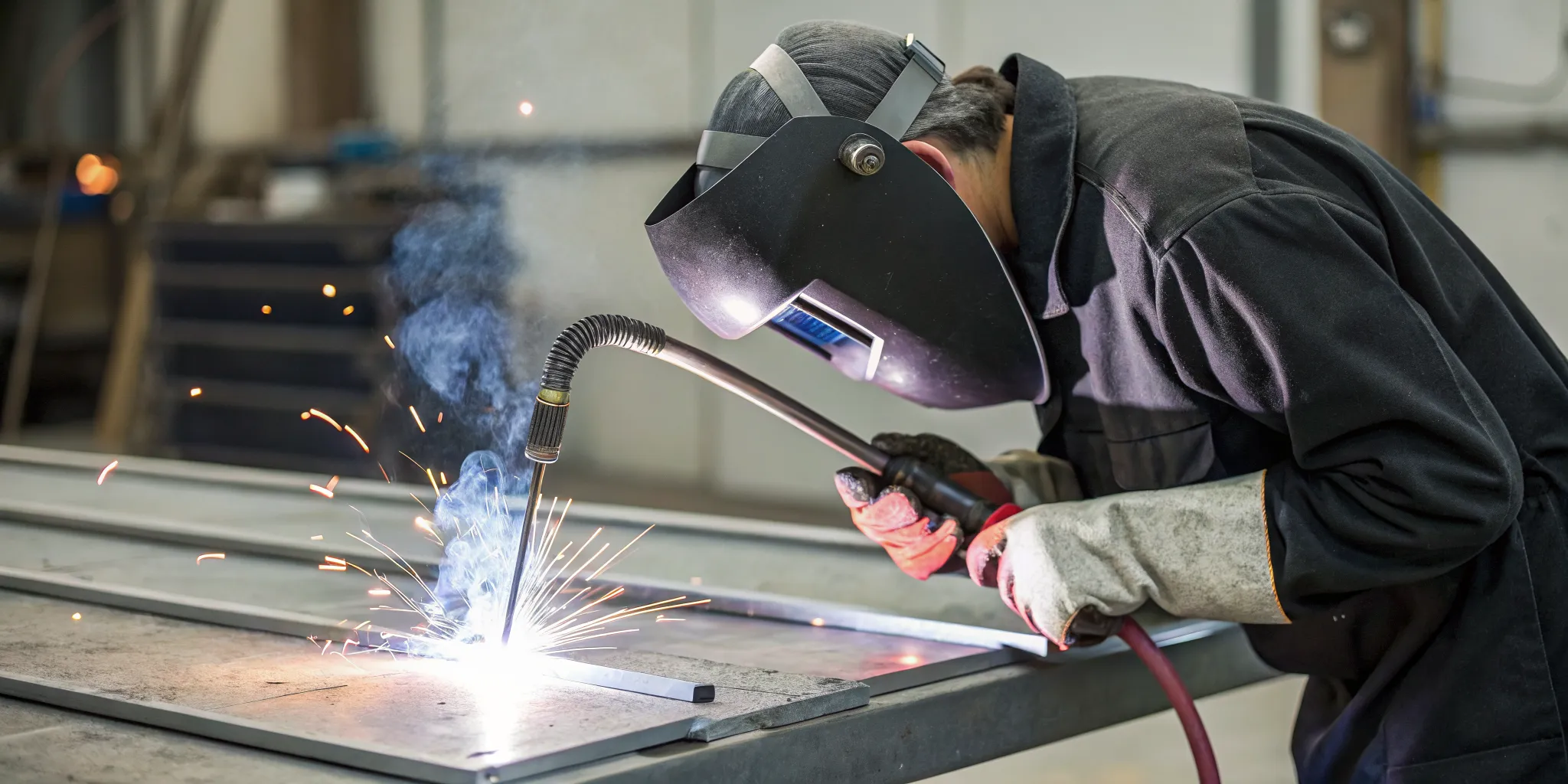
For a material to be effective, contractors have to be able to work with it properly. Fortunately, 316 stainless steel is known for being easy to shape and weld. This quality is more important than you might think. It allows our technicians to create precise, custom fittings for even the most complex architectural designs. Whether we’re installing a custom metal roof, fabricating unique flashing for a chimney, or fitting seamless gutters, the formability of 316 steel ensures a perfect, watertight seal. This flexibility in our roofing services translates directly to a higher-quality, more durable, and better-looking final product for your property.
316 vs. The Alternatives: A Quick Comparison
Choosing the right material can feel like you're staring at a wall of alphabet soup. When it comes to stainless steel, you'll see numbers like 304, 316, 316L, and 316Ti. While 316 is a fantastic all-around performer, especially for Texas properties, knowing how it stacks up against its close relatives helps you make sure you’re getting the perfect fit for your project. Whether it’s for a new metal roof or custom gutters, let's break down the key differences so you can feel confident in your choice.
316 vs. 304: The Everyday Choice
Think of 304 stainless steel as the popular, everyday option. You’ll find it everywhere. But 316 has a special advantage. The main difference is that 316 contains a small amount of an element called molybdenum. This addition is what gives 316 its superior ability to resist corrosion, particularly in salty or chemical-heavy environments. For homeowners in coastal areas like Houston or Galveston, this is a huge deal. The salty air can be tough on exterior metals, so choosing 316 for flashing, fasteners, or gutters provides that extra layer of long-term protection against rust and decay, ensuring your investment lasts.
316 vs. 316L: What's the "L" For?
You might also come across 316L steel, and that "L" is pretty important. It simply stands for "low carbon." Why does that matter? A lower carbon content makes the steel much better for projects that involve a lot of welding. During welding, the heat can cause issues in standard 316 steel that might lead to corrosion later on right at the weld seam. The grade 316L prevents this problem, ensuring the welded area stays just as strong and corrosion-resistant as the rest of the material. This is a key consideration for custom-fabricated architectural elements or complex gutter systems where strong, durable welds are essential.
316 vs. 316Ti: Adding Titanium to the Mix
Then there's 316Ti, which brings titanium into the mix. Similar to how the low carbon in 316L works, adding titanium helps stabilize the steel's structure, especially when things get hot. This makes 316Ti exceptionally resistant to high temperatures and also prevents weak spots from forming during welding. While you might not need it for every part of your home, it’s the go-to choice for applications that will face extreme heat. Think about components for a high-end outdoor kitchen, a custom chimney cap, or specific industrial-grade roofing services where heat exposure is a constant factor.
Where You'll Find 316 Stainless Steel
Because of its impressive resilience, 316 stainless steel isn't just a niche material; it's a trusted workhorse across a surprising number of industries. You'll find it in places where strength, cleanliness, and resistance to corrosion are non-negotiable. From the salty air of the Texas coast to sterile medical environments, its unique properties make it the go-to choice for demanding applications.
Understanding where this powerful alloy is used can give you a better appreciation for its value. When you see it used in critical settings like hospitals and food processing plants, it builds confidence that it can certainly handle the demands of your home or commercial property. Its versatility is a testament to its balanced and robust chemical makeup. Let's look at some of the most common places you'll encounter 316 stainless steel in action.
Protecting Coastal and Marine Properties
If you live near the Gulf Coast, you know the toll that salty air and humidity can take on building materials. This is where 316 stainless steel truly shines. It’s often called "marine-grade" stainless steel because it holds up so well against saltwater and other corrosive chemicals. For properties in areas like Galveston or Clear Lake, using 316 for outdoor fixtures, fasteners, and structural components can prevent premature rust and degradation, saving you from costly repairs down the line. It’s an essential material for ensuring longevity in a coastal environment.
In Medical and Pharmaceutical Settings
The last thing you want in a medical setting is a material that rusts, corrodes, or reacts with its environment. That’s why 316L, a low-carbon version of 316, is a staple in the medical and pharmaceutical fields. Thanks to its excellent corrosion resistance and hygienic, non-reactive surface, it's used for everything from surgical instruments and implants to sterile manufacturing equipment. The fact that it’s trusted to be safe inside the human body speaks volumes about its purity and stability.
Keeping Food and Drinks Safe
Have you ever noticed the gleaming metal tanks at a local brewery or the stainless steel counters in a commercial kitchen? There's a good chance you're looking at 316 stainless steel. It's a preferred material for food preparation equipment, especially in environments with a lot of salt, like processing plants or commercial kitchens. Because it doesn't corrode or leach harmful substances, it ensures that food and beverages remain pure and safe for consumption. This makes it a top choice for anyone serious about food safety.
Handling Tough Industrial Jobs
From chemical processing plants to oil and gas refineries, tough industrial environments require even tougher materials. 316 stainless steel is recognized for its ability to withstand harsh chemicals, high pressures, and extreme temperatures. Its durability makes it ideal for creating pipes, tanks, and valves that handle corrosive substances day in and day out. This industrial-strength performance is a key reason why it’s such a reliable choice for long-lasting roofing services and building components.
In Modern Construction and Architecture
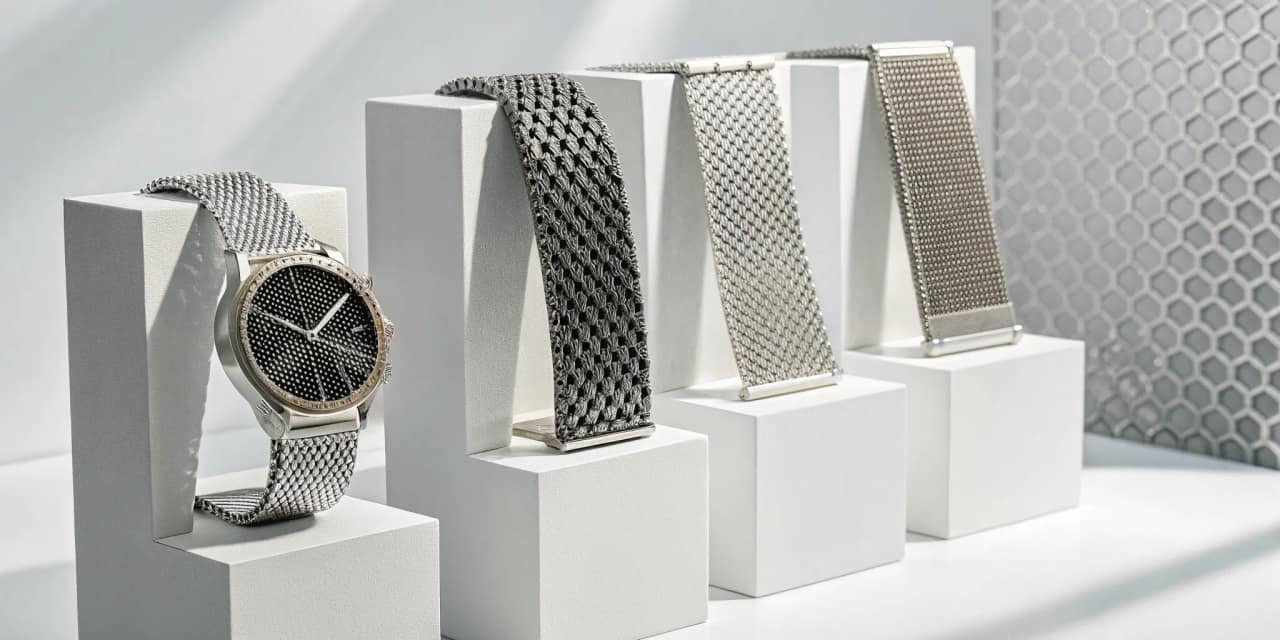
Architects and builders value materials that are both beautiful and built to last. 316 stainless steel fits the bill perfectly. You’ll find it used for everything from sleek exterior cladding on modern buildings to durable fasteners, railings, and screens. Its clean look and resistance to weathering make it a practical choice for creating architectural features that can stand up to the elements, including the Texas sun and storms, without losing their visual appeal.
Debunking Common Myths About 316 Stainless Steel
When you’re investing in your property, you want to make smart, informed choices. But with a material like stainless steel, it’s easy to get tripped up by common misunderstandings. Let's clear the air and tackle some of the most persistent myths about 316 stainless steel so you can feel confident about the materials you choose for your home.
Myth: "All stainless steel is the same."
It’s a common assumption, but it couldn't be further from the truth. Thinking all stainless steel is identical is like saying all wood is the same. In reality, there are many different grades of stainless steel, each with a unique recipe and purpose. The key difference between 316 and its popular cousin, 304, is an ingredient called molybdenum. This addition gives 316 steel a significant advantage in fighting off corrosion, especially from salt and other harsh chemicals. Understanding this distinction helps you pick the right material for the job, ensuring you don't pay for performance you don't need or, worse, choose a material that won't last.
Myth: "316 steel is completely rust-proof."
While 316 stainless steel is a champion when it comes to corrosion resistance, it isn't completely invincible. It’s more accurate to say it’s highly resistant to rust, not rust-proof. In extremely harsh conditions, like constant exposure to the salty air we get near the Texas coast, even 316 can begin to show signs of corrosion over time. Think of it as having a powerful immune system rather than being a superhero that can’t get hurt. For homeowners, this just means that even the best materials benefit from proper care and maintenance to keep them looking and performing their best for years to come.
Myth: "316 is always the best option."
Because of its superior corrosion resistance, many people believe 316 is the default best choice for any project. While it's an excellent material, it's not always the most practical or necessary one. For many indoor applications or projects in areas with no salt exposure, the 304 grade is often perfectly suitable and more cost-effective. The smartest approach is to evaluate your specific needs. Are you building a coastal deck railing or installing a kitchen backsplash? The environment plays a huge role in determining whether the added protection (and cost) of 316 steel is a worthwhile investment for your property.
Myth: "316 steel is never magnetic."
Here’s a surprising fact: while 316 stainless steel is an austenitic grade, meaning it's non-magnetic in its raw state, it can exhibit slight magnetism. This can happen when the material is "cold-worked," which includes processes like bending, forming, or cutting during manufacturing. So, if you test a 316 stainless steel fastener or fixture with a magnet and feel a slight pull, don't be alarmed. It doesn’t mean you received the wrong material. This subtle magnetic property is simply a potential side effect of the fabrication process and doesn't impact its excellent corrosion resistance or strength.
The Good and the Bad: Pros and Cons of 316 Steel
When you're planning a project for your home, whether it's new metal roof flashing or custom gutters, every choice feels significant. The materials you select play a huge role in the final outcome, affecting not just the look but also the longevity and maintenance needs for years to come. That's why it's so important to look at any material, including 316 stainless steel, with a clear and balanced perspective. Like anything else, it has its own set of strengths and weaknesses.
Understanding both sides of the coin is the best way to decide if it’s the right investment for your property. It’s not about finding a flawless material, because that doesn’t exist. It’s about finding the one whose benefits outweigh its drawbacks for your specific situation, especially here in Texas where heat and humidity are always a factor. Let's break down the good and the not-so-good so you can feel confident in your choice for your next roofing or restoration project.
The Upsides
The biggest reason people choose 316 steel is its incredible resistance to corrosion. Thanks to that extra molybdenum in its chemical makeup, it stands up beautifully to salt spray and moisture, which is why it's often called "marine-grade" steel. For properties near the Texas coast or in humid areas like Houston, this is a huge plus. It means less worry about rust and staining over the years. Beyond that, it’s exceptionally strong and durable, holding its own against the elements without losing its clean, polished look. This toughness makes it a fantastic long-term investment for everything from roofing fasteners and flashing to outdoor fixtures and gutters.
The Downsides
Now for the other side. The primary drawback of 316 stainless steel is its cost. It’s a premium material, and its price tag reflects that. You’ll typically pay more for it upfront compared to other options like 304 steel. While it's incredibly tough, it's also important to know that it isn't completely immune to everything. In very specific, harsh conditions, like constant exposure to warm saltwater without rinsing, it can eventually show some staining. It's also a bit harder to work with than some other metals, which can sometimes add to fabrication costs. For most residential projects, however, these issues are minor compared to its long-lasting benefits.
Should You Choose 316 Steel for Your Project?
Deciding if 316 stainless steel is right for your project comes down to a few key factors. It’s not always the default choice, but in certain situations, it’s the best one. By looking at your property’s location, your budget, and the demands of the job, you can make a confident decision. Let's walk through these points to see if investing in 316 steel is the smart move for you.
Consider Your Environment
The biggest selling point for 316 steel is its incredible ability to fight off rust. If your property is anywhere near the Texas coast, like in Houston or other Gulf cities, this is a huge deal. The salty air in marine environments can be brutal on most metals, but 316 steel is designed to handle it. Thanks to its molybdenum content, it has exceptional corrosion resistance against chlorides, like salt. This is why you’ll often hear it called “marine-grade” steel; it’s built to last where other materials would quickly degrade.
Factor in Your Budget
Let’s talk about cost. Yes, 316 stainless steel is more expensive upfront than more common options like 304 steel. However, it’s important to think long-term. For projects in tough environments, that higher initial price can be a worthwhile investment. Choosing a less-resistant material might save you money now, but it could lead to costly repairs or a full replacement sooner than you think. By opting for 316 steel in the right application, you’re paying for durability and peace of mind, potentially saving money and hassle over the life of your roof or structure.
Know Your Project's Demands
Finally, think about the specific job you need the steel to do. Is it for a metal roof that will be constantly exposed to the elements? Or perhaps for gutters and downspouts in a coastal area? 316 steel is ideal for applications that require both high strength and superior protection from corrosion. While it might be overkill for a simple indoor decorative piece, it’s the perfect choice for critical outdoor components. For architectural details, fasteners, or roofing systems that need to withstand the Texas climate for decades, 316 steel provides unmatched performance and reliability.
Frequently Asked Questions
Is 316 steel really worth the extra cost for my home? That’s a great question, and it really comes down to thinking long-term. While 316 steel does have a higher upfront cost, you can think of it as an investment in durability. For critical components like roofing, flashing, or fasteners in a humid or coastal environment, that extra cost buys you superior protection against rust and decay. Choosing a less-resistant material might save you a little now, but it could lead to paying for repairs or a full replacement much sooner than you’d like.
My house isn't right on the coast. Do I still need 316 steel? Not necessarily. The main superpower of 316 steel is its defense against salt and other harsh chemicals. If your property is further inland and not exposed to those specific elements, the more common 304 stainless steel is often a perfectly suitable and more budget-friendly choice. The goal is to match the material to the demands of your environment, so for many projects away from the coast, 304 provides all the strength and protection you need.
What’s the simplest way to understand the difference between 316 and 304 steel? The easiest way to think about it is that 316 steel has a secret weapon: an element called molybdenum. Both are high-quality, durable stainless steels, but the addition of molybdenum gives 316 a significant advantage in fighting off corrosion, especially the kind caused by salty air. So, while 304 is a fantastic all-around performer, 316 is the specialist you call in for tougher environmental challenges.
How do I take care of 316 stainless steel to make sure it lasts? Even though it’s incredibly resilient, a little maintenance helps keep it in top shape. For outdoor applications, especially near the coast, simply rinsing the steel with fresh water periodically can wash away salt deposits that might cause minor staining over a long period. It’s best to avoid harsh cleaners or abrasive tools like steel wool, as they can scratch the protective surface. In most cases, a gentle cleaning is all it ever needs.
Can 316 steel stand up to Texas hail and storms? Yes, it’s built for it. Beyond its chemical resistance, 316 stainless steel is valued for its physical strength and toughness. It has excellent impact resistance, which is a huge benefit when you’re dealing with hail. This durability means that components made from 316 steel, like metal roofing panels or gutters, can handle the intense weather we often see in Texas, protecting your property when it matters most.