Many property owners assume that creating custom metal parts for a project is too complicated or expensive. The truth is, a manufacturing process called aluminum extrusion makes it surprisingly accessible and cost-effective. This method allows for the creation of unique, project-specific shapes without the massive tooling costs associated with other types of fabrication. Whether you need a specialized component for a commercial building or custom trim for a home remodel, this process offers incredible design freedom. It’s a practical way to get high-performance, tailor-made parts that solve unique challenges, giving you a perfect fit for your budget and your vision.
Key Takeaways
- Tailor the Material to Your Project: Aluminum extrusion is not a one-size-fits-all solution; it is a process that lets you create custom shapes, sizes, and finishes. This means you can design parts that perfectly match your project's functional requirements and aesthetic vision.
- Benefit from a Strong and Durable Material: Aluminum provides the strength of heavier metals but at a fraction of the weight, simplifying transportation and installation. Its natural resistance to rust also makes it a low-maintenance and long-lasting choice for exterior components like gutters and window frames.
- Don't Assume Custom Is Expensive: Creating a custom aluminum profile is more accessible than you might think. The initial tooling costs are significantly lower than for other manufacturing processes, making it a budget-friendly way to get parts designed specifically for your project.
What Is Aluminum Extrusion?
If you’ve ever wondered how metal components like window frames, screen enclosures, or even parts of your gutter system get their unique, continuous shapes, the answer is often aluminum extrusion. Think of it as a highly efficient manufacturing method that transforms a simple block of aluminum into a long, precisely shaped piece. This process is valued across many industries, especially construction, because it creates parts that are impressively strong for their weight, resistant to rust, and relatively inexpensive to produce. It’s a go-to solution for creating the custom metal profiles that are all around us in modern buildings.
How the Extrusion Process Works
The easiest way to understand the extrusion process is to picture squeezing toothpaste out of a tube. The toothpaste emerges in the round shape of the tube’s opening. Aluminum extrusion works on the same principle, just on a much larger and hotter scale. It starts with a solid, cylindrical log of aluminum, called a billet, which is heated until it becomes soft and malleable. This softened billet is then pushed by a powerful hydraulic press through a hardened steel die. The die is essentially a mold with a shaped opening. The aluminum is forced through this opening and emerges on the other side as a long, perfectly formed profile, which is then cooled and cut to length.
Common Materials and Alloys
While we call it "aluminum," the material used in extrusion is typically an aluminum alloy. An alloy is a metal mixed with other elements to enhance its properties. Different alloys are chosen to achieve specific results, like increased strength, better corrosion resistance, or improved finishing characteristics. This versatility is why aluminum is used for everything from automotive parts to architectural details. The extrusion process can create profiles that are solid, hollow, or semi-hollow, allowing them to be tailored to specific structural needs. This flexibility makes it possible to design lightweight yet sturdy components for countless applications in and around your home.
The Main Types of Aluminum Extrusion Profiles
When you hear "aluminum extrusion," you might picture a simple metal bar, but the reality is much more diverse. The shape of an extrusion, known as its profile, is what gives it a specific function. Profiles can be simple angles and tubes or incredibly complex, custom-designed shapes for specialized applications. Understanding the basic categories is the first step in choosing the right material for your project.
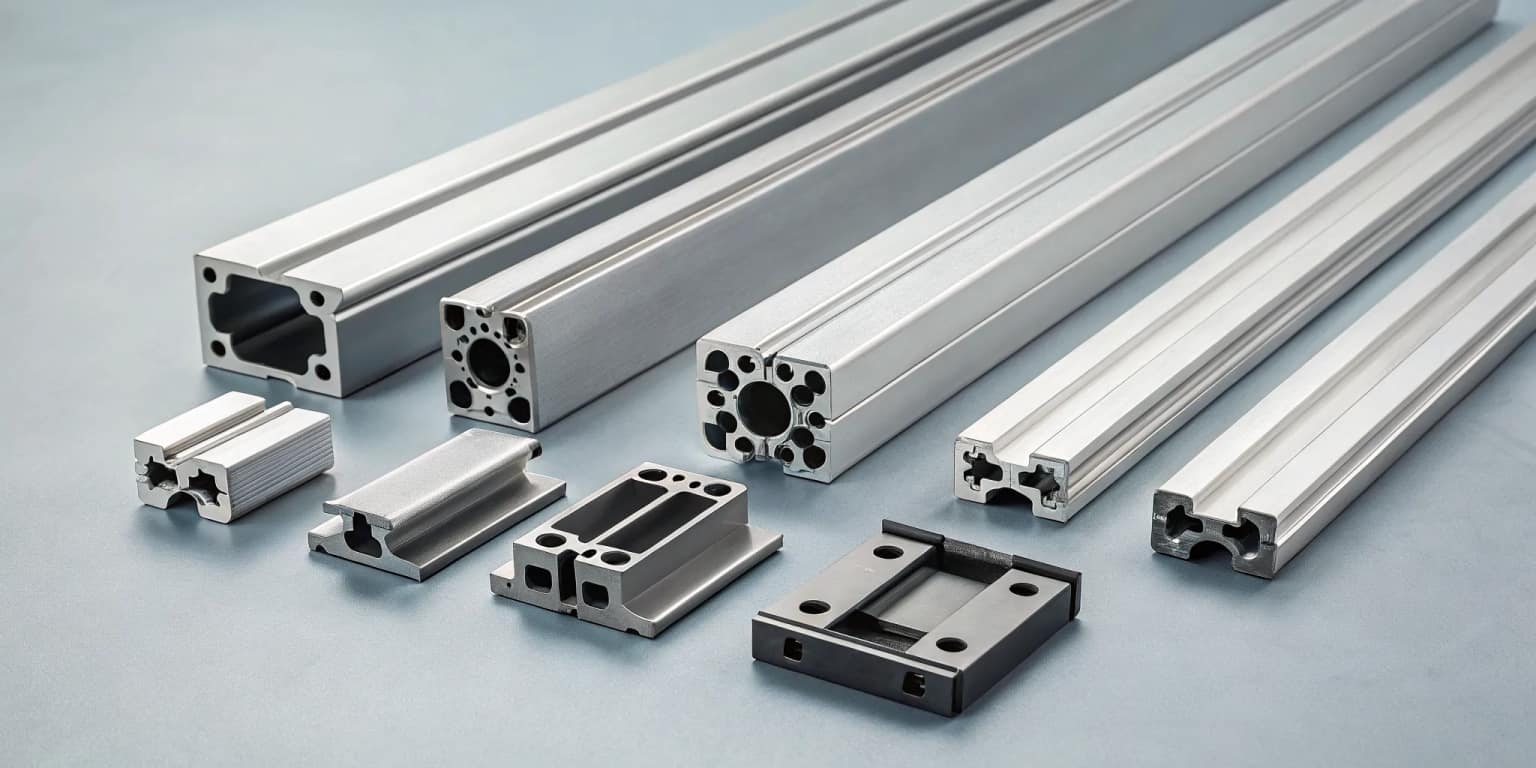
These profiles are generally grouped into four main types: solid, hollow, semi-hollow, and T-slot. Each one offers a different combination of strength, weight, and functionality, making them suitable for everything from heavy-duty structural beams to modular framing systems.
Solid Profiles
Solid profiles are exactly what they sound like: solid pieces of aluminum with no enclosed holes or voids. Think of foundational shapes like beams, solid bars, angles, and rods. Because they are completely solid, these profiles provide exceptional strength and stability. This makes them the go-to choice for structural components where load-bearing capacity is a top priority.
You’ll often find solid profiles used in construction for support beams, in window and door frames, and as brackets or connectors in machinery. According to a detailed breakdown of the aluminum extrusion process, their simple yet robust design is ideal for applications that demand maximum durability. If your project requires a sturdy, unyielding component, a solid profile is likely the best fit.
Hollow Profiles
In contrast to solid profiles, hollow profiles are defined by having one or more enclosed voids. The most common examples you’ll see are square, rectangular, and round tubes. The primary advantage of a hollow design is that it significantly reduces the material's weight while still maintaining a high degree of structural integrity. This makes them incredibly efficient and versatile.
This balance of strength and low weight is why hollow profiles are used in so many different applications. You can find them in everything from bicycle frames and railings to tent poles and architectural frameworks. They offer a strong, rigid structure without the bulk and weight of a solid piece, making them easier to transport, handle, and install on a job site.
Semi-Hollow Profiles
Semi-hollow profiles offer a smart compromise between solid and hollow designs. These shapes feature a partially enclosed hole, creating a cross-section that isn't fully open or fully closed, like a "C" channel. This clever design provides more strength and rigidity than a hollow profile but weighs less than a comparable solid one, giving you a great balance of performance and efficiency.
Because they are so versatile, semi-hollow profiles are used across many industries. They are common in building and construction for things like window frames, door tracks, and trim. You might also see them used as enclosures for electronic components or as heat sinks, where the channel can help direct airflow. They are a perfect choice when you need a specific shape that provides targeted strength without unnecessary weight.
T-Slot Profiles
T-slot profiles are the building blocks of modern modular construction. This unique type of aluminum extrusion is designed with distinctive grooves or "slots" along its surfaces, usually in the shape of a "T." These slots act as a continuous channel where you can connect other extrusions and accessories using specialized fasteners. This system allows for easy assembly and disassembly without any welding or specialized labor.
The beauty of T-slots is their incredible flexibility. They are perfect for building custom machine frames, workstations, safety guards, and shelving units. Because the components can be easily adjusted, reconfigured, or added to, they are ideal for projects that may need to evolve. This modularity makes T-slot extrusions a favorite for creating strong, precise, and adaptable structures quickly and efficiently.
Why Choose Aluminum Extrusions?
When you're planning a building or remodeling project, the materials you choose are just as important as the design itself. Aluminum extrusions have become a favorite for builders, architects, and designers for good reason. They offer a unique combination of strength, flexibility, and longevity that’s hard to beat. From the structural frame of a building to the sleek trim around a window, this versatile material delivers high performance without compromising on aesthetics.
What makes it so special? Aluminum extrusions are lightweight yet incredibly strong, resistant to rust, and can be formed into almost any shape imaginable. This allows for a level of design freedom that heavier, more restrictive materials simply can't offer. Plus, the manufacturing process is efficient, and the material itself is highly recyclable, making it a responsible choice for any project. Whether you're looking for durable roofing services or custom architectural details, understanding the benefits of aluminum can help you make a smarter decision.
Impressive Strength-to-Weight Ratio
One of the most significant advantages of aluminum is its remarkable strength-to-weight ratio. It offers the structural integrity you might expect from steel but at a fraction of the weight. This makes it much easier to transport, handle, and install, which can save you time and labor costs on the job site.
Because it’s so light yet robust, aluminum is the perfect material for applications where you need support without adding unnecessary bulk. Think of window frames, modular framing systems, and even structural components in larger constructions. This quality is also why it's a go-to material in the automotive and aerospace industries, where reducing weight is critical for improving energy efficiency. For your project, it means you get a strong, reliable material that’s a breeze to work with.
Durability and Corrosion Resistance
If you need a material that can stand up to the elements, aluminum is an excellent choice. It has a natural ability to resist corrosion, which is a huge plus for any exterior application, especially in the humid Texas climate. Unlike iron or steel, aluminum doesn't rust. When exposed to air, it forms a thin, tough layer of aluminum oxide on its surface, which protects the metal from further oxidation and wear.
This inherent durability makes it ideal for products that are constantly exposed to moisture and weather, like gutters and drainage systems, roofing, and outdoor enclosures. You can trust that your aluminum components will maintain their integrity and appearance for years with minimal maintenance. This long-lasting performance ensures you get a great return on your investment and peace of mind knowing your property is well-protected.
Natural Thermal Conductivity
Aluminum is a great conductor of heat. This property is exactly why it’s used to make heat sinks for computers and other electronics; it efficiently draws heat away from sensitive components. In construction, this thermal conductivity is a double-edged sword that you can use to your advantage with the right design.
For example, in window and door frames, this property needs to be managed with thermal breaks, which are insulated barriers that stop heat transfer. However, its ability to conduct heat also makes it a fantastic material for radiant heating systems and components in HVAC units. Understanding how aluminum manages heat is key to using it effectively in your building projects, whether you're aiming for better cooling or efficient heating.
A Sustainable and Recyclable Option
Choosing sustainable materials is more important than ever, and aluminum is a standout in this category. It’s one of the most recycled materials on the planet. In fact, aluminum can be recycled over and over again without losing any of its structural integrity or quality. This creates a closed-loop system that significantly reduces waste and conserves natural resources.
The recycling process for aluminum is also incredibly efficient, using about 95% less energy than it takes to produce new aluminum from its raw ore. By choosing aluminum extrusions for your project, you’re opting for a material with a much smaller environmental footprint. It’s a smart, responsible choice that contributes to green building practices and helps create a more sustainable future.
Cost-Effective Manufacturing
You might think a material with so many benefits would come with a high price tag, but aluminum extrusion is surprisingly cost-effective. A big reason for this is that the tooling required to create extrusion dies is relatively inexpensive compared to other metal-forming methods like casting or forging. This lower upfront cost makes it accessible to create custom shapes and profiles, even for smaller or one-off projects.
This affordability opens up a world of possibilities for custom designs. You can create unique architectural features, specialized brackets, or intricate trim without breaking the budget. The efficiency of the extrusion process also helps keep production costs down, giving you access to a high-performance, custom material at a competitive price.
Where You'll Find Aluminum Extrusions
Once you start looking, you’ll notice aluminum extrusions are practically everywhere. This versatile material has become a go-to solution across dozens of industries because of its unique combination of strength, light weight, and durability. From the building you’re sitting in to the car you drive, aluminum extrusions play a quiet but critical role. They provide the structural integrity for everyday items and complex machinery alike. Let’s explore some of the most common places you can find these engineered profiles in action.
Construction and Architecture
In the world of construction, aluminum extrusions are a true workhorse. You’ll find them forming the sturdy frames for windows and doors, creating sleek curtain wall systems on commercial buildings, and even providing support in modern roofing systems. Architects and builders love them because they are strong enough to provide structural support without adding unnecessary weight. This allows for more creative and expansive designs, like large glass facades or complex building claddings. Their natural resistance to corrosion also means they stand up to the elements, making them a reliable choice for long-lasting architectural features that maintain their appearance for years.
Gutters and Drainage Systems
Aluminum is a fantastic material for gutters, and extrusions take that to the next level. The extrusion process creates seamless, strong, and lightweight channels that are perfect for managing water runoff from your roof. Unlike materials that can rust or become brittle over time, aluminum provides excellent durability and structural support for your home’s drainage system. At Elevation, we often recommend aluminum for gutter installations because it effectively protects your foundation and siding from water damage without requiring heavy-duty fasteners or risking corrosion. It’s a simple, effective, and long-lasting solution for one of your home’s most important protective systems.
Automotive and Transportation
The push for more fuel-efficient vehicles has made aluminum extrusions a star player in the automotive industry. Because aluminum is so much lighter than steel but can still be incredibly strong, car manufacturers use it for everything from vehicle frames and body panels to engine components and battery casings in electric cars. This lightweighting helps improve gas mileage and vehicle handling. You’ll also find aluminum extrusions in trains, buses, and boats, where reducing weight is just as important for performance and efficiency. It’s a key ingredient in making modern transportation safer and more sustainable.
Aerospace
When it comes to flying, every ounce matters. The aerospace industry relies heavily on aluminum extrusions for their incredible strength-to-weight ratio. You’ll find these profiles forming critical parts of an aircraft’s structure, including the fuselage, wing spars, and other framework components. The material must be strong enough to withstand the immense pressures and stresses of flight while being light enough to allow the aircraft to get off the ground efficiently. The high-performance aluminum alloys used in aerospace are a testament to just how robust and reliable this manufacturing process can be, ensuring safety and performance thousands of feet in the air.
Electronics and Heat Sinks
If you’ve ever looked inside a computer or at the back of a high-powered stereo, you’ve likely seen an aluminum extrusion. They are commonly used to create heat sinks, those finned metal components responsible for pulling heat away from sensitive electronics like CPUs and processors. Aluminum is an excellent thermal conductor, meaning it transfers heat very effectively. The extrusion process allows manufacturers to create complex fin designs that maximize surface area, allowing air to flow through and cool the components efficiently. This simple but brilliant application of architectural aluminum extrusions is what keeps our high-tech gadgets from overheating.
Renewable Energy
Aluminum extrusions are also helping to power a greener future. They are the primary material used for the frames and mounting systems of solar panels. The material needs to be strong enough to protect the delicate solar cells and withstand wind, rain, and snow for decades, all while being light enough for easy installation on rooftops. Aluminum’s natural corrosion resistance is another huge plus, as these systems are exposed to the elements 24/7. The durability and lightweight support offered by aluminum extrusions in solar applications make them the ideal choice for building reliable and long-lasting renewable energy infrastructure.
Industrial Machinery and Framing
Walk through any modern factory or workshop, and you’ll see aluminum extrusions forming the skeletons of industrial machinery, workstations, and safety enclosures. T-slot profiles, in particular, are popular for creating modular and adjustable frameworks. This allows engineers to build robust, custom structures without the need for welding or complex fabrication. The material is strong enough to support heavy equipment yet light enough to be reconfigured easily as production needs change. This flexibility and strength make aluminum extrusions a go-to for creating the robust frameworks needed in industrial settings, from assembly lines to robotic cells.
How to Customize Your Aluminum Extrusions
One of the best things about aluminum extrusions is how easily they can be tailored to your exact needs. This isn’t a one-size-fits-all material. Instead, you can adjust everything from the shape and size to the color and texture, ensuring the final product is a perfect fit for your project. Whether you’re designing a unique architectural feature or need a specific component for a remodeling project, customization is what makes aluminum so versatile. Let’s walk through the main ways you can make extrusions your own.
Custom Shapes and Profile Designs
The extrusion process allows for an incredible variety of shapes, from simple angles to complex, multi-void hollow profiles. You can design a profile to meet very specific structural or functional requirements. However, it's good to know that while the possibilities are vast, some designs are not practical. For example, a design with extremely thin walls or an unbalanced shape might be difficult to produce correctly. The key is to work with your supplier or a designer who understands the process. They can help refine your idea into a shape that is both functional and manufacturable, avoiding costly and time-consuming redesigns down the road.
Surface Finishes, Anodizing, and Powder Coating
The look and feel of your aluminum extrusion are just as customizable as its shape. A surface finish does more than just add color; it also provides a critical layer of protection that enhances durability and corrosion resistance. Architectural aluminum extrusions are a perfect example of how a finish can deliver both strength and aesthetic appeal. The most popular options are anodizing, which creates a hard, durable, and corrosion-resistant metallic finish, and powder coating, which offers a vast spectrum of colors and textures. This allows you to match components like window frames or trim to your property’s exact color scheme, ensuring a cohesive and polished look for all your roofing and exterior services.
Cut-to-Length and Machining Options
Customization continues even after the profile is extruded and finished. Instead of receiving long, standard-length bars, you can have your extrusions cut to the precise lengths needed for your job. This saves a tremendous amount of time and labor on-site and significantly reduces material waste. Beyond simple cutting, suppliers can also perform additional machining services. This includes drilling holes for fasteners, punching specific shapes, or even assembling components before they ever get to you. This level of fabrication ensures every piece arrives ready to install, guaranteeing a perfect fit for everything from a simple frame to a complex structural assembly.
How to Choose the Right Aluminum Extrusion
Picking the perfect aluminum extrusion for your project can feel like a big decision, but it doesn't have to be complicated. When you know what to look for, you can confidently select a profile that meets your exact needs for performance, appearance, and budget. Whether you're planning a commercial build-out or a custom feature for your home, focusing on a few key areas will guide you to the right choice. By thinking through the material, design, function, and cost, you can ensure your final product is a perfect fit.
Select the Right Alloy and Material Quality
First things first, let's talk about the material itself. Aluminum comes in various alloys, each with slightly different characteristics. Think of an alloy as a recipe where other elements are mixed with aluminum to enhance certain properties. Some alloys are stronger, while others offer superior corrosion resistance, which is a huge plus in the humid Texas climate. The great thing about aluminum is its versatility; as a material, it’s naturally lightweight, strong, and an excellent conductor of heat. When you select an alloy, you’re simply choosing the specific blend that best matches your project’s demands, whether you need maximum strength for a structural component or weather resistance for new gutters.
Consider Design Complexity and Geometry
One of the biggest advantages of aluminum extrusion is the incredible design freedom it offers. The process allows for intricate designs that would be difficult or impossible to create by machining a solid piece of metal. This means you can design custom profiles for unique architectural trim, specialized framing for a sunroom, or even custom-shaped components for a remodeling project. Don't feel limited to standard shapes. If you have a specific functional or aesthetic goal, there's a good chance you can create an extrusion to achieve it. This flexibility helps you solve unique challenges and bring a truly custom vision to life.
Factor in Size, Weight Capacity, and Modularity
Next, think about the job your extrusion needs to do. Aluminum profiles come in three main forms: solid, hollow, and semi-hollow. Each type is designed for different applications and load-bearing requirements. A solid profile offers maximum strength and is ideal for structural supports, while a hollow profile is lightweight and perfect for things like window frames or decorative elements. Semi-hollow profiles offer a balance between the two. Understanding these types of aluminum extrusions will help you match the profile's physical structure to its intended function, ensuring it has the right strength and stability for your project.
Understand Pricing, Tooling Costs, and Timelines
Finally, let's talk about the budget. Many people assume that creating a custom aluminum extrusion is expensive, but that’s not always the case. The initial cost involves creating a die, which is the tool used to shape the aluminum. Contrary to popular belief, most dies are quite affordable, often costing far less than tooling for other manufacturing methods like injection molding. When you’re planning your project, it’s important to discuss pricing, tooling costs, and production timelines with your supplier. Getting a clear quote upfront will help you evaluate the overall investment and see how cost-effective custom extrusions can be, especially for larger or recurring projects.
How to Get the Best Value on Aluminum Extrusions
Getting the most for your money with aluminum extrusions isn't just about finding the lowest price per foot. True value comes from balancing cost, quality, and the specific needs of your project. Whether you're framing a new structure, installing custom gutters, or tackling a DIY build, a little strategic thinking can help you secure high-quality materials without overspending. For property owners, this means finding a solution that is both durable and cost-effective, protecting your investment for years to come. By planning your purchase, comparing your options, and looking at the total cost, you can make a smart investment that pays off in the long run. Let's walk through a few key ways to get the best possible value on your next aluminum extrusion order.
Explore Bulk Purchasing and Clearance
If your project requires a large amount of material, buying in bulk is one of the easiest ways to reduce your costs. Many suppliers offer tiered pricing, meaning the price per unit drops as your order quantity increases. For large-scale commercial or residential projects, these discounts can add up to significant savings without forcing you to compromise on quality. Don't be afraid to ask a supplier if they offer discounts for volume purchasing. On the other end of the spectrum, if you only need a small amount for a repair or a smaller project, ask about their clearance or remnant inventory. You can often find perfectly good off-cuts at a fraction of the original price.
Compare Suppliers to Find the Best Value
It’s always a good idea to shop around before committing to a purchase. Take the time to get quotes from a few different suppliers to get a clear picture of the market rate. When you compare, remember that the cheapest option isn't always the best. Look for a supplier that offers a fair price for high-quality material and has a reputation for good customer service. Reading reviews and checking testimonials can give you insight into their reliability and product consistency. A trustworthy supplier who delivers on time and provides a quality product offers far more value than a low-cost one who causes delays or sends subpar materials.
Look Beyond the Initial Unit Price
The sticker price of an extrusion only tells part of the story. To understand the true cost, you need to consider all the associated expenses. If you need a custom shape, you’ll have to factor in the cost of tooling for a custom die. While this might sound expensive, tooling is often more affordable than you might think, sometimes costing less than $2,000. You should also account for shipping fees, cutting or machining charges, and any finishing services like anodizing or powder coating. By adding up all these costs, you can accurately compare quotes and avoid any surprise expenses down the line.
Common Myths About Aluminum Extrusion
When you’re looking into new materials for a construction or remodeling project, it’s easy to run into misinformation. Aluminum extrusion is an incredibly versatile process, but a few common myths can cause confusion. Let's clear the air on some of the biggest misconceptions so you can make a confident and informed decision for your property. Understanding the truth about costs, production scale, and performance is the first step toward using this material effectively in your next project.
Myth: Die Costs Are Too Expensive
Many people assume that creating a custom aluminum shape requires a huge upfront investment in tooling. The good news is that this is largely a myth. While creating a custom die does have a cost, it's often far more affordable than you might think. In fact, the tooling costs for extrusion are significantly lower than those for other manufacturing processes like injection molding. For many projects, a custom die can be produced for under a couple of thousand dollars, making it a surprisingly accessible option for creating the exact profile you need without breaking your budget.
Myth: Extrusion Is Only for Large Production Runs
Another common belief is that aluminum extrusion only makes sense for massive, high-volume orders. While the process is certainly efficient for large-scale manufacturing, it’s also incredibly flexible. Suppliers can and do create custom extrusions for smaller production needs, making it a practical choice for specialized architectural features, unique repair components, or prototype designs. Whether you need a few custom pieces for a residential remodel or thousands for a large commercial building, the extrusion process can be tailored to fit the scale of your project, giving you access to custom solutions regardless of quantity.
Myth: Aluminum Frames Can't Be Insulated
You may have heard that aluminum is a poor choice for window frames or structures in climates with extreme temperatures because it conducts heat. While standard aluminum does transfer heat, modern aluminum frames are not standard. They can be manufactured with thermal breaks, which are small insulating barriers placed within the frame to separate the interior and exterior surfaces. This simple but effective technology dramatically reduces heat transfer, allowing aluminum frames to meet modern energy efficiency standards. You get the strength and durability of aluminum without sacrificing thermal performance, keeping your property comfortable year-round.
How to Find a Great Aluminum Extrusion Supplier
Finding the right supplier is just as important as getting your design right. A great supplier isn't just a vendor; they're a partner who can offer guidance, ensure quality, and help make your project a success. The wrong one can lead to delays, poor quality, and budget overruns. Taking the time to vet potential suppliers will pay off in the long run, ensuring you get the exact extrusions you need with the quality you expect. From their track record in the industry to their customer support, every detail matters. Here’s what you should look for to find a reliable aluminum extrusion supplier for your next project.
Check Their Experience and Reputation
When you start your search, look for a supplier with a solid history and a positive reputation. An experienced team will have a deep understanding of the extrusion process and its limitations. They can provide guidance on what’s possible and what’s not, helping you refine your design for manufacturability. As experts point out, while suppliers can provide many shapes, some custom aluminum extrusions are simply not feasible to produce. An experienced partner will be upfront about these challenges. Look for online reviews, ask for references, and see if they have case studies of projects similar to yours. This homework helps ensure you’re partnering with a company that knows its stuff.
Review Their Customization Capabilities
One of the biggest benefits of aluminum extrusion is the ability to create custom profiles for your specific needs. Don’t be shy about asking a potential supplier about their customization options. A good supplier will be able to walk you through the process, from die creation to the final product. While custom work might sound expensive, it’s often more affordable than you think. In fact, the tooling for extrusion is often far less expensive than for other processes like injection molding. Ask to see examples of their custom work and discuss your project's specific requirements to make sure they have the capabilities to bring your vision to life.
Verify Certifications and Quality Standards
Quality control is non-negotiable. The strength, durability, and even the final look of your project depend on the quality of the extrusions. A reputable supplier should be transparent about their quality assurance processes and be able to provide documentation to back it up. Ask if they adhere to industry standards or hold certifications like ISO 9001. These credentials show a commitment to quality and consistency. Since architectural aluminum extrusions contribute so much to a project's strength and appearance, you want to be confident your supplier can deliver a product that meets or exceeds your expectations every time.
Ask About Design and Customer Support
A great supplier does more than just manufacture parts; they provide support and expertise that can save you from costly errors. Look for a partner who is willing to work with you on the design phase. A knowledgeable team can help you avoid common design mistakes and offer suggestions to improve your part's functionality or reduce its cost. Pay attention to how they communicate. Are they responsive? Do they answer your questions clearly? Good customer support is a sign that they value your business and will be there to help if any issues arise during production.
Tips for a Smarter Aluminum Extrusion Design
Once you’ve decided to use aluminum extrusions, a little design savvy can go a long way in saving you time and money. Thinking through your profile design before you approach a supplier will help streamline the entire process. With a few key principles in mind, you can create a part that is both effective and economical to produce.
A great rule of thumb is to keep your design as simple and symmetrical as possible. Complex, sprawling shapes are more difficult to extrude. A helpful way to think about this is to imagine fitting your profile inside the smallest possible circle. The smaller and more compact your design, the easier and cheaper it will be to manufacture. This simple optimization is one of the best ways to avoid common design mistakes that can increase costs and lead times. Uniform wall thickness is another critical factor. Drastic changes from thick to thin sections can cause issues during cooling, so aim for consistency.
Many builders assume that creating a custom part means facing enormous tooling costs, but that’s often not the case with aluminum extrusion. While injection molding can require a massive investment, most extrusion dies cost less than a couple thousand dollars. This makes custom profiles surprisingly accessible, even for smaller projects. Don’t let a fear of high upfront costs stop you from exploring if a custom aluminum extrusion is right for your project.
Finally, remember that while aluminum is incredibly versatile, not every intricate design is feasible. It’s always best to collaborate with your supplier early on. They can provide feedback on your design, suggest modifications for better manufacturability, and confirm what’s possible. By working with an expert, you can ensure your final product is strong, functional, and perfectly suited for its application, whether it’s for window frames, structural supports, or custom remodeling projects.
Frequently Asked Questions
Is creating a custom aluminum shape expensive? This is a common concern, but the reality is that custom aluminum extrusions are surprisingly affordable. The initial tooling, which is the die that shapes the metal, costs significantly less than tooling for other manufacturing methods like injection molding. For many projects, you can get a custom die made for less than a couple of thousand dollars, which makes creating a unique profile for your specific needs very accessible.
Why should I choose aluminum over a material like steel for my project? While steel is very strong, aluminum offers a fantastic strength-to-weight ratio. It provides impressive structural integrity but at a fraction of the weight, which makes it easier to transport and install, potentially saving on labor costs. More importantly for our Texas climate, aluminum naturally resists corrosion. It won't rust when exposed to humidity and rain, making it a durable, low-maintenance choice for exterior applications like gutters, window frames, and architectural trim.
Can I get aluminum extrusions to match the color of my home's trim or siding? Absolutely. After an aluminum profile is created, it can be finished in a couple of ways to achieve the perfect look. You can choose anodizing, which creates a very hard, durable metallic finish, or powder coating, which offers a nearly endless spectrum of colors and textures. This flexibility ensures that your new aluminum components, whether they are for a window frame or a custom decorative piece, can perfectly match your property’s existing color scheme.
Is aluminum extrusion only suitable for large, commercial construction projects? Not at all. While the process is very efficient for large production runs, it's also flexible enough to accommodate smaller jobs. Many suppliers can create custom extrusions for specialized residential projects, like a one-of-a-kind remodeling feature or a specific repair component. This means you can get the benefits of a custom-designed part without needing to place a massive order.
How well does aluminum hold up in the Texas weather? Aluminum is an excellent material for the Texas climate. Its best feature is its natural resistance to corrosion. When aluminum is exposed to air and moisture, it forms a thin, protective layer of oxide on its surface. This layer acts as a barrier that prevents rust and degradation over time. This makes it an ideal, long-lasting material for exterior elements like roofing components, gutters, and window frames that are constantly exposed to our humid, rainy weather.