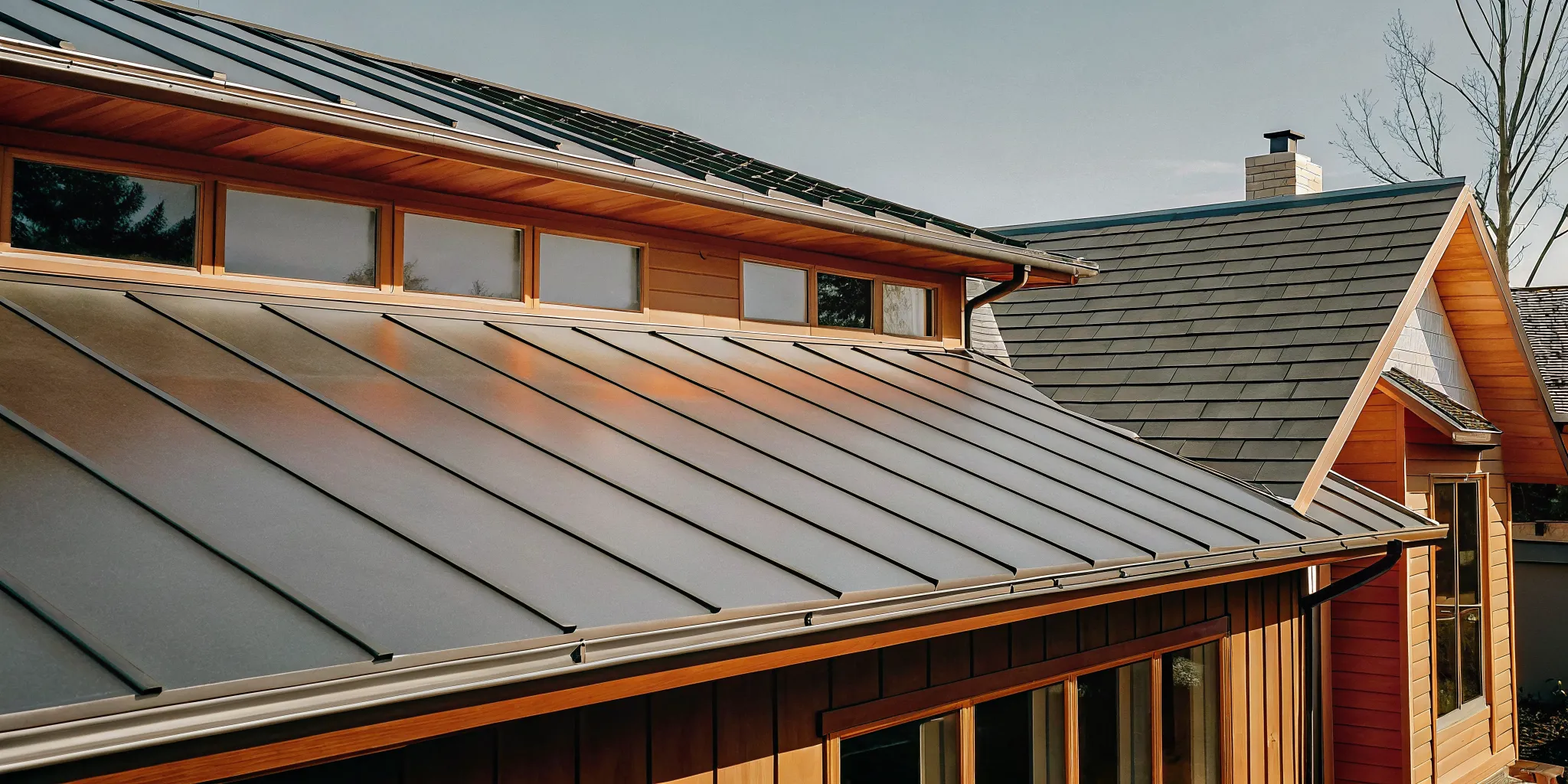
Texas summer heat regularly pushes dark roof surface temperatures above 150 degrees on sunny afternoons. This trapped heat forces home cooling systems to run constantly, driving up monthly electric bills.
Call Elevation Roofing & Restoration at (832) 271-1726 for a free roof inspection and estimate.
Choosing energy-efficient roofing Texas homes need is a great way to lower high utility bills and protect your property from the sun. The U.S. Department of Energy states that dark roofs reach 150 degrees on sunny afternoons, but cool roofs stay 50 degrees cooler. These highly reflective roofing options use simple materials like light-colored asphalt shingles, durable metal panels, or cool liquid coatings to bounce solar heat away. By absorbing less solar heat, your house stays much cooler, which reduces the constant workload on your home air conditioning unit. These smart upgrades also extend the lifespan of your roof system by preventing heat-related wear and tear in your attic. This keeps your indoor space comfortable while cutting down on your monthly power bills.
How do you choose the right materials to defend your home against extreme Texas heat and high monthly power bills? To make the best choice for your property, you must understand Why Energy-Efficient Roofing Matters in Texas. This important journey begins with understanding why energy-efficient roofing matters in Texas.
Energy-efficient Roofing Texas: Why Does Energy-Efficient Roofing Matter in Texas?
Texas summer weather brings intense sunshine and days with temps well over 90 degrees. During these hot months, homeowners face high power bills. Finding ways to reduce heat gain is a smart move. A roof that keeps out heat is one of the best tools to protect your home and lower your energy costs.
Impact of extreme summer heat on roof temperatures
On a hot summer afternoon, a standard dark roof absorbs a lot of solar energy. This absorption causes the roof surface to get so hot. According to energy.gov data, conventional roofs can reach temps of 150 degrees or more under the sun. This intense heat soon moves down into the structure of the house.
When a roof gets this hot, it acts like a giant heater on top of your home. The heat stays trapped long after the sun goes down. This constant thermal load strains your building and makes your living spaces too hot. Installing energy-efficient roofing in Texas helps solve this issue by keeping the top of your house much cooler.
Attic heat buildup and increased cooling demand
A hot roof surface quickly warms the attic space below it. Without proper airflow, attic temps can climb past 130 degrees. Proper attic ventilation is critical in Texas to prevent this trapped heat from damaging your shingles. If you want more details, you can find tips for beating the Texas heat to protect your roof.
When heat builds up in your attic, it pushes down through your ceiling. Your air conditioning system must run all day to keep up with this heat. This constant running leads to high power bills and wears out your cooling system fast. A cool roof keeps the attic cooler, which cuts the load on your cooling system and helps it last longer.
How reflective roofing lowers cooling loads
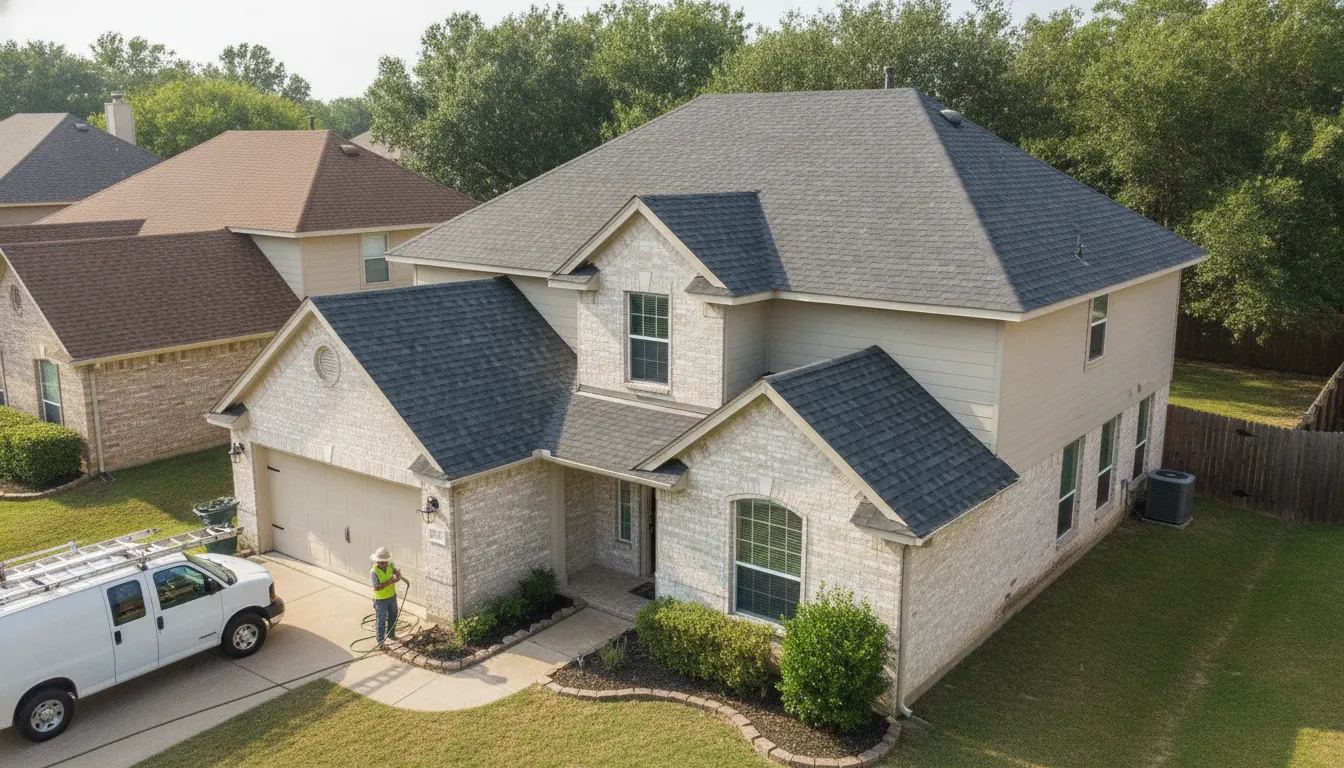
To combat this issue, a cool roof uses surfaces that reflect sunlight. A cool roof is designed to reflect more sunlight than a standard roof. This design allows the roof to absorb far less solar energy than dark shingles. According to EPA studies, cool roofs can lower maximum indoor temps in non-air-conditioned homes by 2.2 to 5.9 degrees.
By reflecting the sun's rays, a cool roof stays much cooler than a standard one. Indeed, a reflective cool roof can stay more than 50 degrees cooler on a hot summer day. This drop in heat keeps warmth from getting into your home. You get a cooler home, lower power bills, and a roof that lasts longer in the Texas sun.
What Are the Best Energy-Efficient Roofing Materials for Texas Homes?
Choosing the right roof makes a huge difference in your utility bills. Texas heat can put a major strain on your air conditioning unit. To lower your cooling load, you need to choose the right materials. As a full-service roofing contractor, we see how the right choices pay you back every year. The right roof keeps your attic cooler and protects your home from storm damage.
Reflective Metal Roofing
Metal roofs are an excellent option for our warm climate. They have great heat resistance and can last up to 50 years. These roofs reflect a large amount of solar heat away from your home. According to energy.gov, cool roofs help by decreasing the cooling load on your home. This can make it possible to use a smaller and more efficient air conditioning unit. You can learn more about these choices in our guide on the best roofing shingles for Texas homes.
Cool Asphalt Shingles
Cool asphalt shingles offer a familiar style but use special solar-reflective granules. These granules reflect heat to keep your attic cooler. They are a highly affordable option for many families. These roofs are a smart choice if you want a classic look with better energy savings. Modern options also resist wind and storm damage well.
Clay, Concrete, and TPO Options
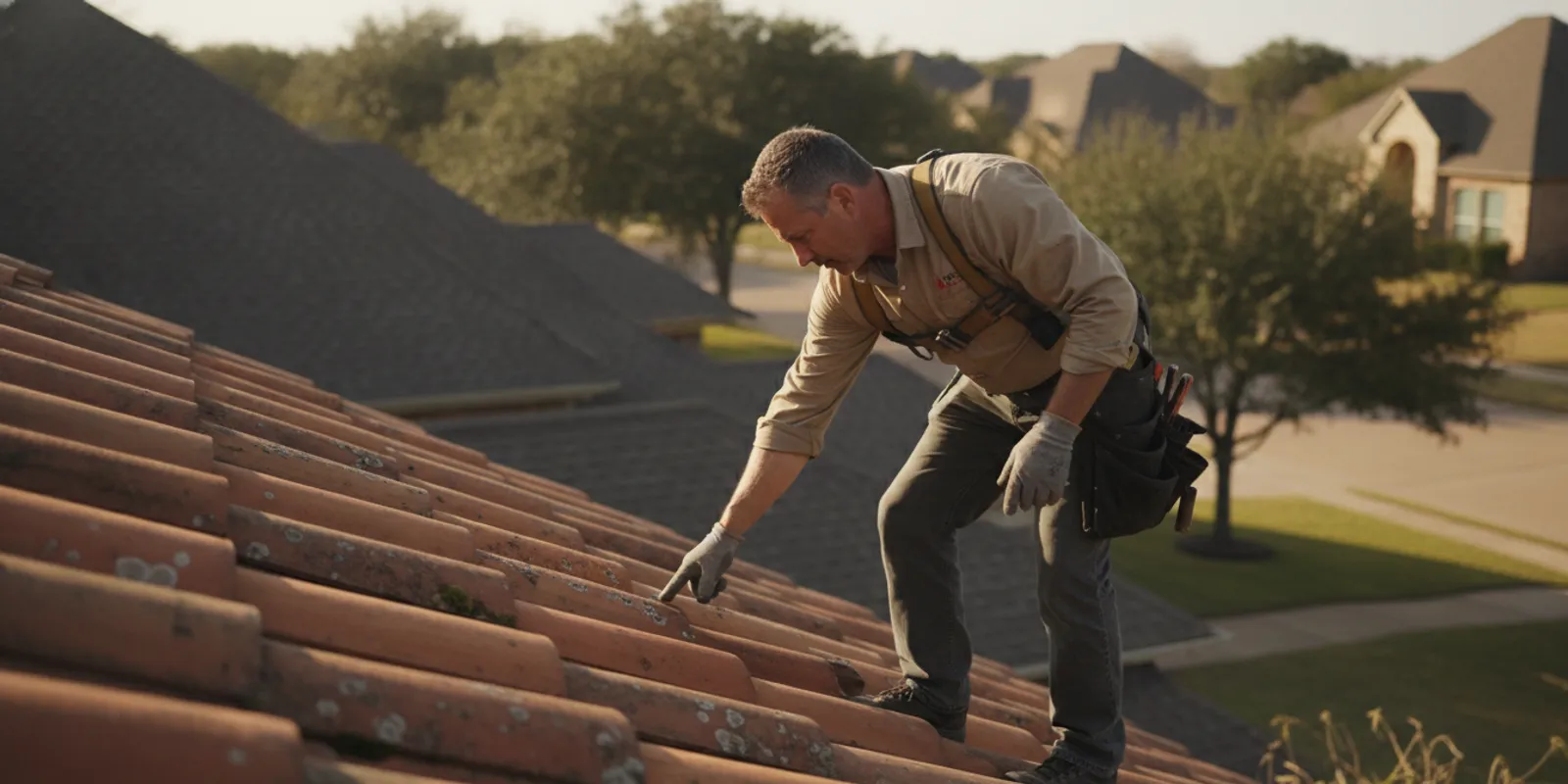
Clay and concrete tiles are another great option for hot climates. These tiles have high natural thermal mass. This means they absorb heat slowly and keep it from entering your living spaces. They perform well in our hot regions and offer a very long life. They are heavy and need a strong roof frame, but they can last for over fifty years.
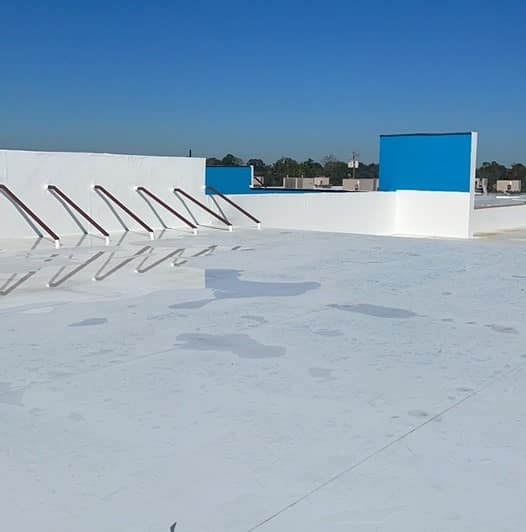
Single-ply TPO membranes are a top choice for flat or low-slope roofs. They are highly reflective and keep heat from building up. This material is popular for commercial spaces and modern homes. The bright white surface reflects almost all sunlight to reduce heat absorption. Each material has unique strengths for energy-efficient roofing Texas owners should consider.
The table below shows how these systems compare. We look at key factors like how long they last and their heat reflection. This can help you pick the best system for your home and budget.
| Material | Lifespan | Reflectivity | Cost Range | Best For |
|---|---|---|---|---|
| Metal Roofing | 40 to 50 years | High to very high | Moderate to high | Extreme heat resistance and wind up to 150mph |
| Cool Asphalt Shingles | 20 to 30 years | Medium | Low to moderate | Affordable upgrades with a traditional style |
| Clay or Concrete Tiles | 50 to 100 years | Medium to high | High | Durability and natural thermal mass |
| TPO Membranes | 15 to 25 years | Very high | Moderate | Low-slope or flat roof applications |
How Cool Roofs and Reflective Coatings Lower Cooling Costs
Standard roofs absorb a massive amount of solar heat under the hot Texas sun. On a hot summer day, standard roofs can reach 150°F or more. By contrast, a cool roof can stay more than 50°F cooler under the same bright sun. This simple change is a great step for energy-efficient roofing Texas projects.
The Science of Solar Reflectance and Thermal Emittance
Cool roofs work by using two main properties to handle solar heat. The main property of a cool roof is high solar reflectance, which allows the surface to bounce sunlight away. The second property is high thermal emittance. A high thermal emittance ensures that absorbed heat is radiated away rather than entering the living space.
Together, these two features keep your attic cool during hot Texas afternoons. As a result, less heat leaks down into your living areas. You will use less power to cool your home because the roof blocks the heat first.
How Cool Roofs Lower Indoor Temperatures and Utility Bills
Installing a cool roof can lower your monthly utility bills by reducing the amount of air conditioning you need. With a lower cooling load, you can buy a smaller air conditioner. This saves you money on the unit and cuts monthly power bills. Most homeowners see cooling savings of 10 to 30 percent after making the switch.
According to the EPA, a cool roof can lower indoor temperatures by 2.2°F to 5.9°F in homes that do not use air conditioning. This makes them a great choice for hot Texas workshops or garages. These spaces stay much safer and more pleasant to use during the summer months. You can look at modern cool roofs and reflective coatings for Texas homes to see what works best.
Retrofitting Existing Roofs with Reflective Coatings
You do not always need a full roof replacement to get these savings. If your current roof is still in good shape, you can apply a special coating to it. This is a great option for flat roofs or metal roofs that are starting to show their age. Using cool reflective coatings is an easy way to retrofit your roof.
These liquid coatings are rolled or sprayed directly onto your roof. They create a seamless barrier that blocks water and bounces away solar heat. This shield protects your roof from intense sun damage while reducing daily wear and tear. By keeping surface temperatures low, it helps the system last. This simple upgrade can extend the life of your roof by several years.
What Is the Most Energy-Efficient Roofing Color for Texas Homes?
The color of your roof has a big effect on how much heat your home absorbs. Much like wearing light clothing keeps you cool on a sunny day, choosing light-colored roofing helps keep your house cool.
Solar reflectance and thermal emittance
Federal cool roofs guides show that these systems reflect more sunlight than standard roofs. The Solar Reflectance Index, or SRI, shows how well a roof rejects solar heat. This index joins two key traits: solar reflectance and thermal emittance.
Reflectance is the power to bounce solar rays away from the structure. Emittance is how well the roof sheds the heat it does absorb. A high SRI rating means the roof stays cooler because it absorbs less solar energy. This helps you maintain a cool indoor climate.
Recommended roof colors for Texas
Dark roofs absorb a massive amount of heat from the sun, which then transfers right into your attic and living spaces. On a sunny summer afternoon, standard dark roofs can heat up to 150°F or more. In contrast, a reflective cool roof can stay more than 50°F cooler.
To keep your home cool, you should choose lighter colors that bounce heat away. White is the most efficient choice because it reflects the most light. If you prefer a softer look, there are other great choices:
- White and off-white: These colors reflect the most heat and keep your home the coolest.
- Light gray and light beige: These shades give you a softer look while still blocking a lot of heat.
- Terra cotta: For tile roofs, this classic color does a great job of shedding heat.
Your choice of roof type also plays a role in how color affects your home. Modern asphalt shingles can have special reflective granules. Metal roofs and clay tiles also offer great heat reflection when made in light colors. Choosing the right energy-efficient roofing materials helps your color choice work best.
Energy code compliance in Texas
Choosing the right color is not just about looks. It also plays a major role in meeting energy codes for Texas homes. State and local building rules often set a minimum SRI score. This is true in fast-growing cities like Houston and Austin where urban heat is a big concern.
A new cool roof helps you meet these local rules during a repair or new build. Choosing a light, reflective color makes it easy to meet these energy standards. This simple upgrade is a smart way to lower your cooling bills.
How Ventilation and Insulation Work With Energy-Efficient Roofing
Choosing an energy-efficient roof is a smart step for any Texas home. But a cool roof cannot do all the work alone. To get the best results, Texas homeowners should focus on tips for beating the Texas heat. This includes using reflective roofing, proper attic insulation, and good ventilation.
Without this whole-system approach, heat will get trapped in your attic. This trapped heat makes your air conditioner work harder. It also forces your system to run longer, which raises your power bill. You can find quality help for these upgrades from local teams who offer Houston and Austin roofing services.
Attic ventilation types for Texas homes
Proper attic ventilation is critical in Texas to prevent trapped heat from harming shingles. If heat cannot escape, it bakes your roof from the inside out. This trapped heat can age your shingles too early. Good air flow allows hot air to escape the attic, which lowers your cooling demand.
To get proper air flow, you need the right vent types. A standard system uses soffit vents under the eaves to pull cool air in, while ridge vents along the peak let hot air escape. Some homes also benefit from solar attic fans. These fans use the sun's power to pull hot air out of the attic even faster.
Attic insulation R-value recommendations
While vents let hot air escape, attic insulation stops heat from entering your living space. In Texas, the Department of Energy suggests using insulation with an R-value of R-38 or higher. This level of insulation keeps your home cool and pleasant. It acts as a thick barrier that stops attic heat from passing through your ceiling.
Using the right R-value saves you money on power bills. If your insulation is too thin, your attic heat will seep into your home. This makes your air conditioner run all day. Adding more insulation is a simple step that pays off quickly during hot Texas summers.
The whole-system roofing approach
To get the most out of your home, you must combine all three parts. Reflective roofing, thick insulation, and active ventilation form a complete heat-reduction system. If you only upgrade shingles, heat still builds up. This whole-system approach is the best way to lower your cooling load.
Pairing a cool roof with proper vents and insulation lets you downsize your AC setup. According to the U.S. Department of Energy, reducing your home's cooling load can save you money and help your system work better. Investing in these energy-efficient roofing materials ensures that your home stays cool for years to come.
Why Professional Installation Matters for Energy-Efficient Roofs
Buying the best materials is only the first step. Proper installation is what makes a roof truly work. In the hot Texas sun, a poor setup can ruin your energy savings. If you want a cool home, you need expert help.
We are a full-service roofing contractor. We handle everything from inspection and repair to full replacement and restoration. Our team has the experience to guide you through every choice.
Choosing the right options
A professional roofer will check your home to find the best setup. When choosing energy-efficient roofing Texas homeowners must think about many things. Expert help makes sure you get the right roofing for your needs. This choice can extend the service life of your roof by reducing heat stress.
- Matches the right roofing to your local climate.
- Ensures correct attic ventilation to let hot air escape.
- Secures maximum energy savings to lower your utility bills.
Protecting your warranty
A certified team has the skill to install your roof correctly. Elevation Roofing is Owens Corning and GAF Certified, which means we meet strict quality standards. This status allows us to offer strong lifetime warranties on our work. If you use an uncertified crew, you could lose your manufacturer warranty coverage.
Proper installation is needed to keep your warranty active. Many manufacturers will reject a claim if they find errors in the setup. Working with us protects your investment for years to come.
We back our quality craftsmanship with a 100% satisfaction guarantee. You can read our customer reviews to see how we help homeowners in your area. Our goal is to make sure your new system works perfectly from day one.
Handling storm damage claims
Dealing with storm damage is stressful for any homeowner. Our team can manage the entire insurance claims process for you from start to finish. We provide a thorough free roof inspection to find any hidden issues. This expert assessment helps you get the right payout for your repairs.
We document every detail to show your insurance provider. You do not have to fight the company alone. We are here to make the process simple and stress-free.
Frequently Asked Questions
Does an energy-efficient roof actually save money in Texas?
Yes. A cool roof reflects heat instead of soaking it up. This cuts your cooling load and lowers your energy bills. According to the U.S. Department of Energy, a cool roof can let you buy a smaller, cheaper air conditioning unit. This saves you money on new units and boosts cooling efficiency.
How much cooler does a cool roof stay compared to a standard roof?
On a hot summer day, a standard dark roof can reach temperatures of 150 degrees Fahrenheit or more. A reflective cool roof can stay much cooler under the same sun. According to the U.S. Department of Energy, a reflective roof can stay more than 50 degrees Fahrenheit cooler. This huge drop in temperature keeps heat from moving down into your living spaces.
Can I make my existing Texas roof energy-efficient without replacing it?
Yes. You do not always need a full roof replacement to get energy savings. Homeowners can apply reflective coatings directly over their current roof. The U.S. Department of Energy notes that these cool coatings are a practical way to retrofit existing roofs. This process cuts heat absorption and helps your home stay cool during hot seasons.
Does a cool roof cause heating problems during Texas winters?
No. Cool roofs can cause a small winter heating penalty because they absorb less sun. However, this is not a major concern for homes in Houston or Austin. According to the U.S. Department of Energy, winter heat needs are very low in warm southern areas. The summer cooling savings are far greater than any minor winter heat loss.
Ready to Start Saving on Your Texas Home Energy Bills?
An old, worn-out roof keeps trapping extreme Texas heat, making your air conditioner work much harder than it should. Delaying your upgrade to an energy-efficient roofing system means you will keep paying unnecessarily high cooling bills month after month. Taking action now protects your home from heat damage and cuts your energy bills before the next hot season begins.
Our local team is Owens Corning and GAF Certified, ensuring your new roof is built to last. You can read our customer reviews to see how we help Texas families stay comfortable while saving money.
Ready to save energy, lower your bills, and protect your property? Call (832) 271-1726 to schedule a free roof inspection and estimate with the experts at Elevation Roofing.