Planning flat roof installation Texas properties need takes more than choosing a membrane. A low-slope roof must work with the building’s drainage, structure, insulation, penetrations, and intended use. Whether you manage a commercial property or own a home with a flat or low-slope section, understanding those decisions can help you compare proposals and spot missing details.
Schedule a free roof inspection to discuss your project
What Should You Know About Flat Roof Installation Texas Properties Require?
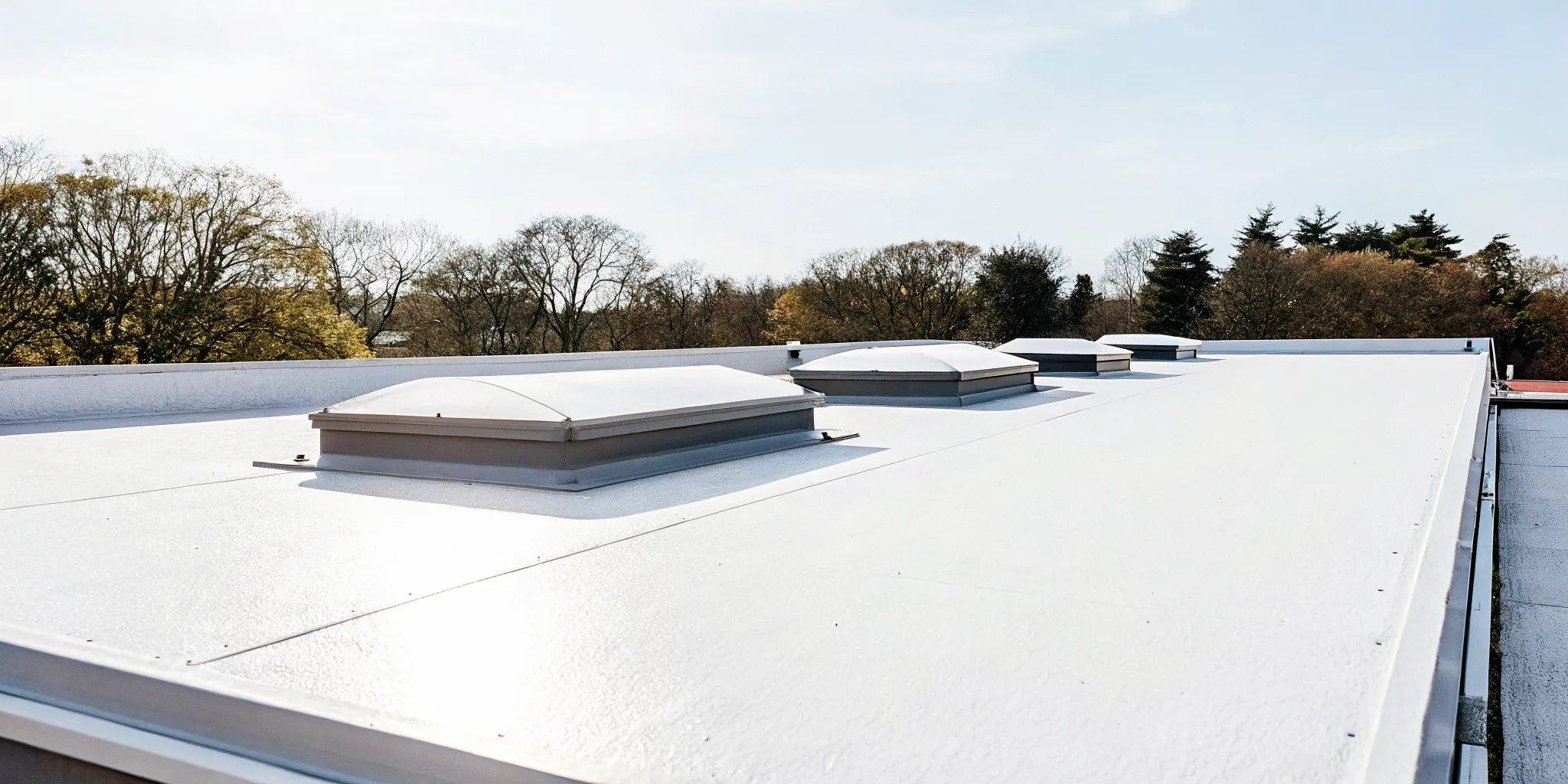
“Flat roof” is common shorthand, but most roofs called flat are built with some slope so water can move toward drains, scuppers, or gutters. That distinction matters in Texas, where intense rain can expose weak drainage design, clogged outlets, or uneven areas that hold water. A roof system should be selected for the building and its conditions, not simply because a material is familiar or appears economical at first glance.
Start by clarifying the project. Is this new construction, a full replacement, or work on an existing roof? Will the current roof be removed, or is an overlay being considered? Are there signs of moisture in the roof assembly? Are rooftop units, skylights, vents, or access paths part of the design? A contractor needs to assess the existing roof and site before recommending a system or defining the work.
- Ask how the roof’s slope and drainage paths will be evaluated.
- Identify rooftop equipment, penetrations, edges, and transitions that need detailing.
- Discuss how insulation, ventilation, and the existing roof assembly affect the installation.
- Confirm how the work will protect the building and manage debris during construction.
For a broad overview of roofing systems and professional resources, consult the National Roofing Contractors Association. For project-specific recommendations, request a site evaluation and a written scope rather than relying on a generic material description.
Which Roofing Systems Can You Compare for a Texas Low-Slope Roof?
There is no single best material for every low-slope building. The right choice depends on the roof assembly, use of the property, drainage, penetrations, existing conditions, and project requirements. Elevation Roofing & Restoration works with commercial systems including TPO, modified bitumen, built-up roofing, EPDM, and PVC. Ask the contractor to explain why a proposed system fits your particular building and what preparation it requires.
| System | General construction | Questions to raise |
|---|---|---|
| TPO | Single-ply thermoplastic membrane, with seams joined according to the system specification. | How will seams, edges, penetrations, and rooftop equipment be detailed? |
| EPDM | Single-ply synthetic rubber membrane. | Which attachment and seam details suit the roof, and how will transitions be protected? |
| PVC | Single-ply thermoplastic membrane. | What project conditions and detailing make this system a suitable option? |
| Modified bitumen | Multi-layer asphalt-based roofing system. | What installation method and layer sequence are included in the scope? |
| Built-up roofing | Multi-layer roof assembly using reinforcing plies and bituminous materials. | How will the assembly, flashing, and drainage details be handled? |
This table is a starting point, not a substitute for a product specification. Compare complete assemblies and installation details, not just the name of the top layer. A written proposal should identify the selected system, what happens to the existing roof, how the substrate will be prepared, and how edges and penetrations will be finished.
How Do Drainage and Roof Details Affect Flat Roof Installation Texas Projects?
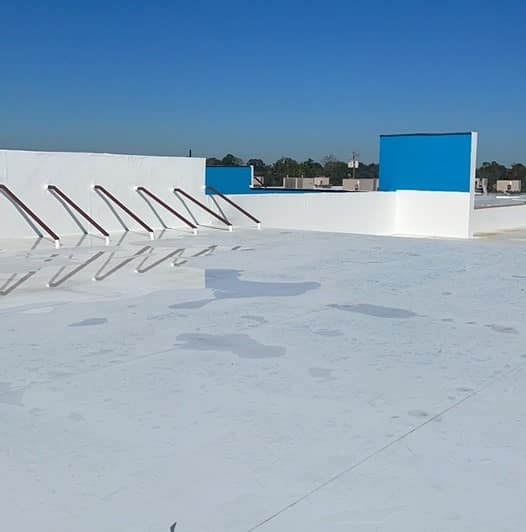
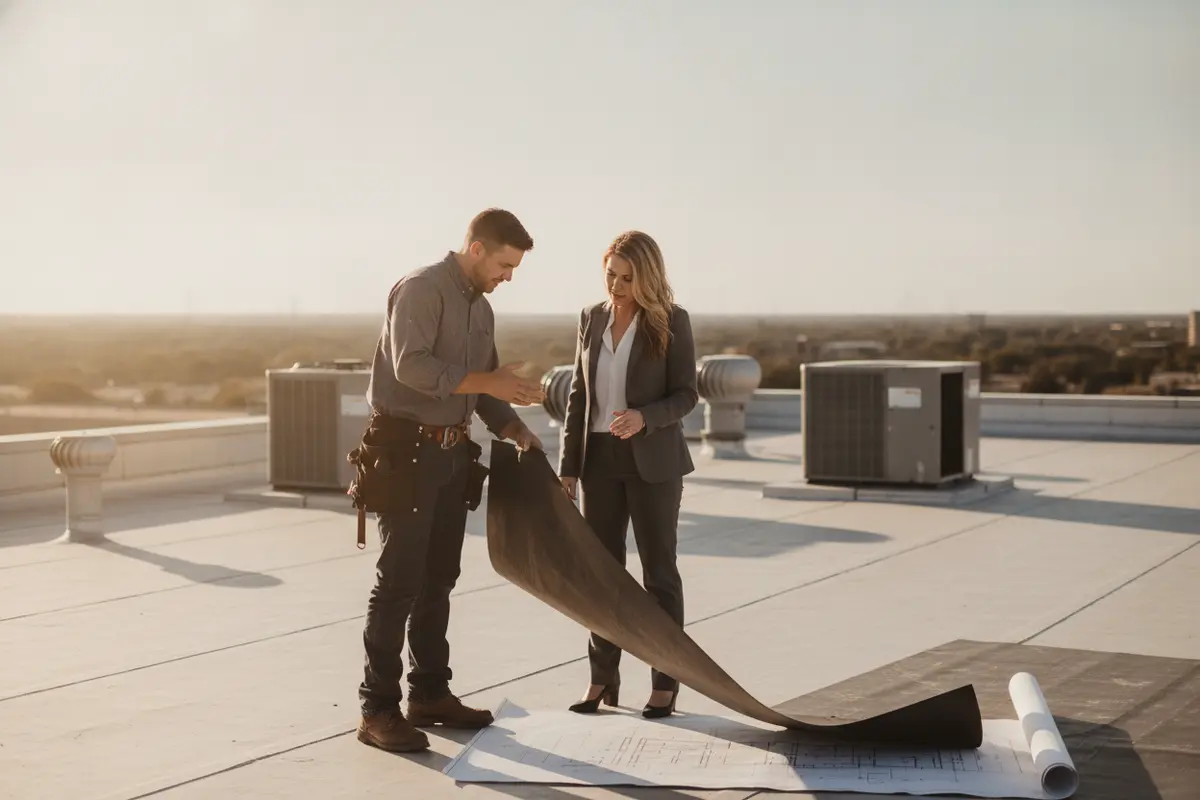
Drainage is one of the first things to understand before a low-slope roof is installed. The proposal should show how water is expected to leave the roof and what components carry it away. Depending on the building, that may involve internal drains, scuppers, gutters, or a combination. Ask where the low points are, how water is directed to them, and how outlets will remain accessible for inspection and maintenance.
Also consider the details where the roof meets other parts of the building. A membrane field can be installed correctly while trouble develops at a penetration, parapet, edge, curb, or transition. Make sure the scope addresses the complete roof area and its connections, rather than describing only the membrane.
- Drains and scuppers: Confirm their locations and whether existing outlets will be reused, repaired, or changed.
- Edges and parapets: Ask how the system terminates and how exposed edges are protected.
- Penetrations: List vents, pipes, curbs, and equipment that need flashing or other system-specific detailing.
- Insulation and deck: Ask how the contractor will check for damaged or wet materials and what happens if concealed conditions are found.
- Water management below the roof: Consider how gutters or downspouts connect to the building’s overall drainage plan.
Do not assume that a roof that looks level should be designed without slope. Ask the contractor to explain the drainage plan in plain language and show how it relates to the roof’s actual shape. The Elevation flat-roof service page is a useful place to review the company’s flat-roof work, while its roofing services overview describes the broader inspection, repair, replacement, and installation services.
What Happens During a Flat Roof Installation?
Each project differs, but the work generally follows a sequence. Knowing the steps helps an owner understand what the crew will do and when decisions may be needed.
- Inspect and document: The contractor reviews the roof, drainage, edges, penetrations, and visible signs of damage. For a replacement, the existing assembly and any access constraints should be discussed.
- Define the scope: The written proposal states whether the existing roof will be removed or covered, what system is proposed, how the deck and insulation will be addressed, and what details are included.
- Prepare the site: The project team plans access, material staging, property protection, debris handling, and coordination around building operations.
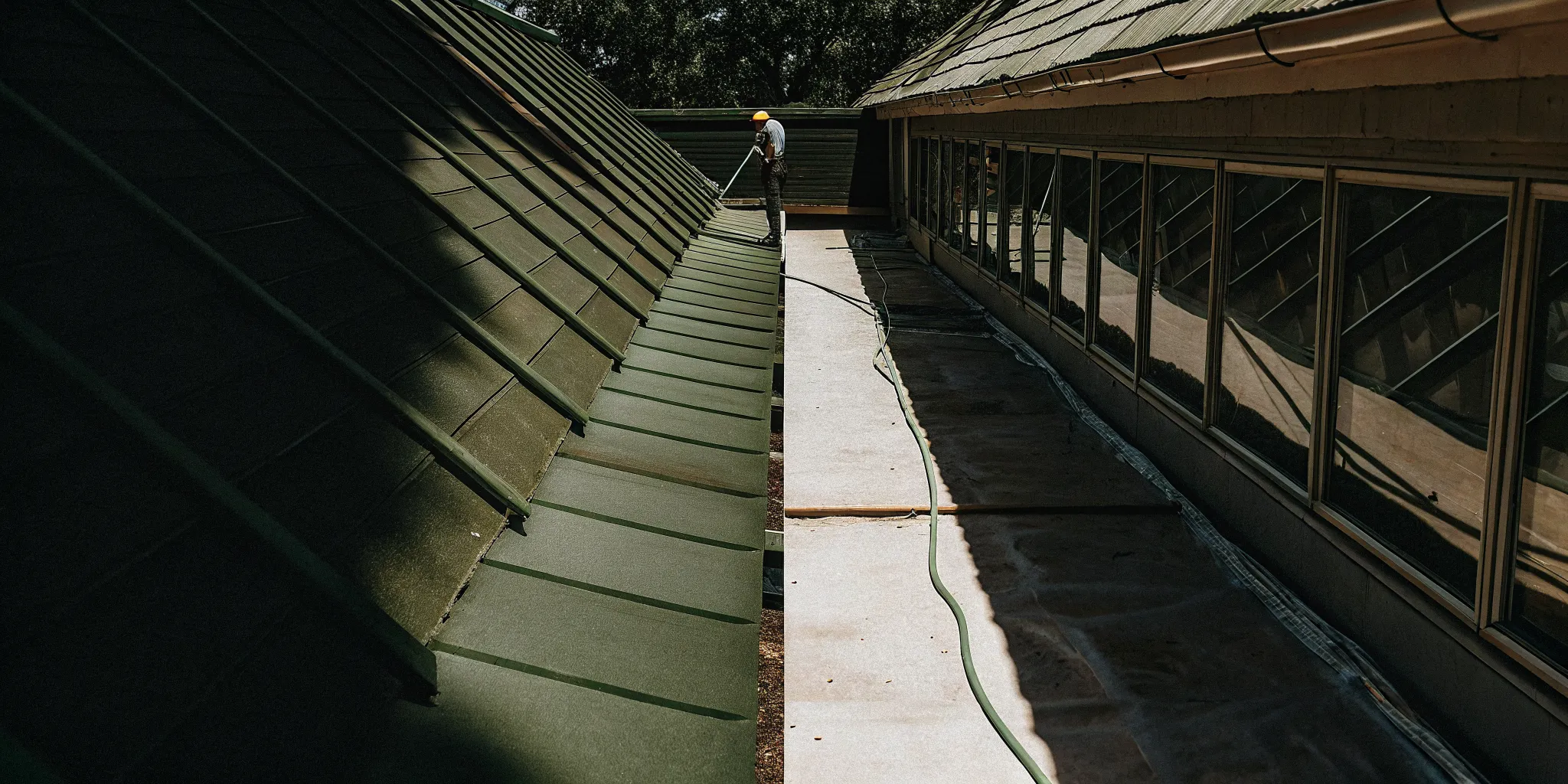
- Remove or prepare existing materials: Work proceeds according to the agreed scope. If concealed damage or unexpected conditions are uncovered, ask how they will be documented and approved before additional work proceeds.
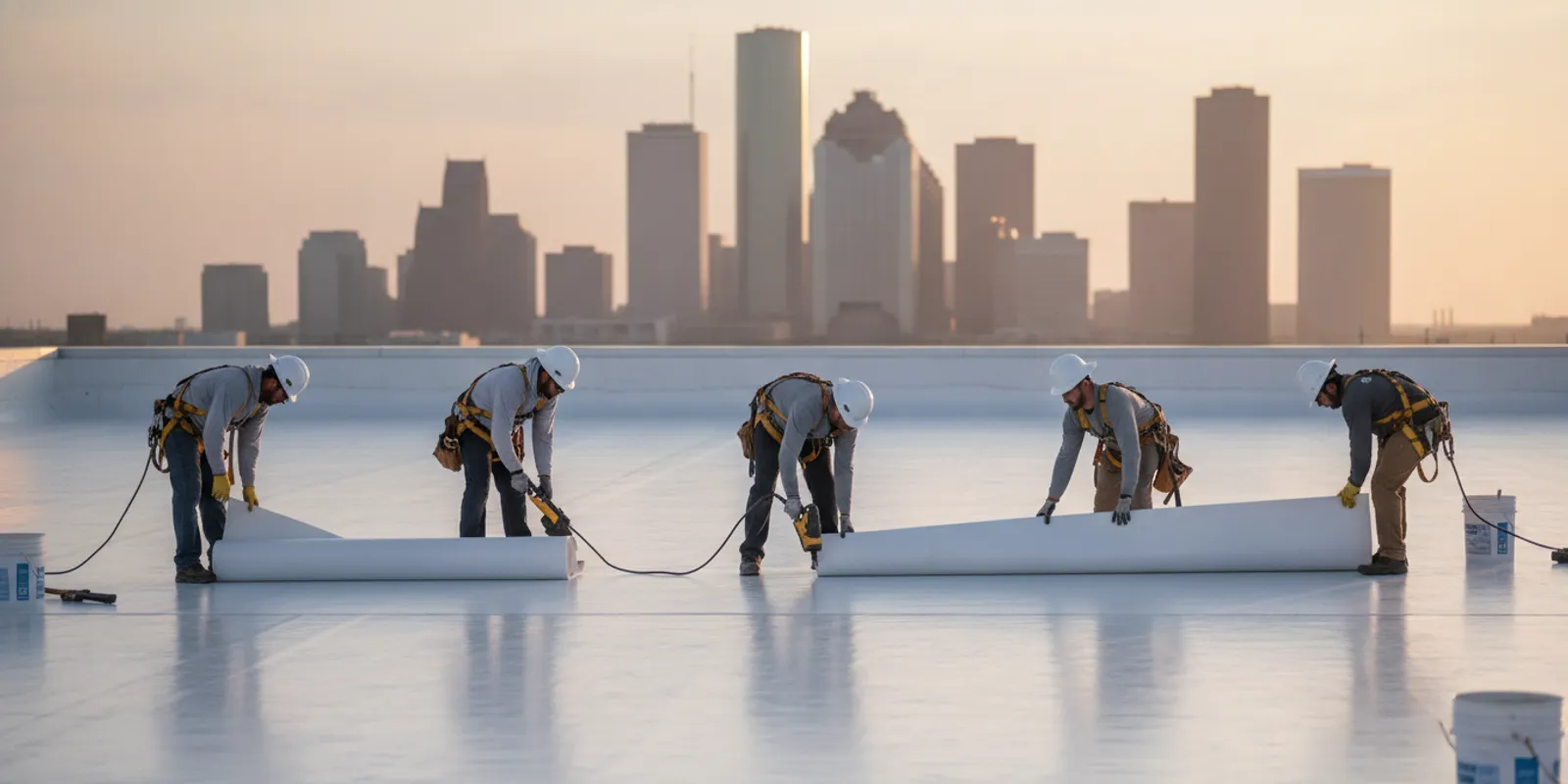
- Install the roof assembly: The crew prepares the substrate and installs the specified insulation, membrane or roofing layers, and associated details following the system requirements.
- Review completed work: Confirm that drains, edges, penetrations, and transitions are included in the final review. Request project documentation and any care or maintenance instructions.
Weather can affect scheduling and work sequencing. Ask how the contractor will protect exposed areas if conditions change, who communicates schedule updates, and how the building will be kept secure between work periods. For an occupied commercial property, discuss access to entrances, loading areas, rooftop equipment, and any operating constraints in advance.
Talk with Elevation Roofing & Restoration about your roof installation plans
How Can You Compare a Flat Roof Installation Proposal?
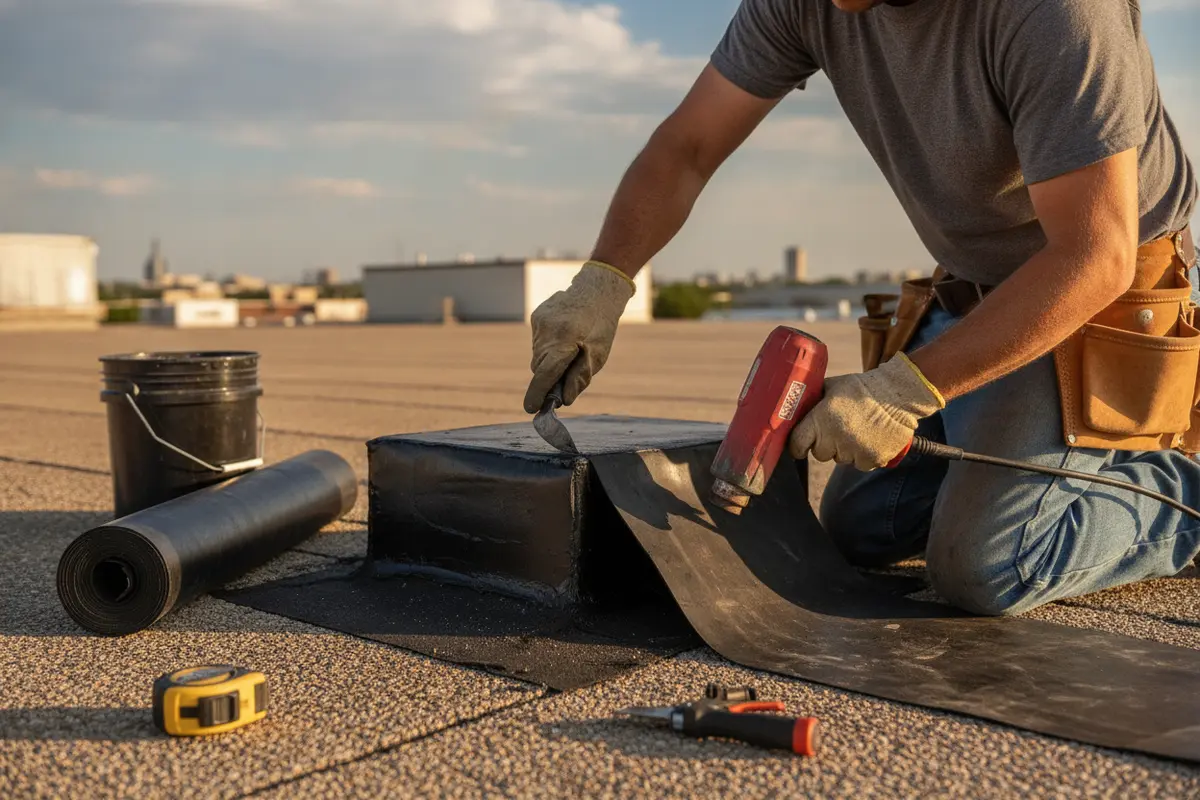
Two bids are only comparable when they describe similar work. One proposal may include tear-off and replacement of damaged insulation, while another may assume the old material remains. Look beyond the total and compare the written scope, exclusions, system details, and process for handling discoveries after work begins.
- Does the proposal name the roof system and describe the assembly, not only the surface material?
- Does it state how existing roofing will be removed, retained, or prepared?
- Does it address drains, scuppers, flashing, edges, penetrations, and equipment curbs?
- Does it explain how the contractor will respond to concealed damage or a change in scope?
- Are access, site protection, debris handling, and work coordination described?
- What inspection, closeout documents, and maintenance guidance will be provided?
- Who is your point of contact for questions during the project?
Request answers in writing so you can evaluate the same items across proposals. Be cautious about selecting a contractor based on a short verbal description that does not identify the work. A clear scope gives both sides a shared reference if site conditions require a discussion or adjustment.
Property owners in the Houston and Austin areas can see the company’s Texas service locations. To review other property services that may be relevant alongside a roof project, see other services and gutter installation and repair. The customer reviews page offers additional context about customer experiences.
What Should Texas Property Owners Prepare Before Work Begins?
A little preparation can help the installation proceed with fewer avoidable interruptions. Before the start date, confirm who can authorize work, how the contractor will access the roof, and how occupants or tenants will be notified. Move vehicles or stored items away from staging and disposal areas when asked, and let the project team know about sensitive equipment or building access needs.
Use this short preparation list:
- Keep a copy of the approved scope and contact details for the project representative.
- Confirm the expected work area, access route, and site-protection plan.
- Ask how schedule changes or newly discovered conditions will be communicated.
- Arrange access to relevant interior areas if the contractor needs to check for signs of moisture.
- At closeout, ask for documentation of the installed system and recommendations for routine observation and care.
If a property has active leaks or visible interior damage, raise that concern before the installation date. A new roof plan should account for the condition of the building and any immediate protection needs, rather than treating the roof surface in isolation. Elevation also offers roof inspections and roof replacement services for owners discussing the next step.
Get a free roof inspection and discuss your installation options
Frequently Asked Questions
Is a flat roof completely level?
Usually, no. Roofs described as flat generally need some slope to guide water toward drains, scuppers, or gutters. Ask how the proposed roof will manage water and where the outlets are located.
Which system is best for a Texas low-slope roof?
There is no one answer for every building. TPO, EPDM, PVC, modified bitumen, and built-up roofing each have different assemblies and detailing requirements. The contractor should explain how the proposed system fits your roof, structure, drainage, and project scope.
Can a new roof be installed over an existing roof?
That depends on the existing roof assembly, its condition, and applicable project requirements. Ask the contractor to inspect the roof and clearly state in writing whether the plan is tear-off or an overlay, including how concealed damage will be addressed.
What should I compare when reviewing installation bids?
Compare the specified system, preparation and removal work, insulation and deck assumptions, drainage and flashing details, site protection, exclusions, and the process for approving changes. A lower total does not tell you whether the bids cover the same work.
Taking time to understand the drainage plan, system details, and written scope can help you make a more informed decision for your Texas property.