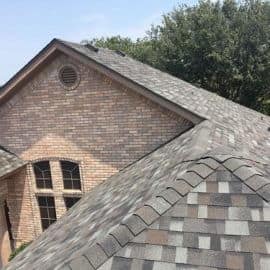
If you're shopping for a new roof in Texas, the shingle aisle can feel deceptively simple — they all look like rectangles in a brochure. But the gap between the cheapest shingle and the right one for your home is the difference between a roof that survives a Hill Country hailstorm and one that's leaking by its fifth summer. The best roofing shingles for Texas homes aren't always the most expensive; they're the ones matched to the specific punishment our climate hands out: relentless UV, sudden hail, hurricane-driven wind off the Gulf, and the kind of humidity that grows algae on a roof's north slope.
At Elevation Roofing & Restoration, we've installed and repaired roofs across more than 100 communities in Greater Houston and the Austin metro for 9+ years. This guide breaks down the real shingle options Texas homeowners actually choose, how they compare, and how to pick without overpaying for features your home doesn't need.
First, What Your Texas Roof Is Up Against
Before comparing products, it helps to name the threats — because the right shingle is simply the one that answers them:
- Heat and UV: A dark roof in a Houston August can exceed 150°F, baking the asphalt and accelerating granule loss.
- Hail: Central Texas and the Hill Country sit in a known hail corridor; the Houston area gets its share too.
- Wind and storms: Gulf Coast hurricanes, tropical storms, and open-prairie gusts test every nail and starter strip.
- Humidity: Moisture feeds black algae streaking and shortens the life of cheaper shingles.
- Hard freezes: Occasional deep cold cycles materials between extremes that crack brittle products.
A shingle that excels in a mild climate can fail early here. That's why national "best shingle" lists don't tell the whole story for Texas.
The Shingle Lineup, Compared
3-Tab Shingles: The Budget Floor
Flat, single-layer 3-tab shingles are the least expensive option and still show up on builder-grade and rental properties. They typically carry lower wind ratings and shorter lifespans, and in our climate they tend to show wear and granule loss faster than heavier products. For most Texas homeowners planning to stay put, 3-tab is rarely the value it appears to be — the savings up front often get eaten by earlier replacement. They have a place on tight budgets, but go in with clear expectations.
Architectural (Laminate) Shingles: The Texas Default
Architectural shingles — also called dimensional or laminate — are the workhorse of Texas roofing, and for good reason. They use multiple bonded layers for added thickness, which translates into better wind resistance (many lines are rated to 130 mph when installed to spec) and longer service life than 3-tab. They also look far better from the curb, with shadow lines and blended color.
For the majority of homes in our service area, a quality architectural shingle hits the sweet spot of durability, appearance, and price. As a GAF Preferred Contractor installing complete GAF lifetime systems, this is where most of our shingle roof projects land.
Impact-Resistant (Class 4) Shingles: The Hail Answer
If you live where hail is a recurring event — much of Austin and the surrounding Hill Country qualifies — Class 4 impact-resistant shingles deserve a hard look. Class 4 is the top UL 2218 rating, tested against a two-inch steel ball dropped from 20 feet. They resist the cracking and bruising that lesser shingles suffer in a storm, and many Texas insurers offer a premium discount for a qualifying impact-rated roof, which can offset the upcharge over time.
Class 4 comes in both architectural and designer profiles, so you don't trade away looks for protection. If a storm has already hit your home, our storm repair team can evaluate whether an impact-rated replacement makes sense — and we work directly with your insurer on the claim.
Designer / Luxury Shingles: The Slate & Shake Look
Designer shingles mimic natural slate or cedar shake using heavier laminate layers, deeper shadow bands, and varied tab widths. They deliver real dimensional character without the weight or cost of genuine slate or tile, which often require structural reinforcement. For higher-end homes or anyone wanting standout curb appeal, a designer profile — especially one with a Class 4 rating — is a compelling middle ground.
Metal Shingles: The Long-Haul Alternative
Not technically asphalt, but worth knowing: metal shingles use reflective coatings and interlocking panels for excellent heat reflection and wind resistance, with lifespans that can reach 40 to 70 years. The upfront cost is higher, but the longevity and energy performance appeal to homeowners planning to stay decades. If that's you, it's worth comparing against asphalt — explore our metal roofing options or browse all roof types before deciding.
The Three Specs That Matter Most in Texas
Regardless of profile, these are the features we tell homeowners to prioritize for our climate:
- Cool-roof / reflective granules to fight heat and ease AC load — available now in popular grays and weathered-wood blends, not just white.
- Impact rating (ideally Class 4) if you're anywhere near the hail corridor.
- High wind rating plus algae resistance — look for 130 mph ratings and copper- or zinc-infused granules that suppress the black streaking humidity causes.
Get those three right and color becomes the fun part rather than the deciding factor.
Installation Decides the Outcome
Here's the part the brochures won't tell you: a premium shingle nailed wrong performs worse than a mid-grade shingle installed correctly. Wind and algae warranties depend on the right nailing pattern, starter strip, ridge components, and underlayment all working as a system. That's why we install complete, matched systems rather than mixing parts — and why we're also RhinoRoof certified for underlayment. A great material is only as good as the crew and the components beneath it.
So, What Should You Choose?
For most Texas homeowners, a quality architectural shingle with cool-roof granules and a strong wind rating is the smart default. Add a Class 4 impact rating if hail is a regular visitor to your neighborhood. Step up to a designer profile for curb appeal, or consider metal if you're optimizing for the longest possible lifespan. The genuinely "best" choice depends on your roof's exposure, your budget, and how long you plan to stay — which is exactly the conversation worth having before you sign anything.
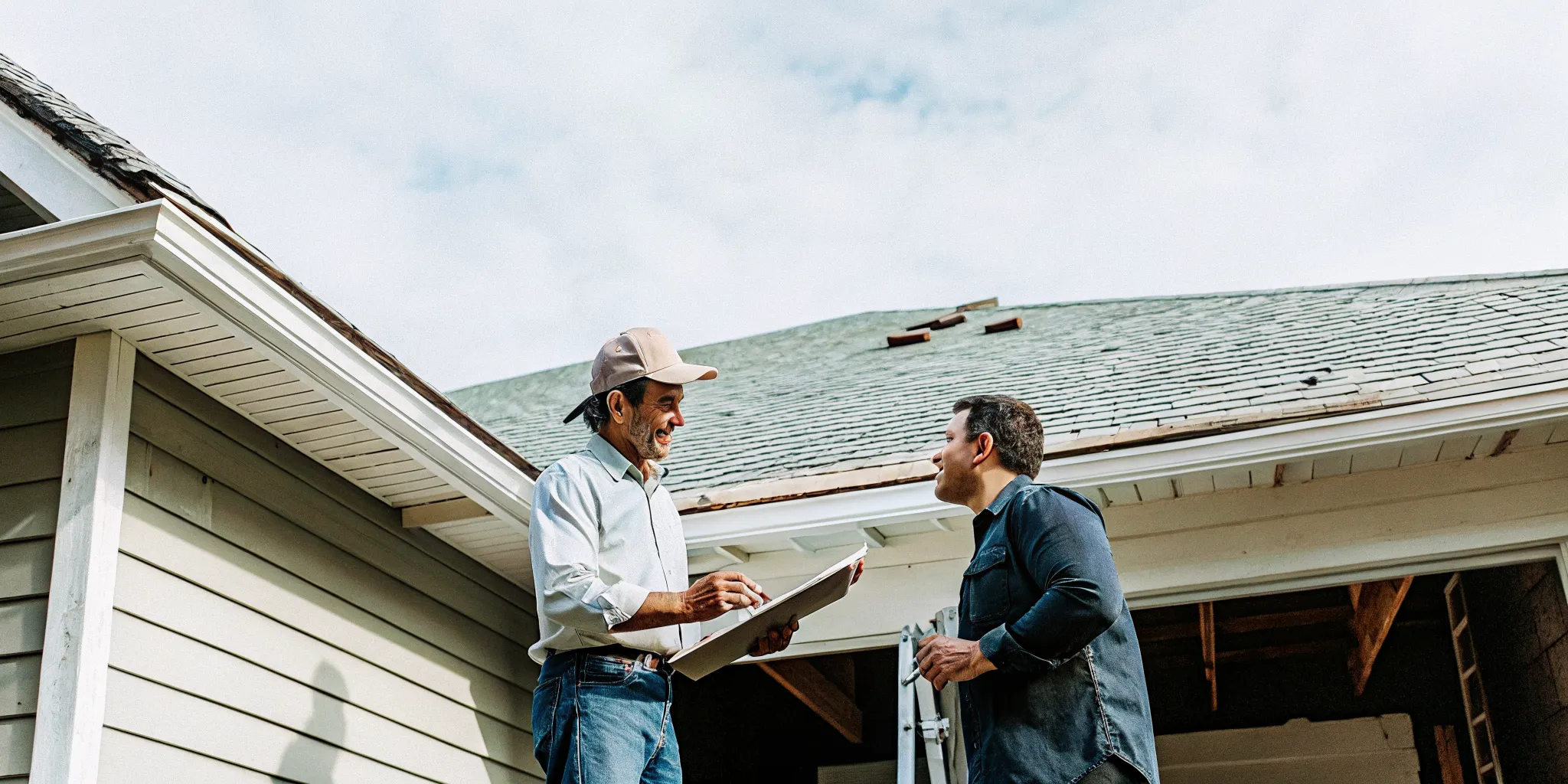
Not sure which tier fits your home? Start with the facts. Schedule a free roof inspection (a $399 value) and we'll walk your roof, document its real condition, and lay out honest shingle options matched to your home and neighborhood — no pressure, just a clear path forward. You can also estimate scope with our roofing calculator or ask about financing to spread the investment.