Technology is completely reshaping the job site, turning traditional heavy machinery into smart, data-generating assets. For fleet managers, this shift brings both incredible opportunities and new challenges. Telematics, GPS machine control, and predictive maintenance are no longer futuristic concepts; they are practical tools that can make your operation safer and more efficient. This guide will help you understand how these advancements are changing construction equipment. We’ll explore how to use data to prevent breakdowns, how automation can improve accuracy, and how new safety features protect your crew. It’s time to put these powerful new tools to work for your business.
Key Takeaways
- Match the machine to the mission: Select equipment based on your project's specific needs, not just the price tag. Consider the total cost of ownership, including fuel and repairs, and explore all your options like renting, leasing, or buying to find the smartest financial fit.
- Make maintenance a proactive habit: A profitable fleet relies on consistent care, not last-minute fixes. Implement daily operator checks, stick to a service schedule, and use telematics data to spot potential issues before they cause expensive downtime.
- Use modern tools to improve performance: Technology is key to running an efficient and compliant fleet. Adopting tools like GPS and telematics improves accuracy and helps predict maintenance, while choosing fuel-efficient models lowers operating costs and meets environmental standards.
What Are the Main Types of Construction Equipment?
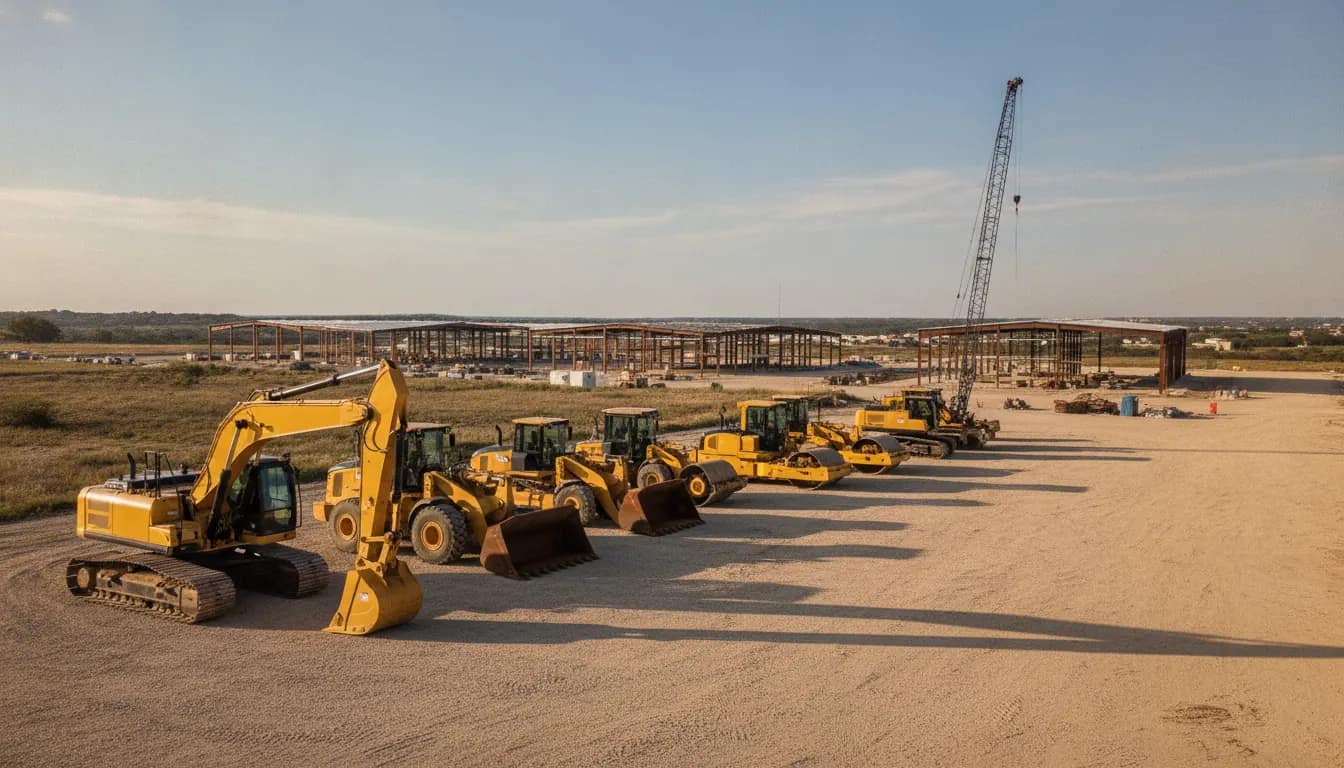
Walking onto a construction site can feel like visiting a land of giants. Each machine has a specific job, and knowing which one does what is the first step to building an efficient fleet. While the list of specialized equipment is long, most projects rely on a core group of heavy hitters. Getting to know these main types will help you plan your projects, allocate resources, and make smarter decisions about renting or buying. Let's break down the essential equipment you'll find on almost any job site.
Excavators
When you picture major earthmoving, you’re probably thinking of an excavator. These versatile machines are the backbone of many construction projects, featuring a boom, dipper (or stick), bucket, and cab on a rotating platform. Their primary job is digging, but they are also essential for many other tasks. The Construction Equipment Guide explains that "excavators are heavy construction equipment used for digging, lifting, and moving materials." You'll see them used for everything from trenching and demolition to material handling and grading. With a wide range of available attachments, an excavator can quickly adapt to different needs, making it one of the most valuable assets on a site.
Bulldozers
Bulldozers are the brute force of the construction world. Instantly recognizable by the large metal blade on the front, these powerful crawlers are designed to push massive amounts of material. Whether it's soil, sand, or rubble, a dozer clears the way. According to the Osha Education Center, "the bulldozer, first known as a 'bull grader,' is a powerful machine used for pushing large quantities of soil, sand, or rubble during construction work." Their primary function is to move earth from one place to another, making them indispensable for clearing and grading land at the beginning of a project. Their tracked design gives them excellent traction on rough terrain.
Loaders
Loaders are all about scooping, carrying, and loading materials. Unlike an excavator, which primarily digs, a loader is designed to transport loose material like dirt, gravel, and sand from stockpiles into trucks or around the site. They are incredibly versatile, and as the Construction Equipment Guide points out, "loaders are versatile machines used for loading materials into trucks, moving materials around a job site, and digging." You'll find several types, including wheel loaders (front-end loaders) and backhoe loaders, which feature a loader bucket on the front and a digging attachment on the back. Their mobility and versatility make them a staple for projects of all sizes.
Cranes
For projects that involve lifting heavy materials to great heights, cranes are absolutely vital. These machines use a system of cables and pulleys to lift and lower objects that would be impossible to move otherwise. They are a common sight on building construction sites, where they lift steel beams, concrete, and large tools to upper floors. The Osha Education Center highlights their importance, noting that "cranes are vital for lifting and moving heavy materials on construction sites." They come in many forms, from towering tower cranes that are assembled on-site to mobile cranes that can be driven to different locations, each designed for specific lifting requirements and environments.
Graders and Scrapers
When you need a perfectly flat surface, you call in the graders and scrapers. A motor grader uses a long blade to create a fine, level grade, which is essential for building roads and foundations. Scrapers, on the other hand, are designed for large-scale earthmoving. The Construction Equipment Guide explains that "graders are used for creating a flat surface, while scrapers are designed for moving earth over long distances." A scraper can self-load, haul the material at high speed, and then dump and spread it in a controlled lift. Together, these machines are fundamental for preparing a site before vertical construction can begin, ensuring the ground is stable and level.
Compactors and Rollers
A solid foundation is non-negotiable in construction, and that’s where compactors and rollers come in. These machines are used to compress materials like soil, gravel, and asphalt, increasing their density and load-bearing capacity. This process removes air pockets and creates a stable, uniform surface. As the Osha Education Center notes, "compactors and rollers are used to compress soil, gravel, and asphalt to create a stable foundation for construction projects." You'll see them everywhere from road construction, where they smooth fresh asphalt, to large building sites, where they prepare the ground for a concrete slab. Without proper compaction, a project could suffer from settlement and structural failure down the line.
Who Are the Top Construction Equipment Brands?
When you're investing in heavy machinery, brand reputation matters. The top construction equipment brands have earned their place through decades of proven performance, innovation, and reliability on job sites around the world. While there are many manufacturers to choose from, a handful of names consistently lead the pack. These companies are known not just for the quality of their machines but also for their extensive dealer networks, parts availability, and customer support. Understanding who these key players are can help you make a more informed decision for your fleet. Here’s a look at five of the most trusted brands in the industry.
Caterpillar
Caterpillar is often the first name that comes to mind in construction, and for good reason. Known for its iconic yellow machines, the company has built a global reputation for durability and power. Their extensive range of machinery includes everything from massive bulldozers and excavators to versatile loaders, making them a one-stop shop for many contractors. Caterpillar Inc. also places a strong emphasis on integrating technology into its equipment, offering features that help improve job site efficiency and productivity. With a legacy of reliability, Cat equipment is designed to withstand the toughest conditions, which is why it remains a top choice for professionals worldwide.
Komatsu
As a major global player, Komatsu is a leader in technological innovation and sustainable manufacturing. This Japanese corporation is the world's second-largest manufacturer of construction equipment, respected for its high-quality hydraulic excavators, bulldozers, and wheel loaders. What sets Komatsu apart is its forward-thinking approach. The company is deeply committed to developing advanced, eco-friendly machinery designed to reduce environmental impact without sacrificing performance. For fleet managers focused on both productivity and sustainability, Komatsu offers intelligent equipment solutions that push the industry forward, making them a powerful competitor to other top-tier brands.
John Deere
While famous for its green and yellow agricultural equipment, John Deere also has a formidable presence in the construction industry. The American company produces a wide array of reliable machines, including popular backhoes, excavators, and compactors. John Deere is celebrated for its unwavering commitment to quality and exceptional customer service, which has earned it a loyal following among construction professionals. The brand also focuses on innovation, particularly in technologies that improve machine performance and operator comfort. If you're looking for durable equipment backed by a strong support network, John Deere's construction lineup is a solid choice.
Volvo Construction Equipment
Volvo Construction Equipment is synonymous with safety, quality, and sustainability. As a key part of the Volvo Group, the brand is a leading manufacturer of wheel loaders, articulated haulers, and excavators. Volvo has built its reputation on creating machines that are not only powerful and efficient but also exceptionally safe and comfortable for operators. The company is also a pioneer in green technology, actively developing electric and hybrid equipment to meet the growing demand for more sustainable construction practices. For those who prioritize operator well-being and environmental responsibility, Volvo CE offers some of the most advanced and thoughtful designs on the market.
Hitachi
Hitachi Construction Machinery is a global leader celebrated for its engineering excellence, especially in the realm of hydraulic excavators. This Japanese company is dedicated to innovation, consistently delivering advanced technology that enhances productivity and precision on the job site. Hitachi equipment is known for its reliability and efficiency, helping operators get more done with less fuel. The company is also focused on sustainability, working to reduce the environmental footprint of its machinery through smarter design and operation. For businesses that need powerful and technologically advanced equipment, Hitachi provides a range of high-performing machines built for demanding tasks.
What Does Construction Equipment Cost?
Let's talk numbers. Figuring out the cost of heavy equipment can feel like a moving target, but understanding the typical price ranges is the first step to creating a solid budget. The final price tag on any machine depends on a lot of factors, including its size, brand, capabilities, and whether you’re buying new or used. While a small, used machine might be relatively affordable, a large, brand-new piece of equipment with all the latest technology is a major investment. To give you a clearer picture, let's break down the costs for some of the most common types of machinery and explore your payment options.
Pricing for Excavators and Bulldozers
Excavators and bulldozers are foundational machines on most job sites, and their prices reflect their importance. For a new excavator, you can expect to see prices ranging from $100,000 to $500,000. A helpful guide to excavator prices shows this wide range is due to differences in size, digging depth, and brand. Smaller models are on the lower end, while large, powerful machines for heavy-duty work command the highest prices.
Bulldozers have an even broader price spectrum. A smaller dozer might cost around $30,000, making it accessible for landscaping or smaller grading jobs. However, massive bulldozers designed for major earthmoving projects can easily exceed $1 million, especially when equipped with advanced GPS and automation features.
Pricing for Loaders and Cranes
Loaders are versatile machines that come in many sizes, from compact skid steers to large wheel loaders. Generally, you can expect to pay between $20,000 and $200,000 for a new loader. The price depends on its operating capacity, horsepower, and any included attachments. Skid steers are typically on the lower end of that range, while large wheel loaders used in quarries or major construction sites are on the higher end.
Cranes represent a much larger investment. A small mobile crane might start around $100,000, but the cost climbs quickly from there. Large tower cranes, a staple of skyscraper construction, can cost well over $1 million. As this overview of loader and crane costs explains, the primary price drivers are lifting capacity and reach.
Your Financing and Leasing Options
Buying a piece of heavy equipment outright isn't always feasible or necessary. Luckily, you have other options. Financing allows you to purchase the machine by making payments over time, often with competitive interest rates offered by dealers or third-party lenders. This path leads to ownership once the loan is paid off.
Leasing is another popular route, especially if you need equipment for a specific project or want to avoid the responsibilities of ownership. This guide to financing and leasing construction equipment highlights how leasing provides flexibility with lower upfront costs, allowing you to use the latest models without a long-term commitment. Many manufacturers also offer their own special financing programs, so be sure to ask what’s available.
How Do You Choose the Right Equipment?
Choosing the right construction equipment is one of the biggest decisions you’ll make for your business. It’s more than just a purchase; it’s a major investment that directly impacts your productivity, operating costs, and even your team’s safety. Getting it right means your projects run smoothly and profitably. Getting it wrong can lead to costly delays, budget overruns, and operational headaches.
So, how do you make the right choice? It starts with a clear-eyed assessment of your needs. You need to think like a strategist, looking at everything from the specific demands of your projects to your long-term business goals. This involves matching the machine’s capabilities to your job site, deciding on the smartest way to acquire it, and carefully comparing the features that matter most. By breaking down the decision into manageable steps, you can confidently select equipment that will serve as a powerful asset for years to come.
Match the Equipment to Your Project's Scale
The first rule of equipment selection is to match the machine to the mission. A massive excavator on a small residential job is just as inefficient as a mini-excavator on a large highway project. Before you even look at models, map out your project requirements. Consider the type and volume of material you’ll be moving, the ground conditions, and any space constraints on the job site. For example, when selecting an articulated dump truck, you should consider its carrying capacity and how well it pairs with your loading equipment. Using a machine that’s too large wastes fuel and money, while one that’s too small will slow down the entire operation and wear out prematurely.
Decide Between Renting, Buying Used, or Buying New
Once you know what size and type of machine you need, your next decision is how to acquire it. Each option has its place. Renting is a great strategy for short-term projects, specialized tasks, or when you want to try a model before committing. As regulations change, many companies find it easier to rent equipment to ensure they always have compliant machinery. Buying used can be a cost-effective way to build your fleet, but it requires a careful inspection to avoid inheriting someone else’s problems. Buying new gives you the latest technology, a full warranty, and a longer operational life, but it comes with the highest upfront cost. Weigh your company’s financial health and project pipeline to determine the best path forward.
What to Look For When Comparing Models
When you start comparing specific models, it’s easy to get overwhelmed by specs and features. To cut through the noise, focus on what will truly impact your bottom line and operational efficiency. Look beyond the sticker price to the total cost of ownership, which includes fuel, maintenance, and potential resale value. Dealer support is another critical factor. Will you have easy access to parts and service? Knowledgeable experts can help you figure out the best equipment for your specific needs, providing valuable guidance long after the sale. Don’t hesitate to ask for demos, talk to other owners, and read reviews to get a complete picture of how a machine performs in the real world.
Compare Horsepower, Weight, and Fuel Efficiency
Now it’s time to get into the details. Horsepower is a key metric, but it’s important to understand how that power is translated into performance through the machine’s hydraulic system. The operating weight is also crucial, as it affects everything from stability and flotation to how you’ll transport the machine between job sites. Perhaps most importantly, pay close attention to fuel efficiency. In an era of volatile fuel prices, a machine that sips diesel instead of guzzling it can save you thousands of dollars over its lifetime. Also, remember that proper care, like using the correct heavy-duty grease, can help your machines last longer and perform more efficiently, maximizing your investment.
Evaluate Hydraulic Systems and Attachments
A machine’s hydraulic system is its heart and soul, providing the power for digging, lifting, and grading. A responsive, powerful hydraulic system can make a good operator great, so pay attention to cycle times and control feel during a demo. Just as important is the machine’s versatility, which is determined by its attachments. Think of your attachments as assets in their own right. A single machine can perform dozens of different tasks with the right set of attachments, from hammers and augers to buckets and forks. Plan for the attachments you’ll need from the start to ensure you’re buying a machine that can grow with your business and handle any job you throw at it.
Prioritize Operator Comfort and Safety
Never underestimate the importance of the operator’s station. A comfortable, confident operator is a productive and safe one. Look for cabs with excellent visibility, ergonomic controls, and features like heating and air conditioning that reduce fatigue over a long shift. Safety should be your top priority. Given that jobsites can be very dangerous, look for machines equipped with modern safety features like rearview cameras, object detection systems, and robust rollover protection structures (ROPS). Investing in safety not only protects your team but also protects your business from costly accidents and downtime. It’s a non-negotiable part of choosing the right equipment.
Best Practices for Equipment Maintenance
Keeping your heavy equipment in top condition is about more than just avoiding breakdowns. A solid maintenance plan protects your investment, keeps your projects on schedule, and ensures your team stays safe on the job. When a machine goes down unexpectedly, it doesn't just create a repair bill; it can cause a domino effect of delays that throws your entire project off track. Proactive care is your best strategy to prevent small issues from turning into expensive, project-halting failures. It all comes down to creating simple, repeatable habits for your entire team. By focusing on routine checks, using the right materials, and storing your machines properly, you can extend the life of your fleet and get the most out of every single asset. These best practices will help you build a maintenance program that saves you time and money in the long run, turning what seems like a chore into a powerful business advantage. A well-maintained machine not only runs better but also holds its value longer, giving you a better return when it's time to upgrade.
Schedule Routine Inspections and Operator Training
A consistent inspection schedule is your first line of defense against downtime. Create a daily, weekly, and monthly checklist for each machine. Operators should be trained to perform these checks before every shift, as they are the most familiar with the equipment's day-to-day performance. Key items on your checklist should include recording engine hours, inspecting hydraulic systems, checking tracks, and testing electrical components. Simple but critical tasks like checking air filters, performing oil changes, and testing safety systems should also be part of this routine. A well-documented maintenance schedule makes it easy to track service history and spot recurring problems before they become severe.
Maintain Your Engine, Fluids, and Lubrication
The engine is the heart of your machine, and its fluids are its lifeblood. Neglecting them is a recipe for catastrophic failure. Make sure you follow the manufacturer's recommendations for oil changes and coolant checks. Using the wrong type of fluid can cause damage and void warranties, so always double-check that you’re using the correct specifications for each piece of equipment. Regular lubrication of moving parts is just as important. It reduces friction, prevents wear, and protects components from corrosion. Taking a few minutes to check fluid levels and grease fittings can save you from thousands of dollars in engine repairs and countless hours of lost productivity.
Care for Tires, Joints, and Attachments
Your equipment’s undercarriage, tires, and attachments take a beating on every job site. For machines like articulated dump trucks, tire condition is critical for both safety and efficiency. Regularly inspect tires for proper inflation, cuts, and excessive wear. Pay close attention to the machine’s joints and pivot points, as these are high-stress areas. Using the correct heavy-duty grease can significantly extend the life of these components, especially in tough working conditions. Don’t forget to inspect your attachments, like buckets and blades, for cracks or damage. A well-maintained attachment performs better and is less likely to fail unexpectedly.
Clean and Store Your Equipment Properly
Cleaning your equipment isn't just for looks; it's a crucial maintenance step. A clean machine is easier to inspect, allowing you to spot leaks, cracks, and other potential issues that might be hidden under mud and grime. Regular washing also helps prevent rust and corrosion. When the equipment isn't in use, proper storage is key to protecting it from both the elements and theft. To prevent theft, it helps to "think like a criminal" and identify vulnerabilities on your job site. Store machines in a well-lit, secure area whenever possible, and consider using anti-theft devices. Protecting your equipment is a major part of managing your operational costs.
Manage Parts and Supply Chain Issues
Waiting on a replacement part can bring a project to a complete standstill. To avoid this, it’s smart to manage your parts inventory proactively. Identify the most critical components for your fleet and consider keeping common wear-and-tear items in stock. Building a strong relationship with your equipment dealer is also essential. Experts at a dealership like Titan Machinery can help you identify the right parts for your machines and give you a heads-up on potential supply chain delays. By planning ahead and communicating with your partners, you can minimize downtime and keep your fleet running smoothly, even when unexpected repairs are needed.
What Are the Biggest Challenges for Fleet Managers?
Managing a fleet of heavy equipment is a complex job with a unique set of hurdles. Beyond just keeping machines running, you have to juggle personnel, budgets, security, and a growing list of regulations. Staying ahead of these issues is key to running a profitable and efficient operation. Here are some of the most significant challenges you'll face and how to think about approaching them.
Finding and Training Skilled Operators
The construction industry is rapidly adopting new technology and automation, which is changing the skills your operators need. This creates a two-part challenge: not only is it tough to find experienced operators, but you also have to ensure your entire team is trained on the latest machinery and software. A skilled operator from ten years ago might not know how to use the advanced features in a brand-new excavator. As a fleet manager, it’s essential to build a continuous training program. Investing in your people ensures they can use the equipment safely and efficiently, which protects your assets and your bottom line.
Controlling the Total Cost of Ownership
The sticker price of a machine is just the beginning. The total cost of ownership includes fuel, maintenance, repairs, and downtime, all of which can add up quickly. A proactive approach is your best defense against runaway expenses. Simple things, like using the correct heavy-duty grease, can help your machines last longer in tough conditions. Furthermore, modern telematics helps you fix problems before they happen, shifting your maintenance from reactive to predictive. By tracking machine health and addressing small issues early, you can prevent major failures, extend the life of your equipment, and keep your overall costs down.
Preventing Equipment Theft
Construction sites are often seen as easy targets for thieves, and the loss of a single machine can be a six-figure problem that disrupts timelines and budgets. Protecting your fleet requires you to think like a criminal and identify your site's vulnerabilities. This means securing the perimeter, using lockboxes for keys, and installing deterrents like lighting and cameras. It’s also wise to have a clear inventory of your equipment, including serial numbers and photos, to aid law enforcement in recovery if a theft does occur. Taking these preventative steps is far less costly than replacing a stolen bulldozer or excavator.
Meeting Regulatory and Emissions Standards
Environmental regulations are becoming stricter, and the construction industry is under increasing scrutiny. Heavy equipment produces significant air pollution, and as a result, new laws are changing how machines are built and operated. For fleet managers, this means staying on top of local, state, and federal emissions standards, which can be a moving target. You’ll need to balance the cost of upgrading to cleaner, compliant equipment with the risk of fines and penalties. Planning for these upgrades in your long-term budget and exploring low-emission alternatives will be critical for keeping your fleet both productive and compliant.
How Is Technology Changing Construction Equipment?
Technology is doing more than just adding bells and whistles to heavy machinery; it’s fundamentally changing how construction fleets operate. From the way you track your assets to how you keep your crew safe, new advancements are making jobsites more efficient, productive, and secure. Embracing these tools isn't about chasing trends. It's about making smart, data-driven decisions that give your business a competitive edge. By integrating technology, you can reduce downtime, cut long-term costs, and create a safer environment for everyone on site. Let's look at some of the most impactful changes happening right now.
Use Telematics for Remote Fleet Monitoring
Think of telematics as a health tracker for your heavy equipment. These systems use sensors to collect and send real-time data from your machines back to your office. You can see everything from a machine's location and fuel consumption to its engine hours and idle time. This information is a game-changer for fleet management. Instead of waiting for an operator to report a problem, you can spot potential issues remotely. Systems like Liebherr's MyLiebherr tools help you keep track of maintenance and performance from anywhere. This allows you to shift from a reactive approach to a proactive one, scheduling service before a minor issue turns into a major breakdown that sidelines your equipment.
Leverage Data for Predictive Maintenance
Telematics gives you the data, and predictive maintenance tells you what to do with it. This technology uses artificial intelligence (AI) to analyze the information from your fleet and predict when a part is likely to fail. It’s like having a crystal ball for your repair schedule. Instead of sticking to a rigid maintenance calendar, you can service equipment based on its actual condition and usage. Artificial Intelligence is quickly becoming essential for fleet management, offering insights that help you prevent breakdowns, improve safety, and make smarter business decisions. This approach not only saves money on unnecessary repairs but also extends the life of your valuable assets by addressing problems before they escalate.
Adopt Automation, Robotics, and GPS Control
Automation is no longer science fiction; it’s a practical tool on modern jobsites. Advanced technologies like GPS and machine control systems are helping operators work with incredible precision. For example, a motor grader equipped with GPS can automatically adjust its blade to create the perfect slope, reducing the need for rework and saving valuable time. Some companies now offer advanced technology to help businesses improve their accuracy and profitability. Beyond GPS, robotics are also starting to handle repetitive or hazardous tasks, freeing up skilled operators to focus on more complex work. Adopting these tools helps your team complete projects faster, more accurately, and with less material waste.
Improve Safety with AI Cameras
Jobsite safety is always the top priority, and AI-powered cameras are providing a new layer of protection. These aren't just standard backup cameras. They are "smarter eyes" that can distinguish between people and objects, giving operators a complete view of their surroundings. These systems can send immediate alerts if a person enters a blind spot or a hazardous zone around the machine. Some AI cameras can even stream live video, giving fleet managers a real-time view of the jobsite to ensure safety protocols are being followed. This technology helps prevent accidents, protects your crew, and reduces the risk of costly incidents and project delays.
Explore Electric and Hybrid Equipment
As emissions standards become stricter and fuel costs remain a major expense, many fleet managers are turning to electric and hybrid equipment. These machines are designed to reduce your fleet's environmental footprint while also lowering your total cost of ownership. For instance, some of the latest electric drive dozers and electrified wheel loaders can significantly cut fuel consumption compared to their traditional diesel counterparts. While the initial investment might be higher, the long-term savings on fuel and maintenance can be substantial. Exploring these alternatives is a forward-thinking move that prepares your fleet for the future of construction while delivering tangible benefits today.
How to Manage Your Construction Fleet
Managing a fleet of heavy equipment is a huge responsibility. It’s not just about having the right machines; it’s about using them efficiently, keeping them running smoothly, and protecting them from harm. A well-managed fleet is the backbone of a profitable construction business, helping you finish projects on time and on budget. Getting a handle on your fleet management strategy involves a few key areas, from scheduling and maintenance to data analysis and security. Let's walk through some practical steps you can take.
Optimize Fleet Utilization and Scheduling
Getting the most out of every machine is the goal. Idle equipment doesn't make you money, so optimizing fleet utilization is all about matching the right machine to the right job and keeping it productive. Start by carefully assessing project needs. Do you need a mid-sized wheel loader or something larger? Are articulated dump trucks the best fit for your site conditions? Choosing the right equipment from the start prevents underuse or overuse. Once the equipment is on-site, smart scheduling ensures it moves seamlessly from one task to the next, minimizing downtime and keeping your projects on track.
Track Maintenance Across All Your Machines
Waiting for a machine to break down is one of the costliest mistakes you can make. A proactive approach to maintenance is essential for keeping your fleet in top condition and avoiding unexpected downtime. Create a preventive maintenance plan for every piece of equipment, from large haul trucks to smaller compactors. This schedule should include regular checks of critical components like tires, joints, and fluid levels. For machines like Articulated Dump Trucks (ADTs), even the condition of your haul roads can impact their health. Consistent lubrication and daily walk-arounds by operators can catch small issues before they become major, expensive repairs.
Use Data to Make Smarter Decisions
Your equipment is constantly generating valuable data, and it's time to put it to work. Implementing telematics systems on your machines gives you a real-time look into their performance and health. Instead of just reacting to problems as they happen, you can use this data to identify and fix issues before they cause a breakdown. Telematics can track everything from engine hours and fuel consumption to fault codes and operator behavior. This information allows you to schedule maintenance more effectively, train operators on efficient practices, and make smarter decisions about when to repair or replace a machine.
Protect Your Equipment from Theft and Vandalism
Construction sites can be vulnerable targets for thieves, and the loss of even one machine can cause major financial setbacks and project delays. Taking a proactive approach to security is non-negotiable. Think like a potential thief to identify weak spots in your security. Simple measures like proper lighting, secure fencing, and clear signage can be effective deterrents. For your equipment, use GPS tracking and geofencing to get alerts if a machine leaves the job site unexpectedly. Also consider installing hidden kill switches or immobilizers to make stolen equipment useless. A detailed inventory with serial numbers and photos is also crucial for recovery and insurance purposes.
How to Reduce Your Fleet's Environmental Impact
Making your fleet more environmentally friendly is more than just a good deed; it’s a smart business move. Reducing your environmental impact can help you comply with regulations, improve your company’s reputation, and even lower your long-term operating costs. It doesn't have to be a massive overhaul overnight. By understanding the rules, making strategic equipment choices, and adopting a few sustainable habits, you can make a real difference for both the planet and your bottom line. Here are a few practical ways to get started.
Understand Emissions Standards
Your first step is to get familiar with the rules of the road, or in this case, the job site. Construction equipment is a major source of air pollution, so government agencies set emissions standards to manage this impact. In the US, the Environmental Protection Agency (EPA) has a tiered system (Tier 1 through Tier 4 Final) that sets limits on pollutants from off-road diesel engines. Each new tier requires progressively cleaner engine technology. Understanding which emissions standards apply to your equipment is essential for compliance. It also helps you make informed decisions when you buy new or used machines, ensuring your fleet is ready for future regulations.
Choose Fuel-Efficient and Low-Emission Alternatives
When it’s time to update your fleet, think green to save green. The industry is moving toward more sustainable options that can significantly cut down on emissions and fuel costs. As noted by Construction Equipment, "Some new machines are electric, like Deere's electrified wheel loaders and electric drive dozers, which can save fuel and lower long-term costs." While electric and hybrid models may have a higher initial price tag, their reduced fuel consumption and lower maintenance needs can offer a great return on investment. Even if you’re sticking with diesel, modern Tier 4 Final engines are incredibly efficient and produce far fewer emissions than older models, making them a solid step forward.
Implement Sustainable Practices
You don’t need a brand-new fleet to make a difference. Small changes in your daily operations can add up to big environmental and financial savings. Start by training your operators to reduce unnecessary engine idling, which wastes fuel and creates needless emissions. Use your telematics data to monitor fuel consumption and identify areas for improvement. A strict maintenance schedule is also key, since a well-maintained machine runs more efficiently. As experts from MCH Parts NYC suggest, "Using new technologies to help measure impact or make machines more eco-friendly" is a powerful strategy. Simple habits, supported by data, can transform your fleet’s footprint.
Frequently Asked Questions
Is it better to buy a cheaper, used machine or invest in a new one? This is a classic dilemma, and the right answer depends on your business. A used machine has a lower upfront cost, which can be great for your immediate budget. However, you should think about the total cost of ownership. A new machine comes with a full warranty, the latest fuel-saving technology, and the peace of mind that you know its entire history. A used machine might come with hidden maintenance issues that lead to unexpected downtime and repair bills. The best choice involves weighing the initial savings against the potential long-term costs and risks.
All this new technology seems expensive. Is it really worth the investment? I understand the hesitation, but it helps to see technology not as an expense, but as a tool for managing your costs. Telematics, for example, gives you real-time data on fuel use and engine health. This allows you to catch small problems before they become major failures and train operators to be more efficient. Likewise, GPS machine control reduces rework, saving you time and materials. These tools provide a clear return on investment by preventing costly downtime, improving productivity, and making your entire operation run smarter.
Does the brand of equipment I choose really matter that much? Yes, it matters a great deal, but for reasons that go beyond the logo. Top-tier brands like Caterpillar or John Deere have built their reputations on decades of reliability and performance. More importantly, choosing an established brand gives you access to a strong dealer network for parts and service. When a machine is down, the speed at which you can get a replacement part or a qualified technician is what truly impacts your bottom line. A strong brand also tends to have a higher resale value, which protects your initial investment.
How can I make my fleet more eco-friendly without buying all-new electric equipment? You can make a significant impact without a complete fleet overhaul. The most effective and immediate change is to focus on your daily operations. Train your operators to reduce unnecessary engine idling, as this wastes a surprising amount of fuel and creates needless emissions. Sticking to a strict maintenance schedule is also crucial, since a well-maintained engine runs more cleanly and efficiently. Using your telematics data to monitor fuel consumption can help you spot and correct wasteful habits across your entire fleet.
My team is busy. How can I implement a maintenance plan that they'll actually follow? The key is to make it simple and integrate it into the daily workflow. Start with a non-negotiable daily walk-around inspection for every operator before they start their shift. Create a simple, durable checklist for each machine that covers the absolute essentials like fluid levels, tire condition, and visible damage. When you train your team, explain how these few minutes of prevention can save them hours of frustration from a breakdown. Consistency is more important than complexity, so building this simple habit is your most powerful first step.