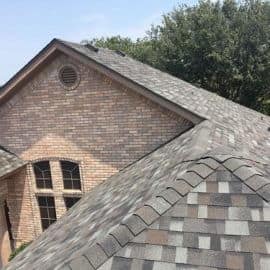
Ask ten homeowners what makes a roof "good" and most will point at the shingles. But the shingles are only the visible skin of a system with half a dozen layers, each one doing real work to keep water out and conditioned air in. In Texas, where a roof faces brutal UV, sudden hail, Gulf Coast wind, and the occasional hard freeze in a single year, the difference between a quality roof and an average one isn't cosmetic. It's whether the system holds together when the weather turns serious.
This guide breaks down what actually defines a quality roof, component by component, so homeowners across Greater Houston and the Austin metro can judge a proposal on its merits instead of its sales pitch. Knowing what "quality" means is the best protection against paying premium prices for an average install.
It Starts With Materials Matched to the Texas Climate
Quality begins with materials engineered for the conditions they'll face. The same shingle that performs fine in a mild climate can age twice as fast under relentless Texas sun. That's why material selection matters as much as the brand name on the bundle.
A quality roof uses materials rated for the job:
- Asphalt shingles with high wind ratings and UV-resistant granules, the right fit for most Houston and Austin homes. Premium GAF lifetime systems add impact and weathering resistance well beyond builder-grade three-tab.
- Metal panels that reflect heat and shrug off hail, increasingly popular for their longevity and energy performance.
- Tile and slate for homes where lifespan and architectural character justify the investment.
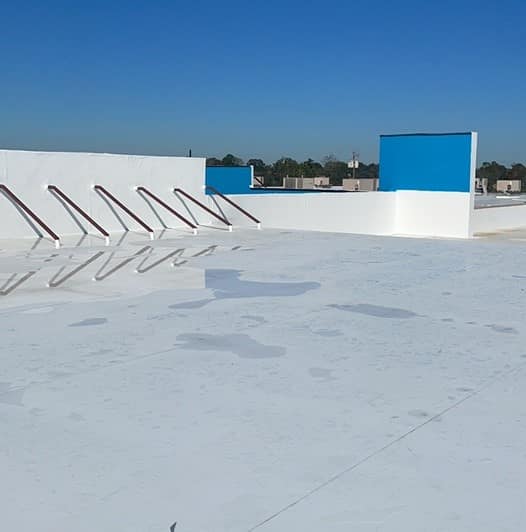
- Flat and low-slope membranes like TPO, modified bitumen, and built-up systems for the parts of a roof a steep-slope shingle can't protect.
Just as important is what sits beneath the surface: synthetic underlayment, ice-and-water shield in valleys and around penetrations, and a sound deck. We walk homeowners through the full range when we discuss roof types, because the best material is the one matched to your home, your slope, and your budget, not whatever's easiest to install.
Installation Is Where Quality Is Won or Lost
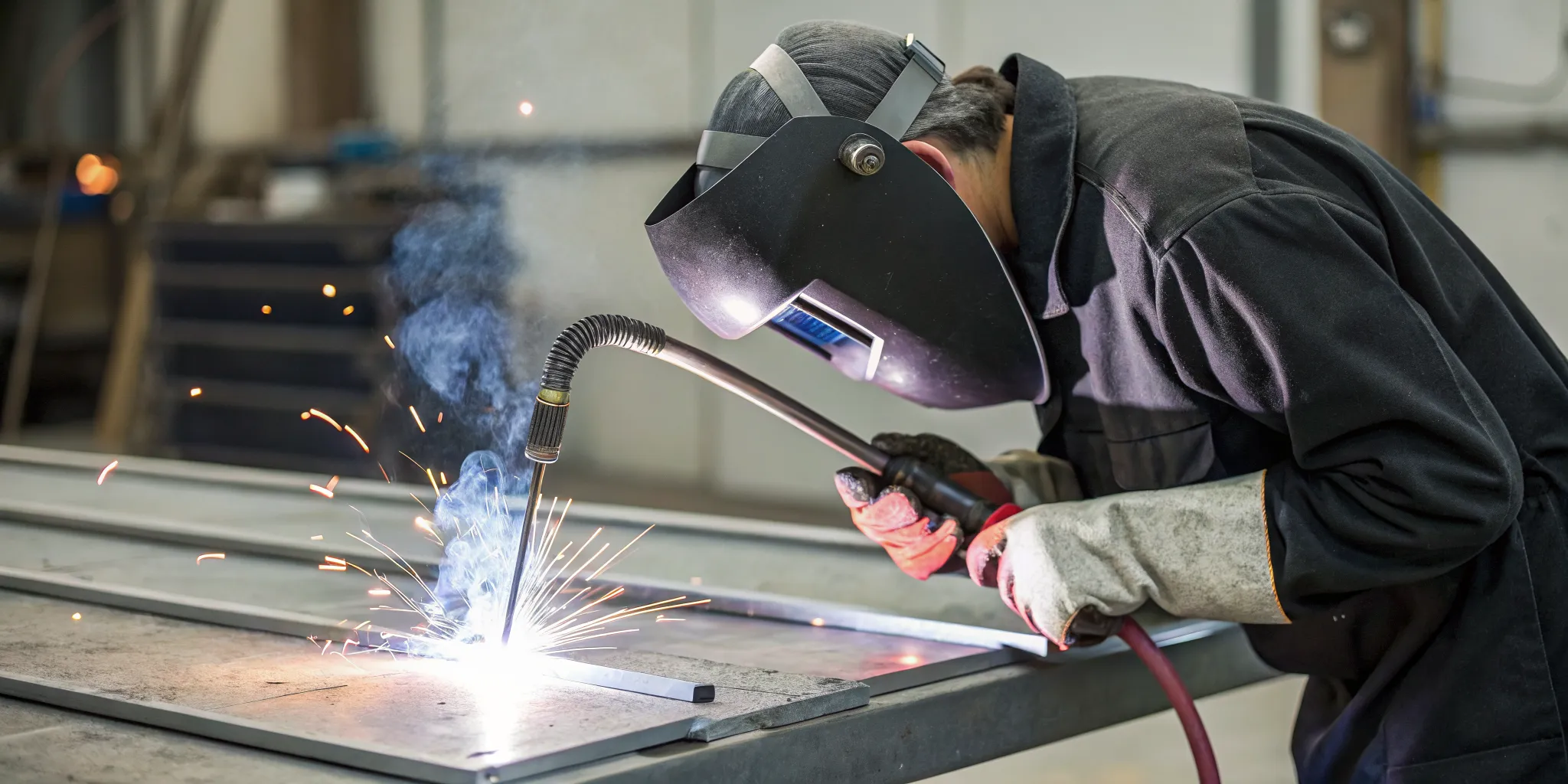
Here's the uncomfortable truth of the trade: even the best materials fail when they're installed poorly. Nail placement, shingle alignment, flashing detail, and sealing are where a roof either earns its rated lifespan or quietly sets up to fail years early. A bundle of premium shingles nailed too high or too shallow voids the manufacturer's wind rating before the first storm arrives.
Quality installation means every component is aligned, fastened to spec, and sealed at the seams. It means the crew respects the manufacturer's printed instructions, not shortcuts. As a GAF Preferred Contractor and RhinoRoof certified installer with 9+ years in Texas, our crews follow system specifications precisely, which is what keeps those lifetime warranties valid. Cutting corners on a professional roof installation doesn't just risk leaks; it can disqualify the very warranty you paid extra to get.
The Flashing Test
Want a quick way to judge installation quality? Look at the flashing. The thin metal where the roof meets chimneys, walls, vents, and valleys is where the overwhelming majority of leaks begin. On a quality roof, flashing is integrated, layered correctly with the underlayment, and sealed cleanly. On a rushed job, it's caulked over as an afterthought. Flashing is the detail that separates a roof that lasts from one that leaks.
Ventilation: The Component Most Homeowners Never See
A roof isn't only a rain barrier. Paired with attic insulation, it regulates the temperature and moisture of your entire home. Without balanced intake and exhaust ventilation, a Texas attic turns into an oven. Trapped heat bakes the shingles from below and shortens their life, while trapped moisture invites mold and rots the decking from the inside out.
A quality roof has a balanced ventilation system, typically intake vents at the soffits and exhaust at the ridge, so air flows continuously through the attic. The payoff is real: cooler attics, lower cooling bills through Texas's long summer, and shingles that reach the age they're rated for. If a roofing proposal doesn't mention ventilation, that's a gap worth questioning before you sign.
Built to Survive Texas Weather
Quality roofing in this region is defined by what it survives. Over a single year a Texas roof endures:
- Intense, year-round UV that bakes asphalt brittle
- Hail that bruises shingles and strips protective granules
- High winds and Gulf Coast hurricanes that lift and crease shingles
- Heavy rain that finds any weak seam or flashing detail
- Occasional hard freezes that stress materials in both directions
A quality roof is engineered and installed to handle all of it, not just the easy days. That resilience is also why routine maintenance and a periodic roof inspection belong in the definition of quality. Even an excellent roof needs eyes on it after the storms our area is known for, because the damage that leads to leaks often isn't visible from the ground.
The Warranty Is the Promise Behind the Work
Two warranties stand behind a quality roof, and homeowners should understand both. The manufacturer's material warranty covers defects in the shingles or panels themselves. The workmanship warranty covers the installation, the part that depends entirely on the contractor's skill. A roof is only as protected as the weaker of those two promises.
This is exactly why installation quality and warranty are linked. Manufacturers like GAF will only extend their strongest, longest-term system warranties through certified contractors who install to spec. So when we talk about GAF lifetime systems, that lifetime coverage exists because the install meets the standard. Quality isn't just the material or just the labor; it's the documented combination that lets you rest easy for decades. We back our work with a 100% satisfaction guarantee, so quality isn't just a claim, it's a documented commitment.
Why a Quality Roof Pays You Back
Beyond protection, a quality roof returns value in ways an average one can't. Consistent shingle alignment and clean flashing details create the curb appeal buyers notice. Proper ventilation and modern materials trim your energy bills. And a well-documented, warrantied roofing system is a genuine asset when it's time to sell, because the next owner inherits both the protection and the paperwork. A roof done right is one of the highest-return improvements you can make to a Texas home.
See the Difference for Yourself
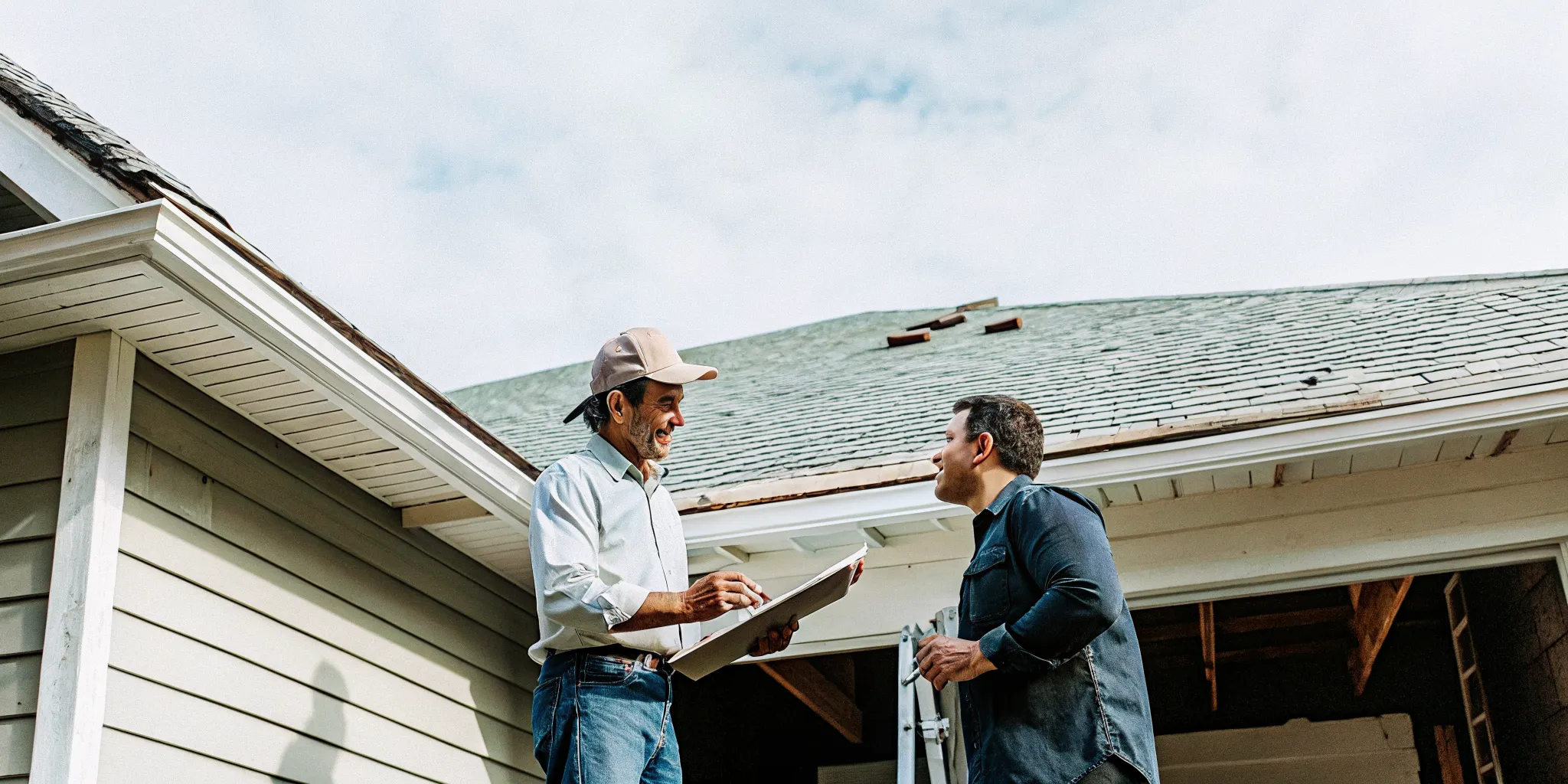
You don't have to take anyone's word for what a quality roof looks like. Elevation Roofing & Restoration offers a free roof inspection (a $399 value) anywhere across Greater Houston and the Austin metro. We'll examine your materials, flashing, ventilation, and overall condition, then show you photos of exactly what we find, with no pressure and no jargon. Reach out today and find out whether the roof over your head meets the standard it should.