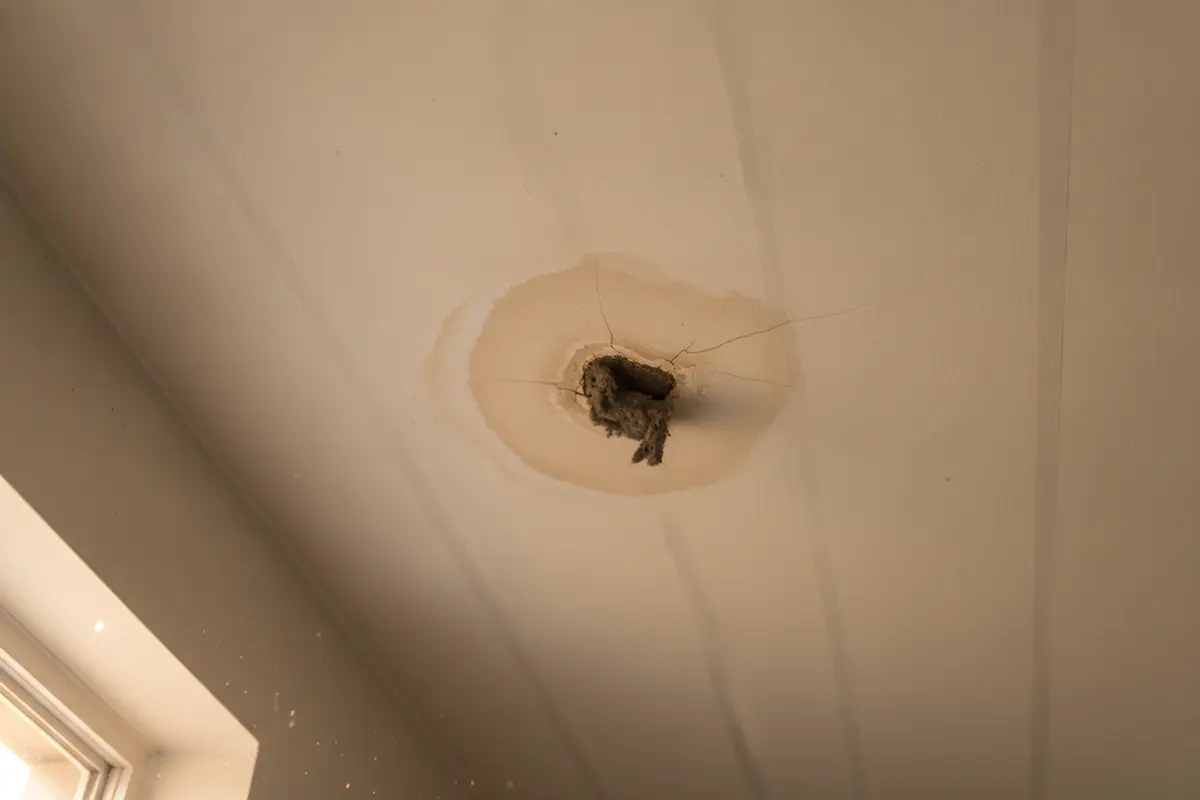
Finding the signs of a roof leak early can help Texas homeowners limit damage to ceilings, insulation, framing, and belongings. A leak may start with a drip, but it can also appear as a faint stain, a musty odor, or a patch of damp insulation after rain. Knowing what to look for helps you respond safely and describe the problem clearly.
Schedule a free roof inspection
What Are the Early Signs of a Roof Leak?
Water does not always show up directly below the opening where it entered. It may travel along roof decking, rafters, insulation, or interior framing before reaching a ceiling or wall. A mark inside your home deserves attention even if the roof looks normal from the yard. Look for changes over time, not just a dramatic drip.
Common signs of a roof leak include:
- Brown, yellow, or gray stains on ceilings or walls.
- Paint that bubbles, blisters, peels, or looks swollen.
- Soft drywall, sagging ceiling material, or damp trim.
- A drip or damp patch that appears after rain.
- A musty odor in an attic, closet, or upper-floor room.
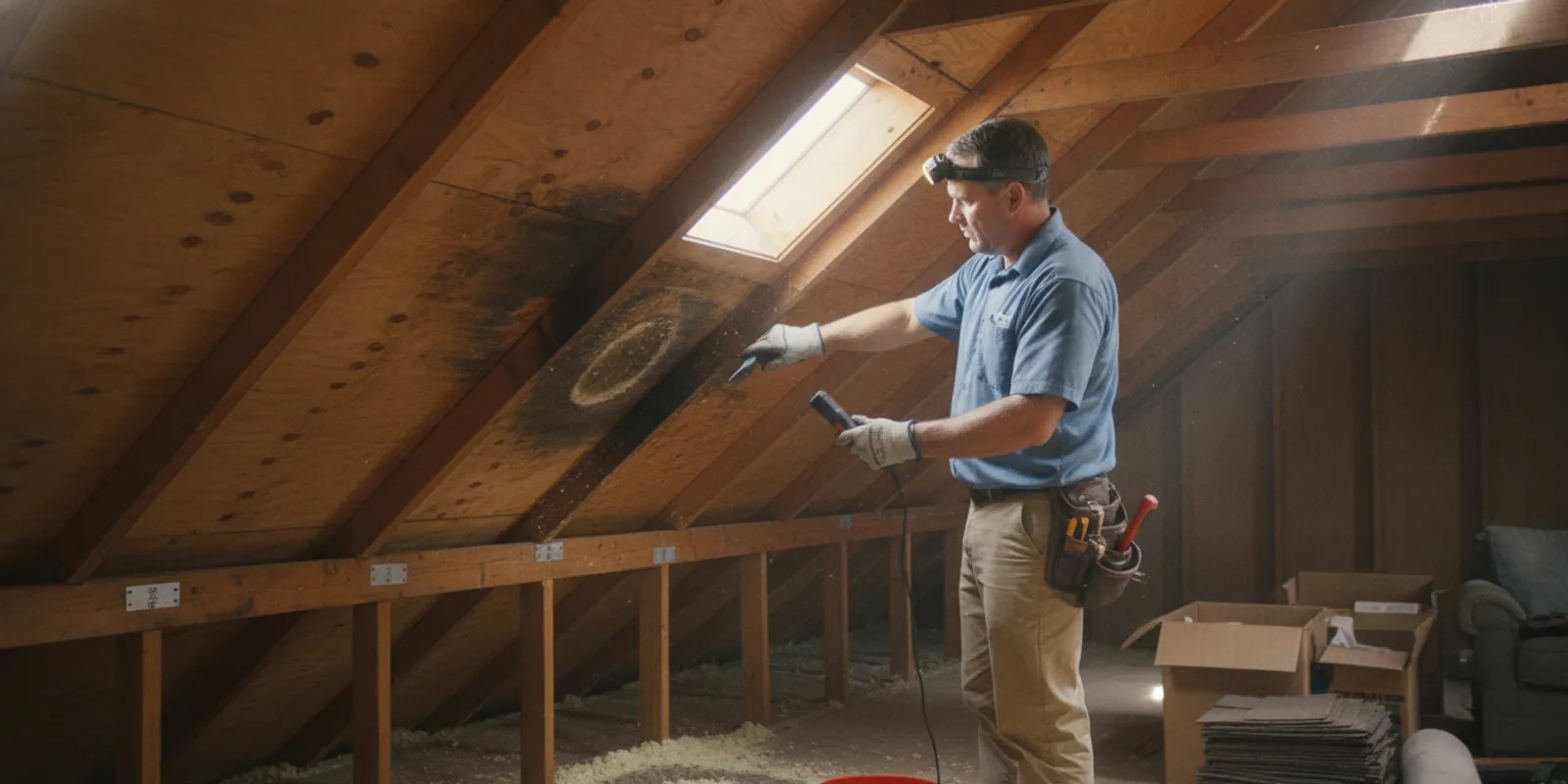
- Wet insulation, darkened decking, or water-marked wood in an attic.
- Moisture near a vent, chimney, skylight, valley, or roof edge.
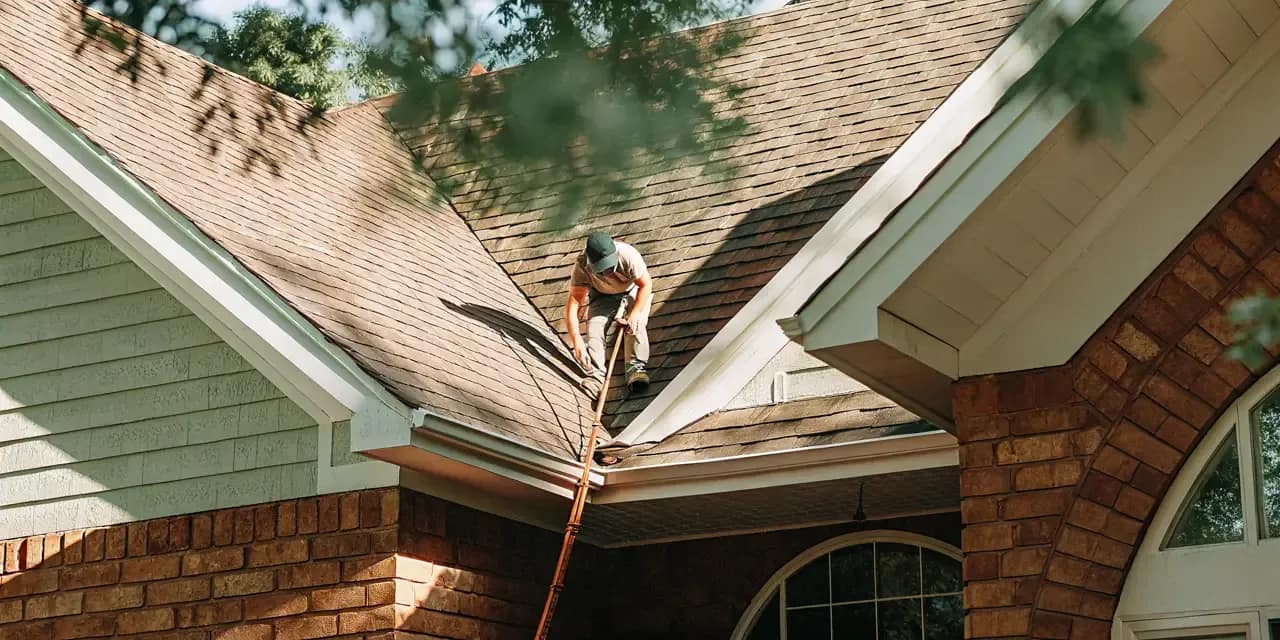
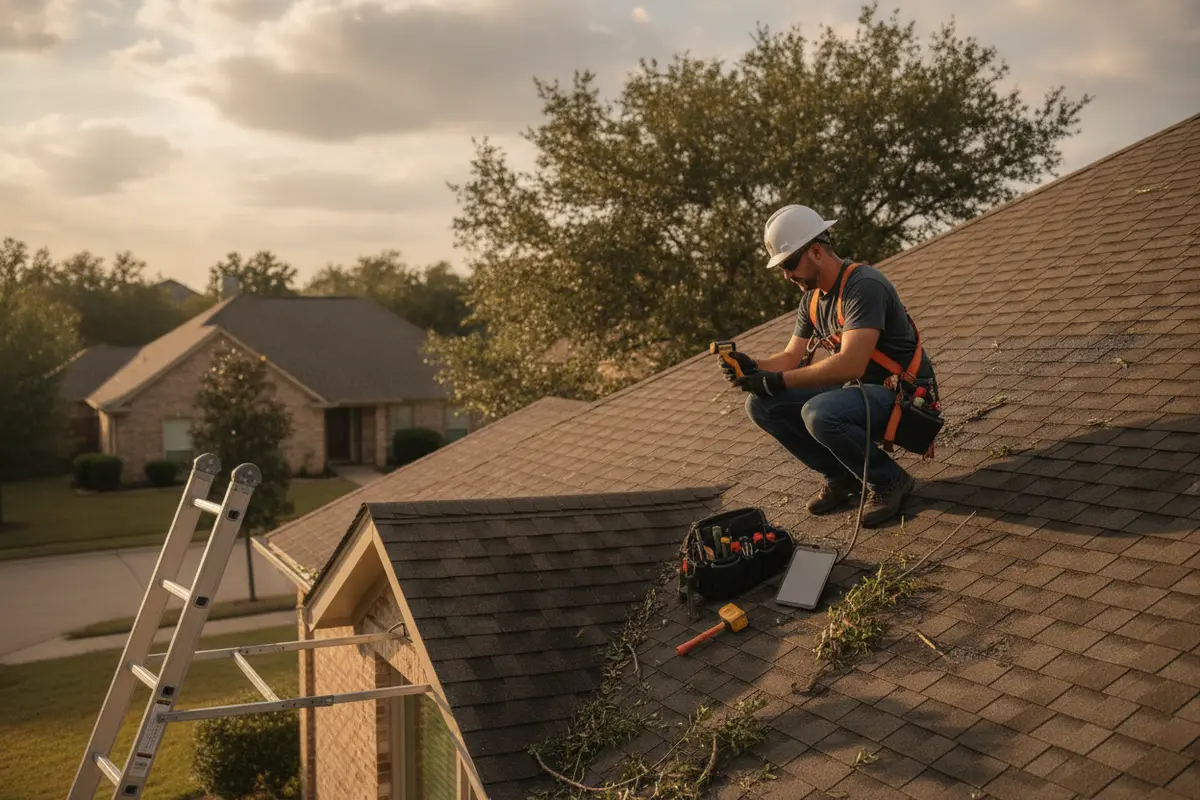
Some clues can be seen outdoors from a safe place on the ground. Missing or lifted shingles, exposed fasteners, damaged metal, cracked pipe boots, and loose roof details may provide a path for water. Do not climb onto the roof to investigate. A wet surface is slippery, and hidden damage can make walking unsafe.
Which Signs of a Roof Leak Should You Check After Rain?
Texas storms can bring wind, hail, heavy rain, and flying debris. Damage may be obvious right away, or a weakened area may not admit water until another storm. After severe weather, check only areas you can reach safely from the ground and inside the property. Make a simple comparison: note what was present before the storm and what is new afterward.
| What you notice | What it may indicate | Safe next step |
|---|---|---|
| New ceiling or wall stain | Water entered and traveled through roof or framing | Photograph it and arrange an inspection |
| Missing or lifted shingles | Wind or impact may have opened the roof covering | Keep clear of the area below and request a roof check |
| Granules in gutters or downspouts | Asphalt shingle surfaces may be wearing or damaged | Ask a professional to assess roof and drainage |
| Wet attic insulation or wood | Moisture may be entering the roof assembly | Do not disturb material; schedule an evaluation |
| Water near a light fixture | Moisture may have reached electrical components | Stay clear and contact a qualified professional promptly |
The roof leak warning signs guide also describes stains, attic moisture, damp insulation, stained wood, recurring leaks after rain, and damaged shingles as clues. Treat any list as a prompt to investigate, not proof of the precise source. Keep photos, dates, and notes about weather conditions. This record can help a roofer understand what changed and when.
For a useful record, take one wide photograph that shows the room and one closer image of the stain or damaged material. Write down whether the mark grew, whether it felt damp without touching unsafe material, and whether wind-driven rain came from a particular direction. If a stain appears only after storms from one direction, that timing is useful context, but it does not by itself identify an entry point.
Get a professional roof inspection
How Can Texas Heat and Humidity Complicate Leak Detection?
Heat can accelerate the aging of roofing materials and make small weaknesses harder to spot. Humid conditions can leave an attic or enclosed space smelling stale even when no active drip is visible. A roof may seem dry during a sunny afternoon while moisture remains in insulation, decking, or framing. The visible symptom can also appear after the original water entry, so the stain and source may not line up.
Use a consistent, limited check rather than waiting for damage to become dramatic. From a safe position inside, scan ceilings and upper walls for new discoloration, bubbling paint, or changes in texture. If the attic is readily accessible and conditions are safe, use a flashlight to look for damp insulation, darkened wood, or water marks. Do not step on ceiling joists unless you know where they are, move insulation, touch wet wiring, or enter an attic that is excessively hot or difficult to access.
Pay attention to the pattern as well as the appearance. A stain that expands after rain suggests a different concern than a spot that stays the same through dry weather. A musty smell can be a reason to look further, but odors alone do not prove a roof leak. Plumbing, HVAC condensation, or other moisture sources may need to be considered. A professional assessment can help separate these possibilities and focus attention on roof penetrations, transitions, drainage, and the attic side of the assembly.
What Should You Do When You Find Possible Leak Signs?
Start with safety and containment. Move furniture, electronics, and belongings away if you can do so without entering a hazardous area. Place a container beneath an active drip only from a safe position. Do not climb on furniture or stand beneath a sagging ceiling. If water is near a light fixture, outlet, or electrical equipment, keep clear and seek qualified help rather than touching the area.
Next, make a short incident record:
- Photograph the area from a distance and close up, without disturbing damaged material.
- Note the date, room, weather, and whether rain came before the moisture appeared.
- Record whether the mark is new, growing, or recurring in the same place.
- List any safe observations from the ground, such as displaced shingles or debris.
- Keep relevant repair or storm paperwork together, and avoid assuming an insurance outcome.
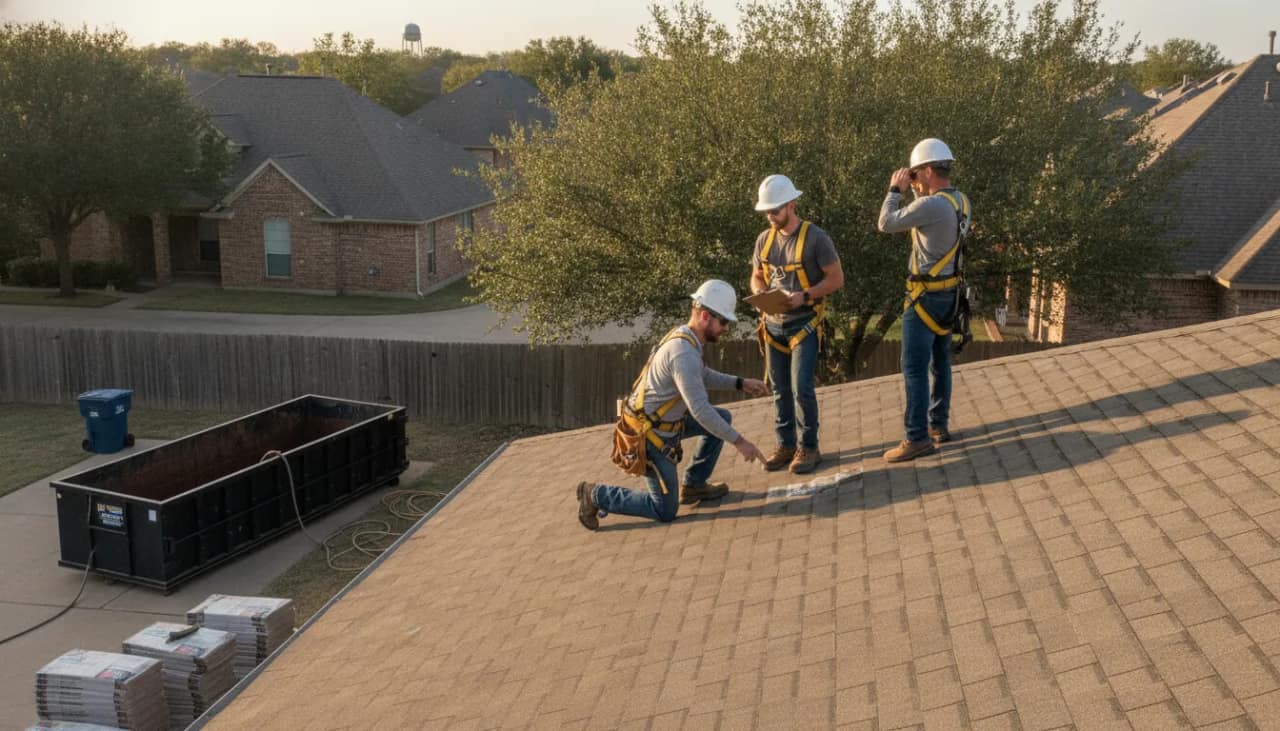
Then arrange a roof inspection. Elevation Roofing & Restoration provides roof inspection, repair, replacement, and restoration services for residential and commercial properties. An inspection may consider the roof covering, penetrations, flashing, drainage, attic, and related areas. The aim is to connect the visible symptom with evidence about the likely source, rather than simply cover an interior stain.
For storm-related concerns, keep your documentation organized and review your policy before drawing conclusions about coverage. Elevation Roofing & Restoration can help property owners navigate insurance claim paperwork and adjuster coordination for storm damage. An inspection does not automatically mean that replacement is necessary. The recommendation depends on observed conditions, the moisture source, the extent of damage, and the roof system.
How Should You Compare Inspection Findings and Repair Options?
A useful inspection report should connect observations to recommended actions. Ask the contractor to explain where water may be entering, what evidence supports that assessment, and whether the concern appears isolated or widespread. You should also understand what is urgent, what can be planned, and how the work addresses the source rather than only the interior symptom.
For example, a small stain near a roof penetration after one storm may call for a focused check of that detail and the nearby attic area. Several stains in different rooms, wet insulation, or repeated moisture after separate storms may require a broader assessment. These examples are not diagnoses; they illustrate why the location, timing, and extent of symptoms matter.
Ask practical questions before approving work:
- Was the suspected entry area checked from the roof and attic sides where accessible?
- Is there evidence of damage to decking, insulation, flashing, drainage, or ventilation?
- Is the proposed work a repair, maintenance step, restoration, or replacement, and why?
- Which materials and roof details are included in the scope?
- How will the completed work be checked, and what should I monitor afterward?
Request that the written scope distinguish the source repair from any interior restoration. Roofing work may stop water entry without repairing stained drywall or repainting a room. Clarify whether those interior tasks are included or need a separate plan. If more than one option is proposed, compare what each option addresses, what remains unchanged, and what observations would lead to a broader project.
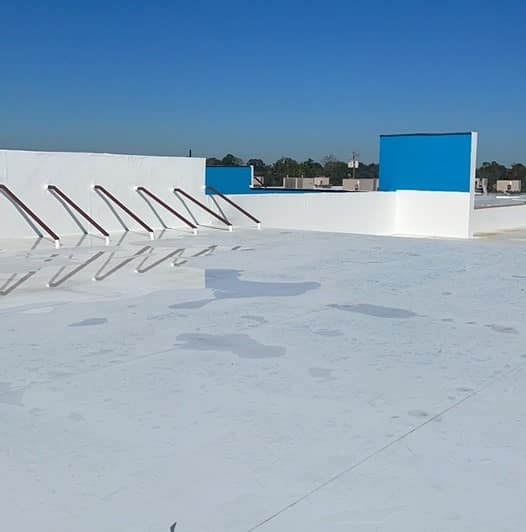
Owners comparing roofing systems can review tile roof installation and service and roof types and maintenance considerations. These are starting points, not a substitute for evaluating the roof already on the property. Existing material, slope, weather exposure, and supporting components affect what solutions are suitable.
How Can You Make the Inspection Visit More Useful?
A little preparation can save time and help the inspector understand the sequence of events. Before the visit, collect your photos and write a short timeline: when the stain first appeared, whether it changed after later rain, and which rooms or attic areas are affected. If you noticed a smell or dampness, note where and when it occurs rather than trying to identify a cause yourself.
Make access straightforward where it is safe to do so. Clear a path to the attic hatch or the affected room, but do not move heavy items or climb into an unsafe space. Tell the inspector about any active drip, ceiling sag, electrical proximity, or recent interior work. Point out the location from inside and, if visible from the ground, any exterior concern. These observations can help compare multiple possible water paths.
During the discussion, ask for plain-language explanations and take notes. If a contractor identifies several possible sources, ask what additional evidence would distinguish them. If the inspection finds no obvious roof opening, ask whether plumbing, HVAC, condensation, or drainage should also be checked by the appropriate professional. A careful process acknowledges uncertainty rather than promising a cause without supporting observations.
You can review roof repair services and the company's roof maintenance options as you consider next steps. A repair may be appropriate for a localized issue, while broader deterioration may lead to a different recommendation. The inspection findings should explain why a particular path fits the condition.
Where Can Texas Property Owners Find Roofing Help?
Roof problems are easier to manage when communication and next steps are clear. Elevation Roofing & Restoration serves property owners in Houston and Austin markets and surrounding Texas communities. Review the company's Texas roofing service locations to find the area most relevant to your property. The company also offers other property services and gutter installation and repair, which can be relevant when roof-edge drainage is part of the concern.
When choosing a contractor, look for a clear written scope, evidence behind the recommendation, appropriate safety practices, and a way to ask follow-up questions. You can read customer reviews as one part of your research, while also comparing the explanation and work plan for your specific roof. The roofing questions and answers page may help you prepare questions about inspection and repair.
Schedule your free roof inspection
Frequently Asked Questions
Can a roof leak exist without a ceiling stain?
Yes. Water may remain in insulation, decking, or framing before it reaches a finished surface. A musty odor or attic moisture can justify further investigation, though neither alone confirms a roof leak.
Should I check my roof after every Texas storm?
After severe weather, look for changes from the ground and check accessible interior areas. Do not climb onto a wet or damaged roof. Arrange a professional inspection when you notice possible damage or new moisture.
Is a small roof leak an emergency?
An active leak, rapidly spreading stain, sagging ceiling, or water near electrical equipment needs prompt attention. Keep clear of hazards, contain water only from a safe location, and contact a qualified professional.
Will an inspection always lead to roof replacement?
No. Depending on the roof condition and moisture source, an appropriate recommendation may involve a targeted repair, maintenance, restoration, or replacement. Ask what evidence supports the proposed scope.
Make the Next Step Clear
Early attention to the signs of a roof leak can help protect your Texas property and give you a clearer basis for deciding what to do next.