One of the most common questions I hear about metal roofing is, "Isn't it too heavy for my house?" It’s a valid concern, but it’s rooted in a myth that we can clear up by talking about the density of steel. While steel is certainly a dense material, modern engineering has made steel roofing panels surprisingly lightweight—often weighing half as much as traditional asphalt shingles and just a fraction of heavy clay tiles. This means you get all the benefits of steel's superior strength and impact resistance without placing unnecessary stress on your home’s structure.
Key Takeaways
- Steel's density creates superior durability: This compact structure is the reason steel can withstand severe weather like hail and high winds, offering your property top-tier protection.
- A dense material doesn't mean a heavy roof: Modern steel roofing is engineered to be significantly lighter than materials like asphalt or tile, which reduces stress on your home's frame while still providing incredible strength.
- Density is a key tool for professionals: For your roofing contractor, steel's density isn't just a number; it's essential for calculating structural loads, ensuring job site safety, and providing accurate cost estimates for a smooth, transparent project.
What Is Steel Density?
When we talk about materials for a big project like a new roof, you might hear engineers and contractors throw around terms like density. It sounds technical, but the concept is pretty straightforward. Understanding what steel density is and why it matters can help you feel more confident about the materials protecting your home or business. It’s a key factor that influences everything from the structural support your building needs to the overall cost and safety of the installation. Let's break down what it really means.
A Simple Definition of Density
Think of density as a measure of how tightly packed a material is. If you have two boxes of the same size, but one is filled with feathers and the other with rocks, the box of rocks will be much heavier. That’s because rocks are denser than feathers; there's more mass crammed into the same amount of space, or volume. The basic formula is Density = Mass / Volume. This is a fundamental property that is crucial in construction, as it helps us calculate a material's weight. Knowing this allows us to design structures that can safely support the load, which is especially important for a heavy-duty material like steel.
Standard Density Values for Steel
So, how dense is steel? For most practical purposes, the standard density of steel is about 7.85 grams per cubic centimeter (g/cm³), or 7,850 kilograms per cubic meter. This is the benchmark number that engineers and builders use when planning projects, especially for common carbon and mild steels. While this is the standard, the exact weight of steel can range from 7,750 to 8,050 kg/m³ depending on the specific alloys mixed in. For your roof, this number is critical. It allows your roofing contractor to accurately calculate the total weight of the new materials and ensure your home’s frame can support it without any issues, guaranteeing a safe and durable installation.
How Steel Density Varies by Type
When we talk about steel, it’s easy to think of it as one single material. But in reality, "steel" is a family of different metals, each with its own unique recipe and characteristics. This is especially true when it comes to density. Different types of steel have slightly different densities, and while the variations might seem small, they have a big impact on performance, especially for a major project like your roof. Understanding these differences helps us choose the perfect material that balances strength, weight, and durability for your specific needs. Let's look at some of the most common types of steel and see how their densities compare.
Mild and Carbon Steel
Mild steel, a type of carbon steel, is one of the most common materials you’ll find in construction, and for good reason. It has a density of about 7,850 kg/m³. This number gives engineers and architects a reliable value for calculating how much weight a structure can handle. For roofing, this density hits a sweet spot. It provides incredible strength and durability without being excessively heavy, making it a practical and popular choice for many residential and commercial projects. This balance is key to creating a roof that is both strong and structurally sound without requiring massive, costly support systems underneath.
Stainless Steel (304 and 316)
If you need a roof that can stand up to the elements, stainless steel is a fantastic option. Its claim to fame is its excellent corrosion resistance, which is a huge plus in humid climates like we have here in Texas. There are different grades, but two common ones are 304 and 316. Type 304 stainless steel has a density of about 7,930 kg/m³, while the even more durable 316 grade is slightly denser at 8,030 kg/m³. This extra density comes from the added alloys that fight off rust and wear. It makes stainless steel an incredibly strong and long-lasting material, perfect for coastal areas like Houston where salt in the air can be a problem.
Alloy and Tool Steel
Alloy and tool steels are the high-performance athletes of the steel world. They are created by mixing carbon steel with other elements like manganese, nickel, or chromium to give them special abilities. Their density is usually around 7,850 kg/m³, similar to standard carbon steel. However, their engineered properties, like superior hardness and resistance to wear, set them apart. While you won’t typically see an entire roof made from tool steel, these materials are used in specialized applications where a roofing system needs to endure extreme conditions or requires components with exceptional strength. They show just how customizable steel can be to meet very specific demands.
High-Speed Steel
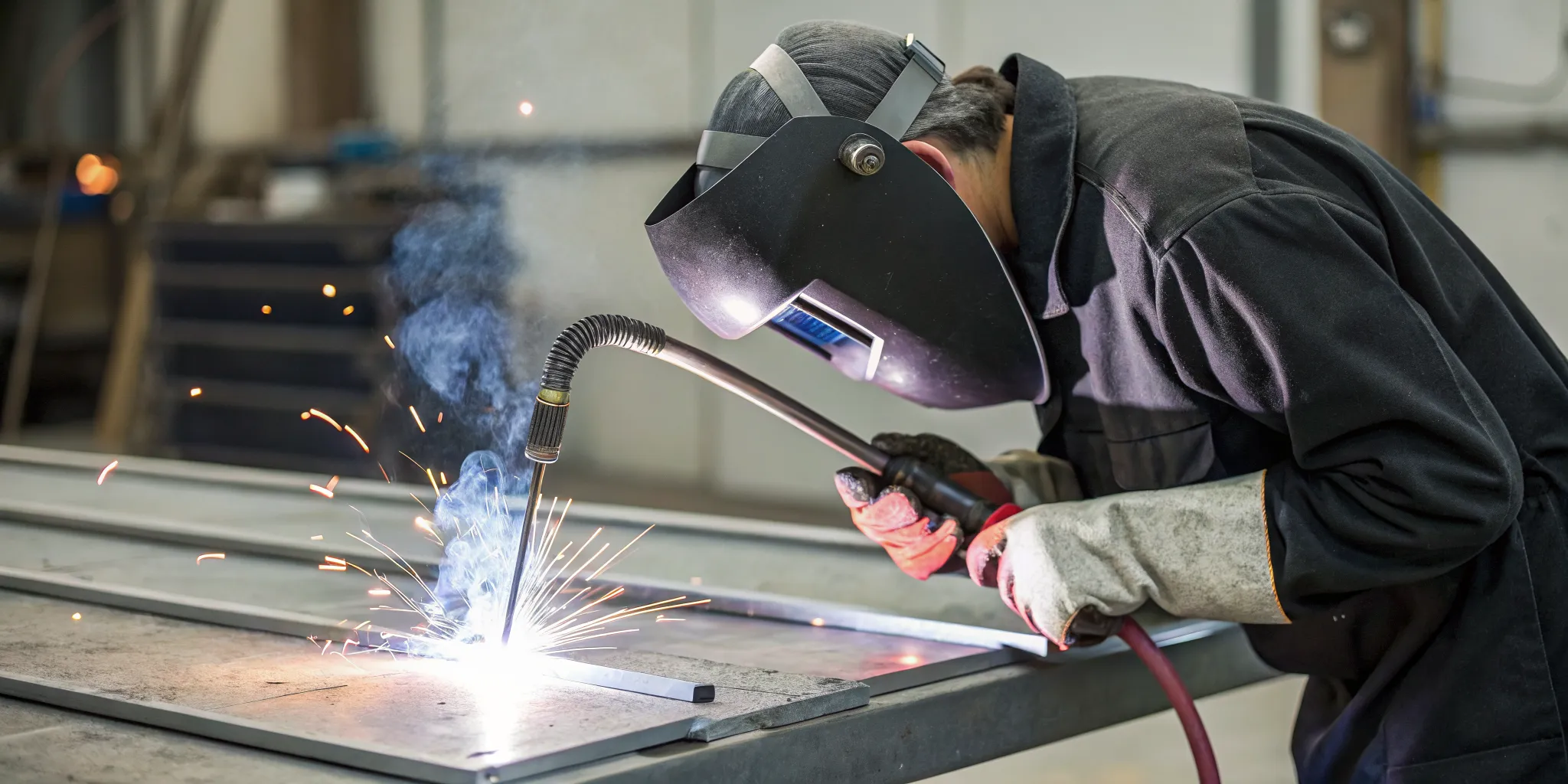
High-speed steel is another specialized material, but its role in roofing is a bit different. With a density of about 7,870 kg/m³, it’s not used for the roof panels themselves. Instead, its value comes from its use in the tools that shape and cut roofing materials. High-speed steel is incredibly tough and can withstand the high heat generated from cutting metal without losing its sharp edge. This allows roofing professionals to make precise, clean cuts, which is essential for creating the tight seals and custom fits needed for a high-quality, leak-proof metal roof.
What Affects Steel's Density?
While we often use a standard value for steel's density, it’s not a one-size-fits-all number. Think of steel as a recipe; changing the ingredients or the cooking process can alter the final result. The exact density of a steel product depends on its specific composition and how it was manufactured. These small variations are what give different types of steel their unique properties, making them suitable for everything from a simple beam to a durable, long-lasting roof. For homeowners and property managers, understanding these nuances is helpful because it explains why one type of steel roofing might be recommended over another for your specific needs. It’s not just about color or style; it’s about getting the right material science for the job. Three main factors influence steel's final density: its carbon content, the other elements mixed in, and the manufacturing process itself. Each one helps determine the strength, durability, and weather resistance of your future roof.
Carbon Content
One of the most significant factors is the amount of carbon mixed with the iron. Generally, the more carbon you add, the higher the steel's density becomes. This increase in density also leads to greater strength and hardness. It’s a delicate balance, though. While high-carbon steel is very strong, it can also be more brittle. For construction and roofing, engineers choose a carbon steel with just the right amount of carbon to ensure it’s strong enough to handle stress without becoming too fragile. This balance is key to creating a material that can withstand Texas weather for decades.
Alloying Elements
Steel is rarely just iron and carbon. Manufacturers add other metals, known as alloying elements, to give the steel specific, desirable traits. For example, chromium is added to create stainless steel, which gives it excellent resistance to rust and corrosion, a must-have feature in humid climates like Houston. Other elements like manganese, nickel, and molybdenum can be added to increase strength, hardness, and durability even further. Each of these added elements has its own density, so mixing them into the steel recipe changes the final product's overall density and performance characteristics.
Manufacturing and Heat Treatment
How steel is made and treated also plays a crucial role. The process of heating and cooling steel, known as heat treatment, rearranges its internal crystal structure. This can make the material more or less compact, which slightly alters its density and significantly changes its properties like hardness and flexibility. Furthermore, whether the steel is hot-rolled or cold-rolled can affect its final density. Cold-rolling, for instance, compresses the steel, making it denser and stronger. These manufacturing techniques allow for the fine-tuning of steel to meet the precise demands of a project, including your roof.
How to Calculate Steel Density
You probably won't ever need to pull out a calculator and determine steel density yourself; that's a job for engineers and your roofing professionals. Still, knowing how the calculation works can give you a better appreciation for the science that goes into ensuring your roof is safe and secure. It all comes down to a few straightforward concepts that are easy to grasp once you break them down. Understanding the math helps clarify why certain steel types are chosen for specific roofing services and how we plan for a structurally sound installation.
The Basic Formula (Mass ÷ Volume)
Density is just a way of measuring how much "stuff" is packed into a given space. Think of a sponge and a brick of the same size; the brick is much denser because it has more mass packed into the same volume. The formula for density is simple: you take an object's mass and divide it by its volume. So, if you had a steel panel and knew its exact weight (mass) and its dimensions (to calculate volume), you could find its density. This number is crucial for engineers to calculate the total weight a structure must support, ensuring everything from the foundation to the support beams is up to the task.
How to Convert Units
When you look at technical specifications, you'll see density measured in different units. The most common are kilograms per cubic meter (kg/m³) and pounds per cubic inch (lb/in³). It's important to be consistent, as mixing units can lead to incorrect calculations. If you ever find yourself comparing specs from different suppliers, you might need to do a quick conversion. For example, to change grams per cubic centimeter (g/cm³) to kg/m³, you just multiply by 1000. Converting between imperial and metric systems is a bit more involved, but plenty of online unit conversion tools can handle it for you instantly. This ensures everyone on a project is working with the same figures.
Density vs. Specific Gravity: What's the Difference?
You might also come across the term "specific gravity." While it sounds technical, it’s a simple concept that’s closely related to density. Specific gravity compares the density of a material to the density of a reference substance, which is almost always water. Steel has a specific gravity of around 7.85. This means it is about 7.85 times denser than an equal volume of water. The great thing about specific gravity is that it’s a pure number with no units attached, making it a universal way to quickly compare the relative weight of different materials without worrying about converting between pounds or kilograms.
How Steel's Density Compares to Other Materials
When you're choosing materials for a project, especially something as important as your roof, density is more than just a number on a spec sheet. It tells you about a material's weight, strength, and how it will behave under stress. Let's look at how steel stacks up against other common materials to see why its density is one of its biggest assets for protecting your property.
Steel vs. Aluminum
Both steel and aluminum are fantastic metal roofing materials, but they have key differences rooted in density. Steel is significantly denser, which gives it superior rigidity and impact resistance. This is a huge plus for durability against hail or falling debris. While this adds more weight to your building's structure, aluminum is often chosen when minimizing weight is the top priority. For most roofing applications where strength and longevity are key, steel's density provides a clear advantage in toughness and resilience.
Steel vs. Iron
You can't talk about steel without mentioning iron, because steel is essentially an enhanced version of it. Steel is a strong metal made mostly of iron, but with a small, crucial addition of carbon. This small change makes a world of difference. Adding carbon makes the metal significantly stronger and harder than pure iron, transforming it into the reliable construction material we depend on. So, while their densities are very similar, steel's composition gives it the structural integrity that raw iron lacks for modern building needs.
Steel vs. Titanium
Titanium has a reputation for being incredibly strong, but how does it compare to steel? In terms of density, steel is about twice as dense as titanium. While titanium offers an impressive strength-to-weight ratio, it comes at a much higher cost. This is why you see it used in aerospace or high-end sports equipment, but less often for roofing. Steel provides an excellent balance of high strength, durability, and affordability, making it the more practical and effective choice for protecting your home or business.
Steel vs. Common Roofing Materials
One of the biggest misconceptions about metal roofing is that it's too heavy for most homes. The reality is quite the opposite. Compared to traditional materials, steel is a surprisingly lightweight option for roofing. A steel roof can weigh half as much as asphalt shingles and is just a fraction of the weight of heavy concrete or clay tiles. This lower weight puts less stress on your home's structure over its lifetime, and it can even make installation simpler and safer. It’s a perfect example of how steel’s density contributes to a stronger, yet lighter, roofing solution.
Why Steel Density Matters for Construction Projects
When you're planning a major project like a new roof, "density" might sound like a term from an engineering textbook. But it’s actually one of the most important factors we consider. Knowing the density of steel isn't just about numbers; it's about ensuring your project is safe, built to last, and stays on budget. From the initial design to the final installation, density influences key decisions that protect your investment and your property. It's a fundamental piece of the puzzle for any quality construction work, making sure every component works together perfectly.
Calculating Structural Load and Weight
Every building is designed to support a certain amount of weight. This includes the structure itself, the people inside, and environmental forces like snow or wind. The weight of the building materials, called the "dead load," is a huge part of this equation. Knowing the precise density of steel allows us to accurately calculate the weight of your new roof and ensure your home's frame can handle it without strain. This isn't just a theoretical exercise; it's a critical step for ensuring the long-term safety and stability of your entire structure. Accurate weight calculations are the foundation of a secure and reliable build.
Choosing the Right Materials for Your Design
The density of steel also plays a big role in choosing the right materials for your specific project. For example, if a design requires a strong but lighter-weight solution, we might select a specific type of steel or an alternative material. Conversely, a project might need the mass of a denser steel for added stability against high winds. Understanding how density relates to strength and weight helps us recommend the perfect roofing services and materials to match your home's architectural style and structural needs. It ensures the final product is not only beautiful but also perfectly engineered for performance and longevity.
Estimating Shipping and Logistics Costs
Finally, steel density has a direct impact on your project's bottom line, especially when it comes to logistics. Steel is heavy, and transporting it from the manufacturer to your property costs money. Shipping costs are almost always based on weight. By knowing the exact density of our materials, we can calculate the total weight of the shipment and provide you with a precise cost estimate. This prevents surprise fees and helps keep the project on budget. Careful construction logistics planning, which starts with accurate density information, is a hallmark of a well-managed and transparent project from start to finish.
How Steel Density Affects Your Roof
When you think about a new roof, "density" probably isn't the first word that comes to mind. But for a material like steel, its density is a core part of what makes it such a strong and reliable choice for your home. It’s a measure of how much "stuff" is packed into the material, and it directly influences your roof's weight, durability, and even its energy efficiency. Understanding how this single property affects your roof's performance can help you see why a professionally installed steel roof is one of the best investments you can make for your property.
Understanding Weight and Structural Support
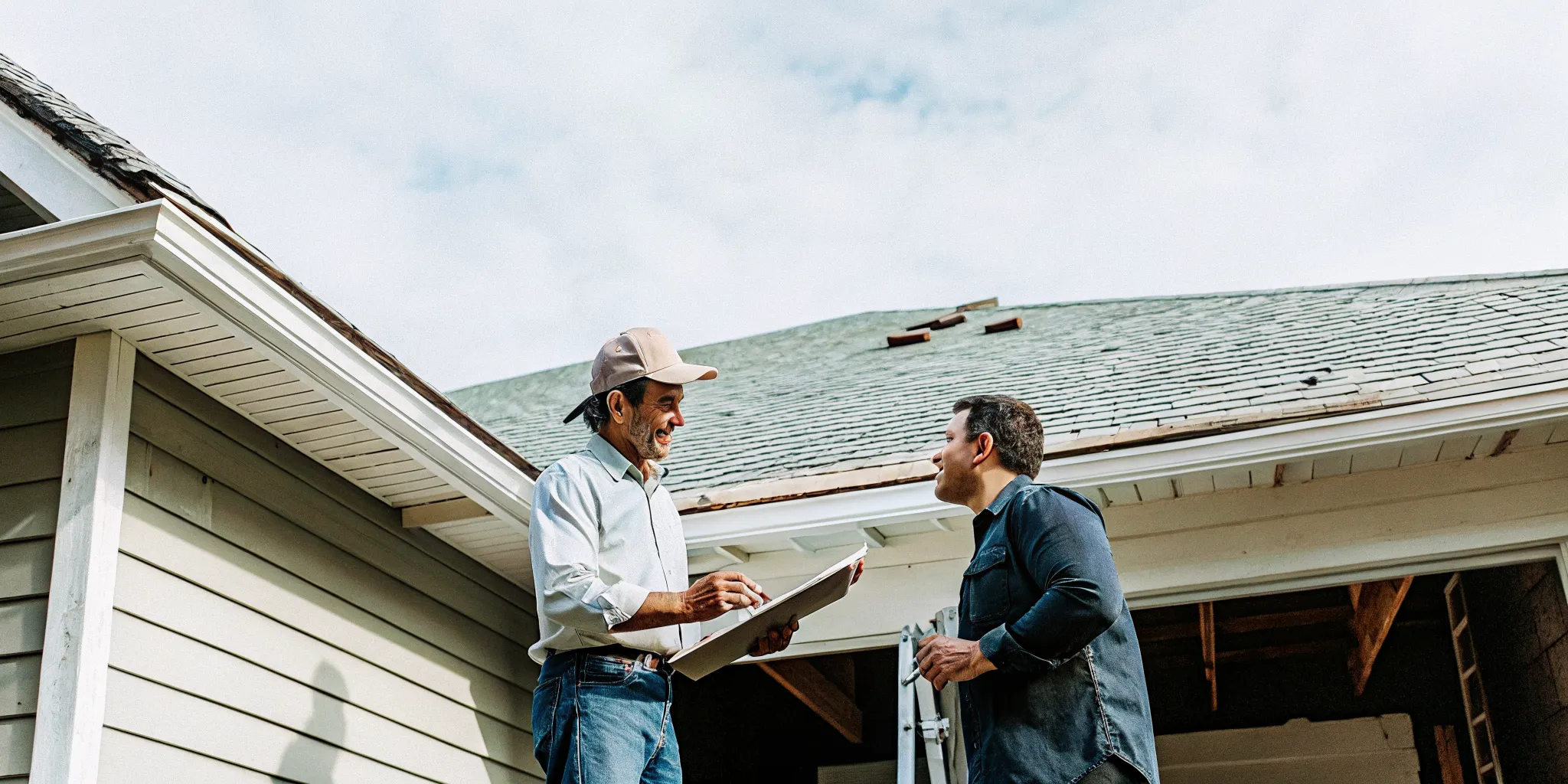
It’s natural to assume that a dense material like steel would be too heavy for a standard home, but that’s not usually the case. While steel’s density does contribute to its weight, modern steel roofing panels are engineered to be surprisingly lightweight. In fact, a metal roof can weigh half as much as a traditional asphalt shingle roof. This lower weight reduces the overall static load on your home's structure. Before any installation, our team will always perform a thorough inspection to ensure your home’s framework can safely support your new roof for decades to come.
Resisting Severe Weather and Impacts
Here in Texas, we know our roofs need to be tough. Steel's density is directly related to its incredible strength and impact resistance. This makes it one of the best materials for protecting your home from hail, falling branches, and high winds. Denser materials are simply harder to puncture or dent. Because of this, high-quality metal roofing systems provide some of the highest possible ratings for wind, fire, and impact protection. When a severe storm hits, having a dense, durable steel roof over your head offers invaluable peace of mind and security for your family.
Improving Insulation and Energy Efficiency
A steel roof's density also plays a role in your home's energy efficiency, but not in the way you might think. The steel itself is great at reflecting solar radiation, which keeps your attic from absorbing excess heat on a hot summer day. However, the real magic happens with the complete roofing system. Proper installation includes layers of decking, underlayment, and attic insulation that work together with the steel panels. This multi-layer assembly not only improves thermal performance but also absorbs sound, keeping your home quiet and comfortable.
Common Myths About Steel Roof Weight
Let's clear up a couple of common misconceptions about steel roofs. The biggest myth is that they are too heavy for most homes. As we covered, steel roofing is often significantly lighter than asphalt shingles, putting less stress on your house. Another frequent concern is noise during a rainstorm. You can forget the image of a loud, clanging tin roof. Modern steel roofs are installed over a solid substrate and often have sound-dampening underlayment and attic insulation, which makes them just as quiet as any other roofing material. Our happy customer reviews often mention how quiet and sturdy their new roofs are.
Steel Density and Job Site Safety
Safety is the number one priority on any job site, and that's especially true when we're working with materials as strong and heavy as steel. Understanding steel's density isn't just an abstract concept for engineers; it's a practical tool our team uses every day to keep our crew, your family, and your property safe. The density of steel directly translates to its weight, which dictates how we handle, lift, and install every single panel and beam.
A professional roofing team knows that you can't just guess when it comes to weight. Proper planning and precise calculations are essential to prevent accidents and ensure the structural integrity of the work. This is a core part of our commitment to quality and craftsmanship, ensuring every project in Houston and Austin is executed flawlessly from start to finish.
Calculating Safe Lifting Loads
Knowing the exact weight of materials before they're lifted into the air is a critical safety measure. This is where steel's density comes into play. For our team, calculating the weight of steel roofing components is a non-negotiable first step. By using the known density, we can accurately determine the total weight of a bundle of steel panels or a structural beam.
This calculation informs which equipment is right for the job, ensuring that cranes and lifts are never overloaded. It’s a fundamental part of our professional roofing services that prevents equipment failure and protects both our team and your home. It’s this attention to detail that ensures a smooth and secure installation process.
Key Safety Considerations for Lifting Steel
Beyond the raw numbers, safely lifting steel involves a comprehensive approach. While load calculations are the starting point, our crew also considers factors like the material's balance point, the proper rigging techniques, and the safest path to move it from the ground to your roof. It’s a coordinated effort that requires training and experience.
Understanding the load capacities of our equipment is something our team is expertly trained in. We also enforce strict protocols on-site, like securing the lift zone, maintaining clear communication, and inspecting all equipment before every use. This commitment to safety is a big reason why our clients feel confident choosing us, which you can see reflected in their reviews. We believe a safe job site is the foundation of a successful project.
How Density Relates to Steel's Other Properties
A material's density isn't just a number on a spec sheet; it's a key that helps explain its other behaviors. For steel, density is directly connected to the properties that make it such a powerhouse for construction and roofing, like its strength, its reaction to heat, and its overall performance. Understanding how these characteristics are linked shows why choosing the right type of steel is so important for the integrity and longevity of your roof. When we evaluate materials for your home, we're looking at this complete picture to ensure you get the best possible protection.
Strength-to-Weight Ratio
The strength-to-weight ratio tells you how strong a material is for its weight. Because steel is dense, it has an excellent strength-to-weight ratio. This density contributes to its incredible rigidity and impact resistance, which is exactly what you want when facing Texas hail storms or high winds. However, this strength comes with weight. A denser roof increases the static load, or the constant weight, on your home's structure. This is why a professional assessment is crucial before installation. We make sure your home can comfortably support the long-term durability of a steel roof, giving you peace of mind without compromising structural integrity.
Thermal and Electrical Conductivity
Density also plays a role in how steel handles energy. Generally, denser materials are better at conducting heat and electricity. For a homeowner in Houston or Austin, thermal conductivity is the big one. You might worry that a conductive metal roof will make your house hotter, but it's not that simple. While the steel itself can transfer heat, modern roofing systems are designed to manage this. Special reflective coatings bounce solar rays away, and proper ventilation systems prevent heat from getting trapped in your attic. This turns steel's natural conductivity into a feature of a highly energy-efficient roofing assembly that can actually help lower your cooling bills.
How Density and Other Properties Work Together
It's clear that density isn't an isolated trait. It works in tandem with other properties to define how steel performs on a job site and, ultimately, on your roof. A material's density is directly tied to its mass and volume, which affects everything from production costs to the final quality of your roof. Knowing the steel's density allows professionals to calculate structural loads accurately, choose the right grade for impact resistance, and plan for thermal expansion. This interplay is why steel is such a reliable choice. It offers a predictable, powerful combination of strength, durability, and resilience that protects your property for years to come.
How Density Makes Steel a Sustainable Choice
When you think about sustainability, "dense" might not be the first word that comes to mind. But for materials like steel, density is a key ingredient in its eco-friendly profile. It’s not just about being heavy; it’s about what that weight and compact structure contribute to. A dense material is often a durable one, and durability means a longer lifespan and less waste. It also plays a surprising role in making recycling more efficient, helping us close the loop on valuable resources.
Why Dense Materials Are Easier to Recycle
Steel's density makes it a champion of recycling. Because it's so heavy for its size, it's easy to separate from lighter materials in a mixed waste stream. Even better, steel is magnetic, which means powerful magnets can pull it out of recycling piles with incredible efficiency. This is a big reason why steel is one of the most recycled materials in the world.
This efficient sorting process means less contamination and a higher quality of recycled material. When you recycle steel, you get steel. It can be melted down and reformed into new products again and again without losing its core properties. In fact, about 40% of all new steel is made from old, recycled steel, which significantly cuts down on the energy and raw materials needed for production.
The Environmental Benefits of Using Steel
Beyond recycling, steel's density contributes directly to its strength and longevity, which are huge wins for sustainability. A denser material is inherently tougher and more resistant to impacts. For your roof, this means it can stand up to harsh weather, from hailstorms to high winds, without denting or failing. This incredible durability is why our metal roofing services offer such long-term value.
A roof that lasts for 50 years or more doesn't need to be replaced every 15 to 20 years like some other materials. That means fewer resources are used for manufacturing, shipping, and installation over the life of your home. Choosing a durable, long-lasting steel roof is one of the most practical ways to make a sustainable choice for your property, reducing waste and saving you money on future replacements.
Related Articles
- Density of Steel: Types and Comparisons
- Density of Steel: Complete Guide
- Density of Steel
- Steel and Aluminum: Two Great Metal Roofing Materials
- Common Metal Roof Myths: What’s the Truth?
Frequently Asked Questions
If steel is so dense, will a steel roof be too heavy for my house? That’s a great question and a very common concern. While steel as a material is quite dense, modern steel roofing panels are engineered to be both strong and surprisingly light. The final roofing system often weighs significantly less than traditional materials like asphalt shingles or heavy clay tiles. This actually reduces the constant stress on your home’s structure. Of course, a professional assessment is always the first step to confirm your home’s framework is ready for a durable, long-lasting roof.
Does the type of steel and its density affect the cost of my roof? Yes, it certainly does. Different types of steel are created with different metal alloys, which changes their density, performance, and price. For example, stainless steel is denser and contains elements like chromium that make it exceptionally resistant to rust, so it typically costs more than standard carbon steel. We help you choose the right material by balancing your budget with your property’s specific needs, like whether you need extra corrosion protection for a home near the coast.
How does steel's density make it better at protecting my home from storms? This is where density really becomes an asset. A material's density is directly related to its strength and ability to resist impacts. Because steel is so dense, it is incredibly tough and difficult to puncture or dent. This gives it a major advantage during a Texas hailstorm or high-wind event compared to less dense materials. This inherent strength is why steel roofing systems consistently earn top ratings for impact and wind resistance, giving you real security when the weather gets rough.
Will a dense metal roof make my house hotter in the summer? You can relax, that’s a common myth that we can happily put to rest. While the metal itself can conduct heat, a modern steel roofing system is designed for energy efficiency. The panels are treated with special coatings that reflect solar rays away from your home. Plus, the complete system, including the underlayment and proper attic ventilation, works together to keep your home comfortable. Many homeowners find that their new steel roof actually helps lower their summer cooling costs.
Do I need to worry about all these density calculations myself? Absolutely not. That’s what you hire a professional for. All these calculations involving density, weight, and structural load are a critical part of our job. We handle the technical details to ensure your project is designed for maximum safety, durability, and performance. Your only job is to enjoy the peace of mind that comes from knowing your new roof was planned and installed with expert precision.