"Do I need a new roof?" is one of the most common questions Texas homeowners ask, and it rarely has an obvious answer from the ground. A roof can look perfectly fine from the driveway while the system underneath is quietly failing, or it can look weathered and stained while still having years of service left. Between the relentless UV in Houston, the spring hailstorms that roll across the Austin metro, and Gulf Coast tropical systems, a Texas roof endures more than most, so guessing wrong in either direction is expensive.
This is a practical, room-by-room self-check you can run in about five minutes from inside your home and around your yard, no ladder required. It won't replace a professional roof inspection, but it will tell you whether you're in safe territory, should keep an eye on things, or need to get someone up there soon.
Start Inside: What Your Ceilings and Attic Tell You
The first signs of roof failure usually appear inside the house, long before the surface looks dramatically bad. Grab a flashlight and walk your top floor and attic with these questions in mind.
Look for water's fingerprints
- Ceiling and wall stains. Brown, yellow, or copper-colored rings on upstairs ceilings or along the tops of exterior walls mean water has gotten past the roof at some point.
- Peeling paint or bubbling drywall near the roofline, which points to trapped moisture.
- A musty smell or visible mold in the attic or upstairs closets, a sign moisture is lingering where it shouldn't.
Check the attic in daylight
On a bright day, go into the attic and turn the lights off. If you can see pinpoints of daylight coming through the roof boards, water can get in the same way. Run your hand along the underside of the decking near vents and the chimney; damp wood, dark staining, or soft spots all suggest an active or past leak. One stain in a single spot may be an old, already-repaired issue. Fresh moisture, multiple stains, or spreading discoloration is a reason to act.
Step Outside: Read the Roof From the Ground
You don't need to climb up to learn a lot. Walk your property line, look up at each slope, and note what you see.
- Curling, cupping, or clawing shingles. When shingle edges lift or the centers bulge, the asphalt has dried out and lost the flexibility it needs to shed water. In Texas, intense heat accelerates this everywhere on the roof at once.
- Bald or shiny patches. The gritty granules on asphalt shingles are their UV armor. Dark, smooth, or shiny areas mean that armor is gone and the asphalt underneath is exposed and aging fast.
- Missing shingles. Gaps where shingles blew off in a windstorm leave the underlayment and decking unprotected. After tropical storms, these often appear on the windward slope.
- A sagging or wavy roofline. A healthy roof follows straight, even planes. Any dip, droop, or wave can signal structural trouble in the decking or rafters and should never wait.
- Granules in the gutters. Check your gutters and the splash zones below downspouts. Piles of sand-like granules confirm your shingles are shedding their protective layer.
A sagging roofline is the one item here that warrants an immediate call rather than a wait-and-see. Under the weight of heavy Texas rain, a compromised structure can fail.
Do the Math on Age
Age alone doesn't condemn a roof, but it sets the context for everything else you found. If you don't know when your roof was installed, check your closing paperwork or ask a previous owner. In our climate, expect roughly:
- Asphalt shingle: often 15 to 20 useful years in Texas heat, shorter than the manufacturer's ideal rating. Learn more about shingle roofs.
- Metal: 40 to 70 years, with strong resistance to UV and wind. See metal roofs.
- Tile and slate: 50 years or more, though underlayment and flashing may need attention sooner. Explore tile and slate options.
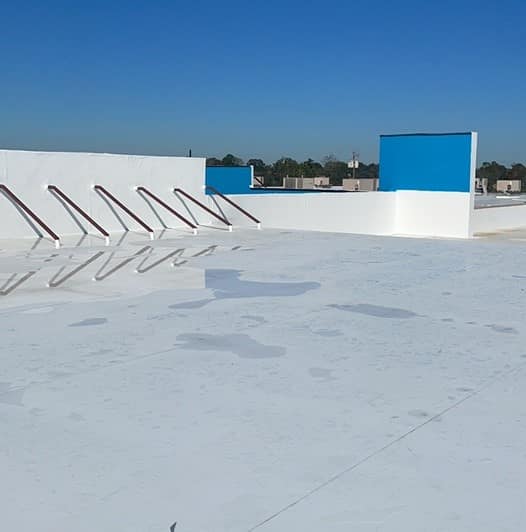
- Flat and low-slope systems: typically 15 to 30 years depending on the membrane, common on commercial and modern flat roofs.
Here's how to use that number: a roof in the last third of its expected life that also shows two or more exterior or interior symptoms is a strong replacement candidate. A young roof with one isolated problem is almost always a repair.
The Signs You Can't See From the Ground
This is where Texas homeowners get caught. Hail damage is the classic example. A hailstorm can bruise shingles and fracture the mat beneath the granules without leaving anything visible from your yard. The roof looks fine, then leaks appear months later, often after the insurance claim window has narrowed. High winds can crease shingles in ways that aren't obvious from below, and flying debris can puncture the surface in spots you'll never see.
If your area has taken a significant hail or wind event, don't rely on the ground-level check alone. A professional storm-damage assessment is the only reliable way to find hidden damage, and if it's extensive, a replacement may be covered by your policy. We work directly with your homeowners' insurance carrier on hail and storm claims, documenting the damage and handling the paperwork so you're not navigating it alone.
Tally Your Results
Add up what you found across the four checks above:
- Zero or one minor sign on a roof under 10 years old: you're likely in good shape. Stay on top of seasonal roof maintenance and recheck after major storms.
- One or two signs, or a roof past the midpoint of its life: get a professional eye on it. The issue may still be a targeted repair if caught early.
- Multiple signs, an aging roof, or anything involving sagging, daylight in the attic, or recurring leaks: a roof replacement is likely on the table, and waiting usually makes the eventual project larger and costlier as decking rots.
Want to ballpark the scope of a new roof? Our roofing calculator gives you a quick estimate, and flexible financing can keep a replacement within reach if that's where you land.
Get a Straight Answer From Elevation
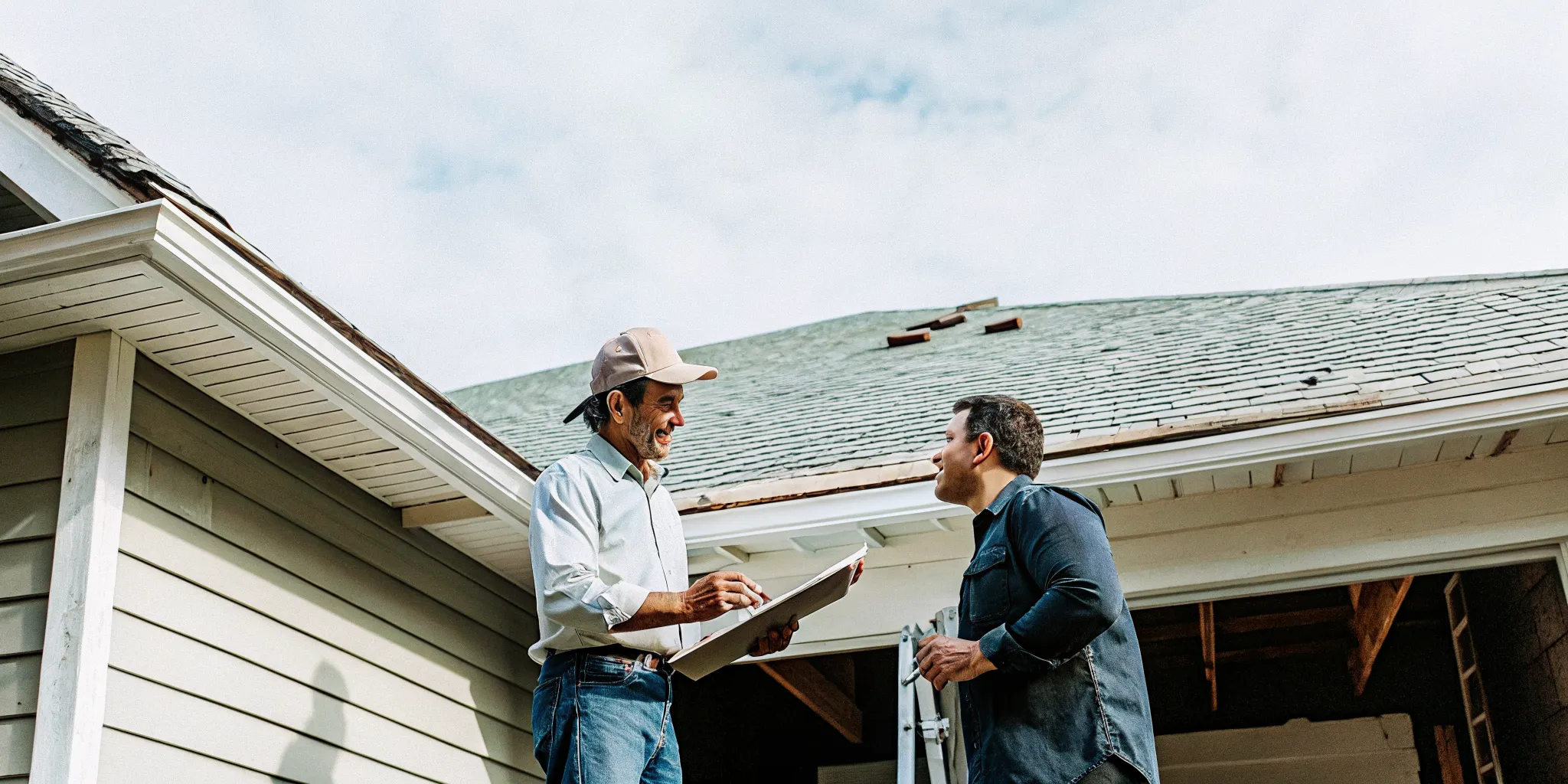
A self-check tells you whether to worry. Only a trained roofer on the roof can tell you for certain. As a GAF Preferred Contractor with 9-plus years and a 5-star Google rating across Greater Houston and the Austin metro, Elevation Roofing & Restoration will climb up, photograph every slope, and give you an honest verdict, with no pressure to replace if a repair will do. Book your free roof inspection (a $399 value) today, and you'll know exactly where your roof stands before the next Texas storm tests it.