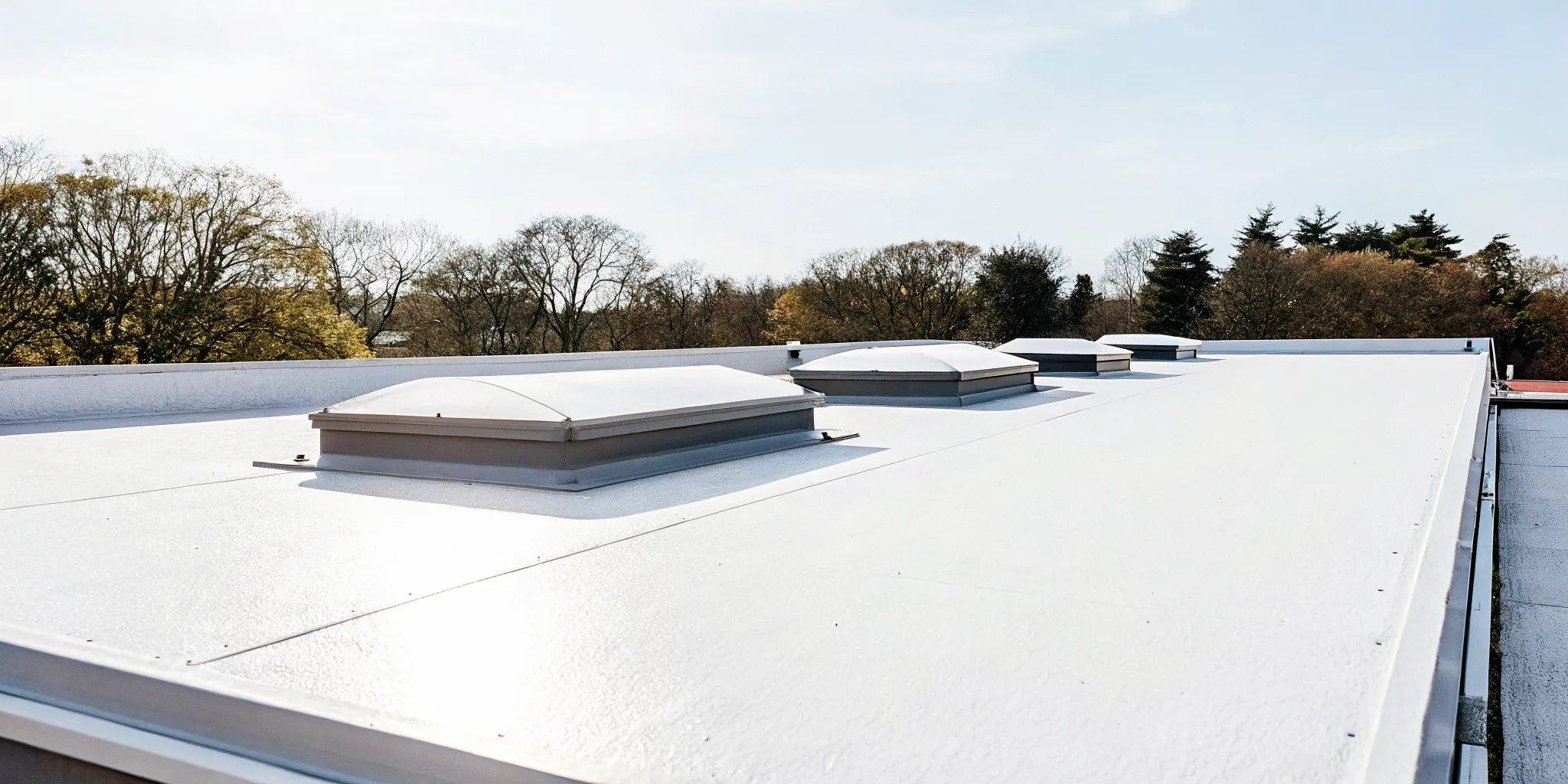
A small leak in a flat roof can grow into a six-figure repair bill if you ignore it.
Ready to protect your commercial building from costly leaks? Schedule a free commercial roof inspection with Elevation Roofing today.
A commercial roof maintenance plan is a set schedule of checks and small repairs that keeps minor leaks from turning into big system failures. This path is vital because fixing things only after they break often costs three to four times more than planned service. By finding and fixing small flaws early, building owners can help their roof last longer and avoid the high cost of a new roof. Poor care is to blame for more than eighty percent of early roof failures in the building field. This formal plan gives you a clear record of your roof health which helps with claims and yearly budget plans. It ensures that your site stays dry and strong against the harsh Texas weather all year long.
What Is a Commercial Roof Maintenance Plan?
A commercial roof maintenance plan is a set program used to manage the health of a building's roof. It is a full plan that moves beyond just looking for leaks. This system sets a routine for checks, cleaning, and small repairs. The main goal is to find tiny issues before they turn into huge, costly problems. For building owners in Texas, a commercial roof maintenance plan acts as a shield for their asset. It ensures the roof lasts as long as the manufacturer says it will.
An active way to track roof health
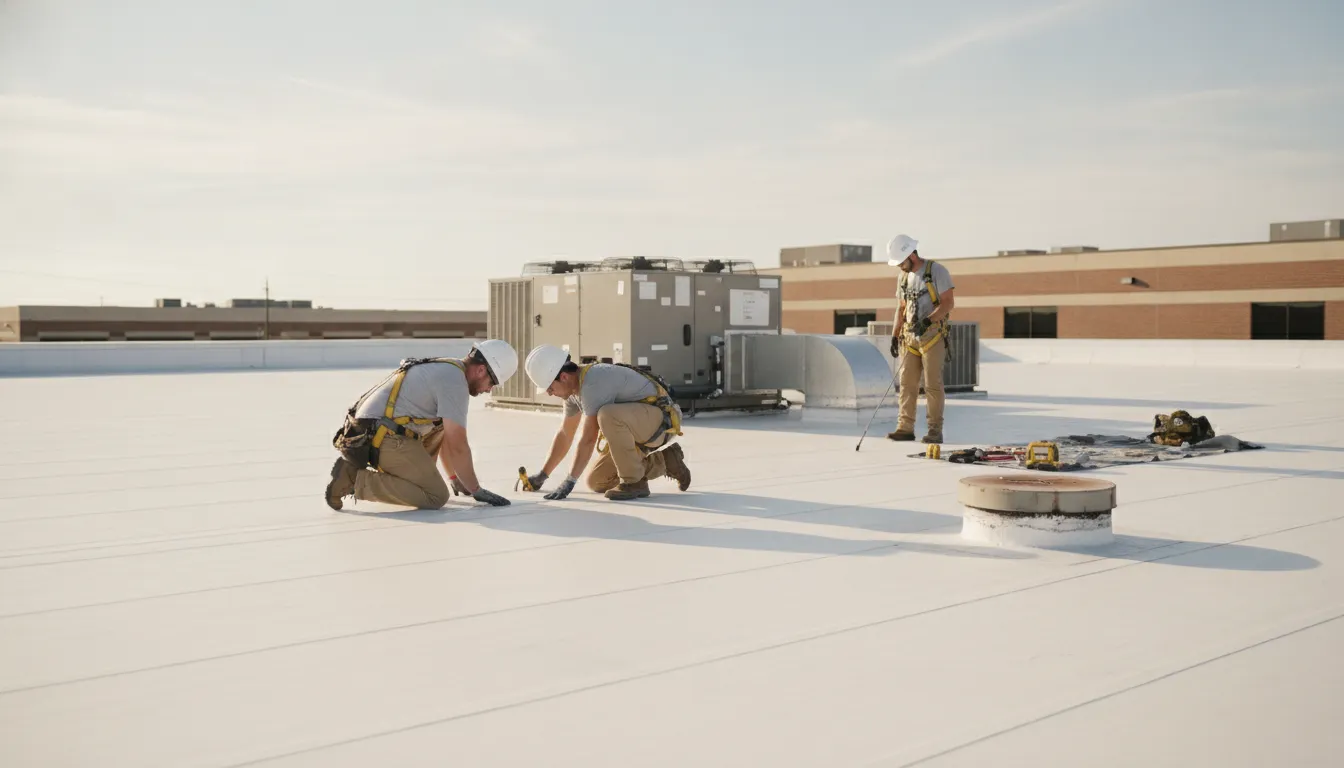
This type of plan is an active way to care for a building. Instead of waiting for a drip, you set up times for roofing professionals to visit. These visits often happen twice a year, such as in the spring and fall. A preventive maintenance plan includes a deep look at the roof deck, seams, and drains. It also keeps a clear log of every repair. This data helps owners make smart choices about their budget. Research shows that proper care is the most vital step in stopping building decay over time.
How it differs from a simple check
Many owners think a roof inspection is the same as a maintenance plan. But they are not the same. A standard check is a snapshot of the roof right now. A maintenance plan is a long-term map for the life of the roof. It tracks how the roof ages and finds patterns in wear and tear. A plan also ensures that you meet all warranty rules. Most roof manufacturers need proof of care to pay for a claim. Without a plan, you might lose your safety. This formal path helps you stay ahead of the weather in Austin or Houston.
The core parts of a solid plan
A good maintenance program has a few key parts that work as a group. It starts with a base check to see the state of the roof now. Then, it moves into a set of tasks that happen on a loop. These tasks help keep the roof dry and stable. A solid commercial roof maintenance and care plan often involves:
- Cleaning out gutters and drains to stop water from ponding.
- Fixing small holes or tears in the roofing membrane before they grow.
- Checking seals around pipes and vents for signs of old age.
- Removing trash or branches that can scrape the roof surface.
- Testing how well the roof sheds water after a heavy storm.
By doing these steps, you can save a lot of money. Repairs made after a leak can cost much more than planned care. Staying on a set path allows you to avoid sudden leaks that stop your work. It gives you peace of mind that your building is safe from the weather.
Why Preventive Roof Maintenance Is Critical for Texas Properties
In cities like Houston and Austin, commercial roofs face some of the harshest weather in the country. A standard commercial roof maintenance program is not just an extra. It is a core part of keeping your building safe and dry. Texas weather shifts fast, from high heat to sudden storms. These changes put a heavy strain on every layer of your roof. Without a plan, small issues quickly turn into big leaks that stop your work.
Fighting the Texas heat and UV rays
The sun is a constant threat to roofing in Texas. UV rays break down roof parts over time through sun damage. This makes shingles and membranes brittle and prone to cracking. On a hot Houston day, roof surface heat can soar far above the air. This heat causes the roof to expand and shrink every single day. This cycle pulls at the seams and seals of your roof.
An active approach helps you spot these signs of wear before the parts fail. Regular checks can find dried-out seals or small cracks. Fixing these minor spots is far cheaper than a new roof. Research shows that predictive maintenance is a smart shift from reactive service to an active model. By staying ahead of heat damage, you can keep your building cool and extend the life of your asset.
Managing storm damage and high winds
Texas is well known for its severe weather, including hail and high wind. These events can cause fast damage to a building. But often, the worst damage is the kind you cannot see from the ground. High winds can lift the edges of your roof. This allows rain to seep under the surface and rot the deck. Hail can bruise the roof parts, creating weak spots that eventually leak.
A solid preventive maintenance plan ensures your roof is ready for the next storm. Roofing Professionals will check for loose flashing and clear out gutters. Good drainage is vital, as trapped water adds massive weight to your roof. After a storm, a quick check can find issues while they are still small. This prevents water from reaching your goods or gear.
Protecting your warranty and insurance rights
Maintaining your roof is often a legal or financial rule. Most roof warranties require the owner to do regular upkeep. If you cannot show proof of care, the manufacturer may deny your claim for a leak. Insurance firms also look for signs of neglect during their checks. They may refuse to pay for storm damage if the roof was already in poor shape.
A formal plan provides the records you need for these cases. It shows that you took the right steps to protect your building. This data is powerful when you need to file a claim or sell the building. It proves to buyers and insurers that the roof is a safe asset. In the long run, a small cost in care saves you from huge costs later.
The Financial Impact: Reactive Repairs vs. Proactive Maintenance
High Costs of Waiting
Many building owners wait for a leak before they call a roofer. This wait-and-fix way of working is very costly. It leads to high prices and big risks for your firm. Data shows that reactive repairs cost 3 to 4 times more than planned work. When you wait for a break, the water damage spreads fast. It moves from the roof deck into the walls, floors, and lights. This can cause mold and hurt your goods or gear. Sudden leaks also lead to extra downtime. You may have to stop work or close parts of your shop for days. These hidden costs add up quickly and hurt your bottom line.Stop Early Roof Failure
Small issues turn into big problems without care. In fact, more than 80% of early roof failures link back to a lack of upkeep. Proper care helps you avoid the high cost of a new roof too soon. A preventive maintenance plan stops minor leaks from rotting your roof deck. This work keeps your building safe and strong for many years. Regular checks find small cracks and clogged drains before they cause a flood. By fixing these small things now, you save your asset for the long haul. Most roofs should last 20 to 30 years with the right care and cleaning.Roof Health and Site Value
Your roof is the first line of defense for your site. A lack of maintenance is the top cause of building decay. This neglect hurts the value of your site over time. When you let the roof fail, the whole structure suffers from rain and sun. By using commercial roof maintenance, you keep your costs low and your roof life long. A formal commercial roof maintenance plan is a smart way to handle your budget and protect your site. You also get clear records of your roof health every year. These logs are vital if you ever need to file an insurance claim after a storm. A well-kept roof shows you are a wise owner who cares for the asset.| Feature. | Reactive Model. | Proactive Model. |
|---|---|---|
| Repair Costs. | 3x to 4x higher per job. | Lower, fixed yearly cost. |
| Roof Lifespan. | Ends 5 to 10 years early. | Full service life reached. |
| Work Disruptions. | Sudden, costly downtime. | Planned and scheduled. |
| Insurance Claims. | Harder to prove care. | Clear records of service. |
| Budgeting. | Surprise spikes. | Stable and planned. |
| Building Value. | Drops due to decay. | Protected and high. |
Don't wait for a costly leak to disrupt your business. Schedule a professional roof inspection with Elevation Roofing today.
How Do You Build an Effective Commercial Roof Maintenance Plan?
Building a preventive care program does not have to be hard. A clear step-by-step plan helps you protect your asset and stay ahead of the weather. By setting up a solid preventive maintenance plan, you can manage your building's health with ease. Here is how you can build a strong commercial roof maintenance plan for your property.
Step 1: Get a base roof inspection
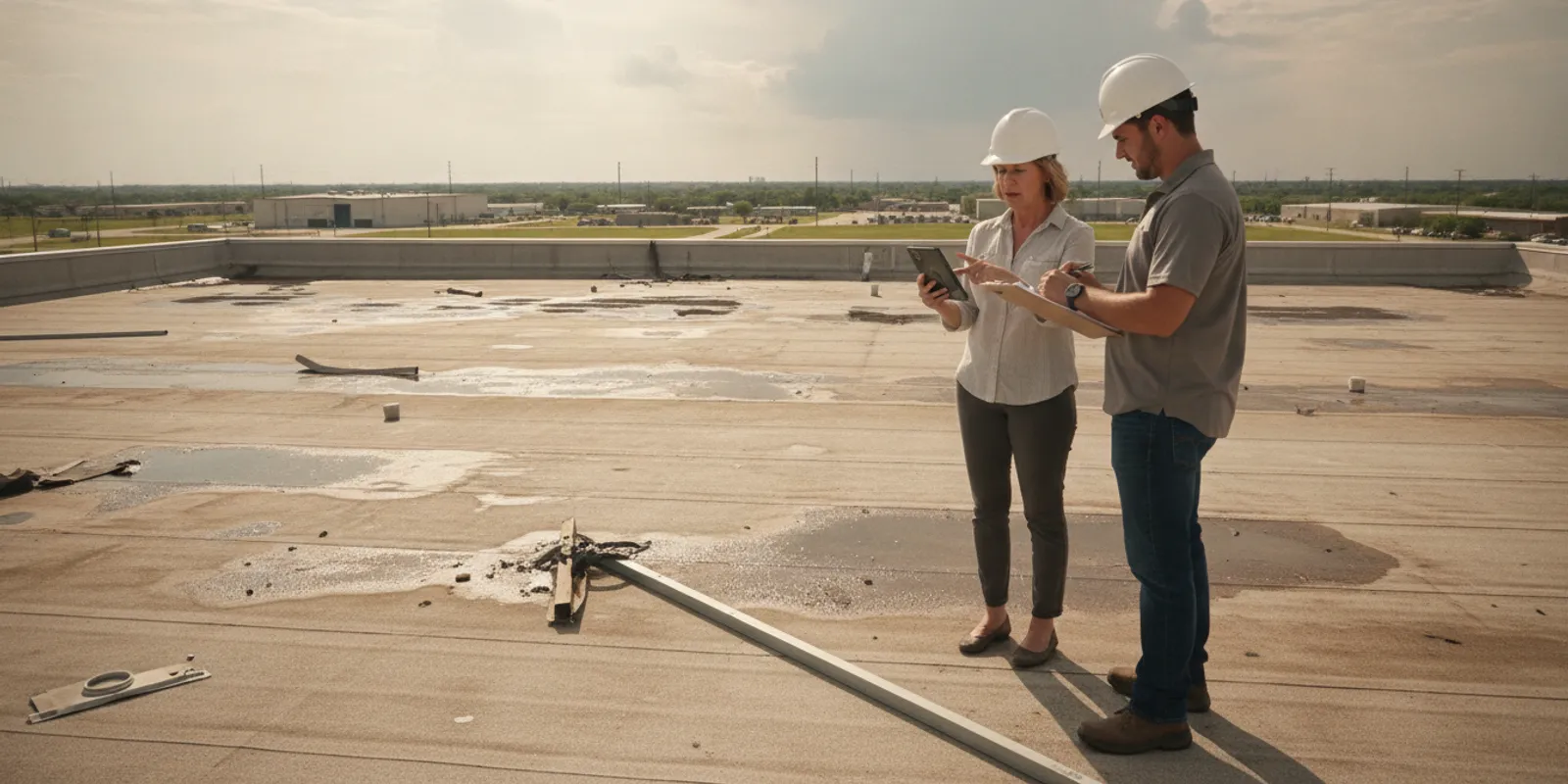
The first step in any plan is a clear look at your roof's current state. You must know where you stand before you can look forward. A full program starts with an initial roof assessment to find any current issues. This check will find old leaks, pooling water, and weak seams. The team will log the age of every part of your roof. This data serves as the base for all your future care steps. It helps you decide what to fix now and what can wait.
Step 2: Set a clear schedule for visits
Timing is key to preventing major damage. You should not wait for a leak to call a pro. Plan to inspect your roof at least twice each year, in the spring and fall. These times are best because they prepare your roof for extreme heat and cold. You should also check the roof after major weather events. High winds and hail can create hidden tears that leak during the next rain. Regular visits ensure you catch issues when they are still small and easy to fix.
Step 3: Remove debris and clean drains
Keeping the surface clear is a vital part of roof health. Piles of leaves, branches, and dirt can trap wetness and rot your roofing membrane. Regular debris removal is a main step to ensure proper drainage. Blocked drains cause water to pool on the surface. This standing water adds heavy weight and breaks down the seams. Clear these areas to let water flow away from your building with ease.
Step 4: Keep detailed logs of all work
A strong plan must have good records. You should document every check, repair, and cost. Your preventive care should end with detailed reporting on the health of your roof. These logs prove that you take care of your property. They are vital if you ever need to file a storm claim or show proof of care to keep your warranty active. Having these files ready makes handling insurance much simpler after a storm.
What Are the Essential Components of a Commercial Roof Inspection Checklist?
A solid commercial roof maintenance plan starts with a key list of items to check. Frequent checks find small issues before they turn into big, costly failures. Site owners in Houston and Austin use these lists to keep their buildings safe. Every check should focus on the parts that protect the roof from water and wear.
Managing Water and Drains
Ponding water is a big risk for flat roofs. If water stays on the top for more than 48 hours after rain, it can lead to leaks. This standing water also adds a lot of weight to the roof. Research shows that poor maintenance is a top reason for building decay. Your check should look for these items:
- Standing water after two days of dry weather.
- Piles of leaves or trash near drains.
- Gaps in the gutters or downspouts.
Blocked drains cause water to back up and sit on the roof. This can damage the roof parts and the frame below. A good plan keeps these paths open to keep the building dry. It is best to check these spots after every big storm in the Texas area.
Seams and Flashing Points
For flat roofs, such as TPO systems, the seams are a key spot. Look for areas where the roof parts might be pulling apart or lifting. High heat and age can cause seams to fail over time. When seams open, wetness can seep into the layers below. This ruins the roof and leads to mold or rot.
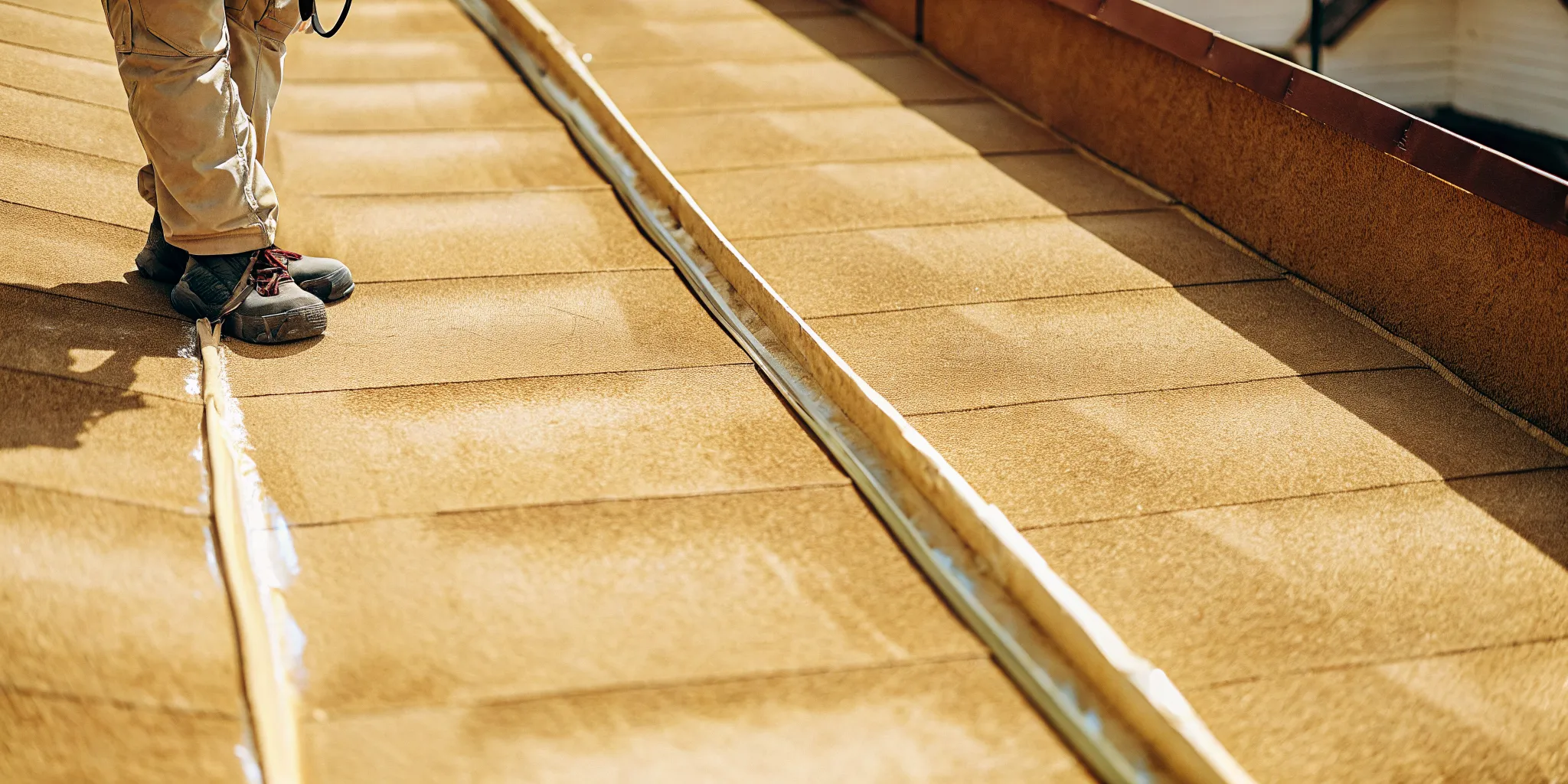
Check flashings around vents, pipes, and HVAC units too. These spots are where the roof is cut to let items through. They are the most common places for leaks to start. Check for cracks in the seal or gaps in the metal strips. A small gap can let in a lot of water during a heavy rain.
Safety and Site Items
A safe roof inspection includes a look at ladders, rails, and hatch covers. Ensure all safety tools are in good shape to protect the team. Loose bolts or rusted rails can be unsafe for anyone on the roof. Also, look for signs of deck sagging or rust on metal parts. Catching these signs early keeps the roof strong and safe.
These steps are part of a smart preventive maintenance plan. Keeping records of every check helps you track the health of the roof. It also shows firms that you take care of the site. For help with your next check, call Elevation Roofing at (832) 271-1726.
Common Commercial Roofing Materials and Their Maintenance Needs
Different buildings use different materials for their roofs. Each material has its own strengths and weaknesses under the hot Texas sun. Knowing what your roof is made of helps you understand its care needs. Our team can help you set up a commercial roof maintenance program tailored to your building.
Flat and TPO roof care
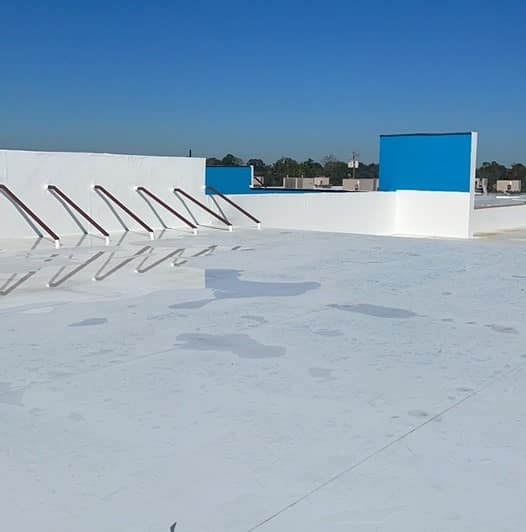
Flat roofs, especially TPO systems, are very common on commercial buildings in Houston and Austin. These roofs are great for energy savings because they reflect the heat. But flat systems have unique needs because water does not run off them easily. You must check for persistent ponding after 48 hours. If water sits on the roof for too long, it can break down the seams and cause a leak. Crews look for loose seams, bubbles in the roofing membrane, and cracks in the seals. Regular care helps protect these spots so your flat roof stays dry.
Metal roofing upkeep
Metal roofs are very strong and can last for decades. They hold up well against wind and hail. But metal roofs still need care to stay in top shape. High heat can cause the metal panels to expand and pull at the screws. This movement can create loose fasteners and gaps in the seams. Over time, these gaps let water seep under the roof and rot the deck. Certified crews will check every screw and seal during a visit. They also look for rust spots and treat them before they spread.
Shingle and tile roof needs
Some commercial sites use shingles or tiles, especially in historic parts of town. Shingle roofs are a budget-friendly option, but they are prone to wind damage. High winds can lift shingles, while hail can bruise them and remove the protective granules. This wear exposes the fiberglass mat below to water and sun. Tile roofs are heavier and stronger, but they can crack if hit by large hail or tree branches. Checks for these roofs focus on finding cracked or missing pieces. Replacing these parts early is vital to extend the life of your roof and prevent mold.
Ready to secure your property's roof with a customized care plan? Contact Elevation Roofing to set up your preventive maintenance plan today.
Frequently Asked Questions
How much does a commercial roof maintenance plan cost?
On average, a pro commercial roof maintenance plan costs about $0.03 to $0.04 per square foot. Total prices change based on the size of your building and the state of your roof. While this is a small fee, it saves you from paying for costly surprise leaks later. This plan keeps your roof strong and helps you plan your budget for the future.
How often should you inspect a commercial roof?
Experts suggest you check your building's roof at least twice each year. It is best to schedule these visits in the spring and fall to find issues before extreme weather hits. According to Roof Maxx, you should also inspect the site after major storms. These frequent checks help you catch small cracks and clogs before they cause big leaks or water damage inside your shop.
Do I need a professional commercial roof maintenance plan?
Yes, a professional maintenance plan is vital to keep your roof in good shape and protect your site. Roofing Professionals use the right tools to find hidden issues that untrained eyes might miss. This work also helps you stay in line with your roof warranty rules. By hiring our local roofing team, you get clear logs of your roof health. These records are very helpful if you ever need to file an insurance claim.
What should be included in a commercial roof maintenance plan?
A good plan starts with a full check of your roof's current health. It should include cleaning out debris and checking all drains to stop water from sitting on top. Roofing Professionals also look at seams and flashings for signs of wear or lifting. A final part of the plan is detailed reporting on any found issues. This helps you know exactly what work is needed to keep your building dry and safe.
Ready to Start Your Commercial Roof Maintenance Plan?
Not fixing small roof leaks can lead to high building repair costs and lost work time. When water gets into your building, it often causes hidden damage that costs much more to fix later. Setting up a maintenance plan now helps you avoid these large bills and keeps your property safe for the long term. You will extend the life of your roof and make sure it meets insurance rules for storm damage. Our team can help you find weak spots before they become major problems that stop your work. Taking this step today protects your property and gives you peace of mind during the next big Texas storm. This choice saves you stress and keeps your daily work running without any surprise leaks or water damage.
Ready to protect your building? Call (832) 271-1726 to schedule a free commercial roof inspection with our expert team today.