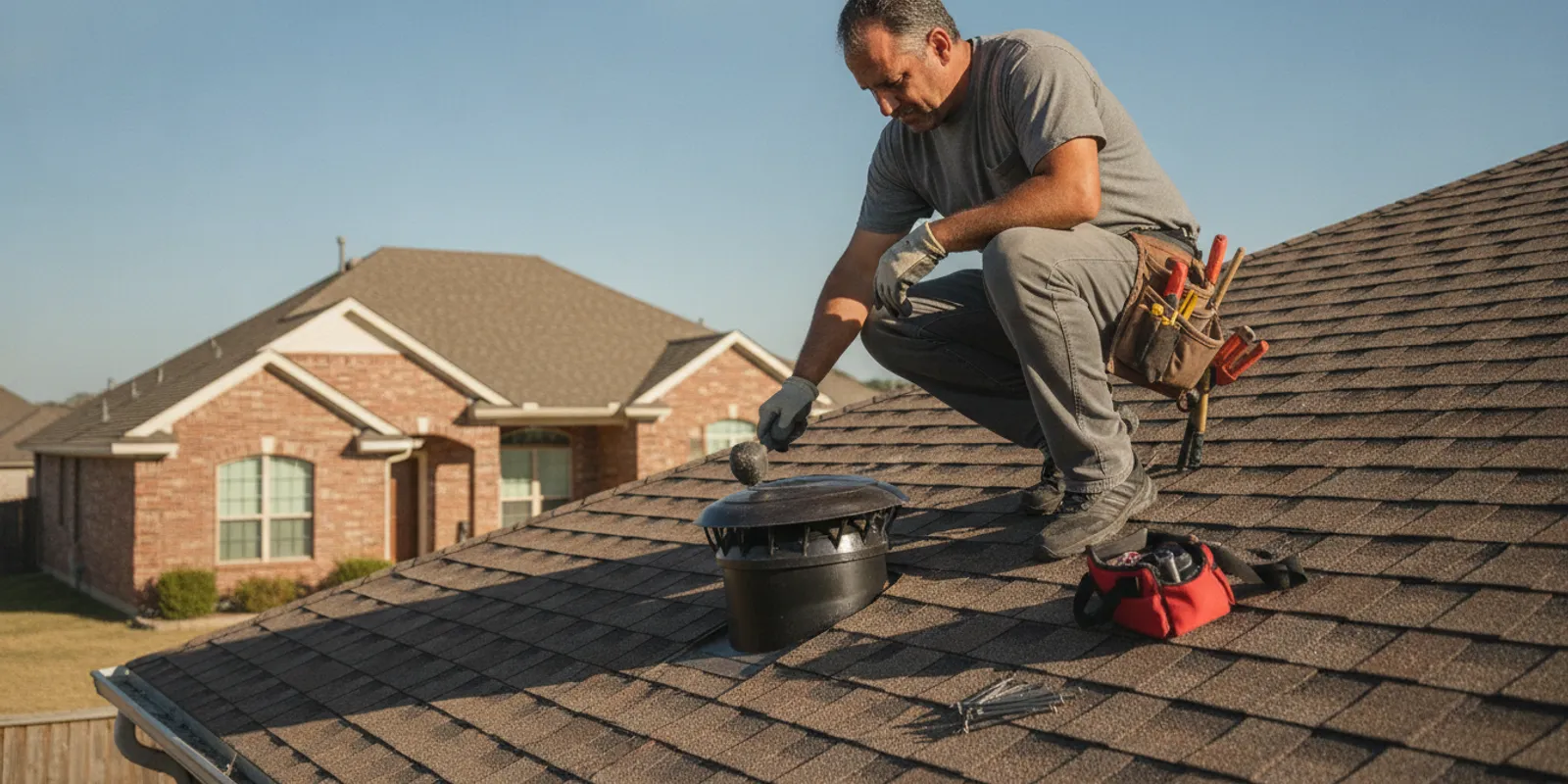
Roof vent replacement cost is not determined by the vent alone. The total depends on vent style, roof material, access, and whether nearby flashing or decking also needs attention. For Texas homeowners, storm exposure and heat can raise practical questions, so a clear written scope is useful before work begins.
Schedule a free roof inspection
What does roof vent replacement cost include?
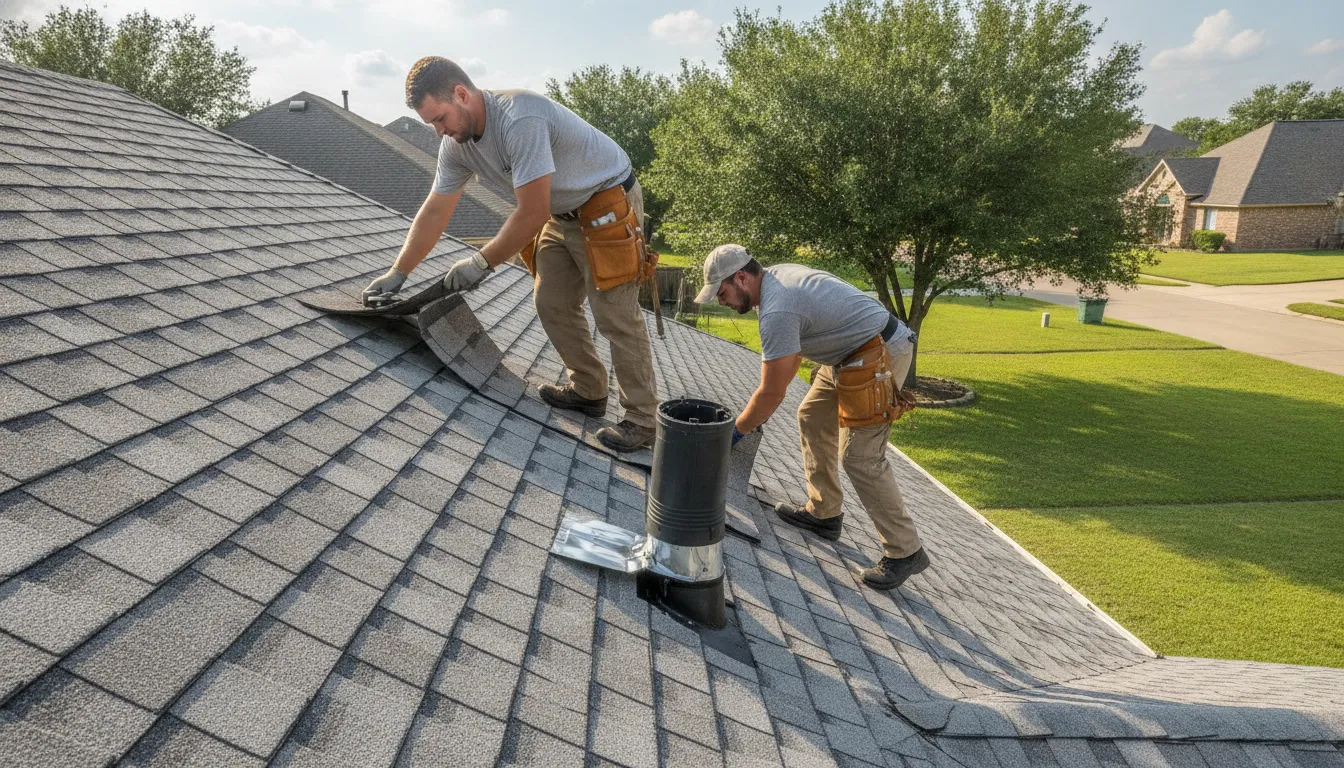
An estimate should describe the work, not just name a part. A contractor may remove the existing vent, inspect its opening and surrounding materials, install a compatible replacement, and seal the assembly against water entry. The appropriate scope depends on the vent type and the roof's condition.
There is no reliable one-size-fits-all price from a photo or generic online range. Roofs differ in pitch, height, covering, access, and vent configuration. Ask for an on-site assessment and an estimate tied to your roof, rather than assuming a standard figure applies. Even two similar-looking vents can sit on different roof assemblies and require different handling.
- Vent type and size: The replacement must suit the opening and intended ventilation function.
- Roof covering: Shingles, tile, and metal require different detailing and handling.
- Access and roof layout: Steepness, height, and obstructions can affect the work plan.
- Surrounding condition: Damaged flashing, underlayment, or decking can change the scope.
- Number of vents: Replacing multiple units may affect labor and material planning.
It also helps to distinguish the quoted work from possible extra work. The estimate can identify the planned replacement and state what happens if removal reveals deterioration that was hidden beneath the old unit. That does not mean hidden damage is present; it means the owner and contractor agree on a way to handle uncertainty before the crew starts.
Which details can change roof vent replacement cost?
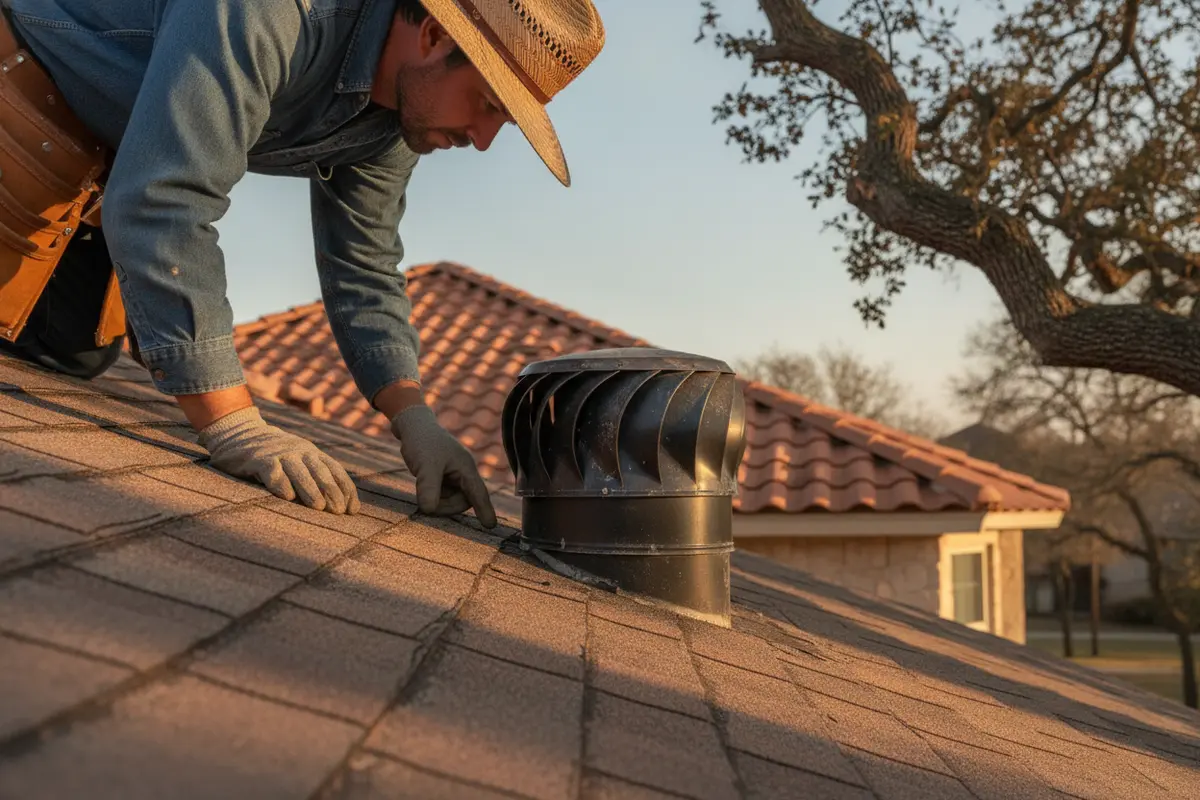
Start by identifying the vent and the symptom. A bathroom exhaust outlet, plumbing vent, static roof vent, and powered unit do not serve the same purpose. A contractor should explain what is being replaced and whether the concern is the vent itself, its seal, or another nearby roof detail.
Water staining near a vent does not prove the vent is the source. Water can travel before it appears indoors. A careful assessment looks at the roof opening and nearby components rather than treating the visible stain as a diagnosis. If a storm occurred recently, note the date and any visible changes, but do not climb onto a wet, steep, or damaged roof.
| Estimate factor | What to clarify | Why it matters |
|---|---|---|
| Vent selection | What type and size will be installed? | Confirms the proposed part matches the opening and function. |
| Roof material | How will it integrate with shingles, tile, or metal? | Materials require different fitting and sealing details. |
| Waterproofing | Will flashing or underlayment be repaired or replaced? | These details help manage water around the roof penetration. |
| Hidden damage | How will added work be documented and approved? | Provides a process if concealed damage appears after removal. |
| Access and cleanup | What protection and cleanup are included? | Makes the work plan and completion expectations clear. |
The roof covering influences how the crew reaches and works around the penetration. With shingles, the estimate should explain how the surrounding courses will be handled. Tile can require careful removal and resetting of individual pieces. Metal panels have seams and fastening details that differ from shingle layouts. These are not interchangeable methods, so ask the contractor to describe the approach for your particular roof rather than relying on a generic phrase such as “seal the vent.”
Ventilation function matters as well. A replacement should be suitable for the opening and purpose, not simply the closest-looking product on a shelf. If the concern relates to a powered unit or an exhaust outlet, ask whether the proposed work is limited to the roof-side component or includes other connections. The scope should make clear what the roofer inspected and what remains outside the estimate.
How should Texas owners document a vent concern?
Good documentation helps a contractor understand the issue and gives you a reference when comparing estimates. Keep the record simple and avoid taking risks to obtain roof-level photos.
- Photograph interior stains, dripping, or damaged finishes from a safe location.
- Record when you first noticed the issue and whether it followed rain, wind, or hail.
- Note which room or area is affected and whether the symptom has changed.
- Save previous inspection notes or repair paperwork that identifies the vent.
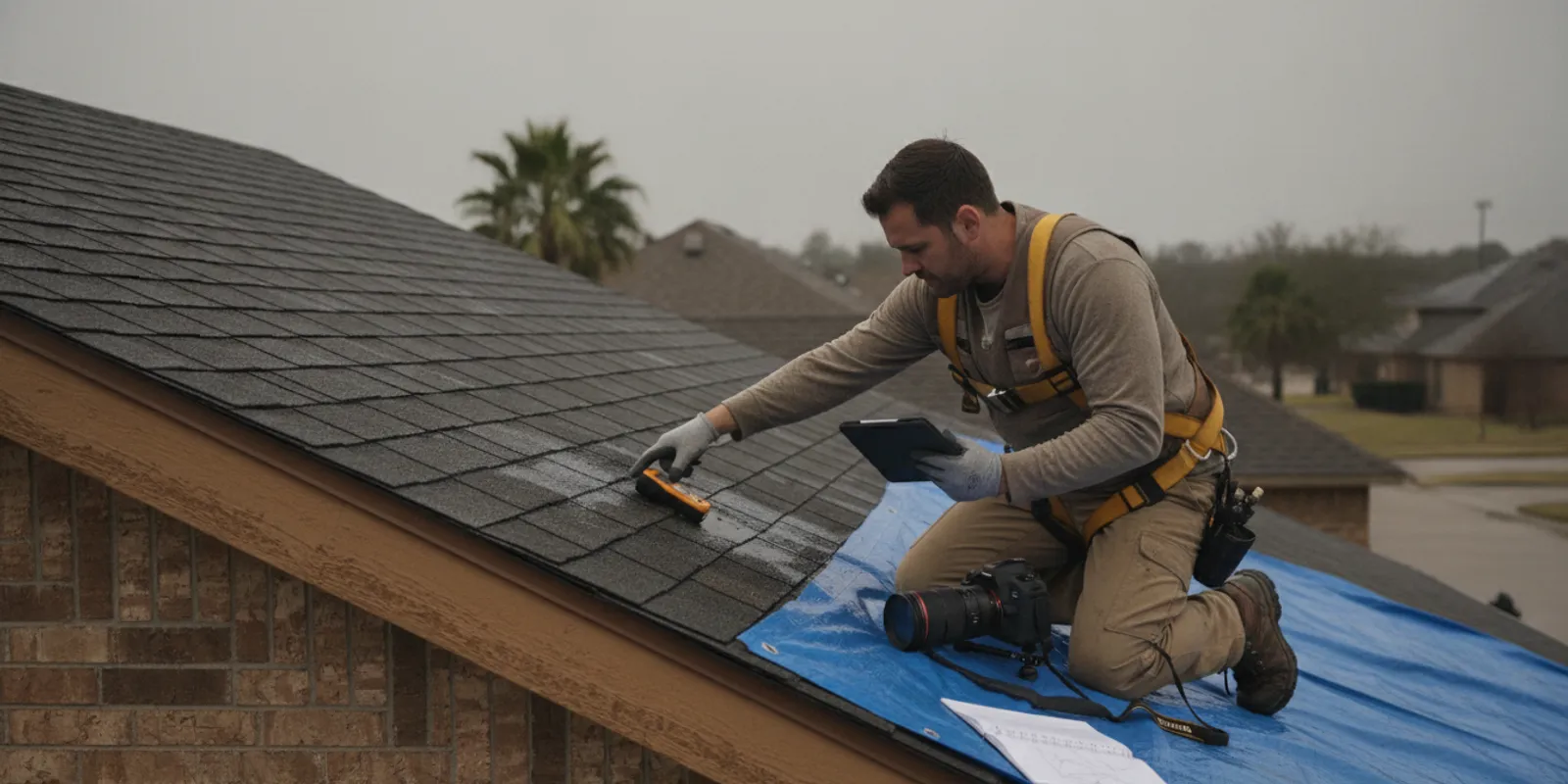
- Ask the roofer to photograph the vent and surrounding roof details during inspection.
In Houston and Austin, strong rain and wind may expose a weak seal or worsen an existing defect, but weather alone does not confirm the cause. A professional inspection can help determine whether the vent, adjacent roof covering, or another component needs attention. Learn about roof inspections and the broader roofing services available for Texas properties.
For a more useful inspection, share a short timeline rather than a guess about the cause. For example, note that a ceiling mark first appeared after a particular storm, whether it grew after later rain, and whether the area was previously dry. Include photos from the same viewpoint when possible. This helps the contractor compare changes without suggesting that a stain alone identifies a specific roof defect.
If the property has several roof penetrations, point out which room or area is affected and mention any nearby exhaust equipment or plumbing fixtures you know about. Do not remove a vent cover or make a roof opening to investigate. Leave the roof-level assessment to someone equipped to access the roof safely.
Request a roofing assessment and discuss your vent concern
What should you ask before approving the estimate?
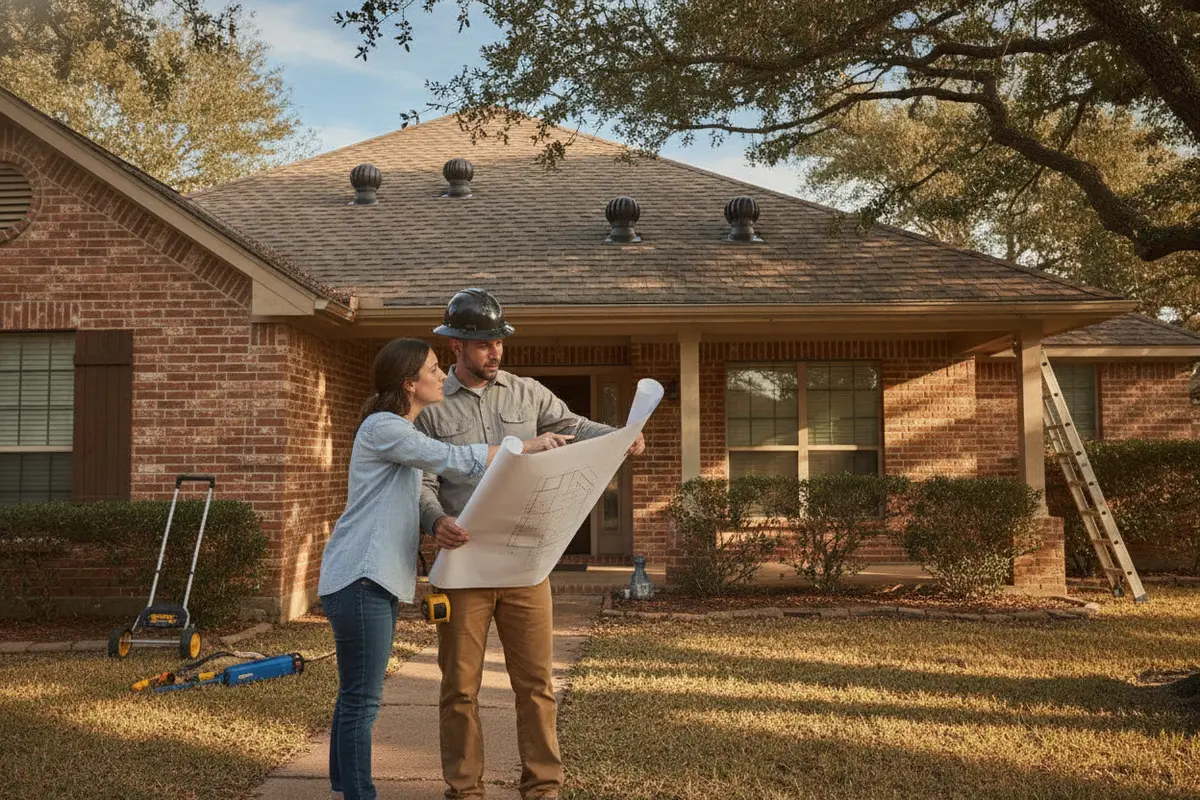
Compare estimates by scope, not only by the bottom line. Ask the contractor to identify the vent, the work steps, and assumptions that could change the price. A written estimate should explain what is included and how you will be asked to approve additional work.
- Is the estimate for replacing the vent, repairing its seal, or both?
- What type and size are proposed, and why are they suitable?
- Does the estimate include removal and disposal of the existing unit?
- What flashing, underlayment, or roof-covering work is included?
- How will concealed damage be shown and priced before added work proceeds?
- What cleanup and protection steps are part of the job?
- What completion documentation or photos will be provided?
Ask for the estimate to separate confirmed work from conditional work. A useful example is a written note that says the crew will remove the vent, inspect the opening, and contact you with photos and a revised scope if damaged decking is found. Ask whether the crew will pause for your approval before proceeding. A clear process protects both sides from a disagreement about work that was not part of the original authorization.
Clarify the proposed replacement and any matching concerns. The contractor can identify the vent type and explain whether the new unit will fit the existing opening. If a different size or configuration is proposed, ask what roof changes that requires and whether those changes are in the estimate. Do not assume that a larger or more conspicuous vent is automatically an upgrade; the appropriate choice depends on the roof and its intended function.
If the vent is part of a larger roof concern, ask whether the inspection found other defects and which items are urgent versus optional. You can review the company's customer reviews, find service locations, and see roof-type information for shingle roofs or metal roofs where relevant.
What should be included in your job records?
Keep a copy of the estimate, written change approvals, and final invoice. If the contractor provides inspection photos, save them with the date and a short note about what each image shows. This record can make it easier to remember which vent was addressed, what materials were included, and whether a later symptom is new or recurring.
For a property with more than one vent, ask the roofer to identify the unit in notes or photos. That small detail helps avoid confusion if a future inspection finds wear at a different roof penetration. If you contact an insurer about possible storm damage, keep your own factual record and follow the insurer's instructions. A contractor can describe observed roof conditions, but the insurer determines coverage under the policy.
Also record practical details such as the work date, the area of the home affected, and any follow-up recommendation. Do not treat an estimate as a promise that every concealed condition has already been found. The written process for documenting and approving additional work is what helps you respond if removal reveals a problem that could not be seen beforehand.
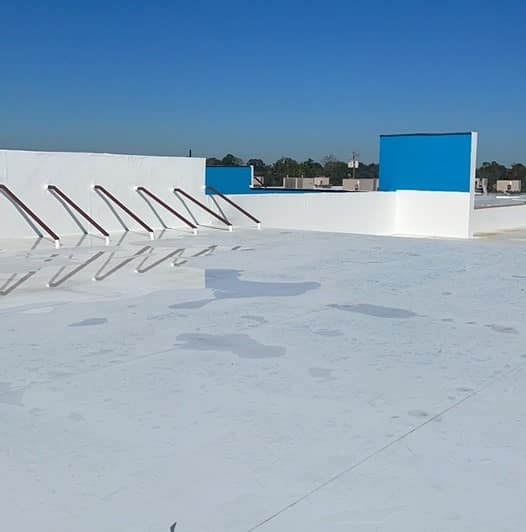
For commercial properties, label the building or roof area in the records, especially if the property has several units or multiple roof sections. A facilities manager can keep the work order, photos, invoice, and follow-up notes together. If access requires coordination around tenants, equipment, or business hours, include those arrangements in the scope conversation so the work plan is understood before the visit.
When should a vent issue be handled promptly?
Arrange an assessment when water is actively entering, the vent appears loose or displaced, or interior damage is growing. Protect belongings and keep clear of wet electrical fixtures. If there is active leakage, explain that when you contact a roofing contractor so next steps can be discussed promptly.
Do not seal a vent opening or block a ventilation path as a quick fix. A change that stops visible water may interfere with the vent's purpose or hide a larger problem. For storm-related concerns, document what you can safely see and ask the contractor to distinguish observed damage from assumptions. Elevation Roofing & Restoration provides roofing inspections and repair services in Houston, Austin, and surrounding Texas communities; its roof repair information describes a relevant service path.
While waiting for an assessment, focus on safe steps inside the building. Move belongings away from a drip, use a container to catch water when practical, and note whether the leak changes during rain. Avoid puncturing a ceiling bulge or working near wet electrical equipment. These observations can help explain the issue, but they do not replace an inspection of the roof and vent assembly.
If a storm may be involved, keep dates and photos and follow your insurer's instructions if you choose to contact them. Avoid promising yourself that a particular repair will be covered before the insurer reviews the policy and facts. A roofing assessment can document visible conditions; it is not a coverage decision.
Schedule a free inspection to review your roof vent
Frequently Asked Questions
Can a roof vent be replaced without replacing the whole roof?
Often, a vent can be addressed as a focused repair if the surrounding roof is serviceable. An inspection determines whether adjacent materials or a wider area also need work.
Does a leak near a vent prove the vent is defective?
No. Water can travel from another roof location before appearing indoors. Have the roof and nearby penetrations assessed to identify the likely entry point.
Should I get several estimates?
Comparing written scopes can help you understand differences in parts, flashing work, access, and provisions for hidden damage. Ask each contractor to explain exclusions and approval steps.
Can I inspect the vent myself?
You can record symptoms from inside and from the ground, but avoid climbing onto the roof. A roofing professional can inspect roof-level components with appropriate access and safety precautions.
How can you compare roof vent replacement cost estimates?
Put estimates side by side and check whether they describe the same work. One quote may cover only the vent unit, while another includes replacement flashing, nearby shingles, disposal, and inspection of the opening. A lower total is not a meaningful comparison if the scope leaves out a step you expected.
Use a simple comparison sheet with one row for each part of the job: removal, replacement unit, flashing, surrounding roof material, inspection for hidden damage, disposal, cleanup, and documentation. Mark each item as included, excluded, or unclear. Then ask the contractor to resolve unclear items in writing. This turns a vague difference in totals into a practical conversation about what each proposal will actually deliver.
For example, suppose one estimate names a vent and labor but says nothing about flashing, while another lists a replacement vent, flashing work, and an approval process for concealed damage. The second may appear more detailed, but you still need to confirm whether both contractors inspected the same area and whether the proposed units serve the same function. Ask each to explain its scope rather than deciding based only on the number at the bottom.
Clarify how the crew will protect the roof and property during removal, and how the finished area will be checked. Ask whether photos will show the condition before and after work. The purpose is not to demand a particular construction method without understanding the roof; it is to make sure you can see what the estimate covers and how questions will be resolved.
Roof ventilation is part of the home's broader airflow and building performance. The U.S. Department of Energy offers general homeowner information about energy use and homes at Energy.gov; use an inspection to address the specific design and condition of your roof rather than applying a generic fix.
When a proposal includes several possible repairs, ask which items are necessary to complete the vent replacement and which are separate recommendations. Request a written explanation for each item and what may happen if it is deferred. That helps you prioritize work without treating every note on an inspection as an automatic add-on.
Plan the work from a clear scope
Roof vent replacement cost makes sense only when the estimate explains the vent, roof details, and related repairs. Document symptoms safely, ask how added work will be approved, and compare the written scope before choosing a plan. A careful inspection and clear records give you a sound basis for deciding what to do next.