If you are asking how much does a tile roof cost, the most useful answer starts with the roof itself. Tile material, roof design, labor, tear-off, and any needed structural work all affect the estimate. A Texas homeowner should compare the scope behind each proposal, not just a single total.
Schedule a roof inspection and discuss your tile roofing estimate
Tile is a long-lasting roofing option, but it is not a one-size-fits-all product. A home with a simple roof and suitable structure is a different project from a steep, multi-level roof that needs deck repairs. This guide explains the factors that shape a tile roof installation or replacement estimate, the questions to ask, and how to compare options without relying on a generic price range.
What Does a Tile Roof Estimate Include?
A complete proposal should explain more than the tile selected. It should make clear what will happen to the existing roof, what layers and accessories are included, how the crew will handle transitions, and whether any uncertain conditions could change the scope. The cost is a result of these separate parts, not a single material price.
For a replacement, the contractor may need to remove old roofing, inspect the roof deck, and prepare the surface for the new system. The estimate should clarify the assumed tear-off and disposal, underlayment, flashing, ventilation details, edge and ridge components, tile installation, and cleanup. Ask what is included and what would be handled through a change order if hidden damage appears.
For new construction or a roof where the existing covering is not being replaced, some of those line items may differ. The proposal still needs to address the full assembly and tie-ins, rather than pricing tile alone. An overview of tile roofing can help you understand the system, while a broader roofing services guide describes the types of work a roofing contractor may handle.
Which Tile Choices Affect the Cost?
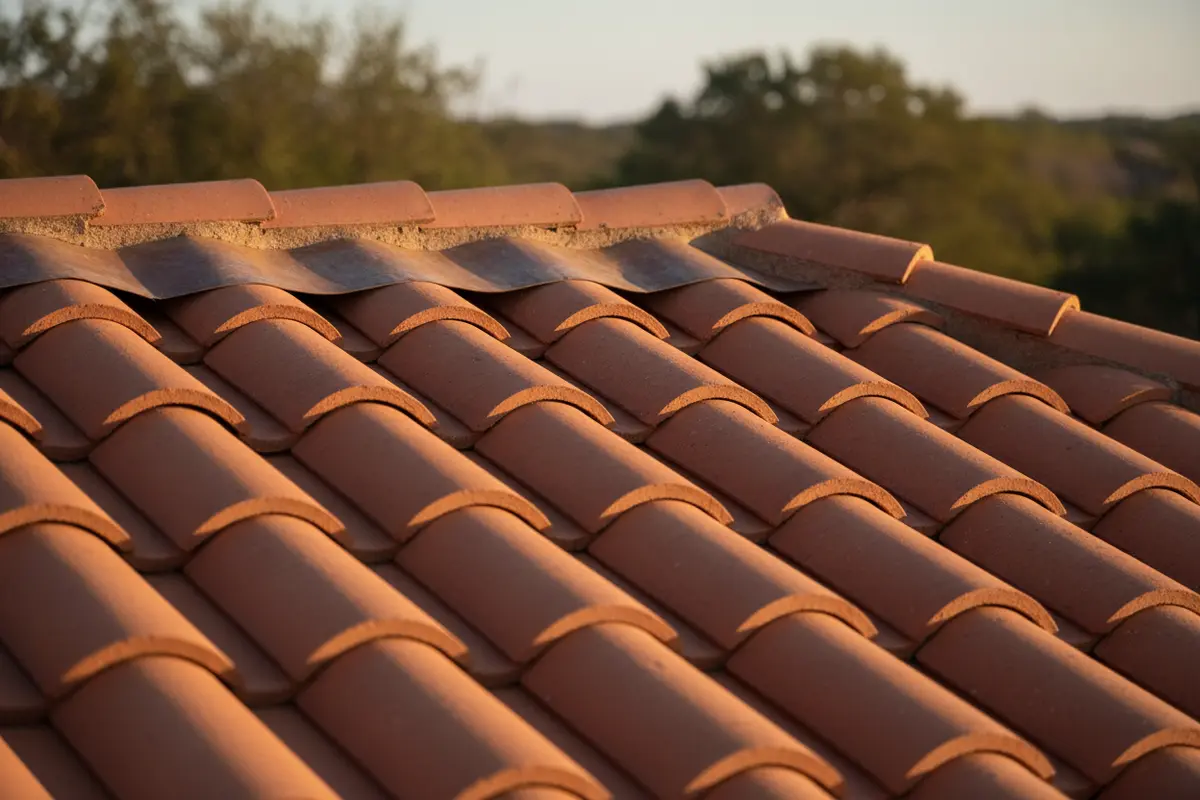
Tile is a category of roofing products, not one uniform material. Clay and concrete tiles come in different profiles, sizes, finishes, colors, and weights. The specific product and its availability affect material selection and installation details. A tile with a distinctive shape or finish may call for different accessories or layout work than a simpler profile.
Ask the contractor to identify the proposed tile by material and product line, and to explain the matching ridge, hip, rake, and edge pieces. Tile field pieces alone do not describe a finished roof. The complete system includes components that protect transitions and finish exposed edges.
| Estimate factor | What to clarify | Why it can change the project |
|---|---|---|
| Tile material and profile | Clay or concrete, product, shape, finish, and matching accessories | Products have different material requirements and may involve different installation details or availability. |
| Roof geometry | Pitch, number of roof planes, valleys, hips, dormers, and access | More complex layouts can require additional cutting, flashing, staging, and careful installation. |
| Removal and preparation | Existing layers, tear-off, disposal, deck inspection, and underlayment | The work depends on what is present and the condition uncovered once roofing is removed. |
| Structural suitability | Existing framing and any engineering or reinforcement needs | Tile weight must be appropriate for the home's structure; additional work may affect scope. |
| Labor and site logistics | Crew scope, access, protection, staging, and cleanup | Roof height, access, and project conditions influence how the work is carried out. |
Ask whether product substitutions are allowed and how you will approve one if the specified tile cannot be sourced. Confirm that the proposal does not describe only a general tile type when you expect a particular style or finish. If you are considering another roof covering, compare it with the home's goals and needs through the contractor's roofing types overview, rather than comparing material prices without installation scope.
How Does Roof Complexity Change the Estimate?
A roof's size is only one part of the labor calculation. A broad roof with straightforward planes can be simpler to cover than a smaller roof with many intersecting sections. Steep slopes, valleys, hips, dormers, skylights, chimneys, and wall transitions add details that must be measured, flashed, and finished correctly.
Access matters too. The contractor needs to bring material and equipment to the work area, protect landscaping and nearby surfaces, and move safely around the roof. Tight access or a tall structure may change staging and logistics. In Houston and Austin, the individual property's layout and site conditions matter more than a broad regional label.
Ask how the estimate accounts for valleys and penetrations, and whether flashing around roof-to-wall transitions is included. Clarify what protection and cleanup are part of the job. These questions help you see whether two bids are truly comparable, especially when one total appears lower but describes less preparation or fewer finishing details.
Will a Tile Roof Need Structural Work?
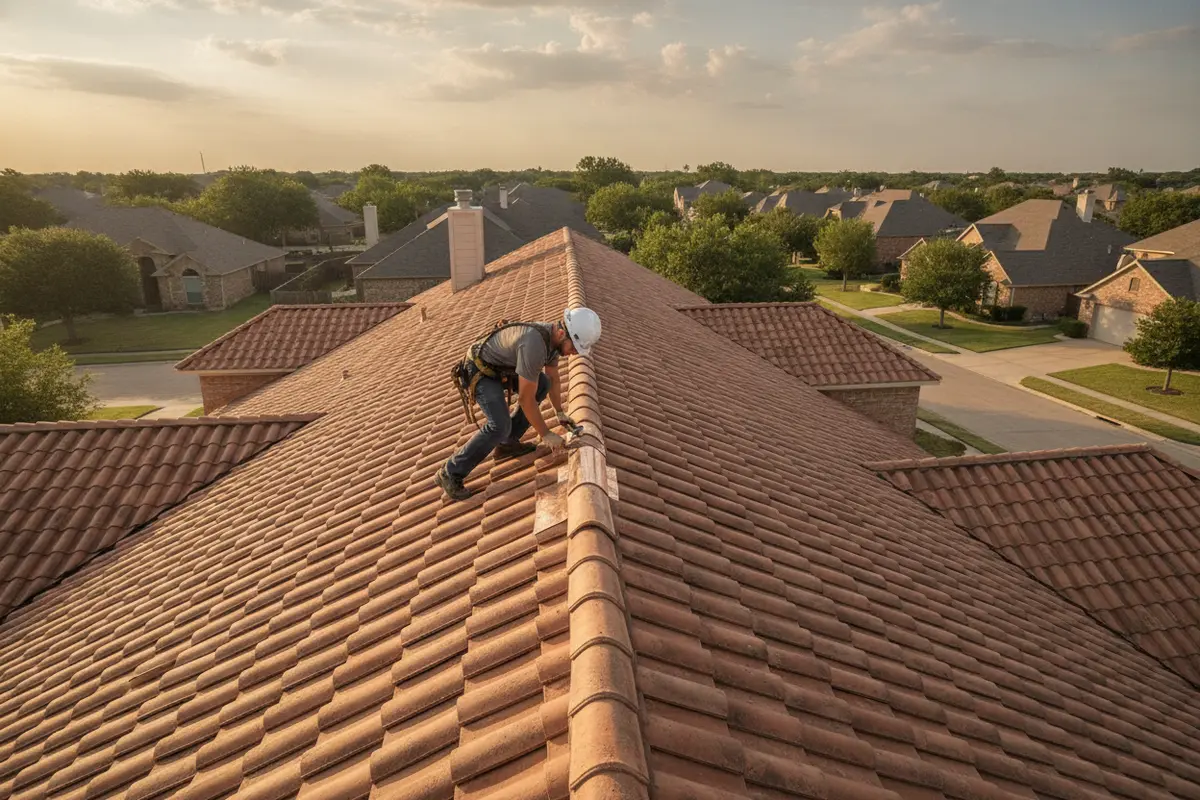
Tile can be heavier than some other roof coverings, so the existing structure must be suitable for the proposed system. Do not assume that a roof can accept tile simply because it has supported its current covering. The contractor should consider the framing and the complete roofing assembly before work is approved.
If a concern comes up, ask what observation led to it and what evaluation is needed to resolve it. Depending on the project, structural questions may require input from a qualified design professional. Do not treat an informal visual impression as a substitute for an appropriate assessment. The proposal should distinguish work that is confirmed from a potential item that can only be evaluated after removal or further review.
Structural preparation can affect schedule and cost, so it is worth discussing early. Ask whether the price assumes the existing framing is adequate and what process applies if it is not. A clear answer helps you plan without treating a possible repair as a certainty.
What Do Labor, Tear-Off, and Installation Involve?
Installation labor includes more than placing tile. The crew must prepare the roof, install the specified underlayment and related components, align tile courses, make cuts at roof details, secure materials as required for the system, and finish ridges and edges. The amount of detail work depends on the roof design and the chosen product.
When replacing an existing roof, removal and disposal can be a significant part of the scope. The contractor may find damaged decking or other issues only after the old covering is removed. Ask how the company documents concealed conditions, how additional work is priced and approved, and whether work pauses for your authorization before the scope changes.
Texas weather also makes a sensible work plan important. Ask how the crew will protect open sections if the work is interrupted and how the project schedule is communicated. Avoid assuming that every installation follows the same timeline: roof size, complexity, material availability, weather, and discovered repairs can all play a role.
If a proposal is unclear, request a written breakdown or clarification before accepting it. Elevation Roofing & Restoration provides roofing installation and replacement among its roof replacement services. For an independent cost context, the National Roofing Contractors and Installers Association discussion of tile roof replacement cost is one reference point; a published range cannot replace an estimate based on your specific roof and scope.
How Can Maintenance Affect the Long-Term Decision?
Installation cost is only one part of owning a tile roof. Keep the roof and drainage system under observation, and have concerns assessed rather than attempting risky work on the roof yourself. A tile roof can have components beneath the visible surface that need attention even when many tiles appear intact.
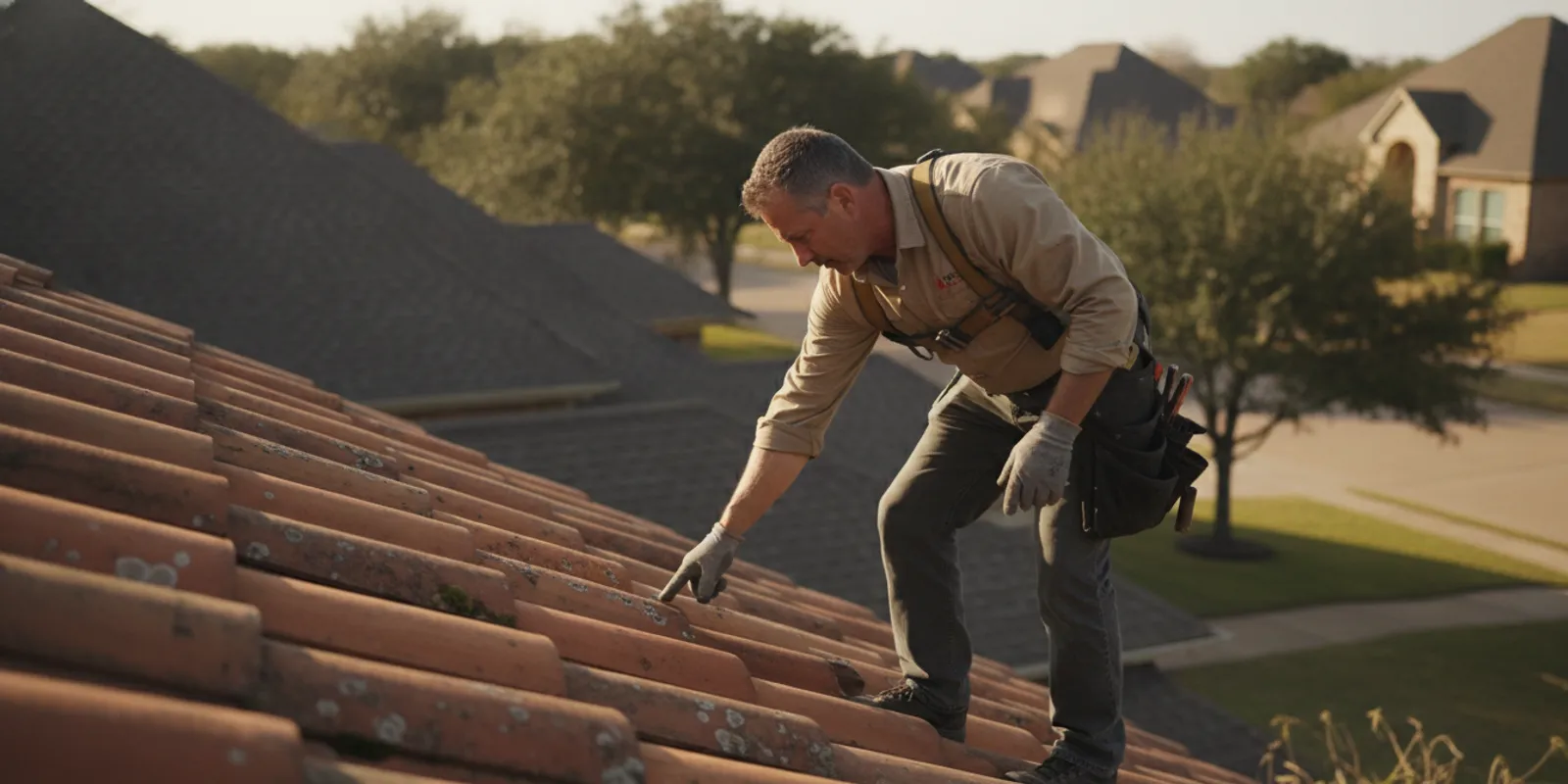
After severe weather or if you notice a leak, displaced tile, debris, or a change at a roof penetration, arrange an inspection. Do not walk on tiles unless you are trained to do so; foot traffic can damage the covering and create a fall hazard. Keep notes about repairs and inspections so future contractors can understand the roof's history.
Maintenance needs vary with roof design, condition, and exposure. Ask what routine checks make sense for your system, which findings call for prompt repair, and whether recommendations are based on observed conditions. The goal is not to assume every issue requires replacement, but to understand whether repair, maintenance, or a larger project fits the actual roof. See the company's roof maintenance information for related service details.
Talk with Elevation Roofing & Restoration about your tile roof project
What Questions Should You Ask Before Comparing Estimates?
When you request proposals, give each contractor the same basic information and ask for the scope in writing. A focused inspection and clear project description make it easier to spot differences that a bottom-line number cannot show.
- Which tile material, profile, finish, and related components are included?
- Does the proposal include removal and disposal of the existing roof covering?
- What underlayment, flashing, ventilation, ridge, and edge details are specified?
- How will the contractor check the roof deck and address concealed damage?
- Does the structure need further evaluation for the proposed tile system?
- What assumptions are built into the price, and what conditions could change it?
- How will additional work be documented, priced, and approved before proceeding?
- What site protection, cleanup, and project communication should I expect?
- What workmanship and product warranty terms apply, and where are they documented?
Review the answers side by side. A low estimate may exclude work that another contractor has included, while a higher estimate may specify a different product, detail, or preparation scope. Ask each company to explain significant differences. Do not compare a proposal for a basic tear-off with one that includes identified deck repairs or a different tile assembly as if the work were identical.
For homeowners in the Houston area, the company's Houston roofing service information and Austin roofing service information can help you check local coverage. You can also review customer reviews as one part of evaluating a contractor, alongside the written scope, communication, and answers to your project questions.
Tile selection should fit the home, the roof's structure, and your maintenance expectations. If you are still comparing materials, ask the contractor to explain the tradeoffs for your actual roof rather than relying on generic assumptions. A professional roof inspection can help establish the current condition and the next questions to resolve.
Request a tile roof inspection and estimate discussion
Frequently Asked Questions
Is tile roofing more expensive than shingles?
It can require a different material and installation scope, but the comparison depends on the tile product, roof design, tear-off, structure, and details included. Request estimates for the same roof and written scope before drawing a conclusion.
Can tile be installed over my existing roof?
Do not assume it can. The contractor should inspect the current roof, identify what would need removal or preparation, and assess whether the structure is suitable for the proposed tile assembly. The estimate should state the planned approach.
What can make a tile roof estimate change after work begins?
Concealed conditions, such as damaged decking uncovered during removal, may require a scope change. Ask in advance how the contractor will document the condition, explain the added work, and obtain your approval before proceeding.
How do I compare two tile roof estimates fairly?
Compare the same tile product and the same work: removal, underlayment, flashing, roof details, deck assumptions, site protection, cleanup, and any stated exclusions. Ask both contractors to explain any difference you cannot reconcile.
The best estimate is the one that clearly describes a suitable roofing system and the work your property needs. A careful inspection and written scope help you understand the cost factors before making a decision.