Texas roofs face a demanding mix of heat, intense sunlight, heavy rain, wind, and hail. That means the right roofing material is not simply the one with the longest advertised service life. It must also suit your roof's slope, supporting structure, ventilation, maintenance expectations, home design, and likely weather exposure.
Call Elevation Roofing & Restoration at (832) 271-1726 for a free roof inspection and estimate.
The best roofing materials for residential homes depend on the property, not a one-size-fits-all ranking. Asphalt shingles may offer familiar, adaptable coverage, while metal, tile, slate, composite, or a low-slope TPO system may fit different structural and design needs. Comparing climate fit, durability, upkeep, and installation requirements helps narrow the choice responsibly.
Before comparing individual materials, start with the conditions that shape every roofing decision in Texas, including how your roof handles heat, water, wind, and storm exposure.
What Should Texas Homeowners Consider Before Choosing a Roofing Material?
Texas roofs face strong sunlight, heat, wind, hail, and heavy rain. The right material depends on how those conditions affect your property. It does not depend on a single statewide ranking. Before comparing products, consider the roof's slope, the home's structure, desired appearance, maintenance expectations, and site exposure. A professional roof inspection can help identify those constraints before you commit to a material.
Start with climate exposure and roof design
Solar heat is an important consideration in Houston, Austin, and surrounding Texas communities. A cool roof absorbs and transfers less solar heat to the building. Two terms help explain this performance: solar reflectance describes how much sunlight a surface reflects, while thermal emittance describes how well it releases the heat it absorbs. The EPA notes that both properties matter, especially in warm, sunny climates. Together, they can reduce temperatures at the roof and inside the building. Cool-roof products may work on both low-slope and steep-slope residential roofs, but the product still must fit the roof design and installation requirements.
Weather exposure also affects how you evaluate durability. A home in an area with frequent hail or strong wind may need a different product discussion than a home with less severe exposure. Review the manufacturer's specifications rather than treating a general material description as a guarantee. Wind-resistance examples are product-specific, and installation must follow manufacturer requirements.
Match the material to the home, slope, and maintenance plan
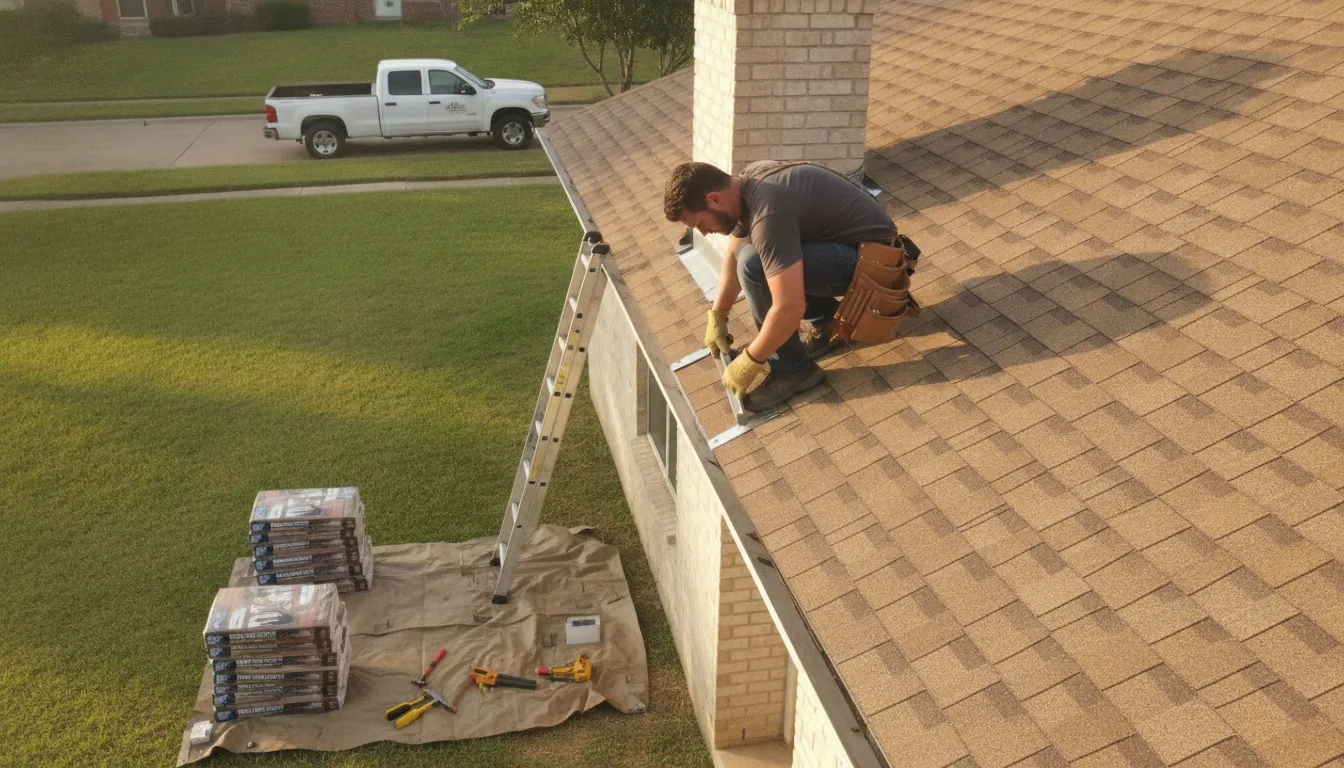
Roof slope influences drainage, visible appearance, and which systems are practical. The home's structure matters as well, particularly when considering heavier materials. Use a guide to types of roofs to compare common systems, but have the existing structure evaluated before selecting a replacement. Low-slope sections may require a different roofing system than a steep residential roof.
Maintenance is another part of the material decision. Every roof benefits from appropriate inspections and upkeep, but the tasks and attention required can vary by system, roof details, trees, drainage, and storm exposure. Consider whether your priority is lower routine maintenance, a specific design, long-term service life, or a balance of those factors. There is no universal best roofing material for residential homes. The best fit is the one that aligns with your climate exposure, structure, slope, design goals, maintenance expectations, and priorities.
How Do Asphalt Shingles and Metal Compare for Texas Homes?
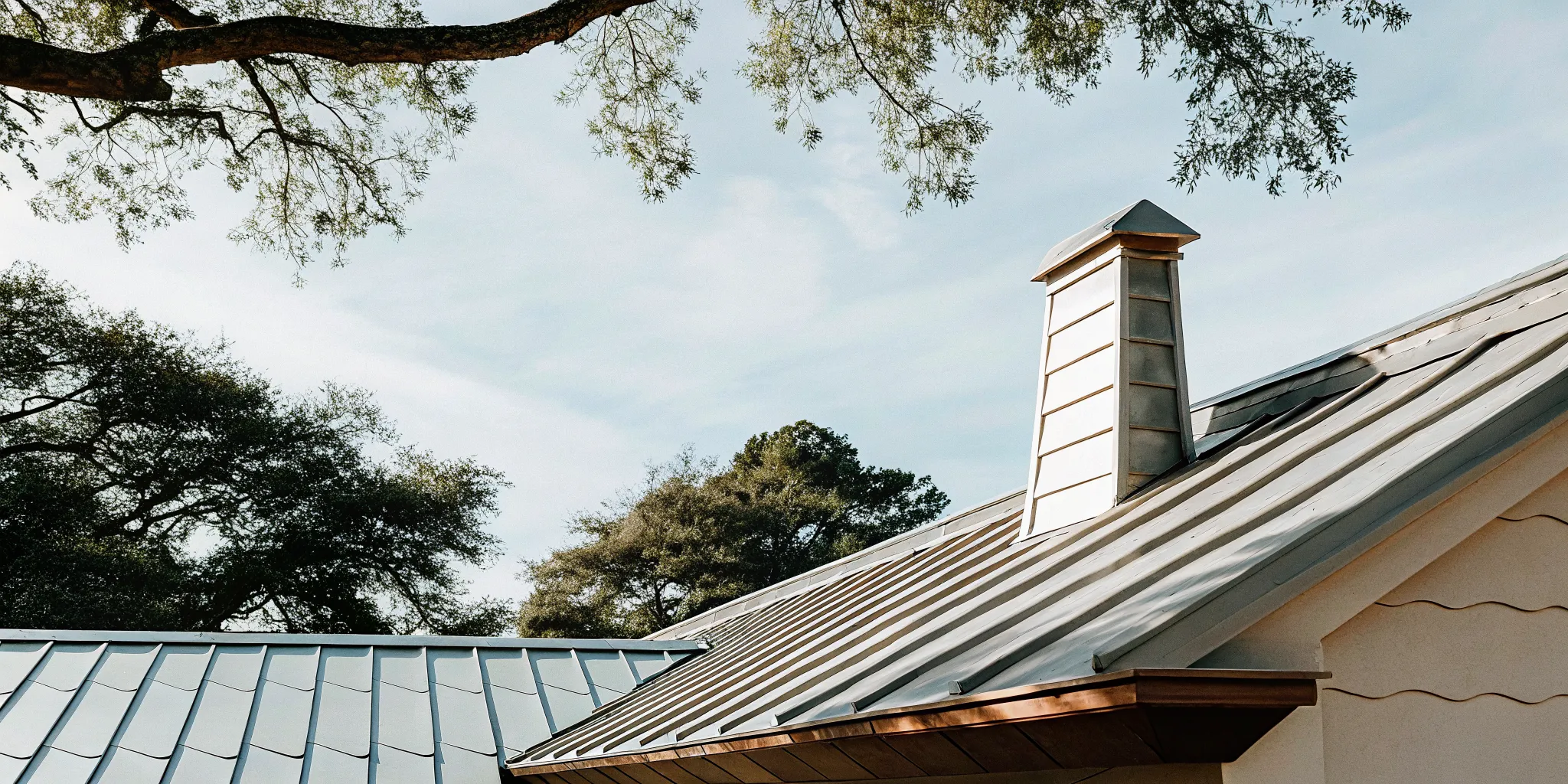
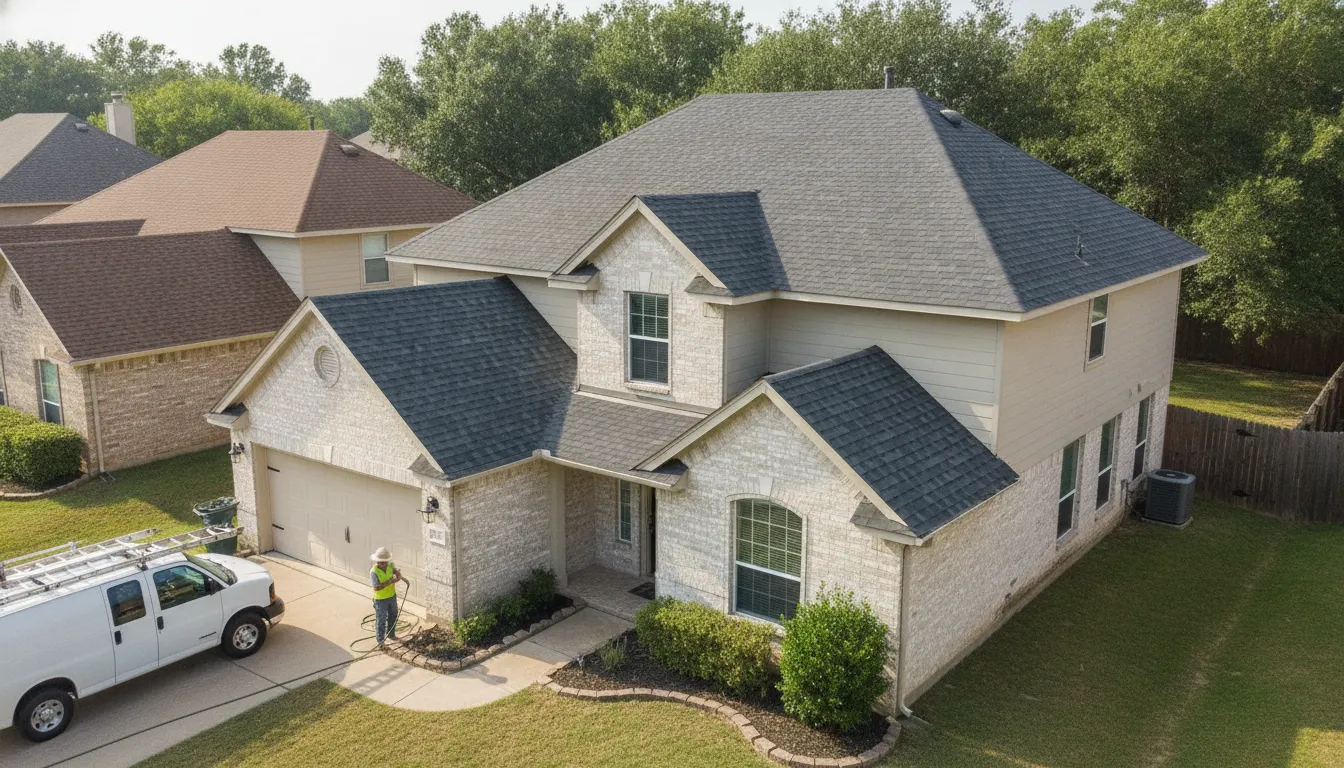
Asphalt shingles and metal roofing are both practical options for many Texas homes, but they solve different homeowner priorities. Asphalt shingles use fiberglass between layers of asphalt and ceramic granules, and they remain the most commonly purchased residential roofing material in the United States. Metal roofing is available in steel, aluminum, copper, and alloy products with different shapes and textures. The right comparison depends on the roof's design, the home's exposure, the desired appearance, and the level of long-term maintenance a homeowner is prepared to manage.
| Material | Strengths | Watch-outs | Texas fit |
|---|---|---|---|
| Asphalt shingles | Widely used, familiar to residential installers, and available in varied colors and profiles. | Age, storm exposure, installation quality, and maintenance can affect performance. An older roof may need replacement even when damage is not obvious. | A practical fit for many sloped homes when the selected product and installation details match local weather exposure. |
| Metal roofing | Available in several metals and styles; metal shingles are described as resistant to extreme weather and long-lasting. | Product selection, fastening, flashing, underlayment, and installation details matter. A metal system is not automatically the right choice for every roof. | Worth considering where durability, weather exposure, and a distinct roof appearance are important priorities. |
Weather performance should be evaluated at the product level rather than assumed from the material name alone. Consumer Reports tests asphalt and metal shingles for strength and resistance to wind and falling-object impact, but those test categories do not make every product identical. Elevation Roofing's installation information documents examples of wind resistance up to 150 mph for metal roofing and up to 110 mph for asphalt shingles. Those are product-specific examples, not universal ratings for every roofing product, so the selected system and its installation specifications should be reviewed carefully.
Longevity is another meaningful distinction, but published ranges are not guarantees. A cited Consumer Reports guide says a metal roof can last from 50 to 100 years, while metal shingles can last 40 to 50 years or longer. Asphalt shingles are also a long-term roof system, but an out-of-warranty roof more than 20 years old may warrant replacement even without obvious damage. Actual service life depends on the product, ventilation, weather exposure, maintenance, and installation.
Before choosing between the two, review the full metal versus shingle roofing comparison, then schedule an evaluation of the existing roof. Professional roof installation should follow manufacturer specifications and applicable warranty requirements. That step helps connect the material choice to the home's slope, structure, flashing, and storm exposure instead of treating one option as universally best.
Are Tile, Slate, and Composite Roofing Good Choices for Residential Homes?
Tile, slate, and composite roofing can all be attractive options for a home, but the right fit depends on more than curb appeal. A material must work with the roof structure, slope, installation method, and maintenance plan. Texas homeowners also need to consider exposure to heat, hail, wind, heavy rain, and strong sunlight. The goal is not to find one material that is best for every property. It is to match the roof system to the home and the owner's priorities.
How do concrete and terra cotta tile compare?
Concrete tile is made from sand, cement, and water, while terra cotta tile is made from clay baked at very high temperatures. Both can give a home a distinctive, substantial appearance, and tile may suit homeowners who want an architectural look instead of the profile of standard shingles. You can review tile and shingle roof options before deciding which visual and functional tradeoffs fit your house.
Tile selection should begin with the structure, not the color or pattern. Tile can place different demands on the roof assembly than lighter materials, so an inspection should confirm that the structure, slope, underlayment, and flashing are appropriate. Maintenance also matters. Individual pieces, penetrations, and drainage details need attention over the life of the roof, and walking on tile without the right technique can cause damage. A qualified roofer can identify whether the existing assembly is suitable before installation begins.
What should homeowners know about slate and composite roofing?
Real slate offers a natural appearance, but its installation is specialized. Consumer Reports notes that real slate requires a skilled, specialized roofer or mason. That requirement makes installer experience especially important, along with confirming that the structure can support the selected system. Slate may be a strong design fit for a particular home, but it is not a casual replacement for every existing roof.
Composite roofing offers another way to achieve a similar design direction. Composite material can resemble real slate or wood, even at close range, which may appeal to homeowners who want a distinctive appearance with a different material approach. Ask about the specific product, installation requirements, repair process, and maintenance expectations rather than assuming every composite system performs the same way.
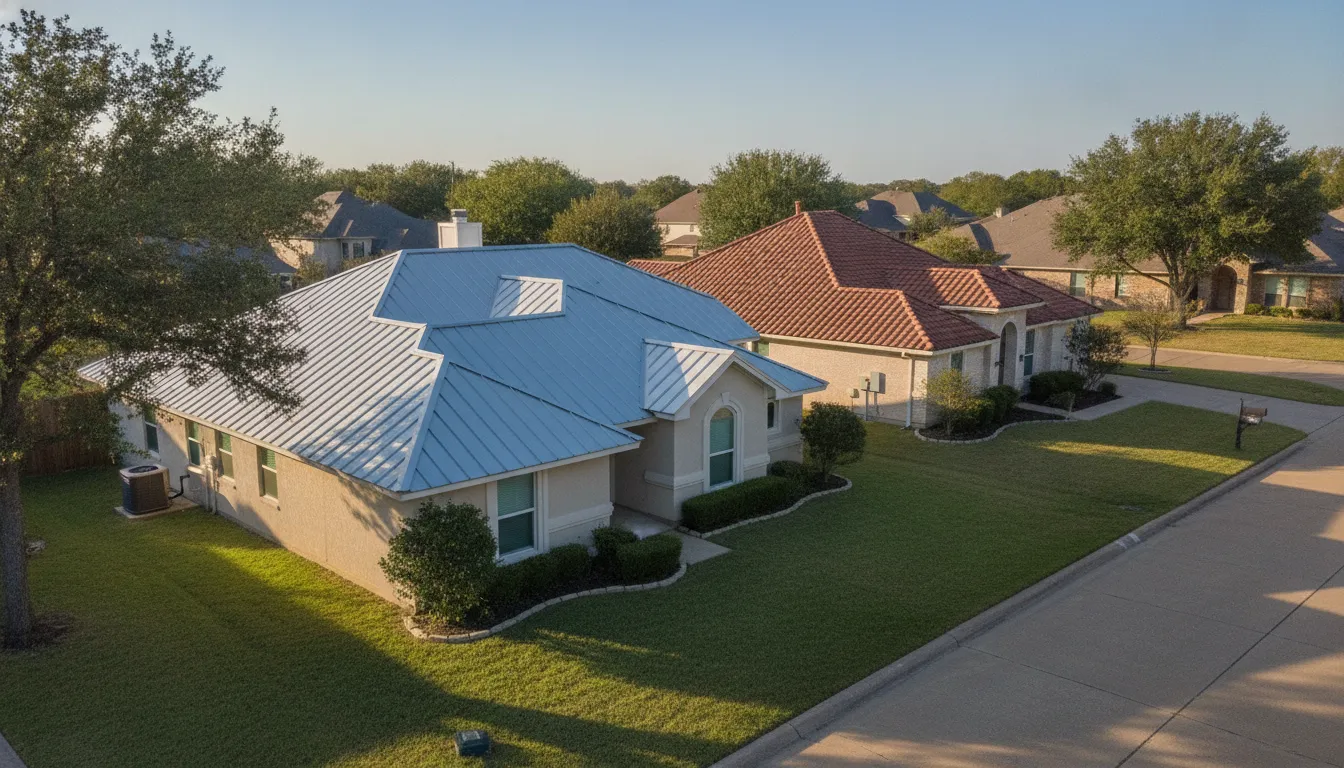
Elevation Roofing documents tile and slate among its roof-system experience. Its knowledge base lists tile and slate as materials that can last 30 or more years, without presenting that figure as a guarantee. If the current roof has structural concerns or storm damage, a professional evaluation can clarify whether roof replacement or another approach makes sense.
When Do Low-Slope Systems Such as TPO Make Sense at Home?
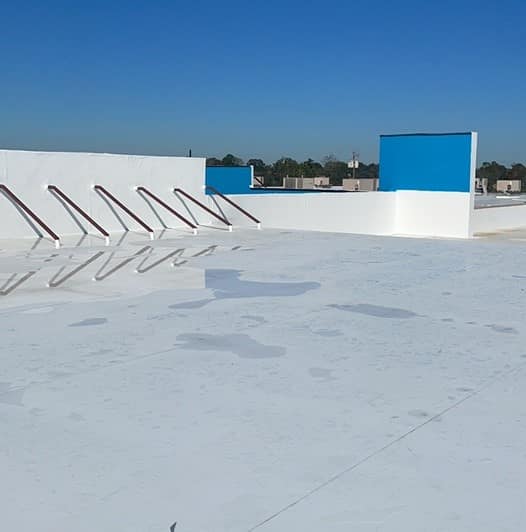
Roof slope is one of the first practical limits on material selection. A steep-slope roof sheds water along an angled plane and is commonly associated with residential materials such as asphalt shingles, metal, tile, slate, and composite products. A low-slope roof has a much shallower pitch, so the roofing system and installation approach need to match the way water moves across the surface. That is where thermoplastic polyolefin, usually called TPO, can become relevant in a residential discussion.
What makes TPO different from steep-slope materials?
TPO is a low-slope roofing system, not a direct substitute for every shingle, tile, or metal roof. It belongs in the conversation when the home's design includes a low-slope section, such as an addition, porch. Garage, or other roof area that does not have the pitch typically associated with a steep residential roof. The right choice depends on the roof's existing structure and design, not simply on which material sounds most durable.
That distinction matters when comparing the high-quality roofing materials available for a home. A material that fits one roof plane may be unsuitable for another. Homeowners should ask a roofer to evaluate the slope, drainage pattern, transitions between roof sections, flashing, and the condition of the underlying structure before choosing a system. If a home combines steep and low-slope areas, the best solution may involve more than one compatible roofing approach.
When should a homeowner discuss a low-slope system?
Bring TPO into the discussion when an inspection identifies a low-slope roof area or when a planned addition changes the roof design. It can also be worth discussing when an existing low-slope section has recurring maintenance concerns, visible deterioration, or drainage problems. The goal is not to select TPO by default. The goal is to determine whether a low-slope system is appropriate for that specific structure and whether the proposed installation follows the manufacturer's requirements.
Roofing materials also need ongoing care. Elevation Roofing documents an average roof lifespan of about 20 years with regular maintenance, but lifespan varies by system, exposure, workmanship, and upkeep. A practical roof maintenance plan can help identify clogged drainage, damaged flashing, moisture concerns, and other issues before they spread. Manufacturer specifications and professional installation are especially important because product performance and documented ratings are not universal across every roofing product.
For Texas homeowners comparing the best roofing materials for residential homes, TPO makes the most sense as a fit-based option for low-slope design. An inspection can clarify whether the home needs a steep-slope material, a low-slope system, or a coordinated combination of both.
How Can You Compare the Best Roofing Materials for Residential Homes?
Comparing roofing materials is less about finding a single winner and more about matching a roof system to the home beneath it. Texas roofs can face wind, rain, hail, intense heat, and strong sunlight, so a material that fits one property may be a poor choice for another. The roof's slope, structural capacity, design, maintenance expectations, and your priorities all matter. A careful sequence helps you compare tradeoffs without letting one feature, such as appearance or expected service life, decide the entire project.
- Start with the existing roof and the home's condition. Before comparing shingle colors or metal profiles, determine whether the roof can be repaired, maintained, or should be replaced. A professional roof inspection can examine shingles, fascia, soffits, drains, gutters, vents, flashing, moisture, hail damage, and water ingress. That information can reveal problems that affect the material decision, including hidden moisture or damaged supporting components.
- Match the material to climate exposure. List the conditions your roof must handle. Wind, hail, heavy rain, heat, and strong sunlight deserve different weight depending on the property's setting and history. Ask how each candidate performs under those exposures, and review product-specific documentation rather than relying on a broad label. Wind-resistance figures, for example, are examples tied to particular products, not universal ratings for every asphalt shingle or metal roof.
- Check slope, structure, and installation requirements. Roof slope influences which systems are practical and how water moves across the surface. The home's structure may also affect whether a heavier material is appropriate. Confirm that the proposed system suits the roof design and that installation will follow the manufacturer's specifications. Correct installation is tied to product performance and warranty requirements, so it is part of the comparison, not an afterthought.
- Compare maintenance and long-term priorities. Consider how much inspection and upkeep you are prepared to schedule, how the material fits the home's appearance, and how long you expect to own the property. Some homeowners prioritize a familiar residential profile, while others place greater weight on durability, design flexibility, or reduced maintenance. A material documented as capable of lasting longer is not automatically the right fit if the roof structure, installation plan, or maintenance approach does not support it.
- Evaluate the complete replacement plan. Once the inspection and material review are complete, compare the full scope: removal, deck or flashing work, ventilation, underlayment, drainage details, installation, and ongoing maintenance. If the evidence points to replacement, review the available roof replacement approach with a qualified roofing professional. The best roofing materials for residential homes are the ones that satisfy the home's real constraints and the owner's priorities, not a universal ranking.
This process keeps the decision grounded in the roof's condition and design. It also makes it easier to ask focused questions and compare recommendations on the same criteria, rather than choosing from isolated material claims.
What Is the Best Next Step Before Replacing a Texas Roof?
Before choosing among shingles, tile, metal, TPO, or another system, start with an inspection. Material selection should respond to the roof that is actually on the home, not only to a product comparison or a preferred look. An inspection can help clarify whether the roof needs replacement now, targeted repairs, maintenance, or a closer evaluation after a storm.
A comprehensive inspection can examine shingles, fascia, soffits, drains, gutters, vents, flashing, moisture, hail damage, and signs of water entering the home. That broader review matters because a visible problem on one roof surface may not show the condition of the supporting details around it. It also gives a roofer useful information about the home's existing system before discussing replacement options. Schedule a free roof inspection when you want a practical starting point without committing to a material or project scope.
What can indicate that replacement deserves a closer look?
Severe weather damage, leaks, missing shingles, broken tiles, visible deterioration, interior mold concerns, unusually high heating or cooling costs. And uneven or sunken areas are among the conditions that may support a replacement discussion. These signs do not make the same recommendation appropriate for every home. The inspection findings, roof design, and condition of the underlying components should guide the next decision.
When does storm-damage insurance assistance matter?
If hail, wind, or another storm may have damaged the roof. Document what you can safely observe and ask about the inspection process before making repairs that could affect the evidence. Elevation Roofing documents insurance-claim assistance for storm damage, including help with paperwork and coordination with an adjuster. That support can make the process easier to organize, while the insurer still determines coverage under the policy.
Elevation Roofing documents experience with shingle, tile, metal, TPO, slate, modified bitumen, and built-up roofing systems. Its Houston and Austin service areas cover surrounding Central Texas communities, so the next step can remain local, clear, and focused on the home's actual needs.
Frequently Asked Questions
What is the best material for a residential roof in Texas?
There is no single best choice for every home. The right material depends on your roof slope and structure. It also depends on heat, wind, hail, rain, appearance, maintenance expectations, and long-term priorities. Asphalt shingles, metal, tile, slate, composite, and low-slope systems such as TPO can each fit different homes. An inspection can help confirm which options suit the existing roof design.
What are the main types of residential roofing materials?
The most common options include asphalt shingles, metal, concrete or terra cotta tile, slate, composite roofing, and TPO for appropriate low-slope applications. Asphalt shingles remain the most commonly purchased residential roofing type in the United States, while metal is available in steel, aluminum, copper, and alloy products. See the Consumer Reports roofing guide for additional material information.
How do I choose a roof material for Texas heat?
Consider how the product handles solar exposure and heat, along with ventilation and roof design. A cool roof reflects more sunlight and transfers less solar heat into the building. Solar reflectance and thermal emittance both affect performance, especially in warm, sunny climates, according to the U.S. Environmental Protection Agency. Color and product specifications should be evaluated with the home's design rather than treated as universal rules.
Does the roof structure affect which material I can use?
Yes. Roof slope, structural capacity, drainage design, flashing, ventilation, and the condition of the existing deck can affect material suitability. Tile and slate, for example, may require specialized installation and a structure prepared for the system. A professional inspection can examine shingles, tiles, flashing, vents, gutters, moisture, and storm damage before you commit to a replacement material.
When should I inspect or replace my residential roof?
Schedule an inspection after severe weather, when you notice leaks or visible damage, or when shingles are missing, tiles are broken, or interior mold appears. Uneven areas and unusually high heating or cooling costs may also warrant evaluation. Regular maintenance matters, and a roof's condition is more useful than age alone when deciding whether repair or replacement makes sense.
Ready to Choose the Right Roofing Material?
An inspection can help connect your material choice to your roof's slope, structure, ventilation, and exposure to Texas weather. That practical review can make it easier to compare options before committing to a replacement plan. Schedule a free roof inspection with Elevation Roofing & Restoration to discuss the right material for your home.