Low roofing bids often hide missing permits, incomplete scope, or poor materials that fail during the next Texas storm. Choosing a contractor based on price alone can lead to leaks and voided warranties that cost you more in the long run.
Request a free roof inspection to get a clear assessment before you compare roofing estimates.
To compare roofing estimates, first confirm that every contractor is bidding on the same scope. Review named materials, labor, disposal, permits, ventilation, payment terms, and warranties. Then verify insurance and contractor quality. The best value is the complete, well-supported roof system, not automatically the lowest price.
Comparing prices is just the start of finding the right partner for your project. To avoid costly errors, look past the final number and check the details of each offer. Learning how to compare roofing estimates line by line helps you choose lasting value rather than a deceptively low price.
How to compare roofing estimates line by line
When you need a new roof, you should get estimates from three or more roofers. This helps you see the range of costs and work in your area. But looking at several sheets of paper can be hard if the details do not match. To make a smart choice, you must look at each item one by one. Comparing them this way helps you find errors or hidden costs before you sign a deal.
Match the scope of work
Before you start, make sure each roofer is bidding on the same job. If one bid includes new gutters and another does not, you cannot compare them fairly. Ask every company to list the same parts and tasks. This creates a fair test for every bid you get. It also stops a roofer from leaving out a key part of the work to make their price look low.
Use these six steps use this roofing estimate checklist to find the best value for your home. Focus on the fine print so you know exactly what you are paying for.
- Check the material details. Look for specific brands and names for the shingles. Make sure the counts of shingles and felt match your roof size. If one bid is much lower on count, the roofer may have measured the roof wrong.
- Review the labor costs. Ask if the company uses their own crews or outside help. Our team uses our own crews to keep quality high and ensure better care. Using outside crews can lead to poor work or safety risks.
- Look for disposal and cleanup fees. The quote should list the cost to tear off your old roof and haul away the trash. Make sure it also includes a magnetic sweep to find loose nails in your grass.
- Check the vent and deck plans. A good bid lists the type of vents and the quality of the wood used for deck repairs. These parts of the roof are vital for air flow and a long life.
- Compare the warranty terms. Look for a maker's warranty for products and a separate one for the labor. Check if the labor warranty covers leaks and if you can pass it to a new owner later.
- Verify insurance and permits. Every bid must show that the roofer has general liability and workers' compensation insurance. It should also state who pays for city permits and how they handle site safety.
Why the lowest bid is not always best
A very low price might seem like a win, but it often hides risks. A cheap quote might mean the roofer missed part of the job or used poor parts. Some low bids cut corners on permits or safety. This can lead to repairs later that cost much more than you saved. It may also void the warranty for your new roof parts.
Look for a fair price from a team with insurance claim expertise. They can help you talk to adjusters and handle the forms. This saves you time and ensures your roof is safe. A good roofer will explain their price and show you why they are the best choice for your home.
Compare the complete roofing system, not just shingles
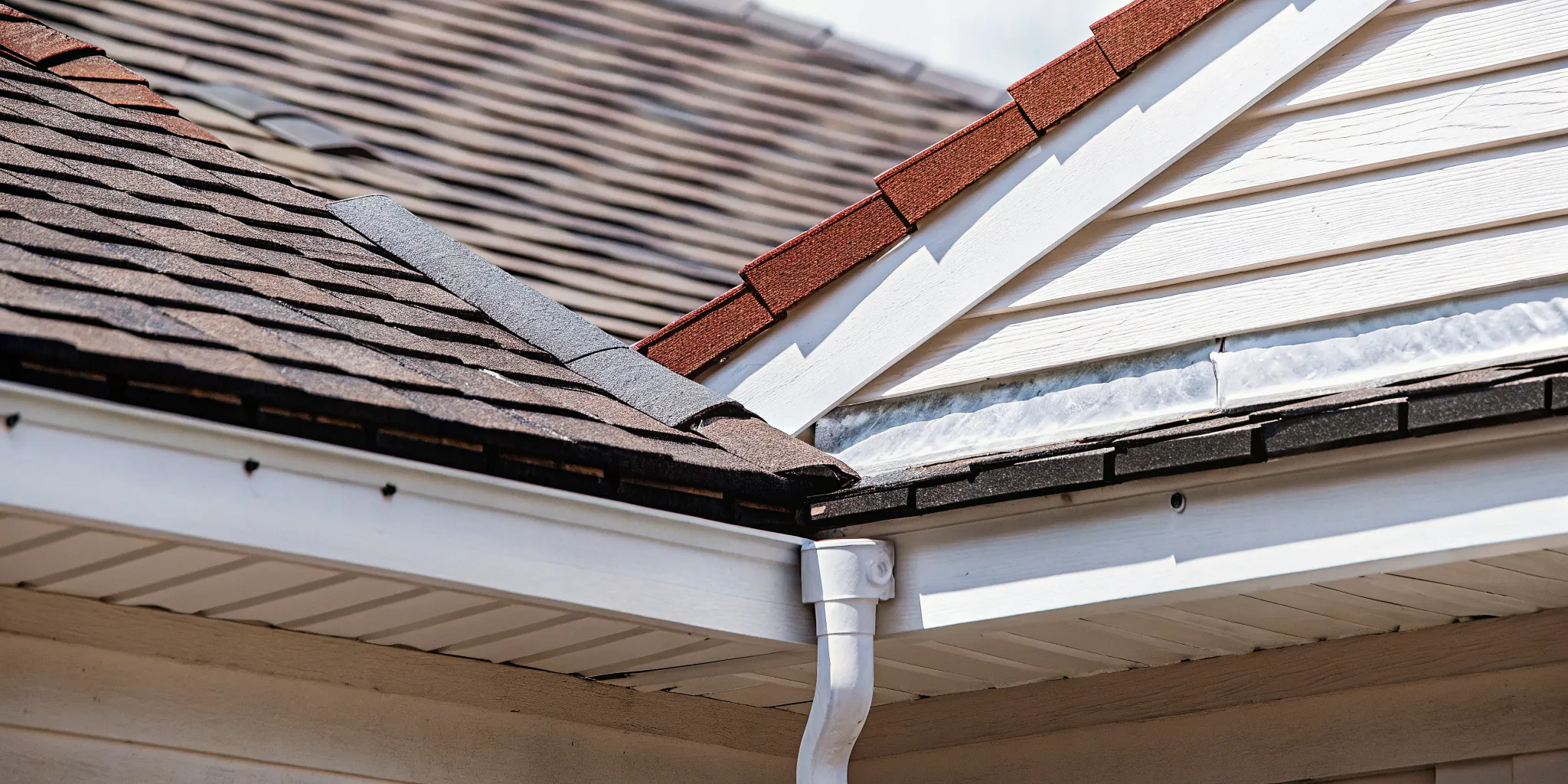
Most owners focus only on the brand and color of their shingles. But a roof is more than just the top layer. It is a full system made of many parts that work together. A good estimate should list every part of that system. This helps you evaluate the complete roofing system. It shows if you are getting a full fix or a cheap patch job.
Parts beyond the shingle surface
A complete system includes parts you cannot see from the ground. Underlayment is a water shield that sits beneath the shingles. It adds a second line of defense against leaks. You should also check for drip edges and flashing. These metal pieces guide water away from gaps like chimneys and vents. If a bid leaves these out, you might face water damage later.
Ventilation is another key part of the system. Your attic needs to breathe to stay cool and dry. Good airflow stops heat and moisture from building up. This protects the wood deck and makes your shingles last longer. Make sure the estimate shows the types of vents they will use. Some low bids skip vent upgrades to save money. This can void your warranty and lead to rot.
Material brands and specs
Roofers often use a "system" from one brand. This ensures all parts fit and work well. When you check a shingle roof estimate breakdown, look for matching brands. Using parts from different brands can cause issues with how they fit. It may also lower the strength of your roof during a storm. Ask if the team uses the same brand for the starter strips and ridge caps.
The type of fasteners used also matters. Most pros use nails, not staples, to hold shingles down. The length and parts of these nails should meet local codes. State rules suggest getting a written list of all brands and labor costs. This lets you see if a low price comes from using low-grade parts.
Compare the language in your quotes carefully. A vague quote hides risks. A detailed quote shows a pro who knows the job. Use the table below to spot the difference between a weak bid and a strong one.
| Roof Component. | Vague Estimate Language. | Decision-Ready Language. |
|---|---|---|
| Underlayment. | "Install felt paper." | "Install high-grade synthetic water shield." |
| Flashing. | "Replace as needed." | "New step flashing and chimney lead boots." |
| Ventilation. | "Check vents." | "Install 40 feet of ridge vent with baffles." |
| Drip Edge. | "Metal work." | "Install 2-inch aluminum drip edge on all eaves." |
| Warranty. | "Standard warranty." | "Long-term shingle and written labor warranty." |
The system warranty
A full system often comes with a better warranty. These cover both the parts and the work. Brand warranties often only cover the product itself. But some brands offer "system" warranties if you use all their parts. This can give you better protection for a longer time. Check if your estimate includes these full-system perks.
Your roofer should also give a workmanship warranty. This covers the labor and how the roof performs. College experts warn that the lowest price often lacks these tools. If a bid is much lower than others, ask why. It may be because they skip the system parts that keep your home dry and safe over the long term.
What does the contractor's process add to the estimate?
When you review bids, you might see big gaps in price. These gaps often come from the way a team works on your home. A skilled team includes costs for project care and site safety that cheap bids skip. This care helps keep your home safe and ensures the work meets local rules. It also shows a commitment to doing the job right the first time.
Protection for your property
Roofing is messy work that can put your yard and plants at risk. High-quality teams spend time setting up tarps and boards to catch falling trash. They also use tools like magnetic rakes to find stray nails after the job. If a bid is very low, the crew may not plan for this step. This can leave your lawn or drive damaged and unsafe for your family.
Expert crews also focus on how they handle heavy gear. They make sure to protect your gutters and siding from ladders. By choosing a team that values site care, you lower the risk of extra costs for yard repairs later. You should verify that a contractor's insurance includes property damage protection to cover any accidents during this phase.
Workmanship and crew oversight
The skill level of the workers on your roof affects the final price and quality. Some firms use outside crews who may lack training on your roof type. In contrast, Elevation Roofing uses in-house teams to keep quality high. This helps prevent leaks in "tie-in" spots where different roof levels meet. These spots are known points for future leaks if not handled with care.
A site lead or manager stays on the job to catch small mistakes before they become big leaks. This lead ensures the crew follows the maker's rules for the shingles. Following these rules is key because bad work can void your product warranty. A good manager also keeps you updated on the work and any changes to the project plan.
How can you verify the contractor behind the number?
A roofing quote is more than a price on a page, and it is a sign of how a firm works. When you assess the roofing contractor's services, you must look at the people behind the bid. A cheap price might mean a lack of safety or skill, so taking time to check a team can save you from big risks. You need a partner who is local and fair.
Check for coverage and local history
The best way to start is to ask for proof of insurance. A safe roofer should have public risk and property safety plans, and they also need crew cover for their team. You can check roofer insurance to protect your home and your funds because this check is a vital part of your safety plan. If a worker gets hurt on your land without this, you might be at risk.
You should also look for a track record in your area. Ask for names of past jobs if you cannot see their work in person, and local groups can help you find their history. Groups like the Better Business Bureau often have files on how a firm handles its tasks. A team with a deep history in Texas is likely to stay over the long term to serve you.
Understand the maker and skill promises
Roofing bids often come with two types of promises. The first is from the maker of the tiles or metal, but these maker warranties usually cover the parts. They do not cover how the roof was put on your house. The second type is the skill promise. This comes from the roofer and covers the work to protect you from leaks and poor work.
You must ask if the firm uses their own team. Some teams use outside crews to do the work, which can make it hard to know who is in charge of a fix later. At Elevation Roofing, we use in-house crews to keep quality high because we want to be the team you can trust for years. Always check if a promise stays active if you sell your home one day to a new owner.
Spot signs of a reliable partner
A reliable roofer provides a written scope, answers questions without pressure, and explains how changes will be approved before extra work begins. Look for consistent communication, current insurance documentation, local project examples, and clear warranty terms. Those details help distinguish an accountable long-term contractor from a bid that is merely inexpensive.
Why are roofing estimates so different?
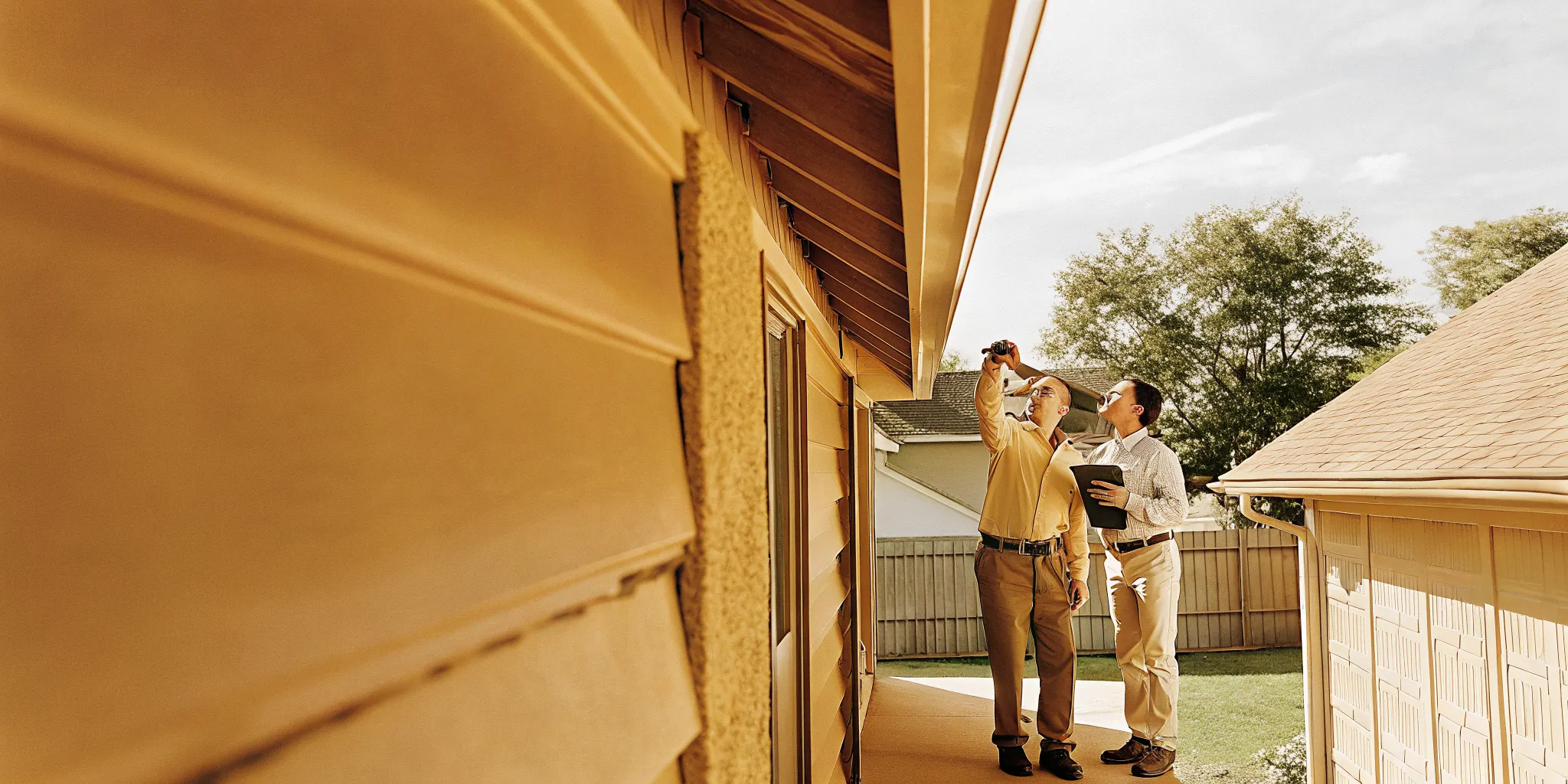
When you start reviewing quotes, you might find big gaps in price. It is normal to wonder why one pro asks for much more than another. These price shifts usually happen because of the goods used, the size of the crew, and the small parts in the plan. To make a smart pick, you must look past the final cost and check what each roofer plans to do. Experts suggest that you get estimates from three or more roofing contractors to see the full market range.
A low price can be tempting, but it often comes with hidden risks. Some pros might skip small steps that keep your home dry and safe. They may not have the right safety plans or may use crews that lack the best training. A high bid does not always mean it is the best, but it often covers more work and better care. You should ask each pro to explain their costs so you know what you are paying for. A clear bid builds trust and shows that the team knows how to handle your exact roof needs.
Material quality and brands
The type of products a roofer picks will change your total cost. Some bids use basic shingles while others use top-tier brands with better wind ratings. A shingle roof estimate breakdown should show you the exact brand and style of the shingle. Cheap bids might cut costs by using thin base layers or low-grade metal for the edges. These items help keep water out of your home, so choosing poor quality can lead to leaks later. If a bid is much lower than the rest, it may mean the roofer plans to use poor materials or workmanship to save money.
Scope of work and details
A true "apples-to-apples" look is only possible when every pro bids on the same tasks. One roofer might include the cost to tear off two layers of old shingles. Another pro might only plan to nail new shingles over the old ones. Your estimate should detail the brands of goods, labor costs, and how they will dispose of old materials safely. Differences also come from how a team checks for rot. Some pros include a set amount of wood replacement in the bid, while others bill for it later.
Warranties and labor standards
The price often reflects the level of safety you get after the job is done. There are two main types of plans: the maker's warranty and the contractor's warranty. The maker covers the product itself, but the contractor covers how it was put on your house. High bids often come from teams that use in-house crews rather than outside help. Using a team that works for the company helps ensure the job is done right and stays backed by a solid guarantee for years.
A company with a long track record in your town might charge more for their name and work. This cost covers their office, their trucks, and their deep knowledge of local codes. If a roofer works out of their truck, they have less cost and can bid lower. But if they go out of business, your warranty may not be worth much. It is often worth paying more to work with a pro who will be there if your roof leaks next year. Good labor costs mean the crew can take their time to do the job right the first time.
How should Texas homeowners choose the best value?
Choosing the right roofer is about more than the final price. In Texas, storm damage can make this choice complex. You should get estimates from three or more roofing companies to see your options. A low price might seem good, but it often means the roofer missed a key part of the job or used cheap parts.
Match the job scope
To make a fair comparison, each bid must cover the same tasks. One roofer might include new flashing and ridge vents, while another leaves them out. Ensure each quote lists the brands and types of materials they will use. This helps you see if you are paying for quality or just a quick fix.
Look for details like the type of underlayment and how they handle debris. A solid estimate will show costs for labor, permits, and trash removal. If a bid is much lower than others, the roofer might be cutting corners on essential materials or permits. This can lead to big bills for repairs later on.
Check for local expertise
Texas weather is tough on roofs, so local trust is vital. Ask if the company uses its own crews or hires workers they do not know. In-house teams often provide better work and follow safety rules more closely. You should also check that the roofer has active insurance for property damage and workers' compensation.
A local expert knows how to spot storm damage that a basic check might miss. They can help you deal with the insurance process and meet with the adjuster. This support can save you dozens of hours of stress and help you get an accurate estimate for the full cost of the work. Make sure they document every step with photos to help your claim.
Verify the warranty terms
A good value includes protection for the future. Most roofs have two types of coverage. The first is from the maker of the shingles. These manufacturer warranties usually cover the product itself. If the product fails, the maker replaces it. But this does not cover how the roof was put on.
The second type is the workmanship warranty from the roofer. This covers leaks or errors from the install. When you compare bids, check how long the roofer stands by their work. A company that offers a long labor warranty shows they trust their team. This peace of mind is a key part of the total value you receive for your home.
Which roofing estimate red flags should you avoid?
When you start reviewing quotes, you may find big price gaps between them. While a low price is tempting, it often hides risks that could cost you more later. Some bidders cut corners on supplies or skip permits to lower their costs. You should look for clear warning signs before you sign any contract for your home.
Unclear scope and missing details
A good estimate must list every detail of the job. If a quote is only a few lines long or lacks a clear scope, treat it as a red flag. You need to see a full list of parts, brands, and labor costs. It should also cover how the team will handle old shingles and cleanup. Per the North Carolina Cooperative Extension, all contractors must bid on the exact same job. This helps you get a fair look at the value.
Missing start and end dates are another sign of a poor contractor. An expert bid should tell you when the work begins and when it will finish. Without these dates, you have no way to hold the team to a schedule. You can use a roofing calculator to see what a standard job should include before you meet with local firms.
High-pressure sales and upfront payments
Watch out for contractors who push you to make a fast choice. Storm damage can be stressful, but you still need time to check your options. Sales agents may lack the technical skill to answer deep questions about your roof. They might offer a "today only" deal to stop you from looking at other bids. The Hawaii Department of Commerce and Consumer Affairs suggests getting three or more written bids to help you spot these tricks.
Asking for a large sum of money before work starts is a major risk. While a small deposit is normal, you should never pay the full cost upfront. A solid firm has the funds to start your job without your cash. If a contractor seems eager for a big check, they may have money woes that could stall your project. You can check local reviews to see how other people feel about a firm's payment terms.
Missing insurance and unsupported claims
Never hire a team that cannot show proof of insurance. A safe contractor carries public liability, property damage, and workers' compensation. Without these, you could be liable for any accidents that happen on your land. A low-ball bid often comes from someone who skips these costs. Verify their papers directly with the carrier to make sure they are still active.
Finally, be wary of long warranties that seem too good to be true. A promise is only as strong as the company that makes it. If a firm goes out of business, your guarantee becomes worthless. Check for past work and ask for names of previous clients you can call. This step helps you find a team that will stand by their work over the long term.
Use the free roofing calculator to establish a useful cost baseline before reviewing bids.
Frequently Asked Questions
How many estimates should I get for a roofing job?
You should get at least three written bids before you pick a roofer. This helps you see a fair range of costs for the work. Each pro should visit your home to check the roof in person. When you have three quotes, you can spot if one price is too high or too low. According to the state government, getting three or more quotes is the best way to compare your choices.
What should a roofing estimate include?
A good quote must list every part of the job in writing. It should detail the cost of all parts, labor, and the brand of shingles. It also needs to show the price for removing the old roof and getting rid of the waste. Look for clear start and end dates for the project. Most of all, the bid must explain the warranty terms for both the parts and the work. This keeps your home safe and prevents hidden costs.
Why do roofing estimates vary so much?
Prices often change based on the quality of the parts and the skill of the crew. Some crews use cheap items to lower the price, while others use top-tier shingles. The scope of work can also differ between quotes. One pro might include new wood or vents that another leaves out. Top roofers often have more costs because they use their own crews and have better insurance. A study from NC State notes that the lowest price is not always the best one.
How can low-ball roofing bids cost more later?
Bids with a very low price may cut corners to save money. These crews might skip permits or use cheap parts that fail fast. This can cause leaks and lead to costly repairs in just a few years. It may also void the warranty from the shingle maker. Choosing a cheap bid can put your home at risk and cost more in the long run. If a bid seems too good to be true, it likely is. It is best to choose a pro based on value and skill.
Ready to get a fair and accurate roof estimate?
Choosing a roofer based on the lowest price often leads to hidden costs later. Waiting to fix a leak or damage can cause rot and mold that will cost much more to repair. By getting a professional look at your roof now, you can stop small issues from turning into major roof failure. Our expert team will give you a clear view of what your home needs so you can make a choice that protects your house and your wallet over the long term. Do not wait for the next big rain to find out your roof is not ready.
Ready to request a free roof inspection or quote? Call (832) 271-1726 to schedule your free inspection today.