Let’s be honest: the idea of walking into a metal yard for the first time can be a little intimidating. The sheer scale of the inventory, the industry-specific jargon, and the professional-grade equipment can make it feel like a place reserved only for seasoned experts. But the truth is, these suppliers are an incredible resource for everyone, from DIY enthusiasts to small business owners. The key is knowing what to expect and how to ask for what you need. Think of this guide as your friendly introduction to the world of metal supply. We’ll break down everything from the common types of metal to the services you should look for, giving you the confidence to source materials for your next project like a pro.
Key Takeaways
- Treat your supplier as a partner: A quality metal supply company offers more than just materials; use their services like custom cutting, technical advice, and delivery to save time, reduce waste, and ensure your project's success.
- Choose the right metal for the job: Before you buy, understand the basic properties of different metals. Considering factors like strength, weight, and corrosion resistance will help you select the most effective and economical material.
- Evaluate suppliers on more than just price: The lowest cost doesn't guarantee success. Compare companies on key factors like inventory size, quality certifications, delivery options, and customer service to find a reliable partner for the long term.
What is a Metal Supply Company?
Think of a metal supply company as a specialty distributor for raw materials. While you might find a small rack of metal rods at a big-box hardware store, a metal supply company is where professionals, fabricators, and serious makers go for a vast selection of metals in many shapes and sizes. These businesses are often called a metal service distributor because they do more than just sell metal; they provide services that help you get the exact materials you need for your project, ready for use.
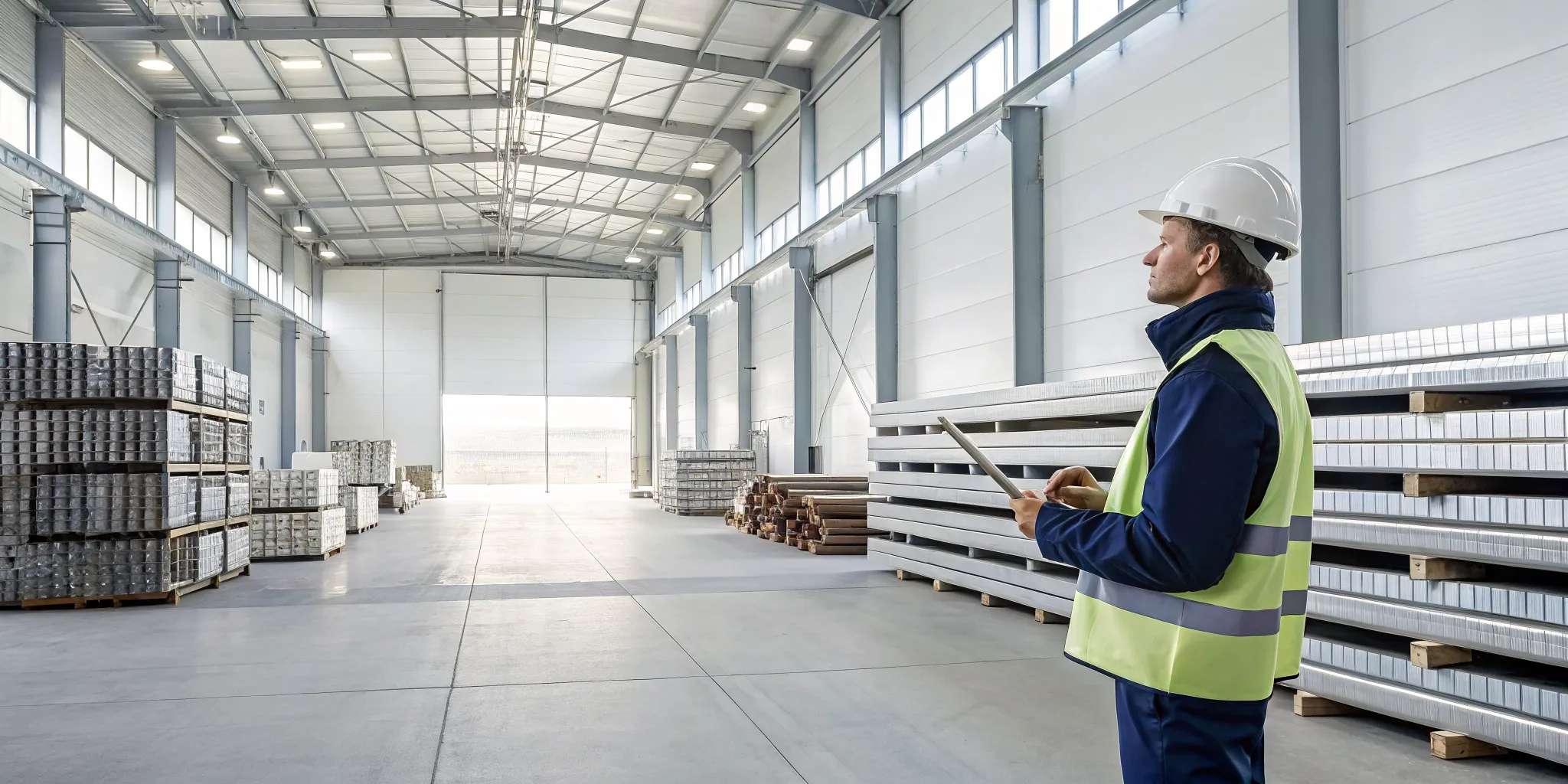
These companies buy metal in large quantities directly from mills and manufacturers around the world. They then stock this inventory in their warehouses, making it accessible to a wide range of customers who don't need to buy a literal ton of steel at a time. Whether you're building a custom piece of furniture, repairing machinery, or creating a metal sculpture, a supply company is your starting point. They bridge the gap between the massive scale of metal production and the specific needs of individual projects. Many have been around for decades, becoming essential partners to the local businesses and craftspeople in their communities. They offer expertise that you just can't find elsewhere, with staff who can often help you figure out the best material or grade for your specific application. This combination of vast inventory and knowledgeable service is what truly sets them apart.
What do they do?
At its core, a metal supply company sells a huge inventory of different metals. You can expect to find common industrial materials like steel, aluminum, and stainless steel, alongside specialty metals like copper and brass. These are available in various forms, such as sheets, plates, bars, tubes, and structural shapes.
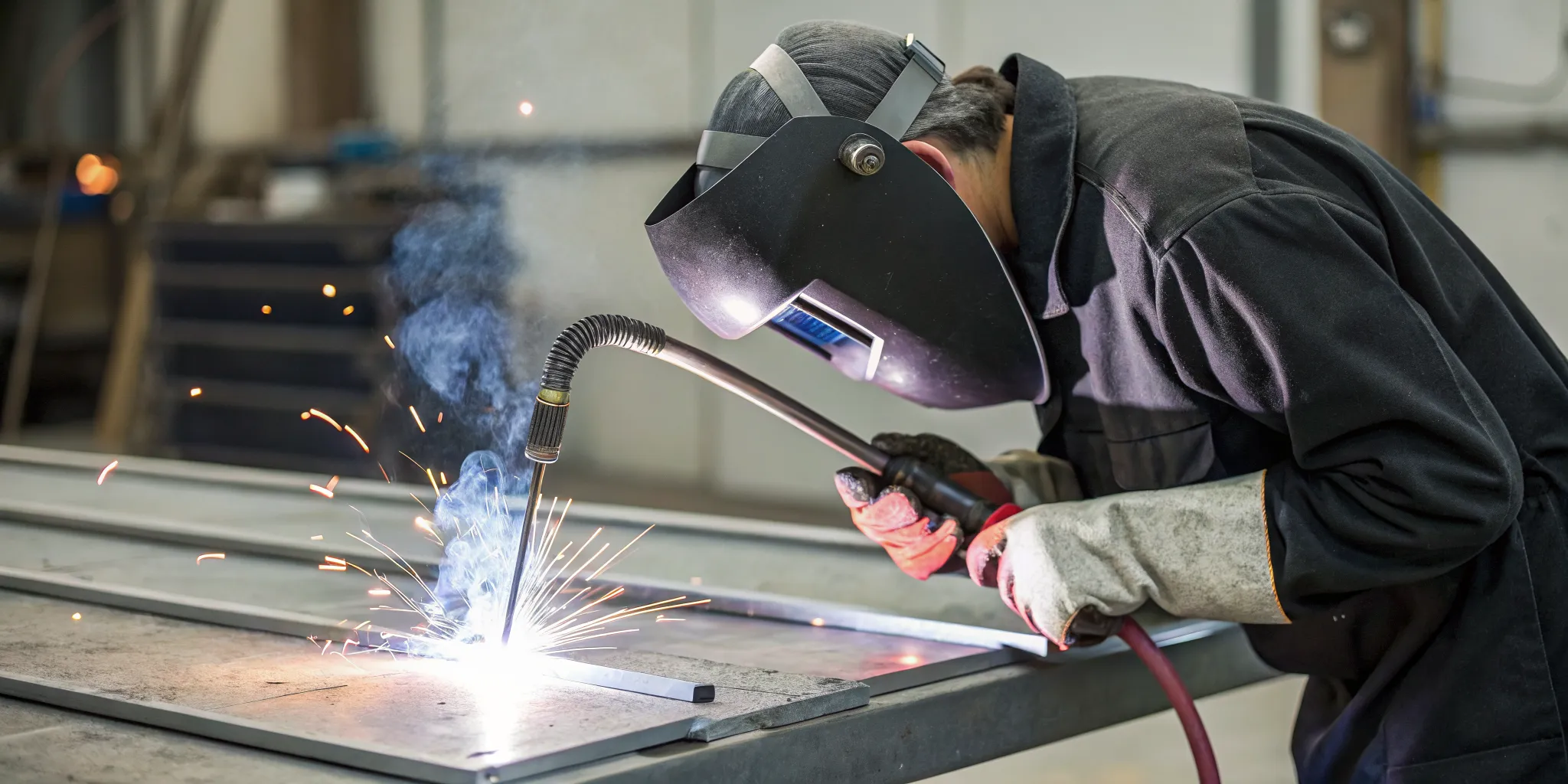
Beyond just selling stock, their key function is processing. Most suppliers offer cutting services to give you precise lengths or shapes, saving you a significant amount of time and labor. They use industrial saws, shears, and plasma or laser cutters to process materials to your exact specifications. Some also offer additional services like bending, drilling, or punching, and may even carry a selection of related hardware products.
Who are their customers?
You might think metal suppliers only work with large corporations, and while they certainly do, their customer base is incredibly diverse. They supply metal to major industries like construction, aerospace, shipping, and manufacturing, providing the raw materials for everything from building frames to airplane parts. Machine shops and professional welders are also frequent customers, relying on suppliers for a steady stream of materials for their projects.
However, you don't need to be a big company to walk through their doors. Many metal suppliers are open to the public and welcome small businesses, artists, sculptors, and even DIY enthusiasts. If you need a specific piece of metal for a home project or an art piece, your local supplier is often the best and most affordable place to get it.
Common Metals You Can Buy
Walking into a metal supply shop or browsing a supplier’s website can feel a bit overwhelming at first. You’ll see a huge variety of materials, each with its own unique properties and best uses. The right choice always comes down to your specific project. Are you building a sturdy frame, creating a decorative piece, or fixing a piece of equipment? Understanding the basics of the most common metals will help you communicate your needs clearly and find the perfect material for the job. Most suppliers group their inventory by metal type, so knowing what you’re looking for is the best first step.
From the rugged strength of steel to the lightweight versatility of aluminum, each metal offers a different set of benefits. Think about the environment your project will live in, the weight it needs to support, and the final look you want to achieve. For example, a project exposed to rain needs a corrosion-resistant metal like aluminum or stainless steel, while an indoor structural support might be perfect for cost-effective carbon steel. This initial planning will make your conversation with a supplier much more productive and ensure you walk away with exactly what you need, saving you time and potential headaches down the road. Below, we’ll go over the most common metals you’ll find, what they’re good for, and what to expect when you buy them.
Steel
Think of steel as the reliable workhorse of the metals world. It’s an alloy of iron and carbon, celebrated for its incredible strength, durability, and relatively low cost. This versatility is why you see it everywhere, from the structural beams in skyscrapers to car frames and hand tools. For most general fabrication, construction, or repair projects, steel is often the go-to choice. Suppliers typically stock it in various forms like sheets, bars, and tubes. Because it’s so widely used, you can count on most general suppliers to have a large amount of metal in stock and ready to go for your project.
Aluminum
If you need a material that’s strong but not heavy, aluminum is your answer. It’s a lightweight, corrosion-resistant metal that’s also a great conductor of heat and electricity. Its silvery-white finish and the fact that it doesn’t rust make it perfect for outdoor applications, window frames, and automotive parts. Artists and designers also love it because it’s easy to shape and finish. You’ll find aluminum in different grades, with 6061 being a popular all-purpose choice. Many suppliers offer a huge selection of aluminum in various alloys and shapes, so you can find the exact properties you need for anything from a boat part to a sleek electronics enclosure.
Stainless Steel
Stainless steel is the clean, modern, and corrosion-proof cousin of standard steel. Its secret is the addition of chromium, which creates a passive layer on the surface that protects it from rust and staining. This makes it an ideal material for environments where hygiene and moisture resistance are critical, like in kitchens, hospitals, and marine applications. You’ll find it in everything from your kitchen sink and appliances to surgical instruments and architectural details. Its sleek, polished look also makes it a favorite for decorative projects. Most suppliers that carry steel will also have a great selection of stainless steel products.
Copper & Brass
Copper and brass are often grouped together for their warm, reddish-gold tones and unique characteristics. Copper is prized for its excellent electrical and thermal conductivity, making it essential for wiring and plumbing. Over time, it develops a beautiful greenish patina, which is often desired in roofing and architectural design. Brass, an alloy of copper and zinc, is known for its bright, gold-like appearance and durability. It’s commonly used for decorative hardware, plumbing fixtures, and musical instruments. Suppliers like Industrial Metal Supply often have a huge selection of both copper and brass for these specialized applications.
Specialty Metals & Alloys
Beyond the big four, many suppliers offer a range of specialty metals and alloys for projects with very specific requirements. This category can include materials like bronze, which is great for bearings and sculptures, or titanium, which is exceptionally strong and lightweight for aerospace or high-performance sports equipment. Some suppliers also focus on providing everything you need for a particular job. For instance, you can often find materials specifically for building fences, gates, and railings, plus all the necessary accessories like hardware, welding supplies, and safety gear, making them a convenient one-stop shop for your entire project.
Services to Expect from a Metal Supplier
A great metal supplier does more than just sell you raw materials. They act as a partner in your project, offering a range of services designed to save you time, money, and headaches. When you're comparing suppliers, look beyond the price per pound and consider what else they bring to the table. The right services can make the difference between a smooth, successful project and one filled with frustrating delays. From precise cuts to expert advice and timely delivery, these value-added offerings are what separate a simple vendor from a true supply partner. Understanding what to look for will help you choose a company that can fully support your needs from start to finish.
Custom Cutting & Fabrication
One of the most valuable services a supplier can offer is custom cutting and fabrication. Instead of receiving a standard-length bar or full sheet of metal that you have to cut yourself, you can have it prepared to your exact specifications. Suppliers use specialized machinery to cut, bend, and shape metal with high precision, ensuring your pieces are ready for immediate use. This service is a huge time-saver and can reduce waste, as you only pay for the material you need. Whether you require a simple cut-to-length service or more complex custom metal fabrication, finding a supplier with these capabilities streamlines your entire workflow.
Finishing & Surface Treatments
Raw metal is just the beginning. Many projects require specific finishes to enhance appearance, improve durability, or provide corrosion resistance. A full-service supplier may offer various surface treatments, such as polishing, painting, powder coating, or galvanizing. Having your supplier handle these finishing steps saves you the trouble of coordinating with another vendor. Some suppliers also stock related products and accessories, like hardware, fasteners, and welding supplies. This turns them into a convenient one-stop shop, allowing you to get everything you need for your project, from the base metal to the final touches, all in one place.
Technical Support & Advice
Especially if you’re not a metal expert, technical support is an invaluable service. A knowledgeable supplier should be able to guide you toward the best material for your project based on your budget, application, and performance requirements. Their team should be ready to answer your questions and offer solutions if you run into challenges. Look for a company that prioritizes customer service and is committed to being helpful and reliable. A supplier who acts as a trusted advisor can give you confidence in your purchase and help you avoid costly mistakes, ensuring you get the right product for the job.
Inventory Management
A supplier’s inventory is a direct reflection of their ability to meet your needs promptly. A well-stocked company will have a large and diverse selection of metals, grades, and sizes on hand. This means you’re more likely to find exactly what you need without waiting for a special order. Top suppliers often carry millions of pounds of material, including common metals like steel and aluminum, as well as specialty alloys. When you’re vetting a potential partner, ask about their inventory. A deep and readily available stock is a strong indicator of a reliable supplier who can prevent supply chain disruptions from delaying your project.
Delivery & Logistics
Getting your metal is the final, crucial step. A dependable supplier must have efficient and flexible logistics. Look for companies that offer clear delivery timelines and options that fit your schedule. Many top suppliers provide next-day delivery for local orders and have systems in place for prompt shipping to other regions. Some even offer same-day will-call pickup if you need materials immediately. Clear communication about delivery status and reliable service are essential. A supplier with a strong local delivery network ensures you get your materials on time, keeping your project on track and avoiding expensive downtime.
How Metal Pricing Works
Understanding how metal is priced can feel tricky because the numbers are always moving. Unlike a product with a fixed sticker price, metals are commodities, and their value can change daily. The price you pay is influenced by global markets, your order size, and a few other costs that might not be obvious at first. Let's break down what drives the cost of metal and how you can get the best value for your project.
Why Prices Fluctuate
Metal prices are rarely stable because they are tied to a complex global market. The simple economic principle of supply and demand is the biggest factor. When demand from major industries like construction or automotive manufacturing is high, prices tend to rise. The World Bank’s Commodity Markets Outlook shows how global economic health directly impacts material costs. Geopolitical events, trade policies, and changes in production costs (like energy and labor) also play a significant role. For example, increased demand from emerging markets can drive up prices for everyone. Because of this volatility, the price you’re quoted today might be different from the one you see next month.
Saving with Bulk Orders & Contracts
One of the most straightforward ways to save on metal is to buy in larger quantities. Suppliers often provide discounts for bulk orders because it’s more efficient for them to process and ship one large order than several small ones. These discounts can range from 5% to 20%, which adds up to significant savings on big projects. If you know you’ll need a steady supply of a particular metal over time, consider setting up a long-term contract. A contract can help you lock in a price for an extended period, protecting you from market swings and making it much easier to budget for your material costs.
Watch Out for Hidden Costs
The price of the metal itself is only part of the total cost. When you’re sourcing materials, it’s important to be aware of additional fees that can affect your final bill. Shipping and handling charges are common, but you should also ask about fees for things like insurance, customs duties, and fuel surcharges. According to the National Association of Manufacturers, these extra charges can sometimes increase your total cost by 10% or more. To avoid any surprises, always ask your supplier for a detailed quote that breaks down every single charge. This helps you get a clear picture of the true cost of procurement and compare offers from different suppliers accurately.
How to Choose a Metal Supply Company
Finding the right metal supplier can feel like a huge task, but it really comes down to knowing what to look for. Think of it like choosing a business partner. You want someone reliable, knowledgeable, and equipped to help you succeed. The cheapest option isn't always the best, especially when the quality of your materials directly impacts the quality of your work. A great supplier does more than just sell you metal; they provide peace of mind. By weighing a few key factors, you can confidently pick a company that will be a true asset for your projects, whether you’re building a single piece of furniture or stocking a whole workshop. Let's walk through the essential things to consider so you can make the best choice.
Product Selection & Availability
First things first, does the supplier actually have what you need? A well-stocked company should offer a wide variety of metals, including essentials like steel, aluminum, and stainless steel, along with copper and brass. If your projects require something specific, check if they carry specialty alloys. A deep inventory means you’re more likely to find everything in one place, saving you time and shipping costs. Look for suppliers who are transparent about their stock levels. A company that maintains millions of pounds of metal on-site is serious about making sure you can get your materials without long waits or backorders, keeping your project on track.
Quality Standards & Certifications
The quality of your raw materials is non-negotiable. Your final product can only be as good as the metal you start with. A trustworthy supplier will be proud to tell you where their metals come from, sourcing them from reputable mills known for their high standards. Don't be shy about asking about their quality control processes or if they hold any certifications, like ISO 9001. These credentials aren't just fancy acronyms; they are a guarantee that the company adheres to strict quality management systems. This commitment ensures you receive consistent, reliable materials every single time, preventing costly mistakes and rework down the line.
Material Traceability
Knowing the origin of your metal is more important than you might think. Material traceability is the ability to track a metal back to its original source, or "heat." This is crucial for ensuring quality and consistency, especially for projects with specific structural or chemical requirements. A good supplier should be able to provide material test reports (MTRs) that certify a metal's properties. This transparency is a hallmark of a professional operation. It shows they are confident in their supply chain and are committed to providing you with exactly what you paid for, giving you full confidence in the integrity of your materials.
Delivery Speed & Options
When you’re ready to start a project, the last thing you want is to wait around for materials. Look into a supplier's delivery policies right from the start. Do they offer flexible options that fit your schedule? Many top-tier suppliers provide next-day local delivery or even same-day pickup for orders placed by a certain time. This kind of speed and convenience can be a lifesaver, helping you stick to your timeline and manage your workflow effectively. Ask about their delivery radius and any associated costs so there are no surprises when it’s time to check out.
Customer Service & Support
A great metal supplier acts as a resource, not just a retailer. Pay attention to how a company treats its customers. Are they responsive, helpful, and willing to answer your questions? Excellent customer service can make a huge difference, especially if you run into a problem or need advice on material selection. A supportive team can help you find the right metal for your application or track down a hard-to-find item. Check out customer reviews or simply give them a call. A company that prioritizes reliable service and builds strong relationships is one you’ll want to work with for the long haul.
Sustainable & Ethical Sourcing
As awareness around environmental impact grows, so does the importance of sustainable practices in the metal industry. Metals like steel and aluminum are highly recyclable, making them an inherently sustainable choice. Ask potential suppliers about their commitment to the environment. Do they offer materials with high recycled content? Some companies even go a step further by offering eco-friendly options like carbon-free shipping. Choosing a supplier that aligns with your values on sustainability not only feels good but also reflects positively on your own business or project, showing a commitment to responsible sourcing.
Common Challenges in Sourcing Metals
Finding the right metal supplier is a great first step, but the work doesn’t stop there. Sourcing raw materials comes with its own set of hurdles. Knowing what to expect can help you prepare for these challenges and keep your projects running smoothly. From fluctuating prices to complex rules, here are a few common obstacles you might face.
Managing Price Changes & Budgets
Metal prices can be unpredictable, making it tough to stick to a budget. Prices shift based on global supply and demand, geopolitical events, and production costs. The World Bank tracks how these commodity markets are influenced by everything from economic growth to changes in mining output. This volatility means a quote you get one month might be different the next. To manage this, it helps to build potential price increases into your project budget and talk to your supplier about options like locking in prices with a long-term contract.
Dealing with Supply Chain Delays
Even with the best planning, delays can happen. Global supply chains are complex, and disruptions can pop up for many reasons, like transportation bottlenecks, labor shortages, or sudden spikes in demand. A McKinsey report explains how events can reshape supply chains, leading to project setbacks and higher costs. The best way to handle this is to be proactive. Ask potential suppliers about their typical lead times and if they have contingency plans for delays. Having a backup supplier in mind is also a smart move.
Avoiding Inconsistent Quality
The quality of your metal directly impacts the quality of your final product. Inconsistent quality is a serious risk that can affect performance and safety. Variations can come from the raw material source, the manufacturing process, or a supplier’s capabilities. Implementing quality management in supply chains is key to getting a consistent product every time. Don’t be afraid to ask suppliers for quality certifications or material test reports. A reliable partner will be transparent about their quality control processes and help you get exactly what you need.
Keeping Up with Regulations
The metal industry is governed by a web of regulations, from environmental laws to international trade policies. These rules can change depending on your location and the type of metal you’re using. For example, the European Commission has a specific regulatory framework that companies must follow to avoid fines and operate legally. Staying informed is essential. A good supplier should be knowledgeable about the regulations that apply to their materials and can often be a valuable resource for helping you maintain compliance.
Where to Find Metal Suppliers
Finding the right metal supplier can feel like a huge task, but it really comes down to knowing where to look. Your best option depends on your project's scale, your location, and whether you need a standard sheet of aluminum or a custom-fabricated part. Most suppliers fall into a few main categories, and understanding the differences will help you find the perfect partner for your work. Let's walk through the most common places to source your metal.
Local Metal Shops
For many projects, your search can start and end right in your own community. Local metal shops are fantastic resources, especially when you want to see materials in person or need advice on the spot. You can walk in, talk to an expert, and leave with your metal the same day. These shops often build strong reputations over decades of service. For example, suppliers like Bobco Metals LLC have served the Los Angeles area for over 50 years, becoming a trusted go-to for individuals and businesses alike. Starting local is a great way to build relationships and get hands-on support.
National Distributors
If your project is larger or you need a wider variety of materials than a local shop can offer, a national distributor is your next best bet. These companies operate on a larger scale, often with massive inventories and sophisticated logistics to serve a broad region. They are equipped to handle bigger orders and can be a reliable source for ongoing needs. A great example is Tell Steel, a major metal service distributor in Southern California since 1959. They focus heavily on customer service and supply a huge range of metal products, making them a solid choice for more demanding projects that require consistency and scale.
Online Retailers
The convenience of ordering online has extended to the metal industry, making it easier than ever to get what you need delivered to your door. Online retailers are perfect when you know exactly what you want and value competitive pricing. Many traditional suppliers have also built robust online stores. For instance, Bobco Metals promises some of the lowest prices on its online sales, allowing you to compare costs from home. Other suppliers, like Industrial Metal Supply, operate large physical warehouses but also provide extensive online catalogs, giving you the best of both worlds.
Specialty Suppliers
Sometimes, a standard piece of metal just won’t do. When your project requires a specific alloy, a unique finish, or custom fabrication, you’ll want to find a specialty supplier. These companies are experts in niche materials or tailored services and can provide solutions for complex engineering or artistic challenges. They often pride themselves on their ability to meet exact specifications. Suppliers like Tell Steel also fall into this category by offering custom solutions and putting the customer’s unique requirements first. If your project has very specific demands, partnering with a specialty supplier ensures you get the precise materials and support you need.
Finding Your Ideal Metal Supplier
Once you know where to look, the next step is to narrow down your options and find the perfect partner for your project. Choosing a supplier isn't just about finding the cheapest price; it's about building a relationship with a company that can consistently deliver the quality and service you need. Following a few simple steps can help you confidently select a supplier who will feel more like a partner than just a vendor.
Define Your Project Needs
Before you even start your search, take a moment to get crystal clear on what your project requires. Walking into a conversation with a supplier without a plan is like going to the grocery store without a list: you’ll likely leave with the wrong things. Know the specific type of metal you need (like A36 steel or 6061 aluminum), the dimensions, the quantity, and any fabrication services you might require, such as cutting or bending. Having these details ready helps a supplier give you an accurate quote and determine if they are the right fit. Many suppliers offer custom solutions for different projects, but they can only help you effectively if you know what you’re trying to achieve.
Check Their Reputation
A supplier’s reputation is a powerful indicator of their reliability and the quality of their products. You want to work with a company that has a proven track record of satisfying its customers. Start by looking for online reviews, testimonials, and case studies. A long history in the business is often a great sign. For example, some companies have become a trusted metal supplier in their communities by operating for decades. Don’t hesitate to ask for references or see if they have experience working on projects similar to yours. Word-of-mouth is also invaluable, so ask for recommendations from other fabricators, artists, or businesses in your network.
Compare Your Options
Don’t settle on the first supplier you find. It’s always a good idea to compare a few different options to see who offers the best combination of product, price, and service. One supplier might have a massive inventory with over 4,000 different products, ensuring they always have what you need in stock. Another might specialize in rare alloys or offer better pricing on the specific material you use most. Look beyond the price tag and compare their product selection, delivery speed, and willingness to provide technical support. Creating a simple list or spreadsheet to track the pros and cons of your top three contenders can make the final decision much easier.
Request Samples & Quotes
Once you’ve narrowed your list down to a few top candidates, it’s time to get specific. Reach out to each one and request a formal quote for your project. Make sure the quote is itemized so you can see exactly what you’re paying for and avoid any hidden costs. This is also the perfect time to ask about their capabilities. For instance, can you get metals cut to the size you need? If possible, ask for material samples. Holding the metal in your hands is the best way to verify its quality and finish. Finally, inquire about lead times and delivery options to ensure they can meet your project’s timeline.
Frequently Asked Questions
Do I need to be a business to buy from a metal supplier? Not at all. While metal suppliers are essential partners for large industries, many are completely open to the public. They are often happy to work with artists, students, and DIY enthusiasts. It's always a good idea to call ahead to confirm, but you'll likely find that your local supplier is a welcoming place for anyone who needs quality metal, regardless of the project size.
What's the easiest way to save money on metal? The most direct way to save is to buy a larger quantity if your project allows for it, as suppliers often give discounts for bigger orders. If you're working on a smaller scale, ask if they have a "remnant" or "drop" bin. These are leftover pieces from larger cuts that are sold at a significant discount. Also, always ask for a detailed quote that breaks down all the charges so you can see the full cost, including any cutting or delivery fees, and avoid surprises.
I'm new to this. How do I figure out which metal to use? The best first step is to think about your project's specific needs. Will it be indoors or outdoors? Does it need to be very strong or lightweight? What kind of look are you going for? Once you have a basic idea, don't hesitate to talk to the supplier. A good supplier has a knowledgeable team that can act as a great resource. They can listen to your project goals and guide you to the best material for the job and your budget.
Can I get just one small piece of metal, or do I have to buy a huge sheet? You almost never have to buy a full sheet or a standard-length bar. One of the most valuable services a supplier offers is custom cutting. You can specify the exact dimensions you need, and they will cut the material for you. This is great because it saves you a ton of work and you only pay for the material you actually need, which minimizes waste and cost.
What's more important: a supplier's price or their services? It’s really about finding the right balance for your needs. A low price on raw material is tempting, but it might not be the best deal if you have to spend hours cutting it yourself or wait weeks for delivery. Services like precise cutting, quick delivery, and expert advice can save you a significant amount of time and prevent costly mistakes. Think about the total cost of your project, including your own labor, to decide what combination of price and service offers the most value.