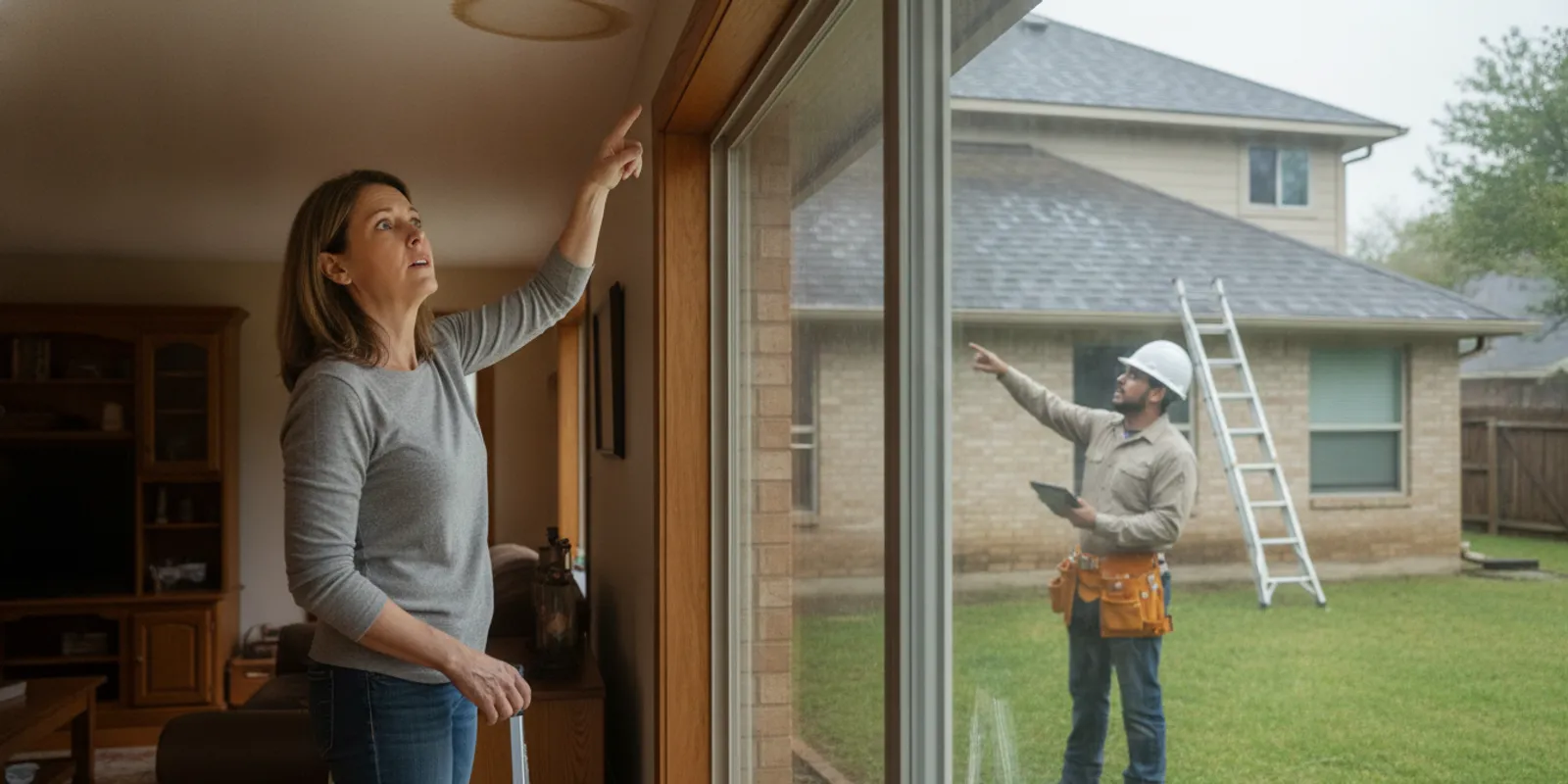
A roof soffit is easy to overlook, but it helps finish and protect the edge of your roof. Understanding what a roof soffit does can help Texas homeowners spot loose panels, moisture, or blocked ventilation before a small concern grows. Here is how to recognize common issues and decide what to do next.
Contact Elevation Roofing & Restoration
What Is a Roof Soffit, and Where Is It Located?
The soffit is the finished underside of a roof overhang, usually the horizontal area beneath the eaves. Stand outside and look up where the roof extends past an exterior wall. The panel covering the underside is generally the soffit. It meets the fascia, the board or trim along the roof edge, and may include perforations or vents.
Not every home has the same eave design. Some use solid soffit panels, while others have vented sections designed to allow air into the attic. Materials can include vinyl, aluminum, wood, or fiber cement, and the right repair depends on the existing assembly. A soffit is not the same as the fascia, gutters, or roof decking, even though all sit near one another.
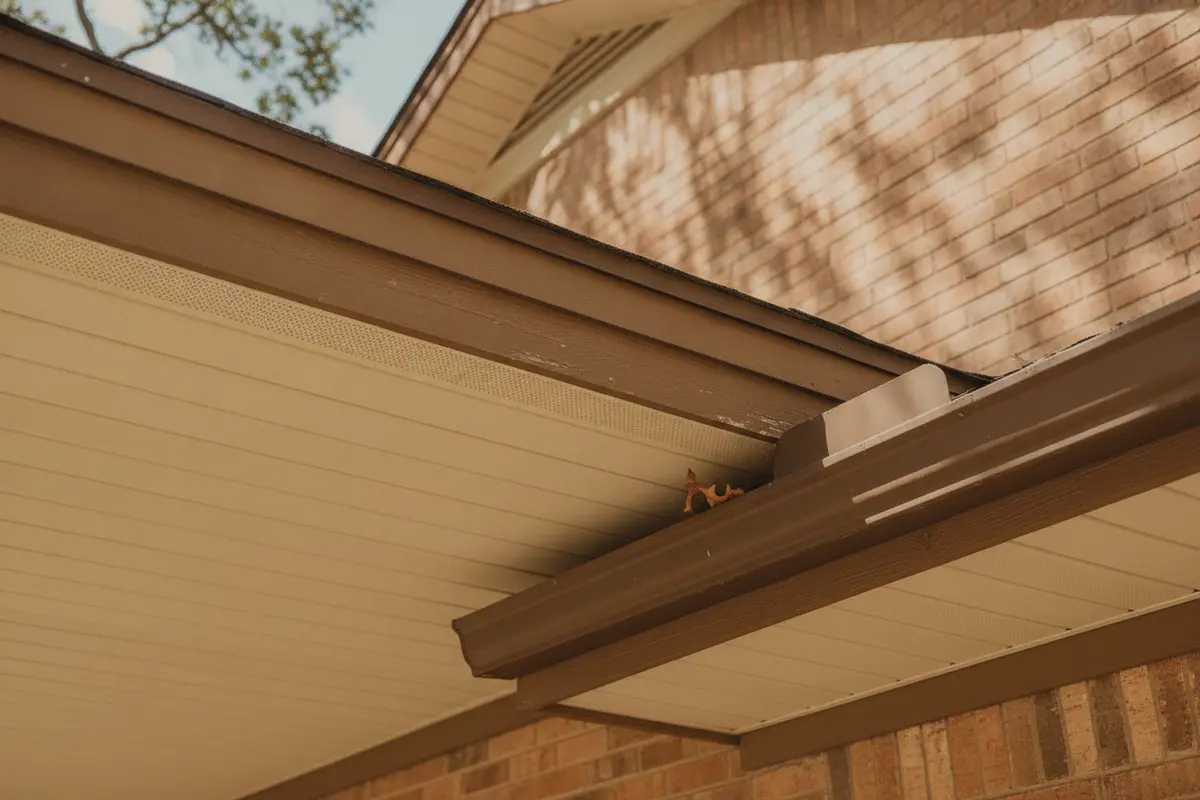
That location matters when diagnosing damage. A stain or loose edge might come from the soffit itself, a leaking roof edge, a gutter problem, or water entering higher on the roof. The visible panel is a clue, not always the source. For broader roof concerns, Elevation Roofing & Restoration provides roofing services for inspection, repair, maintenance, and replacement.
How Does a Roof Soffit Help Protect a Texas Home?
A soffit has several practical jobs. It closes the underside of the eaves, helps keep wind-driven rain and animals from entering the roof overhang, and can form part of the attic ventilation path. Where the roof system uses soffit intake vents, air can enter at the eaves and move through the attic toward exhaust vents. The exact ventilation design varies by building, so a soffit should not be altered without understanding the full system.
That airflow is one reason it is important not to cover or block vented panels. The U.S. Forest Service overview of roofing materials advises property owners not to block roof ventilation sources such as soffit vents, louvers, and ridge vents. Read its roofing materials and ventilation guidance for more context. If an attic seems stuffy or the soffit openings are obstructed, have the ventilation arrangement assessed rather than adding openings at random.
In Houston, Austin, and nearby communities, intense sun, humidity, heavy rain, wind, and seasonal storms can all put stress on roof-edge materials. A sound soffit helps keep the eaves enclosed, but it cannot correct a roof leak, poorly draining gutter, or inadequate ventilation by itself. A useful inspection looks at the edge as a connected system: shingles or other roofing, drip edge, fascia, soffit, gutter, and attic airflow.
What Problems Can a Roof Soffit Develop?
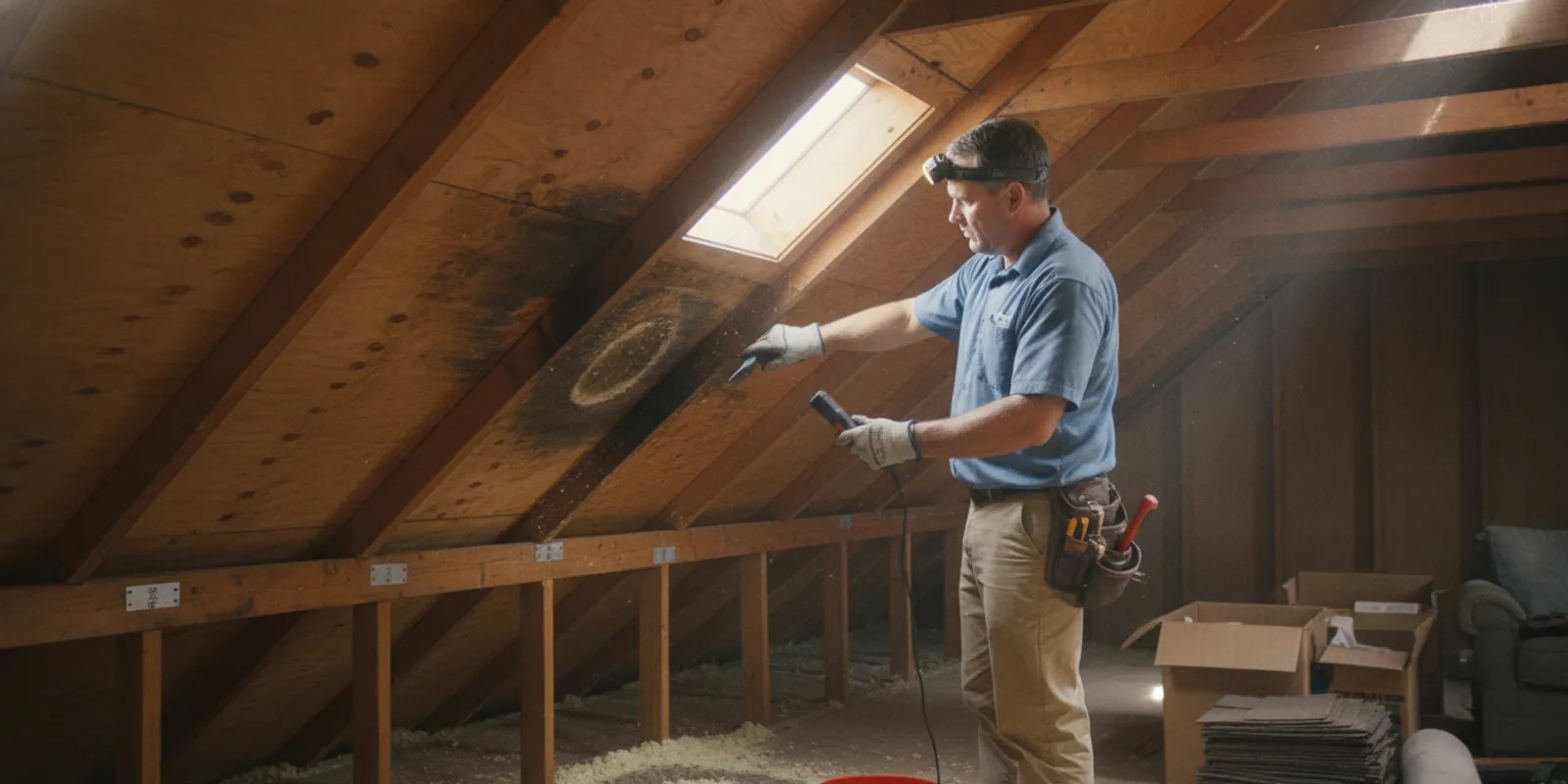
Common issues include cracked, sagging, loose, or missing panels; peeling paint or soft wood; dark marks; and visible gaps at joints. A panel can also become discolored or distorted after prolonged moisture exposure. Insects or small animals may enter through openings, especially where panels or trim have pulled away from the structure.
Look for patterns instead of treating every mark as proof of a roof failure. A single damaged panel near a ladder or recent exterior work may have a local cause. Repeated staining along an eave, soft material, or damage that returns after repainting could point to a moisture source that needs investigation. Possible sources include a roof leak, water spilling over a clogged or misaligned gutter, or water running behind the fascia.
- Loose or sagging panels: Check whether a section has detached, bowed, or developed a gap.
- Moisture signs: Note stains, softness, peeling finish, or a musty smell near the eaves or attic edge.
- Vent openings blocked: Look for paint, debris, insulation, or an added covering over vented sections.
- Pest access: Watch for openings, nesting material, or repeated animal activity near the roof edge.
- Related roof-edge wear: Observe whether fascia, shingles, flashing, or gutters show damage nearby.
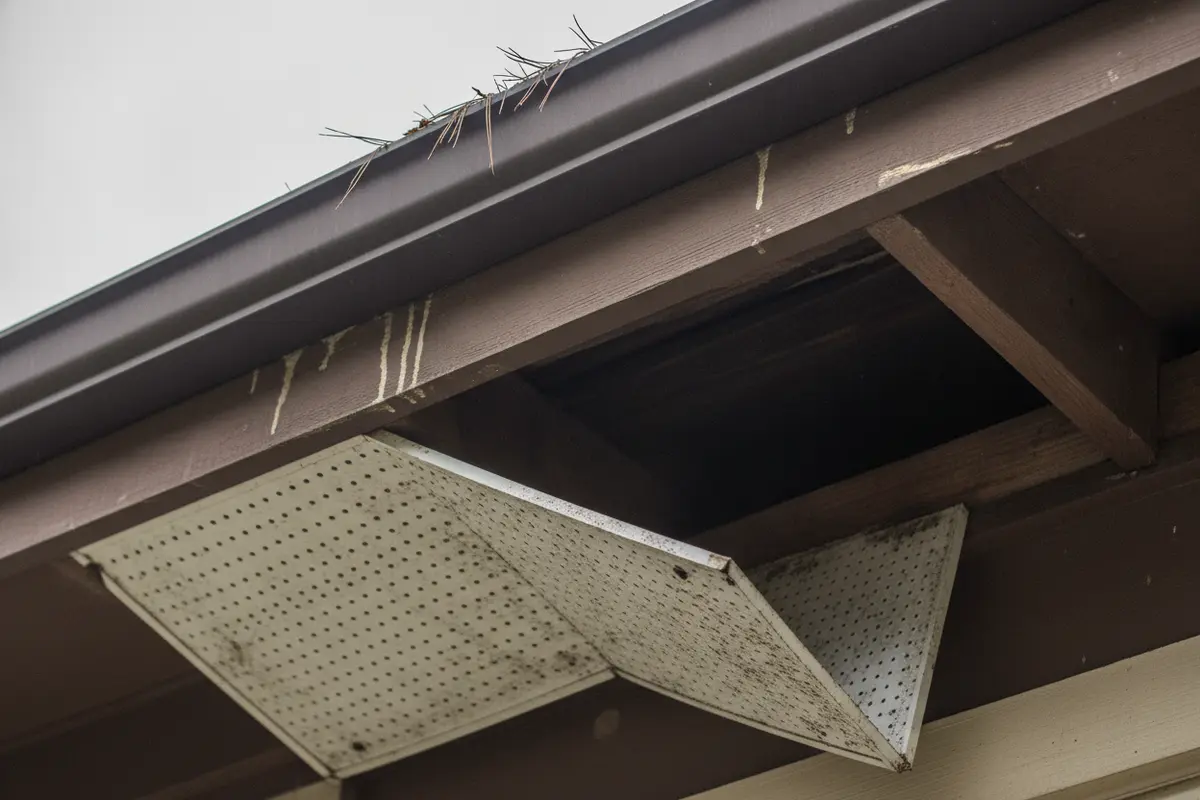
Do not climb onto a roof or lean out of an upper-story window to inspect a soffit. From the ground, use binoculars or a phone camera with zoom. If you can safely access the attic, look for daylight at the eaves, damp insulation, water marks, or vents covered from inside. Stay clear of unstable areas and electrical wiring, and leave any close-up inspection to a qualified professional.
When Does a Roof Soffit Need Repair?
Repair may be appropriate when damage is limited to a small panel or a localized section and the surrounding structure is sound. Replacing a loose or broken panel can restore the barrier and appearance, but the underlying reason for the damage still matters. If a gutter overflowed or water entered from the roof edge, address that source as part of the repair plan. Otherwise, the new panel may develop the same problem.
More extensive work may be needed when multiple sections have deteriorated, wood feels soft, the fascia is damaged, or water has affected the roof edge or attic. An inspection can help distinguish a panel replacement from connected roof repairs. If the concern appears to involve the broader roof rather than just the eave, a professional roof inspection can help identify what needs attention before a scope is chosen.
How Can You Check a Roof Soffit Safely?
A simple ground-level check can help you gather useful observations. Choose a dry day with good visibility, stay on the ground, and walk around the building. Compare similar eaves on different sides of the home. Take dated photos from the same position if you want to see whether a gap or stain changes over time.
- Scan the full roof edge. Look for uneven lines, missing panels, gaps, exposed wood, or visible sagging.
- Check nearby components. Note gutter sections that pull away, overflow marks, damaged fascia, or roofing that appears lifted at the edge.
- Look for water clues. Record stains, peeling paint, soft material you can safely reach from the ground, and any dampness inside near the eaves.
- Notice ventilation details. Identify which panels are vented and whether anything appears to cover their openings. Do not remove covers or insulation as a test.
- Write down when the issue appears. Note whether you first noticed it after a storm, gutter cleaning, roof work, or a period of heavy rain.
Share the photos and observations with the roofing professional who assesses the concern. This can make it easier to compare what you see outside with conditions at the roof edge and in the attic. If you are in the company’s service area, you can review roofing service locations across Texas or find information for Houston roofing and Austin roofing.
Should You Repair a Soffit or Replace More of the Roof Edge?
The right scope depends on the cause, the area affected, the material’s condition, and whether water has reached components behind the visible panel. The table below is a starting point for discussion, not a diagnosis. A roofing professional should confirm conditions before work begins.
| What you observe | What it may indicate | Useful next step |
|---|---|---|
| One cracked or detached panel, no nearby moisture clues | Localized panel or fastening issue | Ask whether a small soffit repair can restore the enclosure. |
| Staining or soft material beneath a gutter | Possible overflow, leakage, or water behind the fascia | Have the gutter and roof edge checked before replacing the panel. |
| Several deteriorated panels or damaged fascia | Broader wear or repeated moisture exposure | Request an assessment of the connected eave components and repair scope. |
| Blocked vents or recurring attic moisture concerns | Possible ventilation or moisture-management issue | Ask for the roof and attic ventilation arrangement to be evaluated together. |
| Damage extends onto roofing or roof decking | A roof repair may be needed in addition to soffit work | Discuss the full roof condition and appropriate repair options. |
For example, if one panel is missing but the gutter is also pulling away, replacing the panel alone might not resolve the cause of water exposure. If several eaves show similar damage, the inspection should consider whether the issue is repeated across the roof. When a repair is appropriate, ask what will be replaced, how the water source will be addressed, and whether any ventilation openings will remain clear.
Talk with a roofing professional about your roof
What Should You Ask Before Soffit Work Begins?
A clear repair conversation helps you understand the scope before work starts. Ask the contractor to show you the damage, explain how they ruled out related causes, and describe which components are included. If there is moisture, ask how the source will be addressed and what signs would indicate further investigation is needed.
- Is the damage limited to the soffit, or does it affect fascia, gutters, flashing, roofing, or decking?
- Will the proposed work keep existing ventilation openings clear and maintain the roof’s intended airflow path?
- What material and finish will be used, and how will it connect with the existing panels?
- Does the estimate include removal of damaged material and correction of the identified water-entry source?
- What should I monitor after the repair, and who should I contact if staining or movement returns?
For general roof maintenance and repair needs, explore the company’s roof maintenance services and roof repair options. Gutter condition can also affect roof-edge moisture, so homeowners comparing related work can see gutter installation and repair services. For storm-related concerns, learn about storm repair services and keep photos or notes that may be useful when discussing the damage.
Schedule a free inspection for your roof concerns
Frequently Asked Questions
Is a roof soffit the same as fascia?
No. The soffit covers the underside of the roof overhang, while fascia runs along the roof edge and often sits behind or above the gutter. They meet at the eaves, so damage to one can be associated with problems in the other. An inspection can help identify which components need repair.
Can I cover vented soffit panels?
Do not cover or block a vented soffit without professional guidance. Those openings may be part of the attic’s intake ventilation path. Blocking them can interfere with the intended airflow, and ventilation changes should account for the entire roof system.
Can damaged soffit cause a roof leak?
A damaged soffit is not automatically the source of a roof leak. It can show that moisture or pests have reached the eave, but water may be entering through roofing, flashing, or a gutter issue above it. Look for the source rather than relying on the visible panel alone.
Can I replace a soffit panel myself?
A simple panel replacement may seem manageable, but work near roof edges can involve falls, hidden moisture, and ventilation details. Avoid climbing or removing material if you are unsure of the assembly or the source of damage. A professional assessment is the safer choice when the area is high, unstable, or connected to a leak.
Make the Next Step an Informed One
Pay attention to loose panels, stains, blocked vent openings, and related wear around the eaves, but do not assume the soffit is the only component involved. A safe visual check and a clear inspection can help establish whether the right response is a limited panel repair or work on a larger roof-edge issue. You can also read answers to common roofing questions and learn about other customers’ experiences as you plan your next step.